

PROTECT YOUR DNA WITH QUANTUM TECHNOLOGY
Orgo-Life the new way to the future Advertising by AdpathwayWhen Kh. Otgonbayar looks across the Gobi, she sees a landscape she is deeply committed to protecting. But she also sees how quickly it is changing. Otgonbayar leads the Temuulel Community-Based Organization, a group of pastoralist families working to manage their rangelands. She is also a dedicated Gobi Women Climate Champion. Over the years, she has watched freshwater springs become less reliable, droughts more frequent, and the landscape her community depends on become increasingly vulnerable.
Rather than accept these changes, she has brought herders together to restore degraded land, fill dangerous abandoned mining pits that threaten people, livestock and wildlife, plant native saxaul trees, and protect habitat for both wildlife and livestock. Her work demonstrates that the people living closest to these landscapes are often the ones shaping their future.
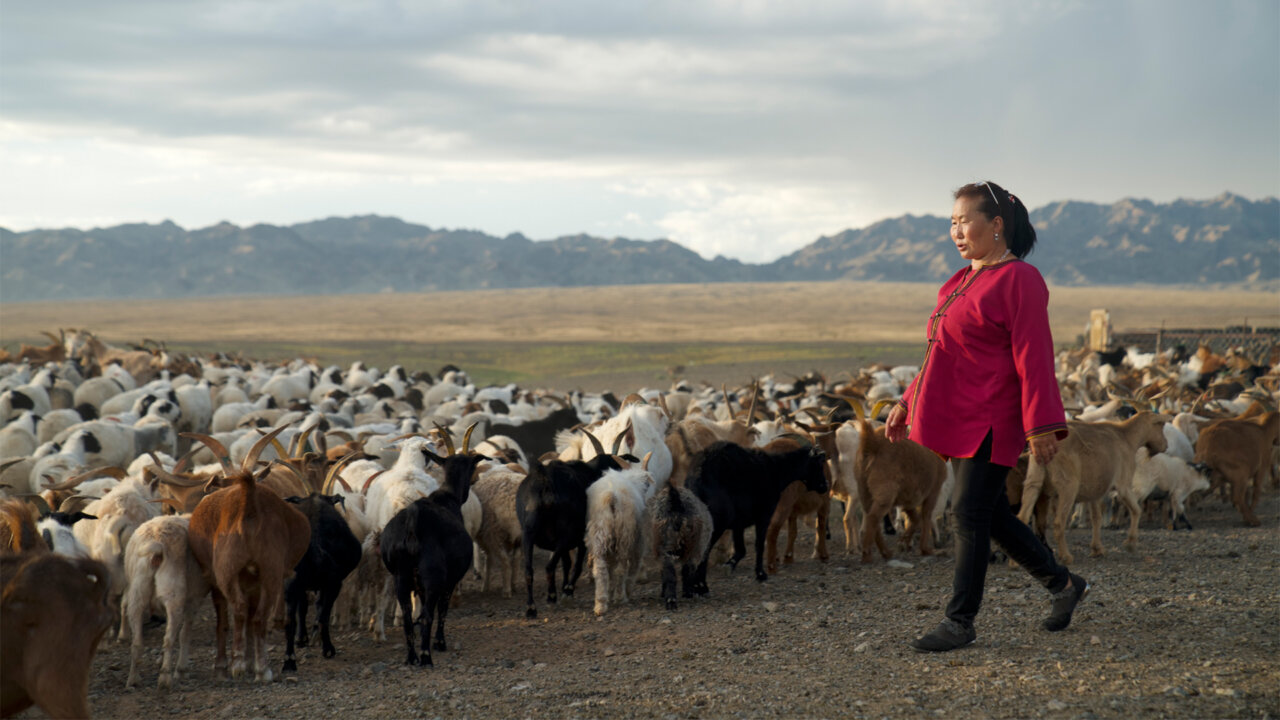
Chimgee herding goats on the Mongolian steppe. Photo credit: ©️WCS Mongolia.
Otgonbayar’s story is not unique. Across Mongolia, herder communities are adapting to a changing climate while protecting the grasslands and deserts that sustain both people and wildlife. Their experiences help explain why Mongolia is such a fitting host for the seventeenth Conference of the Parties to the United Nations Convention to Combat Desertification (UNCCD CoP17). This August, Mongolia will welcome countries from around the world to share knowledge and strengthen action to restore healthy lands.
Few countries embody both the challenges and opportunities of rangeland management as clearly as Mongolia. Nearly 90 percent of the country consists of drylands, ranging from the vast eastern grassland steppe to the deserts and semi-deserts of the Gobi. Having worked in conservation with WCS for more than 20 years, I have come to know many of these landscapes well. I have watched large herds of Mongolian gazelles gather on the eastern steppe, seen khulan (Mongolian wild ass) moving across the Gobi, and celebrated the return of Mongolian saiga to places where they had once disappeared. Mongolia remains home to vast living ecosystems that sustain biodiversity, pastoral livelihoods, climate resilience, and ecological connectivity on a continental scale.
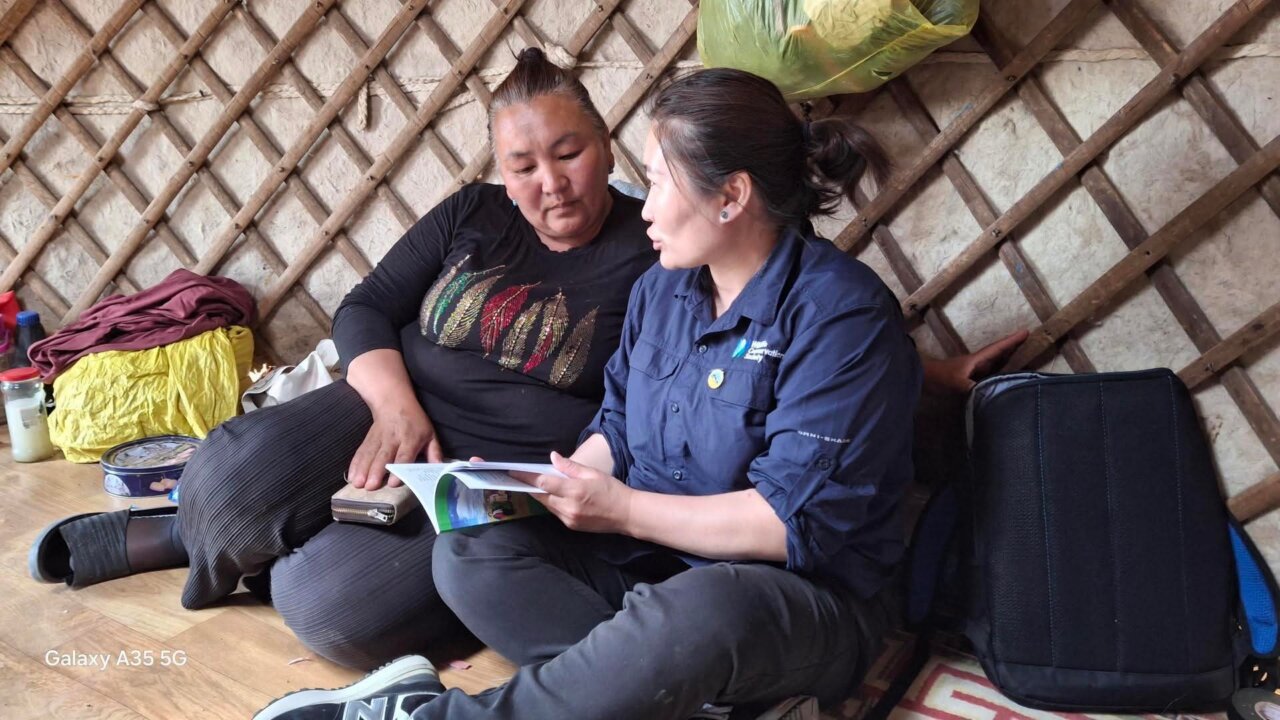
Bolortsetseg with Otgonbayar sharing ideas about traditional conservation. Photo credit: ©️WCS Mongolia.
The timing of CoP17 feels especially important. Around the world, there is growing international recognition that healthy rangelands are essential for tackling climate change, biodiversity loss, and land degradation. In Mongolia, this is not a new idea. For generations, nomadic and semi-nomadic livestock herders have long understood that caring for the land is also about caring for their families, their livestock and future generations.
Through our work in the Gobi, I have seen firsthand how local communities are helping build that resilience. WCS works alongside herder communities, local governments, and protected area managers to strengthen sustainable land management and conserve wildlife by combining scientific research with traditional ecological knowledge.
Otgonbayar, for example, mobilized local herders to restore degraded land scarred by abandoned artisanal mining. Together they filled 82 abandoned mining pits, each nearly 10 meters deep, rehabilitating 3.30 hectares of community-managed pasture and seasonal wildlife habitat while reducing risks to both livestock and wildlife.
She also led community efforts to plant 128 trees, including native saxaul, near community-managed areas and herder camps. These trees stabilize soils, reduce erosion, create shelter for wildlife, and improve the landscape’s ability to withstand climate change—demonstrating how local women leaders are driving practical conservation.
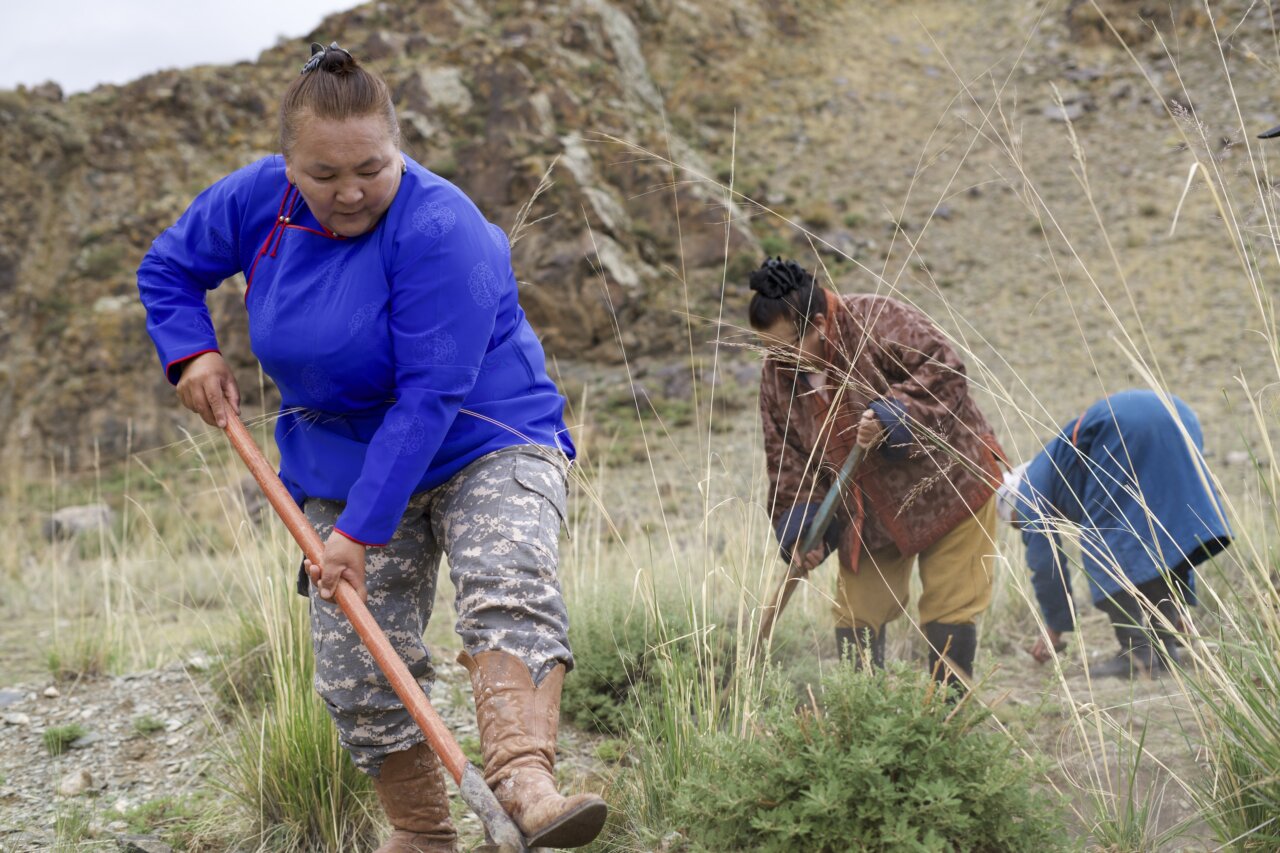
Otgonbayar doing rangeland restoration work. Photo credit: ©️WCS Mongolia.
Another Gobi Women Climate Champion, J. Chimgee, worked with fellow herders to establish a new restoration area and plant saxaul trees. Together, Otgonbayar and Chimgee are restoring and planting a total of 5.30 ha, with 186 trees planted representing 16 tree species. Despite the harsh conditions of the Gobi, the young trees are thriving, contributing to Mongolia’s Billion Trees Campaign, and offering tangible hope that degraded drylands can recover.
Whenever I visit these communities, or simply catch up with community members over the phone, I come away feeling optimistic. Stories like those of Otgonbayar and Chimgee illustrate an essential lesson for CoP17. Scientific research provides critical information about environmental change, but local communities contribute equally valuable knowledge gained through generations of living on and managing these landscapes. When science and traditional knowledge come together, conservation becomes more effective, practical, and sustainable.
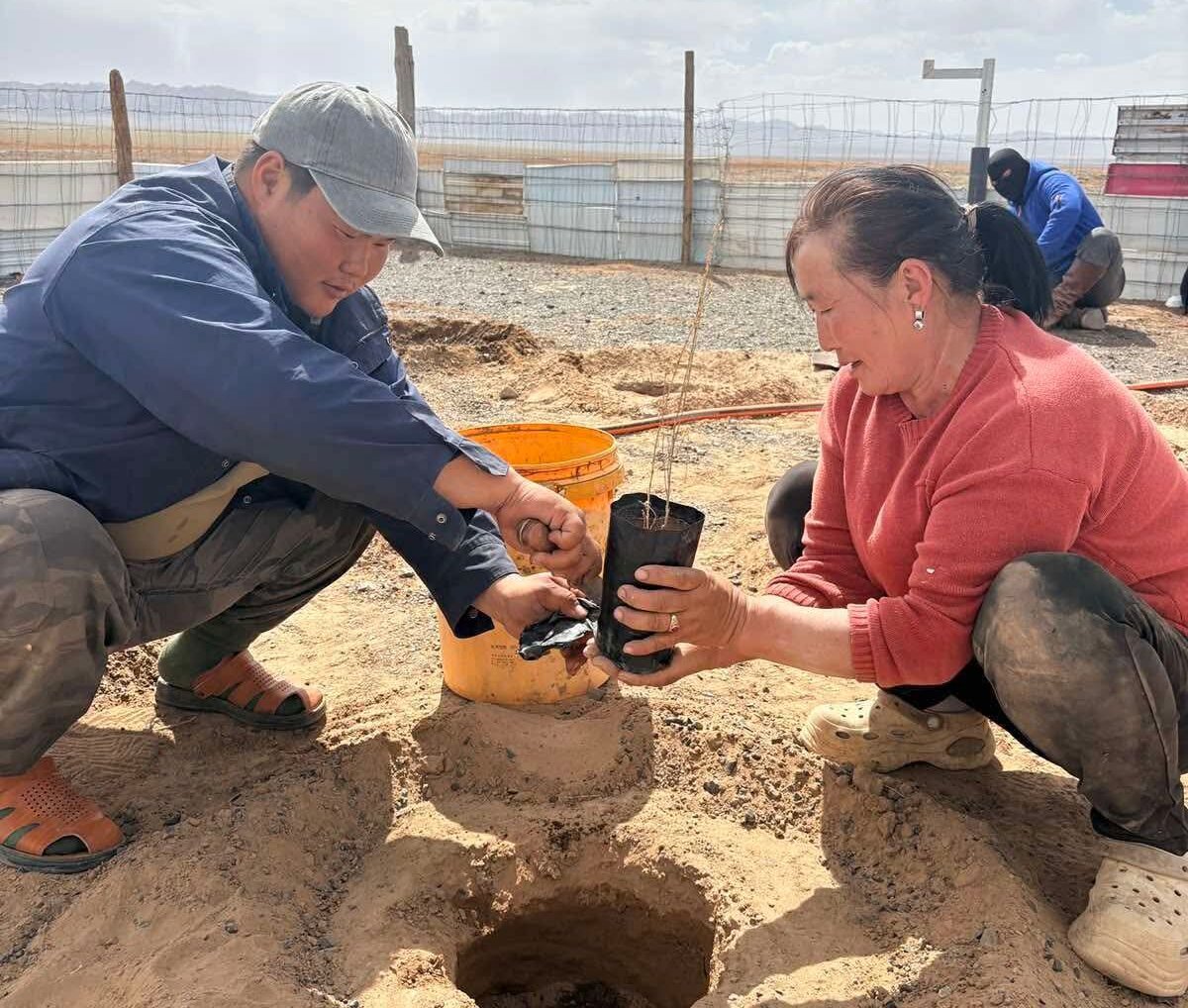
Chimgee helps to plant a saxaul tree. Photo credit: ©️WCS Mongolia.
Healthy grasslands matter because they regulate water cycles, store carbon, support wildlife, and provide the foundation for the livelihoods and cultures of pastoral communities. Investing in healthy rangelands is therefore not only a conservation priority but also an investment in climate adaptation, food security, and sustainable development.
As governments, scientists, and practitioners gather in Mongolia for UNCCD CoP17, my simple hope is that the people caring for these landscapes every day leave knowing their voices were heard, their knowledge respected, and their efforts supported.
Mongolia offers both a warning and a source of hope. I have seen how climate change and land degradation are already affecting some of the planet’s most important drylands. But I have also seen what is possible when herders, local leaders, scientists, and communities working together. That gives me optimism for the future.
When Kh. Otgonbayar looks across the Gobi, she still sees a landscape worth protecting. CoP17 should leave communities like hers with stronger partnerships and the resources they need to continue restoring the drylands on which both people and wildlife depend. If it does, Mongolia will have given the world something more lasting than a successful conference: a model for how healthy rangelands can sustain biodiversity, climate resilience, and livelihoods for generations to come.















 English (US) ·
  French (CA) ·