

For homeowners, November represents the last opportunity to prepare your backyard’s largest living feature for the rigors of winter. Yes, I’m talking about your lawn. The weather can change on a dime, and if you’re not careful, it can leave its mark all over your lawn. Depending on where you live, one week can mark the difference between lush grass and frozen turf.
Thankfully, these lawn care essentials are neither grueling nor time-consuming. Do these simple jobs now, and they will save you trouble and expense later. They will help to protect your turf over winter and give it the healthiest start next spring. From what to do with your mower to when to apply that last round of fertilizer, these pivotal lawn care tasks can help with any shape or size.
These tips can also help you whether you have warm or cool-season grasses to deal with. You just need to adapt the approach depending on which type you are growing. Cool-season grasses like Kentucky bluegrass, fescue, and perennial ryegrass remain semi-active in November. But warm-season varieties such as Bermudagrass, Zoysia, and St Augustine are approaching dormancy. Here are the 6 key tasks you need to check off before the first true hard freeze locks your soil for the season.
Get Your Lawn Winter Ready
When freezing temperatures arrive, your lawn’s soil moisture solidifies, expanding underground and turning grass blades brittle. In severe cold snaps, winds can wick moisture, inducing winterkill. Conversely, heavy snow falling on debris-laden turf can create the stagnant breeding grounds favored by snow mold fungi. Keep your USDA hardiness zone and regional weather in mind with these tips, but try to think one step ahead of the worst-case scenario so you don’t get caught out.
(Image credit: Somnuk Krobkum / Getty Images)
Before diving into these tasks, it’s important to check your soil temperature. Turf reacts to ground conditions, with root growth in cool-season lawns tapering off once soil temperatures plunge below 45°F (7°C). Second, verify that your mower blades are sharp. Dull mower blades can shred dormant grass tips, leaving wounds that turn brown, lose moisture, and invite cold-weather fungal pathogens. If you haven’t got one, the Sharpal 103N All-In-One Lawn Mower Blade Sharpener from Amazon is a great-value gadget for restoring razor-sharp cutting edges.
Spending just an hour or so on late-fall lawn preparation right now will really pay off when the warm spring weather returns. It also gives your grass all the help it needs to get through the sleet, wind, frost and snow that could be waiting just round the corner. Whatever your growing zone and grass species, here’s what you need to do to get your grass fully winter-ready!
1. Clear Fallen Leaves To Prevent Smothering

(Image credit: Nieriss / Shutterstock)
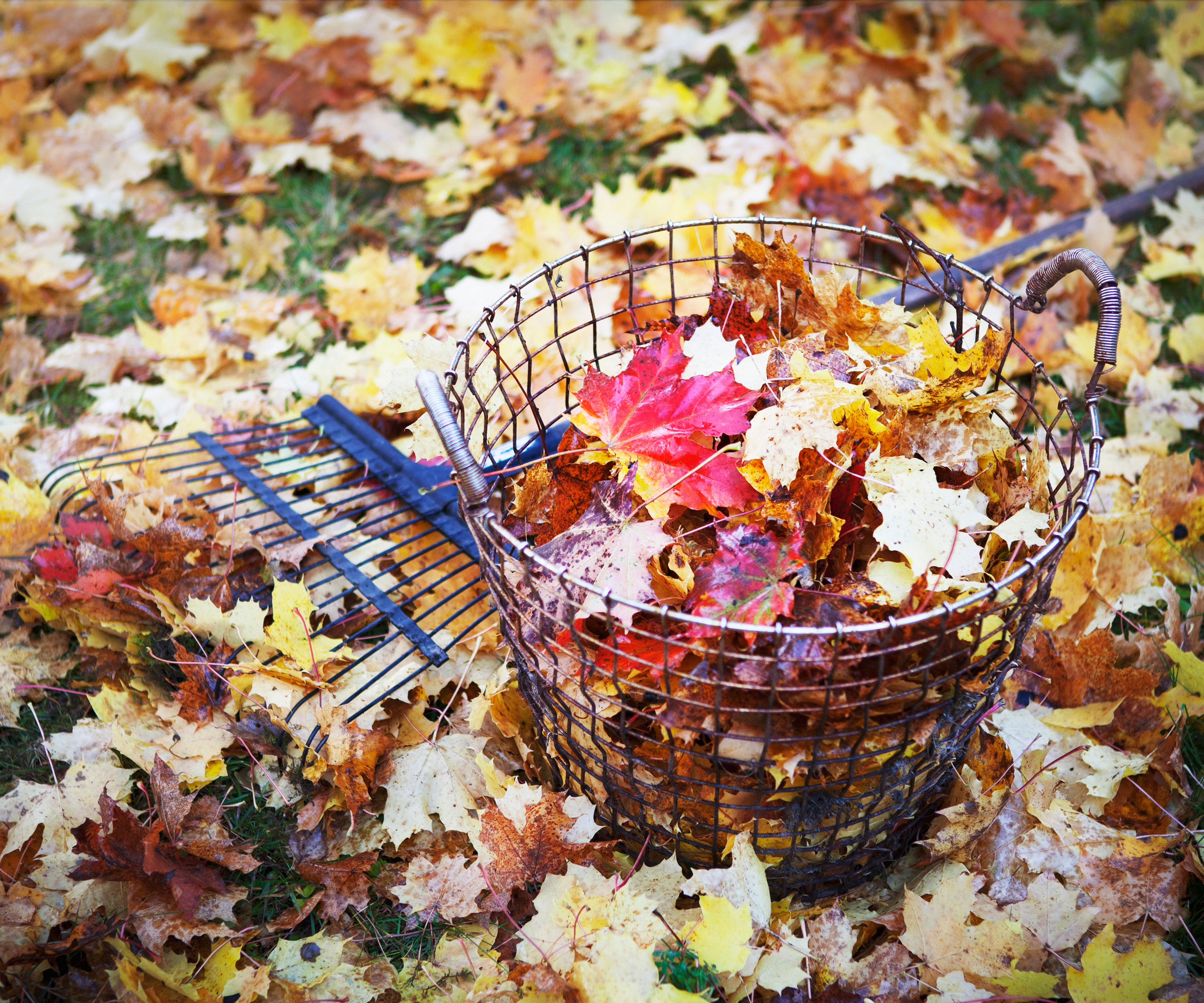
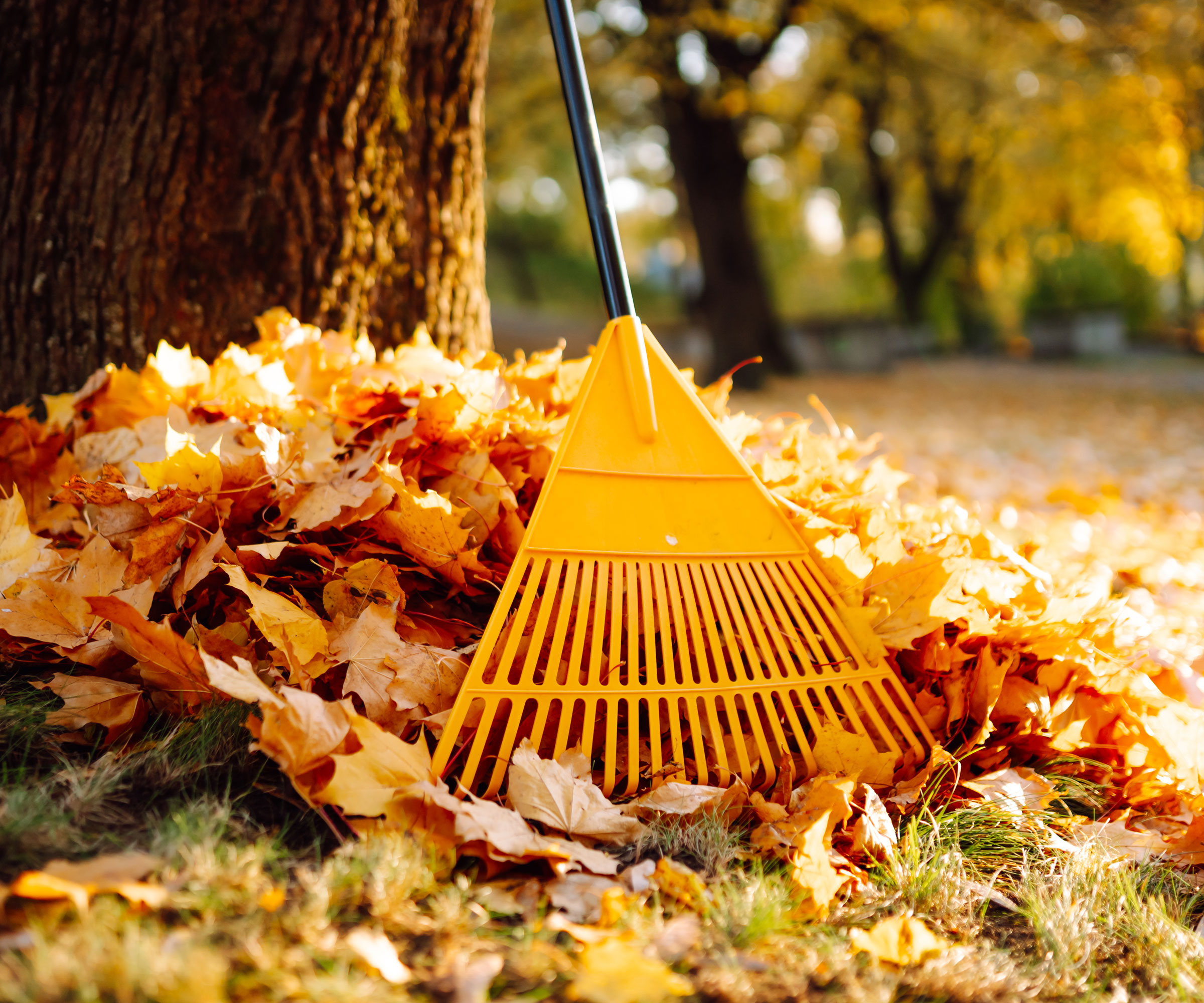
Allowing heavy leaves to carpet your turf over winter is one of the quickest ways to ruin a healthy sward. This is a vital task for all types of turf, whether your grass is going dormant for the winter or not. For grass that is still growing, thick layers of leaves block sunlight and energy production. For grasses in any stage of growth or dormancy, leaves can trap moisture, restrict airflow, and encourage disease. Left unchecked, smothering leaves will suffocate entire sections of turf, leaving bare, dead zones by spring.
Your removal strategy should match the volume of fallen leaf cover. For light to moderate leaf scatter, use a mulching mower and let the nutrients fall naturally into the ground. However, if your yard is buried under dense, wet blankets from mature oaks or maples, rake or blow them off immediately. If you’re after a good rake, the True Temper Clog-Free 24-inch Poly Leaf Rake from Walmart is durable and reliable and won’t tear at late-season turf. Collect the leaves for rich leaf mold or vegetable garden mulch. Focus extra attention on perimeter fence lines and low dips in the lawn, where fall winds can quickly create suffocating drifts.
2. Give Your Lawn its Final Cut
(Image credit: Liudmila Chernetska / Getty Images)
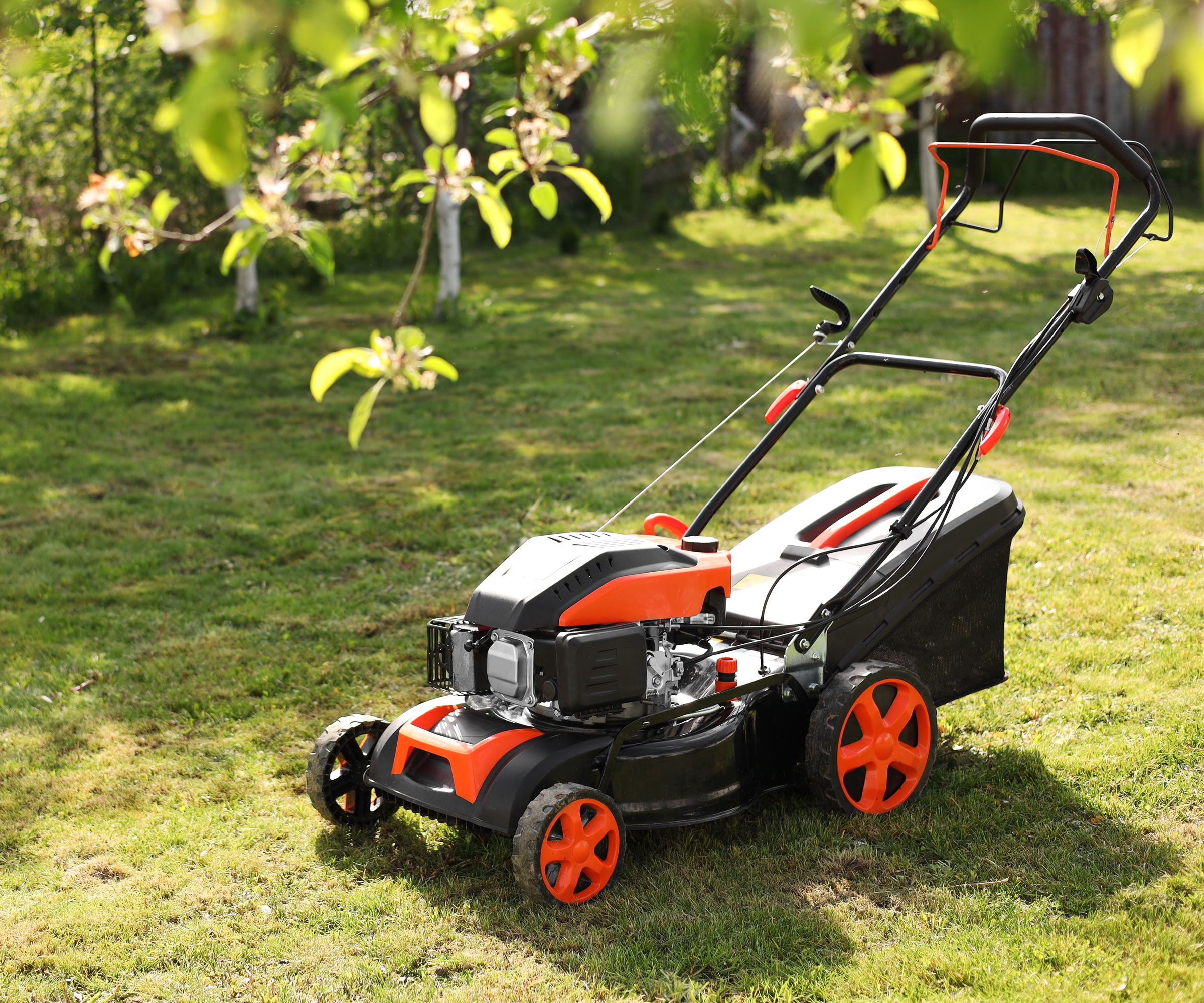
Timing your final mow comes down to knowing your grass type, and considering the weather. In northern regions, cool-season grasses (fescues, bluegrass, ryegrass) continue growing until ambient soil temperatures consistently sit below 40°F (4°C). So they could still be growing in November if the weather is mild, but plan for a last cut soon. In the south, warm-season lawns (Bermuda, St. Augustine, Zoysia) have ceased upward growth and could be dormant already, so your last cut may already have happened.
When making a final cut, aim for a medium length. Cutting grass too short will leave the lawn more vulnerable to stress over winter, exposing tender root crowns to frost heaving and biting winds. Conversely, leaving turf overly tall causes long blades to fold over under heavy snow or winter rain, forming dense mats that trap moisture and increase the risk of disease. Aim for a final height of 2-2.5 inches (5-6cm) for cool-season lawns, and 2 inches (5cm) for warm-season lawns.
Once complete, hose down the underside of the mower deck, empty the fuel tank or run the carburetor dry, and store your mower away clean. Buy Sta-Bil Storage Fuel Stabilizer Fluid from The Home Depot to help keep leftover fuel fresh while mowers are stored in winter and give effortless startups next spring.
3. Apply a Final Feed (If Appropriate)
(Image credit: Getty Images)
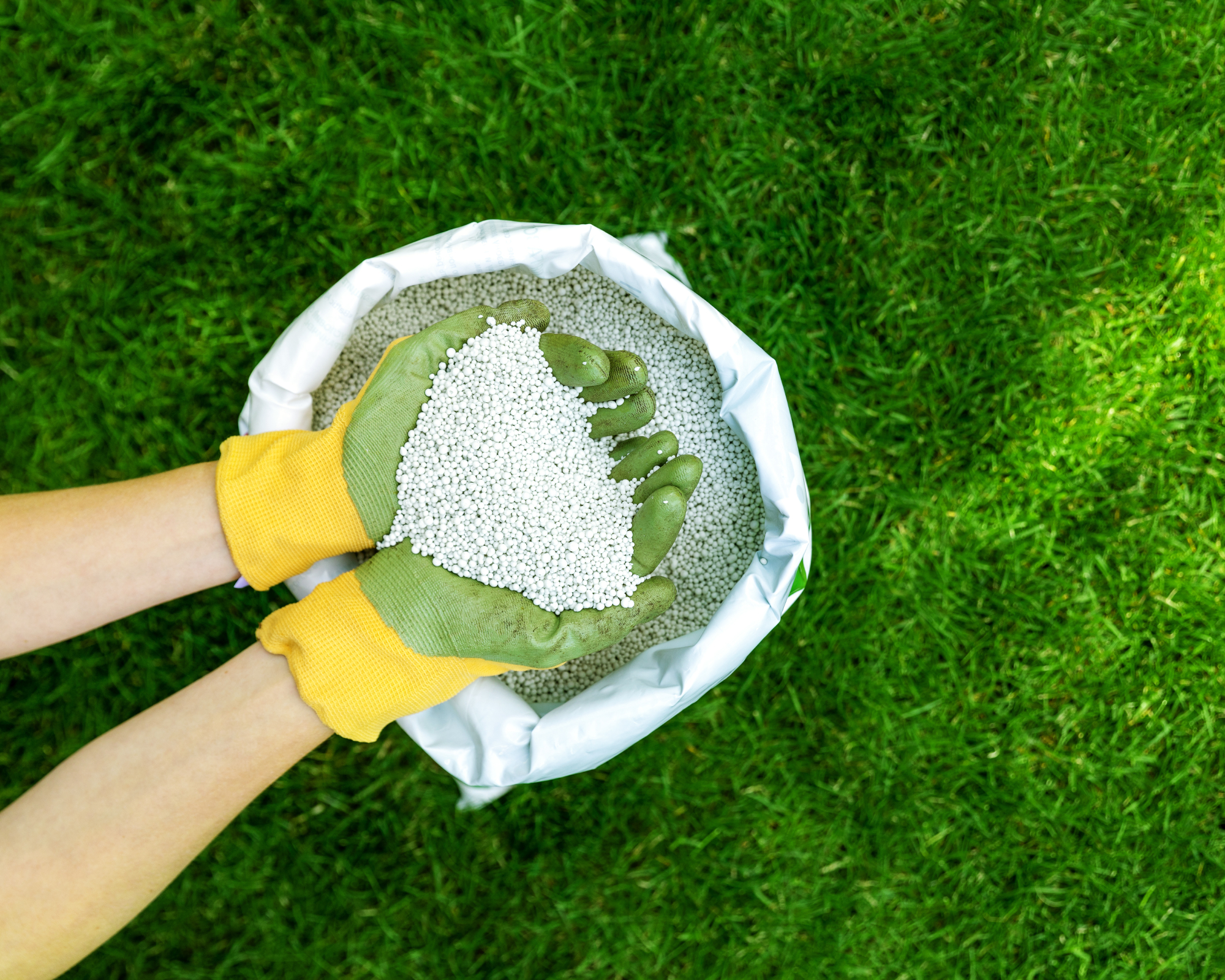
Late-fall lawn fertilization can be either beneficial or destructive, depending on the species of grass you cultivate. For cool-season turf, late fall is often considered the most important feeding of the year. Cool-season roots remain active, absorbing nitrogen and potassium. So this last infusion of nutrients supports strong root development and helps encourage early spring green-up and drought resistance. Buy Scotts Turf Builder WinterGuard from Lowe’s for a slow-release boost to cool-season roots.
Timing depends on location. In some areas, November may be too late for a last application. Apply fertilizer only while the grass is still green and before the ground freezes solid. If you’re unsure, contact your local extension office for guidance. Meanwhile, warm-season grasses should not be fed in November. They are entering dormancy or are already dormant. Nutrients added now could trigger new growth that have zero cold tolerance, leaving the turf vulnerable to winterkill during sudden freezes. Wait until spring to feed your warm-season turf.
4. Adjust Watering Routines & Winterize Irrigation Systems
(Image credit: The_Burtons / Getty Images)
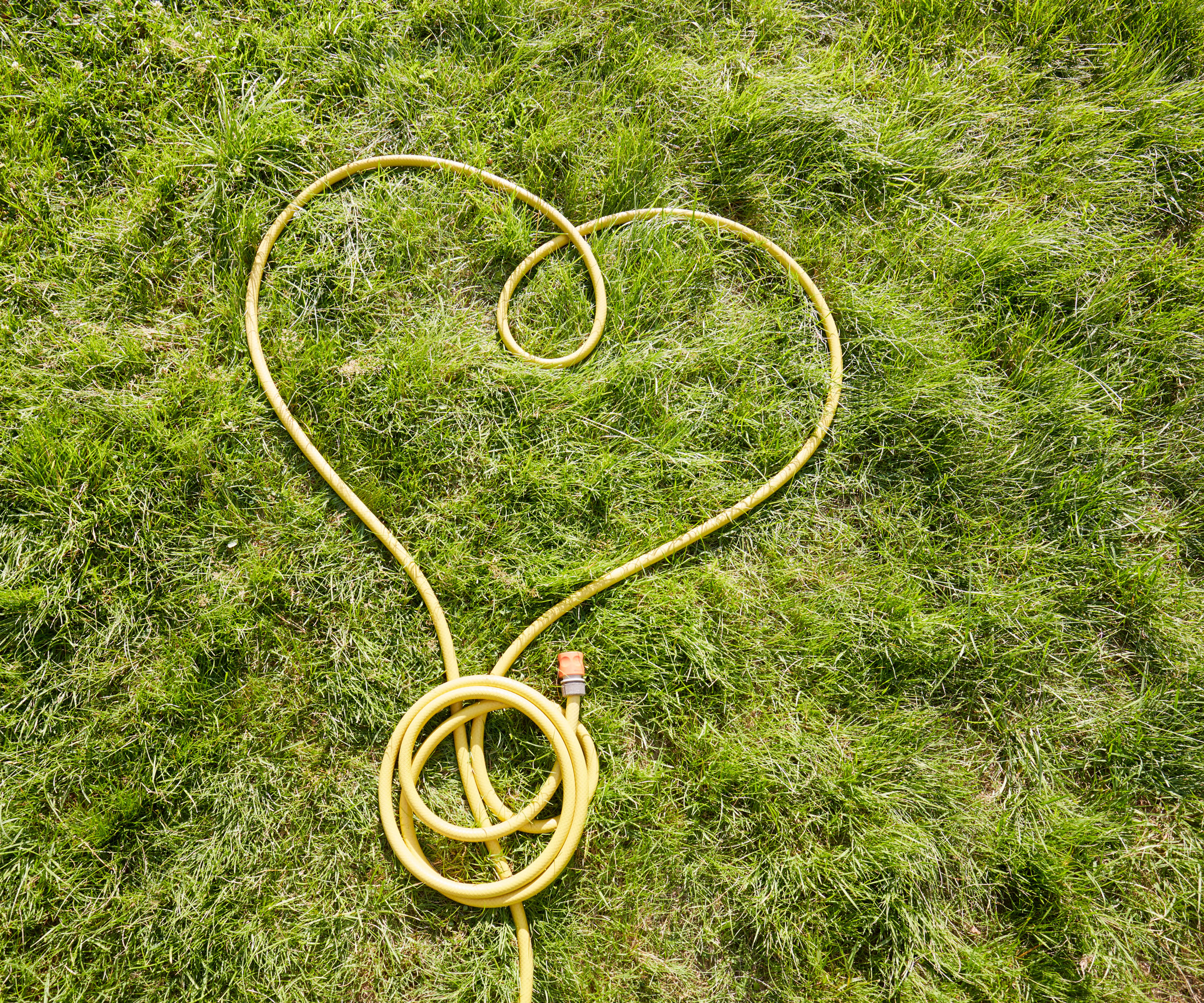
Cooler weather and shorter daylight hours reduce your lawn’s evaporation rates. Continuing to run summer lawn watering schedules through November wastes water and runs the risk of waterlogging. If your cool-season turf is green and receiving less than an inch of natural rainfall per week, you only need to provide occasional deep waterings. Irrigate only when the top two inches (2cm) of soil feel dry to the touch, and irrigate during morning hours so grass blades dry before nightfall.
Do think about winterization with watering, too. Trapped water in underground pipes, sprinkler bodies, and backflow preventers expands upon freezing, cracking brass valves and rupturing poly lines. Turn off the main water shutoff valve, deactivate the controller, and blow out the lines using a commercial air compressor, or open manual drain valves. Disconnect, drain, and coil all garden hoses, storing them indoors. Leaving a pressurized hose attached to an outdoor spigot traps water inside the sillcock, leading to burst interior pipes during winter freezes.
You can get Frost King FC1 Foam Faucet Covers from Walmart in double packs. Durable, weather-sealed expanded polystyrene shells with rubber cinch ties that insulate exterior spigots against freeze damage.
5. Deal with Bare Patches in the Turf
(Image credit: Getty Images)
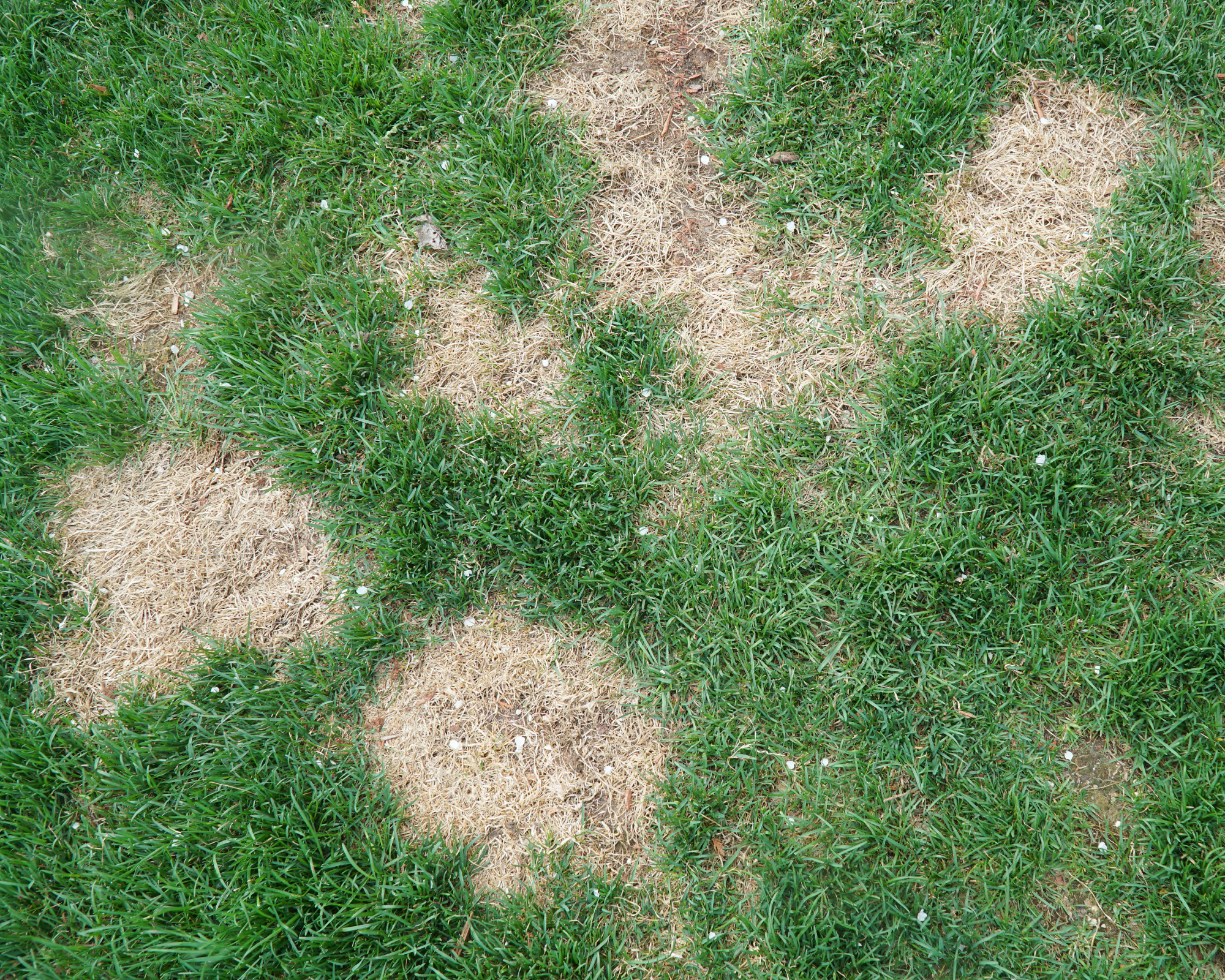
Spotting thin, bare patches in your lawn during November is frustrating, but rushing out with a bag of standard seed and fertilizer is usually a waste of time and money. Across most northern and transitional zones, soil temperatures have dropped below the 50-55°F (10-13°C) threshold required for grass seed germination. Seed spread now will absorb moisture, fail to sprout, rot in cold mud, or be devoured by birds. Similarly, warm-season varieties cannot establish from seed in late fall.
Use November to diagnose and prep. Determine why the patch developed: is it compacted soil from a high-traffic shortcut, poor drainage, pet urine, or heavy tree shade? Aerate the bald soil with a hand cultivator, incorporate a light dusting of compost, and make a plan for early spring overseeding. If you live in an area with reliable, long-lasting winter snow cover, you can experiment with dormant seeding. Spread cool-season seed over the prepped soil just before the first big snowfall. The seed will remain dormant over winter, and the freeze-thaw cycles work the seeds into the dirt for uniform germination during the first warm days of March.
6. Protect Grass from Winter Damage
(Image credit: Santiago Urquijo / Getty Images)
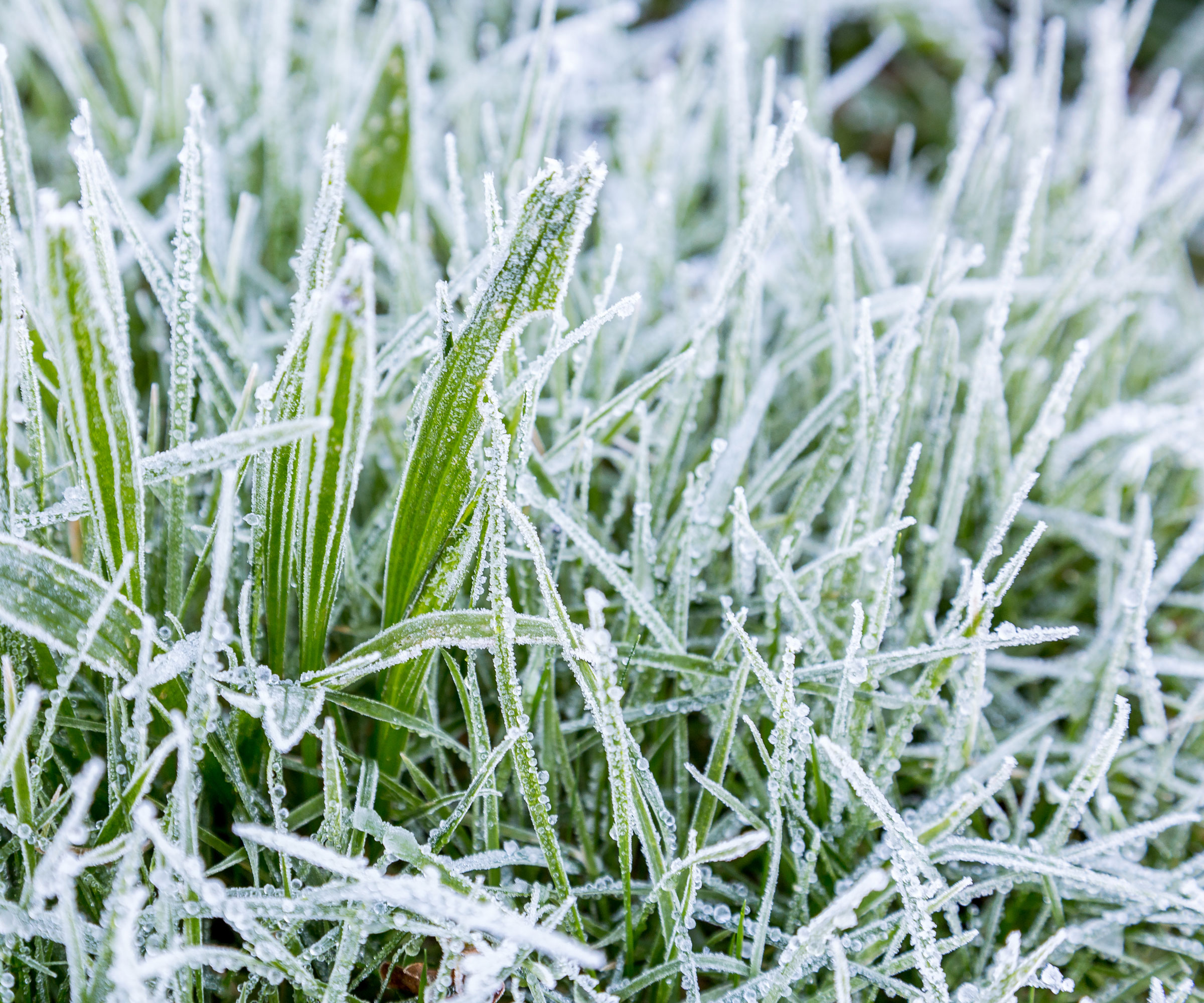
Grass enters a vulnerable state in dormancy, and plants lose their natural elasticity. Walking, driving, or playing on frosted or frozen turf fractures brittle leaf blades and crushes delicate crowns. This creates winter lawn damage like marks and ruts that will not heal until active growth resumes in spring. Plan to keep people and pets off the grass for the next few months. Move playsets and heavy equipment off the lawn.
Another source of damage in winter is rock salt on nearby driveways and sidewalks. This can run off into lawn edges, drawing moisture away from grass roots and creating toxic soil conditions. So transition to plant-safe de-icing compounds. You can buy Natural Alternative Ice Melt from Amazon, which is safer for lawns and pet paws. Finally, avoid late-season core aeration or power dethatching, which can do more harm than good as grass prepares for winter.
(Image credit: Maksym Belchenko / Getty Images)
Not every November lawn task will be required for every yard. It comes down to understanding your grass type, watching the weather forecast, and focusing on clearing leaves, timing a final cut, managing water correctly, and limiting traffic over vulnerable winter grass. Tackle these chores now to protect your grass over winter and to give it the best chance at a healthy, strong start next spring.
Need more ideas for getting the most from your plants, indoors and out, and looking for the best seasonal expert advice delivered straight to your inbox? Sign up for the free Gardening Know How Newsletter!


















 English (US) ·
 French (CA) ·