

 8 hours ago
5
PROTECT YOUR DNA WITH QUANTUM TECHNOLOGY
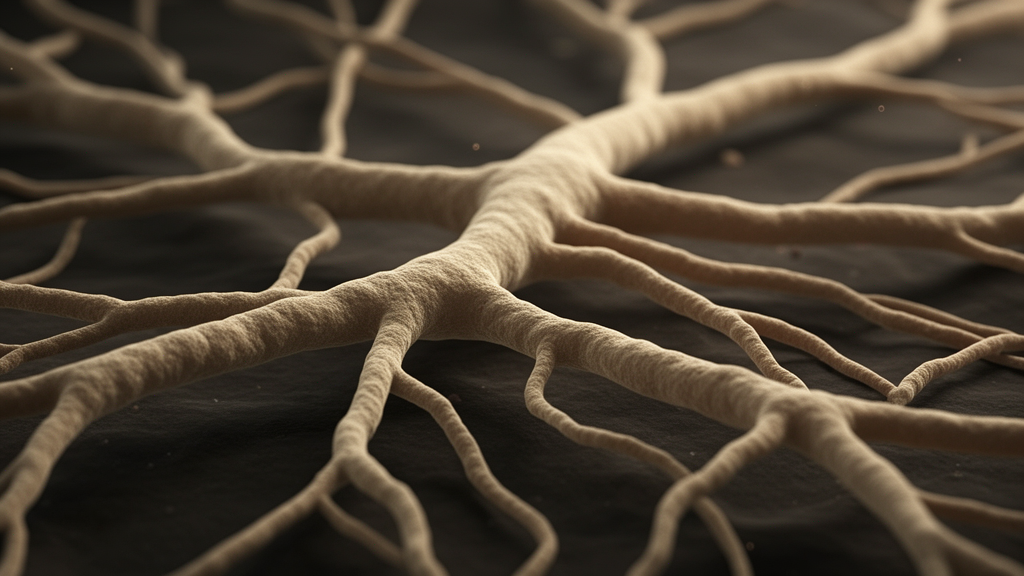
Orgo-Life the new way to the future Advertising by AdpathwayWhite rot fungi can effectively biodegrade screenings from wastewater treatment plants, converting complex organic waste into fermentable sugars. The study, published in Fungal Biology and Biotechnology, investigates the enzymatic potential of four fungal species: Irpex lacteus, Bjerkandera adusta, Pleurotus dryinus, and Trametes versicolor. By cultivating these fungi on sewage screenings, the team identified viable biological pathways for treating waste that is currently often sent to landfills, offering a sustainable alternative for resource recovery in wastewater management.
Wastewater treatment plants generate significant volumes of waste during the preliminary treatment stage, primarily through the use of coarse screens that remove large debris. This waste, known as screenings, consists of a heterogeneous mixture of sanitation textiles, toilet paper, organic leftovers, plastics, and grit. While sewage sludge has been extensively studied for energy recovery, screenings have remained underexplored due to their complex and variable composition. The high cellulose content of these materials, derived from paper and hygiene products, makes them a potential candidate for bioconversion, yet their recalcitrant nature poses challenges for traditional treatment methods.
The study focused on the ability of white rot fungi to secrete lignocellulolytic enzymes, which are necessary for breaking down lignin and cellulose. These fungi produce a wide array of hydrolytic enzymes, such as cellulases and hemicellulases, as well as oxidative enzymes like laccases, lignin peroxidases, and manganese peroxidases. The research aimed to determine how these fungi adapt their enzyme production when exposed to the complex matrix of sewage screenings compared to controlled lignocellulosic substrates like hay. Understanding these enzymatic strategies is critical for selecting robust strains capable of handling the contaminants and inhibitory substances often found in real-world wastewater waste.
To evaluate fungal performance, the researchers cultivated the four species in liquid media containing either glucose, hay biomass, lignin, or wastewater screenings collected from the Daugavgrīva treatment plant in Riga, Latvia. The screenings used in the study had a carbohydrate content of 19.78 percent. The experimental setup allowed for the measurement of enzyme activities, including cellulase, laccase, lignin peroxidase, and manganese peroxidase, as well as the production of reducing sugars over a 336-hour incubation period. This multi-substrate approach helped distinguish between fungal responses to simple sugars, pure lignin, and the complex mixture of organic and inorganic materials found in screenings.
When cultivated on glucose, the fungi exhibited carbon catabolite repression, a regulatory mechanism that prioritizes the utilization of readily available sugars while repressing the expression of enzymes needed for complex biomass degradation. Enzyme activity remained low until the glucose was consumed, after which the fungi shifted to secondary metabolism. In contrast, cultivation on hay biomass led to elevated expression of cellulolytic and ligninolytic enzymes. Irpex lacteus and Bjerkandera adusta predominantly produced cellulolytic enzymes, while Pleurotus dryinus and Trametes versicolor showed significant laccase activity, indicating a more comprehensive degradation of the lignocellulosic matrix.
The most significant findings emerged when the fungi were cultivated on wastewater screenings. All four species secreted cellulase, but their enzymatic strategies varied. Pleurotus dryinus displayed a distinct pattern, starting with high laccase activity that peaked at 796.84 U/mg after 96 hours, followed by a significant increase in cellulase activity. This suggests that P. dryinus first degrades lignin-like structures to access the underlying cellulose. The fungus achieved a laccase activity of 1691.75 U/mg and degraded 44.46 percent of the carbohydrates in the screenings. Similarly, Trametes versicolor prioritized laccase production, reaching peak activities over 2500 U/mg, but did not show a corresponding increase in cellulase activity.
Bjerkandera adusta and Irpex lacteus adopted different approaches, focusing initially on cellulase production to degrade available cellulose before shifting to ligninolytic enzyme secretion. B. adusta achieved a 43.49 percent reduction in carbohydrate content, while I. lacteus reduced it by nearly 39 percent. The production of reducing sugars, which can be converted into biofuels, was observed in all fungal cultures. Based on the saccharification rates, the study estimated a production potential of 34 to 46 kilograms of sugars per ton of screenings. This conversion efficiency highlights the potential for using fungal biodegradation as a method for both waste treatment and bioenergy generation.
The presence of screenings as a sole carbon source boosted enzymatic activity in all studied fungi compared to hay biomass. This response may be attributed to the diverse organic components in the screenings, which serve as a source of carbon and potentially stimulate enzyme production. However, the complex nature of the waste also introduced challenges, such as the presence of plastics and potential contaminants that can inhibit fungal growth. Despite these hurdles, the fungi demonstrated significant adaptability, with biomass growth in screenings reaching 52 percent of the efficiency observed in optimal glucose media.
In lignin-only media, the fungi showed significantly lower enzymatic activity and biomass growth, indicating that pure lignin is not a suitable substrate for enhanced fungal growth. The lack of cellulose in the media resulted in no cellulase activity, and the inhibitory effects of lignin degradation products limited the production of oxidative enzymes. These findings suggest that mixed-substrate environments are necessary to stimulate comprehensive lignocellulolytic enzyme production. The results underscore the importance of the interplay between lignin and cellulose in driving fungal metabolic responses.
The study concludes that white rot fungi, particularly P. dryinus and B. adusta, are strong candidates for the biological treatment of WWTP-derived screenings. Their ability to degrade complex substrates and produce high levels of hydrolytic and oxidative enzymes offers a sustainable approach to waste management. The enzymatic cocktails produced during this process could potentially be extracted and used for other biotechnological applications, such as bioremediation or biomass pretreatment. However, further research is needed to optimize cultivation conditions, address inhibitory factors, and evaluate the economic feasibility of scaling this technology for industrial use.
This research provides a foundational understanding of the enzymatic strategies employed by white rot fungi in the context of real-world wastewater waste. By identifying specific strains with high adaptability and enzyme production capabilities, the study opens new avenues for the valorization of sewage screenings. As global wastewater production increases, finding efficient and eco-friendly methods for treating these wastes becomes increasingly important. The integration of fungal biodegradation into wastewater treatment processes could help reduce landfill waste and contribute to the production of renewable energy sources.
The findings highlight the potential of biological pretreatments as an alternative to energy-intensive physical or chemical methods. Fungal-based methods require lower energy input and produce fewer harmful byproducts, making them more environmentally sustainable. The ability of fungi to degrade not only lignocellulose but also xenobiotic compounds adds to their value in waste treatment. Future studies should focus on the mechanisms behind enzymatic responses to inhibitory factors and the potential for co-cultivation of different fungal strains to enhance degradation efficiency.
Overall, the study demonstrates that the biological degradation of screenings can result in both sugar production and the generation of high-value enzymes. This dual benefit makes fungal-assisted treatment a promising strategy for the sustainable management of WWTP-derived waste. By transforming a problematic waste stream into a resource for bioenergy and biotechnology, this approach aligns with broader goals of circular economy and environmental protection. The continued exploration of fungal capabilities in this context will be crucial for advancing practical applications in wastewater treatment.
Subject of Research: Biodegradation of screenings from sewage treatment by white rot fungi
Article Title: Biodegradation of screenings from sewage treatment by white rot fungi
Article References: Civzele, A., Stipniece-Jekimova, A. A., & Mezule, L. (2025). Biodegradation of screenings from sewage treatment by white rot fungi. Fungal Biology and Biotechnology, 12(1), Article 7. https://doi.org/10.1186/s40694-025-00198-5
Image Credits: AI Generated
DOI: 10.1186/s40694-025-00198-5
Keywords: Biodegradation, screenings, sewage, treatment, white, fungi, scientific research


















 English (US) ·
 French (CA) ·