

The plant looks like it's doing everything right. Big yellow flowers cover it, new ones opening every morning, the whole thing sprawling and green. Then the little fruits behind some of those flowers start to swell, reach maybe an inch or two (2 to 5cm), and go soft, yellowing at the tip before they drop. It leaves nothing to harvest – just a run of false starts.
That collapse almost always traces back to one thing – pollination that didn't take. The basics of how to grow zucchini get a plant to the flowering stage without much trouble, but flowers on their own don't make fruit. Pollen has to move from the male blooms to the female ones, and in a hot summer that hand-off often just doesn't happen. The good part is that it's an easy gap to close by hand.
Why the Baby Fruits Just Quit
A female zucchini flower comes with a tiny fruit already attached, sitting right behind the petals before it has even opened. That little fruit is basically on standby. If enough pollen reaches the flower while it's open, the fruit gets the signal to keep growing. If it doesn't, the plant cuts its losses – the fruit yellows, softens, and drops, since there's no sense pouring energy into something that won't hold seed.
Heat is where it usually goes wrong. Each zucchini flower gives you one morning, maybe, and then it closes for good – so the window was tight even before the weather got involved. Now push things past 90F (32C). The pollen starts to give out, losing the viability it needs to do anything, and the bees that would've been working the patch mostly clear off until the heat lets up. Fewer visits, weaker pollen, and a lot of those morning flowers close again having never really been pollinated.
Telling the Male Flowers From the Female
(Image credit: Olena Malik / Getty Images)
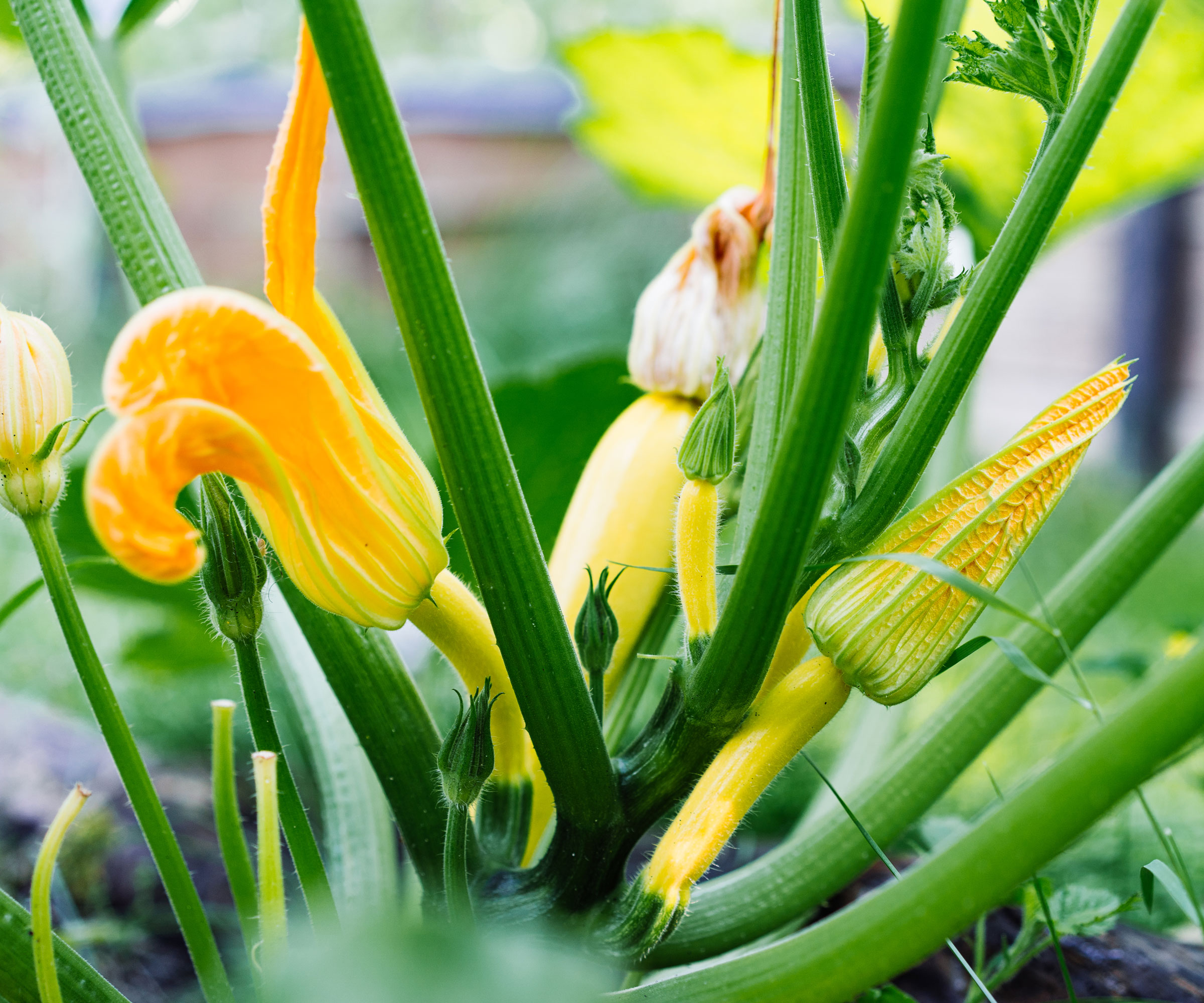
It's easy to see the difference between male and female squash blossoms, once you know the tell. Look at the stem right behind the flower. A male flower sits on a plain, slim stalk – nothing behind the petals but stem. A female flower has what looks like a miniature zucchini bulging at its base, right where the bloom meets the vine. That bulge is the unfertilized fruit, and it's the whole giveaway.
There's a timing quirk worth knowing, too. For the first week or two, a young plant will often put out male flowers and nothing else, no females anywhere, and every summer this sends somebody into a mild panic. Nothing's wrong. The males just show up first, getting the pollen ready for whenever the females decide to open. Once both are opening on the same morning, you're in business – that's when hand pollination actually does something.
Hand Pollinating, Step by Step
(Image credit: zeleno)
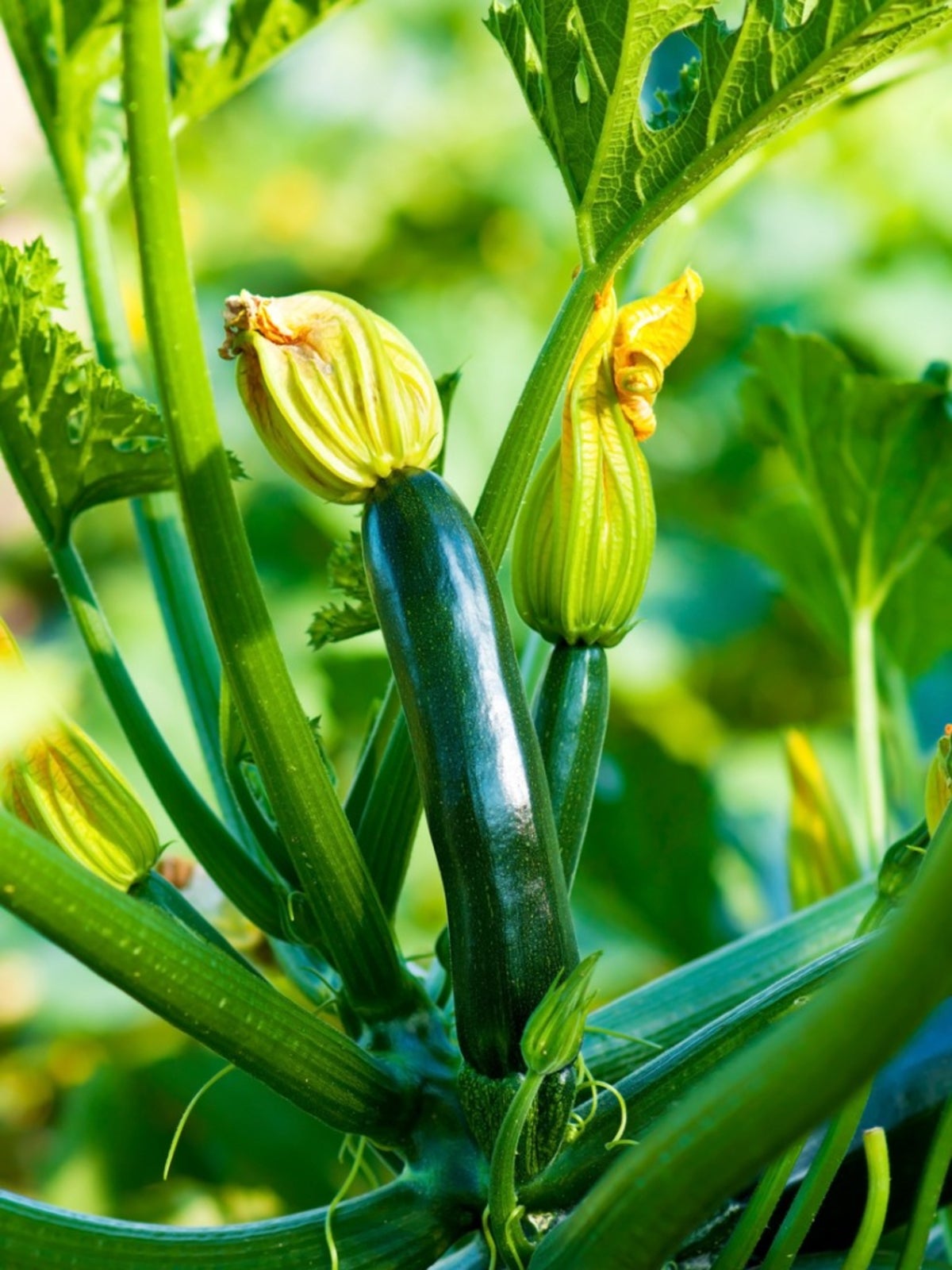
Hand pollinating squash and zucchini requires no special gear – just a minute of your time, and maybe a soft artist's brush from Amazon if you want it tidy. Morning is the time, before the heat climbs, while the flowers are actually open and the pollen hasn't dried out.
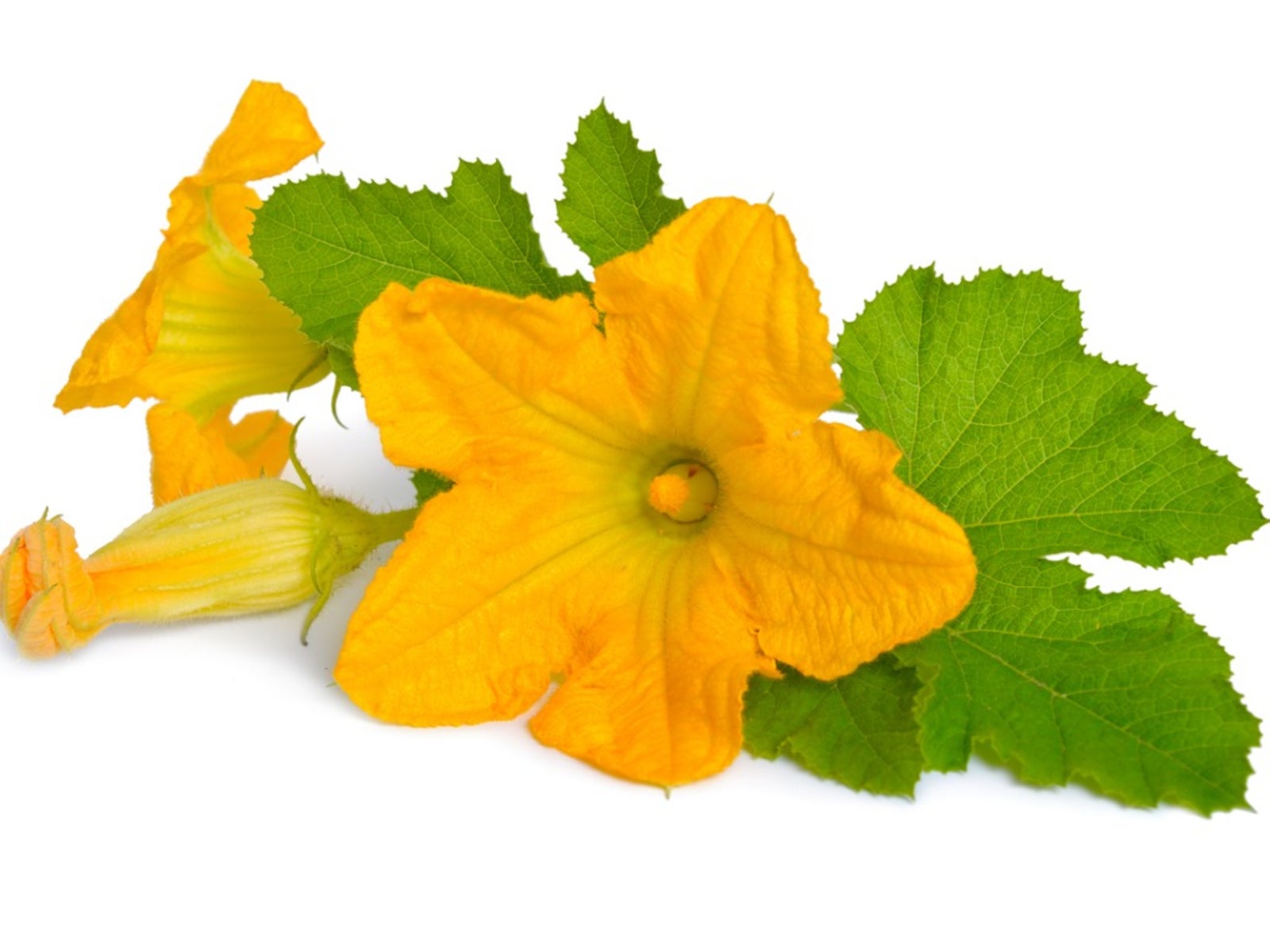
- Start with a male flower that's wide open, the anther in the middle loaded up with pollen. Snap it off the plant, stem and all.
- Now strip it down – pull the petals back and off, until what's left is basically a pollen-tipped wand on a stem.
- Find a female that's open (baby fruit behind the petals, remember) and touch that anther to the middle of the flower, brushing it lightly over every side of the stigma. A couple seconds does it, with no need to be precious about it.
- Move on. One male flower usually carries enough pollen for two or three females, so work down the row while you're out there.
No males open that morning? A soft brush or a cotton swab covers the same ground – swipe it around inside a male flower, then carry that pollen over to whatever females are open. Cotton swabs from Walmart are cheap enough to use once and toss.
Getting the Bees to Do It for You
(Image credit: John Kimbler / 500px / Getty Images)
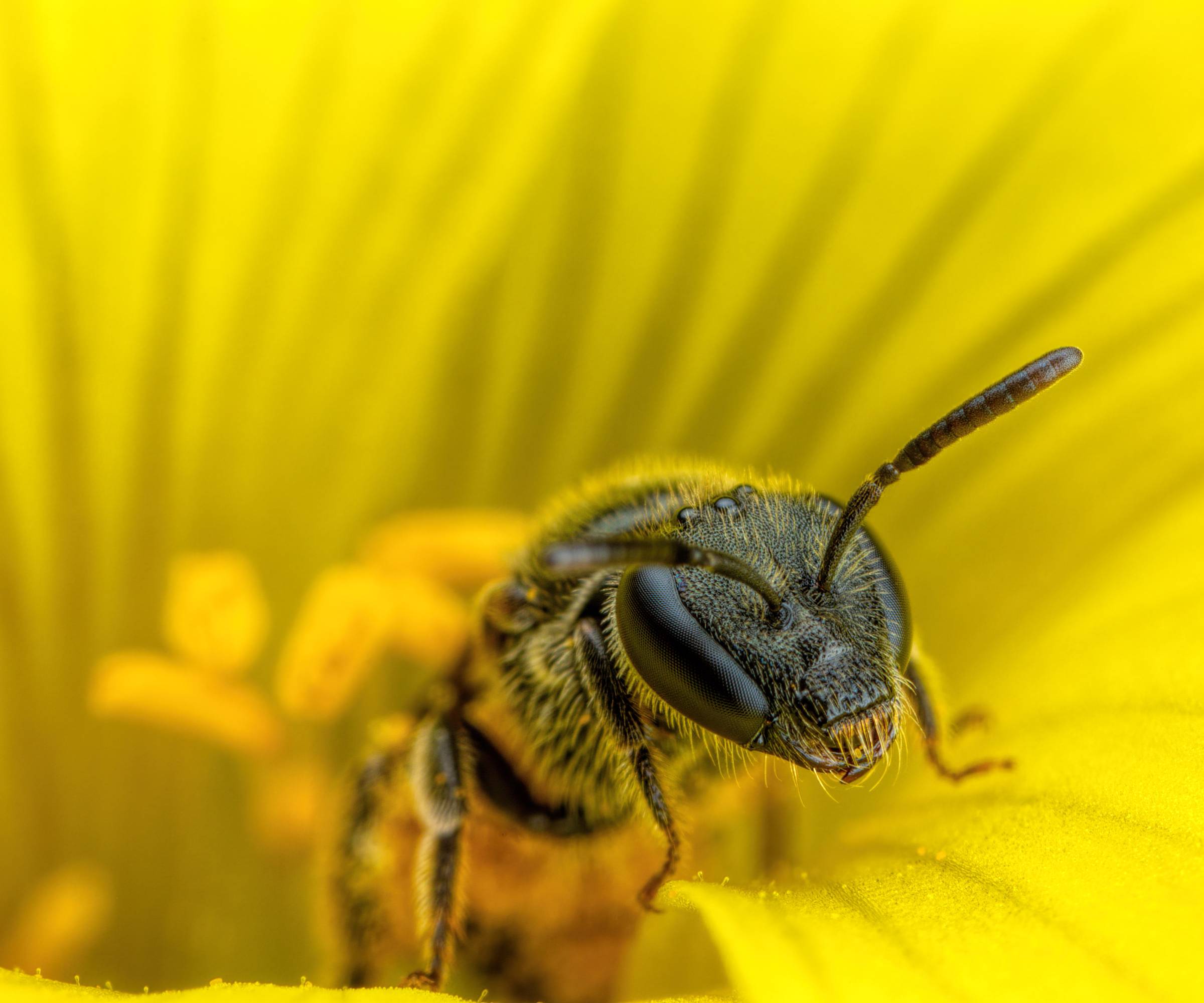
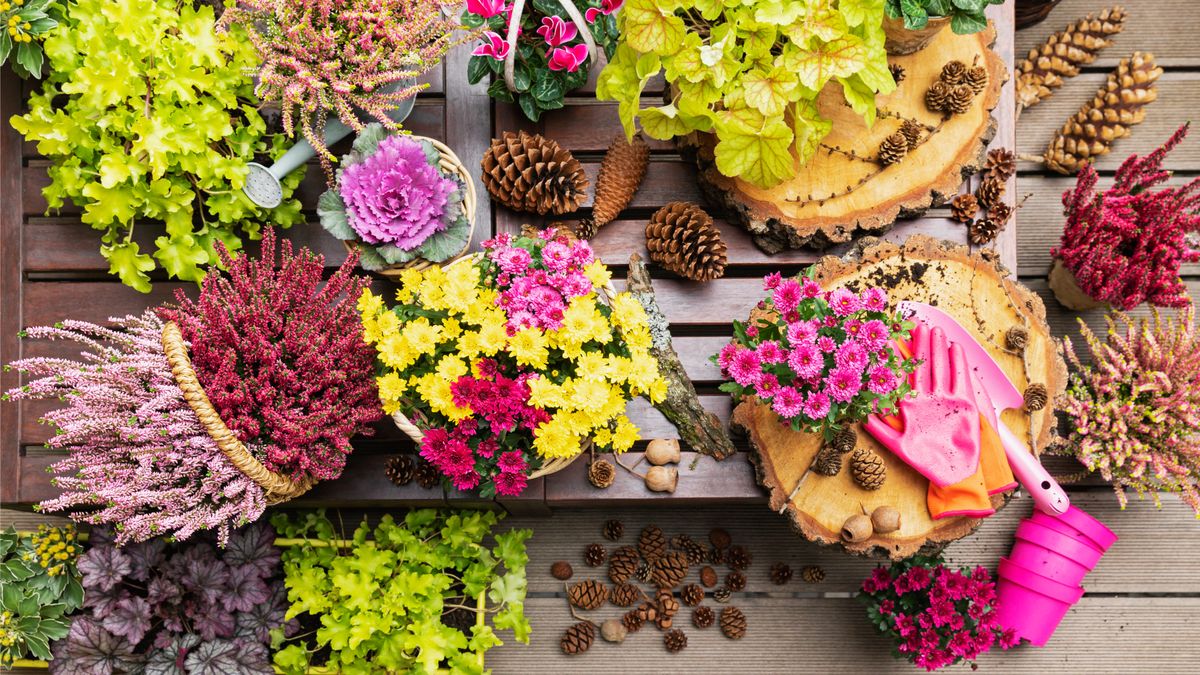
Hand pollination is a stopgap, useful but not something anyone wants to do forever. Better to get the bees doing the work again. Flowers blooming near the zucchini pull double duty here – a bee already out working the yard for nectar will swing through the squash blossoms on its rounds. And it's the mix that matters, not the count. Different bloom shapes, different colors, and you pull in a wider range of insects than any single kind manages on its own.
Cut back on the broad-spectrum insecticides, too, or just skip spraying entirely while flowers are open and bees are on them – plenty of those products wipe out pollinators right alongside whatever pest you were chasing. Set out a shallow dish of water with a couple stones poking up for landing spots. Bees need to drink, and one that drinks in your garden tends to stay in it. None of this amounts to much alone. Together, it's the difference between attracting bees for steady fruit and standing out there every morning playing bee yourself.
Keeping It from Happening Again
(Image credit: spline_x)
When heat is the real problem with your zucchini, the fix is shielding the plants through the worst of it. In a stretch of extreme temperatures, a bit of afternoon shade takes the edge off enough to keep pollen viable and bees active into the morning. A length of shade cloth from Home Depot rigged over the bed during a heat wave handles that without much effort, and it comes right back off once the weather breaks.
Timing helps as well. A deep watering early in the day keeps plants from stacking drought stress on top of heat stress, and a plant that isn't struggling holds onto more of its flowers. Beyond that, watch the forecast – when a run of 95F (35C) days is coming, that's the week to be out there in the morning with a brush, instead of hoping the bees push through weather they'd usually sit out.
















 English (US) ·
  French (CA) ·