

PROTECT YOUR DNA WITH QUANTUM TECHNOLOGY
Orgo-Life the new way to the future Advertising by AdpathwayWind Power Generator Market Growth Fueled by Onshore Wind Farms and Clean Energy Transition
Rise in concerns from governments across emerging nations, such as China, India, and South Korea, regarding zero emission norms is expected to drive the wind power generator market growth.
According to a new report published by Allied Market Research, the Wind Power Generator Market size was valued at $21.4 billion in 2022 and is projected to reach $35.4 billion by 2032, growing at a CAGR of 5.2% from 2023 to 2032. Increasing global demand for renewable energy, supportive government policies, and rapid technological advancements in wind turbine systems are key factors driving the expansion of the Wind Power Generator Market.
Introduction to Wind Power Generators
A wind power generator, commonly known as a wind turbine or wind energy converter, is a device designed to convert the kinetic energy of wind into electrical energy. Wind turbines capture the movement of air through rotating blades connected to a generator, producing electricity that can be supplied to power grids or used directly in local applications.
Wind turbines are an essential component of wind power systems and play a vital role in producing clean and renewable electricity. These systems are widely used in both onshore and offshore wind farms to support large-scale power generation while reducing dependence on fossil fuels.
Wind power generators are available in a wide range of sizes, from small turbines designed for residential or rural use to large utility-scale turbines installed in wind farms. The efficiency and energy output of these turbines depend on several factors such as wind speed, turbine design, location, and rotor size. With increasing global focus on sustainability and carbon reduction, the Wind Power Generator Market is gaining significant traction across various industries.
Regional Insights
Regionally, the Wind Power Generator Market is analyzed across North America, Europe, Asia-Pacific, and LAMEA.
The Asia-Pacific region accounted for the largest share of the market in 2022, contributing more than 40% of the global revenue. The region is also expected to witness the fastest growth during the forecast period.
Rapid economic growth, increasing energy demand, and strong government support for renewable energy are major factors driving the expansion of wind power projects across Asia-Pacific.
Countries such as India are actively exploring wind energy to diversify their energy mix and reduce dependence on fossil fuels. Declining wind energy costs and competitive electricity tariffs are making wind power an attractive solution for addressing the region's growing energy requirements.
Similarly, South Korea is investing heavily in offshore wind technology to harness its coastal wind resources. Rising public awareness about environmental sustainability and clean energy solutions is also encouraging the adoption of wind power projects across the region.
These developments are expected to significantly boost the growth of the Wind Power Generator Market in Asia-Pacific.
Market Drivers
The increasing use of wind power generators across renewable energy projects is one of the major factors fueling the growth of the Wind Power Generator Market. Wind turbines are widely deployed to generate electricity on both commercial and utility scales.
Electricity generated by wind turbines is typically fed into national or regional power grids, allowing energy to be distributed to residential, commercial, and industrial users. This ability to produce clean electricity without emitting greenhouse gases has made wind power an important component of global renewable energy strategies.
In addition, growing concerns about climate change and environmental sustainability have encouraged governments and private organizations to invest heavily in renewable energy infrastructure. Wind energy is considered one of the most reliable and cost-effective renewable energy sources, which further supports the growth of the Wind Power Generator Market.
The rising adoption of wind energy in sectors such as utilities, industrial facilities, and commercial establishments is also contributing to the increasing demand for wind power generators globally.
Market Challenges
Despite strong growth potential, the Wind Power Generator Market faces certain challenges related to the intermittent nature of wind energy. Wind availability is highly dependent on weather conditions, which means electricity generation can fluctuate significantly over time.
This variability creates challenges for grid operators who must maintain a stable and reliable electricity supply. Sudden drops or increases in wind energy production can affect grid stability, requiring additional backup power sources or energy storage solutions.
Another challenge faced by the Wind Power Generator Market is the large land area required for wind farms. Installing multiple turbines across vast landscapes may lead to concerns related to land use and environmental impact. In some cases, wind farm projects may conflict with agricultural land usage or natural wildlife habitats.
These challenges can sometimes delay project approvals and limit the expansion of wind power infrastructure in certain regions.
Emerging Opportunities
Despite these challenges, several emerging opportunities are expected to support the growth of the Wind Power Generator Market in the coming years. Wind power installations are increasingly being developed in tourist destinations where they can serve both as renewable energy sources and educational attractions.
In addition, modern wind power generators are often equipped with advanced sensors that can monitor environmental conditions such as wind patterns, temperature, and air quality. These capabilities allow wind turbines to contribute to environmental monitoring and research initiatives.
Communities and municipalities are also investing in wind power generators to supply electricity locally and generate revenue through renewable energy projects. Such initiatives not only support energy independence but also promote sustainable development.
These opportunities are expected to further accelerate the adoption of wind energy systems and expand the scope of the Wind Power Generator Market worldwide.
Market Segmentation
The Wind Power Generator Market is segmented based on installation type, turbine type, end-use industry, and region.
By Installation
Based on installation type, the market is categorized into onshore and offshore wind power generators.
The onshore segment dominated the global market in 2022 in terms of revenue. Onshore wind farms are widely adopted because they are easier to install and maintain compared to offshore projects. In addition, onshore installations require lower infrastructure costs, making them more attractive for many countries seeking to expand renewable energy capacity.
As nations continue transitioning toward cleaner energy sources to reduce carbon emissions, onshore wind projects are expected to remain a key contributor to the growth of the Wind Power Generator Market.
By Application
Based on turbine type, the market is divided into horizontal axis wind power generators and vertical axis wind power generators.
The horizontal axis wind power generator segment accounted for the largest share of the market in 2022. These turbines are widely used due to their high efficiency and proven performance in large-scale wind farms.
Continuous advancements in turbine design, aerodynamics, and materials have significantly improved the performance and reliability of horizontal axis turbines. In addition, these turbines can be easily integrated into existing electricity grids, helping utilities meet growing energy demand while maintaining grid stability.
The growing adoption of advanced wind turbine technologies is expected to strengthen the position of horizontal axis turbines within the Wind Power Generator Market.
By End-Use Industry
Based on end-use industry, the market is categorized into commercial and industrial, utility and power generation, and others.
The utility and power generation segment dominated the global market in 2022. Utility companies are increasingly investing in large-scale wind farms to produce renewable electricity and diversify energy sources.
In regions with strong and consistent wind resources, wind power can serve as a reliable source of base load electricity. Wind turbines can also help stabilize electricity grids by contributing consistent power generation when wind conditions are favorable.
These advantages make wind energy an important component of modern power systems and support the expansion of the Wind Power Generator Market.
Competitive Landscape
Leading companies operating in the Wind Power Generator Market include Siemens, General Electric, Vestas Wind Systems, Goldwind, Enercon, Samsung Electronics, United Power, Inc., Ming Yang Smart Energy, Senvion, and Nordex Group.
Other prominent companies include Mitsubishi Heavy Industries, REpower Systems, Alstom, Sinovel Wind Group, and Orano.
These companies focus on technological innovation, strategic partnerships, and expanding manufacturing capabilities to strengthen their global market presence.
Conclusion
The Wind Power Generator Market is expected to grow steadily over the next decade as countries continue transitioning toward renewable energy solutions. Rising investments in wind power infrastructure, increasing demand for clean electricity, and technological advancements in turbine systems are key factors driving market expansion. As governments and industries focus on reducing carbon emissions and achieving energy sustainability, the Wind Power Generator Market will play a crucial role in shaping the future of global renewable energy production.
Read More: https://www.alliedmarketresearch.com/wind-power-generator-market-A190545
Featured Product
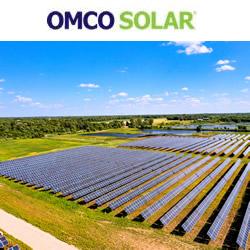
OMCO Origin® Factory-Direct Trackers
A One-In-Portrait (1P) solution that support a wide range of solar projects (utility scale, distributed generation (DG), & C&I markets). Manufactured and factory preassembled in the USA at one of OMCO Solar's 5 US plants (AZ, IN, AL, OH), OMCO makes all structural components with domestic steel and now can offer a 100% domestic tracker. OMCO Origin® Factory-Direct Trackers include universal module mounts with options for all commercially available modules, labor-saving bearings with 6 adjustable ways to compensate for posts and terrain issues, and foundation solutions for every terrain including OMCO C Piles.





















 English (US) ·
  French (CA) ·