

 7 hours ago
5
7 hours ago
5
PROTECT YOUR DNA WITH QUANTUM TECHNOLOGY
Orgo-Life the new way to the future Advertising by Adpathway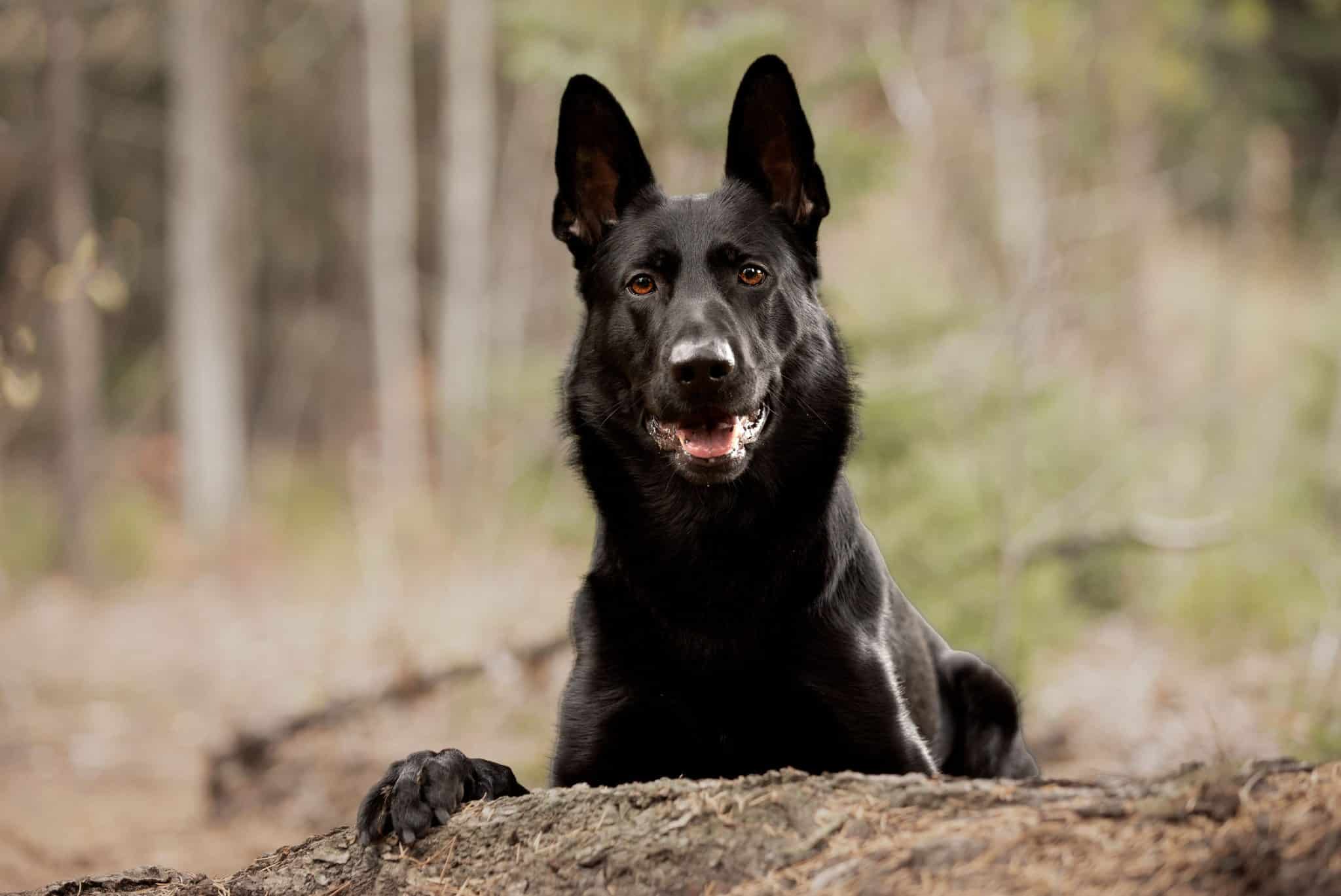 Shutterstock
Some dogs chase balls, others collect toys, and a few seem determined to excavate the entire backyard. For these enthusiastic diggers, every patch of soil offers an irresistible opportunity to burrow, investigate, or create mysterious holes. Their efforts may leave gardens looking like construction sites, but digging often reflects natural instincts, intelligence, and curiosity. Understanding which breeds love digging helps owners appreciate their dogs’ unique personalities while discovering practical ways to redirect their enthusiasm and protect their gardens from becoming full-scale canine excavation projects.
Jack Russell Terrier
 Shutterstock
Jack Russell Terriers approach life with tremendous enthusiasm, impressive confidence, and enough energy to power a small neighborhood. Originally developed for fox hunting, these compact terriers were bred to pursue quarry and investigate underground hiding places. Digging, therefore, feels less like a bad habit and more like an important professional responsibility. Give a Jack Russell access to a flowerbed, and it may begin investigating the soil with the concentration of a detective following a promising lead. A suspicious scent can inspire frantic pawing, while a passing insect might trigger an excavation that leaves everyone wondering what on earth the dog expects to find. These intelligent dogs need regular exercise, training, and mentally stimulating activities. Owners can provide a designated digging pit, hide toys for supervised searches, or introduce scent games that satisfy their investigative instincts. Otherwise, the family garden may become the terrier’s personal archaeological research facility.
Dachshund
 Shutterstock
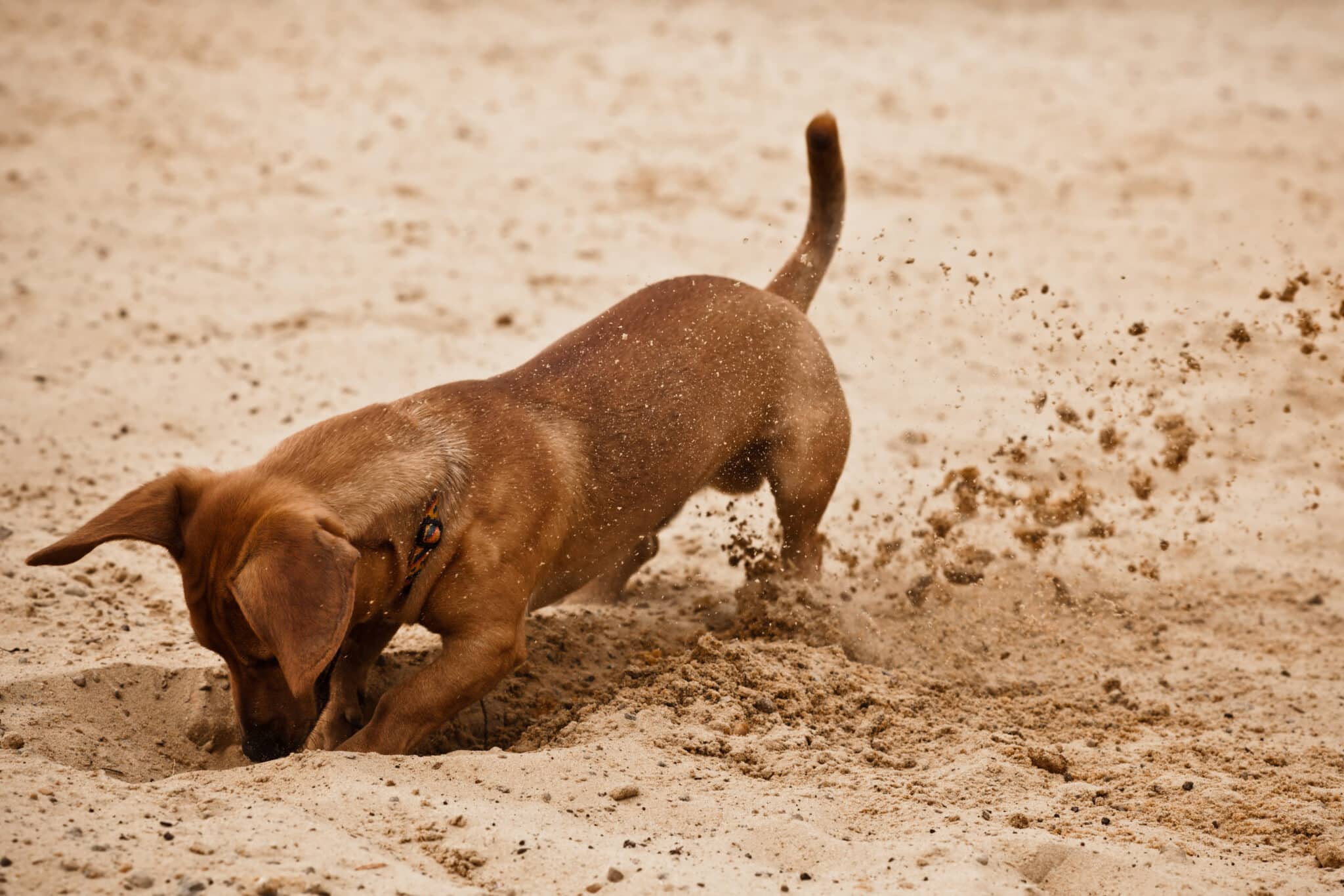
Dachshunds possess short legs, elongated bodies, and surprisingly ambitious ideas about underground exploration. Originally bred to hunt badgers and other animals in burrows, they developed the courage and persistence needed to investigate dark tunnels and confront stubborn quarry. Modern Dachshunds may never encounter a badger, but the instinct to investigate holes remains strong in many individuals. A patch of loose earth can inspire vigorous digging, while a blanket or cushion may become an indoor substitute for a burrow. Some even tunnel beneath bedding before settling down, apparently convinced that sleeping is best accomplished inside a carefully engineered underground chamber. Owners should remember that Dachshunds are vulnerable to spinal problems, including intervertebral disc disease. Avoid encouraging activities involving repeated jumping, excessive twisting, or unstable digging positions. Gentle scent games and accessible digging areas offer safer ways to encourage natural curiosity without turning an ordinary afternoon into an unnecessary excavation marathon.
Siberian Husky
 Shutterstock
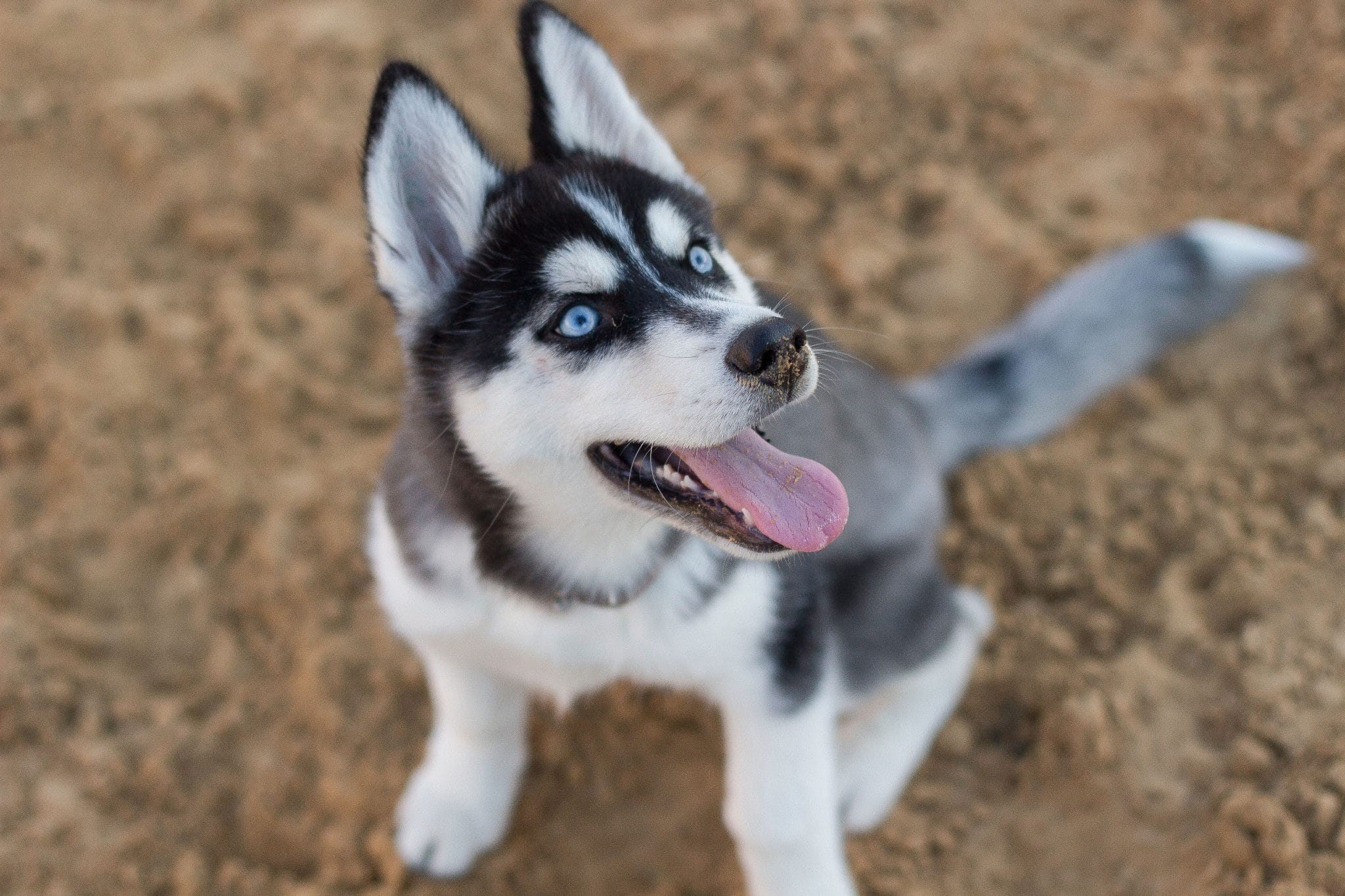
Siberian Huskies are energetic working dogs known for their endurance, independence, and adventurous personalities. Although they were developed primarily for pulling sleds across demanding terrain, many also enjoy digging, particularly when they discover loose soil or a comfortable patch of ground. For a Husky, digging might involve investigating an intriguing smell, creating a shallow resting hollow, or simply entertaining itself when nothing more exciting appears available. Unfortunately, a bored Husky can transform a neat lawn into a collection of craters while looking thoroughly pleased with its productivity. These dogs generally need substantial daily exercise and mental stimulation. Secure fencing is important because many Huskies are talented escape artists who may dig beneath barriers when curiosity strikes. Provide supervised activities, sturdy garden boundaries, and a permitted digging area to help channel their enthusiasm. Remember that their thick coats also make heat management important, particularly during vigorous outdoor play.
Miniature Schnauzer
 Shutterstock
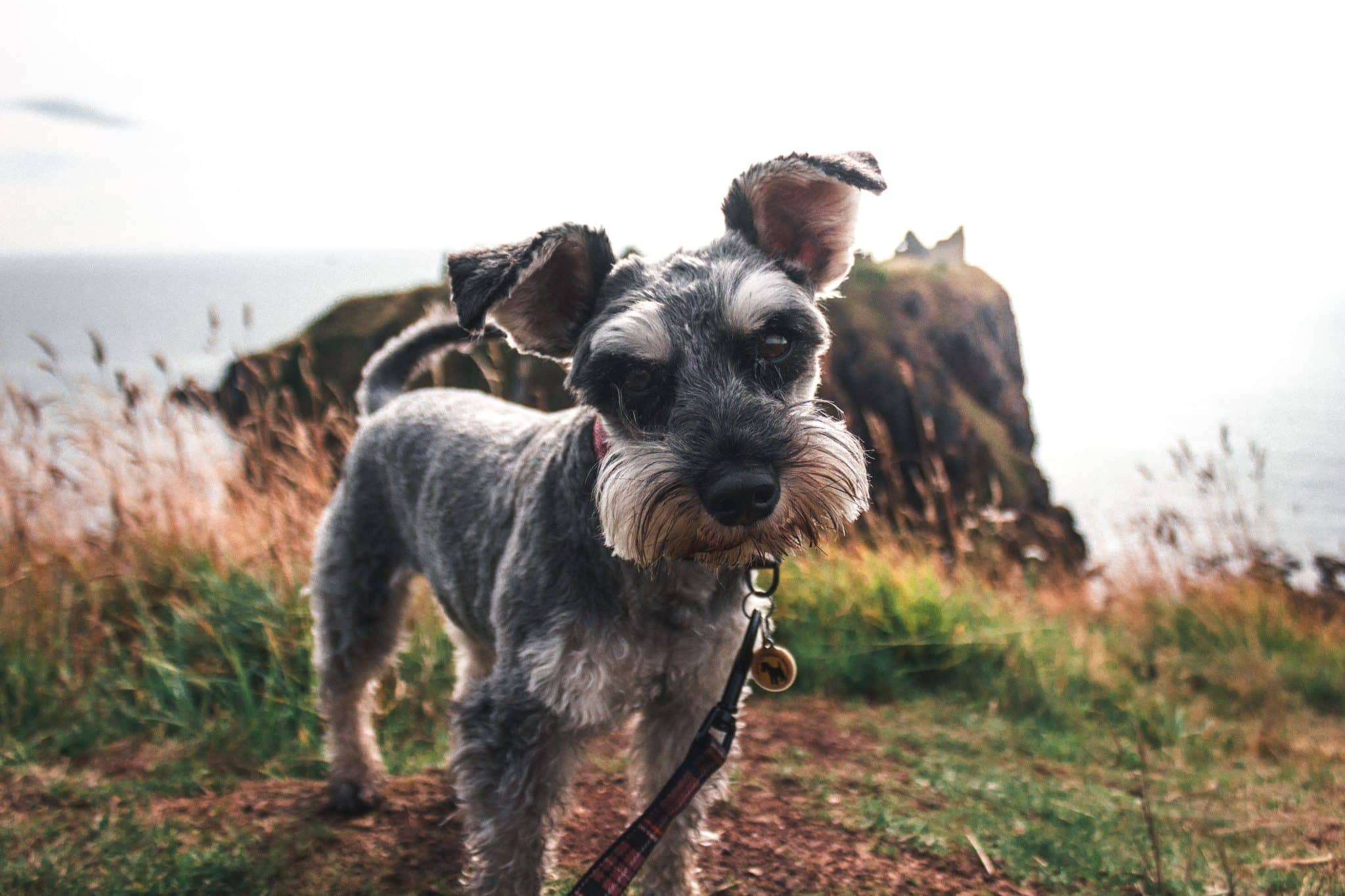
Miniature Schnauzers may look like distinguished little gentlemen, but beneath those expressive eyebrows lies the spirit of a hardworking vermin hunter. Developed to help control rats and other pests around farms, they possess alert senses, quick reactions, and an instinct to investigate suspicious activity. When a Miniature Schnauzer notices movement beneath the soil, its imagination can immediately transform a peaceful garden into an urgent pest-control operation. A tiny hole might become a substantial excavation before its owner has finished asking what on earth is happening. These clever dogs benefit from interactive play, training exercises, and activities that encourage sniffing and searching. Puzzle toys and supervised treasure hunts can provide mental challenges without sacrificing the vegetable patch. Owners should also remember that barking and digging may increase when a Schnauzer becomes frustrated or understimulated. Keeping this little investigator occupied can save both garden plants and the household’s collective patience.
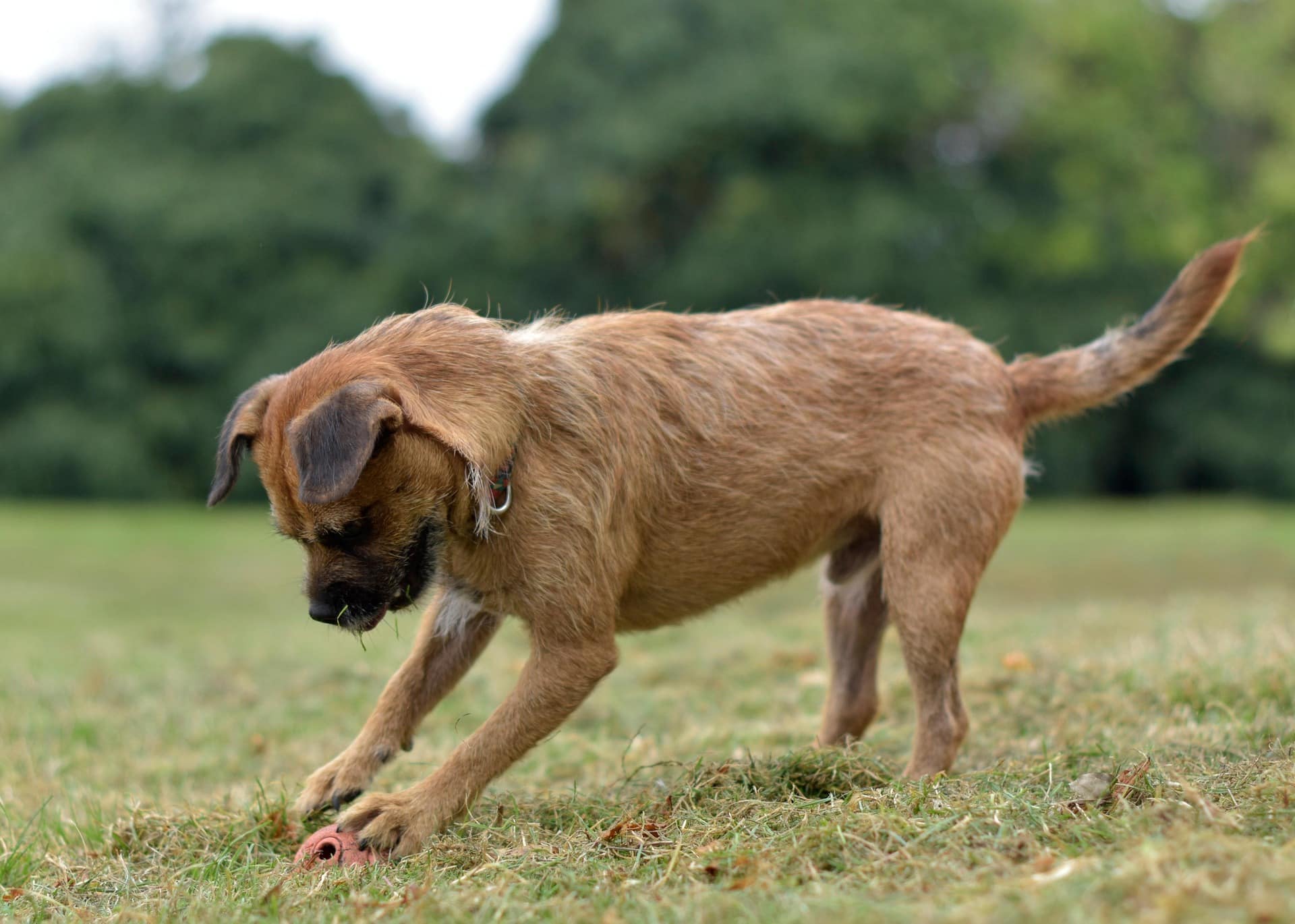
Border Terrier
 Shutterstock
Border Terriers were developed to work alongside hunters and pursue foxes through challenging terrain. Their relatively small size hides considerable stamina, determination, and a strong instinct to investigate burrows. When these dogs discover an interesting scent, they may follow it with the dedication of someone who has just uncovered an unsolved mystery. Digging gives a Border Terrier an opportunity to use its natural problem-solving abilities. Loose soil, animal scents, and small movements beneath the ground can all trigger enthusiastic pawing. Even an apparently empty corner of the garden may receive a thorough investigation because the dog is convinced something important has escaped human attention. Daily walks, play sessions, and scent-based games help these dogs remain satisfied. A designated digging zone can provide an appropriate outlet for their instincts, particularly when owners reward its use. Border Terriers are persistent workers, so consistency matters. Without suitable activities, they may decide that the flowerbeds are the only worthwhile project on the property.
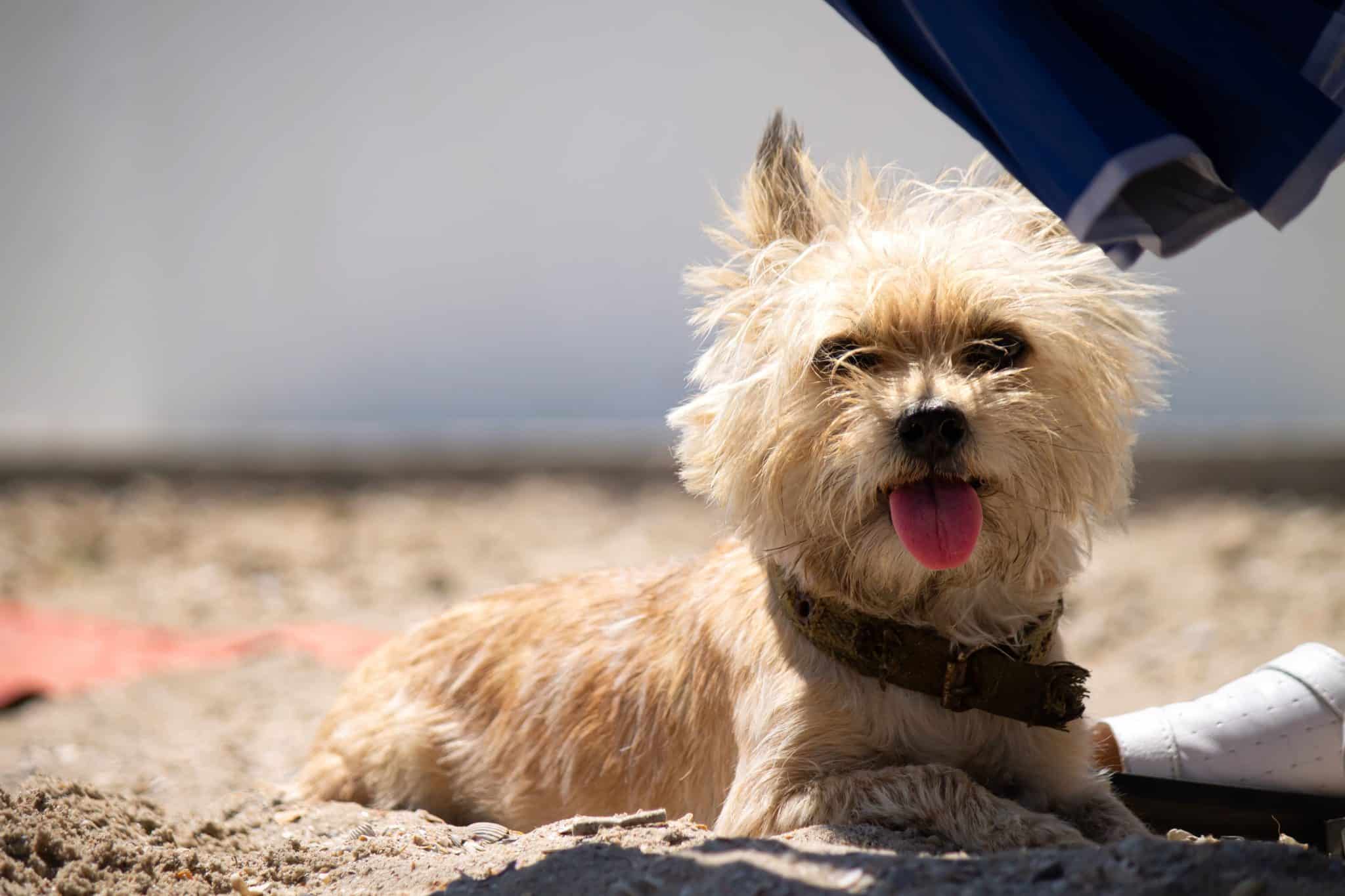
Cairn Terrier
 Shutterstock
Cairn Terriers originated in Scotland, where they helped locate and pursue small animals among rocky landscapes and cairns. Their compact bodies, fearless attitudes, and natural curiosity made them effective hunters, and those same qualities can make them enthusiastic backyard excavators today. A Cairn Terrier may begin digging because it detects a small animal, catches an unfamiliar scent, or simply notices that the soil looks wonderfully movable. Once its paws start flying, the dog can become so absorbed that calling its name feels like interrupting an extremely important business meeting. These dogs appreciate opportunities to explore, play, and solve problems. Owners can encourage their instincts through supervised scent searches, interactive toys, and a safe digging area. Regularly rotating activities helps prevent boredom from turning into landscape redesign. With a Cairn Terrier around, a garden’s underground population of imaginary mysteries may increase dramatically, even when no actual creatures are present.
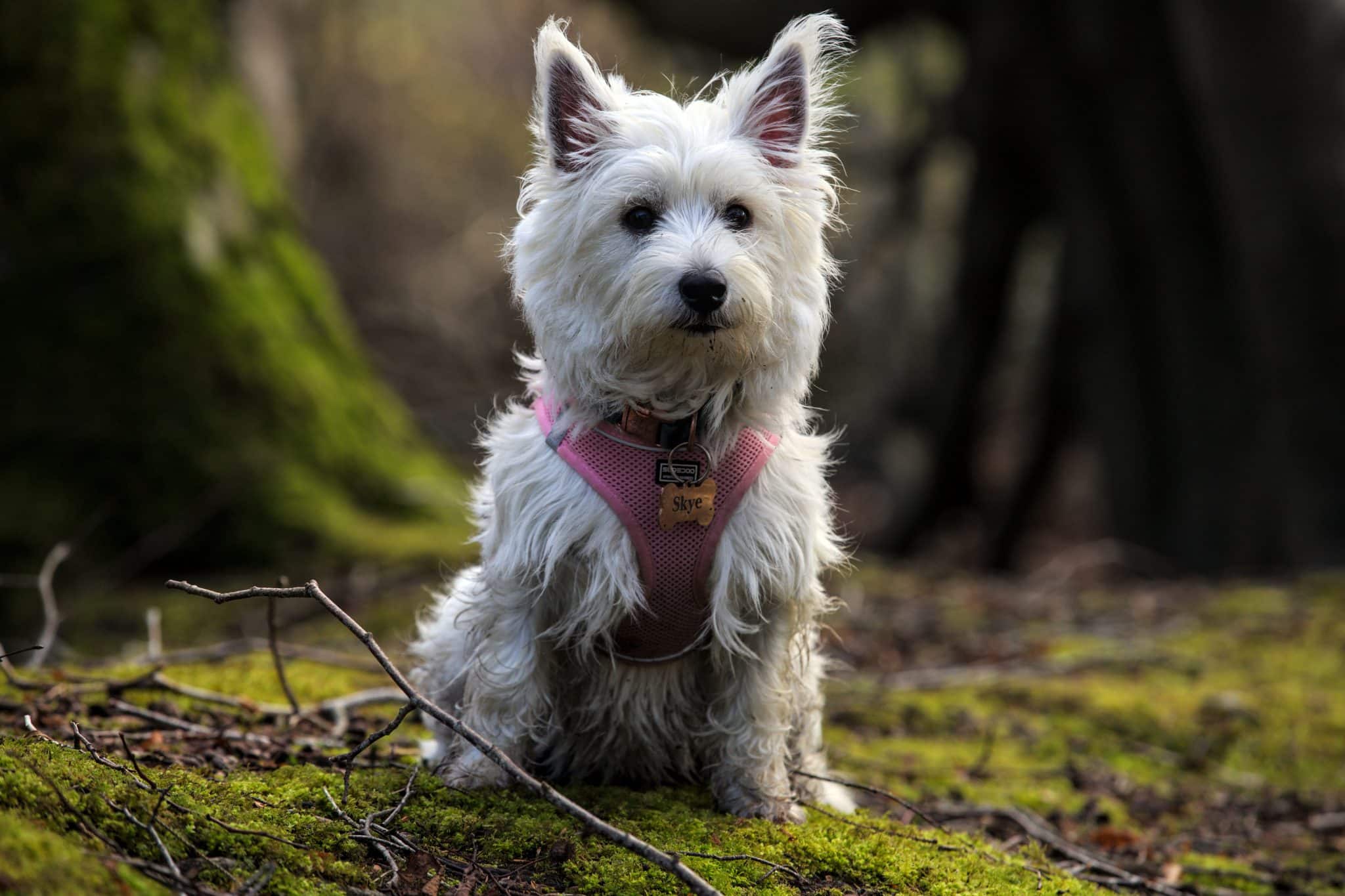
West Highland White Terrier
 Shutterstock
West Highland White Terriers, affectionately known as Westies, combine an adorable appearance with the confidence of a much larger dog. Bred to hunt small animals, they possess a strong prey drive and a natural inclination to investigate holes, burrows, and suspicious smells. A Westie might appear perfectly content relaxing in the garden until something catches its attention beneath the grass. Suddenly, its little paws begin working furiously, as though the entire household depends on discovering what lies beneath the surface. The resulting hole may be impressive, even if the original mystery was nothing more than an interesting scent. Westies thrive when their days include exercise, play, and opportunities to use their minds. Supervised digging sessions can help satisfy their instincts without sacrificing prized plants. Training cues such as leave it and come can also help redirect their attention. Their cheerful confidence makes them entertaining companions, although their gardening opinions may differ considerably from their owner’s landscaping plans.
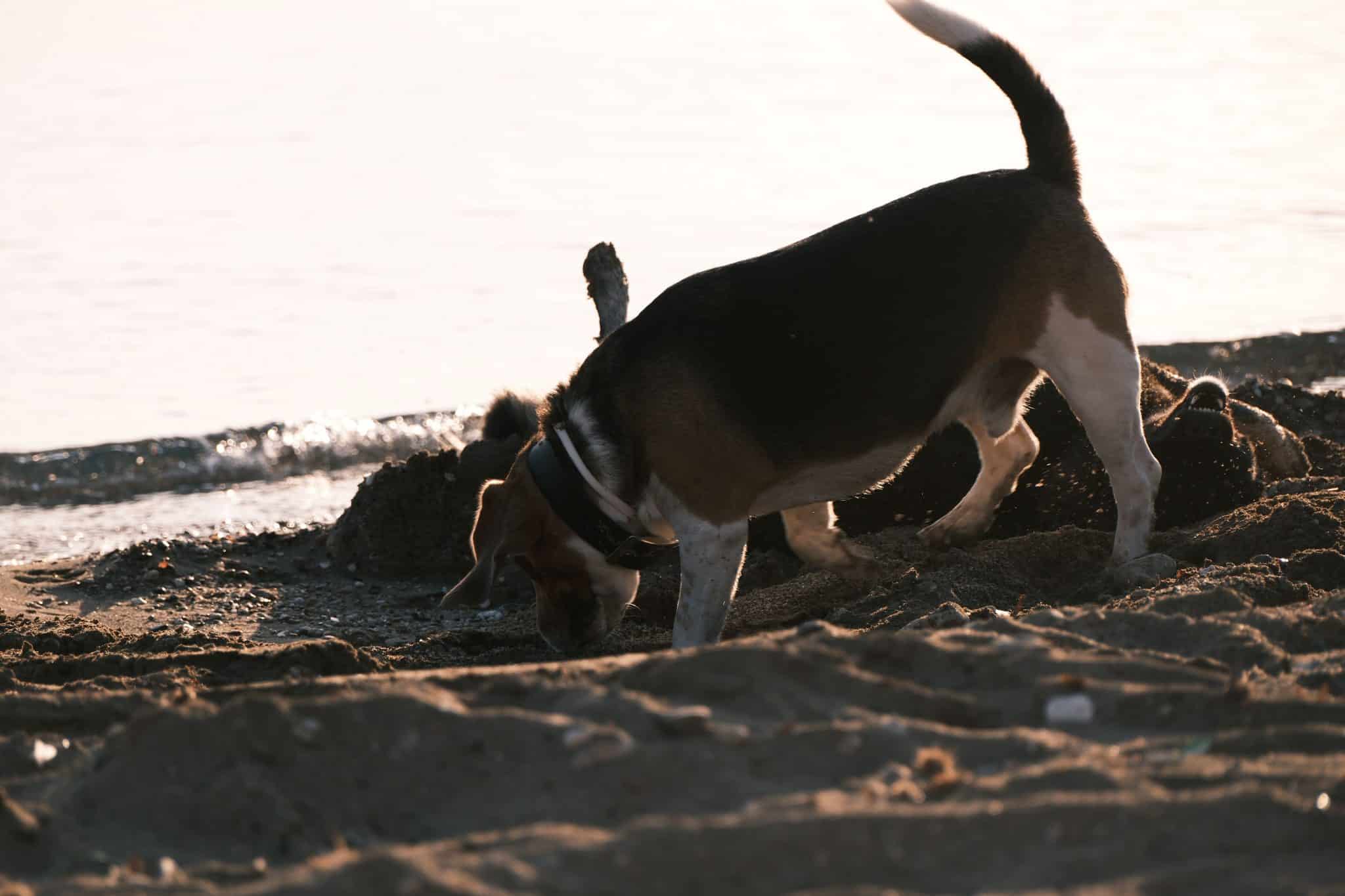
Beagle
 Shutterstock
Beagles are scent-driven hounds with extraordinary enthusiasm for following interesting trails. Originally developed to hunt rabbits and other small game, they rely heavily on their noses and can become completely absorbed in a scent that humans cannot even detect. Although Beagles are not specialized burrowing terriers, some dig when investigating animal smells, searching for small creatures, or attempting to reach an intriguing source of odor. A Beagle might spend several minutes sniffing one patch of earth before deciding that the situation requires immediate excavation. Its expression often suggests that it has discovered evidence of an international mystery. These sociable dogs need daily activity and opportunities to explore safely. Scent games, food puzzles, and supervised searches can keep their noses busy while reducing opportunities for destructive digging. Secure fencing is essential because a compelling scent may encourage a Beagle to wander. Owners should also avoid assuming every hole has a dramatic explanation. Sometimes, the dog is simply following its nose wherever curiosity leads.
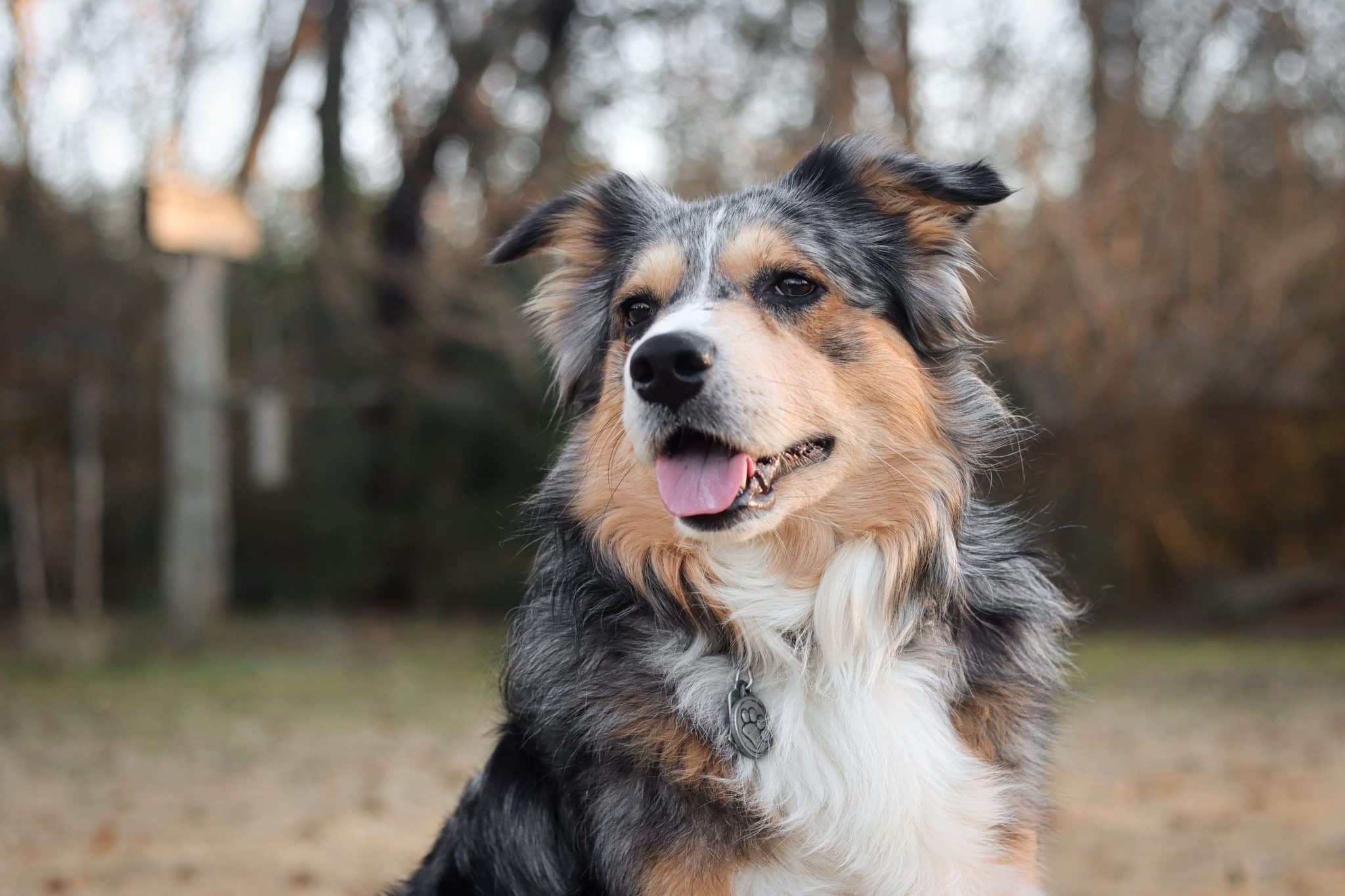
Australian Shepherd
 Shutterstock
Australian Shepherds are intelligent, energetic herding dogs that thrive when they have meaningful activities and opportunities to solve problems. Digging is not their defining breed trait, but some individuals develop the habit when they are bored, understimulated, anxious, or interested in something beneath the soil. An Australian Shepherd with excess energy may invent its own backyard projects, especially when the household has not supplied enough exercise or mental challenges. Digging can become an absorbing activity because it combines physical movement, sensory exploration, and an immediate result. Unfortunately, the dog may consider a newly excavated garden bed a spectacular achievement rather than a maintenance problem. These dogs often benefit from structured training, interactive games, herding-style activities, and regular walks suited to their fitness. Owners should also investigate whether digging occurs during periods of separation or stress, as the behavior may indicate an unmet emotional need. Providing suitable outlets can help an Australian Shepherd use its intelligence constructively instead of pursuing a career in residential construction.
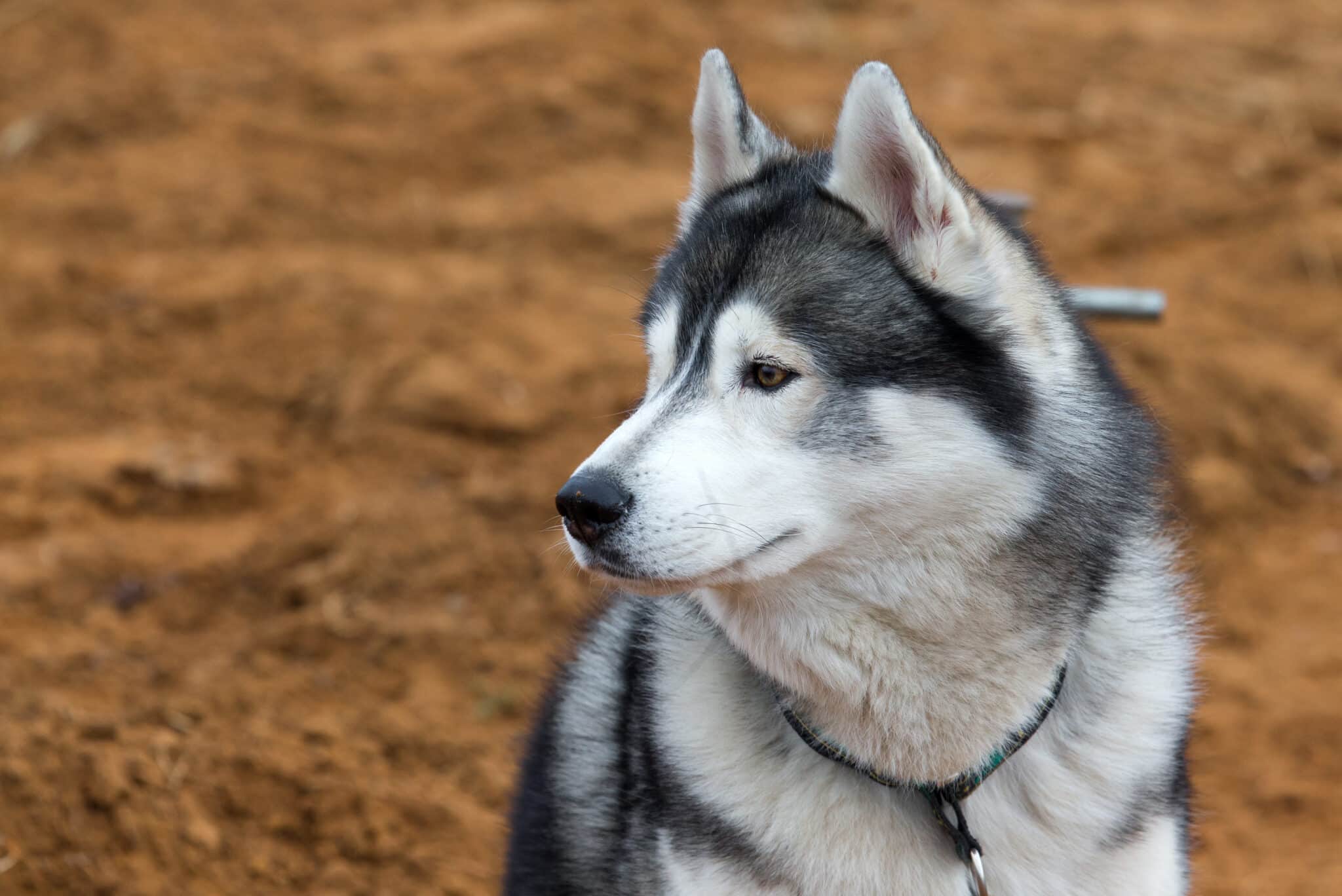
Alaskan Malamute
 Shutterstock
Alaskan Malamutes are powerful northern working dogs bred to haul heavy loads across challenging Arctic terrain. Their strength, endurance, and independence make them impressive companions, but their natural behaviors can create challenges for owners who prefer perfectly manicured lawns. Digging may serve several purposes for a Malamute. Some dogs create shallow hollows for resting, while others dig to explore scents, release excess energy, or entertain themselves. In warm conditions, a dog may seek cooler earth, although owners should never rely on digging alone to keep a heavily coated breed comfortable. Malamutes need consistent exercise, enrichment, secure boundaries, and opportunities to use their physical abilities appropriately. A designated digging area can help preserve the garden while providing an acceptable outlet. Because these dogs are strong and determined, fencing may need protection against underground escape routes. Their impressive digging efforts can make an ordinary hole look like a major infrastructure project, complete with a very satisfied canine site manager.
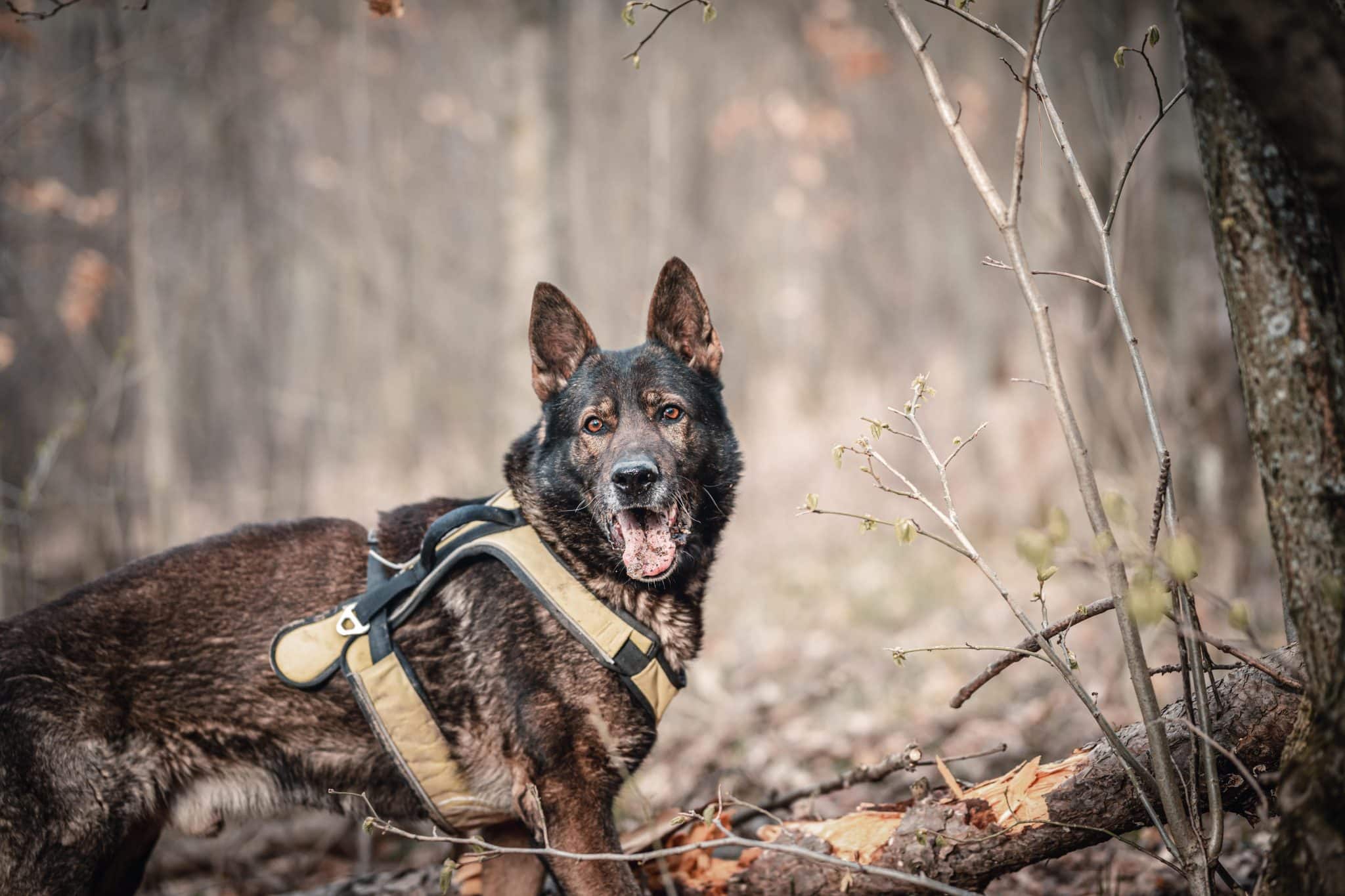
German Shepherd
 Shutterstock
German Shepherds are versatile working dogs valued for their intelligence, trainability, and ability to perform demanding tasks. Digging is not an automatic characteristic of every German Shepherd, but some develop the behavior through boredom, environmental investigation, prey interest, or anxiety. A German Shepherd may dig beneath a fence after detecting an animal on the other side or begin excavating when left without sufficient activity. Others simply enjoy the physical satisfaction of moving soil. Given their size and determination, even a short digging session can leave a surprisingly substantial hole. These dogs generally benefit from regular training, physical exercise, and mentally challenging activities. Owners should assess when and where digging occurs to identify its likely motivation. If the dog repeatedly digs near gates or fences, secure barriers and supervised outdoor time become especially important. Providing a suitable outlet and rewarding alternative behaviors can help prevent an intelligent working dog from turning an attractive lawn into a security-testing laboratory.
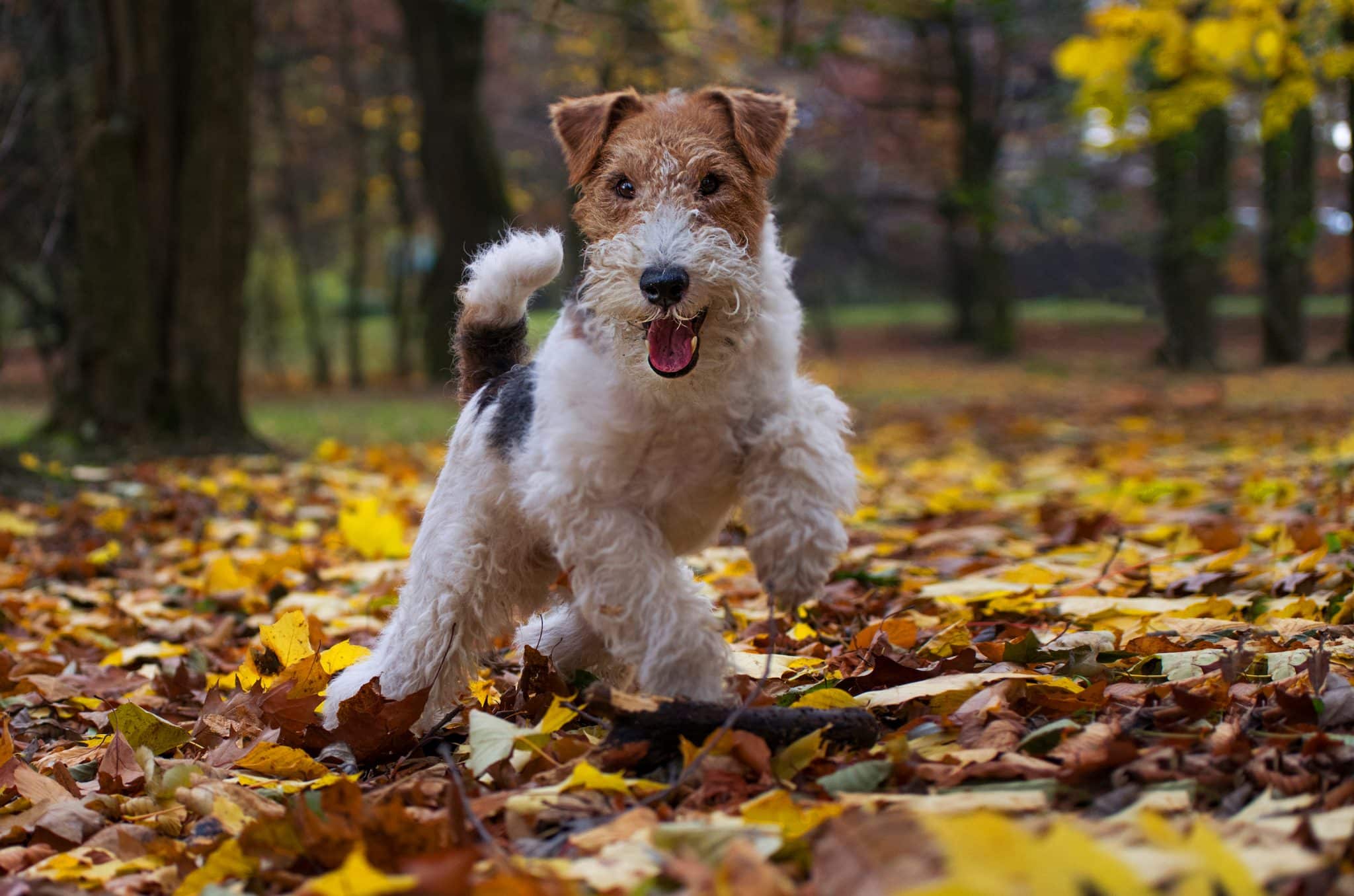
Fox Terrier
 Shutterstock
Fox Terriers were bred to assist hunters by locating foxes and pursuing them into their hiding places. Their athletic builds, lively personalities, and powerful prey instincts make digging a particularly understandable behavior for these energetic little workers. A Fox Terrier may attack a patch of soil with astonishing speed after detecting an unfamiliar scent or spotting movement nearby. The dog might investigate one location, race to another, and return to the original hole as though managing several urgent excavation contracts simultaneously. Regular exercise, interactive play, and scent-based challenges can help meet their needs. A designated digging area gives them permission to express natural behavior while protecting more delicate parts of the garden. Owners should supervise outdoor adventures because prey-driven dogs may focus intensely on wildlife. With enough enrichment and consistent training, a Fox Terrier can direct its enthusiasm toward acceptable activities instead of treating every flowerbed as a potential underground wildlife headquarters.
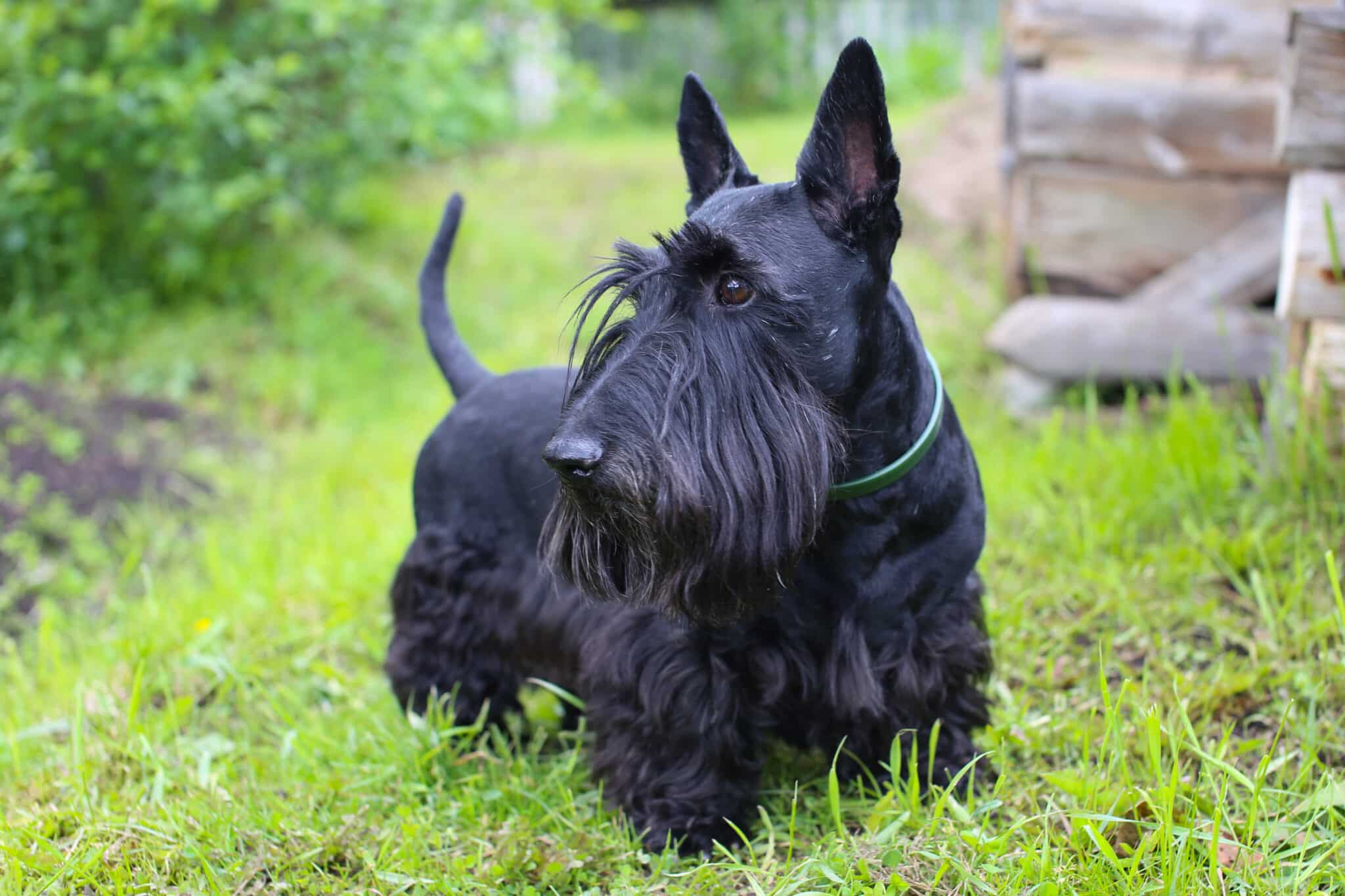
Scottish Terrier
 Shutterstock
Scottish Terriers are sturdy, independent dogs with a history of hunting vermin and pursuing quarry into underground hiding places. Their confident nature and strong instincts can make them persistent investigators, particularly when a scent or movement suggests something interesting may be concealed beneath the ground. A Scottish Terrier may approach digging with remarkable seriousness, carefully selecting a location before launching into a determined session of pawing. Its short legs and compact build do little to diminish its ambition. Once convinced that something deserves investigation, this dog may be reluctant to abandon the project simply because a human has requested that the lawn remain intact. Scotties benefit from regular walks, enrichment, and training that respects their independent personalities. Owners can redirect digging toward an approved area and reward the dog for using it. Interactive toys and scent games also offer useful alternatives. With patience and consistency, a Scottish Terrier can enjoy satisfying its investigative instincts without appointing itself the permanent director of the household’s underground development department.
Living With Your Four-Pawed Excavation Expert
 Shutterstock
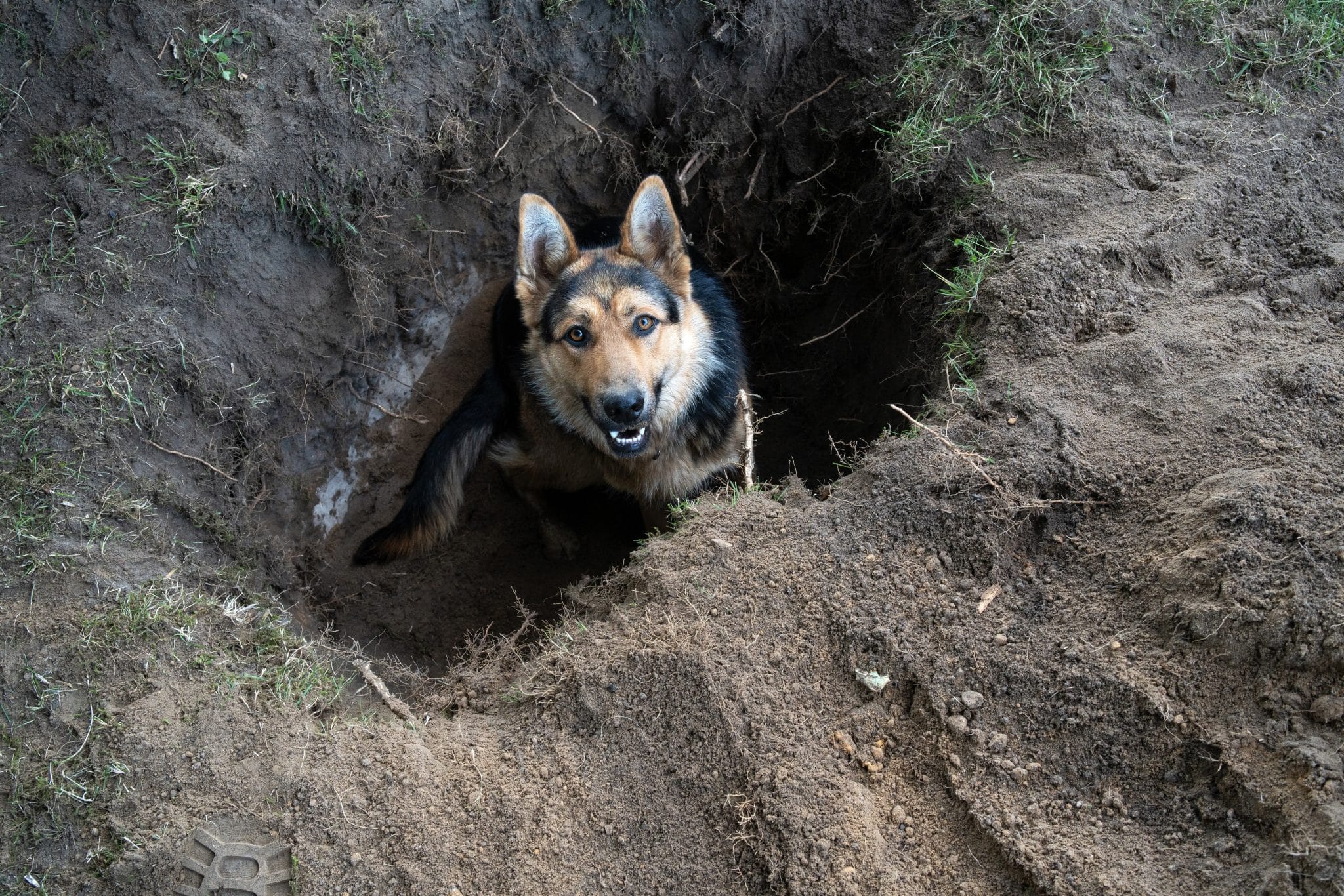
Living with a determined digging dog requires patience, humor, and realistic expectations. These dogs are not trying to destroy your garden; they may simply be following scents, satisfying hunting instincts, seeking comfort, or releasing energy. Providing exercise, mental stimulation, supervision, and an approved digging area helps protect your yard while keeping your canine companion happy. Celebrate their curiosity, redirect unwanted behavior, and remember that muddy paws come with adventurous personalities. Your lawn might need repairs, but those proud expressions make every gardening challenge worthwhile and surprisingly entertaining.
This content was created with AI assistance and edited by the iHeartDogs team.





















 English (US) ·
  French (CA) ·