

 2 months ago
115
2 months ago
115
Metro Manila Commuting Doesn’t Have to Be Stressful
If there’s one thing every Metro Manila commuter can agree on, it’s that traffic can quickly turn even the shortest trip into a frustrating experience. I’ve lost count of how many times I’ve watched the estimated arrival time on a navigation app double because of an unexpected traffic jam, road closure, or heavy rain. As a travel writer, I spend a lot of time moving between hotels, restaurants, airports, tourist attractions, and events across the metro. While I enjoy discovering new places, getting from one destination to another isn’t always the easiest part of the journey.

Angkas Tips That Can Save You Time, Money, and Stress
Over the years, motorcycle taxis have become one of my go-to transportation options, especially when time is limited. Whether I’m rushing to Ninoy Aquino International Airport for an early morning flight, attending a tourism event in Makati, or meeting friends in Bonifacio Global City after work, Angkas has helped me avoid countless hours sitting inside a car barely moving through traffic.
Of course, using Angkas effectively isn’t just about booking the first available rider. Like any form of transportation, there are simple habits that can make every trip smoother, safer, and even more affordable. Small decisions—such as choosing the right pickup point or planning around peak hours—can save you a surprising amount of time and unnecessary stress.
If you’re new to Angkas or simply want to become a smarter commuter, these practical tips can help you get the most out of every ride.
1. Book Before Rush Hour Begins
One lesson I’ve learned after years of traveling around Metro Manila is that timing can make a huge difference. Even though Angkas is designed to help passengers get around traffic faster, it’s still affected by demand. During weekday rush hours, thousands of commuters open the app at almost the same time, making it harder to find an available rider quickly.
I’ve experienced mornings when I thought I had plenty of time before heading to the airport, only to discover that nearby riders had already been booked. Instead of getting matched immediately, I found myself waiting several extra minutes while watching the estimated pickup time increase. Those delays may seem small, but when you’re trying to catch a flight or arrive at an important meeting, every minute matters.
If your schedule is fixed, it’s worth opening the app about 15 to 30 minutes earlier than you normally would. Booking ahead doesn’t necessarily mean you’ll leave much earlier, but it gives you breathing room if your assigned rider gets delayed by traffic or if another passenger cancels nearby.
Another trick I often use is adjusting my departure time slightly. Leaving home at 6:15 AM instead of 6:45 AM, or heading out after the evening rush has eased, often results in faster pickups and a more relaxed ride. Sometimes the smartest travel hack isn’t finding a shortcut—it’s simply avoiding the busiest part of the day.
Travel Tip: If you’re heading to the airport, don’t rely solely on your estimated travel time. Always allow extra time for booking and unexpected delays, especially during weekdays or rainy weather.
2. Pick a Meeting Spot That’s Easy for Your Rider to Reach
One of the most common reasons for delayed pickups isn’t traffic—it’s confusion about where the passenger is waiting.
It’s easy to assume that dropping a pin right where you’re standing is enough, but some locations are surprisingly difficult for motorcycle riders to access. Busy mall entrances, narrow streets, crowded loading bays, and major intersections often force riders to circle the block or wait until it’s safe to stop. Meanwhile, you’re wondering why they haven’t arrived yet.
Whenever possible, I choose a pickup point that’s easy to recognize and safe for both of us. If I’m at a shopping mall, I usually walk to a nearby convenience store or a quieter entrance instead of waiting in front of the busiest drop-off area. If I’m staying at a hotel, I wait near the main entrance where security personnel can also help direct riders.
This small adjustment often saves several minutes because the rider doesn’t have to navigate through heavy pedestrian traffic or compete with cars for limited stopping space.
It’s also a good idea to wear clothing that’s easy to spot if you’re waiting in a crowded area. A brightly colored shirt or standing beside a noticeable landmark makes it much easier for your rider to find you without repeated phone calls or messages.
Travel Tip: Remember that riders are also trying to avoid causing traffic. Choosing a pickup point where they can stop safely helps both of you start the trip faster.
3. Double-Check Your Pin Before Confirming Your Booking
Modern GPS technology has made commuting much easier, but it isn’t perfect. In Metro Manila, tall buildings, flyovers, and densely packed streets can sometimes confuse location services, causing your pickup pin to appear several meters away from where you actually are.
I’ve encountered this myself while staying in hotels with multiple entrances. On one occasion, the app placed my pickup point at the back of the building instead of the main lobby. My rider waited patiently on the other side while I searched for him, and we both lost valuable time before realizing what had happened.
Since then, I’ve made it a habit to zoom in on the map before confirming every booking. If the pin isn’t exactly where I’m standing, I simply move it manually. It only takes a few seconds but can prevent unnecessary confusion.
If you know your location might be difficult to find, send your rider a quick message immediately after booking. Mention nearby landmarks instead of relying only on street names. Saying “I’m beside the Starbucks entrance” or “I’m waiting outside Gate 3” is much more helpful than saying, “I’m here already.”
Good communication makes the pickup process smoother and reduces frustration for both passengers and riders.
Travel Tip: When traveling to unfamiliar places, save the exact building name or nearby landmark on your phone before booking your ride.
4. Wear Your Helmet Correctly—It’s There for a Reason
When you’re in a hurry, it’s tempting to throw on the helmet, fasten the strap quickly, and start the ride. But taking a few extra seconds to make sure it fits properly is one of the simplest ways to protect yourself.
Every Angkas rider provides a helmet along with a disposable hair cap for hygiene. Before we leave, I always check that the chin strap is secure and that the helmet doesn’t move around too much when I turn my head. If it feels loose, I don’t hesitate to ask the rider to adjust it. They’d much rather spend a few seconds fixing the fit than risk an unsafe ride.
Motorcycle taxis are generally a safe and efficient way to travel when both rider and passenger follow proper safety practices. Wearing the helmet correctly, keeping both feet on the passenger footrests, and holding the side handles or the rider’s waist—depending on what’s most comfortable and appropriate—can help you stay balanced, especially when navigating uneven roads or sudden stops.
Another habit I’ve developed is avoiding unnecessary distractions during the trip. Instead of checking emails or scrolling through social media, I stay aware of my surroundings and enjoy the ride. Besides being safer, it’s also a chance to see parts of the city that I might otherwise miss while sitting inside a car.
Travel Tip: Never compromise on safety just because your destination is only a few minutes away. Short trips can be just as unpredictable as longer ones.
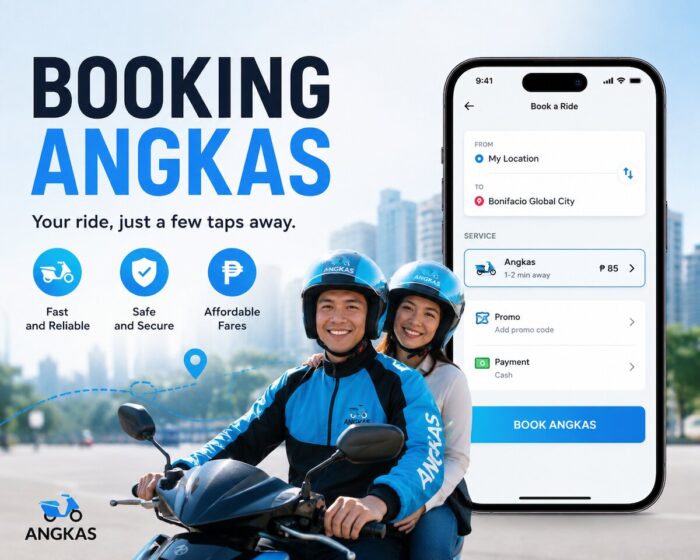 Angkas Ride Booking Made Easy
5. Travel Light Whenever You Can
As someone who travels frequently for work, I’ve learned that packing smart makes every journey easier—especially when using motorcycle taxis.
There have been days when I carried a heavy camera backpack, a laptop bag, and shopping bags all at once. While it’s certainly possible to ride with extra belongings, I quickly realized that traveling light makes the experience far more comfortable. Less baggage means it’s easier to get on and off the motorcycle, maintain your balance, and enjoy the ride without constantly worrying about your belongings shifting around.
If I’m heading to the airport for a domestic trip, I usually pack everything into a single backpack and a compact carry-on bag that can be securely positioned during the ride. For larger suitcases or multiple pieces of luggage, I typically choose a regular taxi or airport transfer instead. Knowing which mode of transportation fits your luggage can save you unnecessary stress.
It’s also a good habit to secure loose straps on backpacks or tote bags before your trip begins. Long straps can flap in the wind or become caught on parts of the motorcycle if you’re not careful.
Traveling light isn’t just about convenience—it also allows your rider to focus entirely on navigating Metro Manila’s busy streets safely.
Travel Tip: Before booking your ride, ask yourself whether your luggage is suitable for a motorcycle taxi. If not, choosing another transportation option may be safer and more practical.
6. Go Cashless Whenever Possible
 Angkas Tips for Smarter Rides
There was a time when I always carried enough cash for transportation. While there’s nothing wrong with paying in cash, I eventually realized that using digital payment methods makes the entire ride more convenient.
One common situation is arriving at your destination and realizing you only have large bills. Your rider then has to look for change while both of you wait on the side of a busy road. It’s not a major problem, but it can slow things down, especially during peak hours when riders are eager to accept their next booking.
Whenever possible, I choose cashless payment because it’s quick and hassle-free. Once the ride ends, I simply thank my rider and continue with my day without worrying about counting bills or looking for coins.
Another advantage is that digital payments create a record of your transportation expenses. Whenever I’m traveling for work or covering destinations for my blog, it’s much easier to review my travel costs at the end of the month. Instead of trying to remember how much I spent on individual rides, everything is already documented.
Before leaving home, it’s worth checking that your preferred payment method has enough balance. Spending a few seconds doing this can prevent payment issues later.
Travel Tip: If you’re traveling during the holidays or major events when cash is in high demand, cashless payments can make your commute faster and more convenient.
7. Dress Comfortably for the Ride
When people think about preparing for an Angkas ride, clothing isn’t usually the first thing that comes to mind. However, after taking countless motorcycle taxi rides across Metro Manila, I’ve realized that what you wear can have a big impact on your comfort.
Since you’ll be riding outdoors, you’re exposed to the sun, wind, dust, and changing weather. On particularly hot afternoons, lightweight and breathable clothing helps keep you comfortable. During the rainy season, I almost always carry a compact rain jacket inside my backpack, even if the forecast predicts clear skies. Metro Manila weather has a habit of changing without much warning.
Footwear also matters more than many people realize. Closed shoes provide better grip and stability when getting on and off the motorcycle. Flip-flops and loose sandals can sometimes feel less secure, especially if the roads are wet.
If you’re wearing accessories like long scarves, oversized jackets, or loose clothing, make sure they’re tucked in properly before the ride begins. Anything that flaps in the wind can become uncomfortable and distracting.
The goal isn’t to dress for fashion—it’s to dress for a safe and comfortable journey. You can always freshen up once you reach your destination.
Travel Tip: If you’re heading to a business meeting, bring your blazer or jacket in your bag and put it on after arriving to keep it neat and wrinkle-free.
8. Keep Your Phone and Valuables Secure
Smartphones have become an essential travel companion. We use them for navigation, communication, digital payments, boarding passes, and even taking photos. But while riding a motorcycle taxi, constantly holding your phone isn’t the best idea.
I’ve occasionally seen passengers scrolling through social media or replying to messages while the motorcycle is moving. Besides being distracting, it’s also risky. A sudden bump in the road could easily cause your phone to slip from your hands, and in busy urban areas, it’s always wise to stay mindful of your surroundings.
Before every ride, I make sure my phone is tucked safely inside a zippered pocket or backpack. If I need to check directions or reply to an urgent message, I simply wait until we’ve stopped safely.
The same goes for wallets, passports, cameras, and other valuables. If you’re on your way to the airport or carrying expensive gadgets for work, double-check that all zippers are closed before leaving.
Traveling with peace of mind is just as important as reaching your destination quickly. Knowing your belongings are secure allows you to relax and enjoy the ride.
Travel Tip: If you’re carrying a backpack, wear it properly instead of hanging it on one shoulder. It distributes the weight more evenly and feels much more secure during the trip.
9. Check the Weather Before Booking
If you’ve lived in Metro Manila long enough, you know how unpredictable the weather can be. A bright sunny morning can suddenly turn into a heavy downpour by lunchtime, and that can affect your commute.
Rain doesn’t automatically mean you can’t book an Angkas ride, but it does mean you’ll need to plan ahead. During heavy showers, demand often increases because many commuters are looking for faster transportation. Riders may also slow down for safety or temporarily pause accepting bookings if road conditions become hazardous.
Whenever I have an important appointment, I make it a habit to check the weather forecast before leaving. If rain is expected, I allow extra travel time and pack a small umbrella or lightweight rain jacket. I also place my camera, laptop, and other electronics inside waterproof pouches for added protection.
Sometimes, waiting 20 or 30 minutes for the rain to ease can result in a much smoother ride than trying to leave during the worst part of the storm.
Being prepared doesn’t eliminate bad weather, but it does make dealing with it much less stressful.
Travel Tip: During the rainy season, always assume you’ll encounter at least one unexpected shower. A compact umbrella takes up very little space but can save your day.
10. Save Your Favorite Destinations in the App
One feature that often goes unnoticed is the ability to save frequently visited locations. It might seem like a small convenience, but if you regularly use Angkas, it can save you both time and frustration.
I have several places saved in the app, including my home, Ninoy Aquino International Airport terminals, favorite hotels, coffee shops where I work, and venues that I frequently visit for tourism events. Instead of typing the address every time, I simply tap the saved location and book my ride within seconds.
This also helps reduce the chances of selecting the wrong destination. Metro Manila has many roads and buildings with similar names, and entering the wrong address can result in unnecessary detours or delays.
If you’re visiting relatives often, commuting to the same office every weekday, or frequently flying from the airport, saving those locations makes the booking process much more efficient.
It’s one of those simple features that you may not appreciate at first, but once you start using it regularly, you’ll wonder why you didn’t do it sooner.
Travel Tip: If you’re staying at a hotel for several days, save the hotel’s location in the app. It makes booking return trips much faster, especially after a long day of sightseeing or attending meetings.
11. Treat Your Rider with Courtesy and Respect
One thing I’ve come to appreciate about Angkas riders is how demanding their job can be. Every day, they navigate Metro Manila’s congested roads, deal with unpredictable weather, and safely transport dozens of passengers to different destinations. It’s not an easy job, and a little kindness can go a long way.
I always make it a point to greet my rider with a simple “Good morning” or “Good afternoon.” It may seem like a small gesture, but it helps start the ride on a positive note. If I’m running a minute or two late getting to the pickup point, I send a quick message so they know I’m on my way instead of leaving them wondering.
It’s also important to remember that riders are responsible for your safety. There may be times when they choose a slightly longer route to avoid hazardous roads or slow down because of heavy rain or slippery pavement. Rather than asking them to speed up, I trust their judgment. After all, arriving a few minutes later is far better than taking unnecessary risks.
Respect also means following basic riding etiquette. Wait until the motorcycle has come to a complete stop before getting off, avoid sudden movements during the ride, and listen carefully if the rider gives safety instructions.
At the end of every trip, I make it a habit to say thank you. It’s a simple gesture, but one that’s always appreciated.
Travel Tip: Good communication and mutual respect create a better experience for both passengers and riders, making every trip smoother from start to finish.
12. Be Flexible About Your Drop-Off Point
Most passengers naturally want to be dropped off right at the entrance of their destination. However, that’s not always the fastest or safest option.
There have been times when I was heading to a shopping mall, hotel, or convention center, only to find the main entrance clogged with cars waiting to drop off passengers. Instead of spending another ten minutes inching forward in traffic, I often ask my rider to let me off at a nearby entrance or along a quieter street where it’s safe to stop. From there, I simply walk the remaining distance.
This approach has saved me time on numerous occasions, especially in busy areas like Makati, Bonifacio Global City, Ortigas, and Manila. A short three- or four-minute walk is often much faster than waiting in a long queue of vehicles.
Before requesting a ride, it’s worth checking if your destination has multiple entrances. Many malls, office buildings, hotels, and transport terminals have secondary access points that are less crowded and easier for motorcycle riders to reach.
Being flexible also makes the rider’s job easier, allowing them to complete your trip efficiently and move on to their next passenger without unnecessary delays.
Travel Tip: If your destination is within walking distance from a less congested drop-off point, consider getting off there. It often saves both you and your rider valuable time.
13. Be Prepared for Unexpected Situations
No matter how carefully you plan your trip, unexpected situations can still happen. A sudden downpour, a road closure, a flat tire, or a temporary traffic rerouting can quickly change your travel plans.
Whenever I travel around Metro Manila, especially for airport transfers or important events, I always allow a little extra time in my schedule. That buffer has saved me more times than I can count.
It’s also a good idea to keep your emergency contact information updated on your phone. If you’re traveling late at night or visiting an unfamiliar part of the city, consider sharing your live location with a trusted family member or friend until you arrive safely.
I also carry a small power bank whenever I’m out for the day. There’s nothing more frustrating than trying to book your ride home only to discover your phone battery is almost empty. A fully charged phone means you can contact your rider, navigate unfamiliar areas, and reach someone if you need assistance.
Preparation isn’t about expecting problems—it’s about knowing you’re ready if something unexpected happens.
Travel Tip: Before leaving home, make sure your phone is fully charged, your emergency contacts are updated, and your power bank is packed, especially if you’ll be out all day.
14. Leave Honest Ratings and Helpful Feedback
After every Angkas ride, you’ll have the opportunity to rate your experience. Many people skip this step because they’re in a hurry, but I believe it’s worth taking a few seconds to provide honest feedback.
Whenever I’ve had a rider who was courteous, drove safely, and arrived promptly, I’m happy to leave a five-star rating and a positive comment. Riders work hard to maintain excellent service, and good feedback recognizes their professionalism.
On the other hand, if something didn’t go as expected, I try to provide constructive feedback instead of simply leaving a low rating without explanation. Whether it’s a navigation issue, communication problem, or another concern, detailed comments help improve the overall service for future passengers.
Reviews also help Angkas identify riders who consistently provide outstanding service and those who may need additional support or training.
As travelers, we often rely on reviews when choosing hotels, restaurants, and attractions. The same principle applies here. Your feedback contributes to a better commuting experience for everyone.
Travel Tip: Leave feedback based on the quality of the service rather than circumstances beyond the rider’s control, such as unexpected traffic or bad weather.
15. Know When Angkas Is the Best Choice—and When It Isn’t
One of the biggest lessons I’ve learned as a frequent traveler is that no single mode of transportation is perfect for every situation.
There are many occasions when Angkas is easily my first choice. If I’m traveling alone, carrying only a backpack, and heading across Metro Manila during rush hour, it’s often the fastest way to reach my destination. It’s especially useful when I’m attending hotel openings, tourism events, restaurant launches, or rushing to catch a domestic flight with only hand-carried luggage.
However, there are also times when another option makes more sense. If I’m traveling with family, carrying multiple suitcases, transporting photography equipment, or commuting during extremely heavy rain, I usually book a regular taxi or ride-hailing car instead. Comfort and practicality become more important than speed.
Choosing the right transportation isn’t about being loyal to one service—it’s about selecting the option that best fits your needs at that moment.
Experienced travelers know that flexibility is one of the smartest ways to navigate Metro Manila efficiently. Sometimes the fastest route is on two wheels. Other times, four wheels are the better choice.
Travel Tip: Consider your luggage, the weather, your destination, and your schedule before booking. The best commute is the one that gets you there safely, comfortably, and on time.
Final Thoughts
Metro Manila’s traffic isn’t likely to disappear anytime soon, but that doesn’t mean every commute has to be stressful. Over the years, Angkas has become one of the most practical transportation options for solo travelers, office workers, students, and even tourists who want to move around the city more efficiently.
As someone who regularly travels across Metro Manila for flights, hotel stays, food trips, and tourism events, I’ve found that using Angkas wisely is about more than simply booking a ride. It’s about planning ahead, communicating clearly with your rider, staying prepared for changing weather, and knowing when a motorcycle taxi is the right choice for your journey.
The tips in this guide may seem simple, but together they can make a noticeable difference in your daily commute. Whether you’re trying to get to the airport on time, beat the morning rush to the office, or explore the city’s neighborhoods without spending hours in traffic, these habits can help you travel with greater confidence and less stress.
At the end of the day, every successful journey isn’t measured by how fast you arrive—it’s by arriving safely, comfortably, and ready to enjoy whatever awaits at your destination. By combining smart planning with responsible riding, you’ll discover why Angkas has become an indispensable part of urban travel in Metro Manila.
Follow and subscribe to OutofTownBlog.com on Facebook , Twitter, Instagram, Pinterest, and YouTube for more Travel-related updates.
Read:





















 English (US) ·
  French (CA) ·