

 1 month ago
107
1 month ago
107
One of the most unforgettable ways to get to know a country is through its street food. Whether you’re wandering through buzzing night markets in Asia, browsing colorful food stalls in Latin America, or grabbing a quick snack from a cart in Europe, street food gives you an authentic taste of local life. It’s where history, tradition, and everyday routines come together in one delicious bite.

Must-Try Street Foods Around the World
As a travel blogger, journalist, and foodie, many of my favorite travel memories didn’t happen in fancy restaurants. They happened while standing beside a smoky roadside grill, chatting with vendors, or getting lost in lively markets filled with mouthwatering aromas.
Street food is usually affordable, freshly cooked, and deeply connected to local culinary traditions. Many recipes have been passed down through generations, so every bite feels like tasting a small piece of history. If you’re planning your next food-focused trip, these iconic street foods definitely deserve a spot on your bucket list.
Japan – Takoyaki
 The author is enjoying Takoyaki in Sapporo
Takoyaki is one of Japan’s most beloved street snacks and a must-try for first-time visitors. These golden, golf-ball-sized bites are made from a savory batter and stuffed with tender octopus, green onions, pickled ginger, and crunchy tempura bits. Vendors cook them in special cast-iron molds until the outside turns crisp while the inside stays creamy and almost custard-like.
They’re then topped with a generous drizzle of sweet-savory takoyaki sauce, Japanese mayonnaise, dancing bonito flakes, and fragrant aonori seaweed powder.
The flavor is rich, slightly smoky, a little sweet, and full of umami. The contrast between the crispy shell and the soft, molten center makes each bite incredibly satisfying. Just be careful: fresh takoyaki comes out very hot, so let it cool for a moment before your first bite.
For the most authentic experience, head to Osaka, especially the busy neighborhoods of Dotonbori, Shinsekai, and Kuromon Market, where dedicated takoyaki vendors have been perfecting their recipes for decades.
Thailand – Pad Thai
 Pad Thai Talay
Pad Thai is one of Thailand’s most famous street dishes and a great introduction to Thai flavors. Rice noodles are quickly stir-fried over high heat with shrimp or chicken, tofu, bean sprouts, garlic chives, egg, tamarind, fish sauce, palm sugar, and crushed peanuts. Every street stall has its own twist, so no two plates taste exactly the same.
The result is a beautiful balance of sweet, salty, sour, and savory flavors, often brightened with a squeeze of fresh lime and a sprinkle of crunchy peanuts. It’s both comforting and lively, showing just how complex Thai cooking can be.
For classic Pad Thai, Bangkok is still the go-to destination. Check out Yaowarat (Chinatown), Khao San Road, and the city’s many evening markets, where vendors fire up blazing woks and cook each portion fresh to order.
Vietnam – Bánh Mì
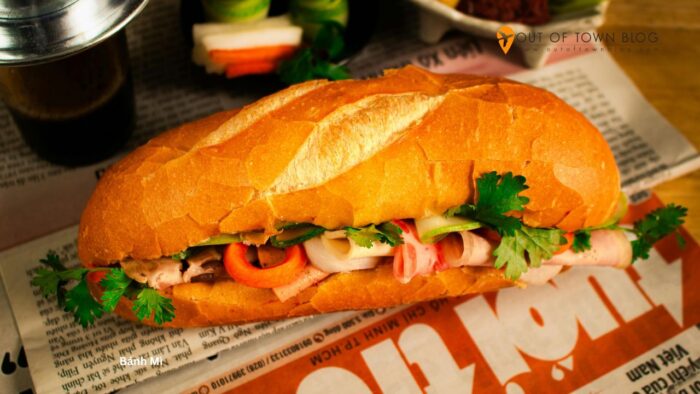 Bánh Mì
Bánh Mì is the perfect example of Vietnam’s culinary history, blending French baking with bold Vietnamese ingredients. A light, crispy baguette is packed with grilled pork, Vietnamese cold cuts or ham, pâté, pickled carrots, daikon, cucumber, cilantro, chili, and flavorful sauces.
Each bite brings together crunchy bread, creamy pâté, juicy meat, tangy pickled veggies, fresh herbs, and a gentle kick of heat. It’s a simple sandwich, but incredibly well balanced and satisfying.
Ho Chi Minh City is widely known for having some of the best Bánh Mì, especially from long-running family-owned stalls. Hanoi also serves fantastic regional variations, often with their own special ingredients and seasonings.
South Korea – Tteokbokki
 Tteokbokki
Tteokbokki is one of South Korea’s most recognizable street foods. Soft, cylindrical rice cakes are simmered in a thick, spicy-sweet sauce made from gochujang, garlic, soy sauce, sugar, and broth. Many vendors bulk it up with fish cakes, boiled eggs, dumplings, or ramen noodles.
The rice cakes are wonderfully chewy, and the sauce is rich, comforting, and deeply savory with a pleasant heat. It’s the kind of dish you crave on a chilly evening.
To try some of the best tteokbokki, visit Seoul’s Myeongdong Street Food Market, Gwangjang Market, or Tongin Market, where vendors specialize in different spice levels and styles.
India – Pani Puri
 Pani Puri
Pani Puri is one of India’s most fun and interactive street food experiences. Hollow, crispy shells are filled with mashed potatoes, chickpeas, and onions, then dipped into chilled, spicy, tangy tamarind-and-mint water right before you eat them.
You typically eat each puri in one bite. It bursts in your mouth with a rush of flavors—refreshing, spicy, tangy, sweet, and savory all at once. The crisp shell quickly collapses, giving way to the flavorful liquid and soft filling.
Mumbai is famous for its Pani Puri, though you’ll also find delicious regional versions in cities like Delhi, Jaipur, Ahmedabad, and Kolkata.
Mexico – Tacos al Pastor
 Tacos al Pastor
Tacos al Pastor grew out of Middle Eastern cooking traditions brought by Lebanese immigrants and evolved into one of Mexico’s most iconic street foods. Marinated pork is stacked onto a vertical spit, roasted slowly, and shaved straight into warm corn tortillas with pineapple, onions, cilantro, and salsa.
The pork is juicy, smoky, and slightly sweet, with spices that pack in tons of flavor. Fresh pineapple adds brightness, while the salsa brings varying levels of heat.
Mexico City is a paradise for Tacos al Pastor. Neighborhood taquerias and late-night street stands attract hungry locals after work and into the early hours.
Turkey – Simit
 Simit
SimitSimit is one of Turkey’s favorite on-the-go snacks and a breakfast staple. These circular bread rings are generously coated in sesame seeds, then baked until golden brown.
The crust is crisp, while the inside stays soft and slightly chewy. The toasted sesame seeds add a nutty aroma that pairs perfectly with a glass of Turkish tea.
In Istanbul, you’ll spot Simit everywhere—from red street carts near ferry terminals and parks to busy squares like Eminönü, Sultanahmet, and Taksim.
Germany – Currywurst
 Currywurst
Currywurst is Germany’s most famous street food, especially in Berlin. A grilled or fried pork sausage is sliced into bite-sized pieces, covered with a warm, tomato-based curry ketchup, and finished with a sprinkle of curry powder.
The sausage is smoky and juicy, while the sauce is sweet, tangy, and mildly spicy. It’s often served with crispy fries or a bread roll for soaking up every last bit of sauce.
Berlin is the ultimate place to try Currywurst. Thousands of portions are eaten there every day by both locals and visitors.
Belgium – Belgian Fries
 Belgian Fries with Andalouse Sauce
Belgian fries have earned a reputation worldwide for their perfect texture and flavor. Thick-cut potatoes are traditionally fried twice, which creates an extra-crispy exterior and a soft, fluffy interior.
Unlike ordinary fries, Belgian fries are served with a wide variety of sauces—mayonnaise, andalouse, curry ketchup, garlic sauce, tartar, and more.
Head to Brussels, Bruges, or Ghent and order from traditional fritkots, the small kiosks that have been perfecting fries for generations.
Morocco – Msemen
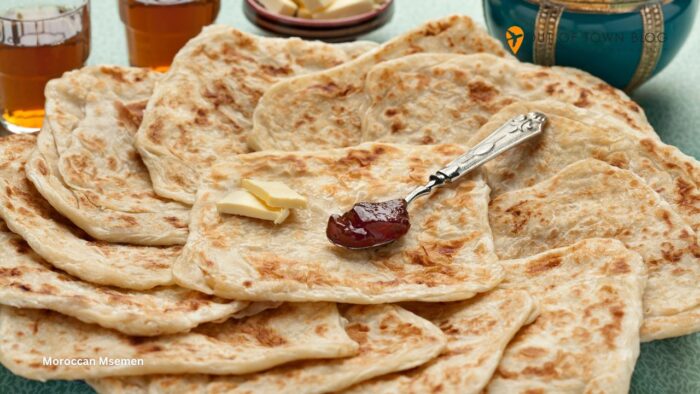 Pan-fried Moroccan Msemen
Msemen is a flaky Moroccan flatbread made by folding thin layers of dough over and over, then cooking it on a hot griddle. It can be served plain, stuffed with onions and spices, or enjoyed with honey and butter.
The outside is crispy, while the inside stays soft and chewy. Its flavor is lightly buttery and savory, making it especially comforting.
You’ll find excellent Msemen in Marrakech’s famous Jemaa el-Fnaa Square, both at breakfast and later in the day when the evening food market comes alive.
China – Jianbing
 Jianbing
Jianbing is one of China’s most popular breakfast street foods. A thin crepe made from wheat and mung bean batter is cooked on a hot griddle, then layered with egg, crispy wonton crackers, scallions, cilantro, sauces, and chili.
The result is a delicious mix of crunchy and soft textures, with savory, spicy, and slightly sweet flavors in every bite.
Beijing is one of the best cities to try Jianbing, especially from neighborhood breakfast stands that serve commuters early each morning.
Perú – Anticuchos
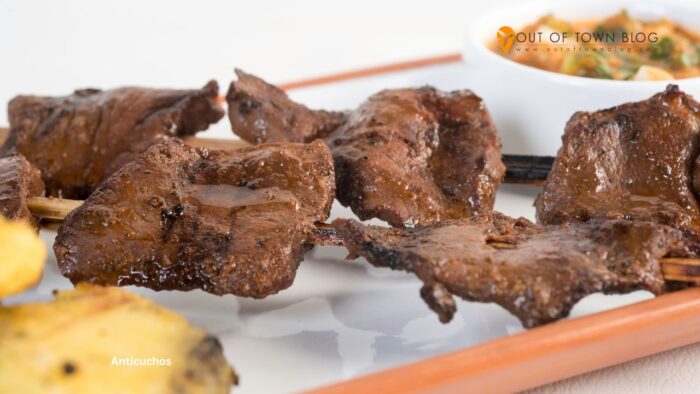 Anticuchos
Anticuchos are skewers of marinated beef heart grilled over charcoal. While the main ingredient might sound unusual to some travelers, it has become one of Peru’s most loved street foods.
The meat is marinated with vinegar, garlic, cumin, aji peppers, and local spices, giving it a smoky, slightly spicy, and deeply savory flavor. When cooked properly, the beef heart turns tender and juicy.
In Lima, you’ll find some of the best Anticuchos in evening food markets, where the smell of charcoal and spices fills the air.
Philippines – Isaw
 Isaw
IsawIsaw is a popular Filipino street food made from carefully cleaned chicken or pork intestines. They’re marinated, skewered, and grilled over charcoal before being brushed with a sweet-savory barbecue glaze.
The smoky aroma, caramelized exterior, and slightly chewy texture make Isaw especially addictive. Most people enjoy it with dipping sauces like spiced vinegar, sweet barbecue sauce, or spicy vinegar for an extra kick.
You can find freshly grilled Isaw at evening street stalls across Metro Manila, Cebu, Davao, and in local community grilling spots known as “ihawan.”
Indonesia – Satay
 Grilled Satay Skewers
Satay is a classic Indonesian dish of skewered meat—usually chicken, beef, lamb, or goat—grilled over charcoal until lightly charred, then served with peanut sauce, rice cakes, and pickled vegetables.
The smoky meat pairs beautifully with the rich, creamy, slightly sweet peanut sauce, making it one of Southeast Asia’s most comforting flavor combinations.
Jakarta, Yogyakarta, and Bali all serve excellent Satay, with each region adding its own twist to the marinades and sauces.
Brazil – Acarajé
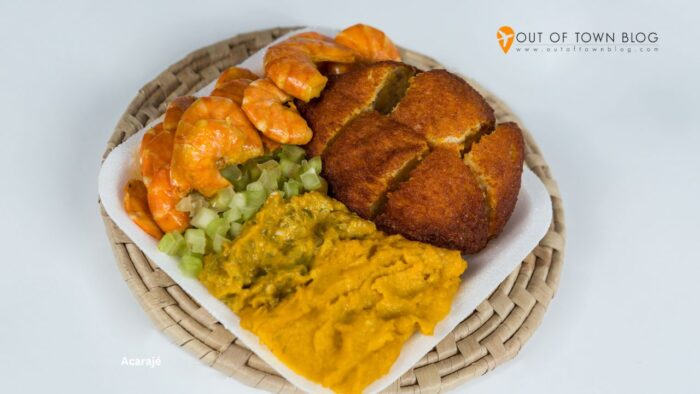 Acaraje
Acarajé is a signature street food from Salvador, in Brazil’s Bahia region. Balls of black-eyed pea dough are deep-fried in palm oil until crisp, then split open and stuffed with shrimp, vatapá paste, salad, and spicy pepper sauce.
The outside is crunchy, while the inside stays soft and airy. Rich seafood flavors blend with creamy fillings and bold spices, making every bite memorable.
For the most authentic experience, visit the streets of Salvador, where traditional Bahian women in flowing white dresses continue to prepare Acarajé using recipes handed down through generations.
Expert Tips for Enjoying Street Food Safely
Street food is one of the joys of travel, but choosing the right stalls can make all the difference. Look for places with long lines of local customers—high turnover usually means fresher ingredients. Whenever you can, watch your food being cooked in front of you and choose vendors who keep their cooking area clean and handle food carefully.
Go for dishes that are cooked to order and served piping hot. Drink bottled or filtered water as needed, and carry hand sanitizer or wipes to clean your hands before eating. Most importantly, stay open-minded and respectful of local customs—some of the world’s best meals are served from simple roadside carts, not fancy restaurants.
Exploring street food goes far beyond just filling your stomach. It’s a window into a country’s culture, history, and everyday life. No matter where you go, there’s always a local snack waiting to be discovered, turning every trip into a chance to taste something unforgettable.
Follow and subscribe to OutofTownBlog.com on Facebook , Twitter, Instagram, Pinterest, and YouTube for more Travel-related updates.
Read:


















 English (US) ·
  French (CA) ·