

 7 hours ago
7
7 hours ago
7
PROTECT YOUR DNA WITH QUANTUM TECHNOLOGY
Orgo-Life the new way to the future Advertising by AdpathwayNearly half of the world's reef-building coral species now carry an elevated risk of extinction, according to a peer-reviewed reassessment published in Nature on Oct. 15. Of the 774 species with enough data to evaluate, 340, or 44%, were classified as threatened on the International Union for Conservation of Nature's Red List.
The most important caveat is also the most sobering one. The authors state that their findings predate the three hottest years on record, the fourth global coral bleaching event of 2023 to 2025, and the first calendar year in which global warming averaged above 1.5 degrees Celsius (2.7 degrees Fahrenheit). In other words, the count reflects conditions before the reefs' hardest stretch on record began.
For U.S. readers, this is not a distant story. Florida's Coral Reef, the reefs of Hawaii, Puerto Rico and the U.S. Virgin Islands all sit inside the warming that drove this assessment, and the coastal communities behind them depend on reefs for wave protection, fishing and tourism.
A Grim Count Built on Pre-2020 Data
The study reassessed all 892 known reef-building coral species, updating the first global Red List coral assessment completed in 2008, when about one-third were considered threatened. The new breakdown lists 33 species as Critically Endangered, 251 as Endangered and 56 as Vulnerable, with projected heat stress driving most of those listings.
The paper was led by David Obura of CORDIO East Africa in Kenya, Beth Polidoro of Arizona State University and Francoise Cabada-Blanco of the University of Portsmouth, with dozens of co-authors from more than 60 institutions. The author list includes a U.S. Fish and Wildlife Service scientist in Honolulu and researchers in Miami and Florida.
According to a summary posted by CORDIO East Africa, the assessment used data running up to 2020. The headline figure is not entirely new. The IUCN first announced the 44% finding at the COP29 climate talks in November 2024, and this week's paper is the peer-reviewed publication of the methods and species-level results behind it.
Proof Is Limited by Missing Population Counts
Because most coral species lack direct population counts, the team inferred declines from proxies. They combined global coral cover trends with projections of annual severe bleaching over three decades under a middle-of-the-road warming scenario known as SSP2-4.5, then adjusted those estimates using traits that make some species more vulnerable than others.
That approach has clear limits, and the authors spell them out. The Red List ranks relative extinction risk against standard thresholds. It does not predict whether or when any species will actually disappear, and the paper notes that many coral ranges remain under-surveyed. In plain terms, the study is a modeled risk assessment built on observed reef trends, not a census of dying species.
It also does not, by itself, measure the damage from 2023 to 2025. NOAA's Coral Reef Watch reported that bleaching-level heat stress had reached about 84% of the world's reef area by April 2025, but those losses were not part of this dataset. That gap is why the researchers say the real status of corals is likely worse than the published numbers show.
Obura, who also chairs the U.N.'s biodiversity science panel known as IPBES, told AFP via Phys.org that the strong El Niño now building in the Pacific layers "a terrifying level of additional risk" on top of the earlier bleaching. He said a reassessment after this El Niño could show more than half of coral species at elevated risk. That is his expert projection, not a finding of the paper.
Florida, Hawaii and Caribbean Reefs in the Crosshairs
The Atlantic and Caribbean stand out. When the IUCN released the figures in 2024, it singled out staghorn coral and elkhorn coral, two Caribbean species that also grow along the Florida Keys, as Critically Endangered after steep declines tied to warming, water pollution, hurricanes and disease. Florida's reefs also took heavy heat stress during the 2023 marine heat wave, after this study's data window had closed.
Not every reef faces the same risk. Shallow reefs in enclosed or slow-flushing waters, such as parts of the Caribbean, tend to heat up faster. Reefs also stressed by runoff, sewage or disease have less capacity to recover between bleaching events, which is why the authors and the IUCN pair emission cuts with local protection.
Polidoro, coordinator of the IUCN's coral Red List authority, said in the 2024 IUCN release that saving reefs requires efforts to "drastically cut greenhouse gas emissions alongside action to address local threats." For coastal U.S. communities, that second half is where local choices matter most.
Practical Steps for Coastal Residents and Divers
Readers in Florida, Hawaii, and the U.S. territories can follow current bleaching alerts through NOAA's Coral Reef Watch, which publishes free heat stress maps and alert levels for specific reef regions. When alerts are high, dive shops and park managers may restrict access to stressed sites, and visitors should respect those closures.
Local habits also feed into reef health. Homeowners near the coast can reduce fertilizer runoff, maintain septic systems, and follow county rules on stormwater. Boaters can use mooring buoys instead of anchoring on reefs, and snorkelers can avoid touching or standing on coral, which is especially fragile after bleaching.
Residents should be skeptical of quick fixes. Coral restoration nurseries help in specific places, but researchers have repeatedly warned that restoration alone cannot keep pace with reef loss at a global scale. The paper itself concludes that limiting further warming is essential to keep coral diversity and reef function intact.
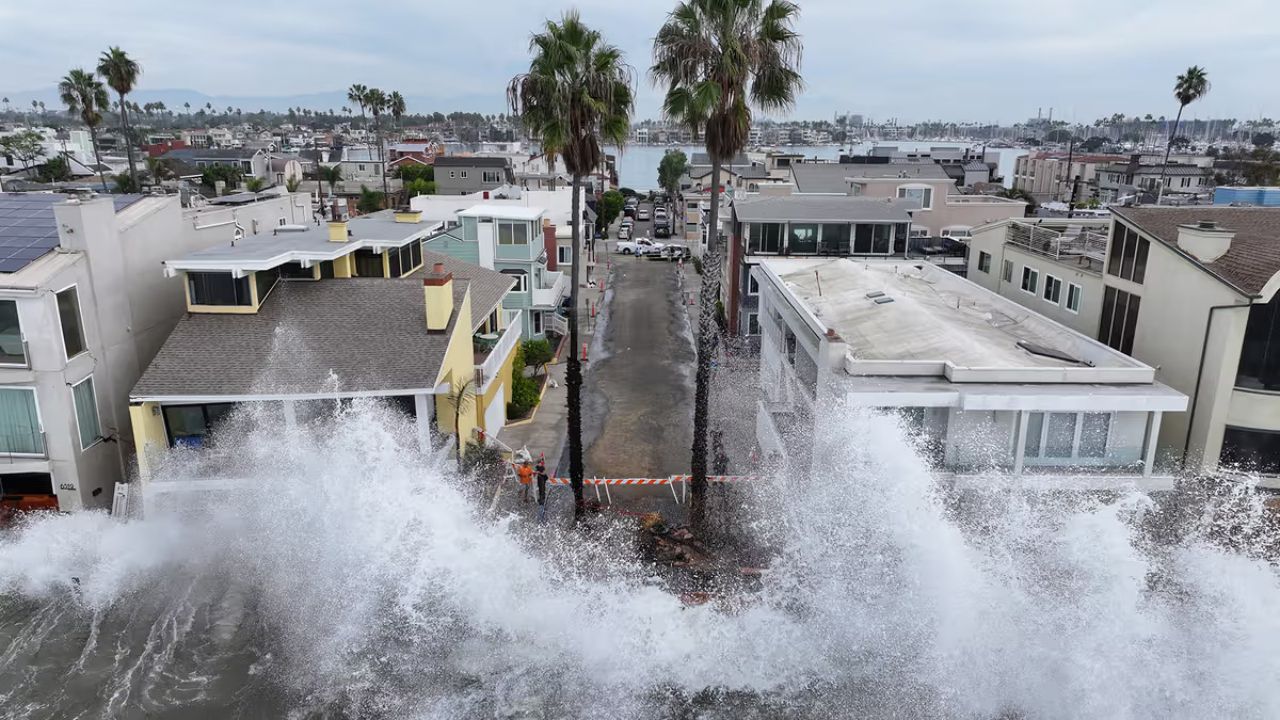
There are cost questions as well. Reefs act as natural breakwaters, and their decline can leave shorelines more exposed to storm waves over time. Coastal homeowners concerned about long-term risk can review flood insurance coverage, since a standard homeowners policy does not cover flood damage.
The next major marker will be the post-bleaching reassessment that coral scientists have called for once data from 2023 to 2025 are compiled. The IUCN's Red List coral authority and NOAA's monitoring programs will be the key sources to watch. Nature World News will follow both.
The bottom line is straightforward. The 44% figure is a floor, not a ceiling, because it was measured before the most extensive bleaching on record. How much worse the picture has become remains unquantified, and the answer will shape reef protection decisions from the Florida Keys to the Pacific.
What Readers Want to Know
How many coral species are threatened with extinction?
The Nature reassessment classified 340 of 774 data-sufficient reef-building coral species, or 44%, as threatened. That includes 33 Critically Endangered, 251 Endangered and 56 Vulnerable species.
Why do scientists think the situation is worse now?
The study's data run up to 2020, before the 2023-2025 global bleaching event and the three hottest years on record. Those losses are not reflected in the published numbers.
Is this the first time the 44% figure has been reported?
No. The IUCN announced the figure in November 2024. The Oct. 15 Nature paper is the peer-reviewed publication of the full analysis.
Does the study predict when coral species will go extinct?
No. The Red List measures relative extinction risk. It does not forecast whether or when a species will disappear.
Which U.S. reefs are affected?
Reefs in Florida, Hawaii, Puerto Rico and the U.S. Virgin Islands include species assessed in the study, such as Critically Endangered staghorn and elkhorn corals in the Caribbean and Florida Keys.
What can coastal residents do?
Reduce fertilizer and septic runoff, use mooring buoys instead of anchors, avoid touching coral, and follow reef closures posted by park and wildlife managers.
© 2026 NatureWorldNews.com All rights reserved. Do not reproduce without permission.

















 English (US) ·
  French (CA) ·