

If summer heat bothers you in July, just think what all those scorching daylight hours do to a mama or papa hummingbird. We’re always glad to see them back in summer, but do you ever stop to think about the stress and strain of the hummingbird lifestyle in summer?
In July, the chicks are hatched and hungry, and the parents need to get them fed and to feed themselves. But that’s not all. Hummers have to get regular water as well, defend their nests, and teach their young how to feed.
While it’s great to ask how to attract hummingbirds to your yard, the more important question is how you can help them get through this hot period and prepare for the Great Hummingbird Migration that begins in August. To paraphrase President John F. Kennedy, “Ask not how to get the hummingbird show into your yard, but what you can do for these tiny creatures.”
Here are the five most important steps each of us gardeners can take to help out these gorgeous, hovering superbirds in July.
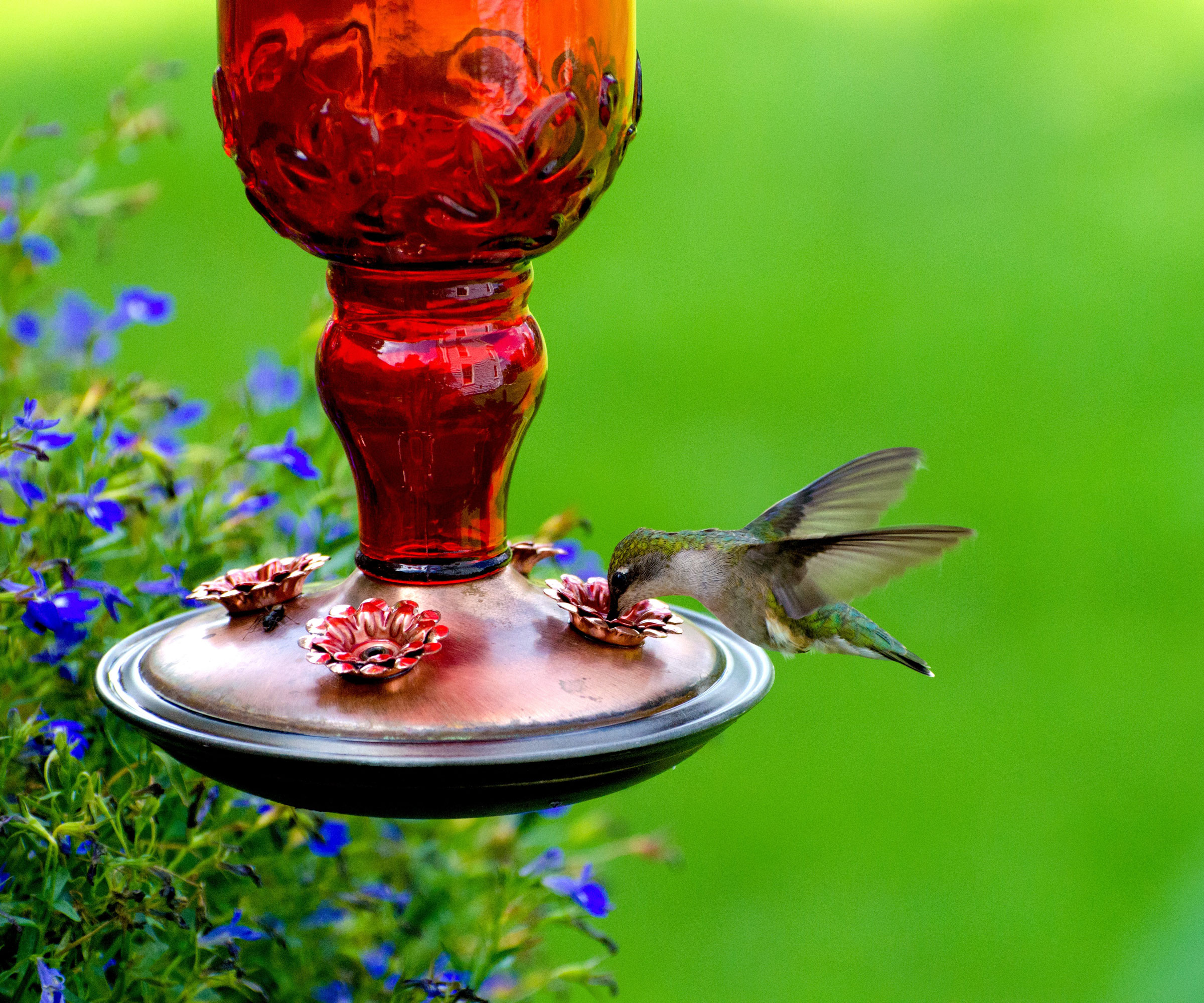
1. Change Out Feeders Every Few Days
(Image credit: Redtbird02 / Shutterstock)
Did you know that hummingbirds need to eat at least every hour, and sometimes as often as every 15 minutes? You have probably admired their navigational abilities and how they can fly sideways, backwards, and hover. These adaptations help them get to all of the nectar available – each bird can visit over 1,000 flowers each day! But these acrobatics are also very energy intensive.
Hatchlings need almost as much food as adult birds, but, in July it is often the mother that provides. She brings not just nectar but also insects to the babies, leaving and returning to the nest at least 200 times a day. That makes hummingbird feeders important in keeping the mother bird’s energy up.
So make up the hummingbird nectar properly – sugar and water is fine or you can buy premade nectar from Amazon. But the trickier part is to remember to change the food well before it’s gone. You need to clear out old food, clean the feeder to keep it free from harmful bacteria, and replenish it. The food spoils faster when it’s hot, so a daily cleaning in July is not out of the question. Clean at least twice a week.
2. Install a Misting Water Feature
(Image credit: Getty Images)
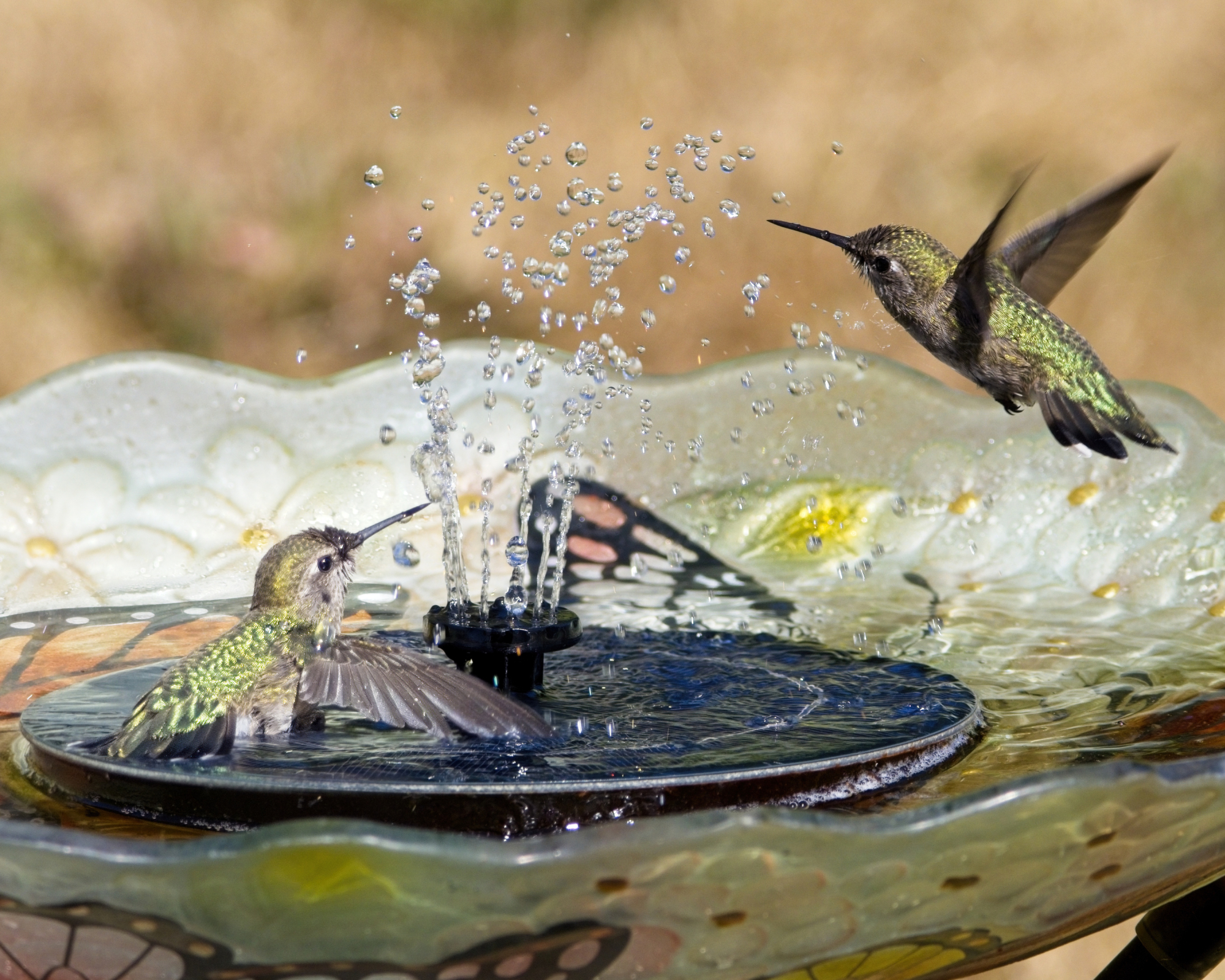
Providing liquid food is great, but hummers also need to cool down. While a bird bath works fine for bigger birds like robins, hummingbirds rarely dip into a bath. What they really love is mist. You may see them outside in the morning, appreciating the rising fog and morning dew.
So July is a great time to install a small water fountain in your bird bath for your hummingbirds. There are even solar-powered fountains for birds available for under $10 on Amazon.
Hang the fountain in a shady location and watch the birds flock over to cool off. One option to consider is the weeping fountain, where a thin sheet of water moves over the edge of a concrete basin. You want the water shallow enough to be safe for the tiny birds.
3. Protect Hummingbird Nests
(Image credit: Dusty Roads / Shutterstock)
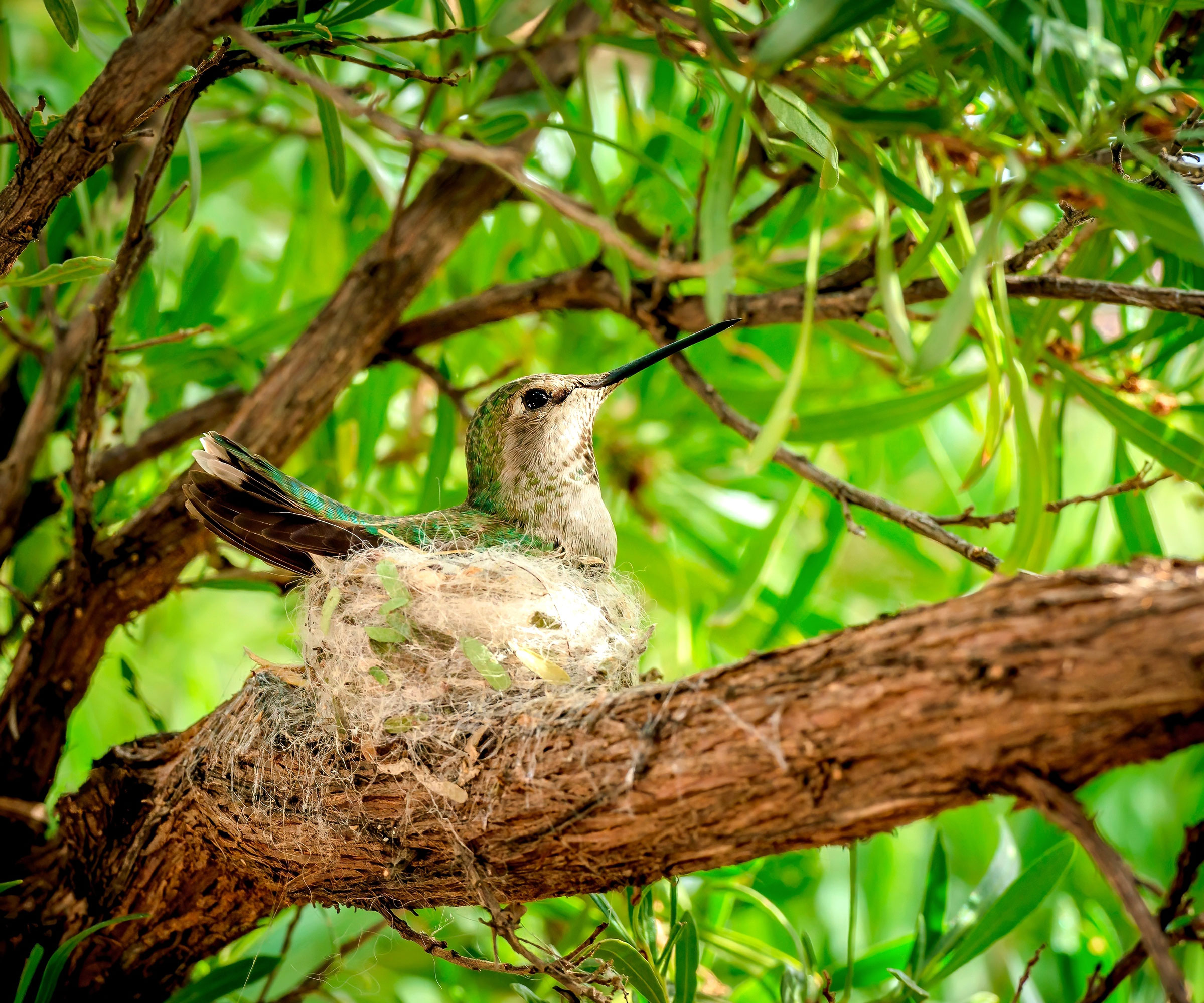
Who among us wouldn’t love to be able to peek into a hummingbird nest to watch the eggs turn into hatchlings? Resist that impulse even if an accessible nest appears in your yard. Make sure nobody – including your kids – removes branches or a leafy canopy in order to get a better view.
Like every species on earth, hummingbirds have enemies – and they are so small that, despite the fierce energy of competing male hummers – they are largely powerless to fight off attackers. So help them by leaving up branches and other protections. Keep the cat inside and the kids under control when you are hosting a hummingbird family and turning your yard into a hummingbird hangout.
4. Move Potted Flowers to the Shade
(Image credit: Ali Majdfar / Getty Images)
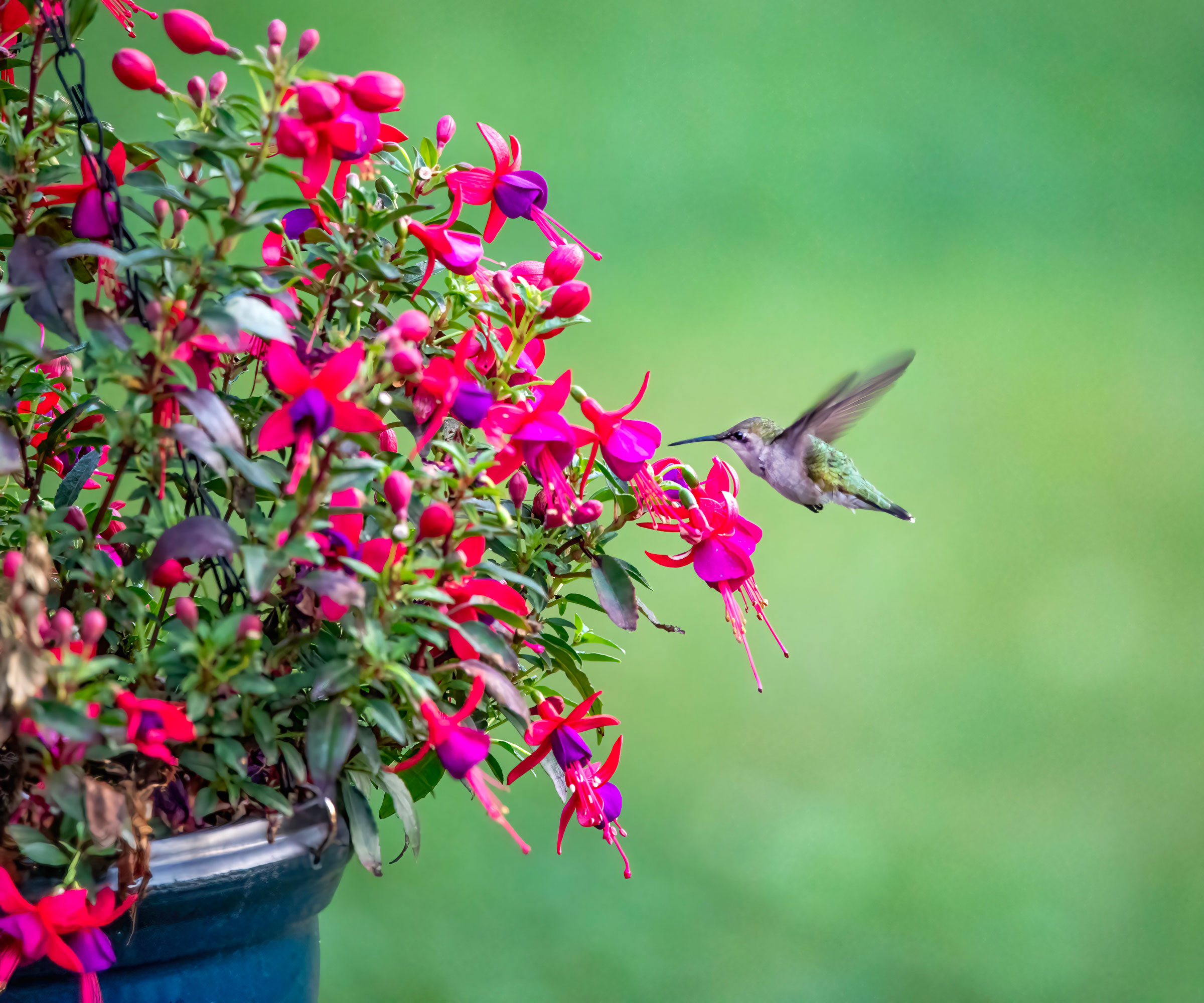
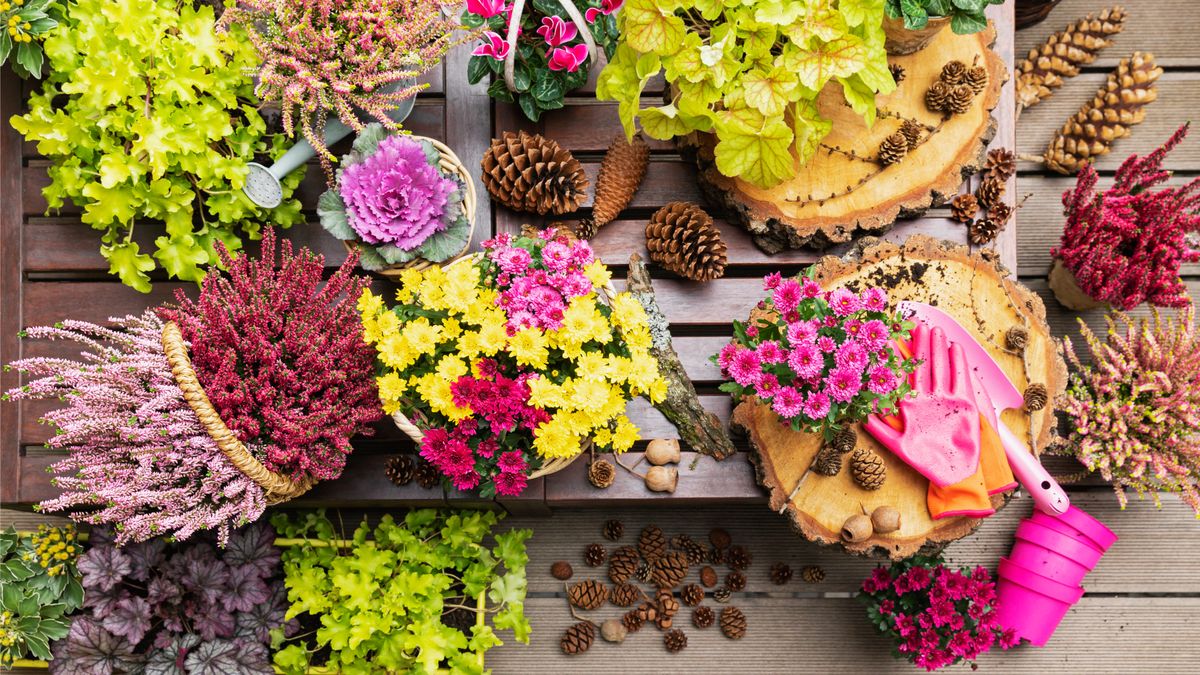
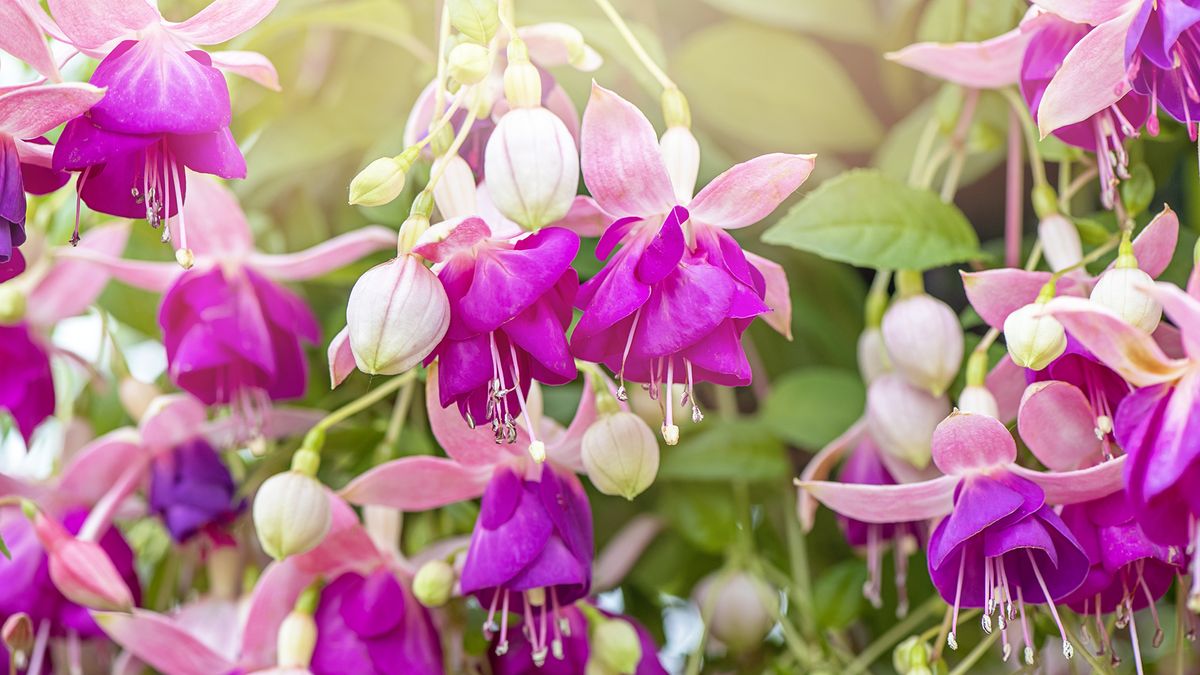
If you're anything like me, you think as much about your hummingbirds as you do about yourself when you are planting containers for the patio. I always make sure to plant trumpet-shaped and tubular flowers that hummingbirds adore in pots on the porch.
What I only recently learned was that, as summer heat rolls in, hummingbirds need to spend more time in the shade than the sun. They may perch in shade or, if there are nectar-rich plants in the shade, they prefer these to flowers in the sun.
Now I always take the time to move some flowering container plants into the shade in the heat of summer. Even dappled shade from a landscape tree works well. I’m also trying to select flowering shrubs that are dense for the backyard since they carry their own shade on the interior of the plant.
5. Add Perches for Hummingbirds
(Image credit: Getty Images)
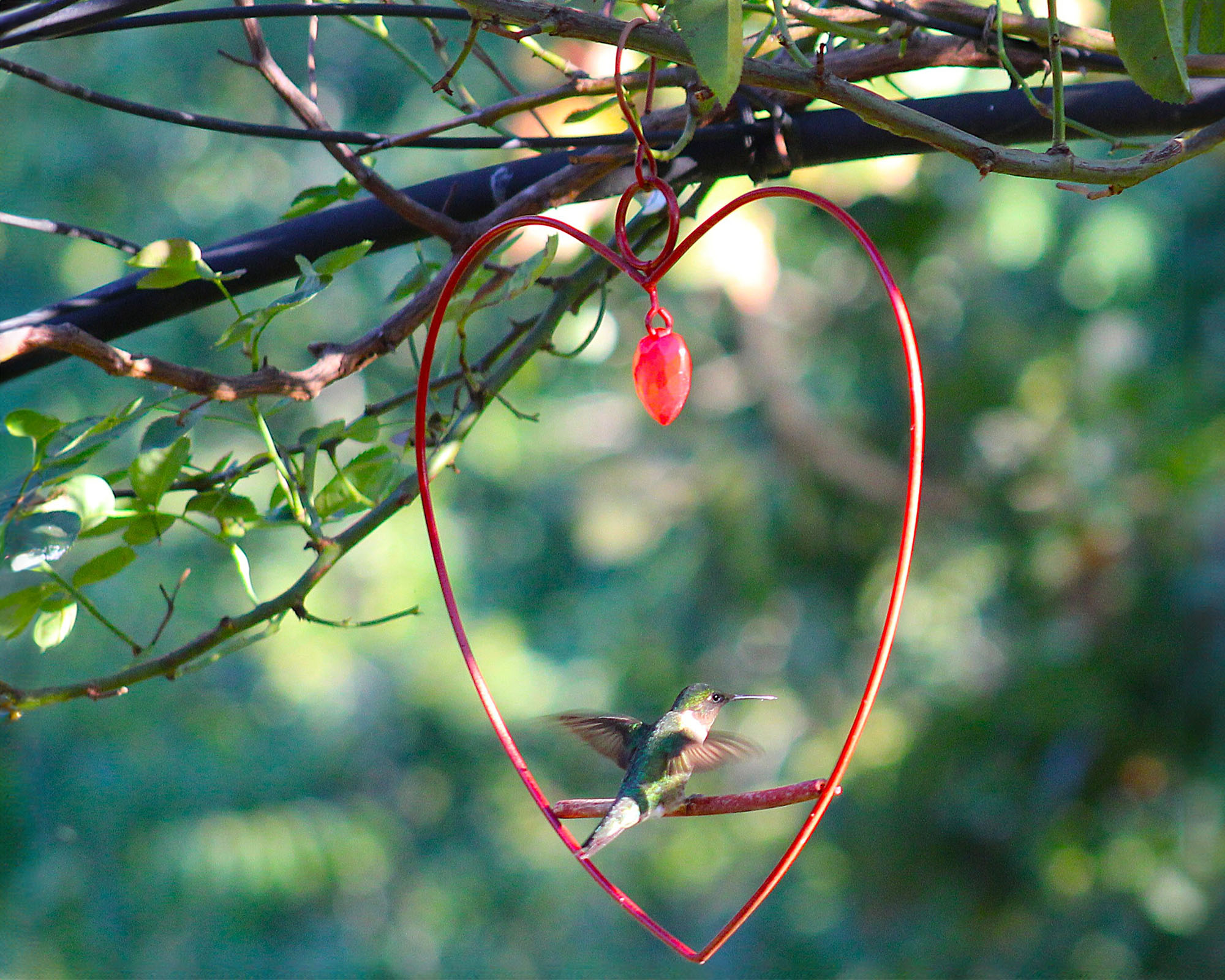
You can even go one step further and provide perches for hummingbirds in shaded spots, like an adorable DIY hummingbird swing or a hummingbird perch from Amazon. But this idea is more than just cute. It can really help the birds in a heatwave.
During a heatwave, few of us rush outside to tan. It’s just too hot to be comfortable. The same is true for hummingbirds. They seek out shade to get out of the sun, hide from predators, and conserve their energy. Hummingbird swings and perches can fill that need. Hang them from low tree branches in a shady spot, then watch and wait for the hummingbirds to come.
















 English (US) ·
  French (CA) ·