

Watering a plant less might sound like neglect, but done deliberately, it does the opposite. The right approach pushes roots deeper and builds real resilience, so a plant can ride out a dry spell that would have wilted it before.
It sounds like wishful thinking, or a shortcut for people who forget to water. But there's real science behind the idea that plants can be coaxed to get by on less. The trick isn't a special product or gadget – it comes down to how and when the water gets there, and what that teaches a plant's roots over time. Change the watering habit, and you can shift how a plant handles dry weather.
Not every plant will cooperate, and the whole approach leans on choosing drought-tolerant plants with the genes for it to begin with. Still, a lot of ordinary garden plants have capacity they never get to use, simply because they're watered too often to develop it. The idea is to coax that capacity out – not to force a plant past what it can handle.
What Drought Training Actually Means
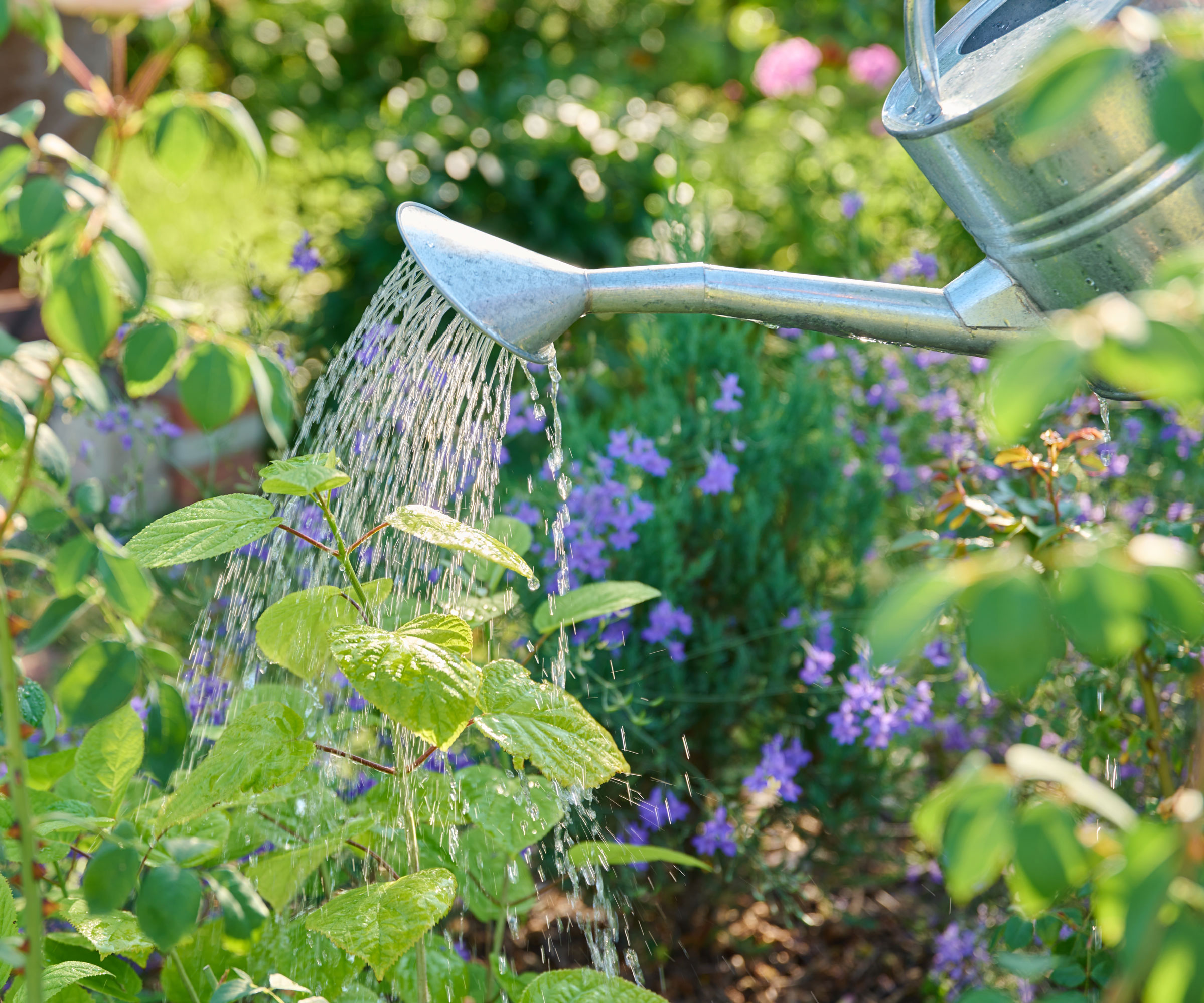
(Image credit: VH Studio / Shutterstock)
What’s being trained is the root system, not the plant itself. When water always sits near the surface, roots have very little reason to grow deeper, so they stay shallow – and a shallow-rooted plant wilts the moment the top inch (2.5cm) of soil dries out. Water deeply and less often, and the roots will normally follow the moisture down instead, building a deeper network that draws from a much greater reservoir of soil.
There's a second piece to it, as well. Plants grown just a touch on the dry side can often adjust how they manage water, developing a slightly thicker and waxier coating on their leaves, tightening control over stomata – those pores that release water vapor. This helps them hold moisture for longer.
None of this rewrites a plant's genetics, though. A thirsty species stays thirsty at its core, so training helps build resilience within a plant's natural range rather than turning a water-lover into a desert survivor.
The Deep-and-Wait Method

(Image credit: MichaelMajor)
The method is almost boringly simple: water them deeply, then wait. A deep soak means wetting the soil down 6–12 inches (15–30 cm), and not just dampening the surface, which draws roots downward after it. This is where a soaker hose helps (I recommend this Gilmour one from Amazon), trickling water out slowly enough to soak in rather than sheet off the top.
Then comes the more difficult part for most gardeners – leaving it alone until the soil has dried out several inches down.
Knowing when it's time is where a quick check pays off. Push a finger a few inches (7–8 cm) into the soil: if it's dry down there, water, and if it's still cool and damp, wait a while longer. If you'd rather not dig around, this trusty Xlux soil moisture meter reads it in seconds.
One word of caution: don't slash an established plant's watering overnight. Ease off gradually over a few weeks so the roots have time to adjust and grow, instead of getting shocked into dropping leaves. The goal isn’t to let plants repeatedly wilt – severe drought stress weakens growth and can lead to pests or disease. You’re aiming for mild drying between deep waterings, not prolonged dryness.
Deep Watering Tools
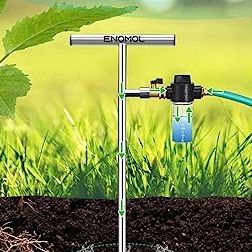
Enomol Deep Root Watering Tool
Deliver water directly to the root zone of trees and shrubs with this clever tool. Just stake it in the ground where you want it to go.
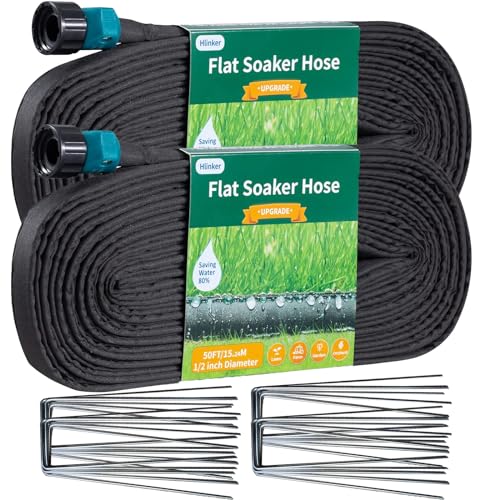
Hlinker Flat Soaker Hoses – 2 Pack
This pack of two flat soaker hoses covers 100 ft, delivering a slow, steady stream of water straight to plant roots. It’s a simple, water-efficient option.
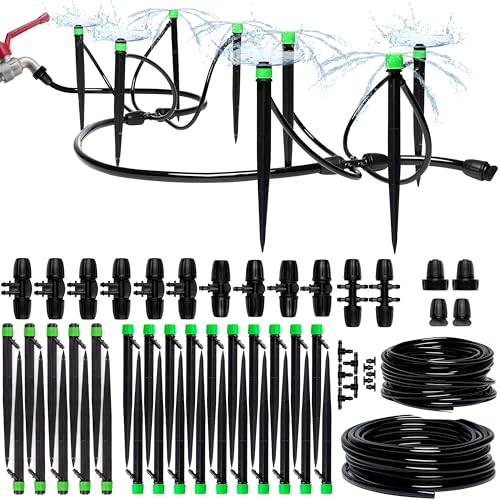
Carpathen Drip Irrigation System Kit
This adjustable drip irrigation kit includes 100 feet of tubing and multiple emitters to help you build a custom watering system for your garden.
Plants That Can Be Trained to Need Less Water
(Image credit: Herman Bresser / Getty Images)
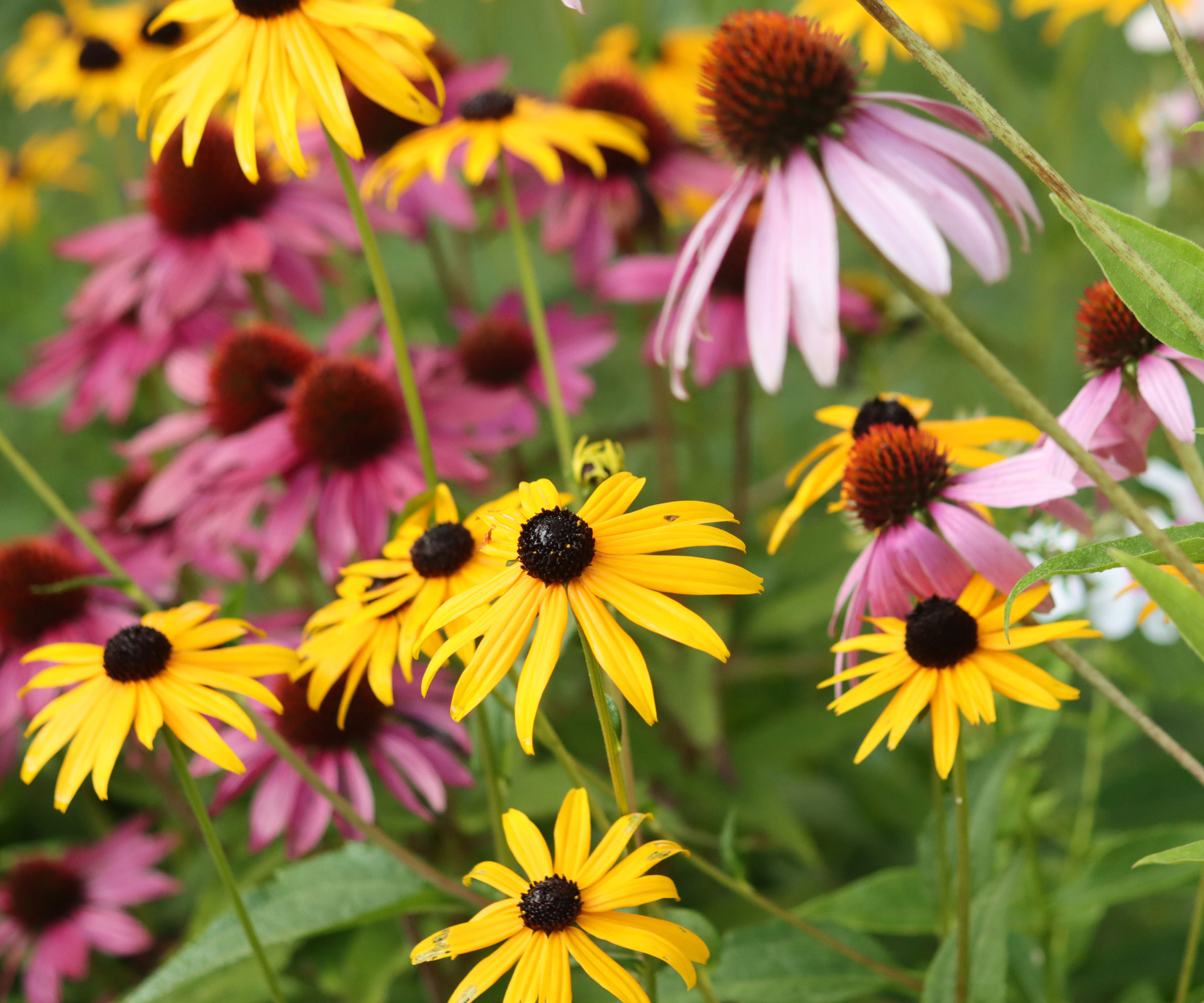
This technique works best on plants built to handle it. Established trees and shrubs are the most ideal, along with deep-rooted perennials, since they have the root architecture to reach down and use the moisture below. Native plants matched to the local climate tend to respond well, as do your ornamental grasses and Mediterranean herbs like rosemary and thyme, since they evolved in lean, dry ground. Most succulents barely need any convincing at all. Their drying out between drinks is closer to their natural rhythm than constant moisture is.
The one word that matters most here is “established”. A plant needs a mature, healthy root system before you start pushing it to stretch, which usually means at least a full season in the ground. Lawns fit the same pattern: watering deeply once or twice a week, rather than a daily sprinkle, drives grass roots down and produces turf that stays green far longer between rains.
Plants That Won't Play Along
(Image credit: Grafvision / Shutterstock)
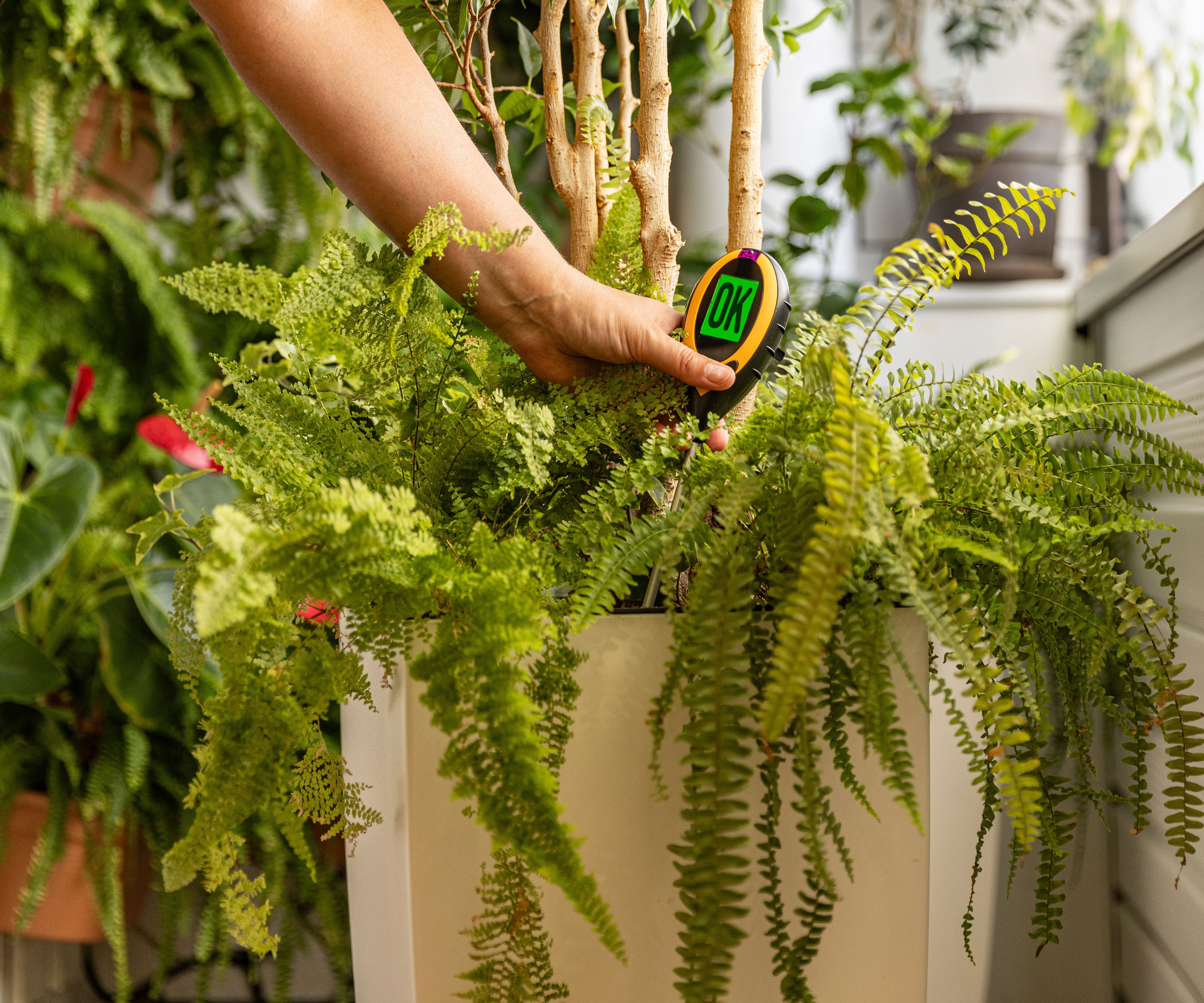
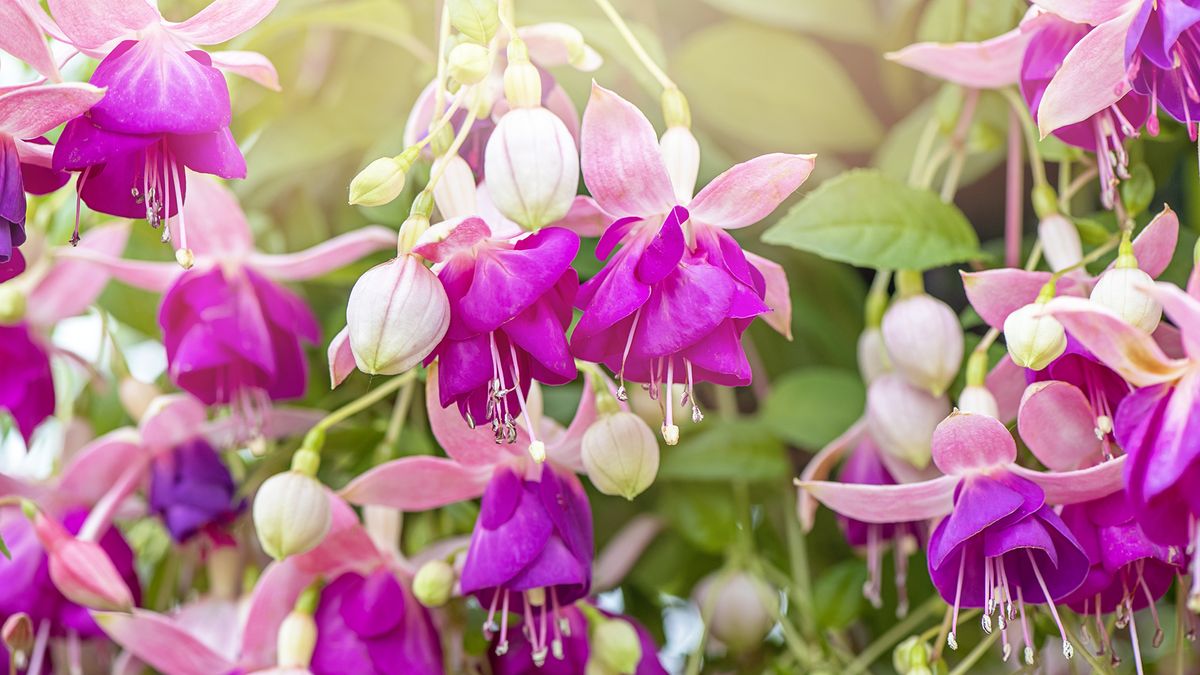
Plenty of plants will only suffer under this approach, so it helps to know which before you experiment. Seedlings and anything newly planted need steady, consistent moisture to establish, and withholding water there isn't training – it's just stress that stunts or kills them. Moisture-lovers won't adapt either. Ferns and many tropical houseplants are wired for constant dampness, as is anything native to a bog or streambank, and letting them dry out only brings crisping leaves and slow decline.
Food crops are their own case, though. Most vegetables actually need even, reliable watering to produce well, and letting tomatoes swing between bone-dry and soaked gives you cracked fruit and blossom-end rot, while leafy greens turn bitter and bolt under drought stress.
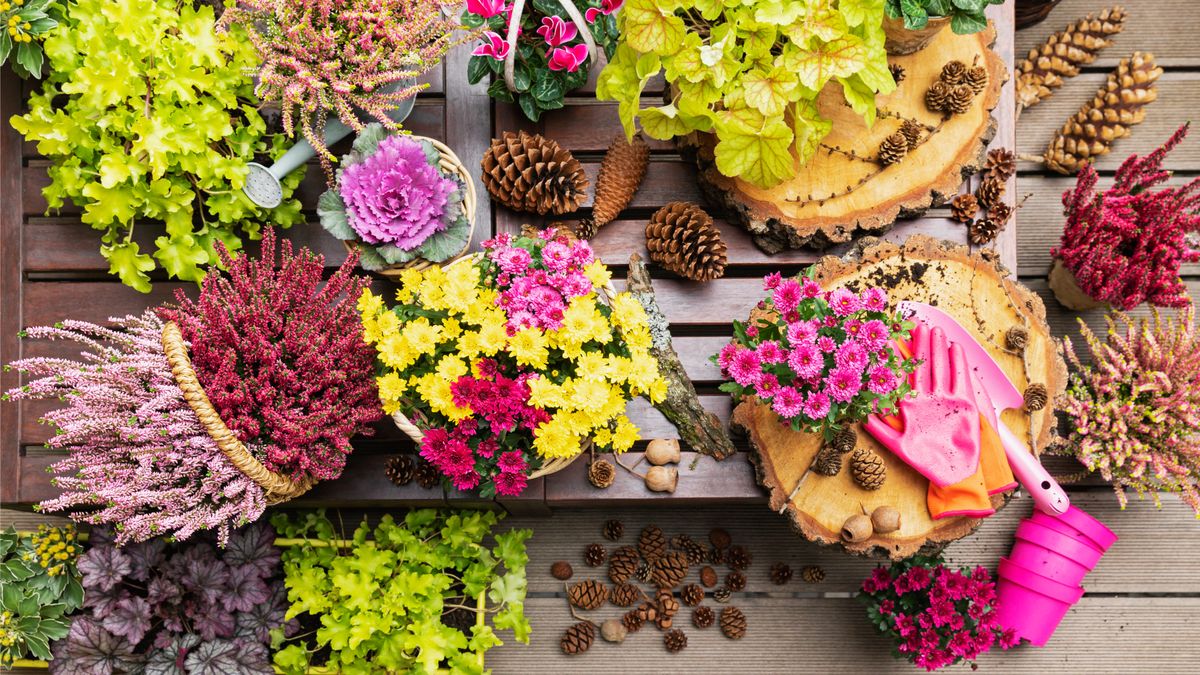
Container plants are the other exception, for a purely physical reason – a pot doesn't hold enough soil volume for roots to grow as deep as they would in the ground, and they lose moisture faster. The deep-and-wait method that works in the ground just leaves a potted plant dry and struggling.
Setting the Whole Space Up to Need Less
(Image credit: Edwardkirillov / Shutterstock)
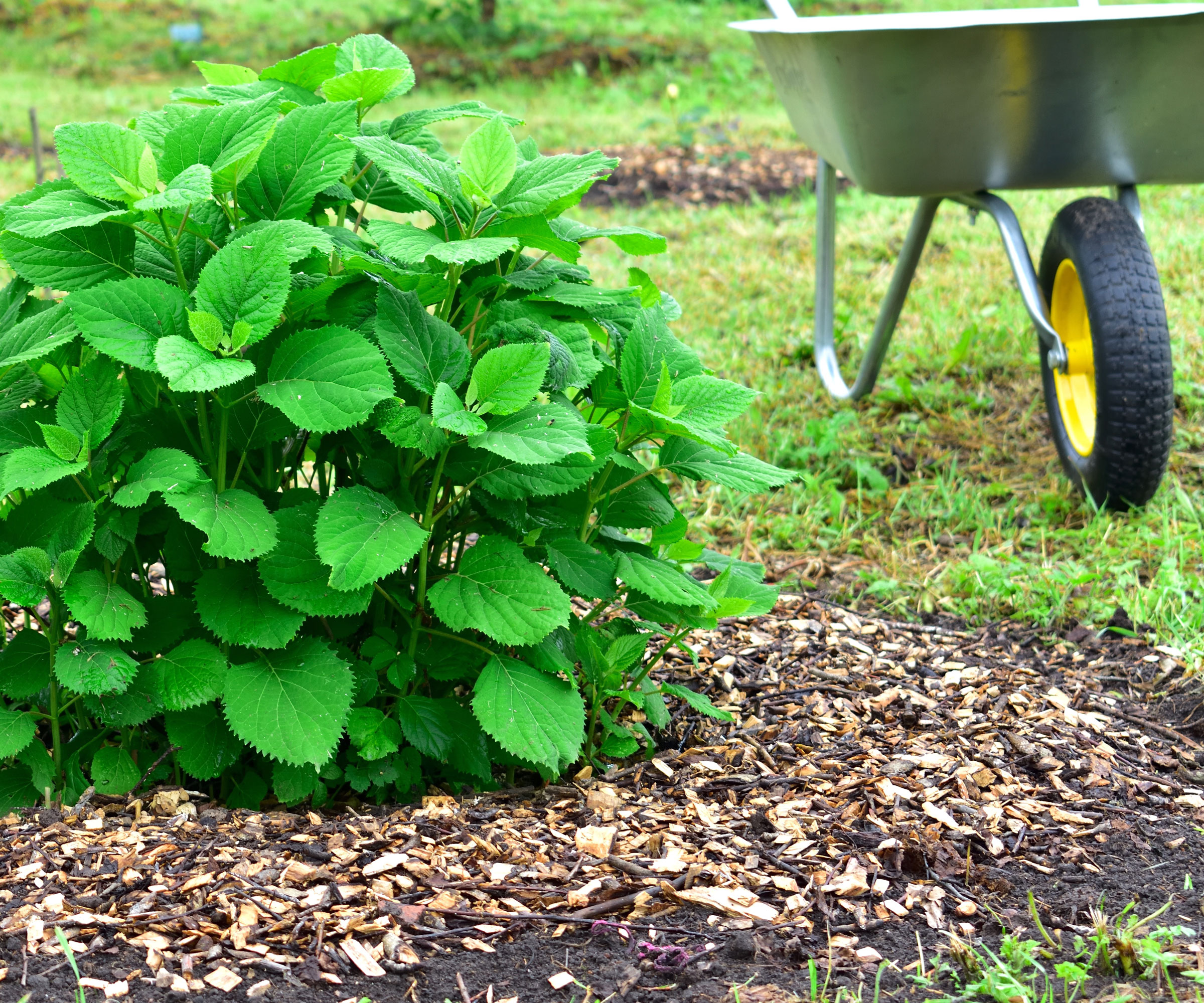
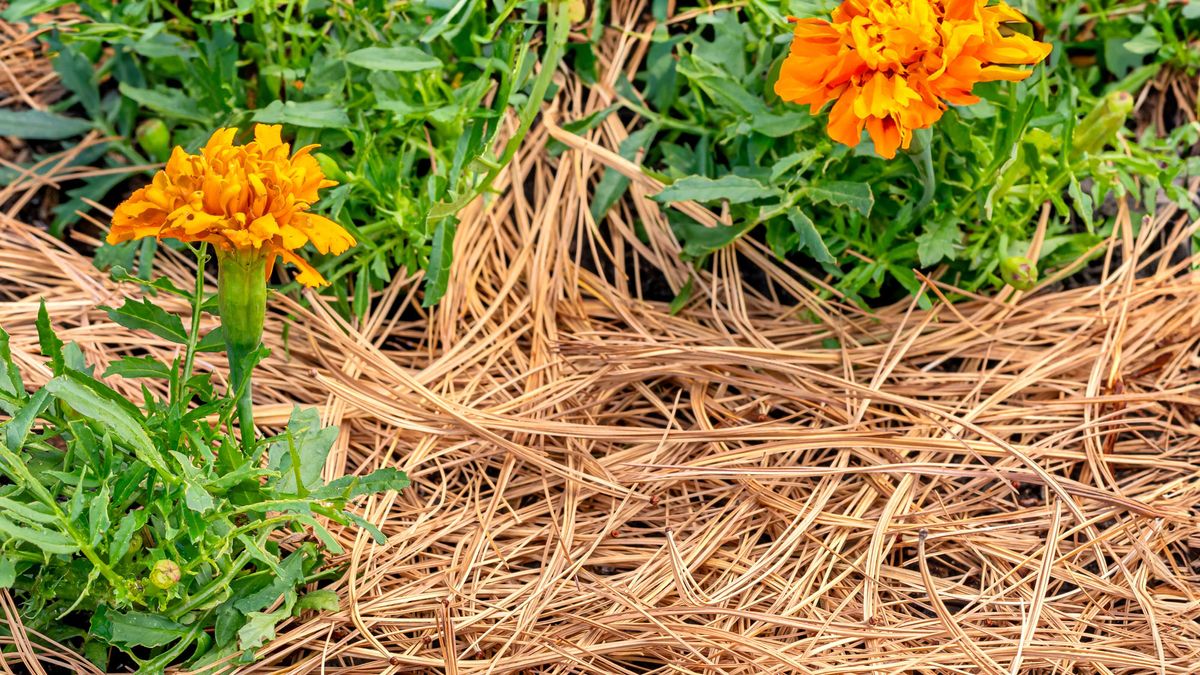
Training plants goes further when the whole setup supports it. A few inches (5 to 8cm) of mulch over the soil slows evaporation and keeps roots cooler, so whatever moisture is down there lasts longer between waterings. A couple bags of shredded mulch, like this CountryMax shredded hardwood, will cover most beds and break down into the soil over time, improving its structure as they go. Working compost in does something similar from below, since soil rich in organic matter holds water like a sponge instead of shedding it.
Grouping plants with similar water needs is another quiet advantage, since it keeps the thirsty ones from dragging the tough ones onto a heavier schedule than they need.
Beyond that, the honest shortcut is matching plants to the spot in the first place. A garden built around species suited to the local rainfall barely needs training at all, because those plants were already going to thrive on less.
















 English (US) ·
  French (CA) ·