

Moving houseplants outdoors for summer can be a huge change for them. Light levels outside, even in shade, run far higher than most indoor spots – and that difference shows up in growth rate, color, and in some cases flowering that never happens indoors. The catch is that not every plant considers the transition as an opportunity.
Good houseplant care is partly about reading what a plant actually needs rather than what seems intuitive. Some of the toughest-looking indoor plants are surprisingly fragile outside, and some of the fussier ones are waiting for exactly this.
Houseplants That Can Go Outside in June
These five plants can benefit from a summer outdoors – some dramatically, others more quietly.
1. Croton
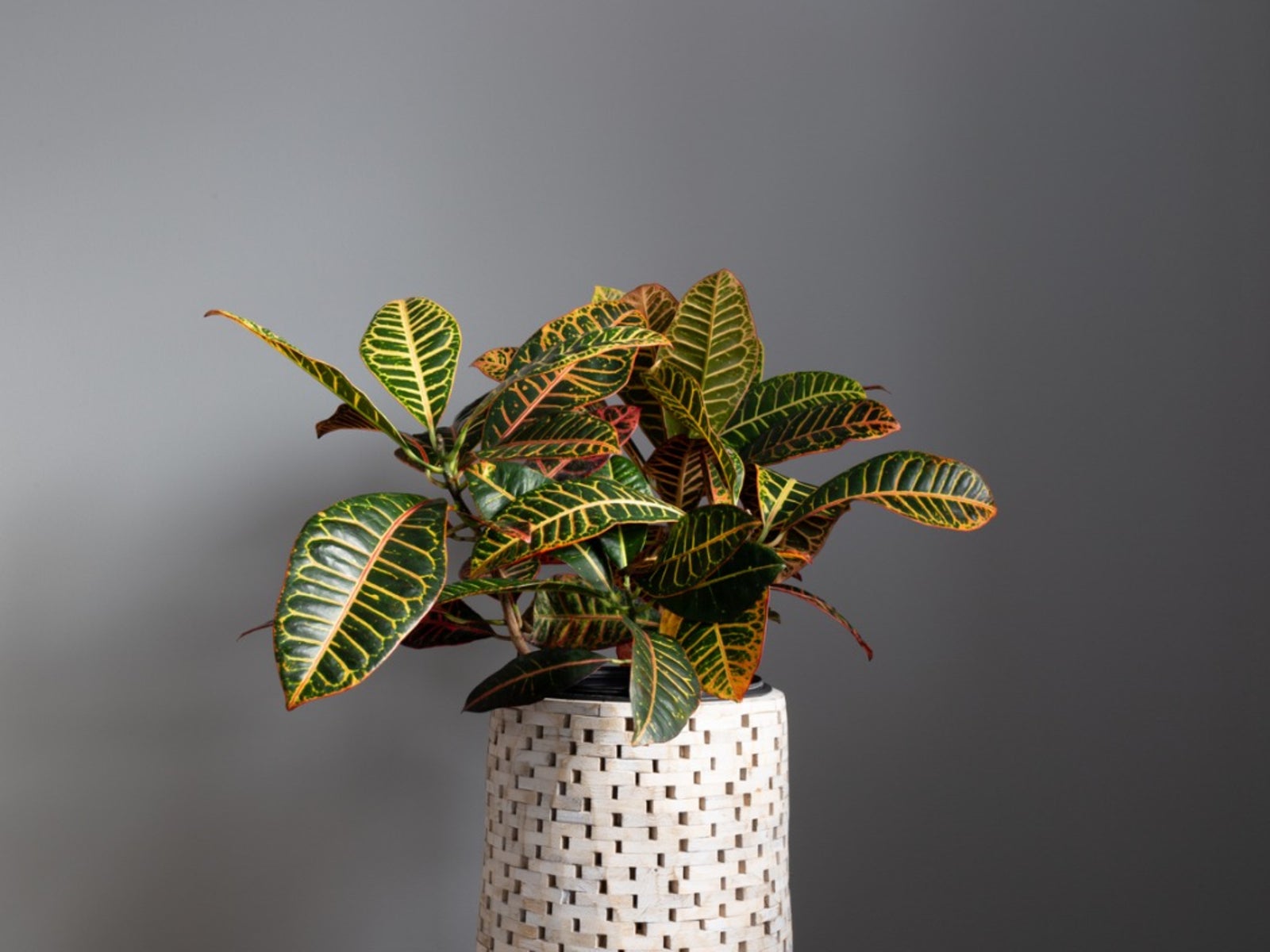
(Image credit: Matthew Lloyd)
The color is the reason to do this. Crotons kept indoors tend to stay green and a bit flat – the deep reds and burnt oranges only come in under strong direct sun, and June is when that's available. A spot with several hours of direct light per day will push the foliage into the best coloring the plant has produced, probably ever. Heat doesn't bother them; they're one of the few houseplants that genuinely thrives in conditions that stress everything around them. Bring them back inside before nights drop below 50F (10C).
2. Snake Plant
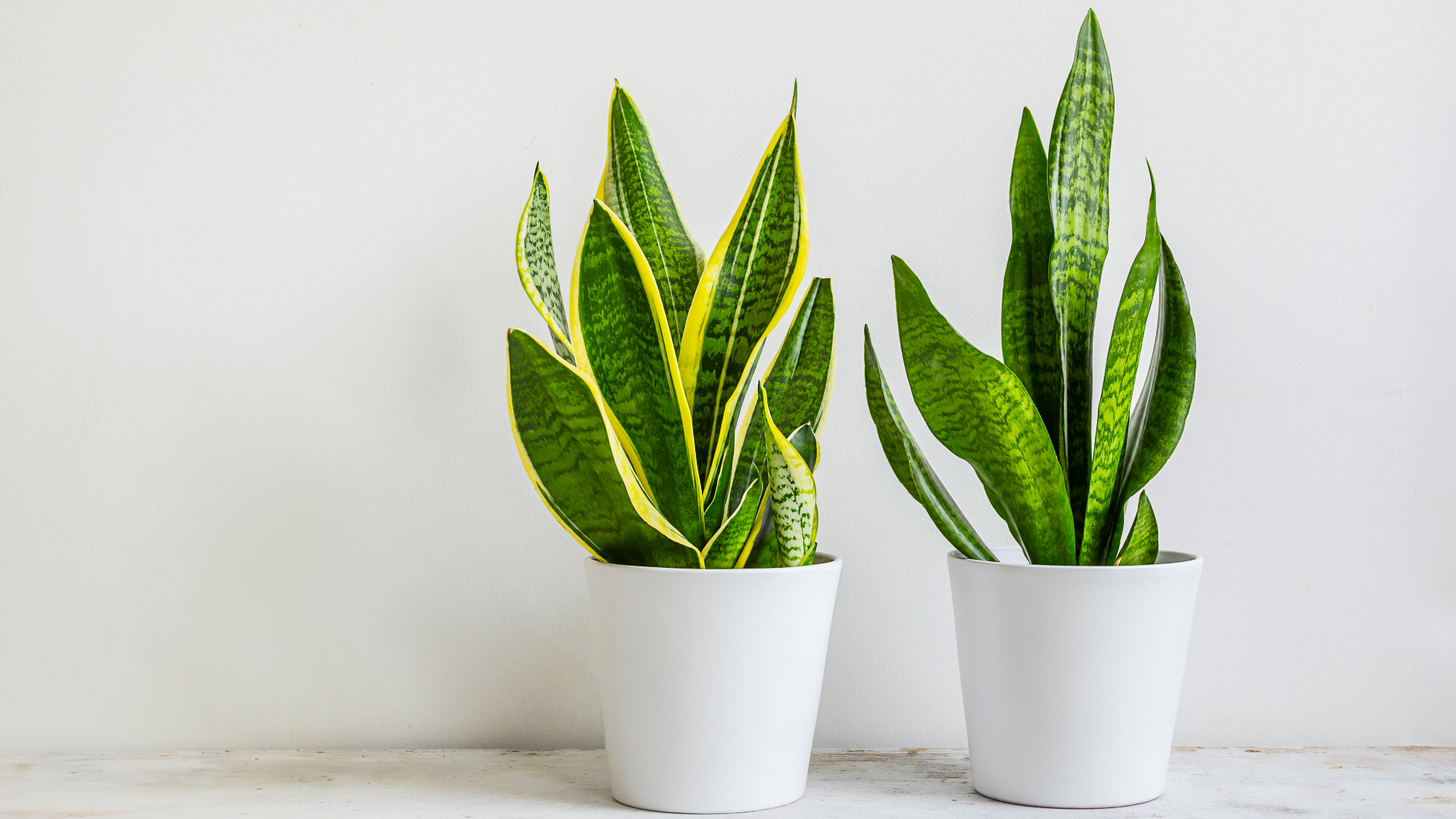
(Image credit: t sableaux / Getty Images)
Snake plants are generally tolerant to changes outdoors in summer, and the extra light does something most people haven't seen from theirs indoors – it can trigger flowering. Small and fragrant on tall spikes, the blooms are rare enough that many longtime owners have never encountered them. Bright indirect light to partial sun is where they do best; direct afternoon sun in a hot climate risks bleaching the leaves, so a spot with some midday shelter is worth finding rather than assuming full sun is fine.
3. Fiddle Leaf Fig
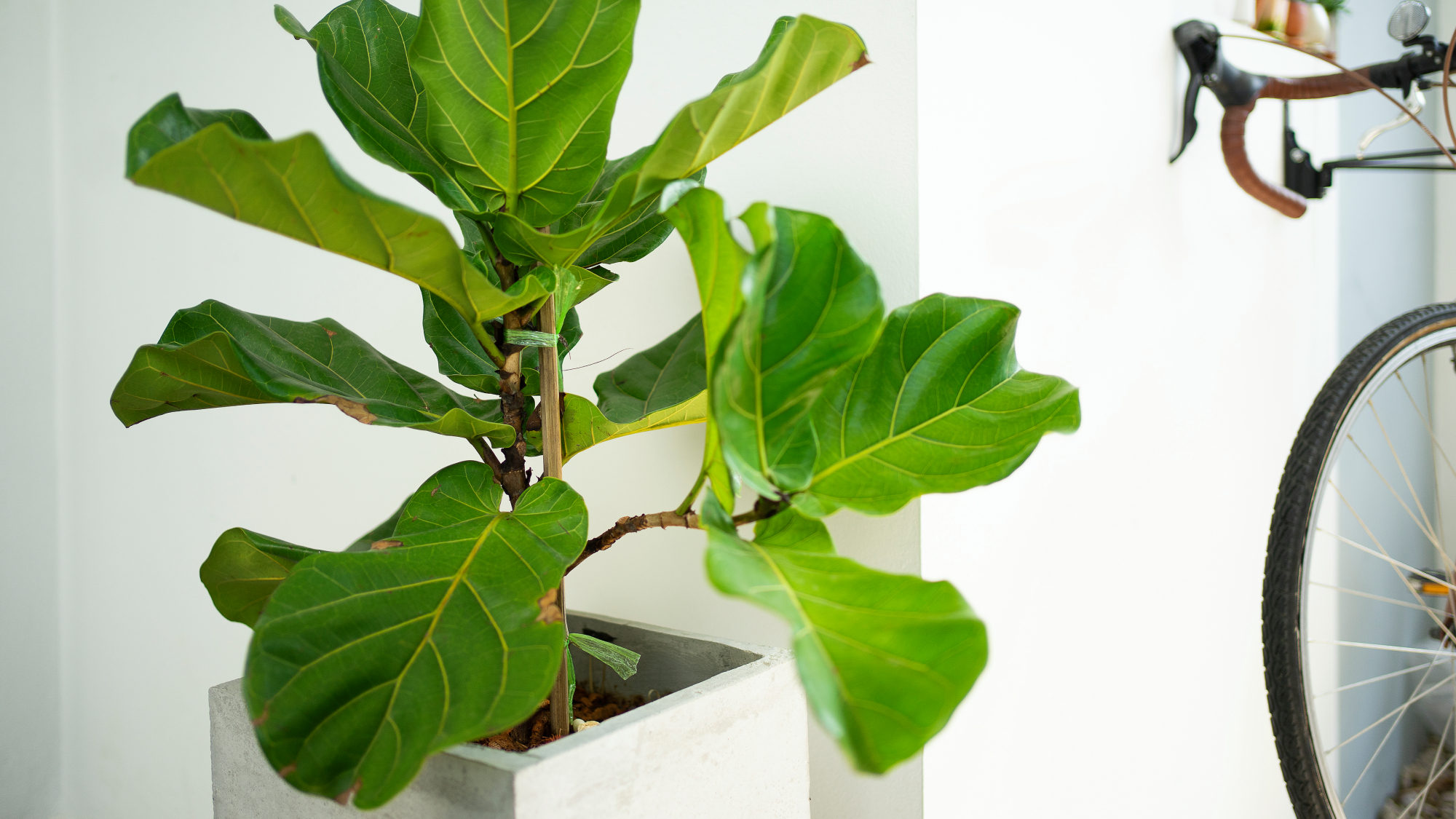
(Image credit: skaman306 / Getty Images)
Shelter is the condition that makes this work, not just light. Fiddle leaf figs want the humidity and higher light that summer offers, but a strong wind can tear the large leaves, and even a single cold draft can trigger drop. A covered porch or patio corner with bright indirect light is the right setup – not an open garden bed. The new leaves that come in over summer tend to be noticeably larger than anything produced indoors.
A heavy-duty plant caddy from Amazon helps move a large pot gradually rather than hauling it in one go, and transitioning it over a week or two beats going straight from a dim room to bright outdoor light.
4. Cacti and Succulents
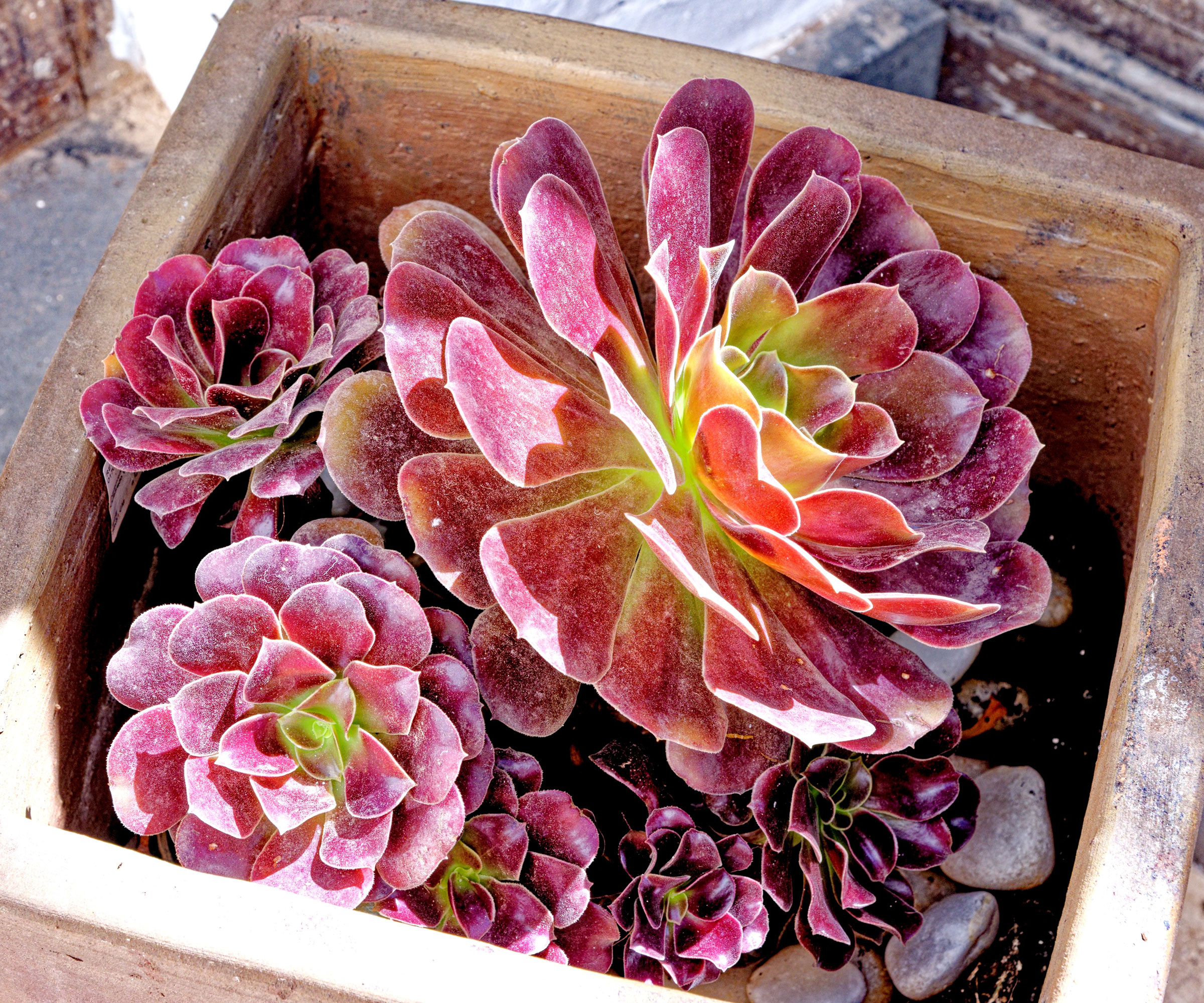
(Image credit: Ion Mes / Shutterstock)
Most cacti and succulents grown indoors are light-starved, even in a bright window – they just don't show it dramatically. Outside in June, that changes. Intense direct sun keeps growth compact and well-colored rather than the stretched, pale etiolation that develops indoors over time. Full sun is fine for most species. Watering frequency needs adjustment though; outdoor heat dries pots faster than expected, and these plants will take more moisture than the standard hands-off approach suggests when they're actively growing.
5. Boston Fern

(Image credit: Benoit Bruchez / Shutterstock)
Humidity is what Boston ferns want, and a shaded outdoor spot in June delivers it naturally. Hanging from a covered porch or pergola beam where air moves gently around the fronds, these plants put on growth through summer that indoor conditions rarely produce. Keep them out of direct sun – the fronds scorch quickly – and check moisture more often than usual since they dry out fast in warm air. The difference between a fern kept indoors all summer and one that spent it on a porch is significant.
Houseplants That Should Stay Inside
These five plants that tend to struggle outdoors, even in conditions that seem reasonably ideal.
1. African Violet
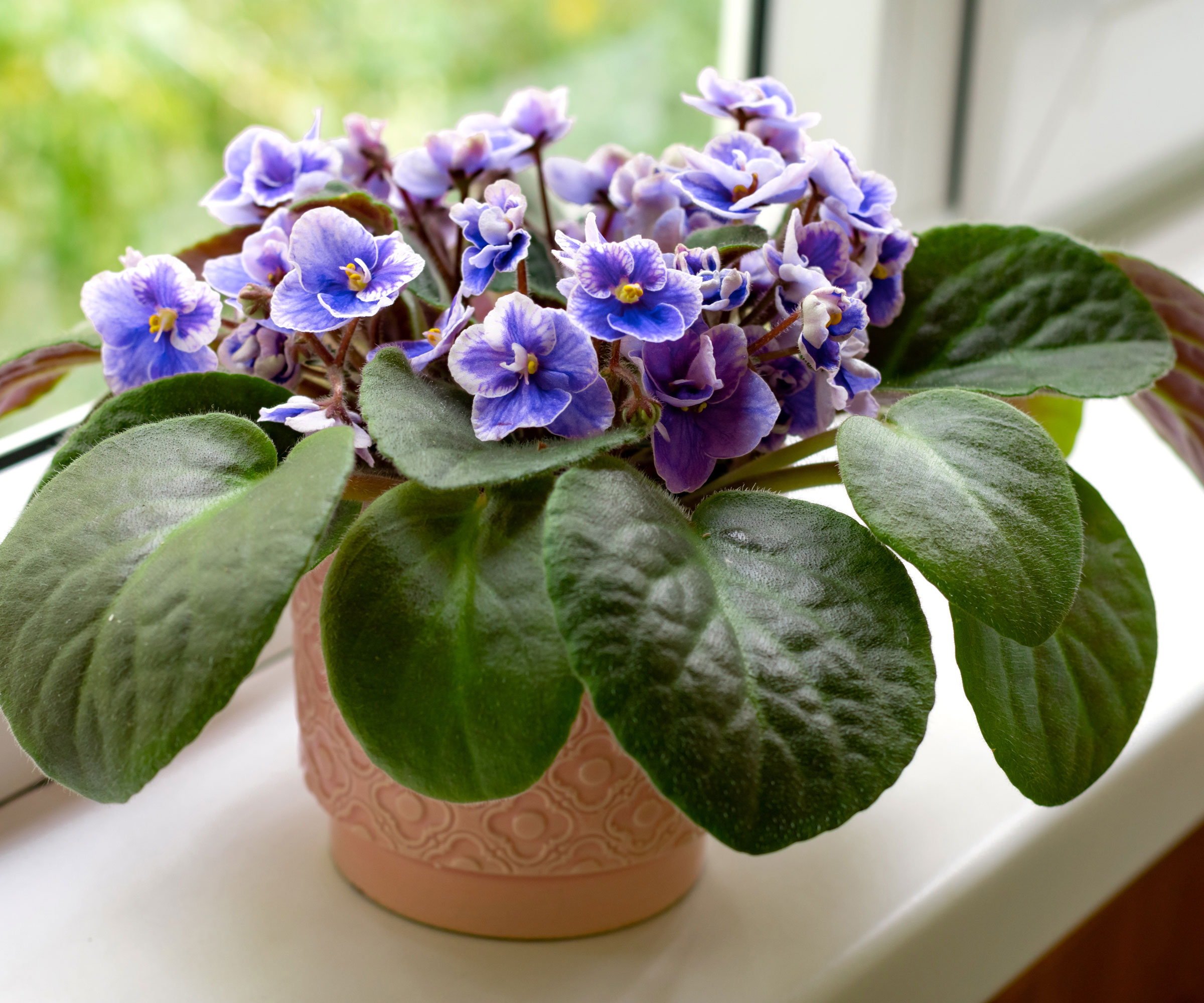
(Image credit: Sunny_Smile / Shutterstock)
Water sitting on the fuzzy leaves of an African violet in direct sun causes damage – the cells overheat and the result is brown scorched patches that don't recover. Beyond the leaf issue, African violets are calibrated to stable indoor conditions: consistent temperature, indirect light, no drafts. Outdoor air introduces all three problems at once. They're not fragile plants in the right environment, but that environment is specifically indoors. Moving one outside for the summer is a reliable way to lose it.
2. Calathea
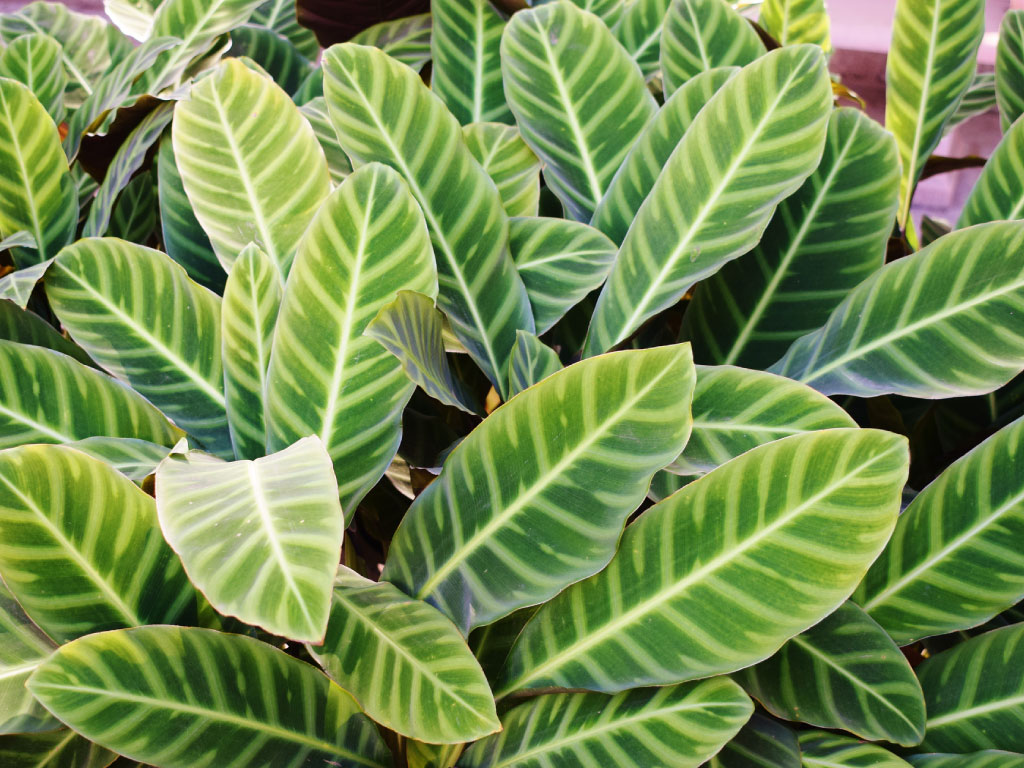
(Image credit: Ravinder Kumar)
Calatheas are dramatic indoors about light and humidity; outside, those sensitivities get worse. Direct sun crisps the leaves within hours. Even a shift in outdoor humidity – dry afternoon, humid evening – can bring on curling and browning that takes weeks to show full recovery, if it does. Outdoor conditions rarely stay within the narrow range these plants need. The best place for a calathea in June is wherever it's been all year, undisturbed.
3. Phalaenopsis Orchid
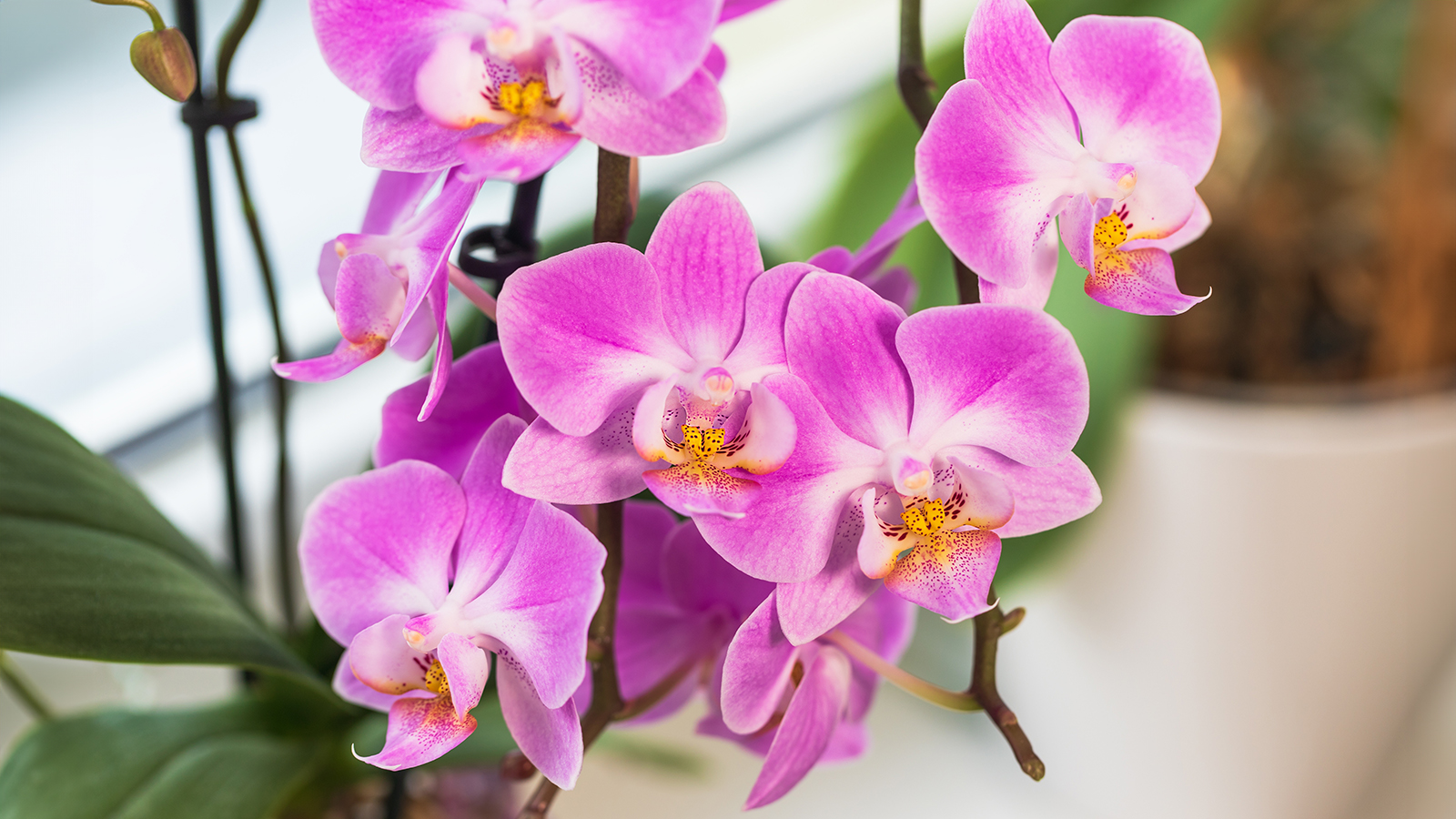
(Image credit: Shutterstock)
The aerial roots of a Phalaenopsis dry out quickly in outdoor air, even in humidity that seems adequate. Direct sun burns the leaves fast – sometimes within a single afternoon. Stress from temperature swings between warm days and cool nights tends to show up weeks later as yellowing leaves or bud drop, by which point the damage is already done. These plants aren't as fragile as their reputation – but they're built for stable indoor light, and a bright kitchen or bathroom window is a better June situation than any outdoor spot.
4. Peace Lily
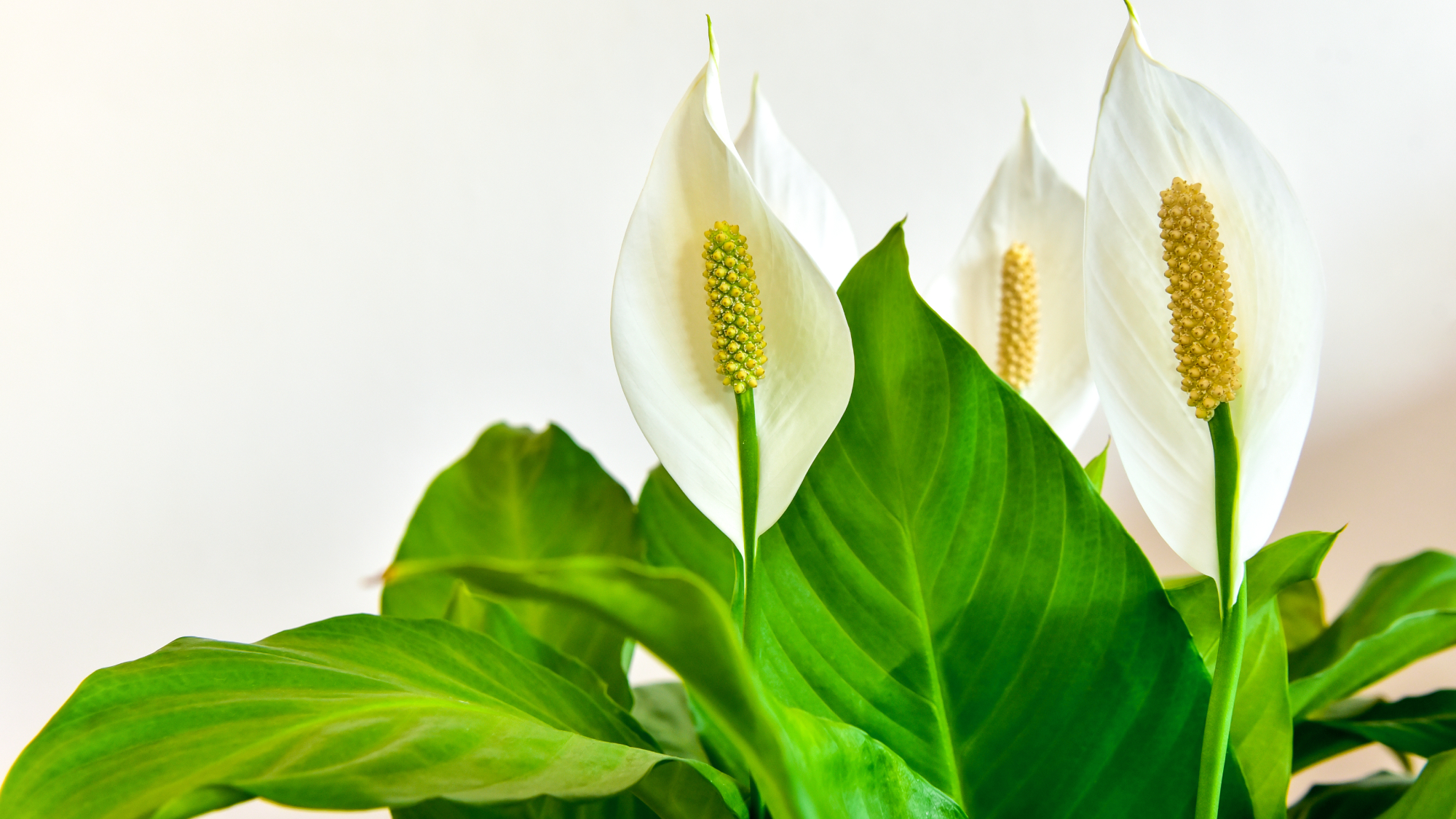
(Image credit: Giovani Dressler / Getty Images)
Peace lilies wilt noticeably when outdoor temperatures climb, and they don't bounce back the way a more tolerant plant would – they stay collapsed until conditions ease, which in June may not happen until evening. Stable and relatively cool is what they're adapted to. Direct sun burns the leaves; even bright outdoor shade can push more light than they're comfortable with. A small clip-on grow light from Walmart gives a peace lily the boost it needs indoors without the stress of moving it anywhere.
5. ZZ Plant
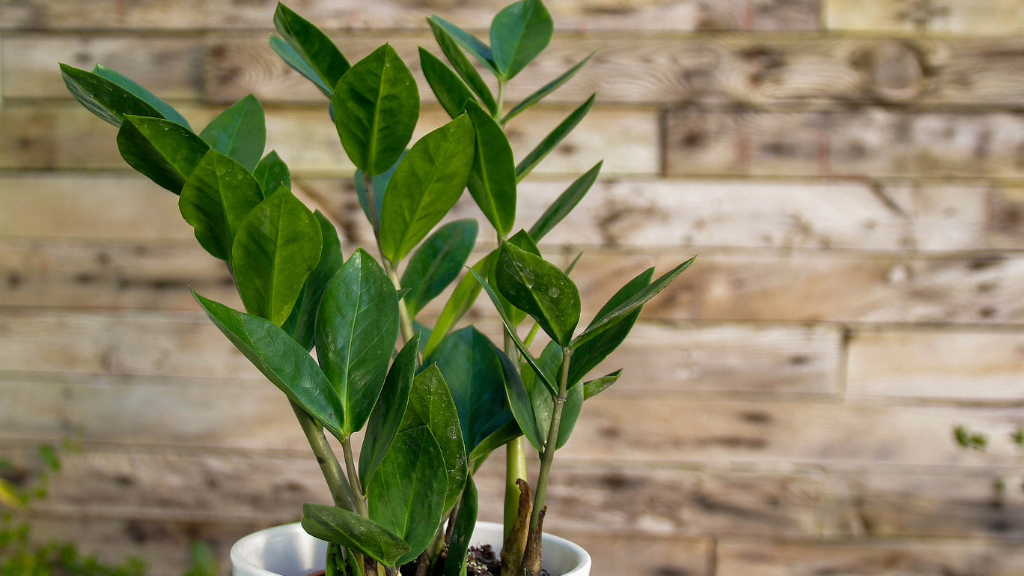
(Image credit: Kinga Krzeminska / Getty Images)
ZZ plants survive low indoor light through drought tolerance and slow metabolism – traits that don't translate into outdoor toughness. In direct sun the glossy leaves bleach to yellow fast. Temperature fluctuations outdoors can harm the rhizomes in ways that don't surface until the whole plant starts to go, by which point recovery is unlikely. It tolerates neglect indoors because the conditions stay consistent. Outside in June, that consistency disappears and so does the resilience.

















 English (US) ·
  French (CA) ·