

I'm no stranger to heatwave anxiety. Every time the forecast starts creeping into the high 90s, I find myself wandering around the garden with a watering can, mentally apologizing to whichever plant I've inevitably forgotten. The tomatoes get extra attention, the containers become my full-time job, and I'm forever checking whether anything looks a bit droopy.
Wildlife has always been part of that equation, too. I keep bird feeders topped up, try to garden with pollinators in mind, and never need much encouragement to stop and admire a bumblebee going about its business. A recent CBS 8 San Diego report about birds and other wildlife struggling to find enough shade and fresh water during extreme heat, though, still stopped me in my tracks.
It wasn't that I hadn't realized heatwaves were hard on wildlife; of course I had. Seeing just how desperate the search for something as simple as a drink of water can become, though? Well, it broke my heart more than a little bit... and it made me look at my own garden differently, too.
5 Ways To Make Your Garden A Lifeline For Wildlife During A Heatwave
If you're just as concerned about local critters as I am (particularly your birth month animal), your garden could be the answer – especially if you want to offer them a little relief when temperatures become dangerous. And I have good news for you on that front, because helping doesn't have to be complicated.
These are the five simple things I'm doing to make my garden a little kinder to wildlife during a heatwave. Feel free to join me, so we can all make things a little easier on them...
1. I'm Keeping A Bird Bath Filled With Fresh Water
(Image credit: Tammi Mild / Getty Images)
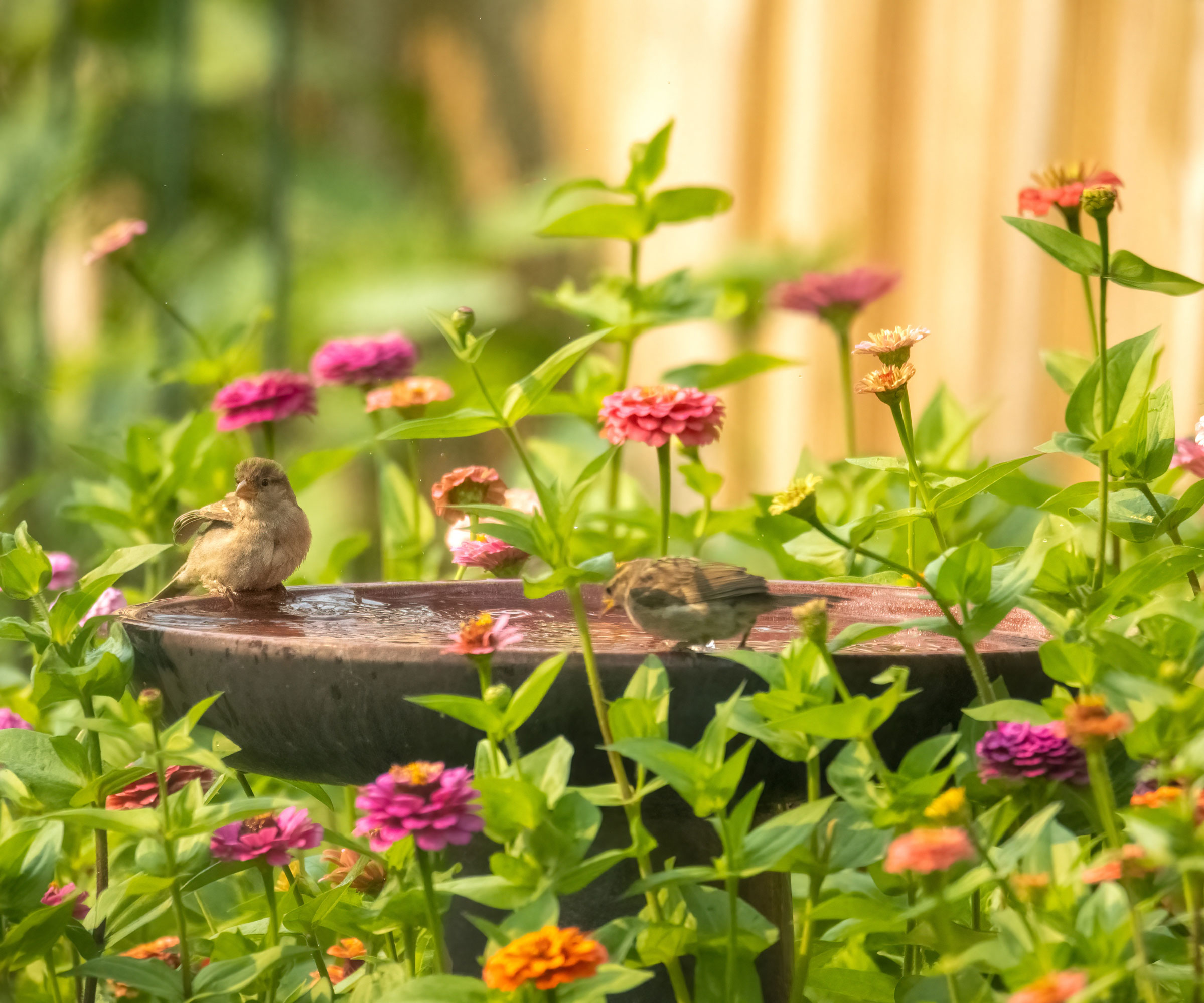
One of the easiest things you can do to help wildlife during a heatwave, a bird bath gives birds somewhere to drink and cool off when natural water sources begin drying up. You can buy one or make your own DIY bird bath, it doesn't really matter; just make sure you pop it somewhere that's easy to spot but close enough to shrubs that birds have somewhere safe to retreat if they feel threatened.
I'm also making a point of refreshing the water every day during hot weather. Not only does clean water encourage more wildlife to visit, but changing it regularly also helps stop mosquitoes from breeding (something nobody wants; no offence to the skeeters, but they're the one critter I'm not actively seeking to help when things heat up).
Shop Bird Baths:
JIYANMEI
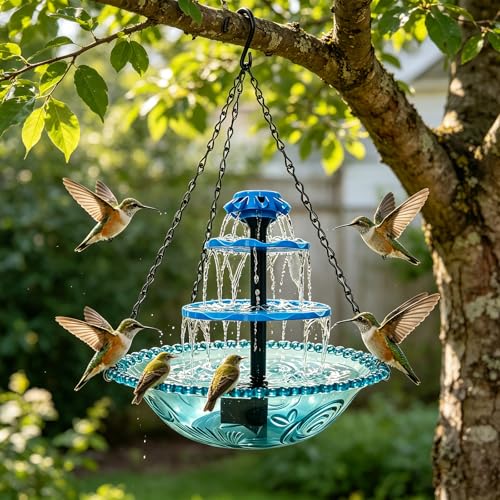
Solar Powered Hanging Bird Bath Fountain
Is this not the fanciest bird bath around? I want a human-sized one for me!
Gtongoko
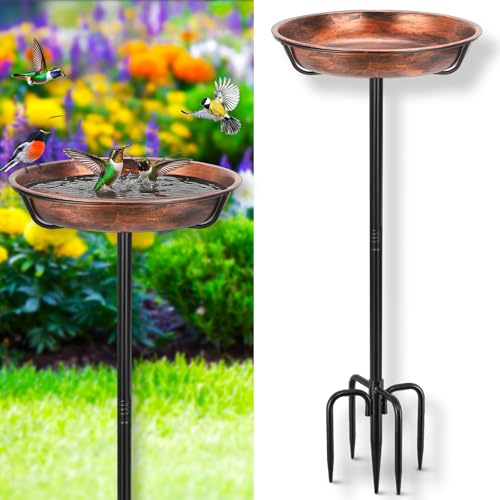
Gtongoko Metal Bird Bath
Easy to clean, easy to stake, and easy on the eyes!
Bakayoyo
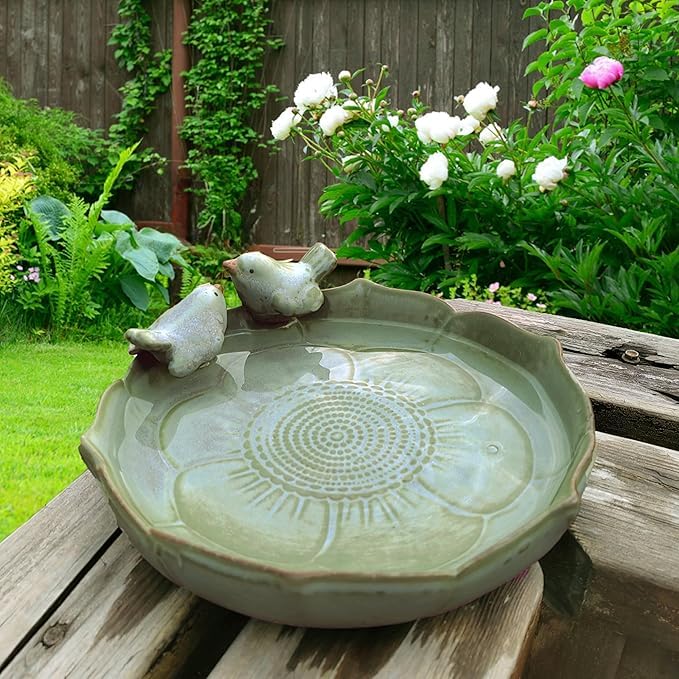
Ceramic Bird Bath
How pretty is this simple and oh-so-classic bird bath?
2. I'm Making A Bee Watering Station
(Image credit: Schankz / Shutterstock)
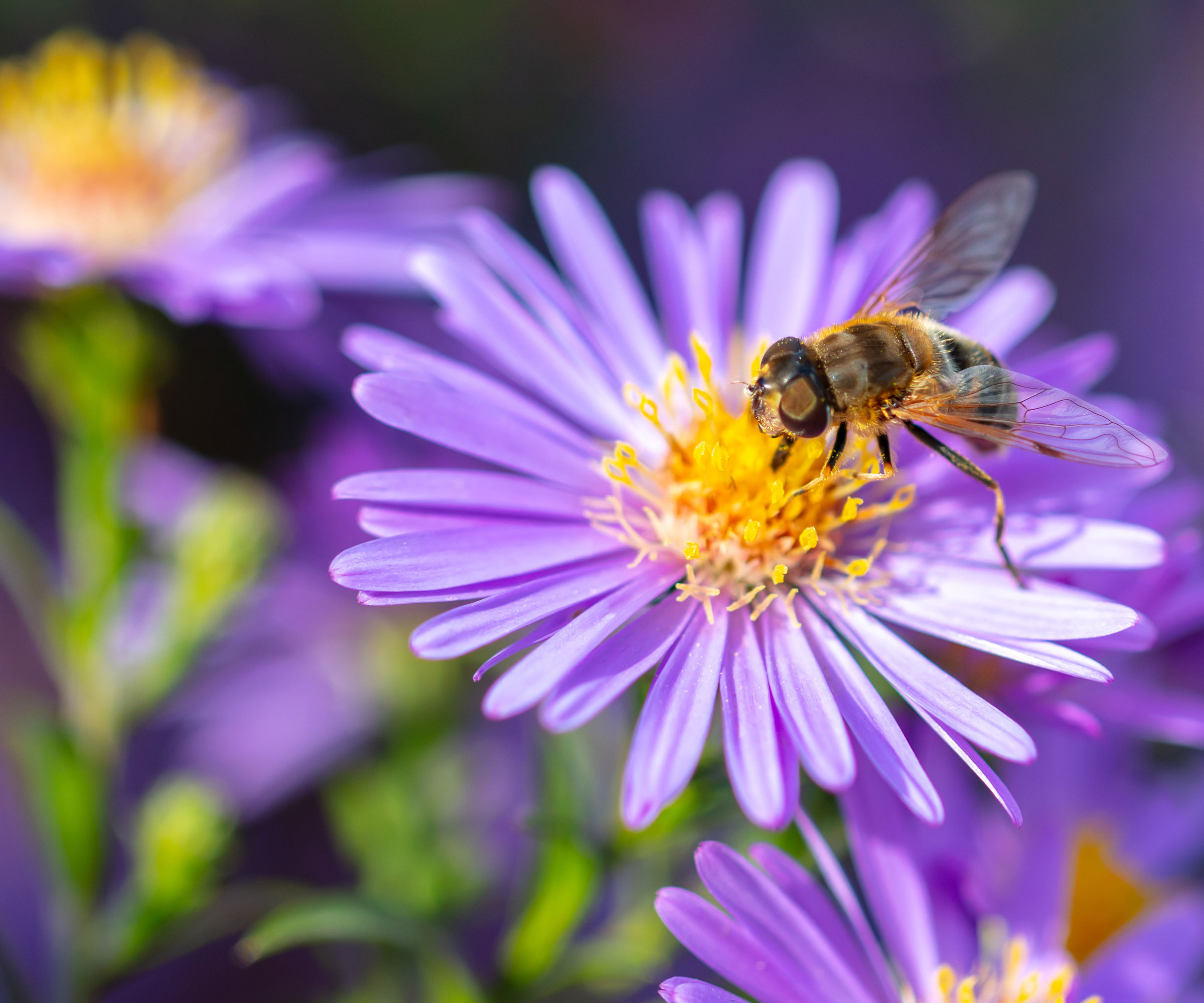
Birds aren't the only thirsty visitors; bees and butterflies need water too! For these mini pollinators, deep bowls can quickly become dangerous, so I've filled a shallow saucer with fresh water and scattered a handful of pebbles across the bottom. The stones give insects somewhere safe to land while they drink, turning an ordinary dish into a tiny pollinator pit stop.
It's one of the easiest wildlife projects I've ever done, and it takes less than five minutes to put together. That being said, the Bee Cups on Amazon are an even easier option. Designed by an ecological artist, they are, quite honestly, the perfect vessel for attracting bees – not to mention a place for them to safely stop, drink the water they need, and rest without drowning. And they're incredibly beautiful, too, so they make perfect holiday gifts for wildlife lovers.
3. I'm Leaving More Shady Spots
(Image credit: Alamy)
For years, I thought a tidy garden was automatically a better garden. Now I'm learning that wildlife (especially wildlife during a heatwave) often disagrees.
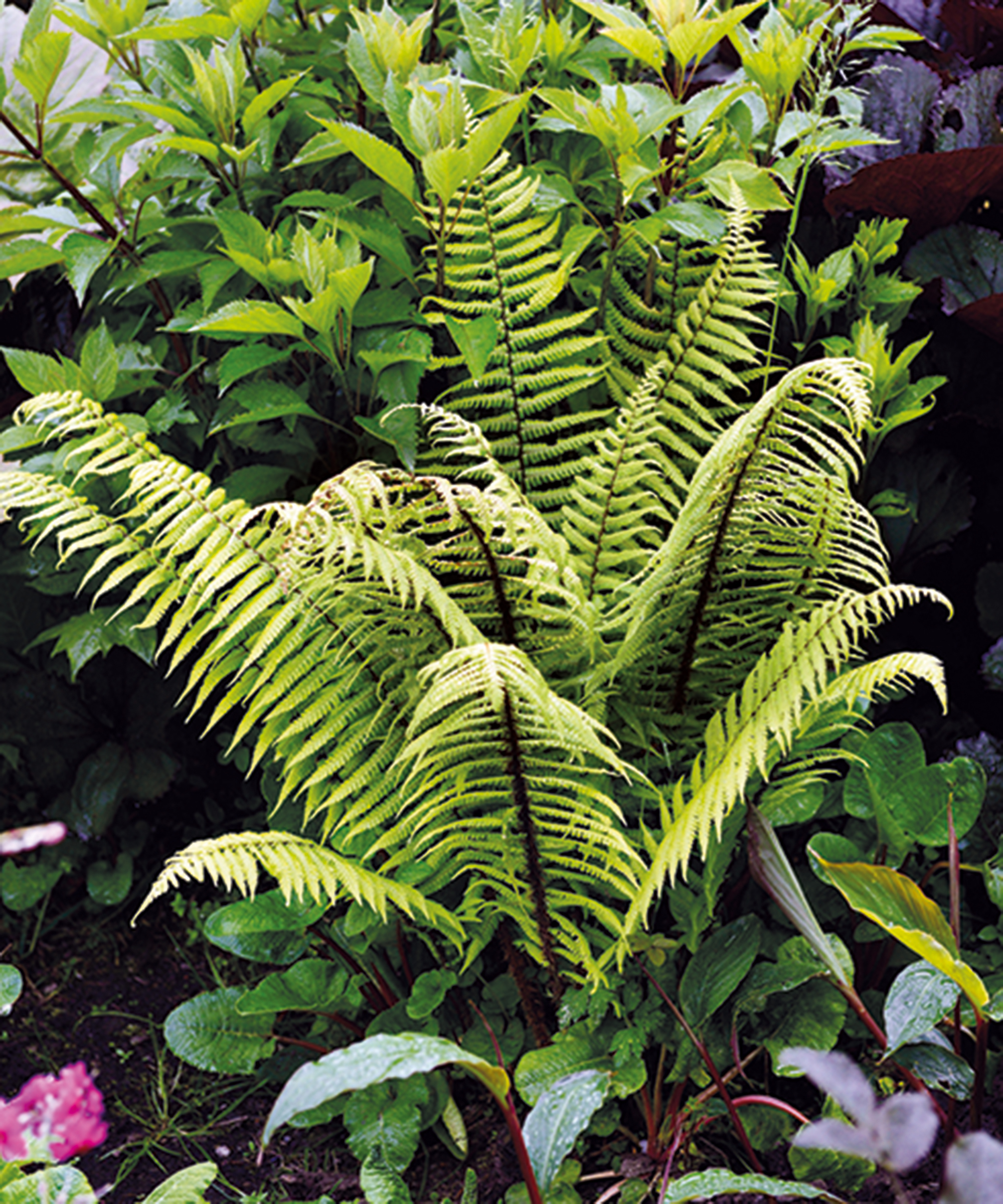
Dense flowering shrubs, ornamental grasses, climbing plants and even the cool shade beneath larger perennials all create places where animals can escape the hottest part of the day. Living mulch plants, too, cut watering down dramatically. Rather than cutting everything back or clearing every corner, I'm leaving those cooler pockets exactly as they are so that nature can provide its own air conditioning.
Which is why, yes, my fence has all but disappeared behind a dense wall of climbing passionflower and hops (hey, the butterflies seem to be big fans! So sue me!).
4. I'm Letting Part Of My Garden Stay A Little Wild
(Image credit: Janet Horton / Alamy)
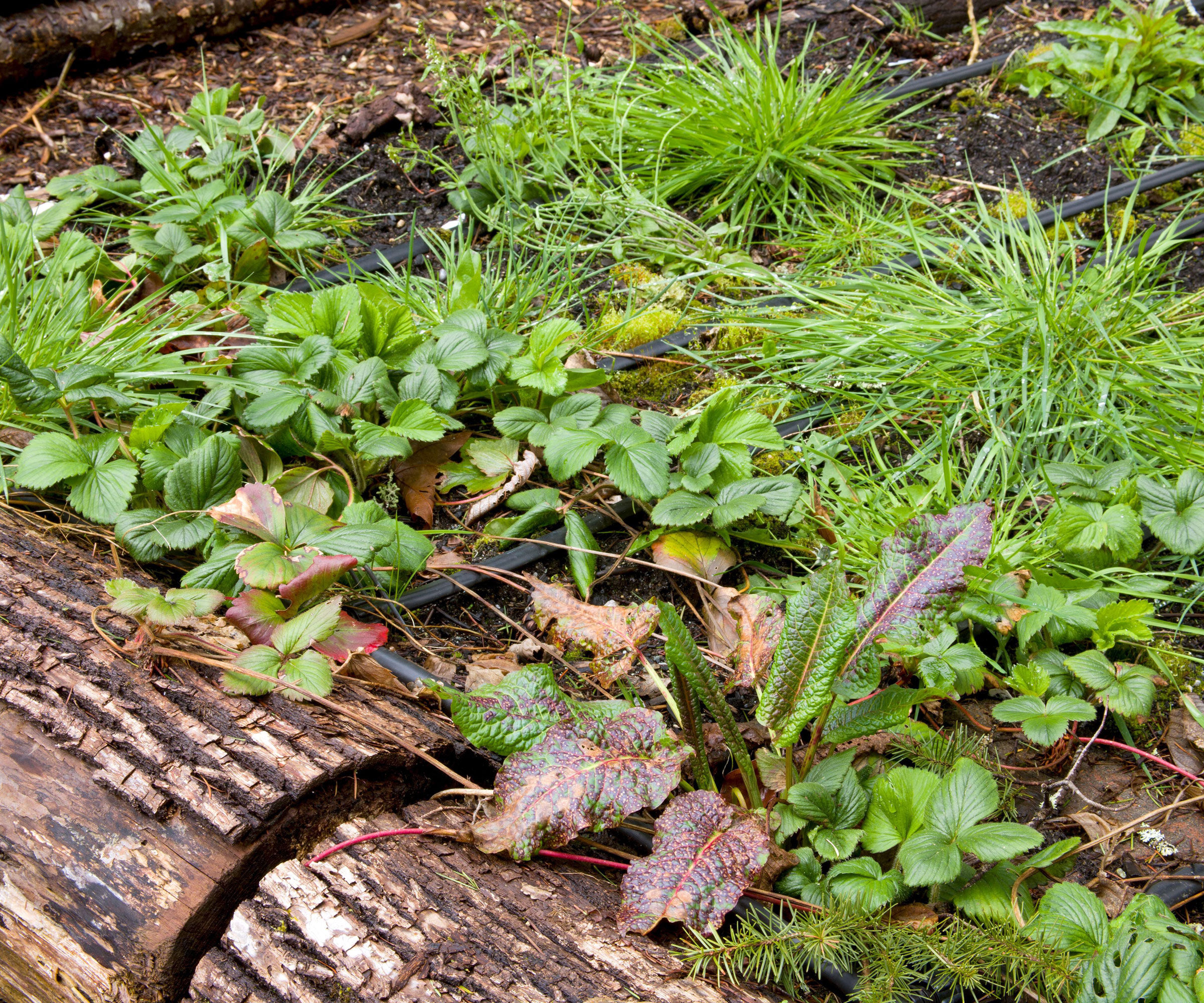
A gardener's first instinct, it feels, is always to tidy; deadhead the flowers, sweep up the leaves, trim the edges, mow the lawn... you get the picture. If you want to help wildlife during a heatwave, though, those slightly untidy corners become valuable shelter.
Yes, log piles, tree stumps, seed heads (I actually love the look of a dried allium seed head!), and dense planting all help create cooler and more humid microclimates where insects and other small creatures can ride out the hottest weather.
I've decided my garden can survive looking just a little less perfect for a few weeks. Which is why (horror of horrors!) I've got a pile of dead leaves and cuttings at the very back of the garden, which has become something of an insect equivalent to Disney World. It's hidden behind my magnolia tree, so I can't see it unless I go hunting, but it's there doing its bit for my birth month bug and his friends. Which means, in turn, it's doing a lot of good for hungry birds, too (including, ironically, my birth month bird. Favouritism, eh?).
5. I'm Planting To Support Pollinators
Yes, growing pretty flowers can be a godsend for bees, butterflies and other pollinators when they need it most. Try to stick to nectar-rich flowers that continue blooming through the hottest weeks of summer, especially native species where possible.
Coneflowers, asters, blazing star, bee balm and native sunflowers should do the trick nicely, while brightening your borders at the same time.
Shop Heat-Tolerant, Pollinator-Friendly Blooms:
Clovers Garden
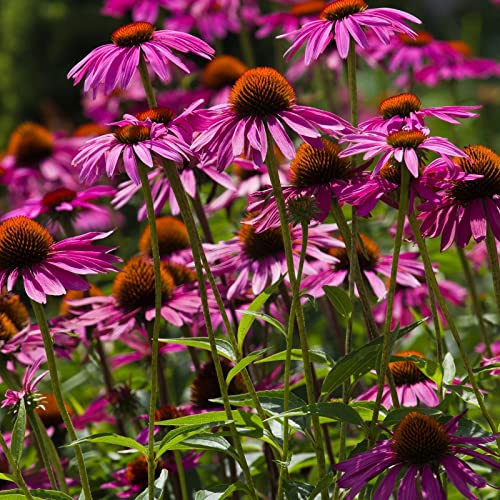
Purple Coneflower
Purple coneflowers are an obvious choice for hot weather planting, but they are a beautifully reliable (or a reliably beautiful) one, too!
Clovers Garden
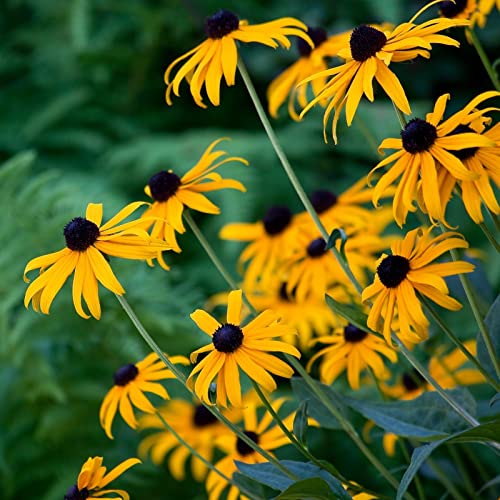
Black Eyed Susan
You can add an instant pop of color to any prairie planting scheme with a slew of Black-Eyed Susans.
Nature Hills Nursery
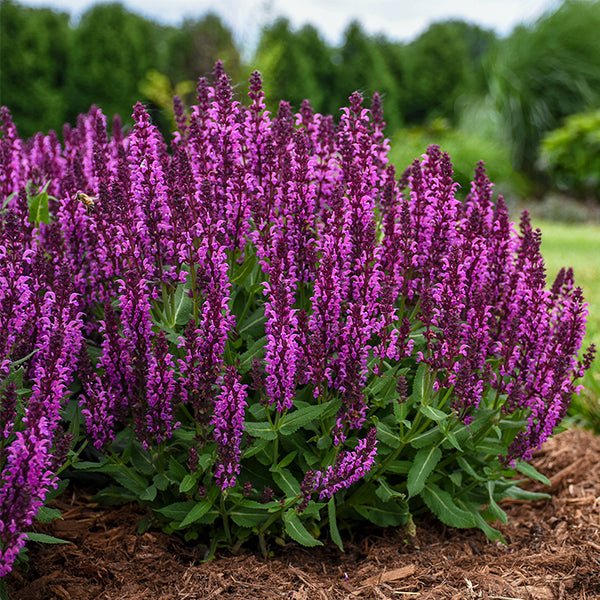
Bumbleberry Salvia
This bold salvia promises season-long color and happy bees in their droves.
Look, I'm under no illusion that one bird bath or a few extra flowers will solve everything (there is a lot more that everyone needs to be doing to help wildlife during a heatwave). Still, if every gardener offered a drink of water, a patch of shade and a few safe places to rest, together we'd create thousands of small refuges woven through our neighborhoods.
To quote Michael Pollen, "The single greatest lesson the garden teaches is that our relationship to the planet need not be zero-sum and that as long as the sun still shines and people still can plan and plant, think and do, we can, if we bother to try, find ways to provide for ourselves without diminishing the world."
I love that. Let's all of us strive to garden with that in mind, then, shall we?














 English (US) ·
  French (CA) ·