

Everybody who likes weeding, stand up! Of course, not a soul rises to their feet. Pulling out weeds is one of our least favorite garden tasks in spring. That’s why I have compiled my best tricks and tips to stop those weeds from appearing.
Fall is the optimal moment to take action for weed control. That’s because those nasty perennial weeds use fall as feeding season, taking up nutrients from the soil and moving carbohydrates produced by photosynthesis to the roots for winter storage. Any herbicides applied in fall travel with the carbohydrates to the roots, killing the entire plant.
The key to getting weed control measures in place in autumn is finding simple tasks that are super effective. That way you aren’t likely to avoid them. But we promise, every one of these steps that you take will make a real dent in the number of weeds that you see in spring.
1. Stop Weeds From Spreading by Deadheading Them
(Image credit: Edijs Kalekaurs / Getty Images)
Generally, gardeners use the term deadheading to mean removing spent flowers from your desirable, cultivated plants. The idea is to prevent the plants from investing energy in seeds and propagation instead of new flower buds. This type of fall deadheading does not reduce weeds.
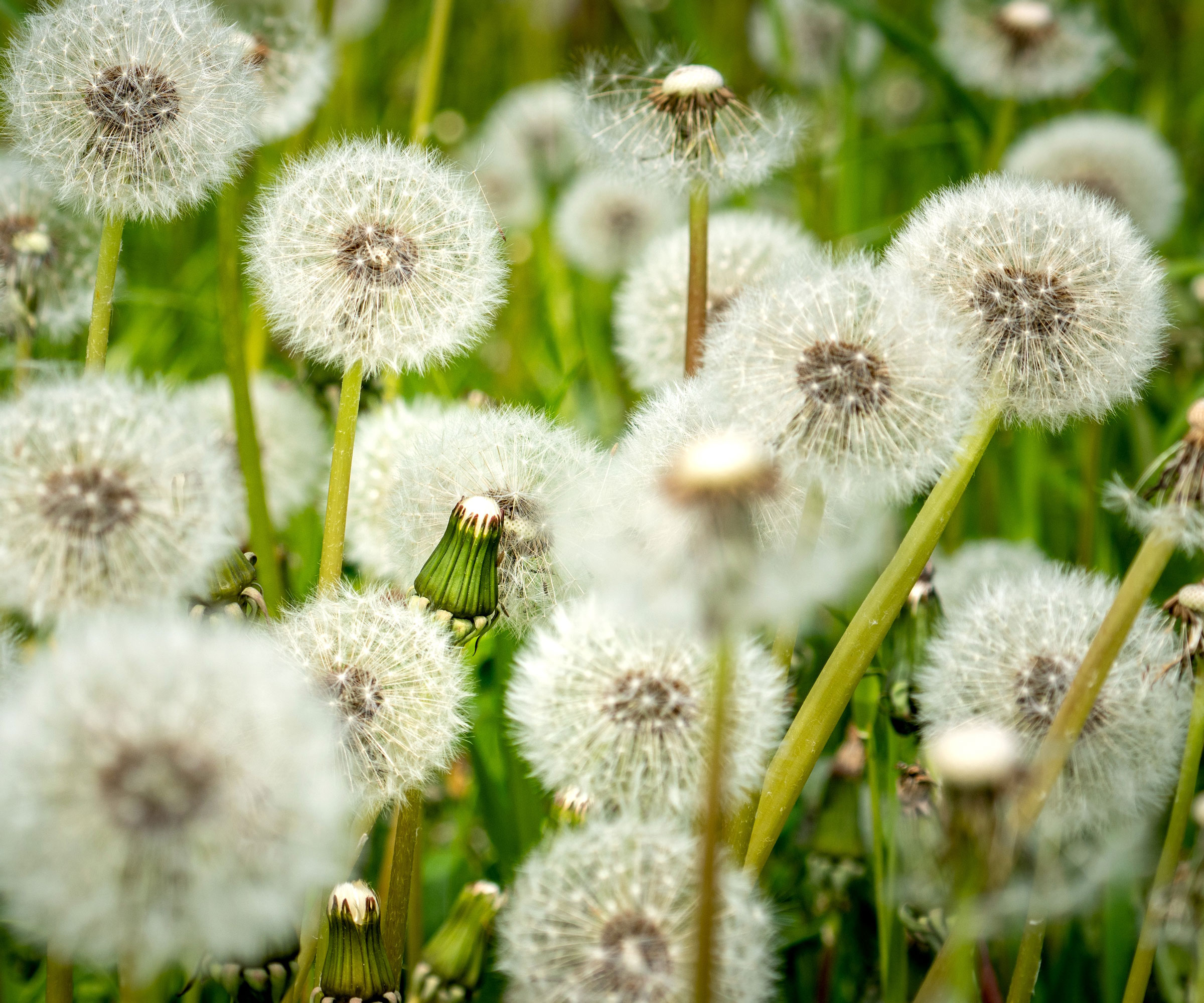
On the other hand, deadheading invasive weeds can prevent them from spreading. Take a look around your garden. If you see that weeds in the garden have gone to seed, snip off those seed heads in autumn. That way, the seeds cannot scatter in the wind.
Use clean, sharp bypass pruners, such as the ever-popular Felco F2 Classic Hand Pruners available on Amazon, to cut off the flower heads before they fully mature, then collect and dispose of them in the trash rather than adding them to your compost pile if they contain viable seed.
2. Treat Perennial Weeds in Early Fall
(Image credit: Maryana Serdynska / Getty Images)
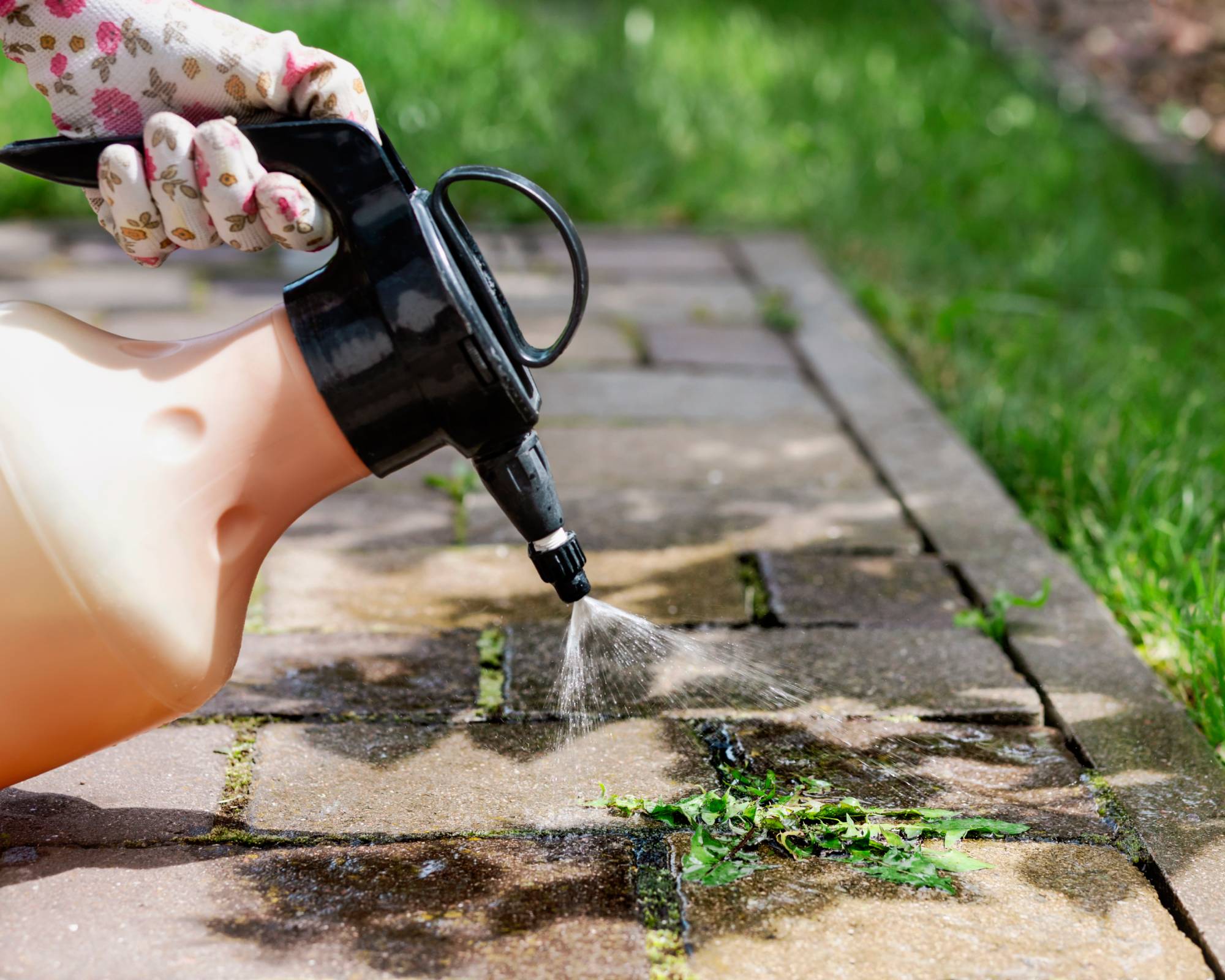
Chemicals should always be a last resort in the garden. But if you decide they're necessary, early fall is often the best time to treat established perennial weeds with a post-emergence weed killer. At this time of year, only the above-ground foliage dies back. As the plant moves sugars and stored energy into its roots to survive the winter, systemic herbicides can also move into the root system, making treatments more effective and potentially reducing the number of applications needed.
Apply a weed killer before persistent perennial weeds such as dandelions, creeping Charlie, Canada thistle, or broadleaf plantain take over. These weeds return year after year from the same root system, so simply removing the foliage rarely gets rid of them for good.
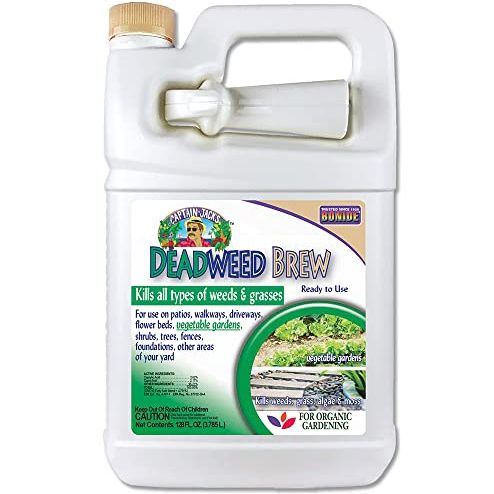
If you prefer to avoid glyphosate, consider a product such as Bonide Captain Jack's Deadweed Brew, available from Amazon. Approved for organic gardening, it's a fast-acting, non-selective weed killer that's suitable for use around flower and vegetable gardens. Because it's a contact herbicide rather than a systemic one, established perennial weeds may require repeat applications to exhaust the roots. Always read and follow the label directions carefully.
3. Pull Young Annual Weeds Before They Take Hold
(Image credit: Avoferten / Shutterstock)
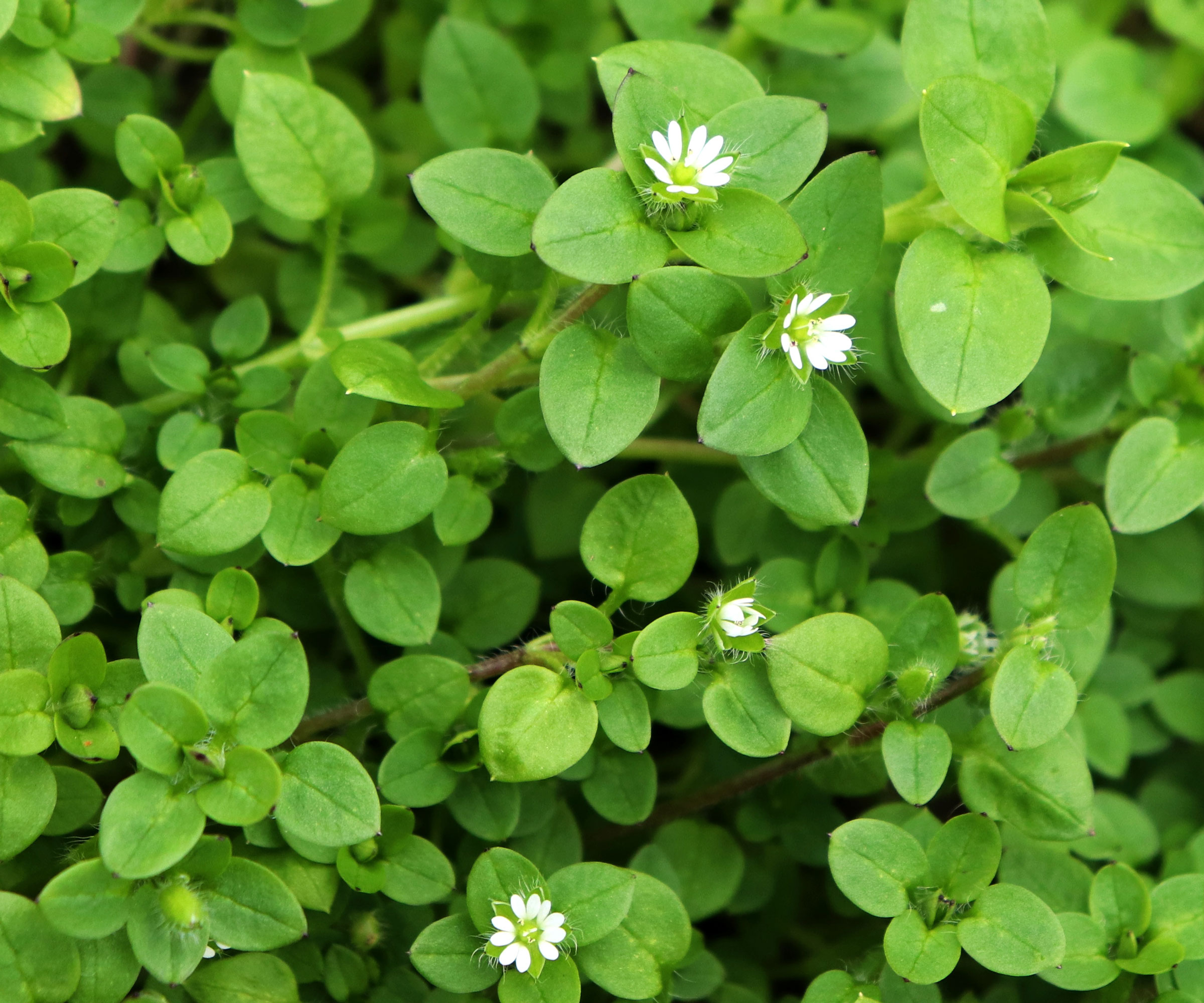
Some gardeners prefer to avoid chemical weed killers altogether, and if you're one of them, you can still get ahead of annual weeds such as henbit, deadnettle, and common chickweed. Winter annuals germinate from seed in the fall and spend the winter as small seedlings. Watch for them to emerge in October, then pull them out, roots and all.
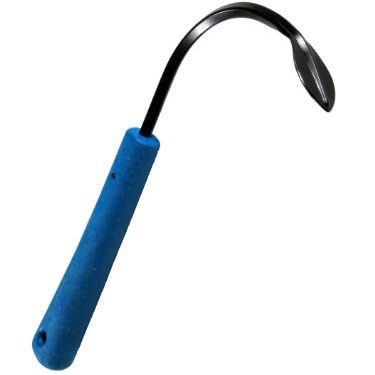
Plants are always easiest to remove when they're young. You can lightly rake seedlings out, but hand pulling is often just as quick. A hand weeding tool, such as the CobraHead Original Weeder & Cultivator, makes it easier to loosen the soil around the roots so you can lift the entire plant without it snapping off. Take care not to disturb the soil surface too much, as that can bring buried weed seeds to the surface, where they're more likely to germinate.
4. Plant Cover Crops
(Image credit: Venars.original / Shutterstock)
Cover crops occupy territory that weeds would have liked to take over. They are very efficient at suppressing weeds by creating a dense canopy that keeps weed seeds in the dark. Fall cover crops like cereal rye and oats compete for sunlight, moisture, and nutrients, leaving little to support winter annual weeds from germinating.
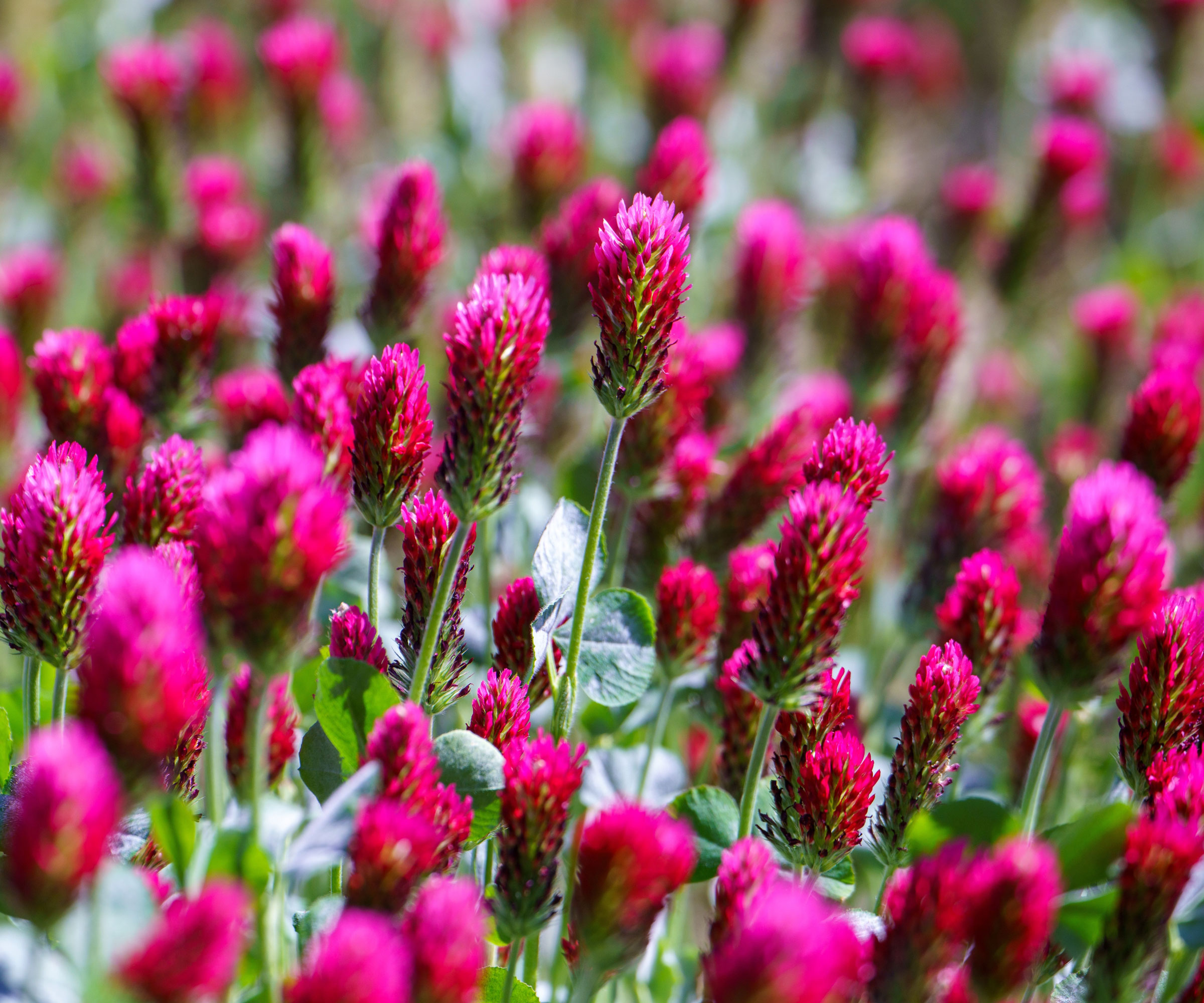
Other top fall cover crops for weed suppression include crimson clover, which forms a thick carpet of foliage; hairy vetch, a winter-hardy annual legume that blankets the soil; and forage radish, which quickly shades the soil. If you're sowing a new cover crop this fall, Eden Brothers also stocks crimson clover, as well as an organic cover crop seed mix.
5. Mulch Bare Soil
(Image credit: Getty Images)
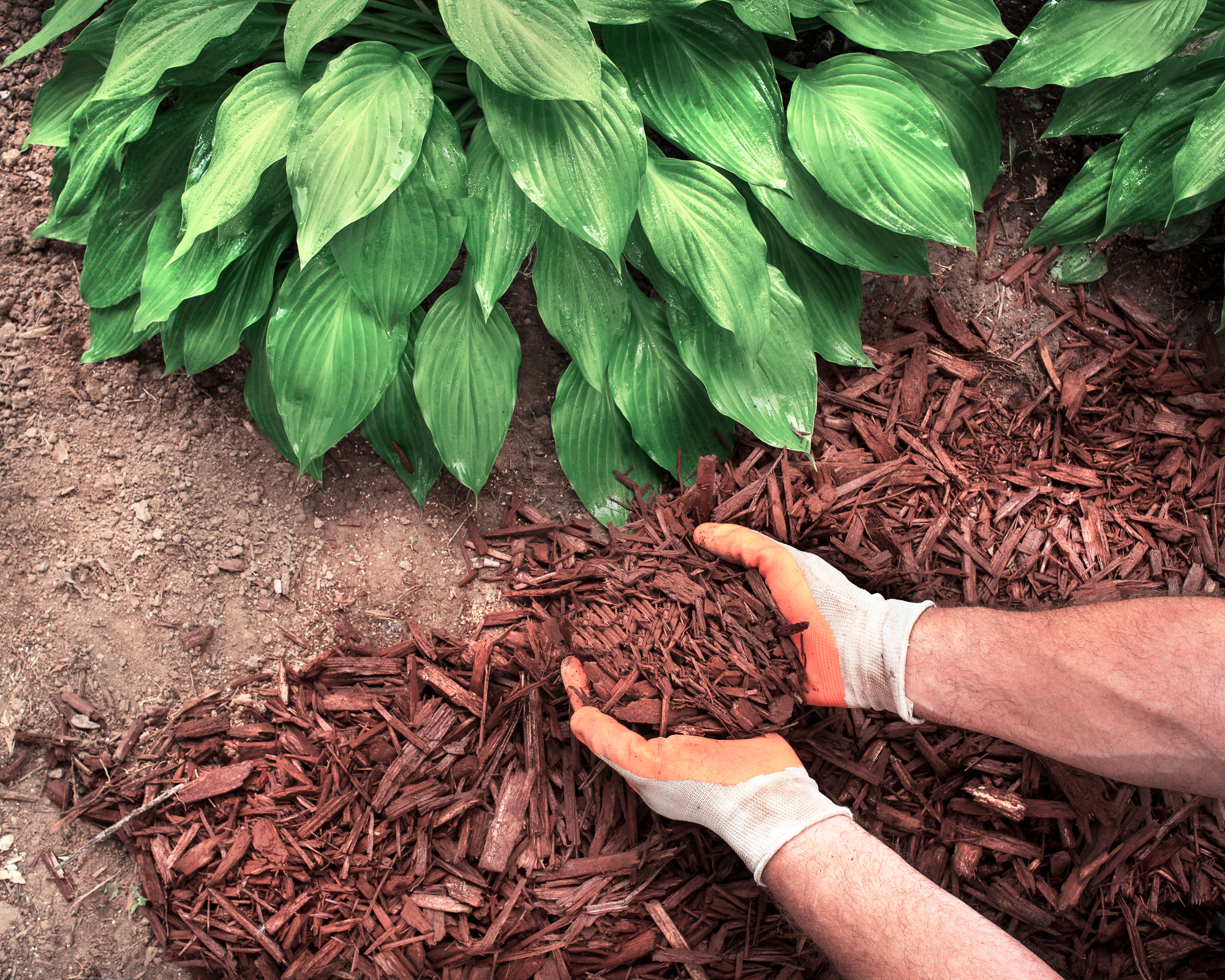
Organic mulch like homemade compost or chopped, fallen leaves helps the garden in so many ways. The mulch layer holds in moisture and helps regulate the soil temperature. But that's not all.
When you cover bare soil with a 2–3 inch (5–7.5 cm) layer of mulch, it blocks sunlight, making it much harder for dormant weed seeds to germinate. If you don't have enough leaves or homemade compost, a natural wood mulch, such as Hyponex by Scotts Brown Mulch from Walmart, is an easy way to cover exposed soil before winter.
6. Do a Thorough Fall Garden Cleanup
(Image credit: Getty Images)
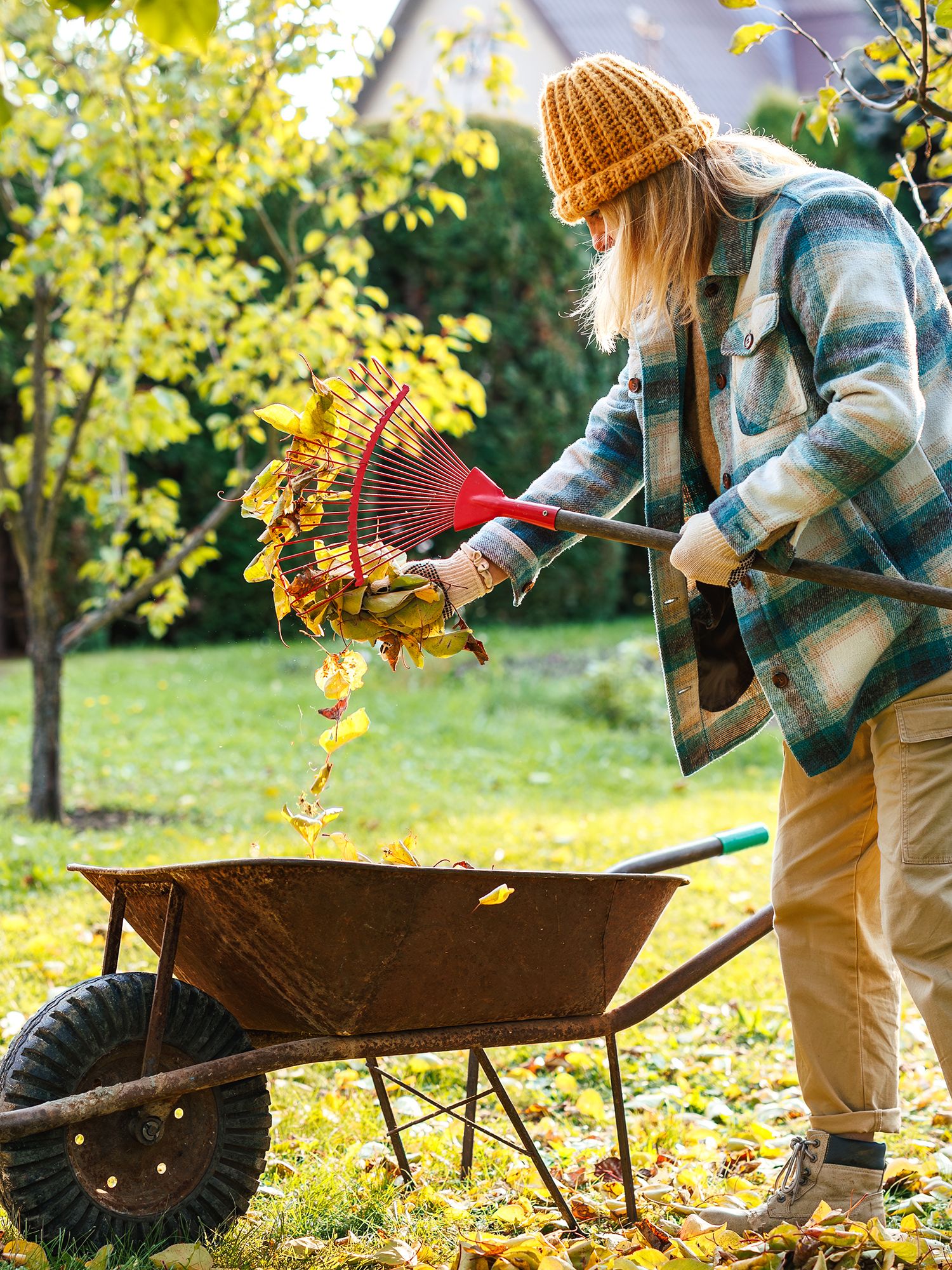
A general fall clean-up is a garden tradition, and this habit can help you prevent weeds. Take out all debris from your garden beds as well as your vegetable gardens. It’s a good time to notice which weeds you are dealing with in your landscape. That will help you plan your weed attack.
For example, if crabgrass is everywhere in fall, you might plan to use a pre-emergence herbicide again in the spring. This will take out the crabgrass seed before it germinates in your garden.
Fall Weeding Essentials
Bonide Captain Jack's Deadweed Brew
Cobrahead Original Weeder & Cultivator
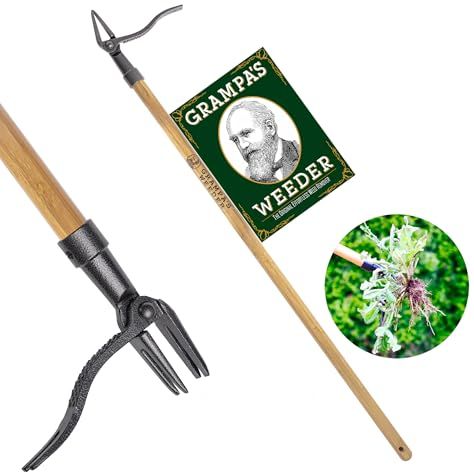
Grampa's Weeder Original Stand Up Weed Puller Tool
What NOT to Do in Fall
Do not work the soil in autumn. Tilling the soil is what you do when you want to encourage seeds to grow. You don’t want weed seeds to grow in fall, so just don’t turn or till the soil, certainly not deeply. Add the mulch, then leave the soil alone.














 English (US) ·
  French (CA) ·