

It’s easy to think cold weather is what kills off your lavender. Soggy roots and soft late growth in cold winds tend to cause the real trouble, and a few changes in early fall can get you ahead of both.
Lavender is native to dry, stony hillsides around the Mediterranean, and a long, wet winter in a garden bed is not even close to those conditions. Winterizing lavender plants doesn’t take a whole lot of effort, though. Most of your work will take place in late summer and early fall, well before the first real freeze shows up.
The year-round lavender care already covers the biggest factor. That is, soil that drains fast in a spot with full sun. Heavy clay or low, soggy ground starts winter at a disadvantage. Beyond that, fall prep mostly comes down to doing things a bit earlier and doing less with them.
Start with a Green Sweep
(Image credit: Dorling Kindersley Ltd / Alamy)
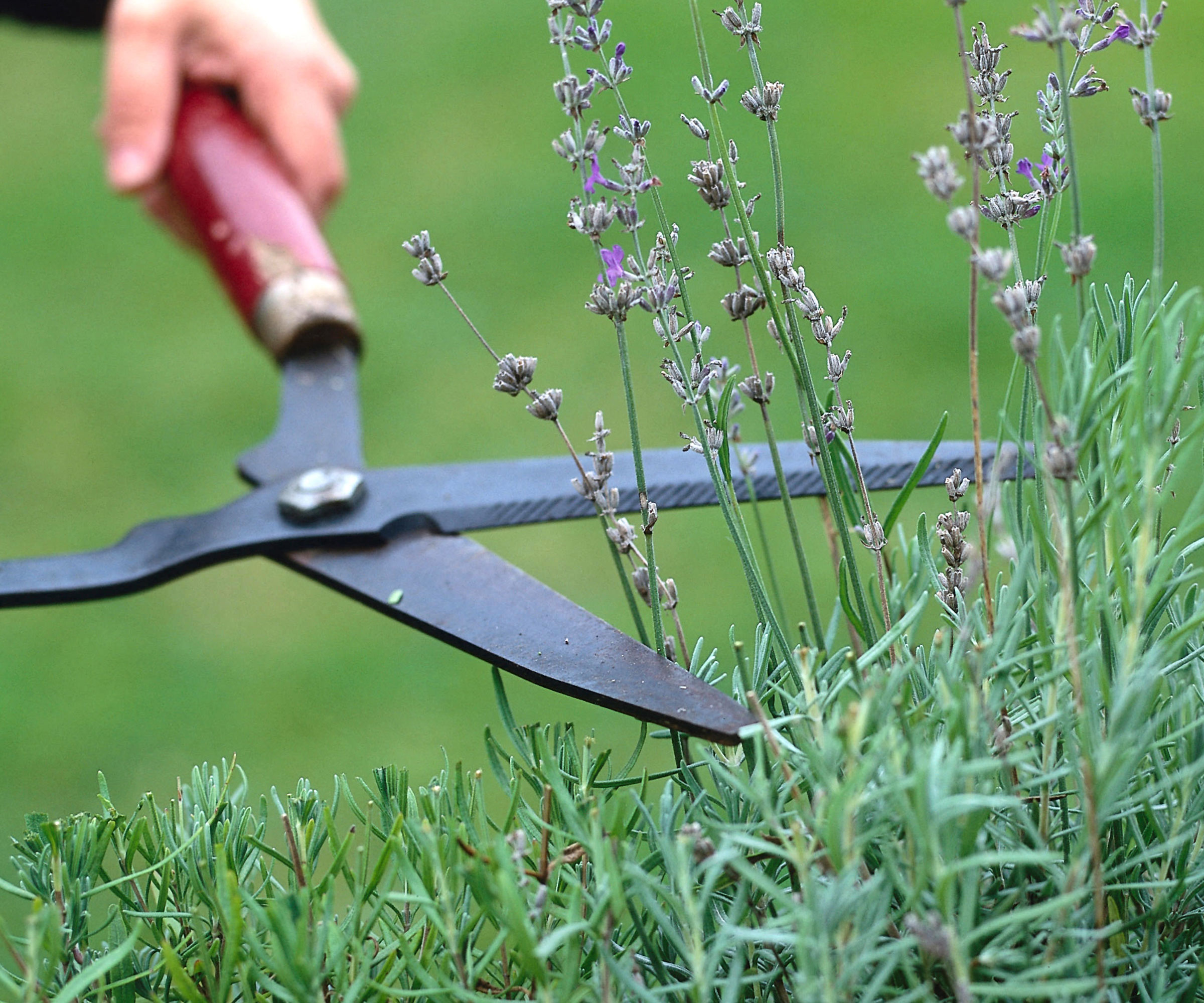
The first thing to do is a "green sweep" pruning. This is a light trim that stays inside the leafy part of the plant. Gather a loose handful of stems and cut away about one-third of their length. Leave an inch or two (2.5–5 cm) of this year’s green growth above where the wood starts. Lavender rarely produces new shoots from bare wood, so stems cut into the woody base may not regrow. What you trim off is fragrant and can be tied in bundles and dried.
Always use clean, sharp blades. They cut more smoothly and reduce damage to the remaining stems. Hand pruners are plenty for one or two plants, but remember that a rounded plant shape sheds snow better than a flat top. For a long row, hedge shears like Fiskars' Power-Lever Garden Hedge Shears save time and come in different sizes on Amazon.
Four to six weeks before the first hard freeze is the usual window, but a later trim can produce soft growth that has no time to harden off. Many gardeners limit fall work in the coldest regions to deadheading and leave shaping until spring. Spanish and French lavender are less cold-hardy and are usually only deadheaded in fall.
Stop Fertilizing by Late Summer
(Image credit: Valeriy_G / Getty Images)
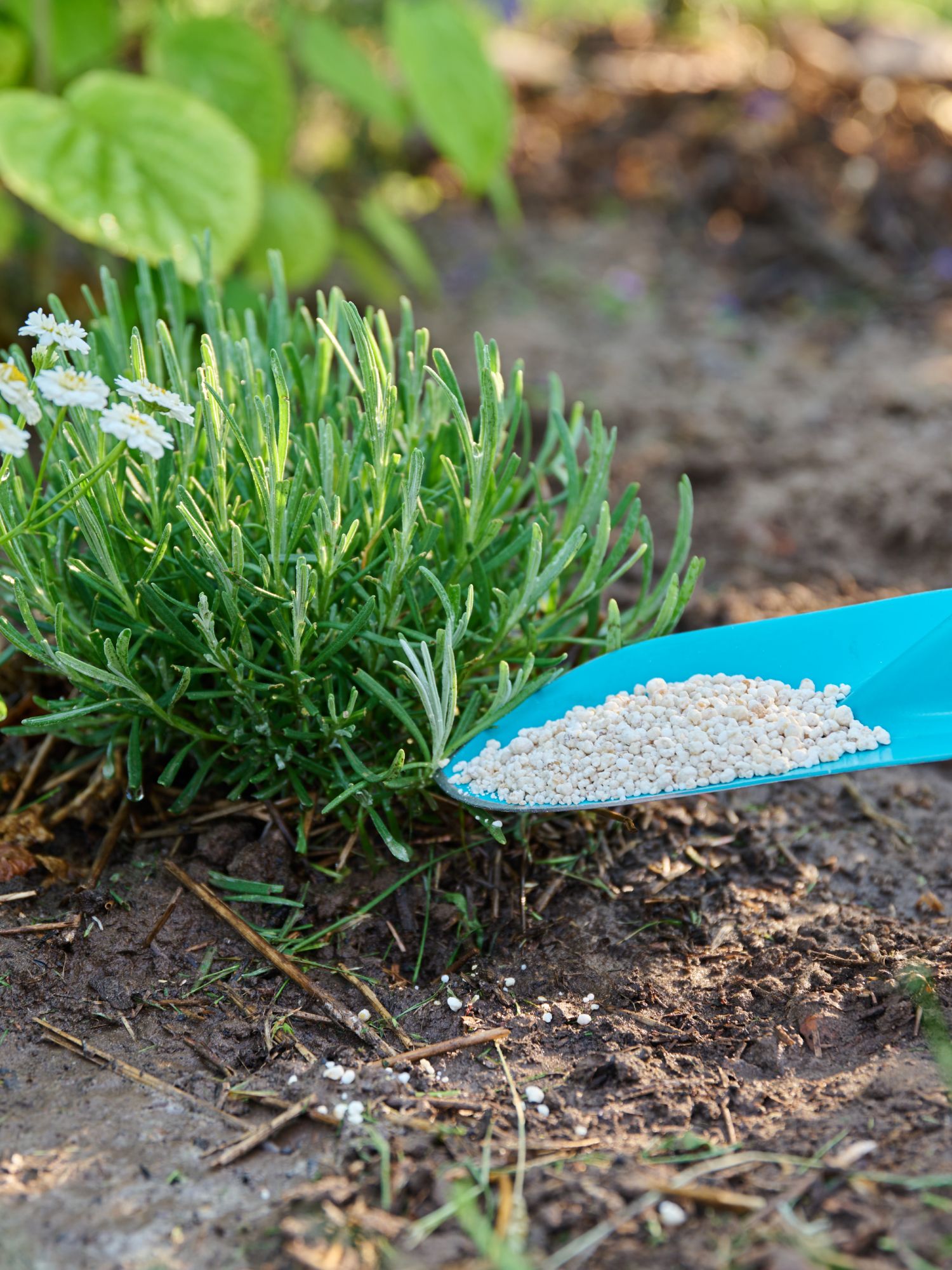
Lavender fertilizer applied in September often produces dead stem tips by spring. Late nitrogen encourages new growth when the plant should be slowing down, and that growth is usually the first to show cold damage. Lavender does fine in soil of low to moderate fertility.
Early August is the practical cutoff in most regions for liquid feeds and slow-release granules, which can reach the root zone when spread around nearby perennials. Don’t feed until new growth appears at the base in spring. Established plants in reasonable soil rarely need more than a light application even then. A light compost mulch in spring is enough for the season.
Taper Off the Watering
(Image credit: Getty Images)
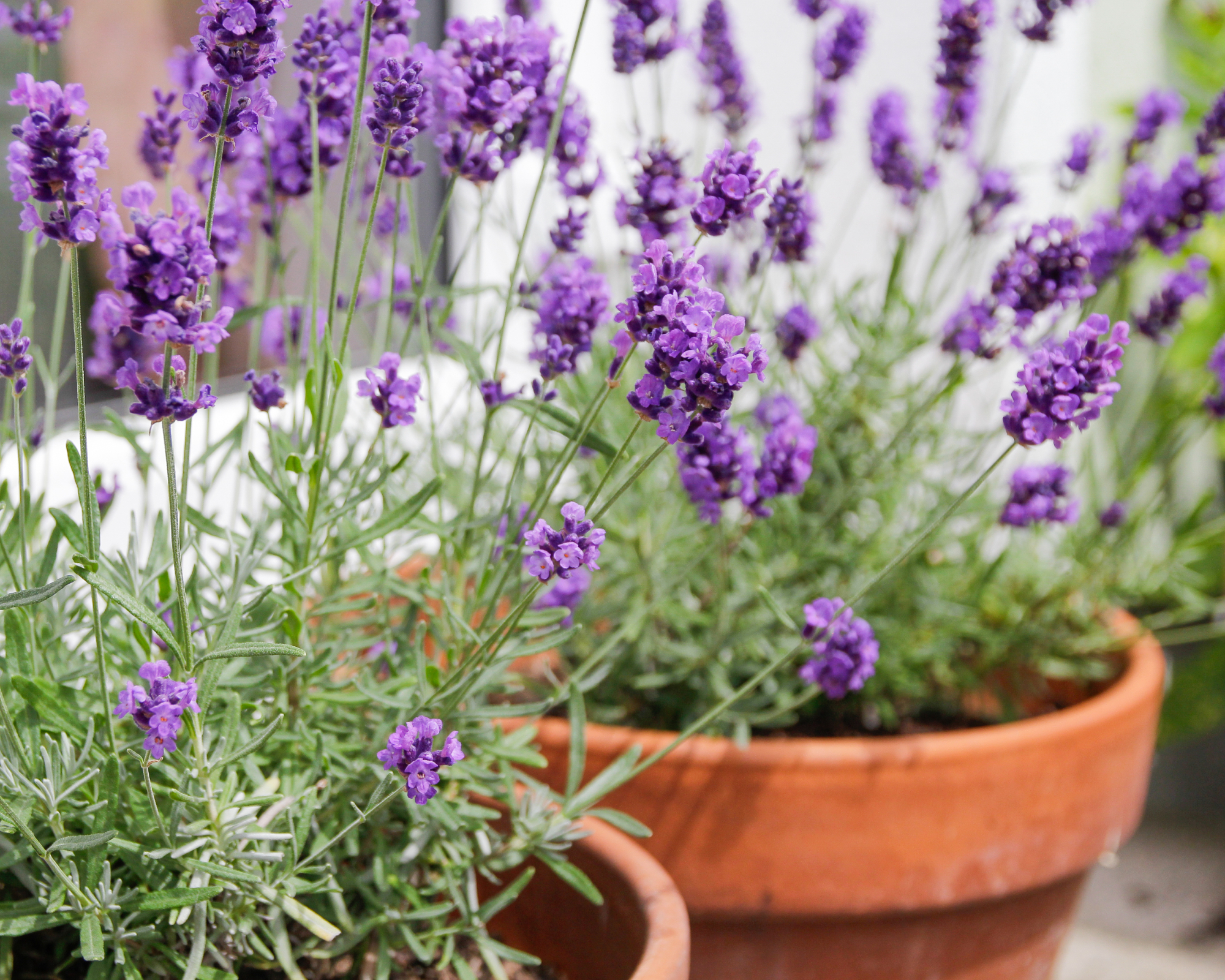
Lavender in winter is more often killed by wet soil than by low temperatures, especially in regions with rainy winters. Water less often and let the soil dry a few inches (5–8 cm) down as the days shorten. Rainfall can be enough for established plants in the ground. Bark and wood chip mulch should be pulled back from the crown, and pea gravel, like this one from The Mighty 109 Store via Amazon, is better if the base needs covering.
That doesn’t mean to stop watering altogether. Plants under drought stress tend to handle cold less well, so a final deep soak before a cold snap is worthwhile if you haven’t gotten rain in a while.
Container lavender plants dry out faster and can freeze through, so push a finger an inch (2.5 cm) into the mix to check them, and water if it comes out dry. Pots raised on feet, like Bosmere Pot Toes, drain faster than pots set flat on a hard surface. On the coldest nights, moving pots against a house wall or under a covered porch helps.
Protect Plants from Winter Wind
(Image credit: Getty Images)
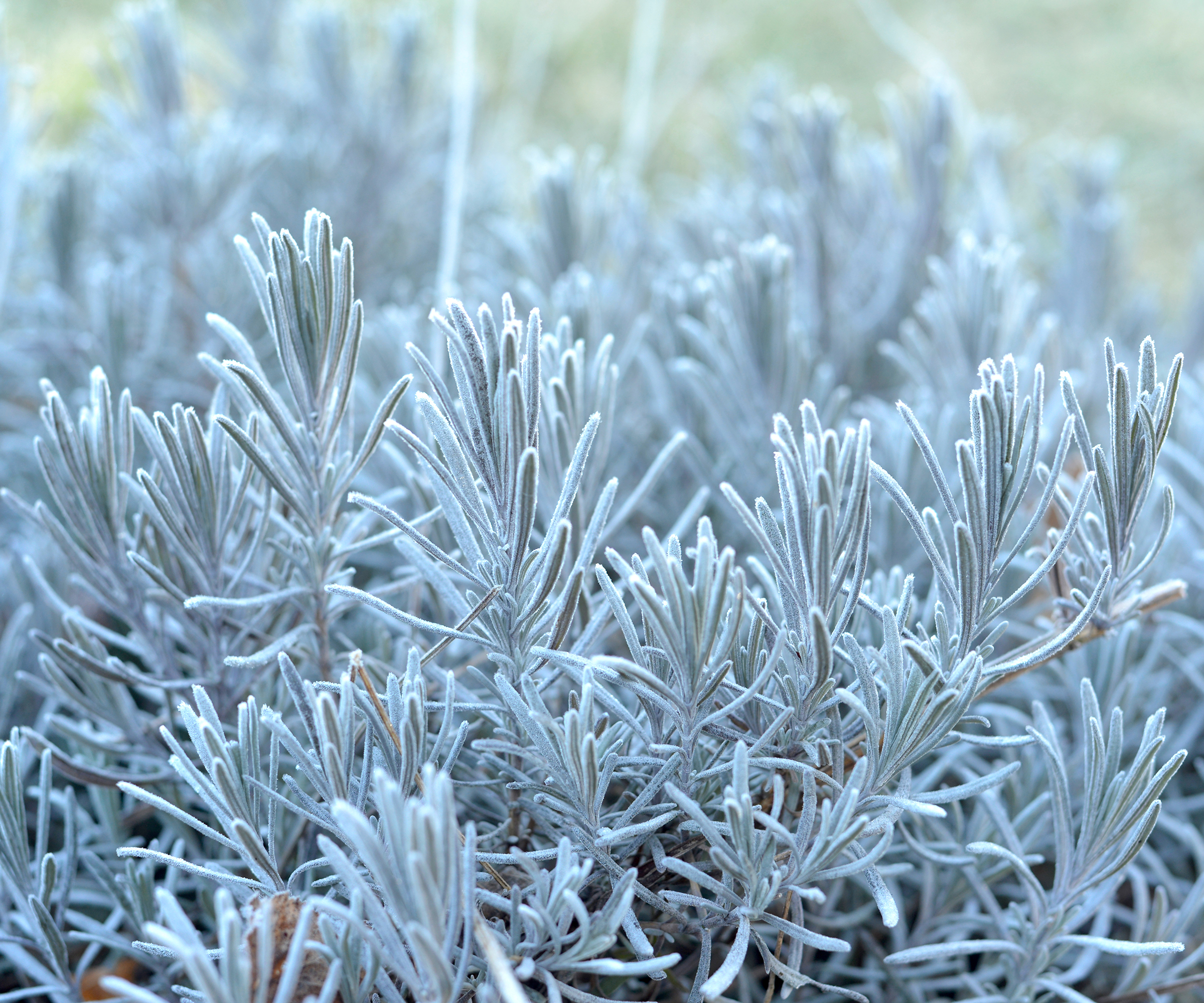
Wind is a significant cause of winter damage. Lavender keeps its gray-green foliage all season. On cold, windy days, those leaves lose moisture, and roots in frozen ground can’t replace it. Exposed plants usually brown on the windward side first. Reduce some of that exposure by siting it next to a wall or fence.
A screen is one of the most practical ways to winterize lavender plants in an open yard. Drive several fir wood garden stakes, like these from Walmart, into the ground on the windward side, then stretch a natural jute burlap roll across them. Home Depot sells a 63-inch (160 cm) roll with enough length for a full row. Keep the fabric several inches (8–10 cm) away from the foliage so air can move through. You don’t need to envelop the whole plant. Just use it as a windbreak.
In the coldest zones, a breathable cover placed over plants after the first hard frost adds extra protection. Remove it once spring warms up, though.
Lavender Winterizing Essentials

Valibe Blanket Plant Covers for Freeze Protection
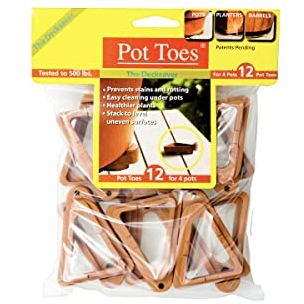
Bosmere Pot Toes Pack of 12
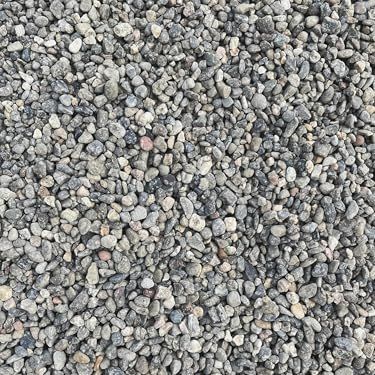
Mighty 109 Grey Pea Gravel 40 lbs
Plants can often look gray and untidy in early spring, but browning in March doesn’t always mean the plant is dead. Knowing how to overwinter lavender includes waiting for visible signs of recovery. Once new green growth appears near the base, cut away any stems that snap rather than bend.















 English (US) ·
  French (CA) ·