

Some flower seeds do far better when sown in fall, so you can simply scatter them onto bare soil now and – hey presto! – they’ll transform into abundant blooms by next year. This is one of nature’s finest magic tricks and you really should take advantage, because there is no easier or cheaper way to fill your yard with blooms than these flower seeds to sow in fall.
All these plants are self-seeders so they don’t need any molly-coddling from you. Sow them in October and all the work is naturally done for you. Some of the seeds require a period of cold – called cold stratification – to germinate; for others, the freeze-thaw cycle cracks tough outer shells. Triggered by warming weather and lengthening days in spring, they’ll sprout at the perfect point, and rain will keep the seedlings watered. Some are even tough enough to sprout in fall and survive winter unscathed.
These seeds all like a little light to germinate, too, so you don’t even have to rake them into the ground. And the reward for your minimal efforts? Bigger, stronger plants than if you’d sown the exact same seeds in spring, for lots more flowers. So, if you're wondering what to sow in October and fancy a garden that almost takes care of itself, start right here. If you’ve already got any of these beauties in your garden, now’s the time to snap off a seedhead and shake it wherever you fancy having more growing, too.
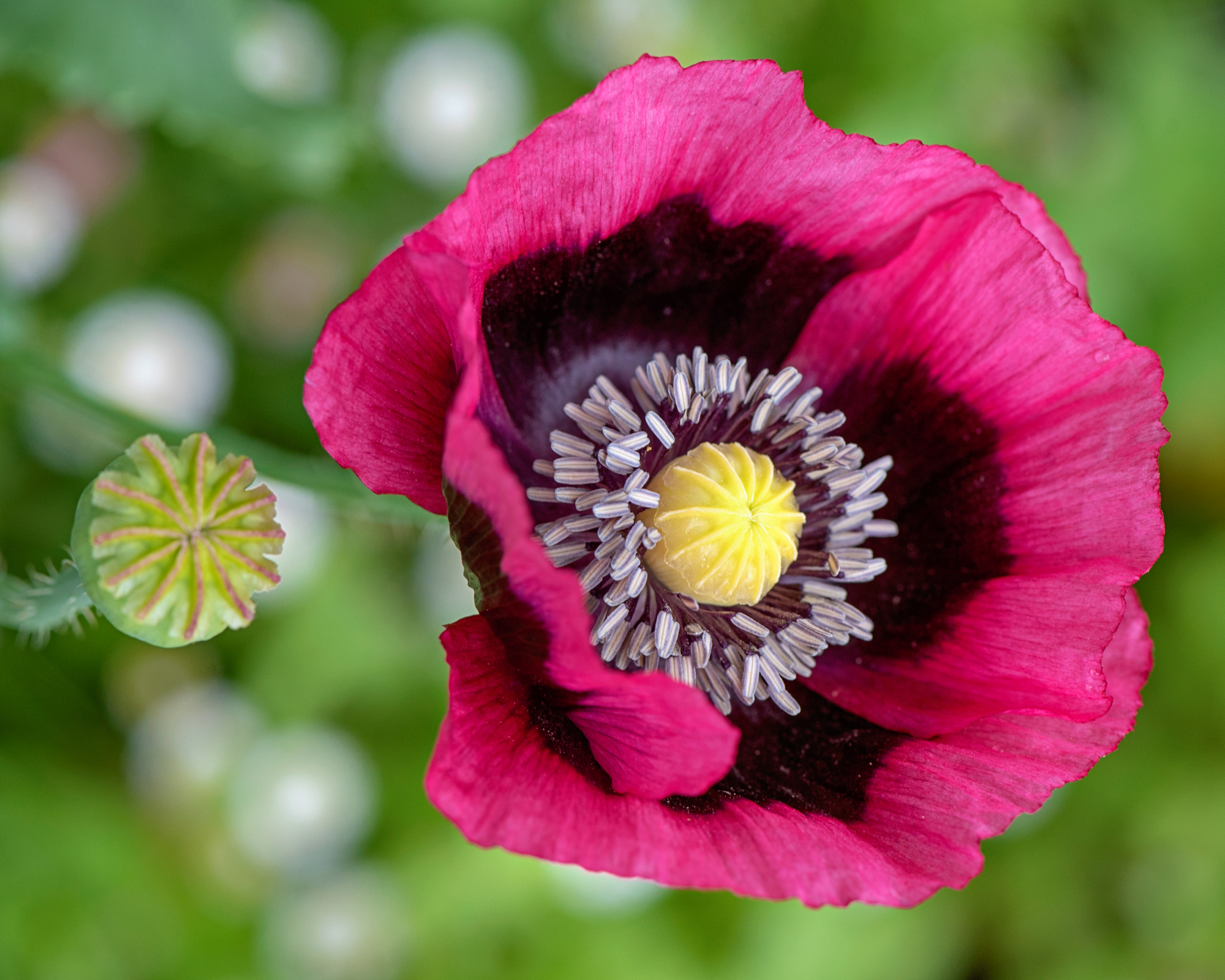
1. Annual Poppies
(Image credit: Getty Images)
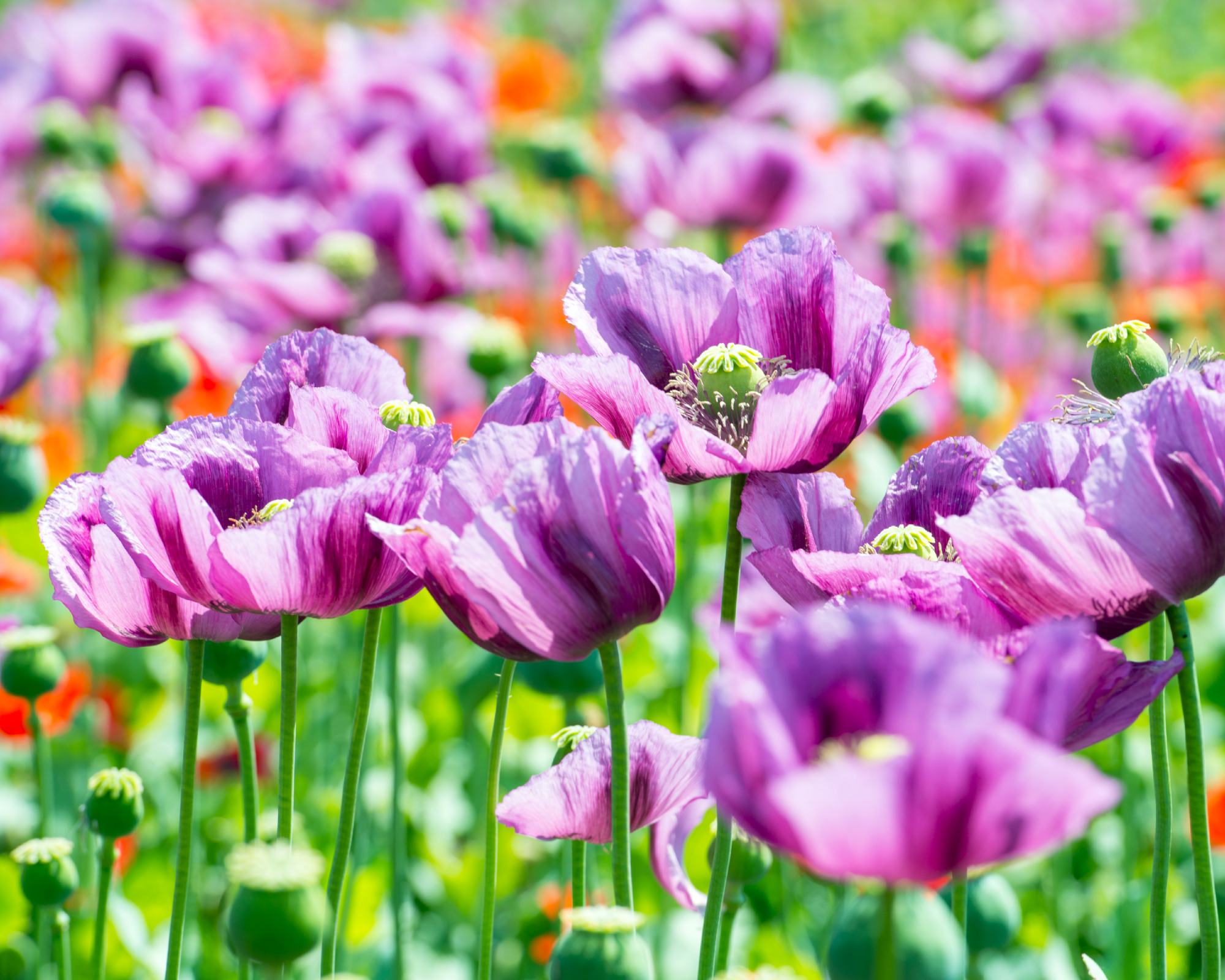
Annual corn poppies (Papaver rhoeas) and opium or breadseed poppies (Papaver somniferum) both thrive with a fall sowing and are some of the prettiest plants that practically grow by themselves. They need a period of cold to germinate so you can pop the seed into the fridge for a few weeks – or do it the easy way and let winter work its magic! Scatter the tiny seeds in full sun after the first hard frost in zones 6-9, and you’re done.
Eden Brothers stocks a super selection: Papaver somniferum ‘Lauren’s Grape’ packs a punch with prolific plum-toned flowers, while Papaver rhoeas ‘Amazing Grey’ has crinkly petals in lilac and grey shades, and is much coveted as a cut flower. Or for a lovely addition of color running through a border, ‘Angels Choir Poppy Mix’ is a wonderful mish-mash of warm-hued varieties.
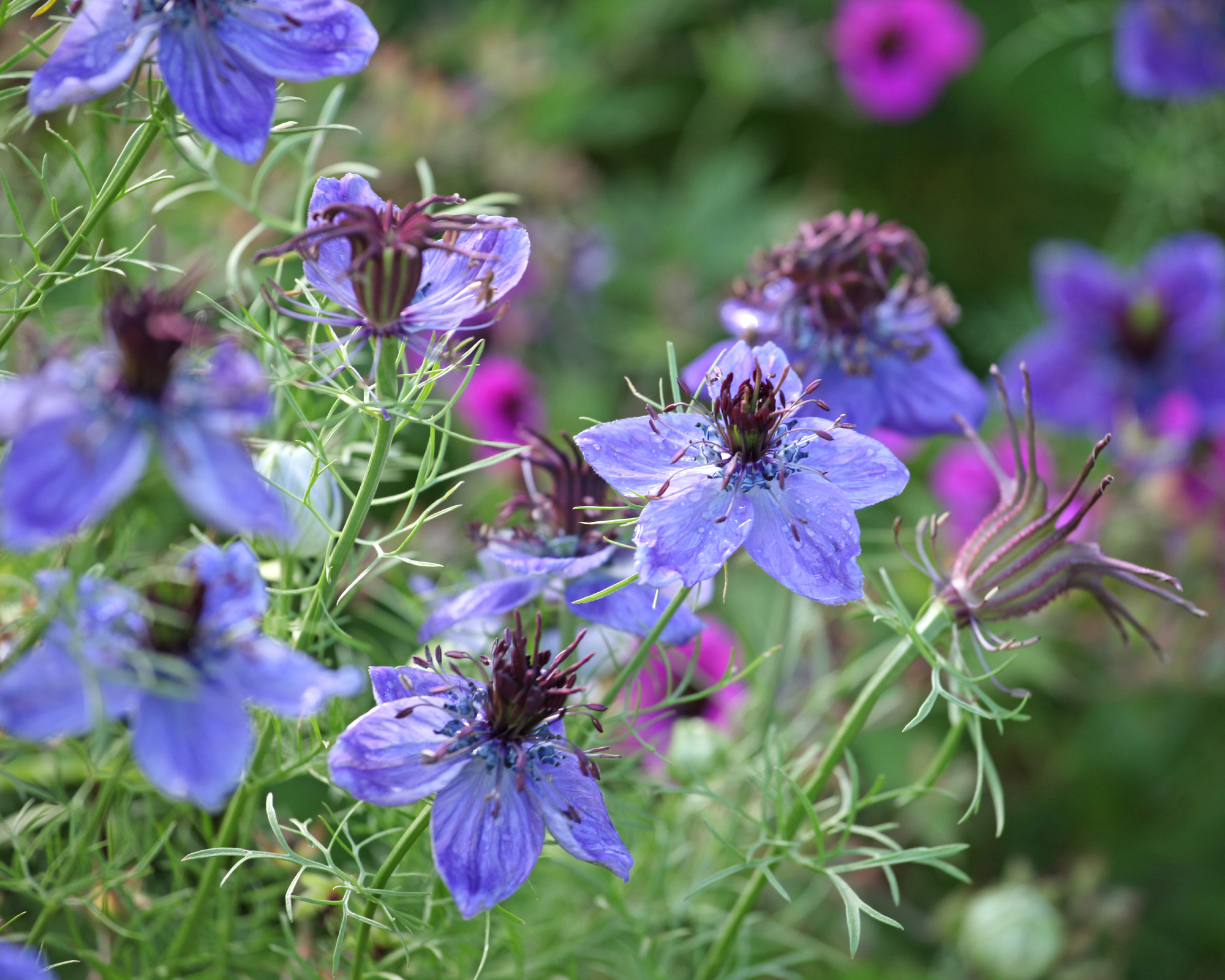
2. Love-in-a-Mist
(Image credit: Getty Images)
Nigella hates having its roots disturbed so is always best direct-sown where you want it to grow, and a fall sowing brings stronger, taller plants that bloom weeks ahead of seeds cast in spring. In zones 7-9, go ahead and scatter seed now as seedlings will endure temperatures down to 23°F (-5°C), or wait till winter is here in zone 6 to ensure spring germination.
For a fall sowing, steer clear of common Nigella damascena unless you have fast-draining soil as the seedlings won’t tolerate sitting in cold wet ground. Instead, choose Nigella papillosa, which is far more robust. Love-in-a-mist ‘Delft Blue’, available from Botanical Interests, has rich violet-blue hues on white petals, reminiscent of the famous blue-and-white pottery it’s named after. Love-in-a-mist ‘African Bride’, also available from Botanical Interests and a similarly tough cookie perfect for fall sowing, is just as beautiful and produces incredible lantern-like seedpods once flowers have faded.
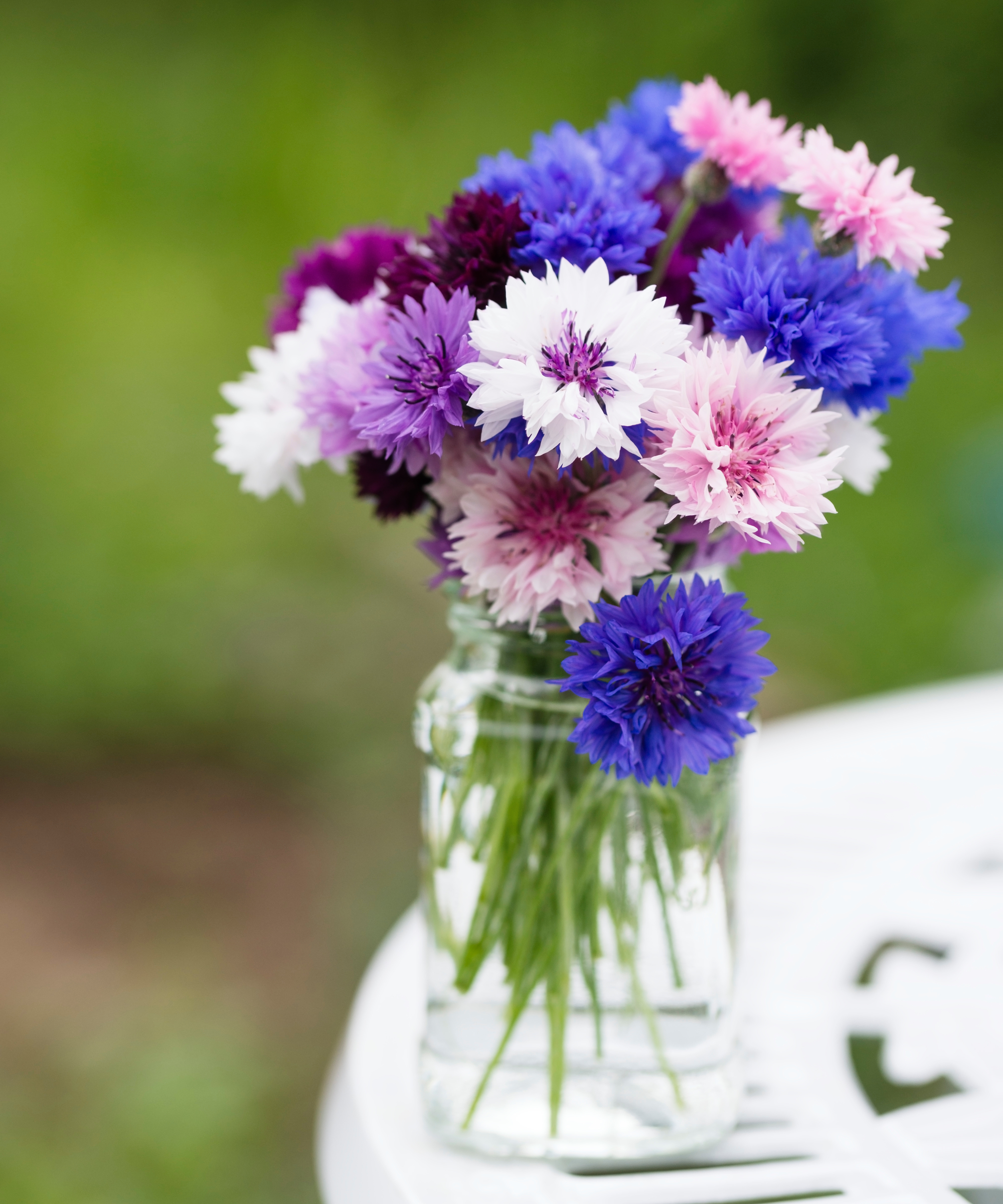
3. Bachelor’s Button
(Image credit: Getty Images)
Cornflowers are one of the easiest of all flowers to sow from a fall scattering in zones 8-10, yet you can pay an absolute fortune for the dried petals to use as herbal tea or confetti. Centaurea cyanus do prefer a little darkness to germinate well, so it’s best to quickly rake over the soil to cover them lightly.
Plain ol’ blue cornflowers, available from Amazon, are beautiful in their own right but if you like to bring flowers inside for vases, then try a tall blend of mixed color bachelor’s buttons, available from Botanical Interests. If sultry colors are more of a border fit for your garden, then ‘Black Magic’ cornflowers, also available from Botanical Interests is a tried and tested favorite.
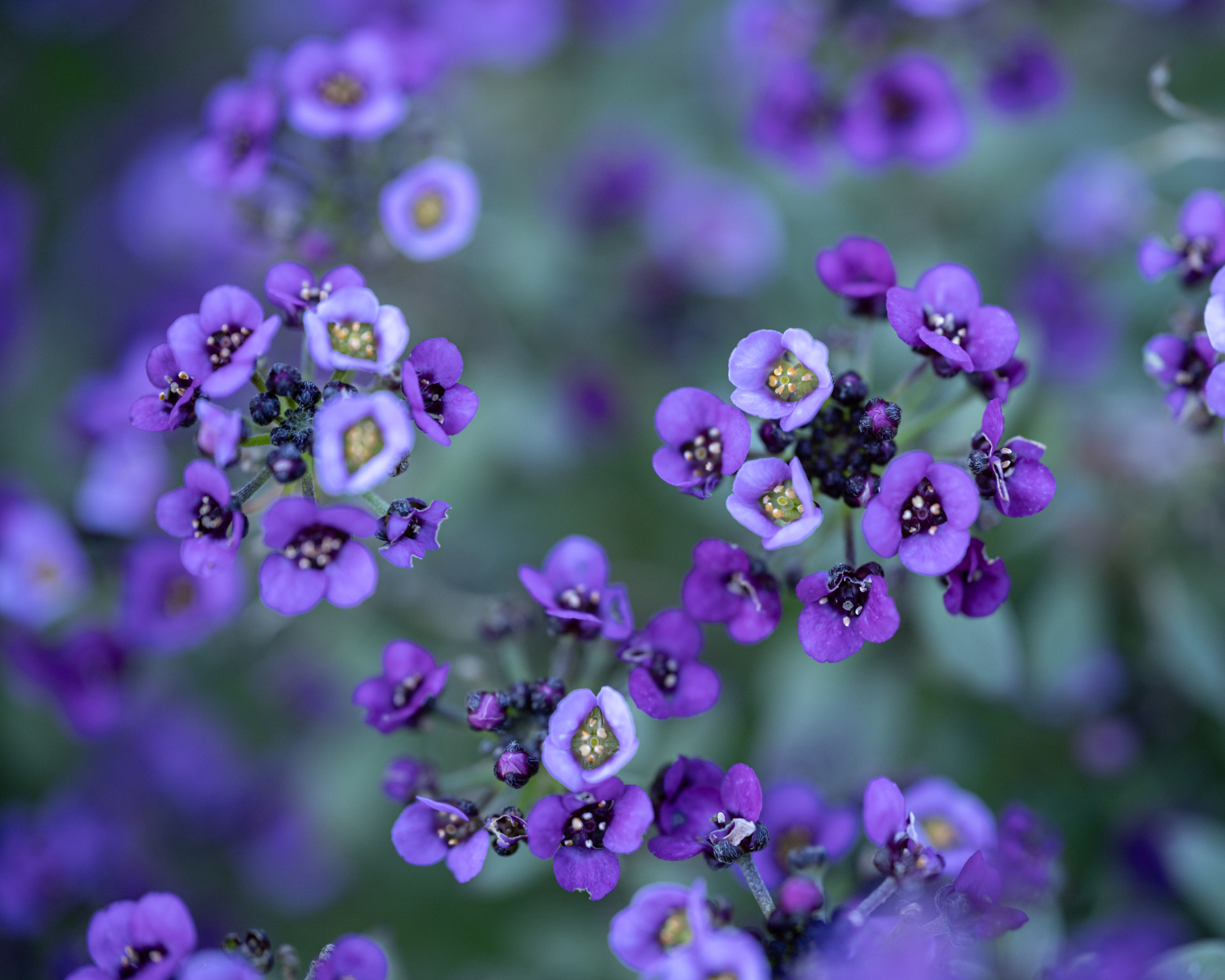
4. Sweet Alyssum
(Image credit: Getty Images)
Steal a trick from cottage-gardeners and scatter Lobularia maritima seeds in fall in zones 7-11, and a fragrant low carpet of flowers will magically appear in spring. They're such easy flowers to grow from seed and are one of the best flowering groundcover plants, so it's a wonder this quick fall task isn't standard practice in all gardens! Sweet alyssum seeds need light to germinate and young plants cope with repeated light frosts, overwintering as small rosettes, ready to bloom weeks ahead of spring-sown seeds. The sweet honey-like perfume of the flowers is a delightful addition to those first warm days of the year.
‘Royal Carpet’ sweet alyssum, available from Walmart, brings a tapestry of white, lilac and purple flowers, while ‘Sweet White’ sweet alyssum, available from Lowe’s, does exactly what it says on the tin.
5. Purple Coneflower
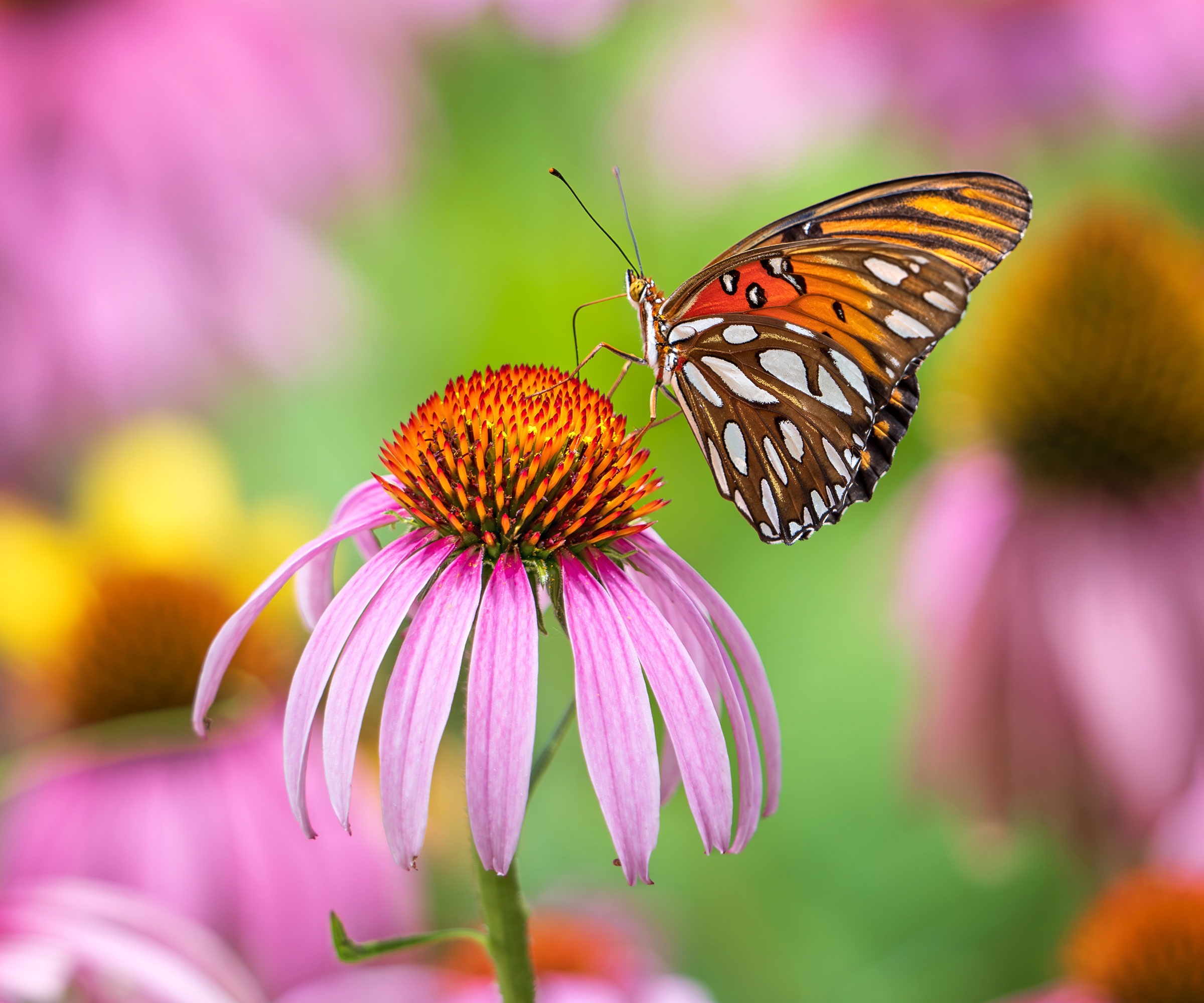
(Image credit: Leekris / Getty Images)
Echinacea purpurea are perennials that need a cold period to germinate, so grow well from a fall sowing in zones 3-9. Although purple coneflower seeds benefit from light to sprout, it’s customary to cover them with a light dusting of soil simply to deter birds from snaffling up what is one of their favorite snacks. The other alternative, of course, is just to fling plenty of seeds into your border, and seeds of this native wildflower are cheap to buy, such as this bumper pack of purple coneflower seeds from Amazon.
Wait till after the first frost before sowing in zones 3-4, to guard against premature germination in any unseasonably warm fall weather. In zones 8-9, choose a spot with excellent drainage – a raised bed is ideal – to avoid seeds rotting over winter.
6. California Poppy
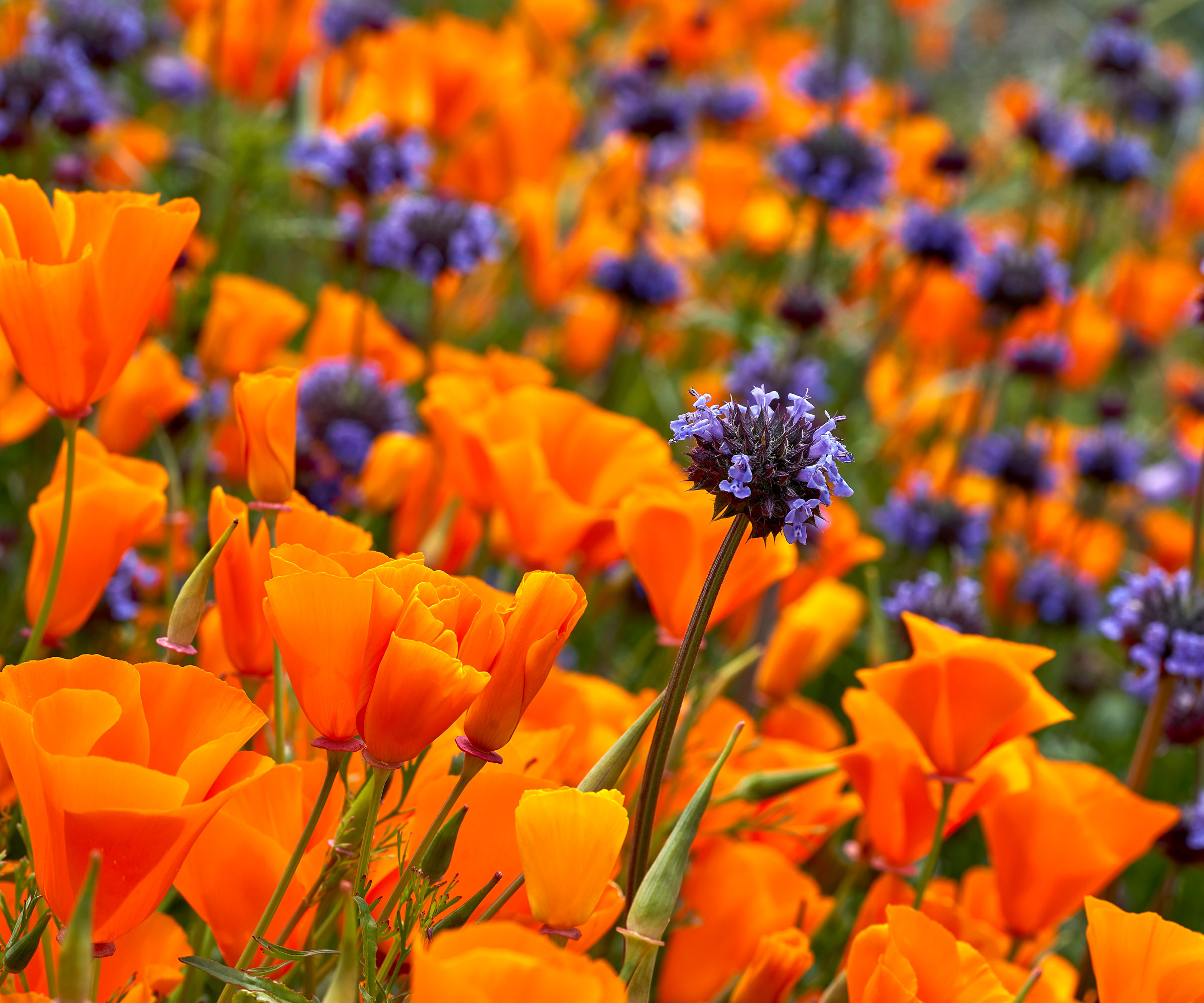
(Image credit: Jon Farmer / Getty Images)
Such is their will to live, you can simply toss the tiny seeds of Eschscholzia californica onto bare earth in zones 8-10 in fall and the seedlings will survive to bloom early next year. Choose a sunny spot to surface-sow your California poppy seeds and let fall rain do the rest.
Take a look at Eden Brothers’ California poppy range for inspiration. As well as the classic orange of California’s state flower, there are all sorts of varieties such as Thai Silk Pink Champagne California poppy and Appleblossom Chiffon California poppy with petals as fabulous as their names suggest.
7. Bells of Ireland
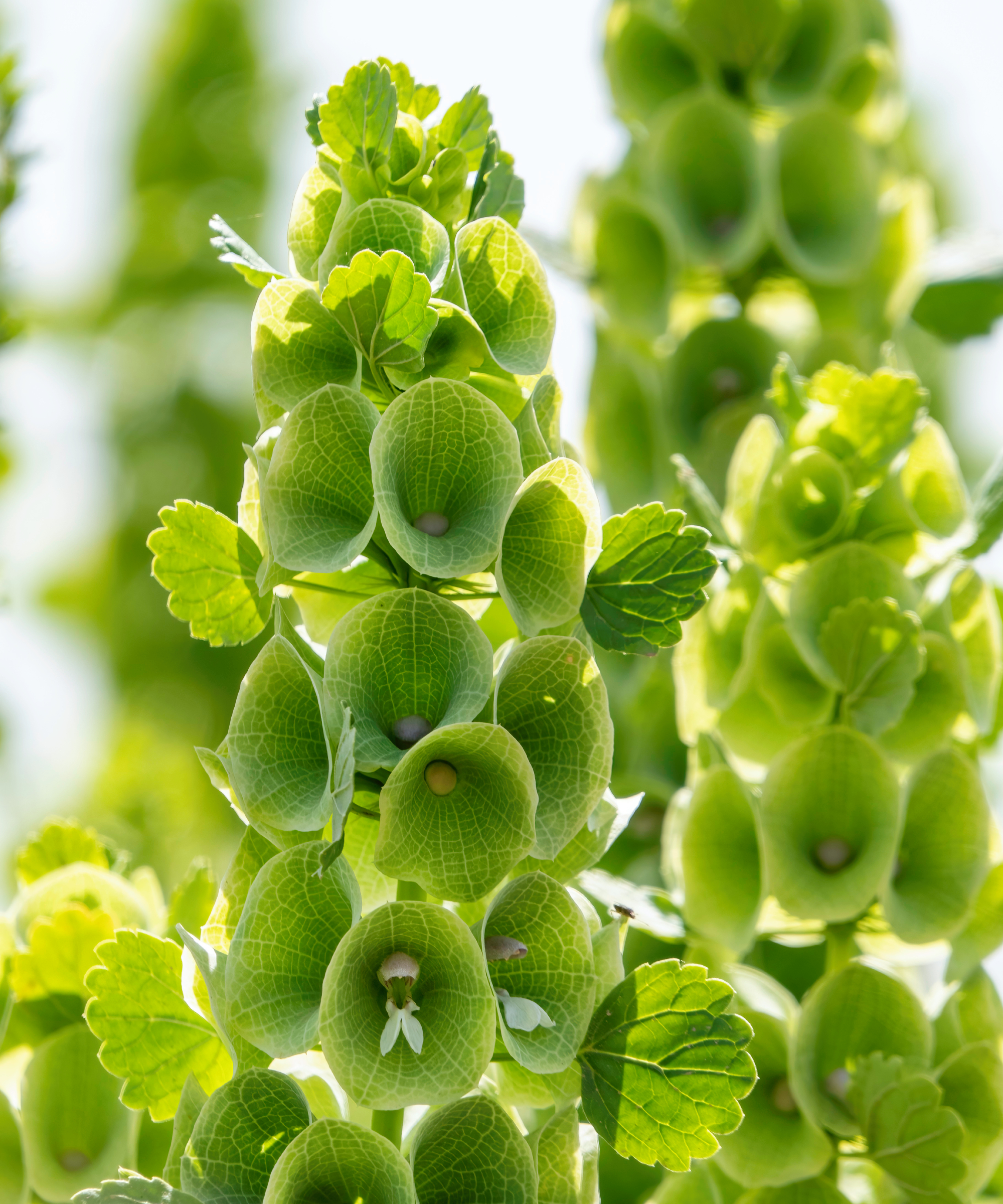
(Image credit: Getty Images)
As they need both light and a period of cold to germinate, you can steal a head start on growing Bells of Ireland (Moluccella laevis) in zones 6-9 with a fall sowing. Their tough seeds will sit dormant through the winter cold, then germinate as soon as it’s warm enough in spring. In zones 8 and warmer, go ahead and sow now; in colder zones though, wait till right after your first frost before sowing, so seeds don’t sprout prematurely.
These stately spires of flowers are a must for any garden, growing to a neat 2-3 feet tall and adding unusual texture as well as a fresh pop of green. The flowers last well in a vase so these are a fabulous addition to bouquets, if you like to grow cut flowers from seed for blooms all summer long. For a reliable fall sowing, bells of Ireland seeds are available from Eden Brothers.
8. Columbine
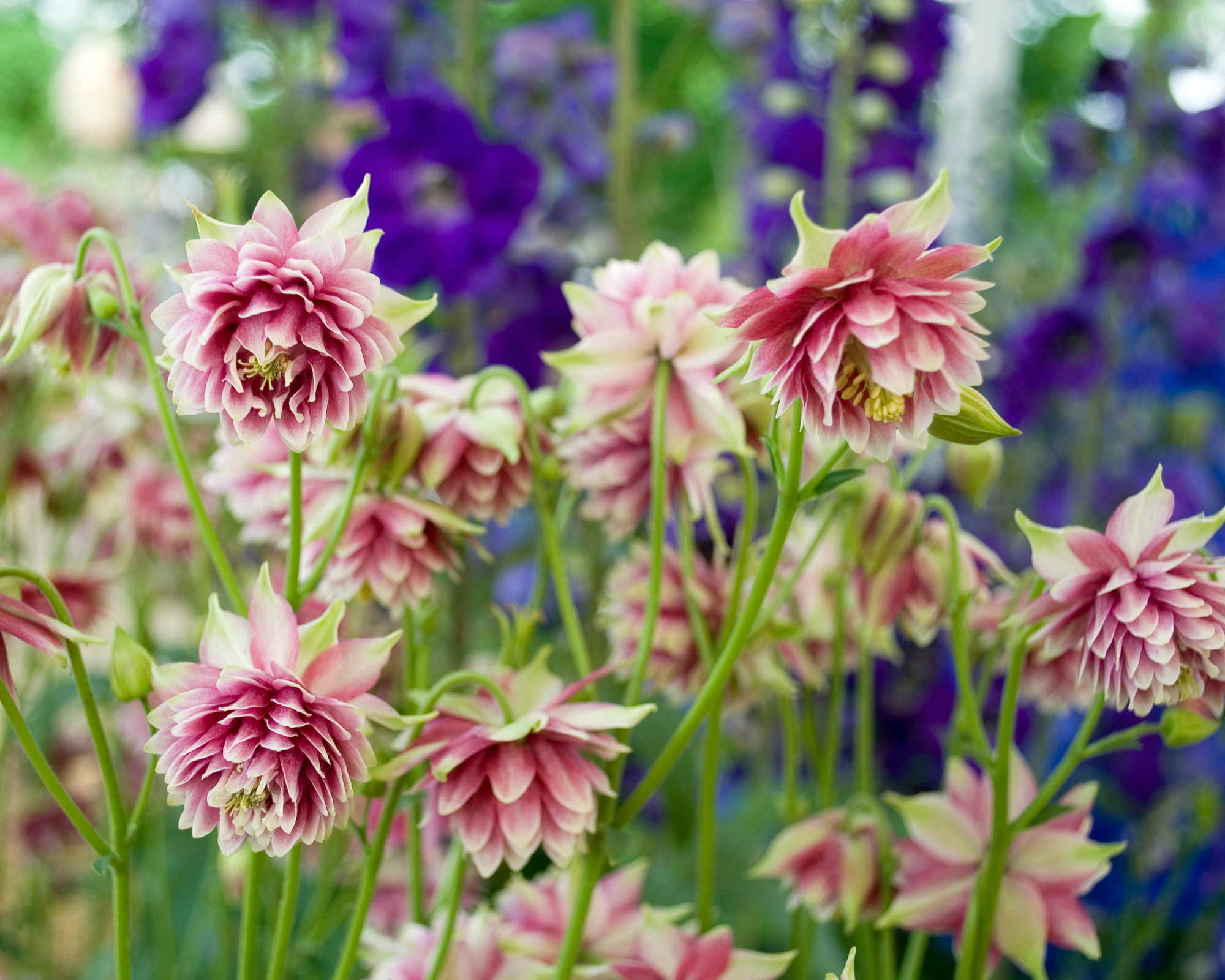
(Image credit: Shutterstock)
Aquilegia benefit from winter stratification and they need light to germinate, making them one of the best flower seeds to sow in fall in zones 3-9. These direct-sow seeds also appreciate starting life out where they will grow. You’ll need to be a little patient, however, as columbine is a perennial that spends its first year concentrating on roots and pretty foliage, but boy, is the yearly spring show of flowers after that worth the wait. Fling and forget columbine seeds this October and be surprised by the flurry of cottage-garden blooms in their second year.
There’s a huge range of columbines to choose from, from the dainty blue Aquilegia caerulea, available from Amazon, to the mighty Aquilegia cultorum columbines, stocked by Botanical Interests, bred for their large flowers and color variety. In zones 8-9 with mild winters, toss the seed packet in your fridge for a couple of weeks before sowing, to make sure they get the cold they need to sprout.
Tips for a Successful Fall Sowing
All these seeds naturally self-seed so all you need do is mimic nature and plants will grow well from a fall sowing with minimum intervention. A few simple prep steps, however, will help to ensure good germination.
- If you can, rake the soil before sowing to break up any clumps and form a fine ‘tilth’. This ensures seeds have good contact with the soil and makes it easy for young roots to penetrate the ground.
- Water the soil before sowing if it hasn’t rained recently. Sowing onto moist soil means there’s no need to water straight after sowing, which can wash small seeds away.
- Read the sowing instructions on the seed packet carefully to see exactly how much light the seeds need to germinate. All these seeds will germinate from a surface sowing but some will benefit from being lightly raked into the soil.
- Some seed is so tiny that it’s very hard to see where you’ve sown. Mix seed with fine sand first, so you can see where it's landed so spread it more evenly.
(Image credit: Getty Images)
There's no easier or cheaper way to fill borders with blooms than to scatter these seeds in fall, then look forward to flowers popping up here, there and everywhere. Once you've got these self-reliant beauties growing in your yard, you can easily collect seeds to distribute around your garden for yet more blooms, too.
Add in flower seeds to fling and forget in spring and you have yourself a garden full of flowers that practically grow themselves.















 English (US) ·
  French (CA) ·