

I like to think of pruning plants as giving them cute haircuts, but this garden task is so much more than a cosmetic adjustment. Pruning is an essential step to keep landscape plants healthy and vital – and timing is a key element. Trimming plants and trees at the wrong time can be far worse than not pruning at all.
The complication here is that there is no one good time for pruning all the plants in your garden. Different plants have different schedules. There are some plants to prune in October, but there are other plants that should definitely not be pruned this month. Knowing which ones are which will help you get your October fall pruning chores accomplished properly.
So what plants should you never prune in October? Here are the landscape favorites to leave alone this month or else you risk ruing your winter display and next year's blooms.
Never Prune These Plants in October
Any time a shrub has a broken or diseased branch it's good to cut back that dead or damaged wood. But otherwise, keep your hand pruners far from these landscape plants in October. This is not a good time for regular pruning of these species.
1. Lilac
(Image credit: Shedu / Getty Images)
Swipe to scroll horizontally
Botanical Name |
Syringa vulgaris |
Hardiness |
Zones 3-7 |
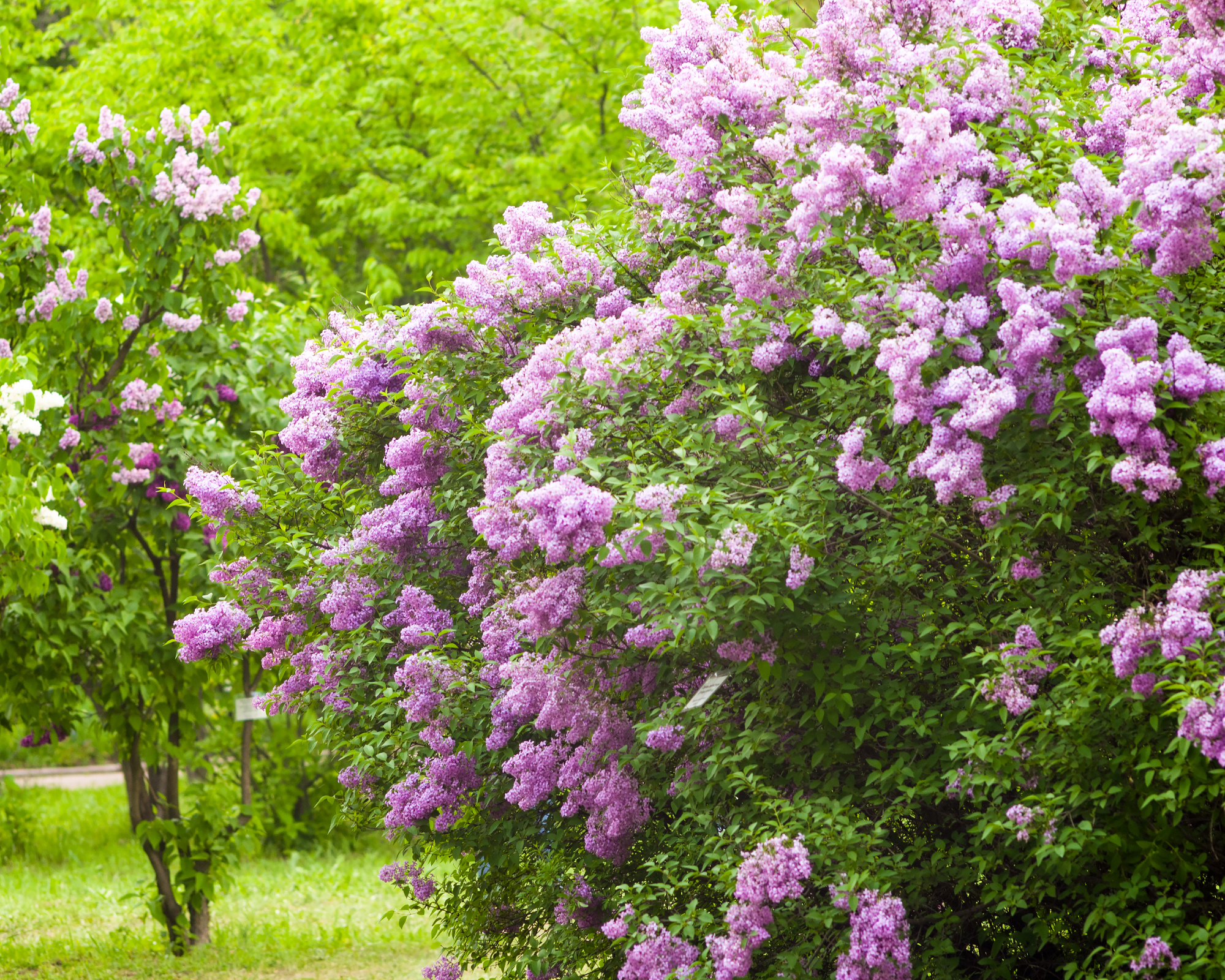
With their gorgeous, heavily fragranced blossoms, lilacs seem like they might need trips to the plant spa every few weeks. But no, they are among the most carefree of flowering shrubs. Planted in a sunny area in well-draining soil, they will delight you with lavender, pink, or white blossoms from spring to summer.
Do not even consider giving these garden favorites a haircut in October. Lilacs set buds for the next year’s flowers right after they finish blooming in early summer. The moment to do structural pruning of lilacs is immediately after they finish flowering, usually around June. Every snip in October removes one or more of these new buds, meaning fewer flowers in spring.
But that’s not all. Keep in mind that pruning encourages new growth. New growth that appears in late fall will still be tender when the first freeze arrives, leading to winter dieback. Fresh pruning cuts on wet autumn days lead to risks of fungal infections and rot.
2. Forsythia
(Image credit: Hrabar / Getty Images)
Swipe to scroll horizontally
Botanical Name |
Forsythia spp. |
Hardiness |
Zones 5-8 |
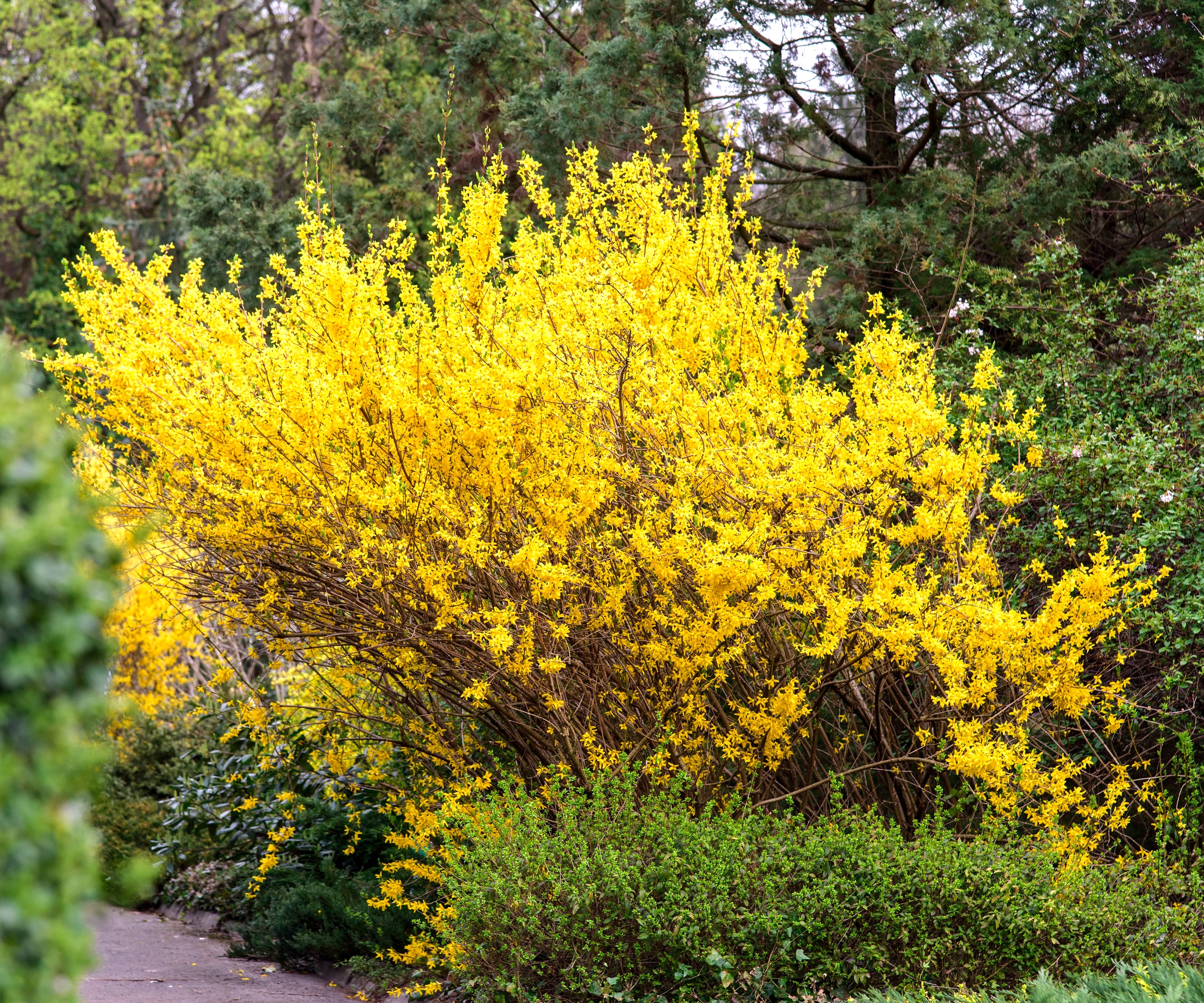
Yes, red-breasted robins are harbingers of spring, but they are not alone in this role. One sure sign that spring has sprung is the appearance of brilliant yellow forsythia blossoms, which are often the first flowers to appear. Like most spring flowers, forsythia shrubs bloom on old wood, forming buds for the following year’s blossoms just after the current flowers have faded.
While forsythias profit from annual pruning, this should happen immediately after flowering. Pruning forsythias then makes the shrubs healthier and more vigorous. However, pruning these garden workhorses in October (or any time from midsummer to winter) will drastically reduce their blossoms the next spring. In addition, tender new growth may freeze, stressing the shrub.
3. Pink Muhly Grass
(Image credit: inho Lee / Getty Images)
Swipe to scroll horizontally
Botanical Name |
Muhlenbergia capillaris |
Hardiness |
Zones 6-10 |
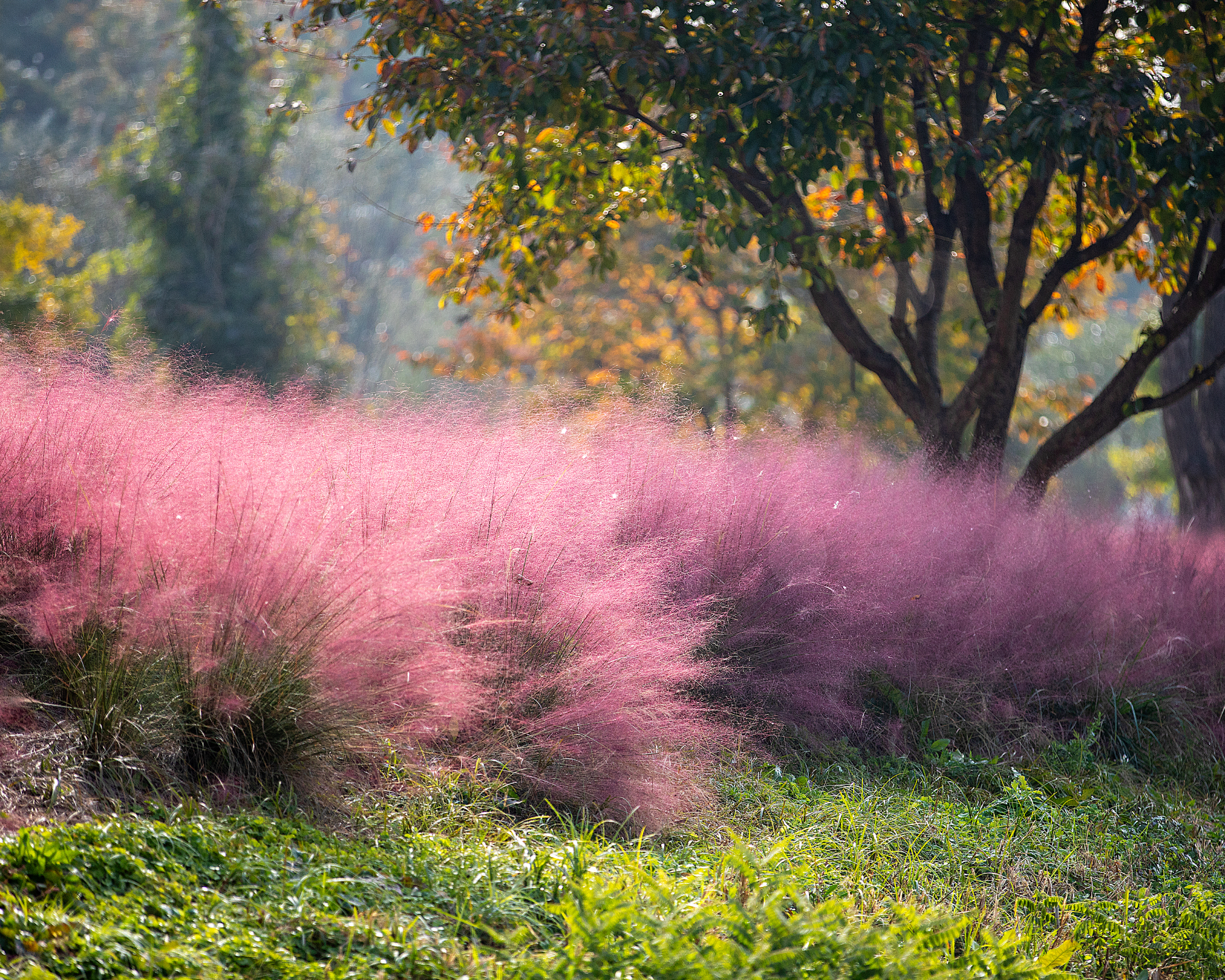
There are many appealing ornamental grasses out there in commerce and pink muhly grass is among the most popular for landscaping. It catches the eye with its unreal autumn display. Come September, this graceful grass lights up the landscape with massive, cloud-like airy pink seed heads.
Stunning and low-maintenance, pink muhly grass prefers a site with partial sun and dry, well-drained soil. It resists pests, deer, and drought. Pruning in October is really out of the question, since this is when its standing foliage and plumes provide the most spectacular show.
The texture, color, and movement last right into the cold months, offering food and cover for wildlife. The grass’s top growth also protects the crown of the grass from cold temperatures and blocks moisture from pooling.
4. Azalea
(Image credit: krblokhin / Getty Images)
Swipe to scroll horizontally
Botanical Name |
Rhododendron spp. |
Hardiness |
Zones 3-9 (depending on variety) |
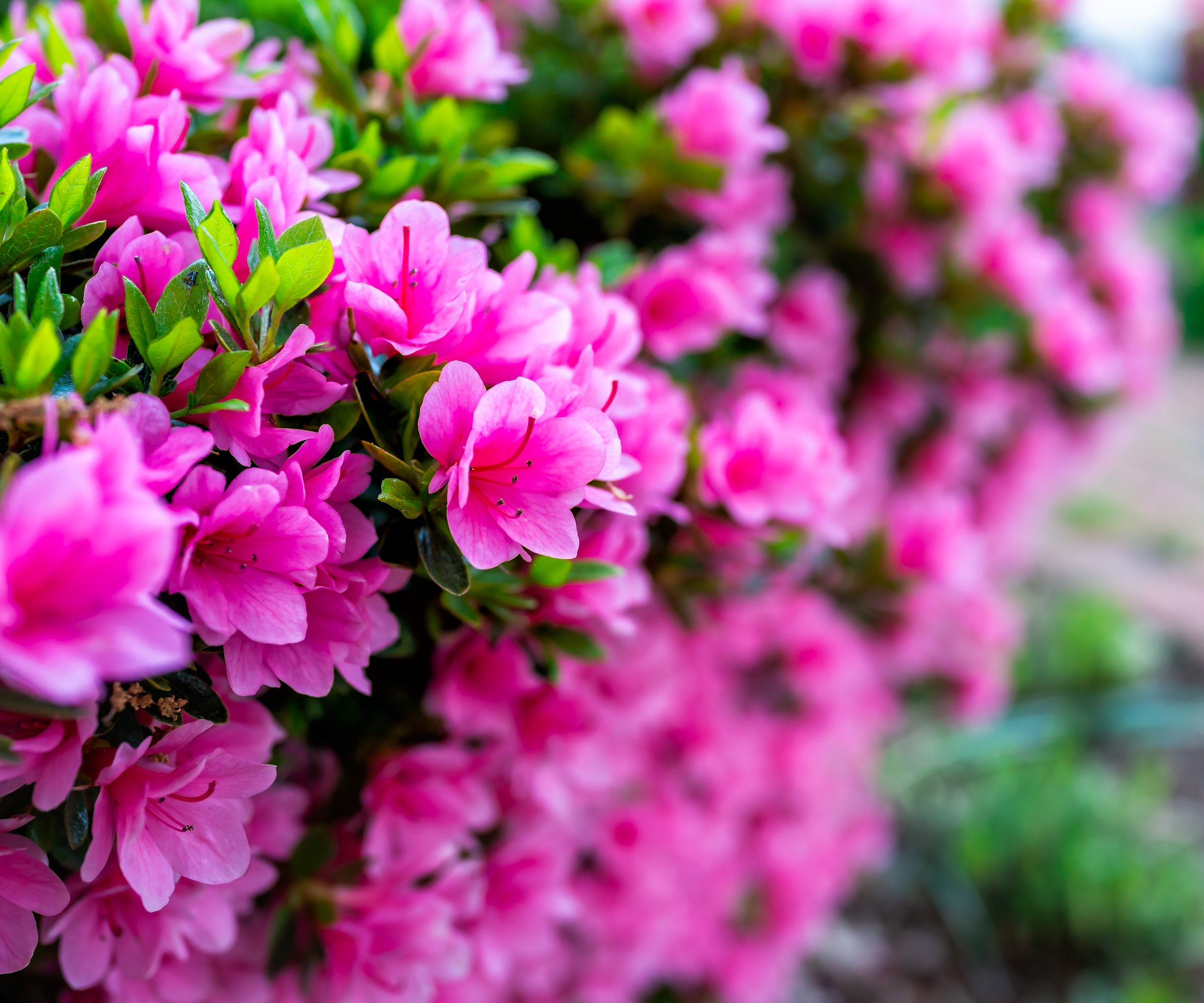
Azaleas are immensely popular flowering shrubs that produce brilliant clusters of trumpet-shaped flowers in spring. The lush blossom display on these mounding shrubs seems to float into the garden like a cloud. While some azaleas don’t need any pruning, other azalea varieties require trimming to improve airflow.
If your azaleas need pruning, hop to it right after the spring blooms fade. By October, the buds have set and pruning will simply be cutting off next spring’s blossoms before they have a chance to appear. Fall pruning also boosts tender new growth that will not have a chance to harden off before the first frost.
5. 'Emerald Green' Arborvitae
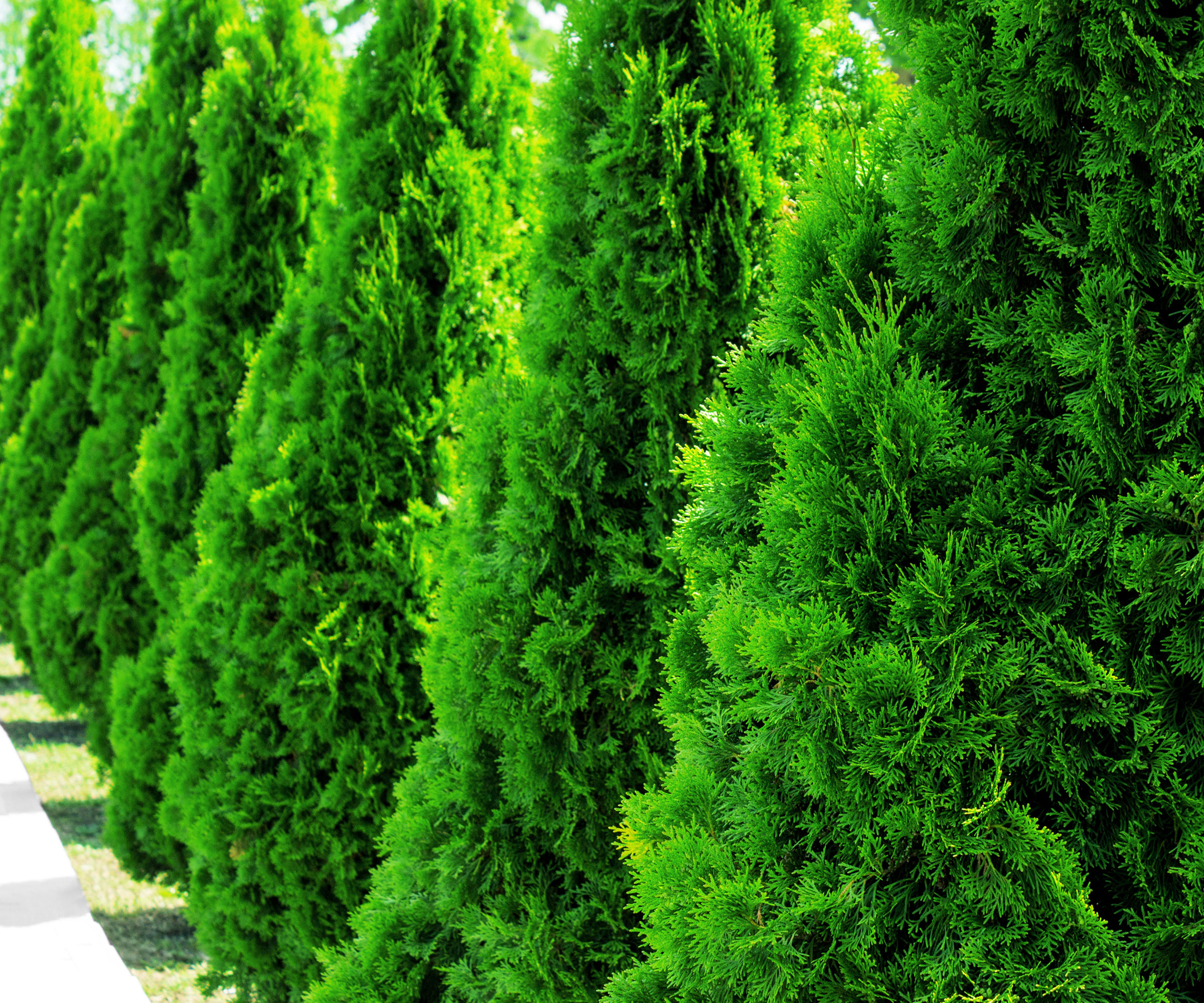
(Image credit: Mykola Sosiukin / Getty Images)
Swipe to scroll horizontally
Botanical Name |
Thuja occidentalis 'Smaragd' |
Hardiness |
Zones 3-7 |
When homeowners think about putting in a privacy hedge, arborvitae is one landscape shrub that comes to mind. 'Emerald Green' arborvitae is one of the most popular. It's a classic evergreen with a naturally narrow shape. That means it works well for lining a property edge or creating a backdrop for flowering shrubs. The attractive green foliage stays dense and attractive all year round.
This easy care shrub doesn’t need much pruning. But if you want to tidy up your arborvitae, do so in late spring or early summer. This is the time to touch up the shape and keep it looking tidy.
Pruning in fall leaves wounds making the plant susceptible to fungal diseases during the wet season. It also stimulates growth at the wrong time. The soft new growth does not have time to toughen up before winter freezes. Not only can these stems be damaged by ice, causing bare spots, but they can snap easily under heavy winter snow or ice loads.
Pruning Essentials
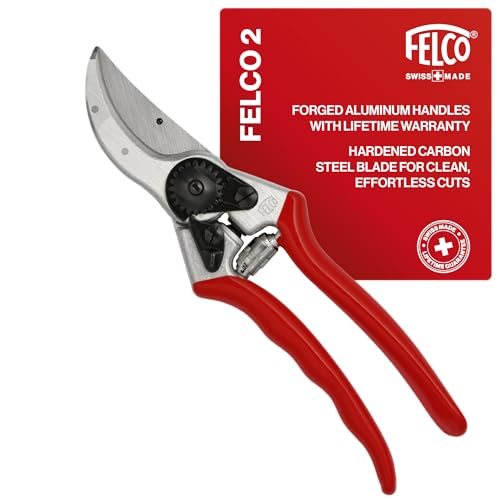
For the plants that do need pruning in fall, make sure you're well-equipped with the essentials before making the cut.
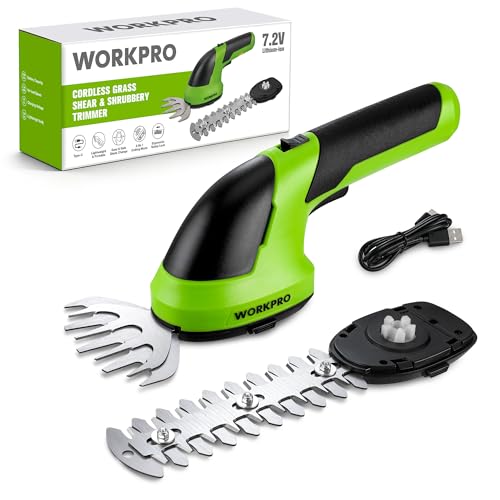
Workpro 7.2v Cordless Grass Shear & Shrubbery Trimmer
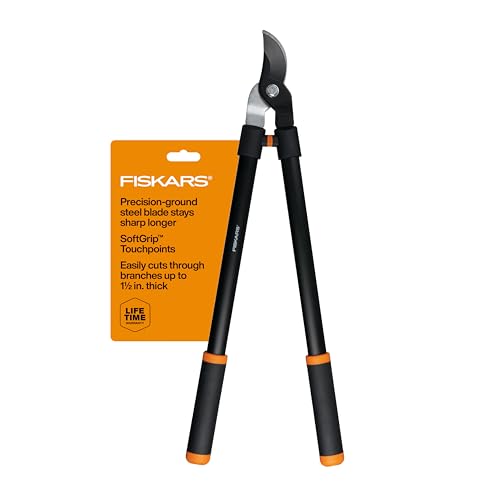
Fiskars 28” Garden Bypass Loppers
Content Editor Laura loves these affordable loppers for pruning larger shrubs and smaller tree branches.

















 English (US) ·
  French (CA) ·