

Both April showers and May flowers are behind us as summer rolls on in. June leads the party, and it’s the mildest of the summer months. But that doesn’t mean that the grass doesn’t need mowing!
By June, the temperature is higher, daylight hours are longer, and grass growth is stronger. That combination means that lawn care in June includes mowing but that’s not all. Lawns in June also need grub/insect control, fungicide, weed control, and water.
1. Mow, and Raise the Mow Height
(Image credit: Raquel Lonas / Getty Images)
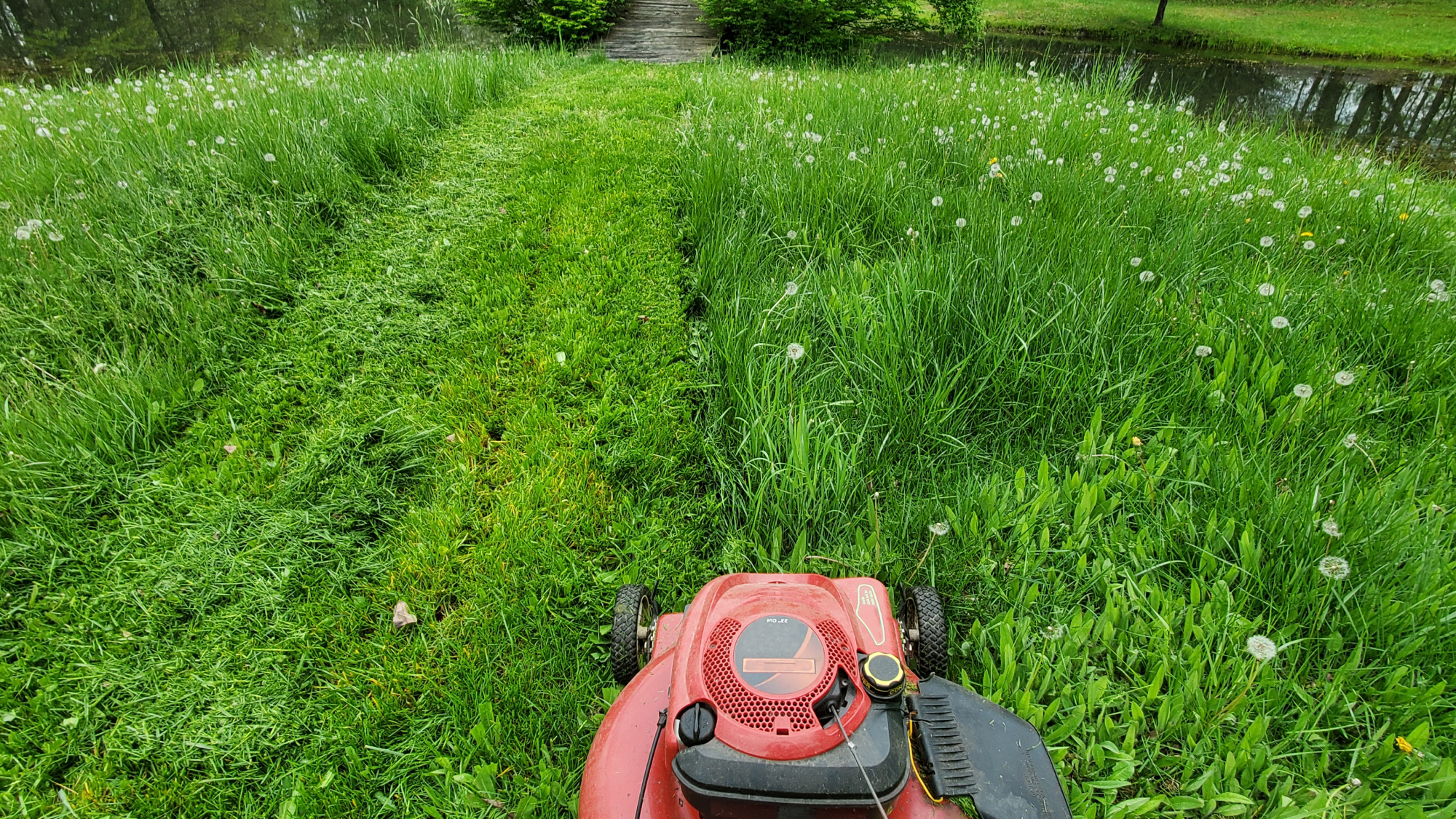
Mowing isn’t just for neatniks. It’s an important habit to build a healthy lawn. It promotes healthy grass growth, keeps down weeds, and recycles nutrients back into the soil. Mowing in June is especially important since the grass is growing faster. Sharpen the blades for cleaner cuts.
Mow the grass in the early morning or late afternoon. It stresses the grass to mow in the heat of the day. Raise the mower blades in June to around 3.5 inches (9cm) in June in order to provide shade for the soil and hold in water to provide the roots with more reserves against summer weather.
Mow once or even twice a week and leave the clippings on the lawn. Never take off more than one-third of the grass in one mow.
Lawn Care Essentials
2. Water Well But Infrequently
(Image credit: BanksPhotos / Getty Images)
Summer is hotter and drier than spring, so, in June, lawn irrigation practices have to change. Reduce evaporation in June by watering early in the morning.
The idea is to water deeply but infrequently to “train” the roots to grow deep into the soil. The ideal amount of water for a June lawn is 1-1.5 inches (2.5-4cm) of water every week, from rainfall and irrigation combined. Buy a rain gauge like this one from Amazon to figure out water application.
3. Add Fertilizer or Compost
(Image credit: Getty Images)
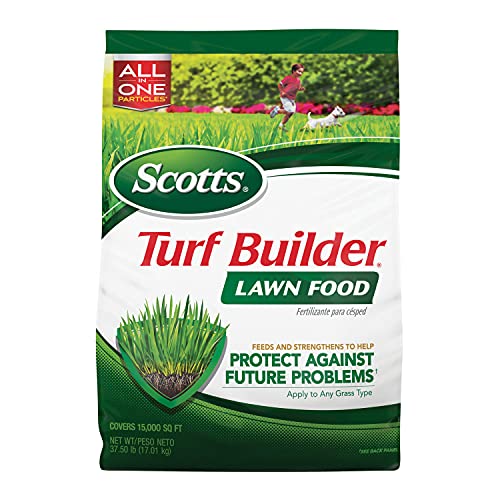
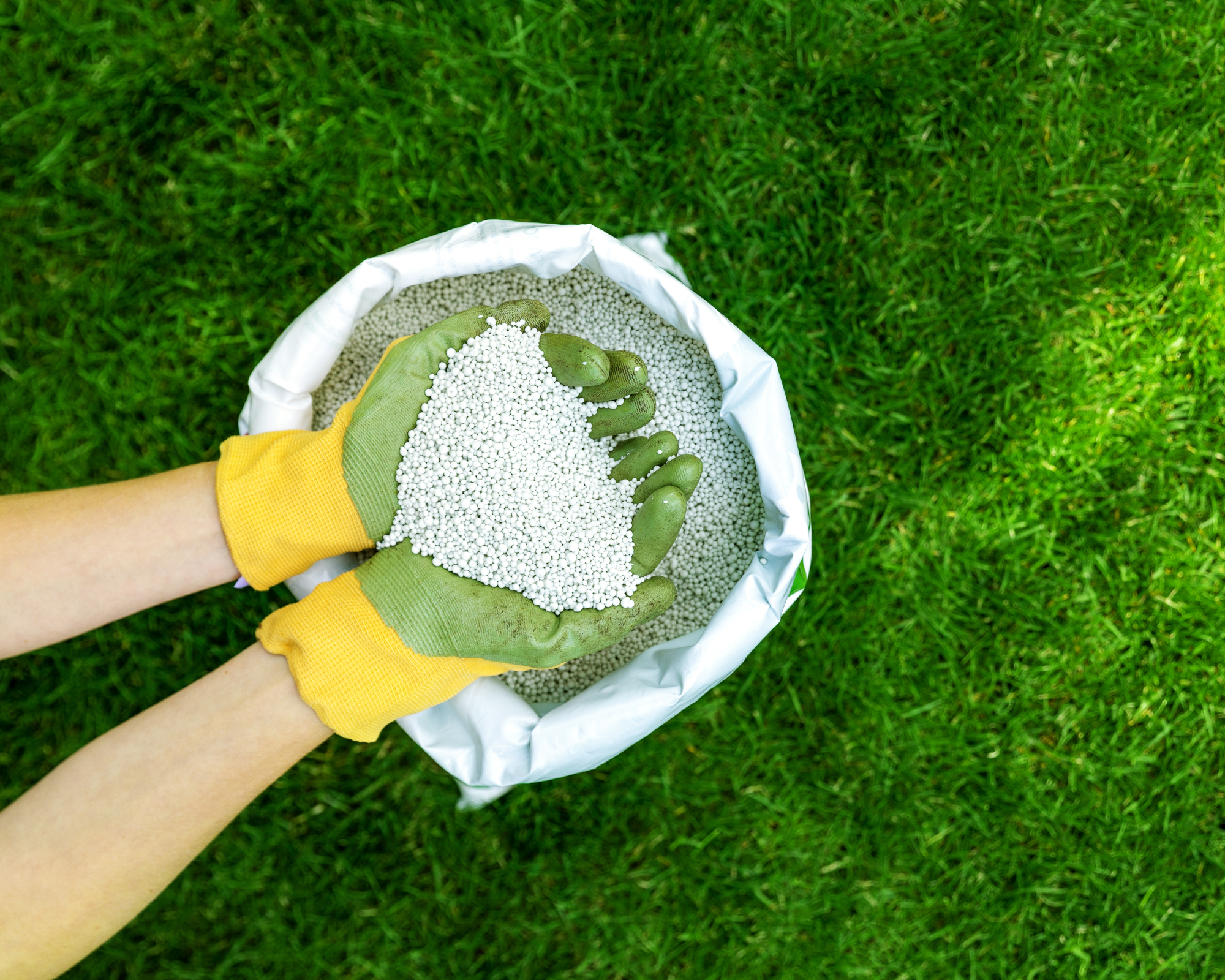
As your lawn starts gearing up in June for summer growth, getting nutrients to the grass roots becomes important. Fertilizing a lawn properly can make a big difference. You want to pick a balanced slow-release fertilizer and go a little light on the application. Too much fertilizer can burn the grass, especially with summer heat coming on.
If you're growing warm-season grass, June is also a great time to apply a layer of organic compost to improve soil health and microbial activity.You want to do a smooth, even layer of compost will give your lawn all the benefits without creating clumps or bare spots. You can use a push compost spreader, a handheld compost spreader or a tow-behind spreader. Once that's done, lightly water the area. Expect to see that your lawn turns a richer, deeper color of green in a couple of weeks.
4. Fight Fungal Disease
(Image credit: elenaleonova / Getty Images)
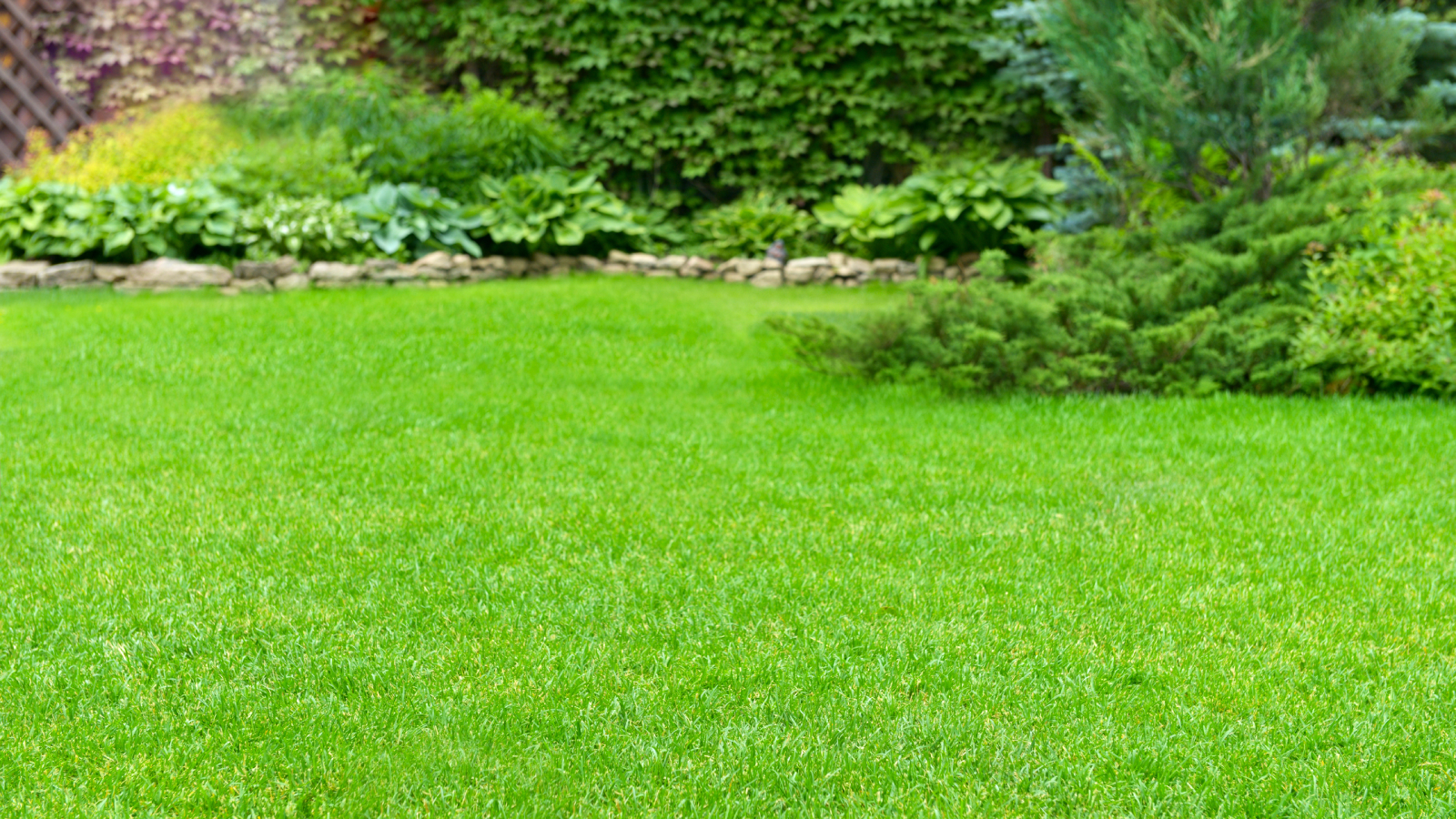
With warmer nights and humidity, June is a month that fungal diseases appear in your lawn. Start by monitoring the grass and looking for brown patches, dollar spots or red thread.
Do everything you can to prevent fungal issues from appearing. Watering early in the morning is a good step because the grass will be dried by midday. Never water in the evening. Keep the June mowing height at the high end and the June fertilizer at the low end of the range. Be sure you mow with sharp blades.
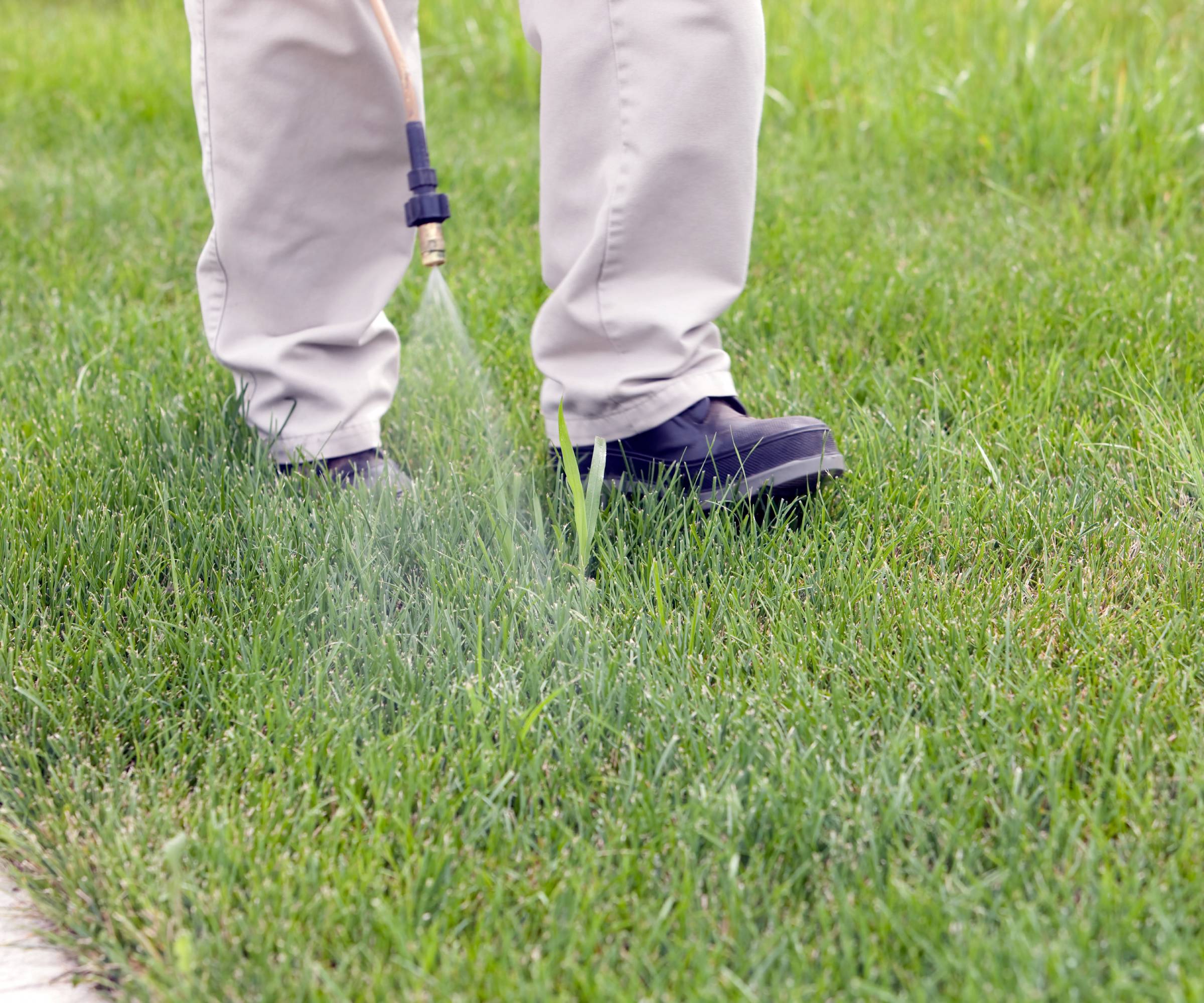
If, despite using all of the preventative cultural practices, you note fungal issues in your lawn, you may need to apply a fungicide. Spot-treat fungal lawn diseases with eco-safe treatments.
5. Control Weeds
(Image credit: Getty Images)
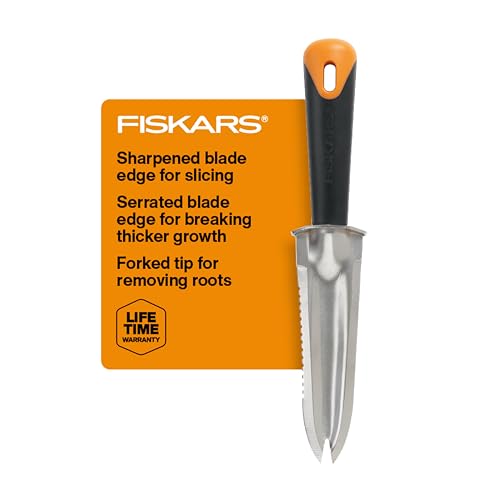
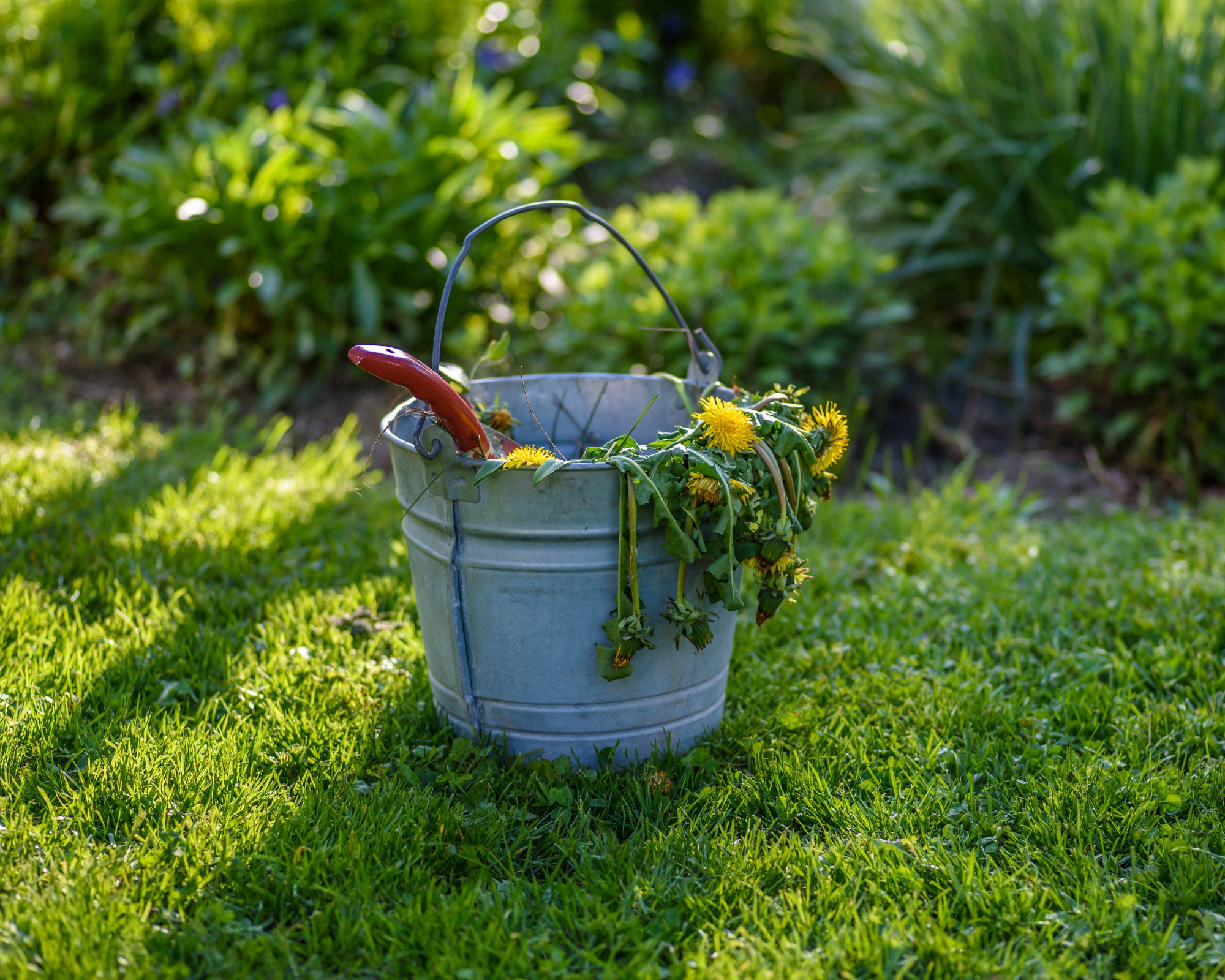
First, don’t overreact. A few dandelions shouldn’t send you to the garden store for pesticides. Each gardener will have to figure out their own tolerance level. Once the unwanted plants growing in your lawn reach that level, it is time to take action. It’s still not the time for pesticides. The best way to deal with weeds is by hand weeding. Use a weeding knife to take out as much of the root base as possible. If that leaves holes in the lawn, add a bit of soil and a little grass seed.
But well before that point, you can and should take deliberate actions to prevent lawn weeds. You’ll also need to avoid mistakes that increase weed growth. For example, don’t think you’ll do double duty when you are mowing your lawn but cutting grass short to take out the weeds as well. This weakens the grass blades and encourages additional weeds.
Mistakes to Avoid
(Image credit: Tosh Lubek / Getty Images)
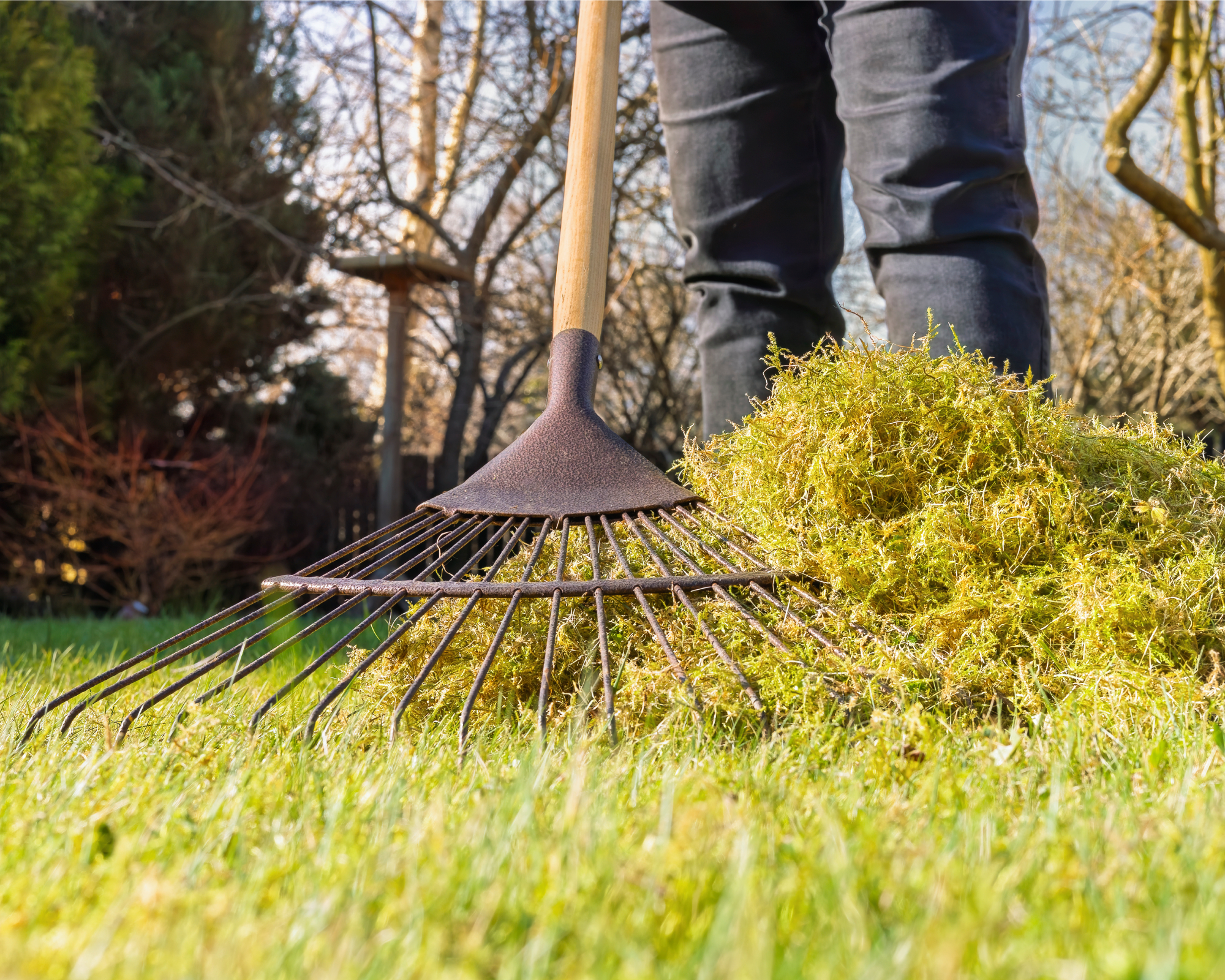
- Scarifying or overseeding - June is too hot and dry to even think about heavy scarifying. This process exposes the soil and results in loss of moisture and more weeds. Leave heavy renovation for autumn. There is more rainfall at that time and temperatures are mild.
- Short cutting before heat - Don’t fall into the notion that you should cut grass short when you know hot days are ahead. The fact is, longer grass creates shade for the grass roots, while short grass cuts raises stress and invites brown patches.
- Fertilizing dry soil - You should always wait to fertilize until the grass is wet. Fertilize after a moderate rain or water thoroughly before and after applying fertilizer.
- Light, frequent watering - If you water a bit here, a bit there, you are doing it wrong. This wastes your water and doesn’t teach your grass roots to dive deeper into the soil. Instead, it trains shallow roots. Instead, you need to water deeply and infrequently. .
- Allowing foot traffic patterns - If you, your kids or your pets regularly use a particular part of the lawn, it will get worn down, the soil will be compacted, and the grass will become sparse. Move activity so that the worn area has a chance to heal.



















 English (US) ·
  French (CA) ·