

One summer I decided to grow tomatoes in a big way – not two bushes, but two dozen. It was a particularly hot summer here in France, and the tomatoes did really well. But were they ever thirsty! Irrigation was a daily duty, sometimes twice a day. I would sometimes wake up in the middle of the night, dreaming that they were calling out for water.
Since then, I have learned to appreciate the magic of tough, drought-tolerant plants. You plant them and water the young plants frequently until they establish. Then, they toughen up and let you go about your life.
These five, gorgeous, easy-care perennial plants are staples in my garden, but would serve well for anyone with dry corners of the garden.
Best Drought-Tolerant Perennials for Dry Corners
Don’t let the description scare you off. These five plants are not bony bushes with small, dull flowers. These six perennials put on some of the best bloom-time shows in the garden. But they ask for much help once their root system is established.
Sure, they’ll appreciate the occasional drink, but if you forget, or go off somewhere for a few months, they’ll do just fine with whatever rain comes their way.
1. English Lavender
(Image credit: mammuth / Getty Images)
Swipe to scroll horizontally
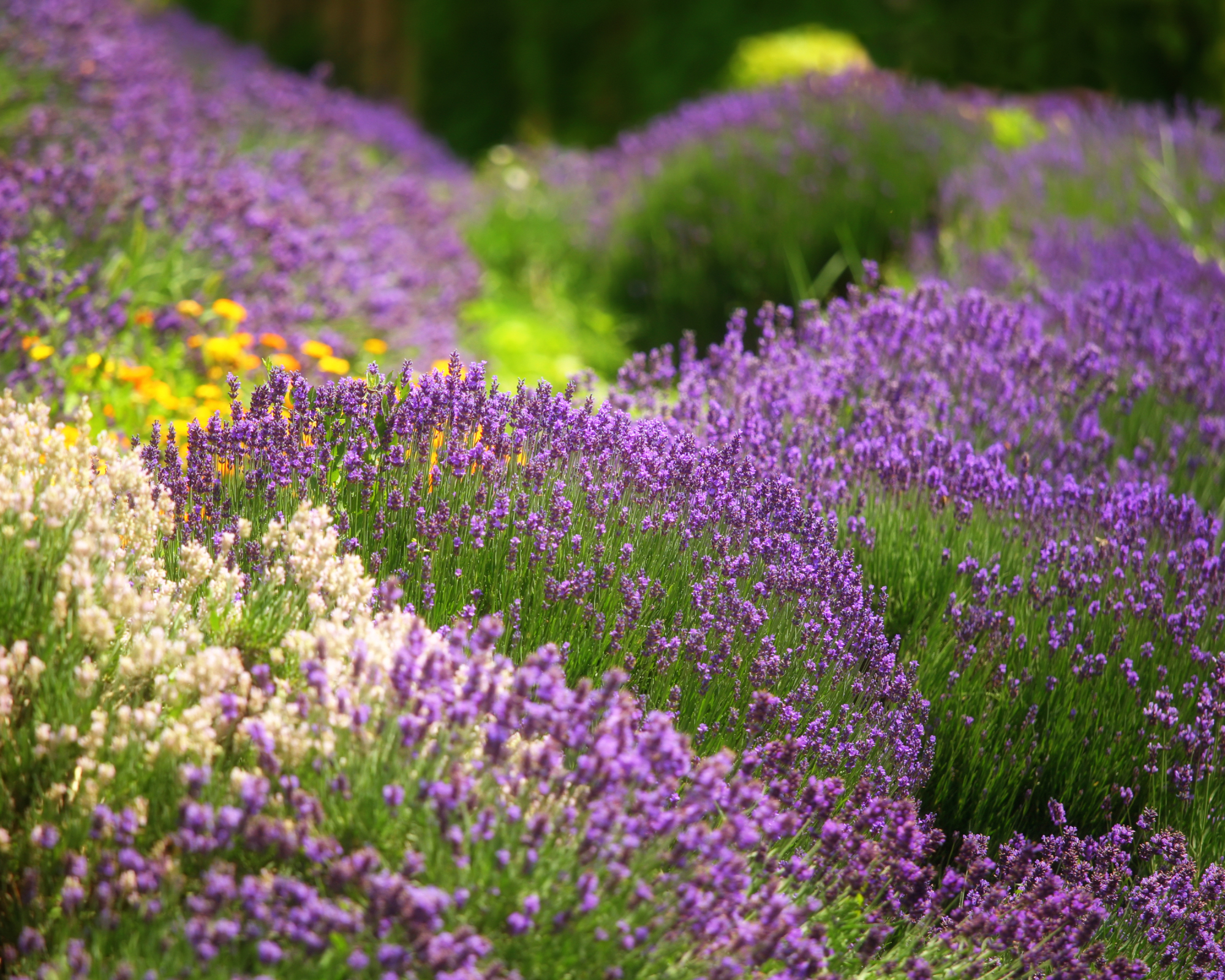
In my view, English lavenders, like 'Munstead', have it all. Their brilliant purple flowers top gray-green foliage, creating a gorgeous flowering plant that looks like an airy shrub. Flowers appear in summer and last for months, filling the garden corner with its recognizable fragrance.
I’m not alone in my love for English lavender, since it is the most planted variety of lavender in the world. Give the plant a sunny location and well-draining soil – it won’t ask for more. It thrives on almost any soil, and its blooms attract pollinators – including bees and butterflies – into your garden. It’s best to buy a young plant since lavender is difficult to grow from seeds, and you’ll need to water it every week for the first few months. Once it’s established, a drink every month is usually enough. Find 1-quart pots of 'Munstead' English lavender from Jackson & Perkins and get ready for easy care and fabulous fragrance.
2. Hummingbird Mint
(Image credit: David Herman / 500px / Getty Images)
Swipe to scroll horizontally
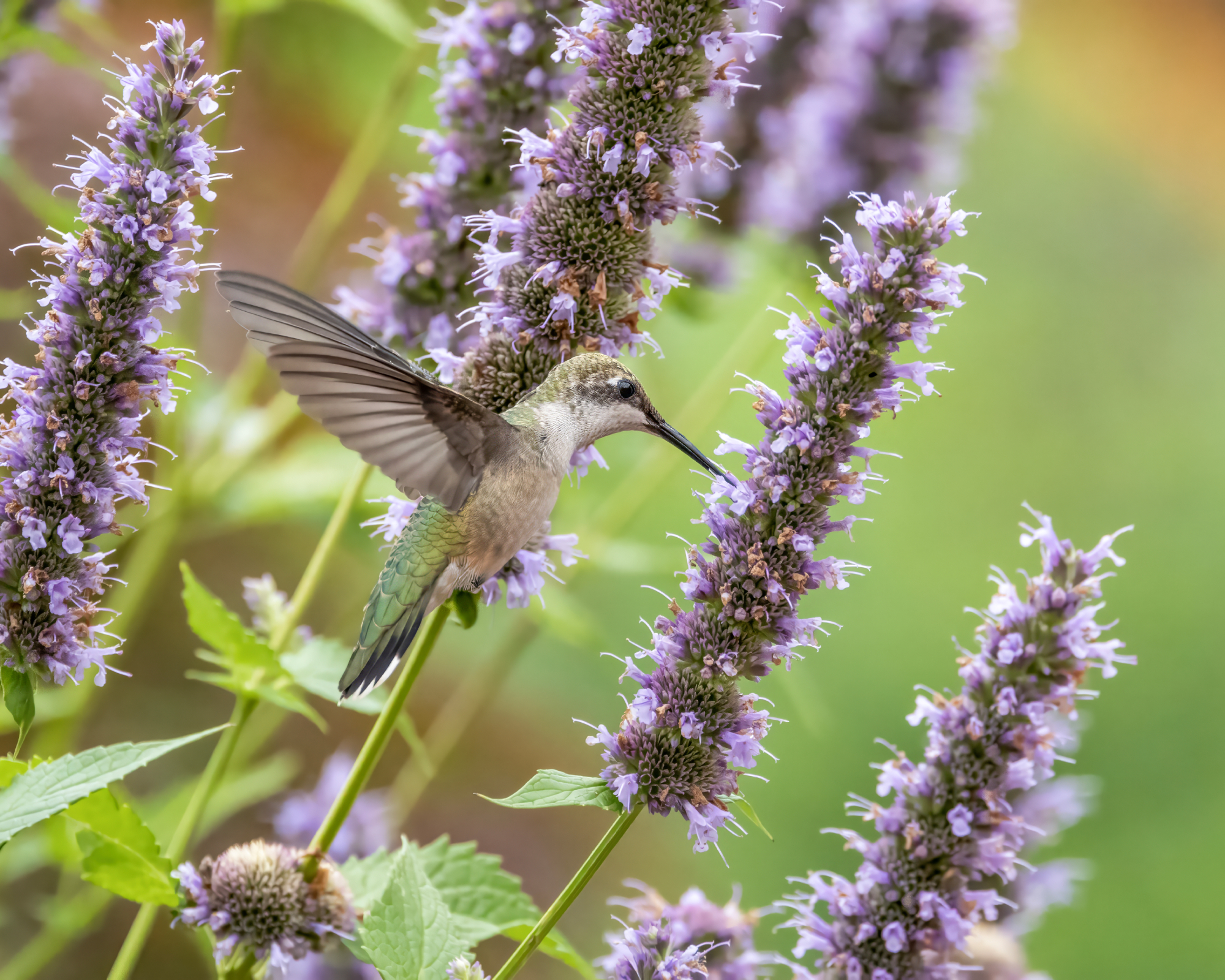
Like a great friend, hummingbird mint offers so much and requires so little. This herbaceous perennial is a variety of hyssop and a delight in the garden with its vivid blossoms in colors ranging from deep purple (my personal favorite) to blue, orange, white, red and pink. The foliage has a minty fragrance and you can even eat the leaves and flowers.
And Agastache likes who you like in the garden, that is: all pollinators. Bees, butterflies and hummingbirds flock to the flowers like pins to a magnet. But the plant is both deer-resistant and rabbit-resistant. It can grow to 5 feet (2m) tall, spread to 3 feet (1m) wide, and will keep flowering all summer long. Once an Agastache plant establishes, it needs little water, but an occasional deep watering will carry it through. 'Blue Boa' hummingbird mint plants can be purchased from Jackson & Perkins and delivered straight to your door.
3. Yarrow
(Image credit: Anna50 / Shutterstock)
Swipe to scroll horizontally
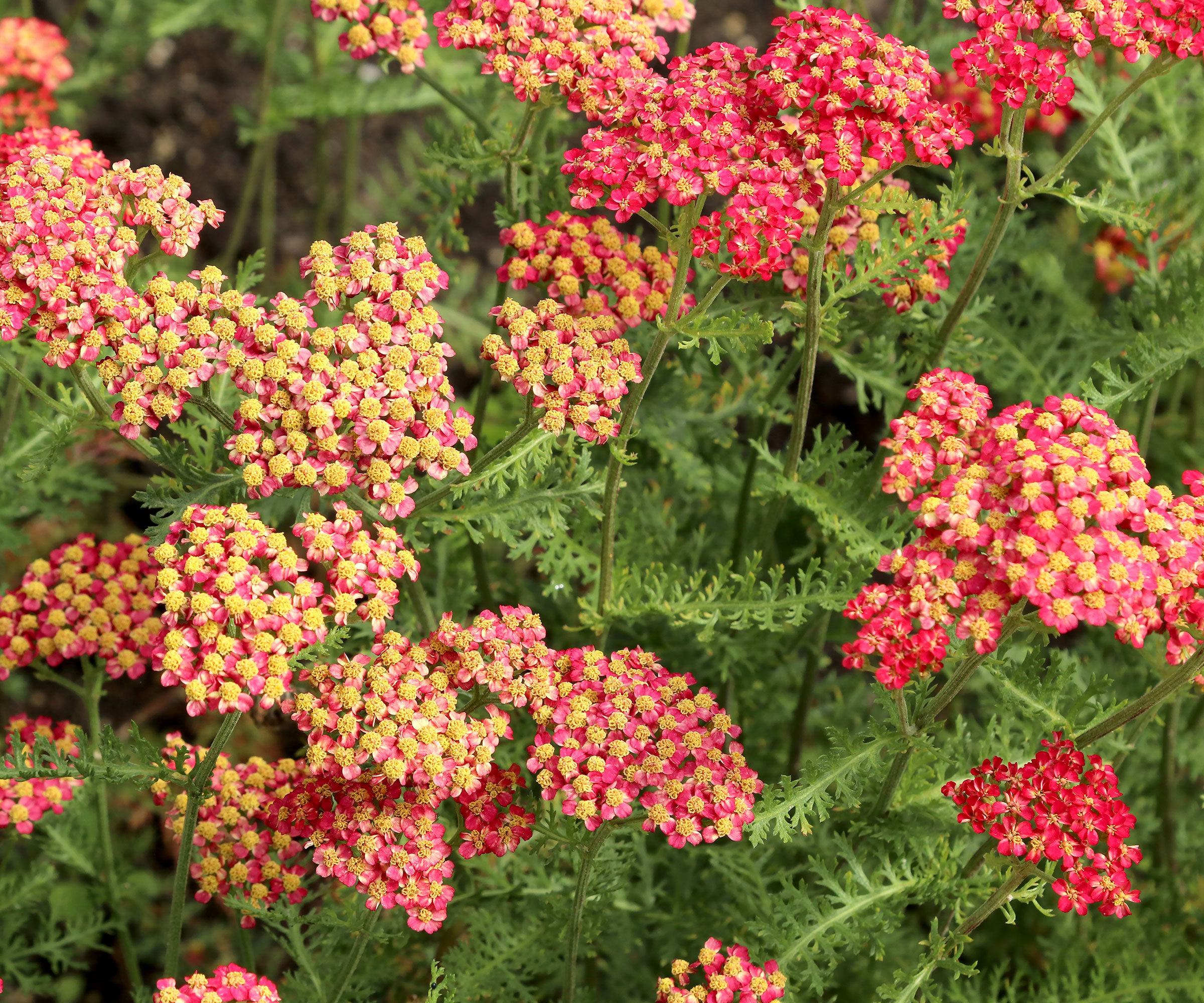
It’s funny how all these drought-tolerant perennials attract pollinators, but they seem to. Yarrow is no exception. Pollinators (including butterflies) and beneficial insects flock to the flat-topped flower clusters. In the wild, yarrow flowers are white, but I installed some cultivars that are red with yellow centers, and the all-yellow cultivars are also gorgeous. The foliage is nice too, ferny and aromatic foliage.
Plant yarrow in sunny locations. Soil should drain well. Otherwise, yarrow is not particular and will grow better in poor soil than rich. Once the plant has set up its root system, it is very drought-tolerant and entirely low-maintenance. Don’t use fertilizer; it doesn’t need it. All in all, yarrow is a top choice for sustainable landscapes. Find yarrow from Bell Nursery at the Home Depot.
4. Tickseed
(Image credit: Getty Images)
Swipe to scroll horizontally
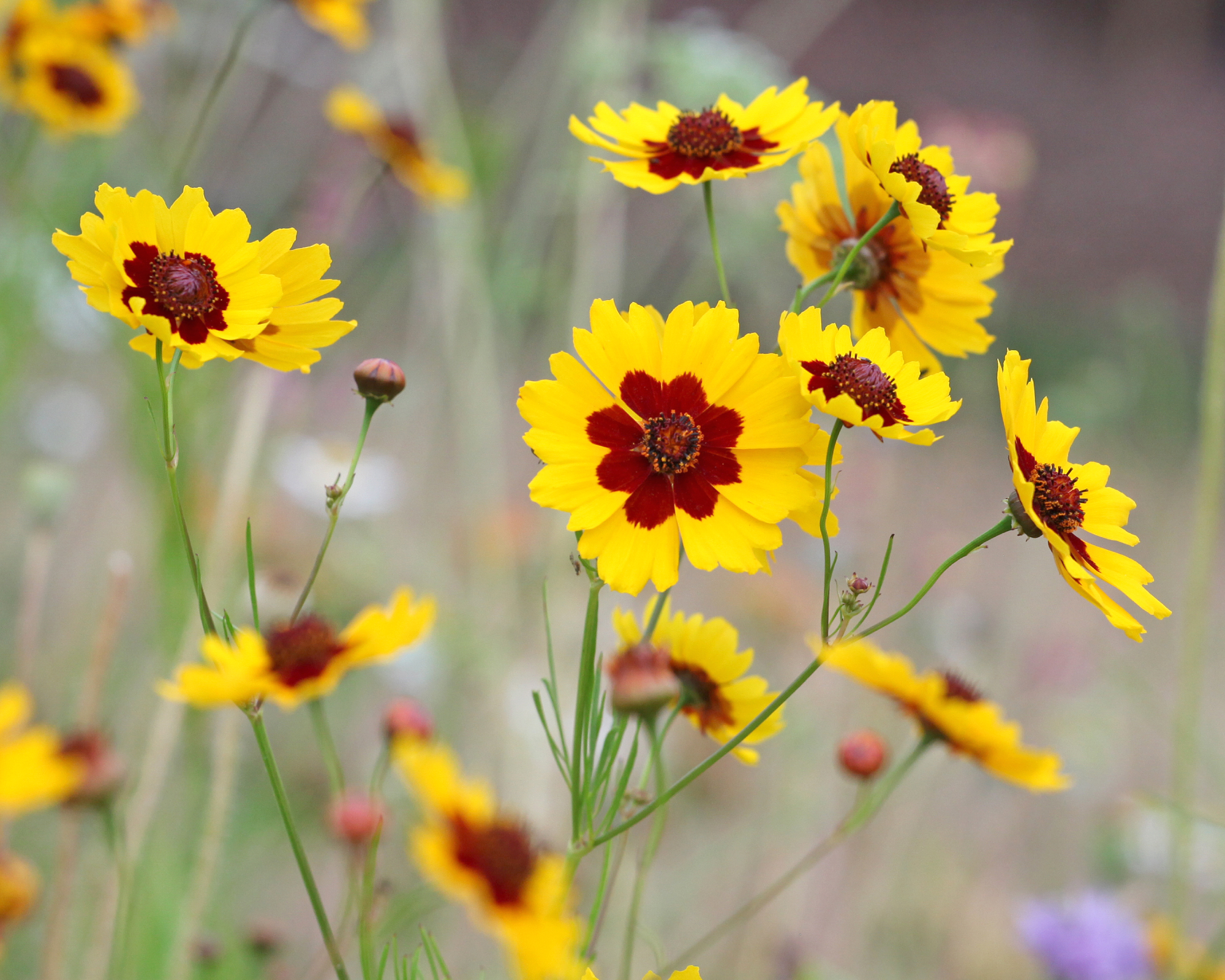
I just don’t like the common name tickseed, and it doesn’t do the amazing Coreopsis plant justice. It is a fan favorite, thanks to its long-blooming flowers. They look a bit like daisies, but the petals are bright colors, like yellow, red, orange, pink, and violet. They just never stop flowering, from early summer to the frosts of fall. The blossoms are small but there are so many you can’t count them, perched atop branching stems. Plant masses of them to turn a garden corner into a crowd stopper.
It goes without saying: bees and butterflies love its nectar, but small birds in the landscape are also attracted to Coreopsis for the seeds. It’s deer-resistant and tolerates conditions that might be the end of many plants, including heat, humidity, and drought. Find a classic multicolor Coreopsis plant from Lowe's that won't break the bank!
5. Russian Sage
(Image credit: imageBROKER/Erhard Nerger / Getty Images)
Swipe to scroll horizontally
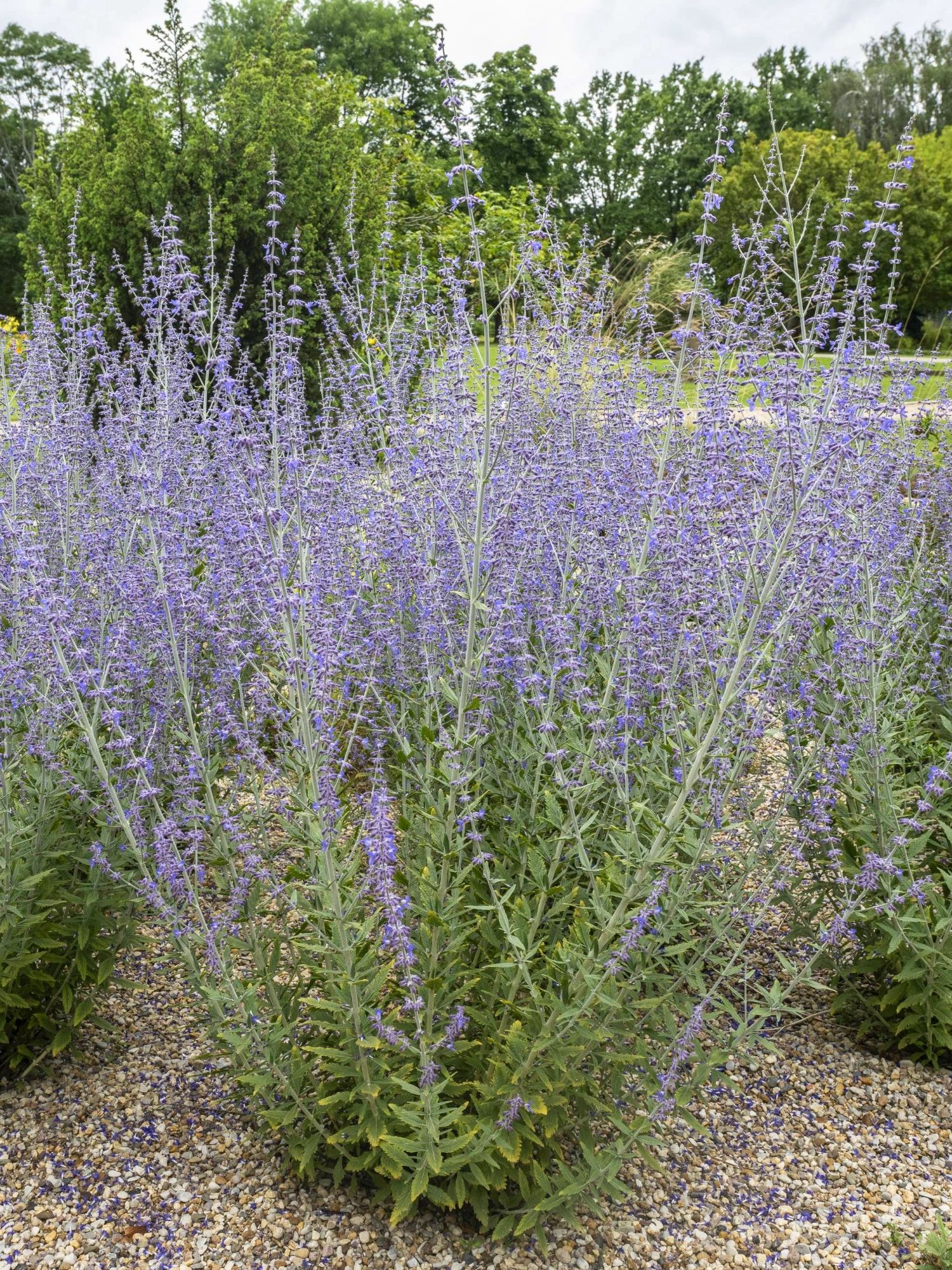
Maybe I just like lavender-blue flowers. I admit that I do, but Russian sage offers such an easy growing experience and such striking visuals, that I might like it with different colored blooms too. This drought-tolerant perennial, like lavender, has delicate silver-gray foliage and striking purple flowers. It is visually stunning and adds elegance to a dry garden corner.
Plant Russian sage in a sight that gets at least six hours of direct sun each day. Drainage is important too. But with these conditions met, the plant grows to a stunning 5-foot (2m) specimen. Water sparingly once the plant is established. 'Little Spire' Russian sage is available from Garden Goods Direct and is sure to become a favorite in your garden!














 English (US) ·
  French (CA) ·