

It’s June, so it’s time to say hello to backyard bugs like aphids, stink bugs, and Japanese flea beetles. These insects feed on many flowers and vegetables, and are not exactly welcome visitors. They suck sap, munch foliage, or dig into fruits or flowers, leaving the garden less lovely than before they arrive.
Common garden pests are called pests for a reason. If you want them gone, June is the time to jump into the fight. The longer a pest population is permitted to establish, the harder it is to get rid of them.
Let’s dig in and banish June garden pests!
Garden Pests to Look Out for in June
June is known for many pleasant things in the garden, including warmer weather, peonies, roses, and hydrangeas. But insect pests also appear, attracted by the young plants and new flowers. Unlike pollinators, these pests don’t do anything good for your flowers or vegetables, and you’ll want to jump into the fight.
Here are six common pests to watch for:
1. Aphids
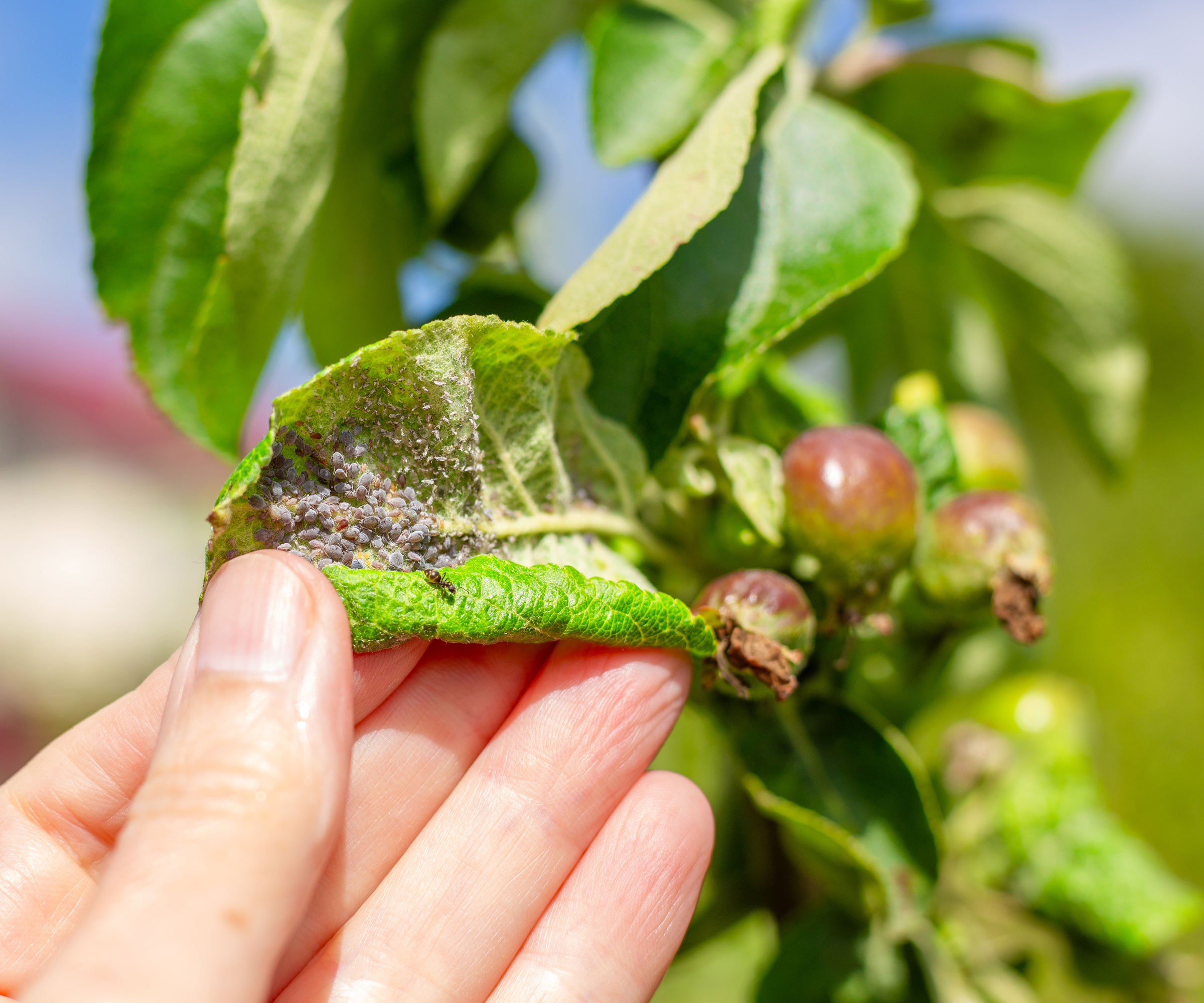
(Image credit: Natalia Kokhanova / Shutterstock)
Aphids may be among the most common garden pests. Although each bug is soft-bodies and tiny, you’re not likely to ever see one aphid alone. Instead, you’ll see large groups of aphids (green, black, or brown) partying on the underside of leaves. The party food consists of plant sap that they consume with their specialized piercing/sucking mouth parts. This wilts the plant and stunts growth and, even worse, the bugs leave behind a waste product called honeydew. Despite the “honey” in the term, there is nothing sweet about honeydew. It is sticky and icky, hosts sooty mold, and attracts ants.
What to do in June? Get out the hose early on and blast off those bugs with a strong spray. Or buy a box of live ladybugs at the garden store and release them in the garden to eat the aphids. If you need to bring in bigger guns, mix liquid dish soap into a pressurized garden sprayer and hit the undersides of the foliage. Content Editor Kathleen Walters swears by this Vivosun handheld pump sprayer from Amazon.
2. Stink Bugs
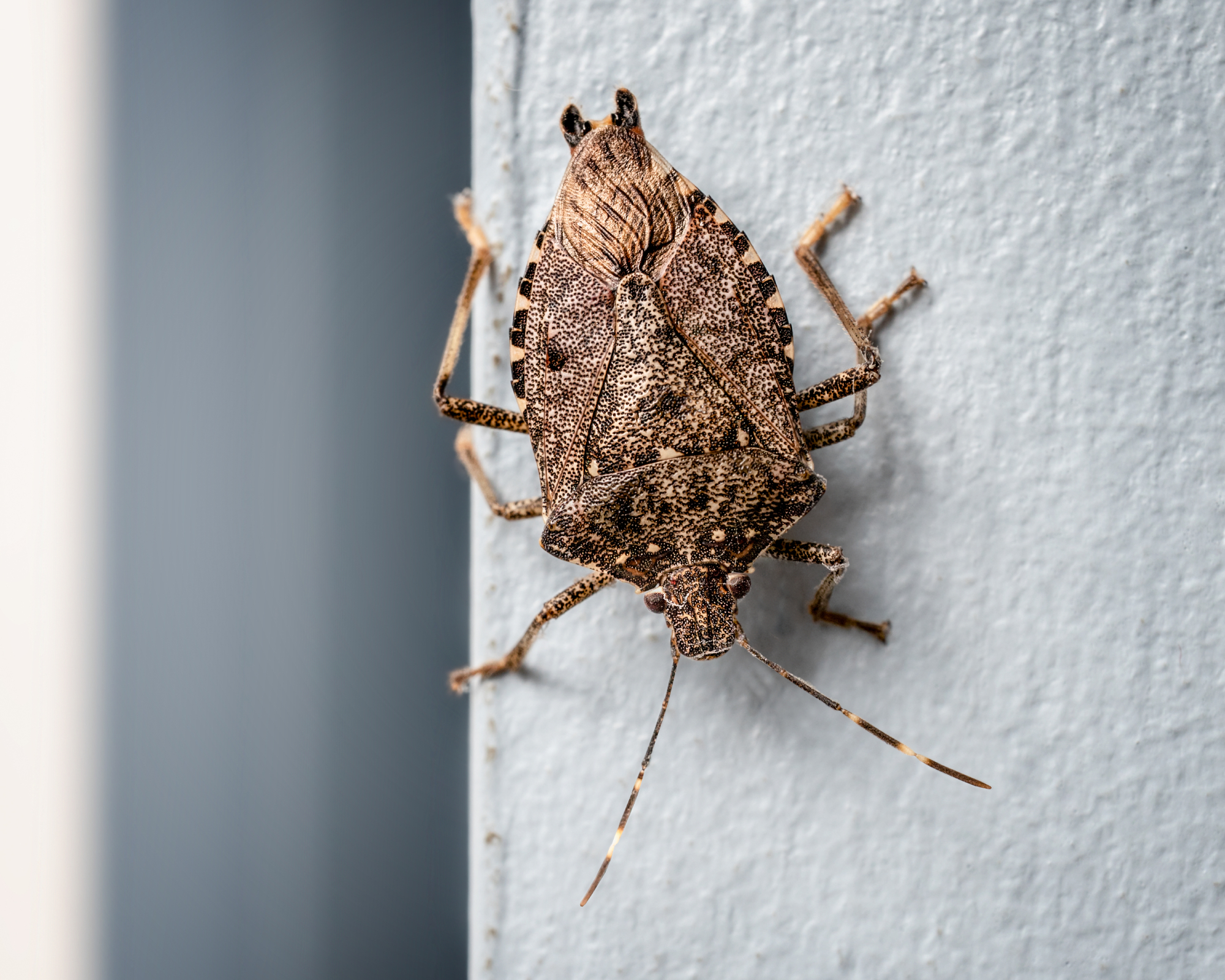
(Image credit: Petra Richli / Getty Images)
Picture an armored tank in your mind, then use your imagination to shrink it smaller, smaller, smaller until it could sit on a nickel. That’s what a stink bug looks like. The common name refers to the awful smell you will experience if you crush one.
But the smell is the least of the issues. Stink bugs also have piercing mouthpieces that they use to pierce fruit and vegetable skin – think tomatoes, peppers and cucumbers. What’s left behind is ugly, sunken, brownish spots.
Here’s a fun job for June: pick off these ugly buglies in the early morning – that’s when they are only half awake - and pop them into a bucket of soapy water. If this idea makes you sick, you could invest in a vacuum insect catcher and suck the stink bugs off your plants while not experiencing the “stink.” This bug vacuum from Amazon is made for kids to explore nature, but it works great for adult gardeners, too!
3. Flea Beetles
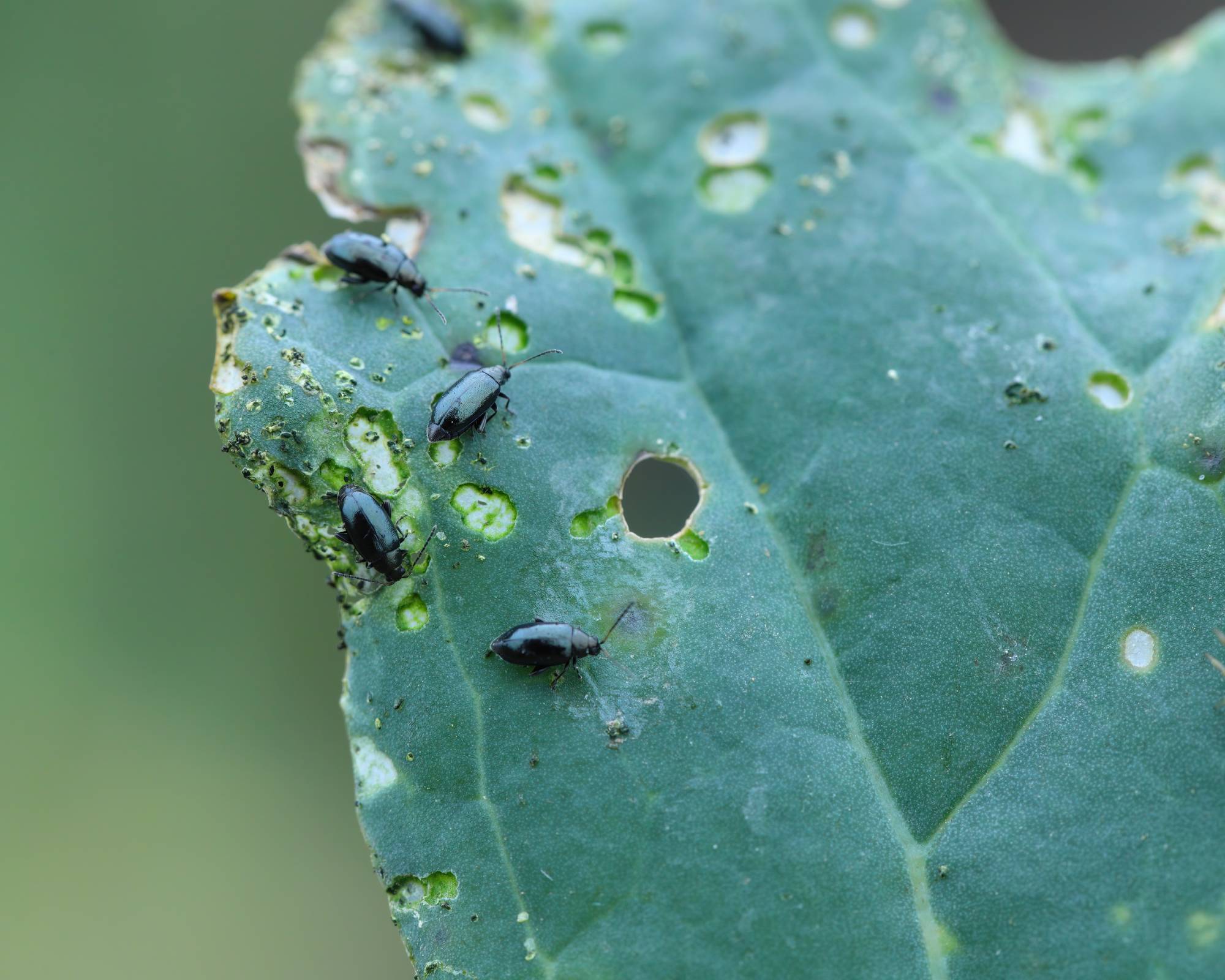
(Image credit: Tomasz Klejdysz / Getty Images)
This is the first of this list of garden pests that is pretty, but not pretty enough to want in the garden. Tiny, jumping flea beetles are small, round and shiny but they munch small BB-like holes in your young, tender garden foliage. These holes can severely damage young seedlings.
You’ll know that these pests are flea beetles because they jump around like fleas. Their favorite foods include the leaves of eggplants, radishes, and arugula. June is the peak season, and you’ll need to act quickly.
You can cover the most vulnerable crops with row covers or use sticky traps to snap up mature flea beetles before they breed. Alternatively, sprinkle diatomaceous earth on the foliage – it cuts up any insects that walk over it. You can find food-grade diatomaceous earth on Amazon.
4. Japanese Beetles
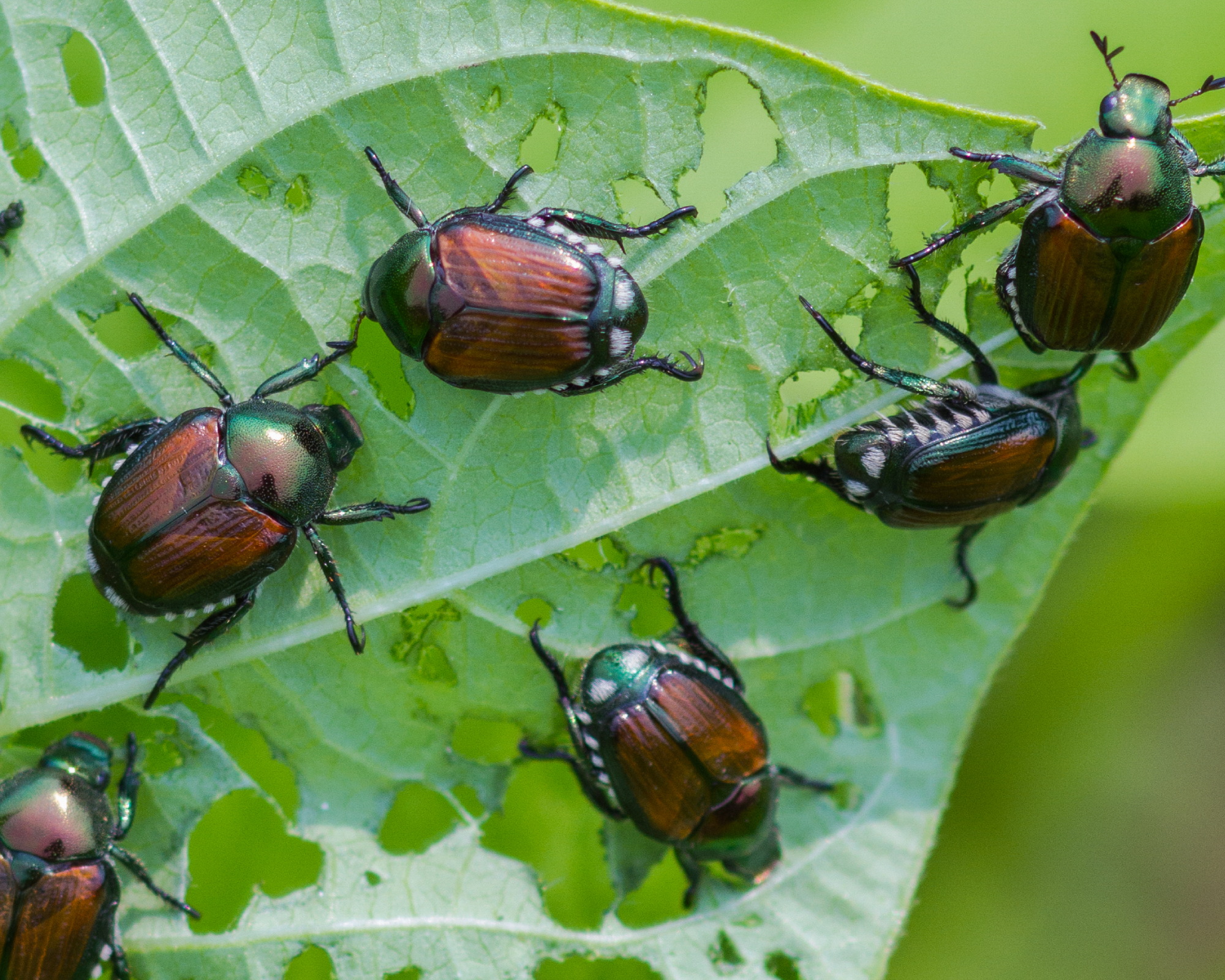
(Image credit: Renman1605 / Getty Images)
Here’s a beetle that is even prettier than a flea beetle: a Japanese beetle. They are all dressed up in metallic digs but they aren’t heading out to party. They are always hungry and will skeletonize leaves so fast your head will spin. Look for them to appear on roses, grapevines and other favorite plants in June.
You may be sad to hear that the best way to deal with these pests in June is to pluck them off by hand in the morning and, like with stink bugs, drop them into a bowl of soapy water. Alternatively, make a garlic soap spray to keep these beetles away. Blend garlic cloves and mint leaves in water, boil it down, and strain into a spray bottle. Mix in dish soap and more water to fill the whole bottle.
5. Slugs
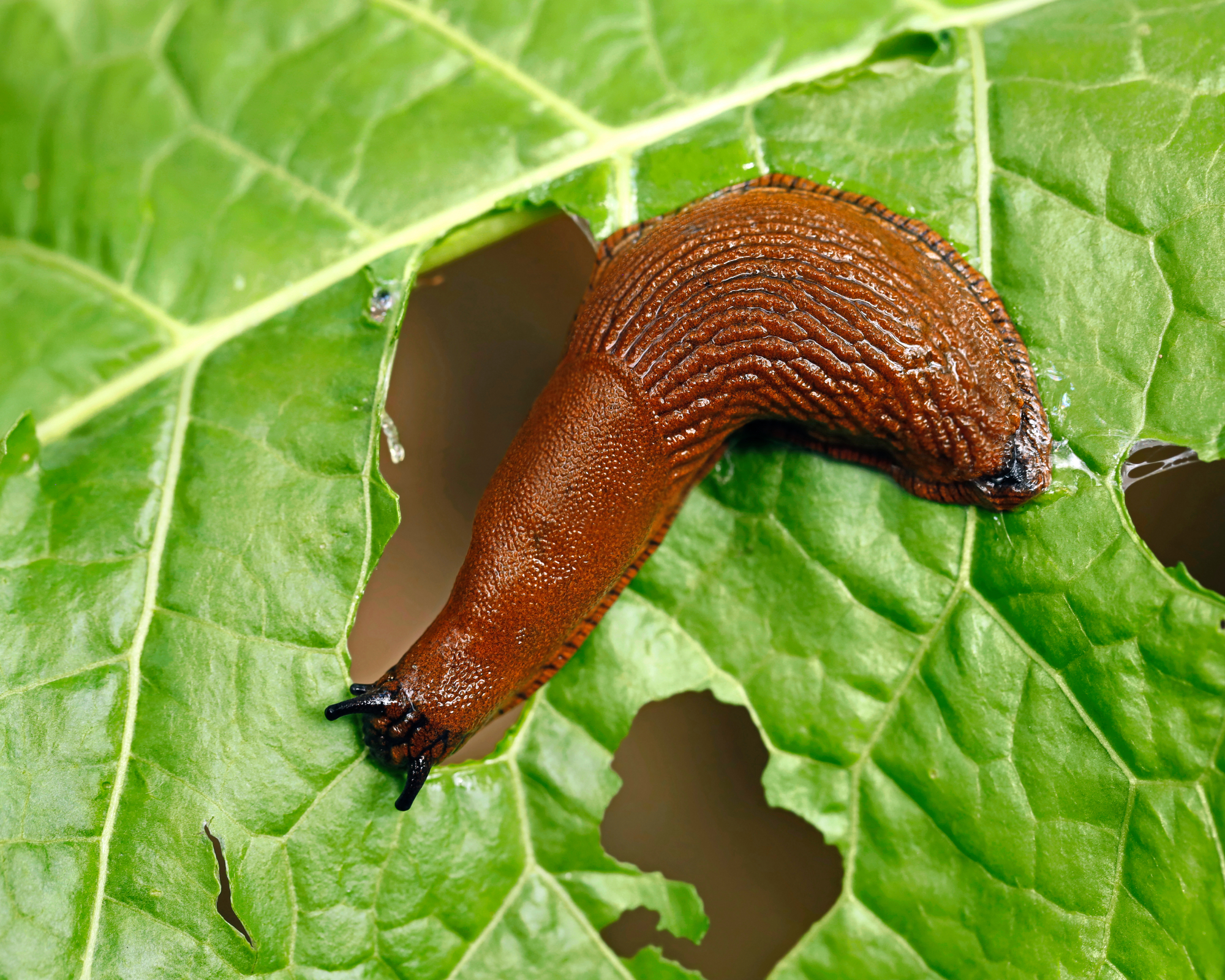
(Image credit: Andreas Häuslbetz / Getty Images)
Okay, we admit it up front: slugs are not insects. But nobody likes them and they tend to turn up during June evenings in your garden and under everything that isn’t tied down. You may never see them but you will notice that your seedlings look half-eaten and the flowers on your transplants are entirely gone. And you will probably see their slimy trails.
Slugs should also be handpicked from the garden and dropped into that same soapy water. You’ll want to use a flashlight to catch them red-handed in the evenings. An alternative solution for slugs is probably more pleasant for you: buy slug traps with sunken rims or make your own beer trap for slugs to drown in.
6. Spider Mites
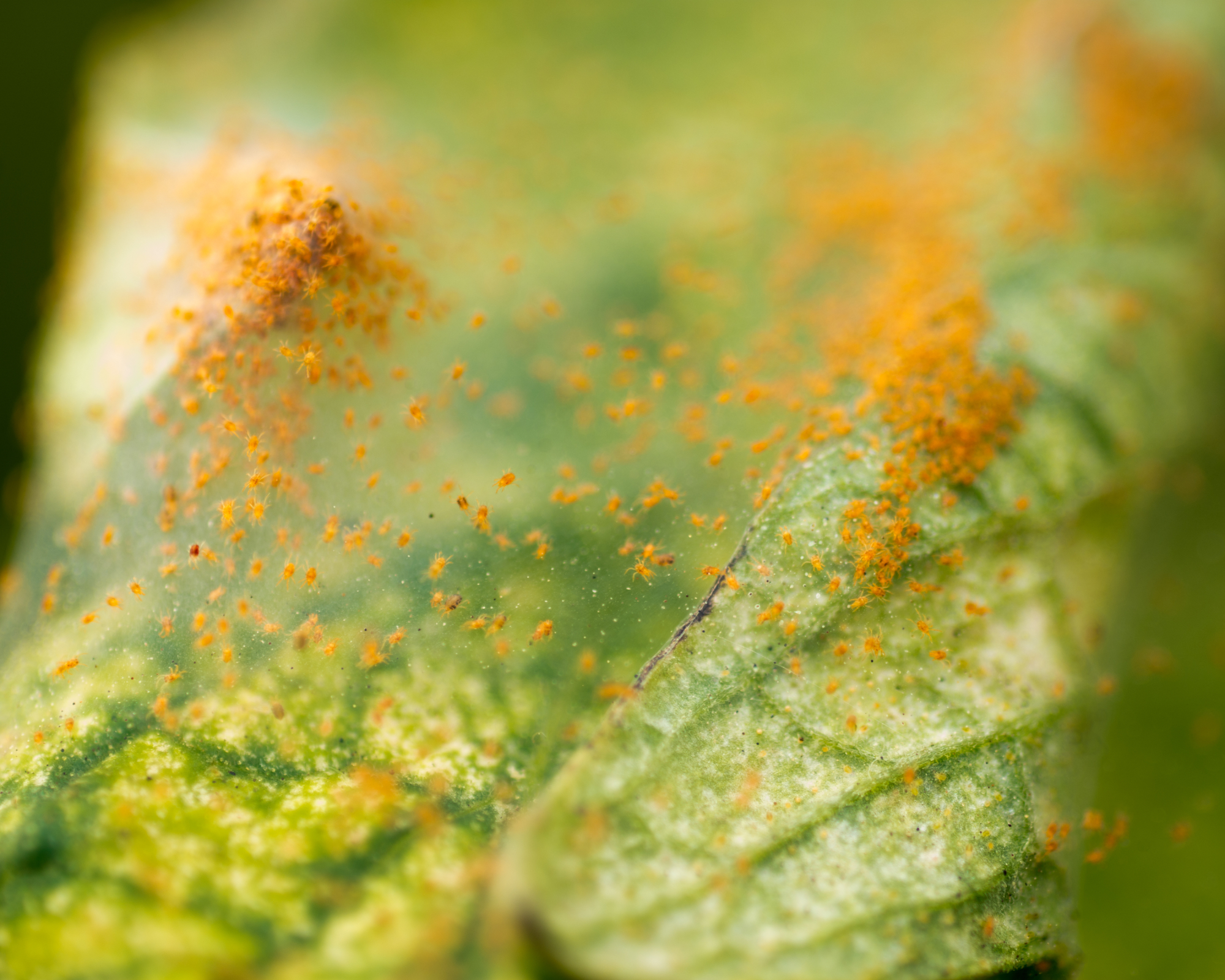
(Image credit: jopstock / Getty Images)
There’s a reason they call these pests spider mites, and yes, it has to do with the fine webs you start to see in June between your plant stems. The leaves will also give away the present of these teeny tiny insects – they’ll look dusty, speckled, or lifeless. Small though they are, spider mites suck the chlorophyll out of your plants.
Bring out the hose to get rid of the spider mites. A strong spray every few days will do it. Alternatively, use a Neem oil spray on both sides of the leaves. You can find neem oil at Amazon or your local garden center.














 English (US) ·
  French (CA) ·