

We rely on trees to provide us with shade. But who chills down the trees when a heatwave strikes?
I planted over 200 native trees on my hillside in French Basque Country in order to give me shade in the summer and protect my house from strong winter winds. Planting trees has also filled my yard with morning birdsong all year round. So when the canicule (French for heatwave) arrived in late June, with record temperatures never before seen in France, I wanted to do the right thing for the oaks, beeches, and chestnut trees in the landscape.
Here’s a shortlist of the 5 steps I took.
1. Water Low, Long and Slow
(Image credit: karetoria / Getty Images)
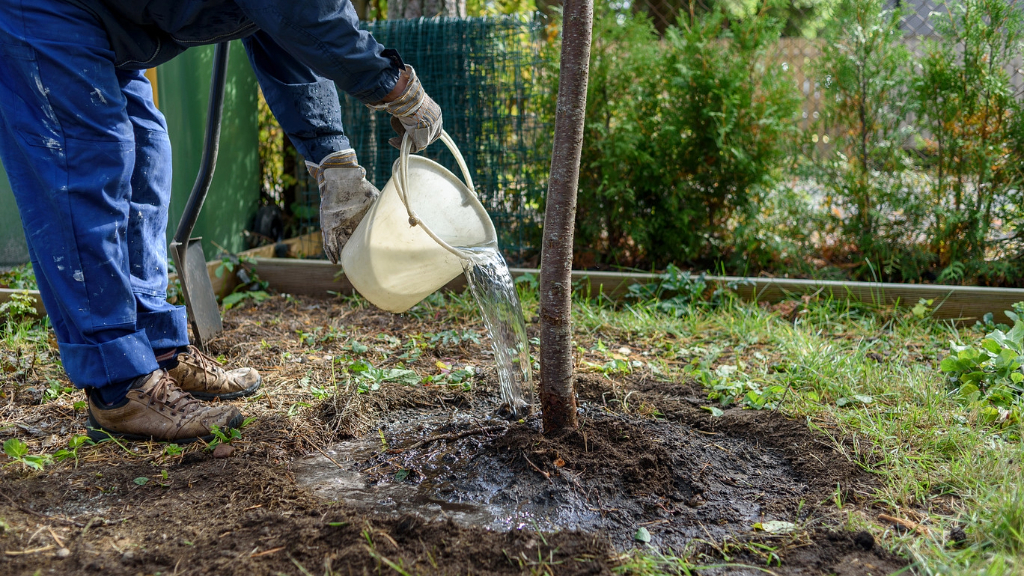
If you are anything like me, you’re tempted to rush outside early every morning and offer your trees a drink. After all, they haven’t been watered since the prior morning, so they must be thirsty. But shallow, daily watering actually does them more harm than good.
The best way to water trees in summer is deep but infrequently at the root zone, extending it out to the drip line. Get out there early in the morning - it’s the best time of the day to irrigate since the water has sunk into the soil well before the sun is hot enough to evaporate it. Using soaker hoses makes the process easier.
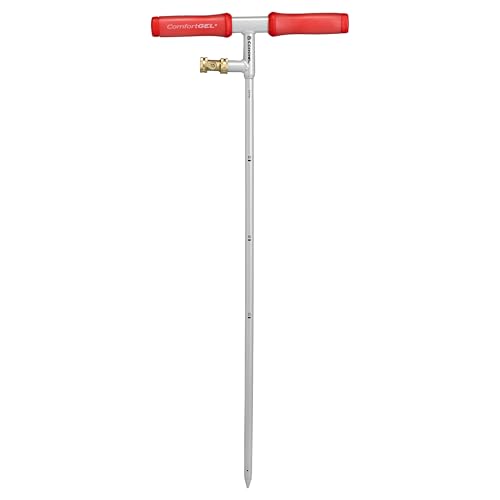
Slow, deep watering at ground level is the way to get the top 12 inches (30cm) of soil moist, since that’s where most of the feeder roots are located. Do this once a week. It’s not a short process. Depending on the size of the tree, it can take between 30 minutes and several hours. A great way to get water to the lower roots is to invest in a root irrigator, like this one from Amazon. Remember, the heat doesn’t actually kill many trees; it’s a combination of heat and drought. Watering can save your trees, so don’t skip it.
2. Mulch Like Your Life Depended on It
(Image credit: kazakovmaksim / Getty Images)
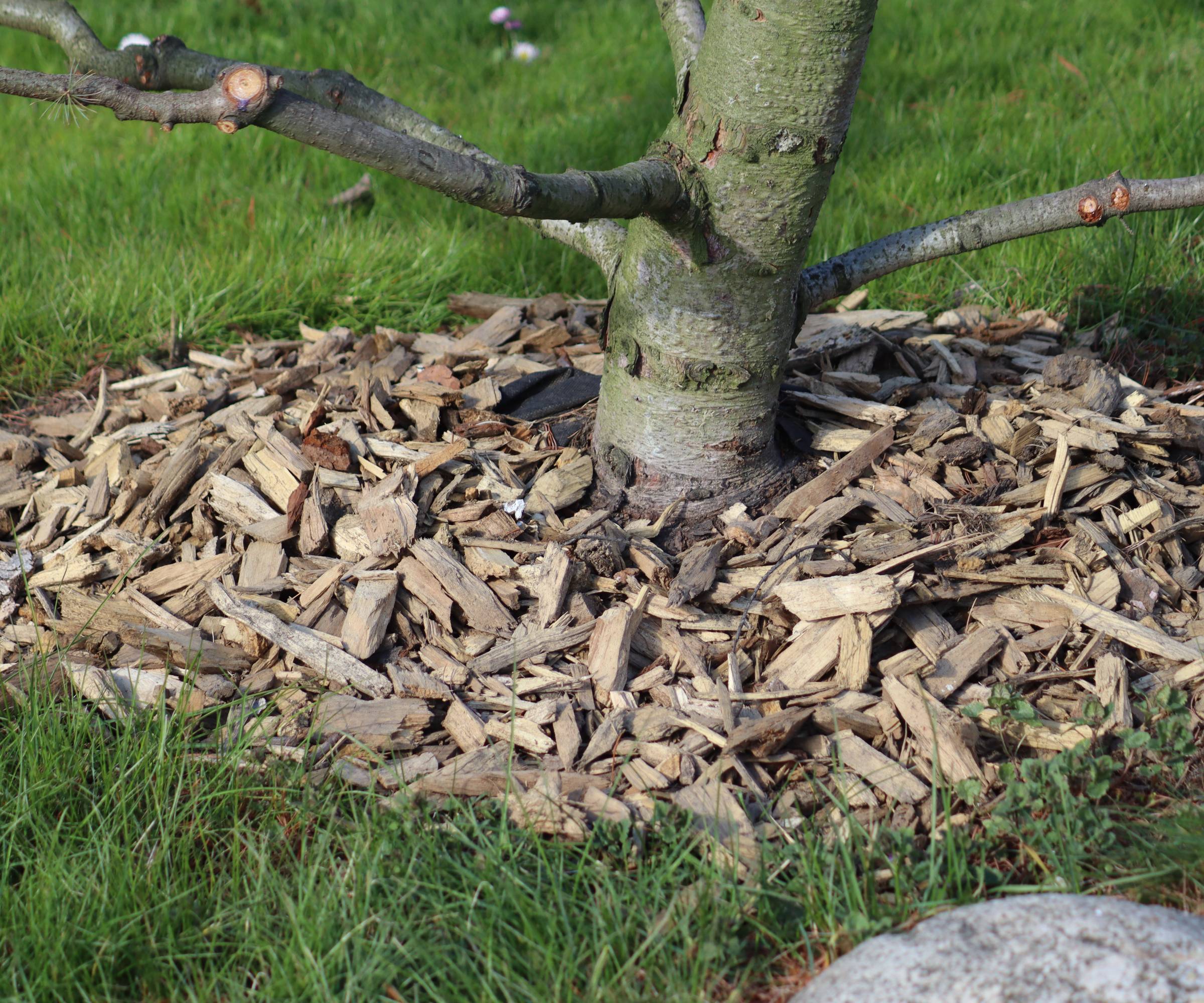
Mulch is not just for city flower beds. Layering an organic product on the soil – wood chips or shredded bark works well for trees – protects the soil and “locks in” moisture. It also serves to regulate the soil temperature, keeping the roots cooler in the heat of summer. Use a thick layer, 2-4 inches (5-10cm) of mulch, spread to the drip line.
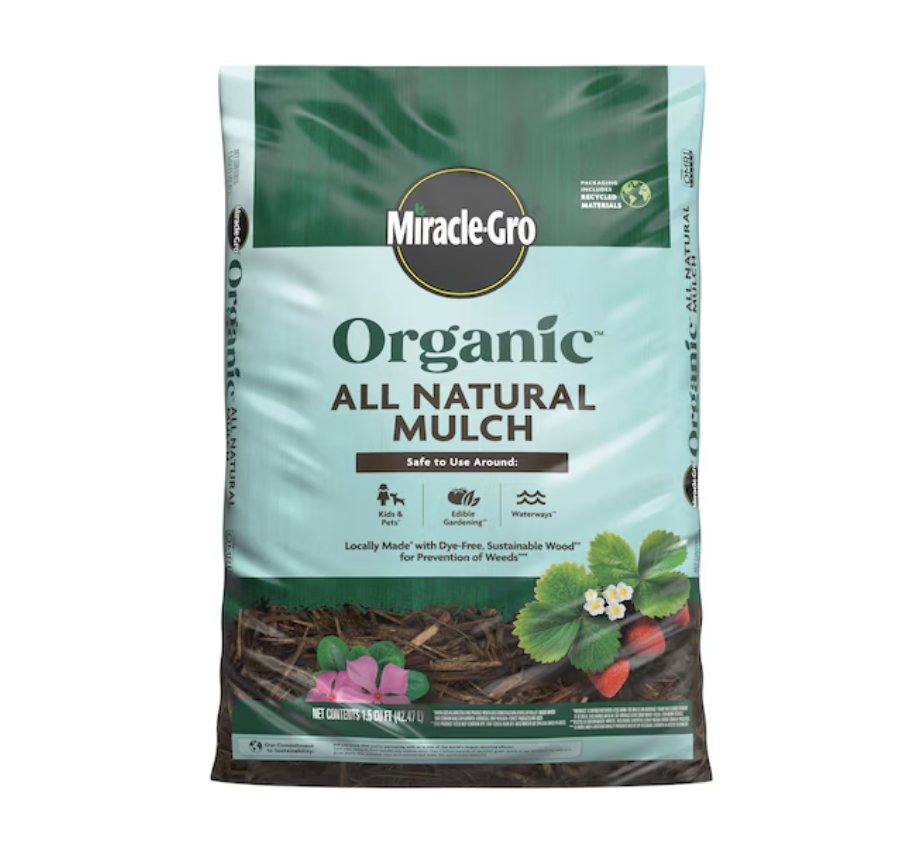
You’ll want to keep the mulch some 4 inches (10cm) away from the trunk of the tree. Overmulching is a serious problem, and when mulch piles against the trunk, it can cause rot. Keep the mulch flat across the base of the tree and don’t let it form a volcano shape around the tree. You can get dye-free mulch from Lowe's.
3. Avoid Stressing the Trees
(Image credit: Natalia Kokhanova / Getty Images)
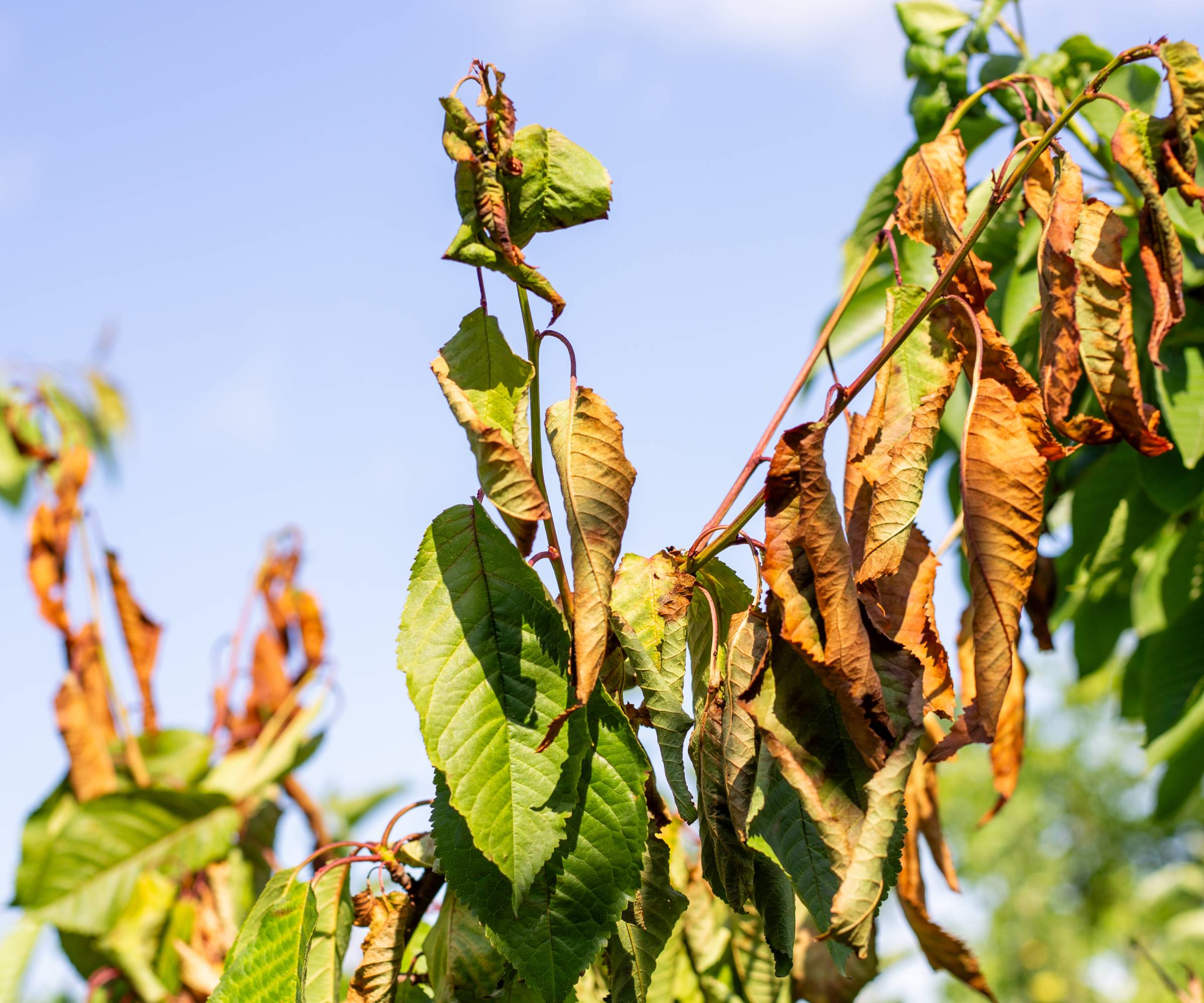
Extreme heat stresses a tree, so one of your jobs is to make sure you don’t stress it any further. What might stress a tree? Fertilizer is one stresser, and that’s true even if you use an organic product instead of chemicals. Especially avoid fertilizers with high or rapid release nitrogen. That’s because all fertilizer - especially nitrogen-heavy fertilizer - encourages the tree to grow, grow, grow, at a time when it doesn’t have the resources (especially water) to do so.
Don’t start doing major pruning while the summer sun is beating down. Trees have to “recover” from pruning, and during a heatwave, they need all their energy to survive. If they have to use energy to heal wounds, it means they have less at the end of the day. Is there an exception? Yes there is. If a branch has broken and represents a safety concern to you or to the tree, prune it off without further debate.
4. Where There’s No Shade, Create Shade
(Image credit: tylim)
My trees in France and not exotic specimens, but tough native trees, species that have lived on the lower slopes of the Pyranees for time out of mind. So adult trees know how to survive without shade if they get sufficient water. However, young trees are more delicate and may have a harder time.
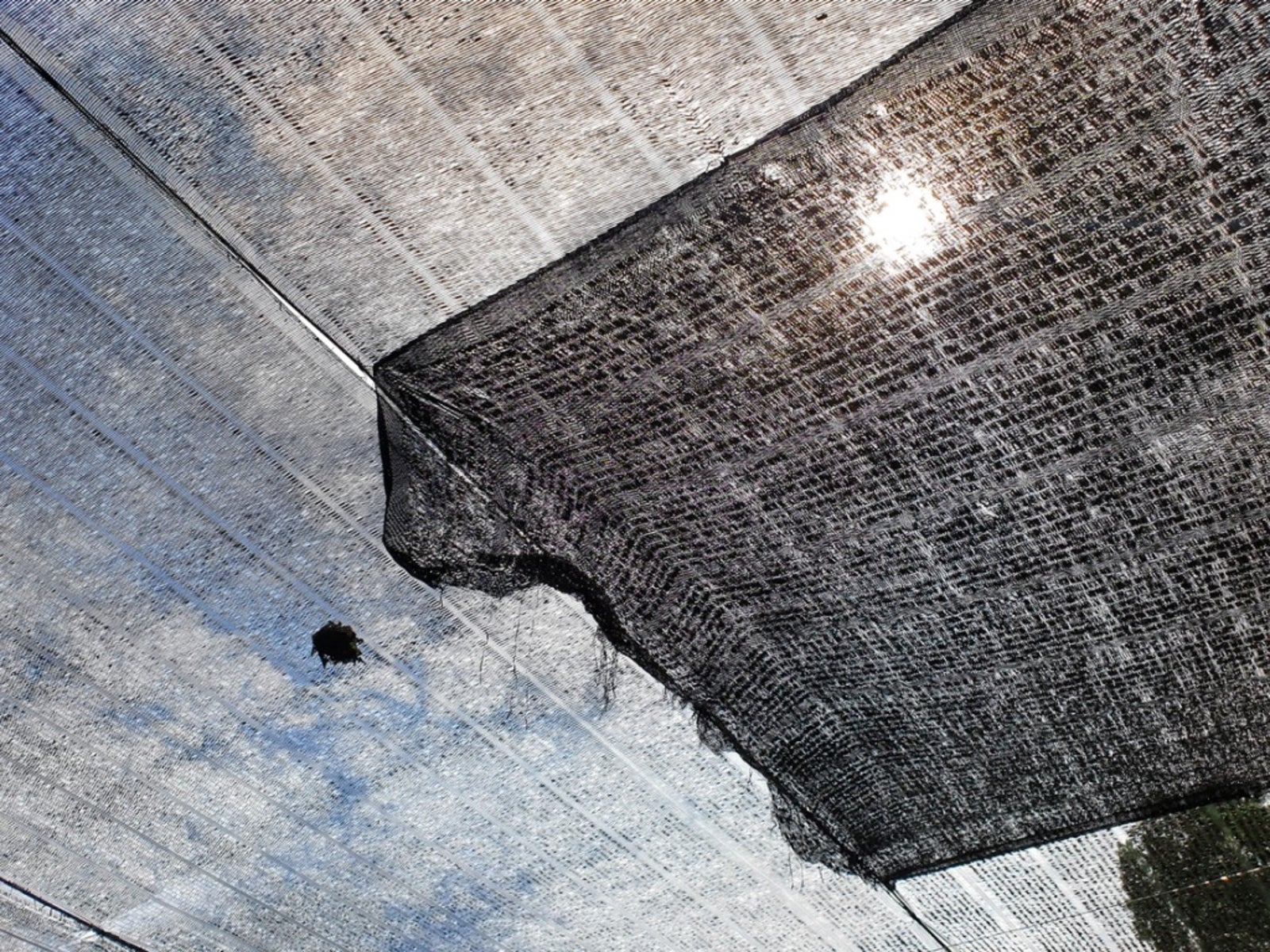
If you have young trees or anything exotic that is delicate, consider creating temporary shade with shade cloth, which you can get from Amazon. Trees need at least three years to develop a sizable root system, so any tree you brought into the landscape within the last three years may need help. Use breathable shade cloth over a temporary frame to reduce their direct sun exposure. For young trees, consider twice a week deep watering given their smaller, more vulnerable root systems.
5. Watch for Pests and Diseases
(Image credit: BackyardProduction / Getty Images)
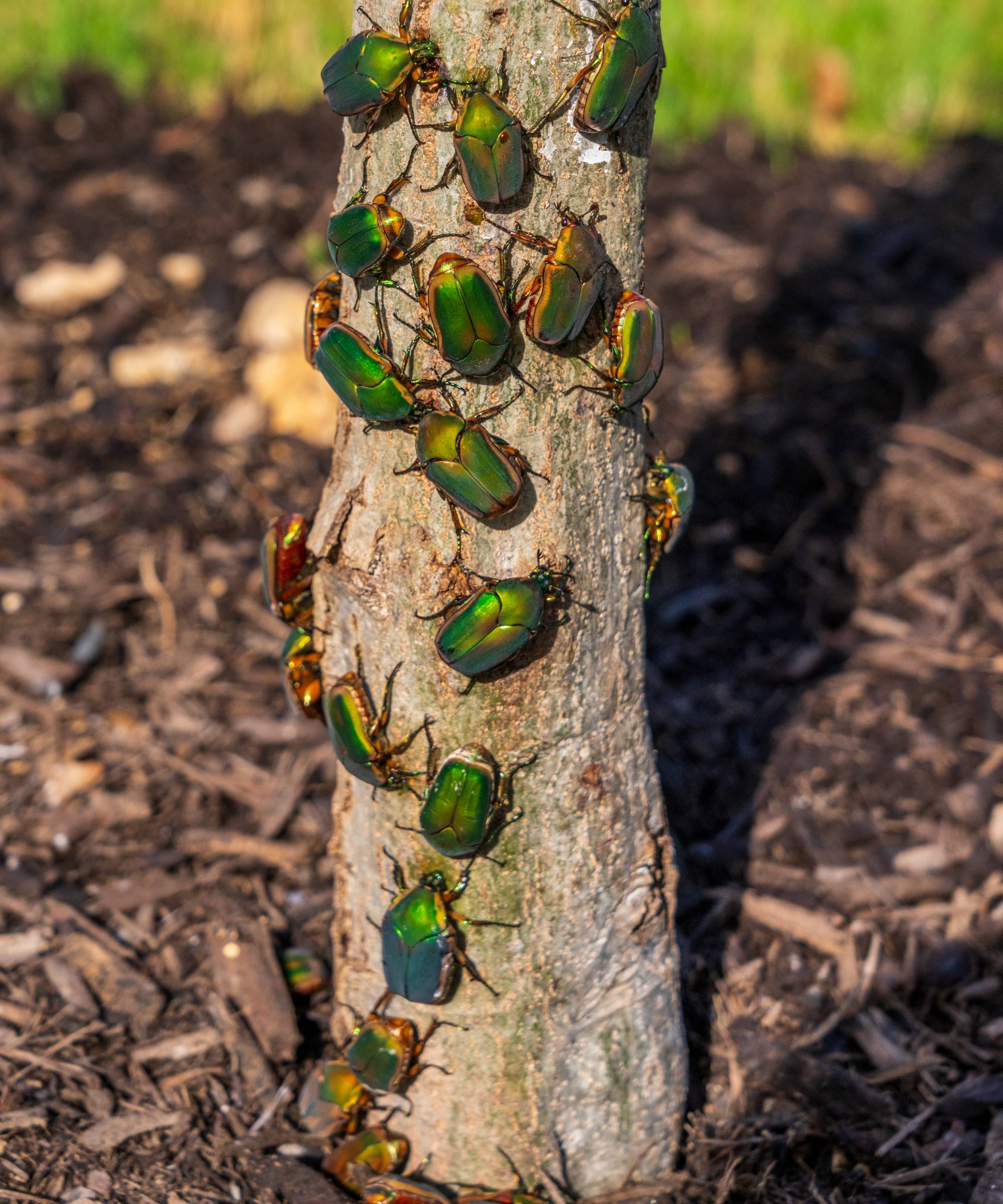
In times of intense heat, your trees are not at their strongest. This means that they are more vulnerable to common tree insects and diseases. While a healthy tree can often shake off an attack, a tree weakened by heat and drought will have more trouble.
It’s up to you to monitor your landscape trees while they are baking under summer heat. Early detection is the key to saving an infested tree. Look for unusual holes in the bark, sawdust-like material on the ground near the trunk, insect activity on the trunk or leaves, running sap, or even fungal growth. Use gentle, organic treatments like Neem oil from Amazon to help the tree fight off issues.
Tree Care Essentials
 Water Deep
Root Irrigator – Targeted Deep Root Watering Tool
 Mulch
Mulch
All Natural Organic Mulch














 English (US) ·
  French (CA) ·