

Prune in spring, prune in fall, and now, prune in June? Do you ever wish that nature was better organized so that you could do all your landscape pruning at the same time? But hold on. Remember that flowering plants need pruning just after their blooms fade, and you’re not going to be happy if they all bloom at the same time.
So let’s return to pruning basics: as long as you love spring flowers, you’ll have to embrace pruning in June. Many spring-flowering shrubs bloom on old wood, setting their buds the prior year.
These plants finish flowering in June and should be pruned shortly after they finish blooming in spring. Pruning in late summer or after will remove flower buds, reducing the next spring’s blossoms.
Pruning Tips
First, let’s get a refresher course on some of the basics of pruning. Individual plants may have specific pruning needs, but these general rules provide a good structure to approach pruning at any time.
- Never prune with dull tools. If your pruners or shears need cleaning or sharpening, be sure to get it done before you start the June trim. Our team of gardening experts recommend these bypass pruners from Felco, available on Amazon, for clean and easy cuts. Dull or dirty tools can damage branches and introduce disease. Keep your pruning shears sharp with a Corona sharpener, also available from Amazon.
- Whether you are pruning in spring, summer or fall, the first step is to snip out all dead, damaged or diseased branches. (If you happen to see a problem branch between pruning dates, you can take them out of the shrubs whenever you see them.)
- Once damaged, branches and suckers are gone, it’s time to do the rest of the trimming. There are two basic types of cuts: heading back cuts and thinning cuts. Heading back means shortening a stem to reduce its length by cutting it back to a bud or larger branch. Thinning cuts are to remove out large stems, often to clear out interior branches.
- Prune for shape and size.
1. Lilac
(Image credit: Shedu / Getty Images)
Swipe to scroll horizontally
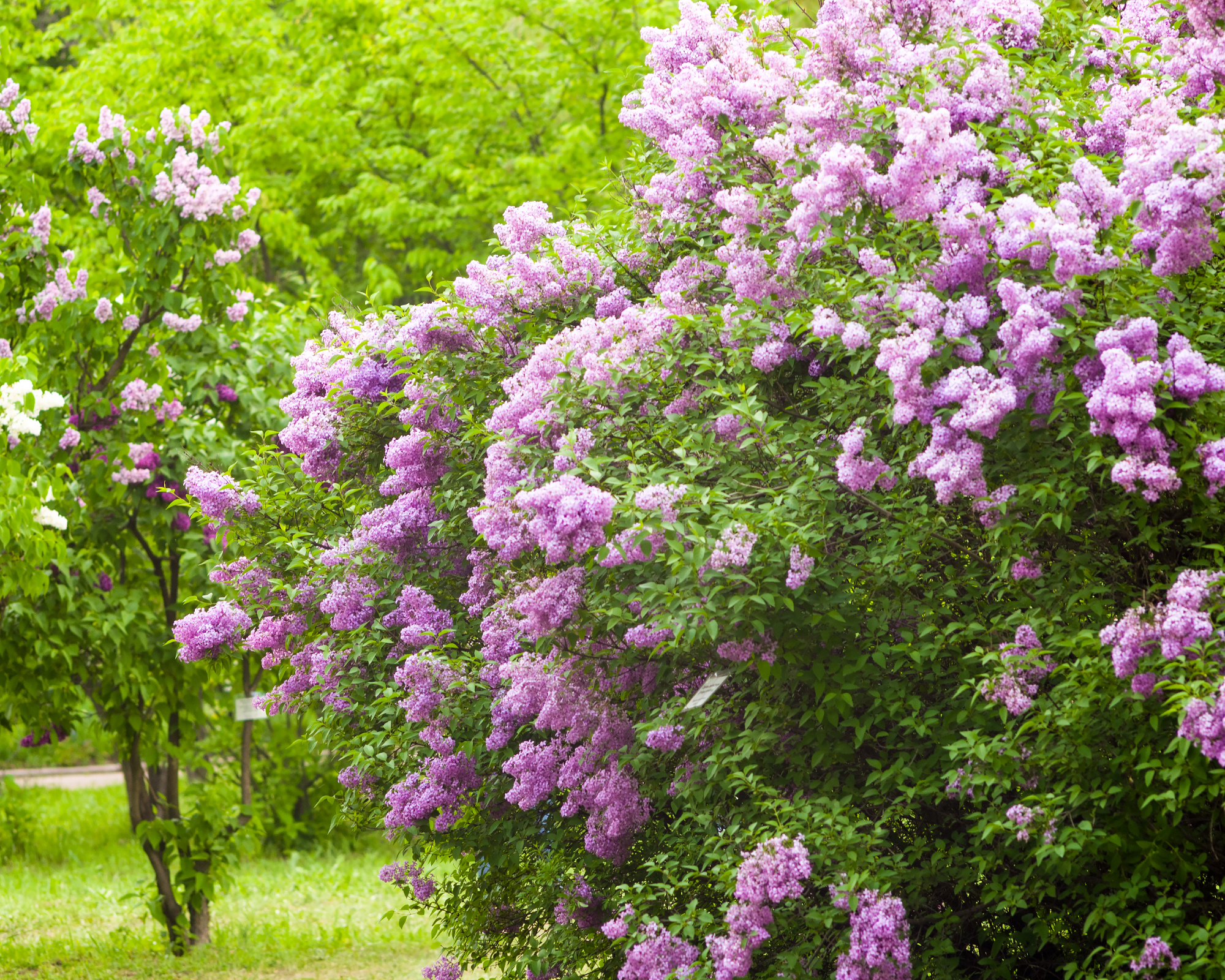
My lilac bush is in its full glory in May, the blossoms filling the patio with their deliciously sweet fragrance. Mine are a lacy white, but you can easily find lilacs with blooms in purple, magenta and even green. They last only a few weeks, but you’ll dream about them the rest of the year.
Common lilac bushes are deciduous shrubs that can be viewed as shrubs or small trees, topping out around 15 feet (5m). They need a full sun location and well-draining soil.
How to prune lilacs in June? They bloom on old wood so you’ll want to trim them back when the blooms fade. Don’t skip pruning! It is essential to thin out the inside branches to encourage air circulation and avoid powdery mildew, as well as to shape the shrub. Cut about a third of the oldest branches back to the ground.
2. Forsythia
(Image credit: Hrabar / Getty Images)
Swipe to scroll horizontally
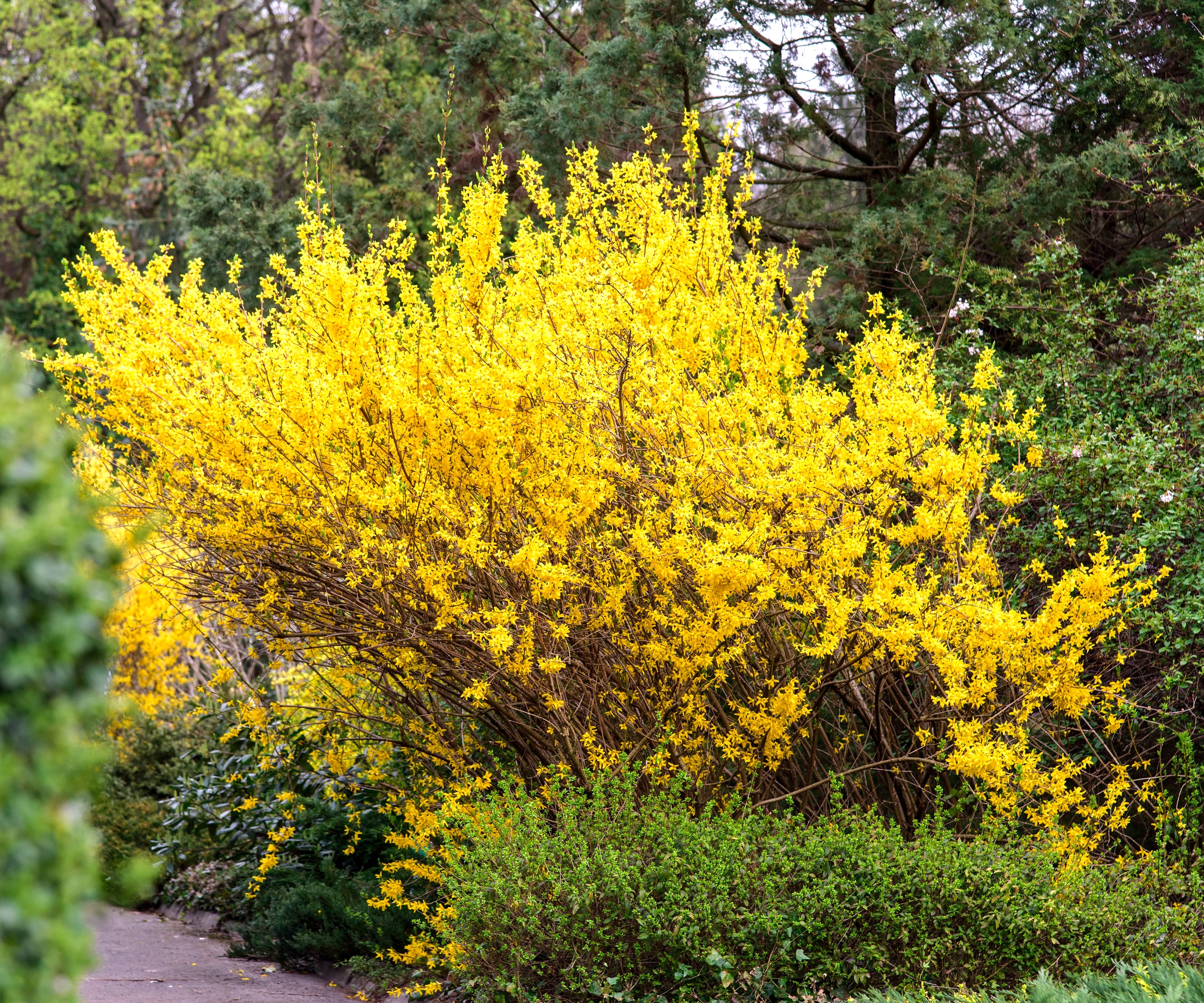
Daffodils provide the first yellow of spring, but forsythia shrubs sometimes bloom first and frequently come in almost neck and neck. These deciduous shrubs explode into yellow flowers in early spring before the leaves appear on the shrub. Those early blooms serve as magnets for pollinators like bees and butterflies.
Easy to maintain and drought tolerant, forsythias are versatile in the garden, working well as specimen trees (with their graceful arching branches) but also in privacy hedges.
How to prune forsythias in June? Once your forsythia flowers have faded, give these shrubs a haircut to stop them from looking blowsy. The key here is shaping the shrubs to keep them compact and appealing. You can take out a fourth of the oldest branches (cut them to the ground) to encourage new growth.
3. Serviceberry
(Image credit: Getty Images)
Swipe to scroll horizontally
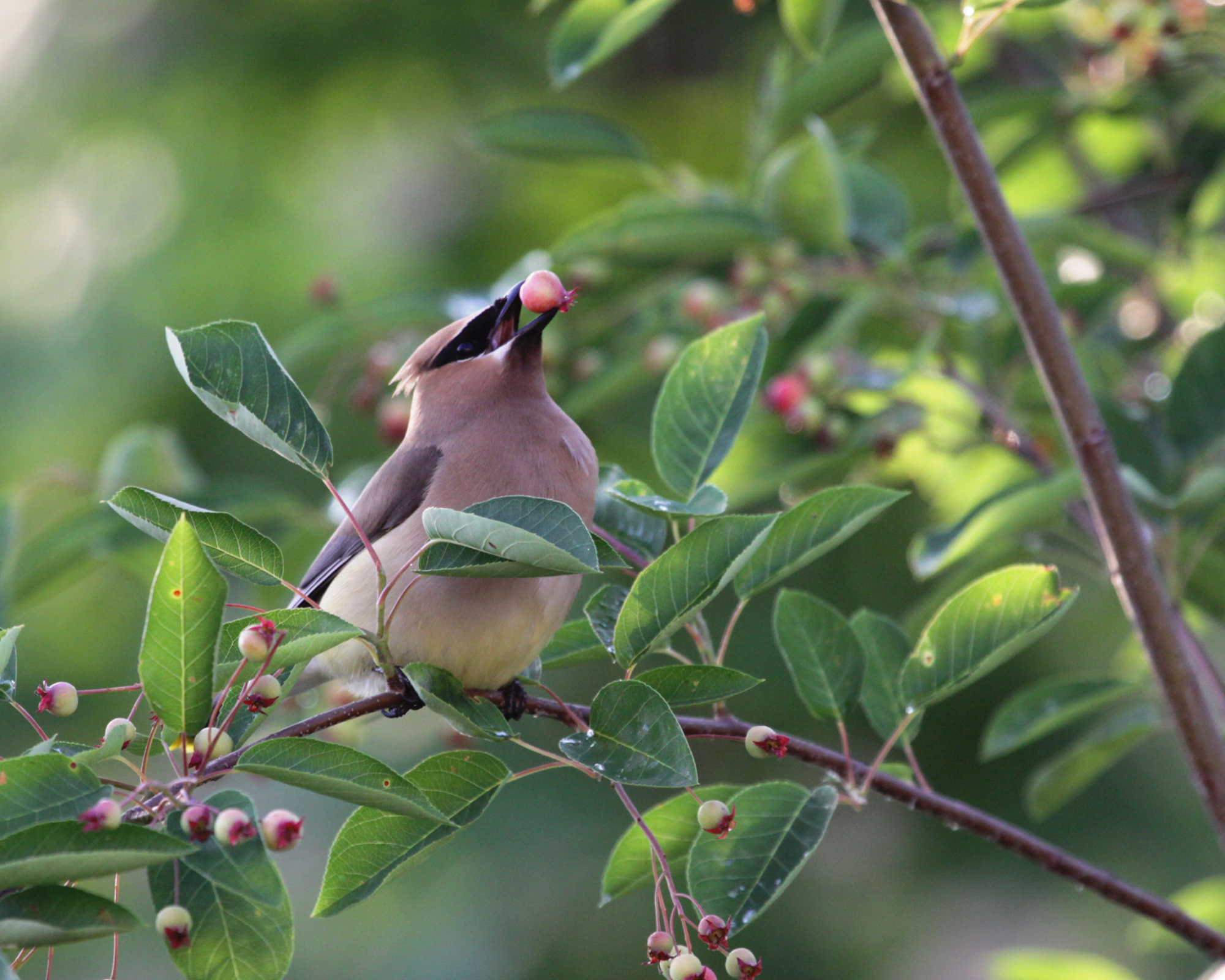
I call it serviceberry, you might call it juneberry, but these both refer to the same appealing deciduous shrubs. They offer beauty in all four seasons: white spring flowers, ripe berries in summer, fiery foliage in fall, and interesting bark in winter.
I always call the fruits of the serviceberry shrub serviceberries, but they are actually pomes, in the same family as apples and pears. They are edible, eaten fresh or in jam, and if you love wild birds, the more serviceberry shrubs you plant, the more chirps and tweets you will hear.
Now serviceberry “shrubs” can become serviceberry trees if you aren’t careful, shooting up to 25 feet. One of the main reasons for spring pruning is to prevent this from happening. In addition, the shrub often produces multiple trunks so if you want the look of a small tree, you’ll need to do some pruning. The best time? Right after the flowers fade.
4. Weigela
(Image credit: Getty Images)
Swipe to scroll horizontally
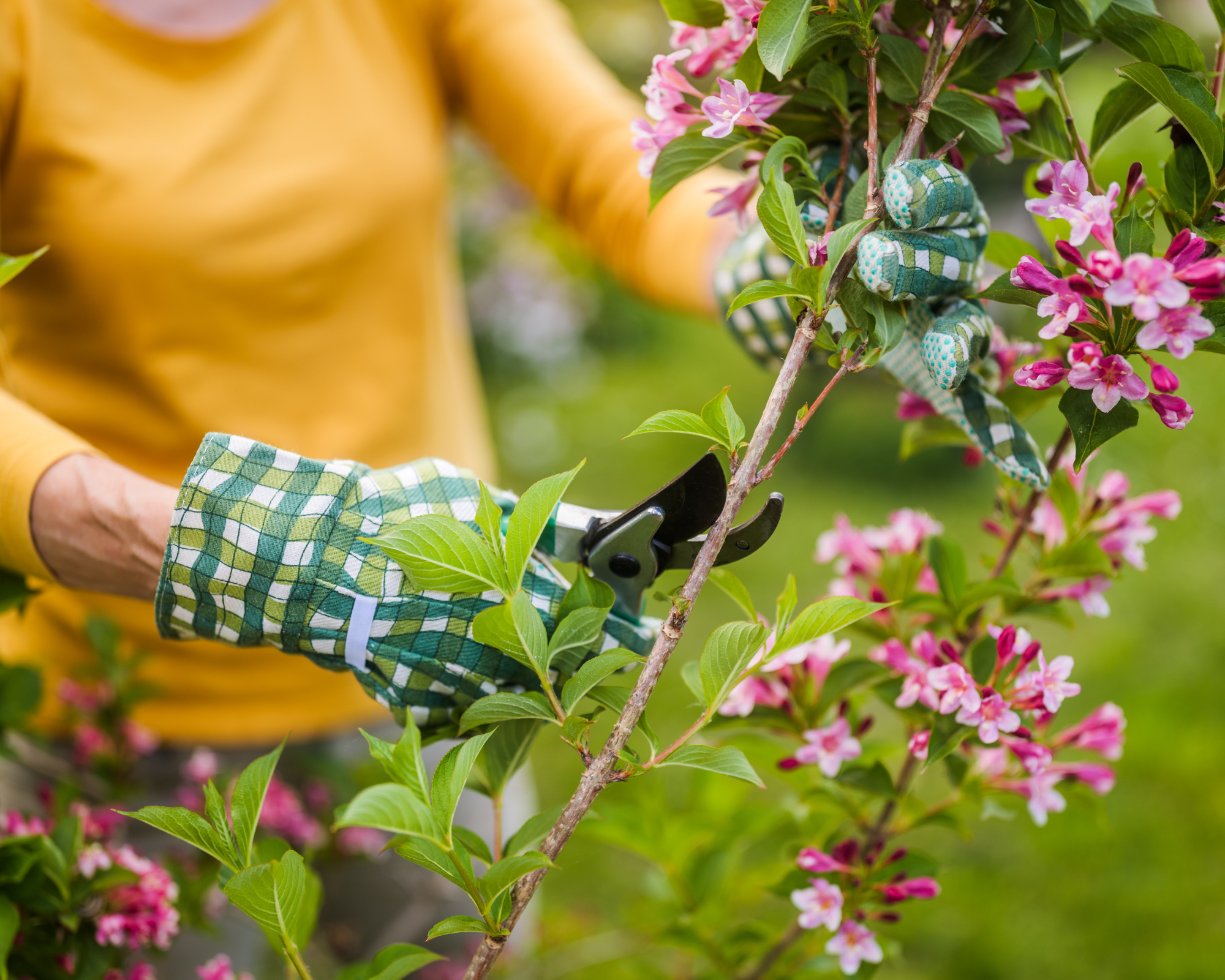
Gardeners love weigela shrubs for their gorgeous spring flowers, lots of teeny tiny blossoms in white, lipstick red, or any of a number of hues of pink. Their foliage is lush and their maintenance won’t make you work overtime.
In late spring or early summer, weigela flowers cover the branches to the joy of hummingbirds and butterflies, adding even more color to the landscape.
These easy-care plants are good specimen plants. Many types offer variegated foliage, dark leaves, or golden leaves, a factor that gives them garden appeal all summer.
Weigela shrubs bloom on old wood, so if you want to prune, do so in June, immediately after flowering. While the shrubs have a pleasing natural form, they can grow tall (to 10 feet/3m) and wide (to 12 feet/4m) if left to their own devices. Prune weigela back and remove any damaged or diseased stems in June.
5. Magnolias
(Image credit: Getty Images)
Swipe to scroll horizontally
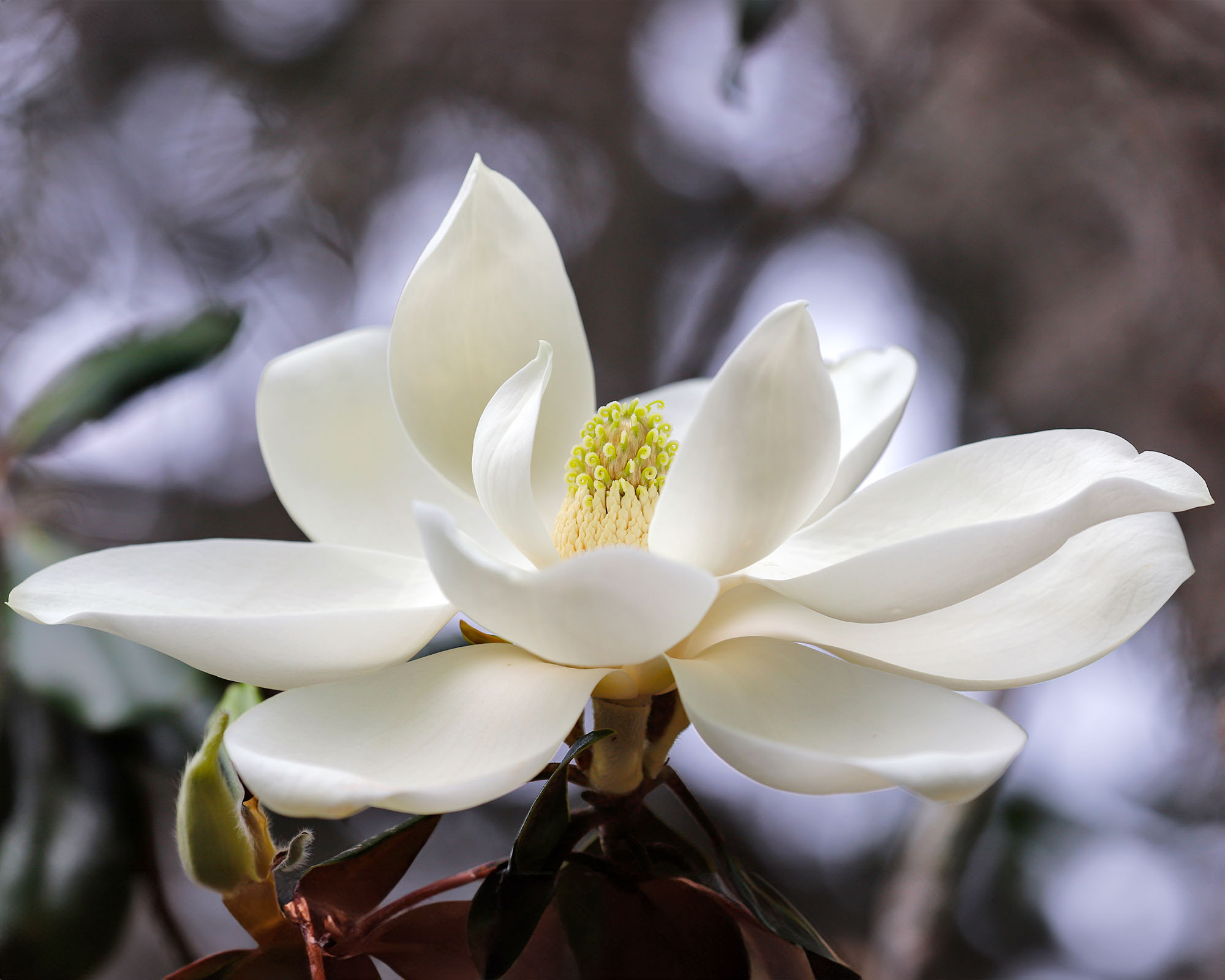
Are magnolia trees the queens of Southern gardens? There are more than 200 species of Magnolias, ranging from really tall to shrub-size, some multi-stemmed shrubs, others massive upright trees.
Asian magnolia trees are deciduous, and their foamy flowers appear in spring before the tree leafs out. The flowers are white or pink and appear very early in spring and many types are intoxicatingly fragrant. The leaves are large and leathery.
These stunning plants are - sadly - susceptible to fungal diseases, so pruning is important to improving air circulation and maintaining their health. Prune magnolias to cut out diseased and damaged branches after the plants stop flowering in June.
6. Mountain Clematis
(Image credit: Maya Jane / Getty Images)
Swipe to scroll horizontally
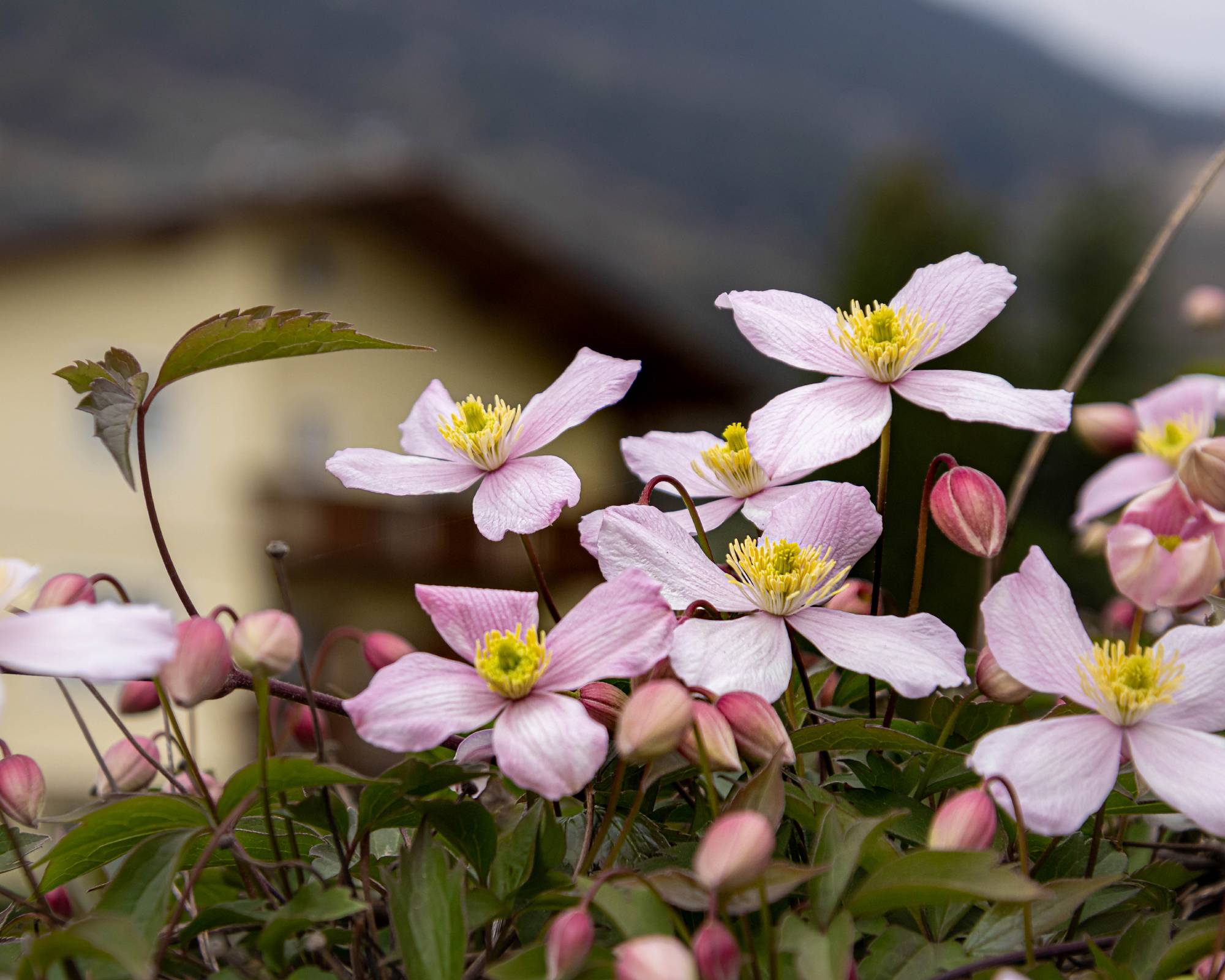
Mountain clematis is on every gardener’s favorite-vine list. It's a woody perennial twining vine that is easy to grow in full sun or partial shade. It can climb to 40 feet (19m) high with a spread of 15 feet (5m).
The vine’s blossoms - in blues, pinks and purples - are shaped like stars and they cascade down the vine, filling the garden with a vanilla-like fragrance. It draws bees, butterflies, and hummingbirds.
Prune mountain clematis in June after flowering ceases. This timing will allow the vine sufficient time to produce new stems and develop buds for the following year. Waiting until late summer, fall or winter to trim will drastically reduce next year’s flowers. The idea of pruning is different from other plants; you don’t want to force the vine into a specific shape, but rather to keep it within its boundaries and encourage healthy new wood. Prune back dead or damaged stems as well, but don’t overdo it.
Essential Pruning Tools
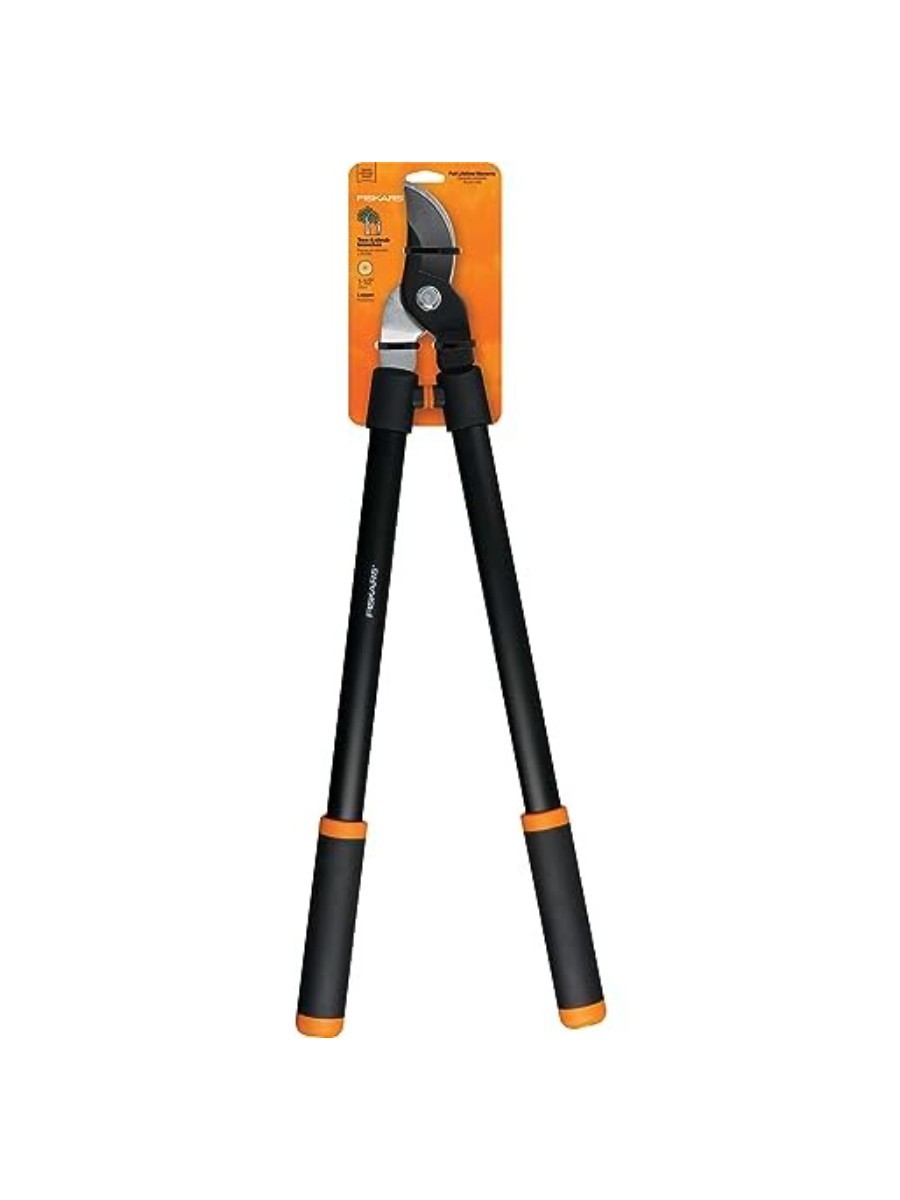 Top-Rated Loppers
These loppers slice through thick branches on trees and shrubs with ease.
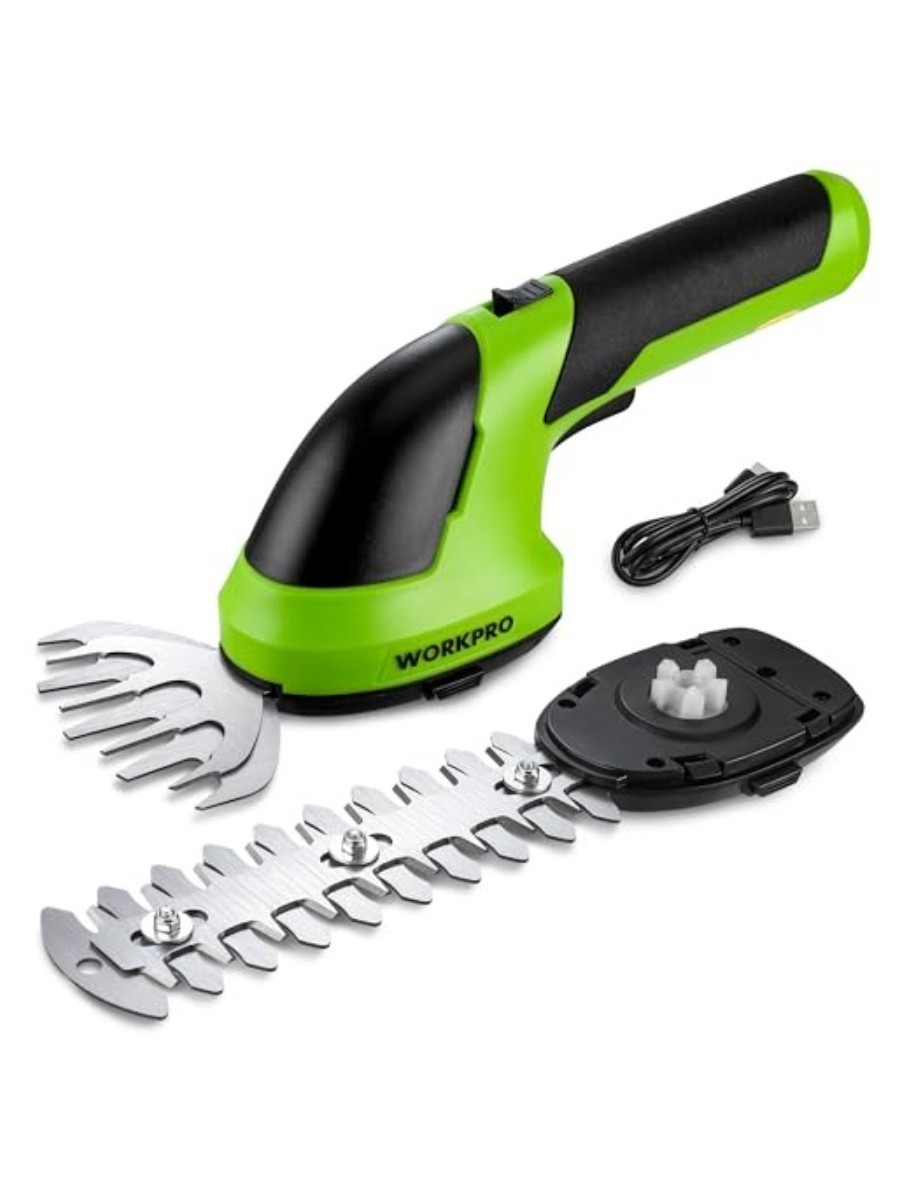 Handy Hedge Trimmer
WORKPRO
Cordless Shrubbery Trimmer
This handy handheld hedge trimmer makes cleaning up shrubs a breeze.

















 English (US) ·
  French (CA) ·