

Starting a new garden from scratch can feel daunting but there are plenty of easy, inexpensive ways to quickly give your plot a more lived-in look. Landscape designers use these tricks and techniques all the time to make a new garden look mature, and they're straightforward enough to DIY yourself on a budget. So, if you're wondering where to start when faced with a bare patch of earth and a big stretch of fencing, these garden design ideas will get your new yard established, fast.
If you've moved house and have a newbuild plot, or you're thinking about giving your existing yard a makeover, this blank canvas gives you the opportunity to design the garden of your dreams, in the same way you might be rethinking the interior layout and decor to suit your tastes. The joy of designing a garden from scratch is that you can tailor it to be the outdoor living space you want, rather than inheriting someone else's dream yard. And with these DIY garden design techniques, there's no need to wait years for your new plot to mature, even if you're on a budget.
All these clever landscape designer tricks to make a new garden look mature will quickly give a freshly-created yard a lived-in look. Which ones will you choose to use in your garden?
1. Invest in a Tree for Instant Impact
(Image credit: Neil Hepworth/RHS)
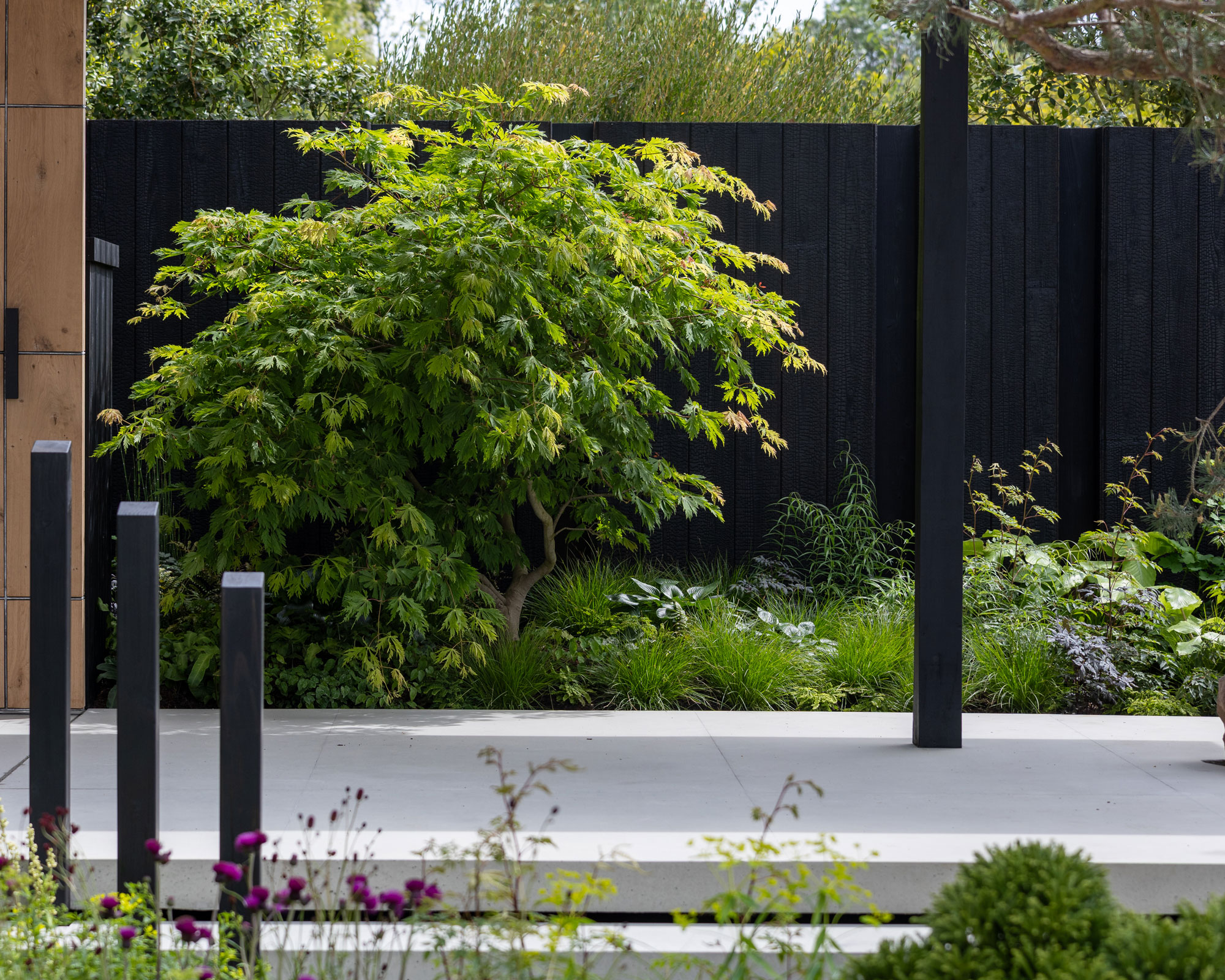
In a new garden, a well-positioned specimen tree will become the focal point around which the rest of the planting develops, as well as adding instant interest. Choose a multi-stem tree variety such as a Japanese maple,like the Acer japonicum 'Aconitifolium' in this design and the shapely branching structure will immediately create a diversion, drawing attention away from other, less developed areas of the garden.
Buy the most mature tree you can afford, and if you can stretch the budget to a few, do. Larger trees will immediately make the design feel it's been there for a while; smaller trees will simply draw attention to the fact everything is new. Choose varieties with interesting sculptural outlines, foliage, blossom or berries and you will enjoy four seasons of interest as well as instant privacy.
2. Clothe Fences With Fast-Growing Climbers
(Image credit: Sarah Cuttle/RHS)
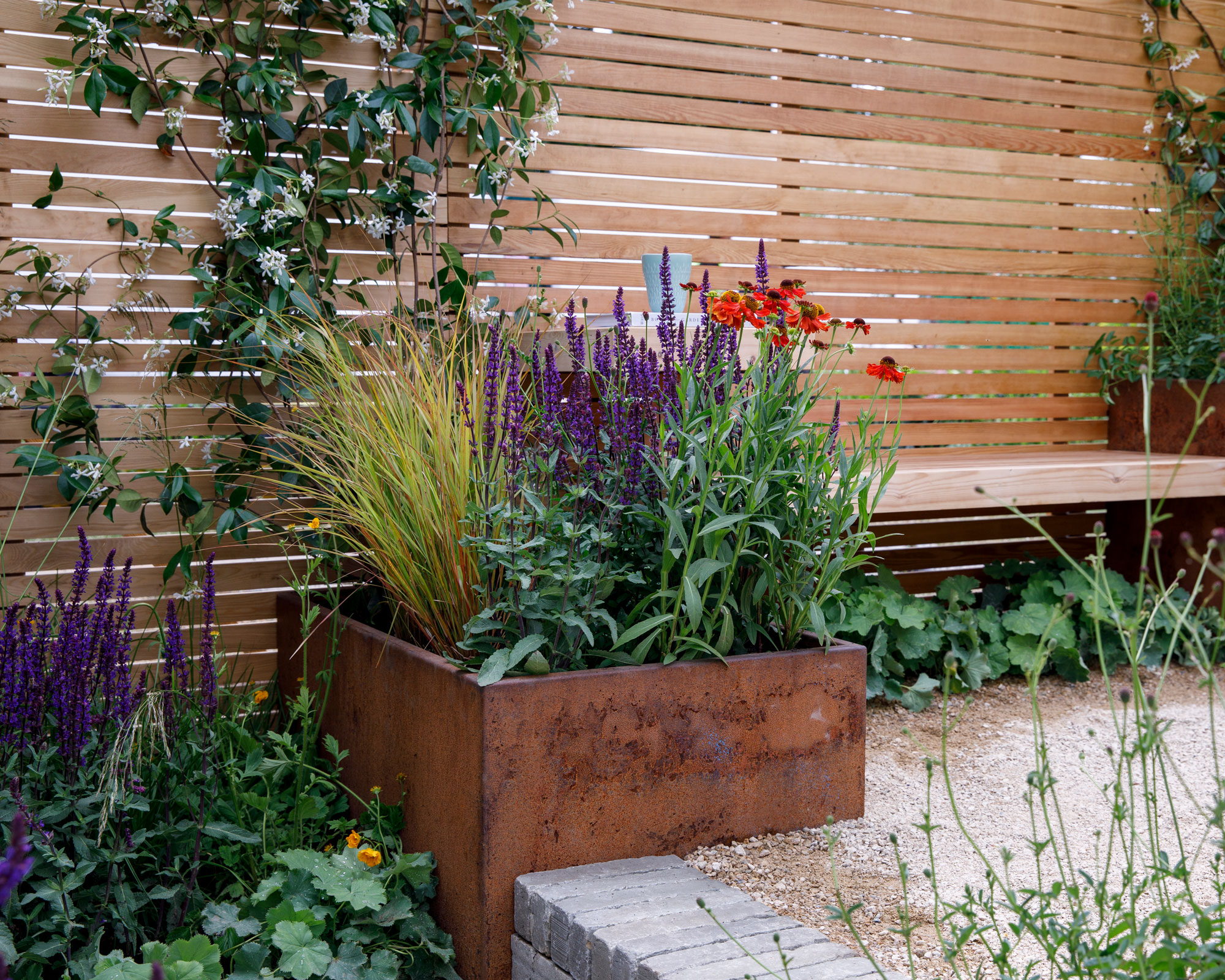
Freshly-erected walls and fences stand out as they look so stark. While their bright tones will dull down over time, introducing a softer element to landscape your garden boundaries quickly fixes the issue. A combination of trellis and your choice of fast-growing climbing plants that don't scramble out of control is one of the speediest ways to create a lived-in look. Even covering a small mid-section of a wall or fence with a climber will break up the hard landscaping and make the garden feel like it's been there for longer.
Do treat your fence first if needed, or paint it if you fancy. If your garden feels boxed in by its boundary, painting a fence a darker color to make it less visually overwhelming is one of the simplest DIY ideas garden designers use to make a small yard feel bigger.
3. Layer Planting to Add Depth
(Image credit: Neil Hepworth/RHS)
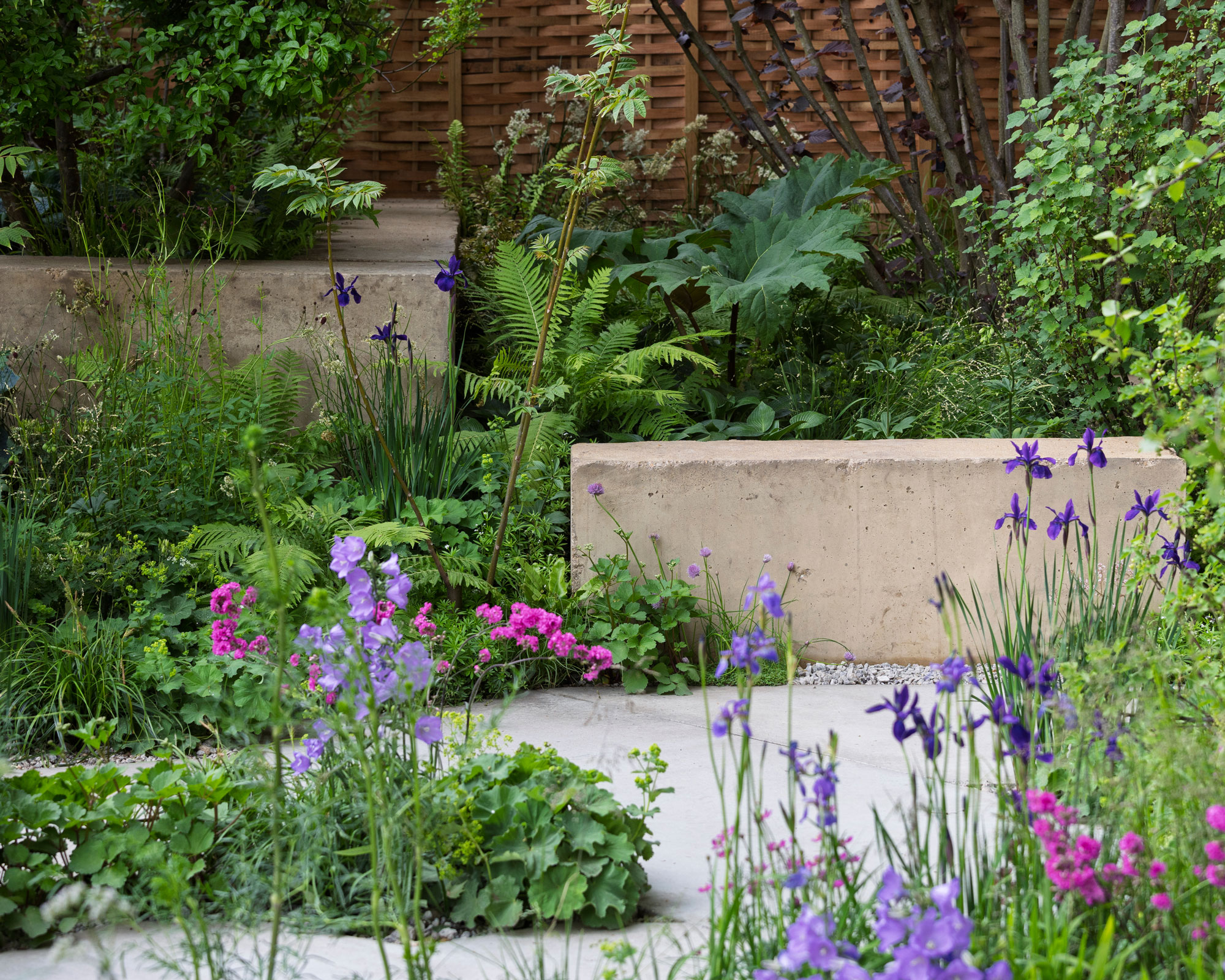
New gardens are often dominated by plants of the same height, so introducing a layered planting effect will create the impression the space has been established for a while. This garden-design technique will also help to distract from bare areas of soil while you're waiting for plants to mature.
When deciding on your planting, aim for a range of plants that fill three vertical zones and you'll automatically avoid the flat layout typical of so many newbuild gardens. Mid-height perennials in borders and beds are your mainstay, but mix in tall structural plants to act as focal points. Your final layer is low-growing, and don't dismiss this as an afterthought because there are lots of glorious flowering groundcover plants that can add color as well as texture to your garden design.
As you can see in this beautiful garden, it's safe to ignore the old 'big plants at the back of a border, small plants at the front' rule! Layering the planting height like this immediately makes borders look more mature, and allowing foliage to sprawl over paths and other hardscaped areas achieves a similar effect by blurring the edges.
Do ensure you improve the soil before you get planting, though, especially if you have a newbuild garden and have been left with a combination of rubble, clods of poor soil and weedy patches. It's always worth investing in your soil by adding a natural product like this Organic Compost Soil Improver from Home Depot that will nourish plants and help them thrive, quickly creating a more mature garden.
4. Claim Your Vertical Space
(Image credit: RHS/Sarah Cuttle)
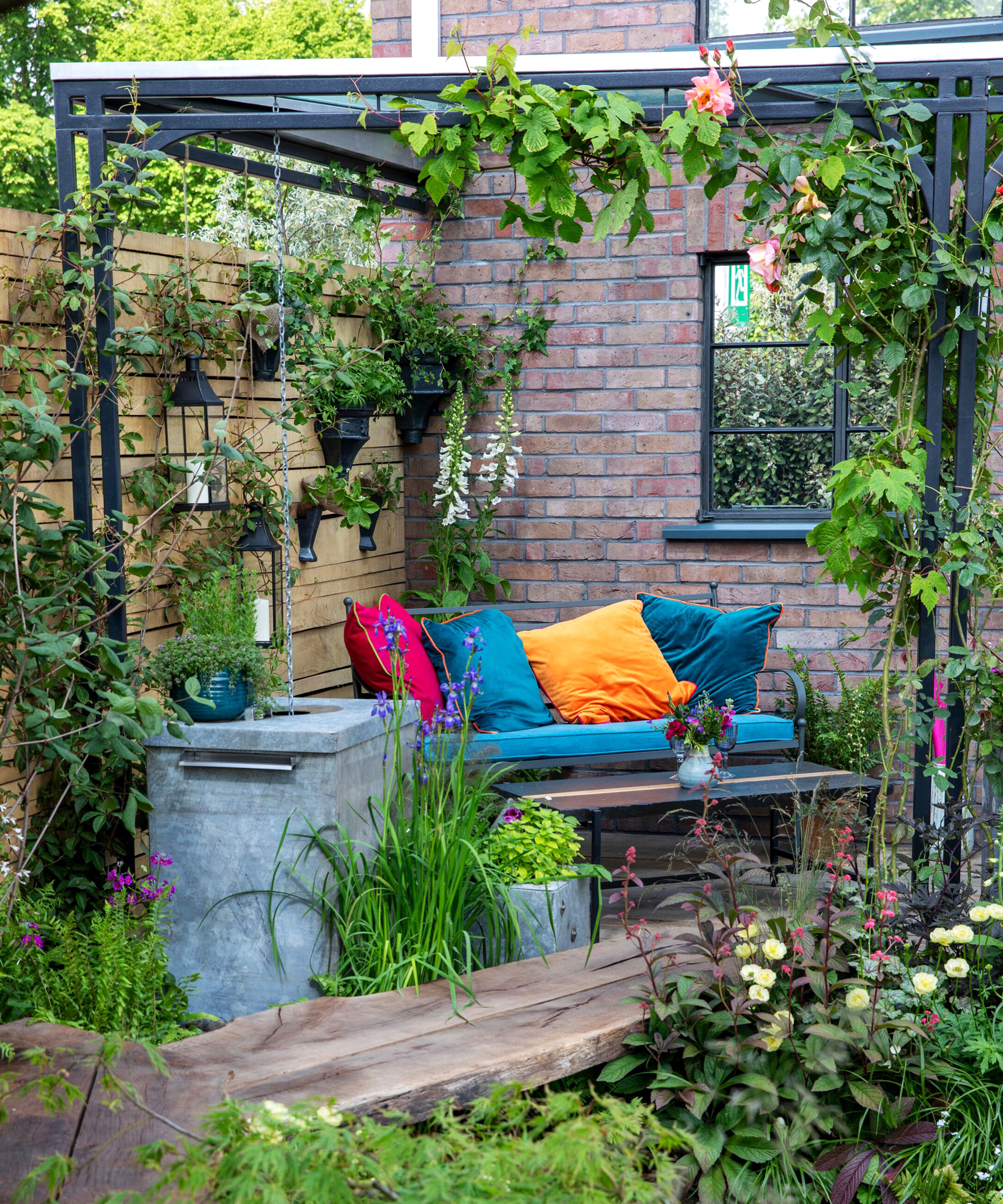
Another common issue in a newly planted garden is an absence of height. While you're waiting for trees and shrubs to mature, a speedy solution is to add a pergola or gazebo planted with a climbing vine. Clematis is a super choice, especially fall-flowering clematis that peak just as the rest of the garden is fading and, whether you're looking for a compact vine or fast coverage, you can find a clematis vine to suit every garden spot.
Using a structure to claim your vertical space quickly makes a garden feel more established, and it doesn't have to be a big spend. A simple design like this Outdoor Metal Pergola from Wayfair won't blow your budget yet will add that all-important height factor to switch up a flat plot. A pergola improves privacy, too, one of the most common requests landscape designers are asked for.
5. Use Hedging to Add Dense Foliage
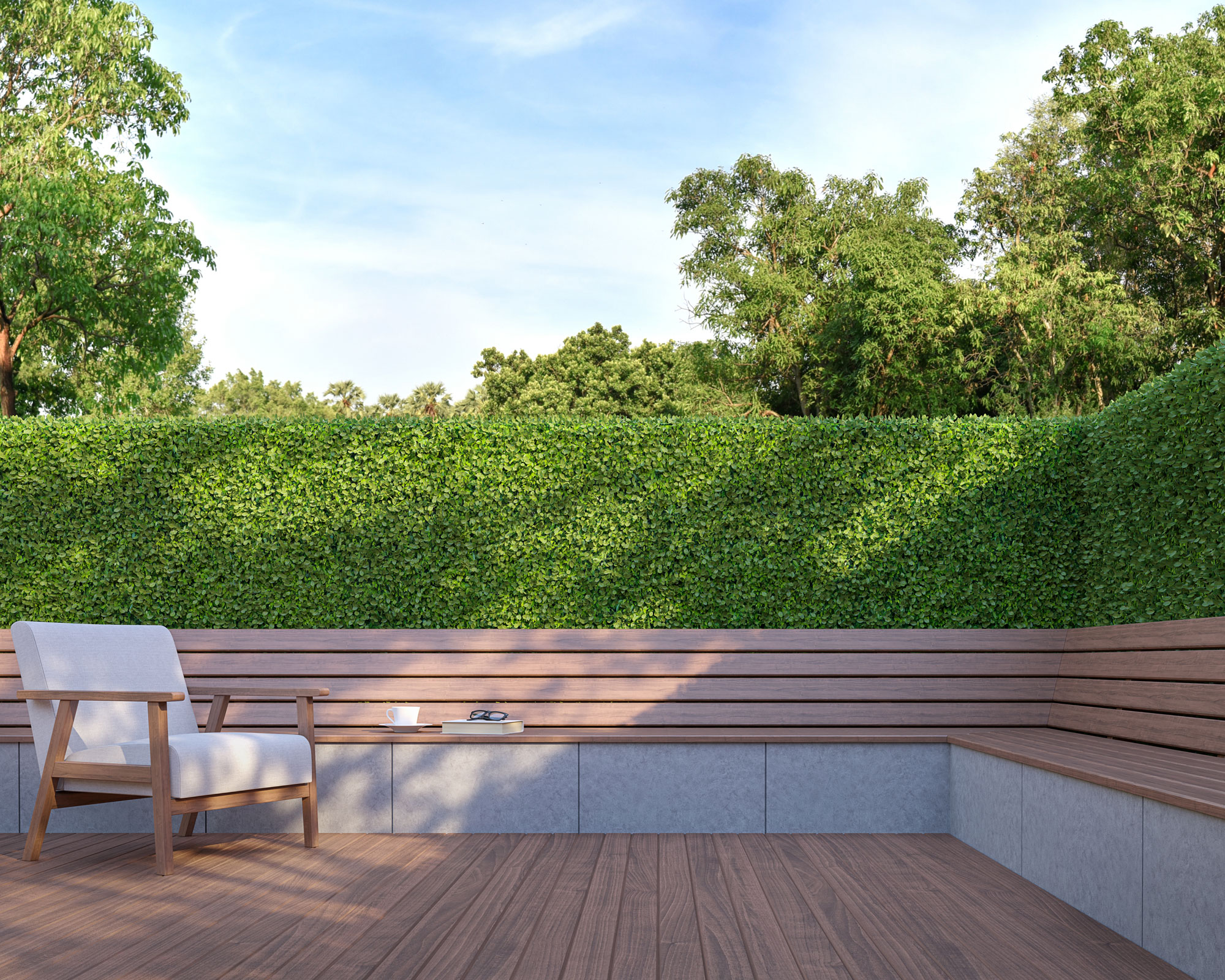
(Image credit: Runna10/Getty Images)
Adding a hedge to a new garden can double the foliage count and also provides shelter to wildlife, helping to quickly establish an ecosystem for healthy, thriving plants. Buy in fall or in bulk and hedging plants are surprisingly cost-effective, allowing you to afford more mature plants and cut the time it takes to soften boundaries.
An established hedge immediately gives a garden enclosure and privacy while creating an attractive background that will enhance any planting in front. Think too about using hedging plants to divide a larger garden into different areas or garden 'rooms', making the space feel more considered and established.
Don't skip straight to boxwood because there are all sorts of plants that work well as hedging, contributing texture, shape and color to your garden design as well as making it look more mature.
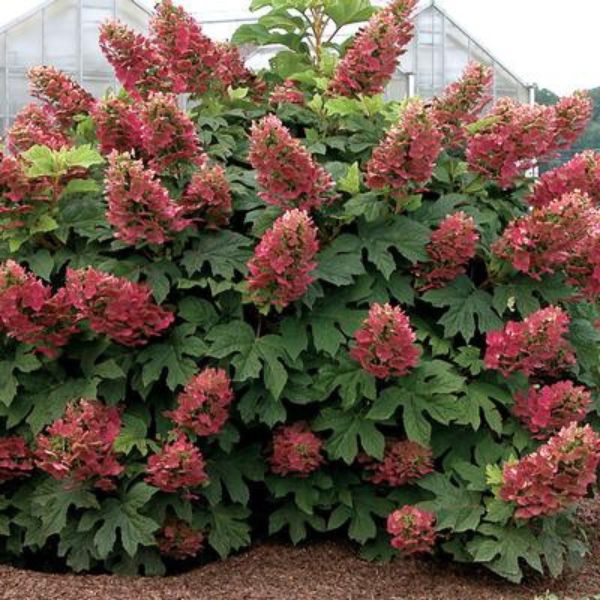 Shape-shifting blooms
Ruby Slippers Oakleaf Hydrangea
This compact hydrangea makes an attractive hedge, and drops its shapely leaves in fall to allow precious sunlight into your garden.
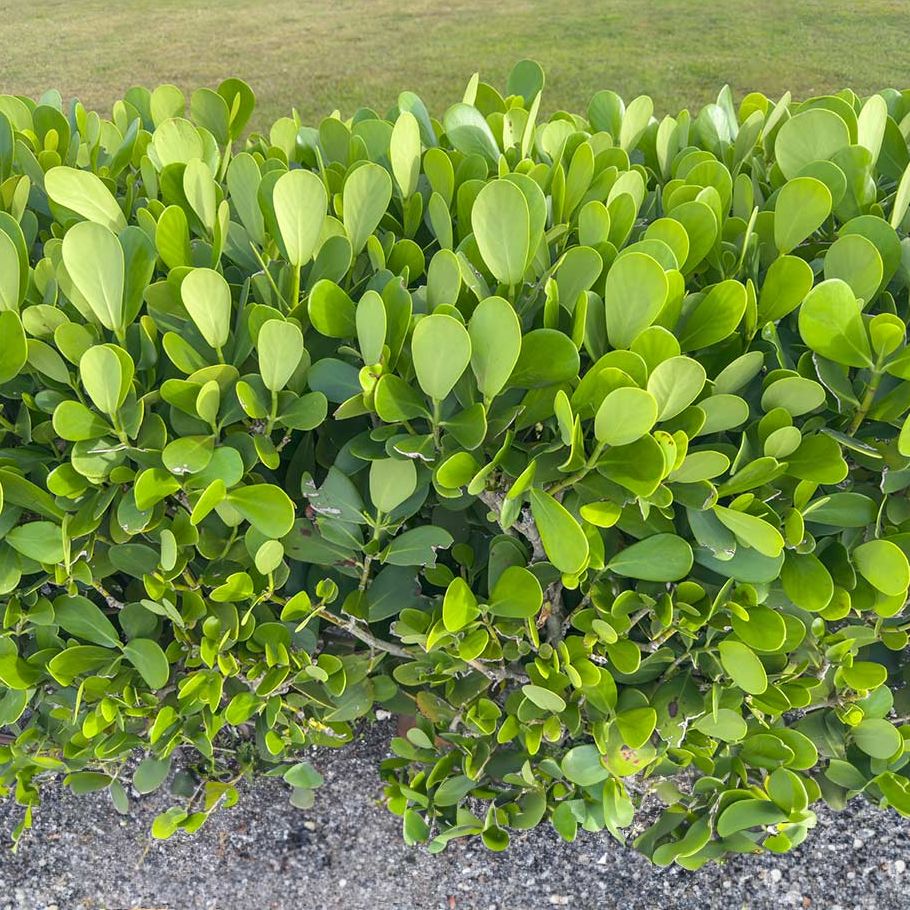 Cool evergreen leaves
Clusia flava has thick, leathery teardrop-shaped leaves that resist drought, diseases and drought for a low-maintenance hedge.
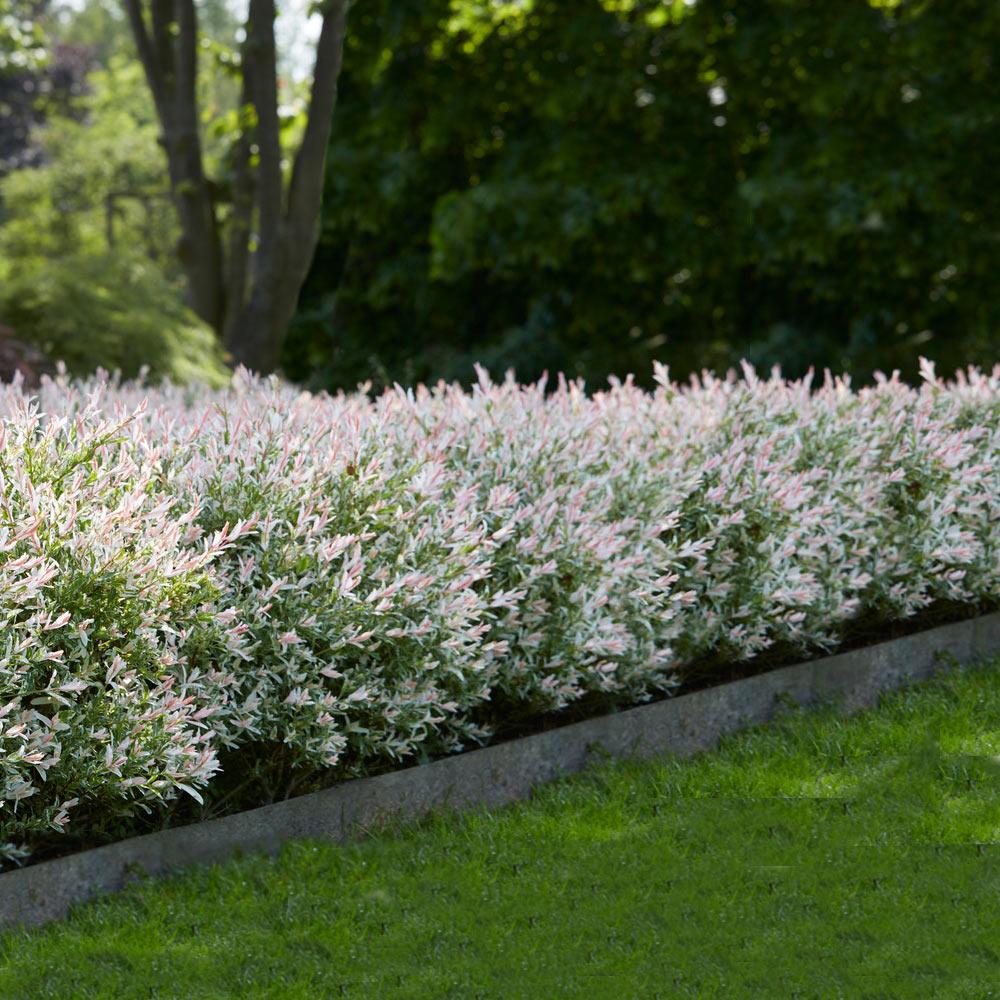 Va-va-voom foliage
Tri-Color Dappled Willow Shrub
New leaves emerge a rich pink, and dense branching ensures plenty of them, and this Salix integra is a fast grower for a quick result.
6. Enclose a Seating Area With Planters
(Image credit: Joanna Kossak/RHS)
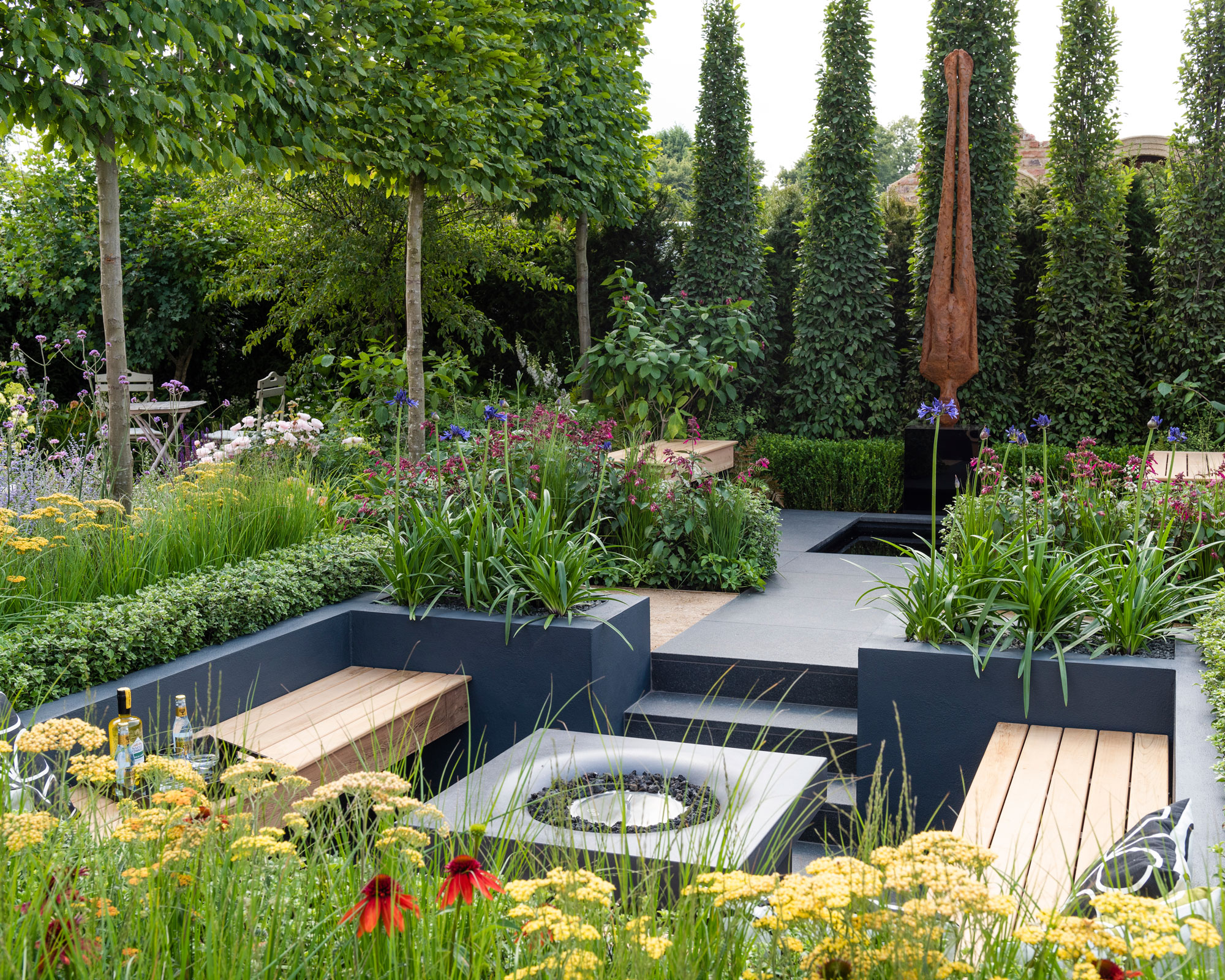
Once you've decided where to put your seating area, surrounding the space with raised planting immediately brings an immersive sense that many mature gardens enjoy. By all means hardscape an L-shape or U-shape of raised beds, or achieve a similar effect with contemporary planters.
Fill the containers with repeat planting for a cost-effective, modern look that soon fills out and looks good year-round. Opting for tall ornamental grasses or clipped evergreen shrubs is just one of many affordable planter box ideas that boost your garden style as well as your growing space, and will quickly add a sense of permanency. Think about adding recessed lights too as they will light up the plants at night for extra interest, as well as making your design feel polished.
7. Top Dress With Gravel to Cover Bare Soil
(Image credit: Neil Hepworth/RHS)
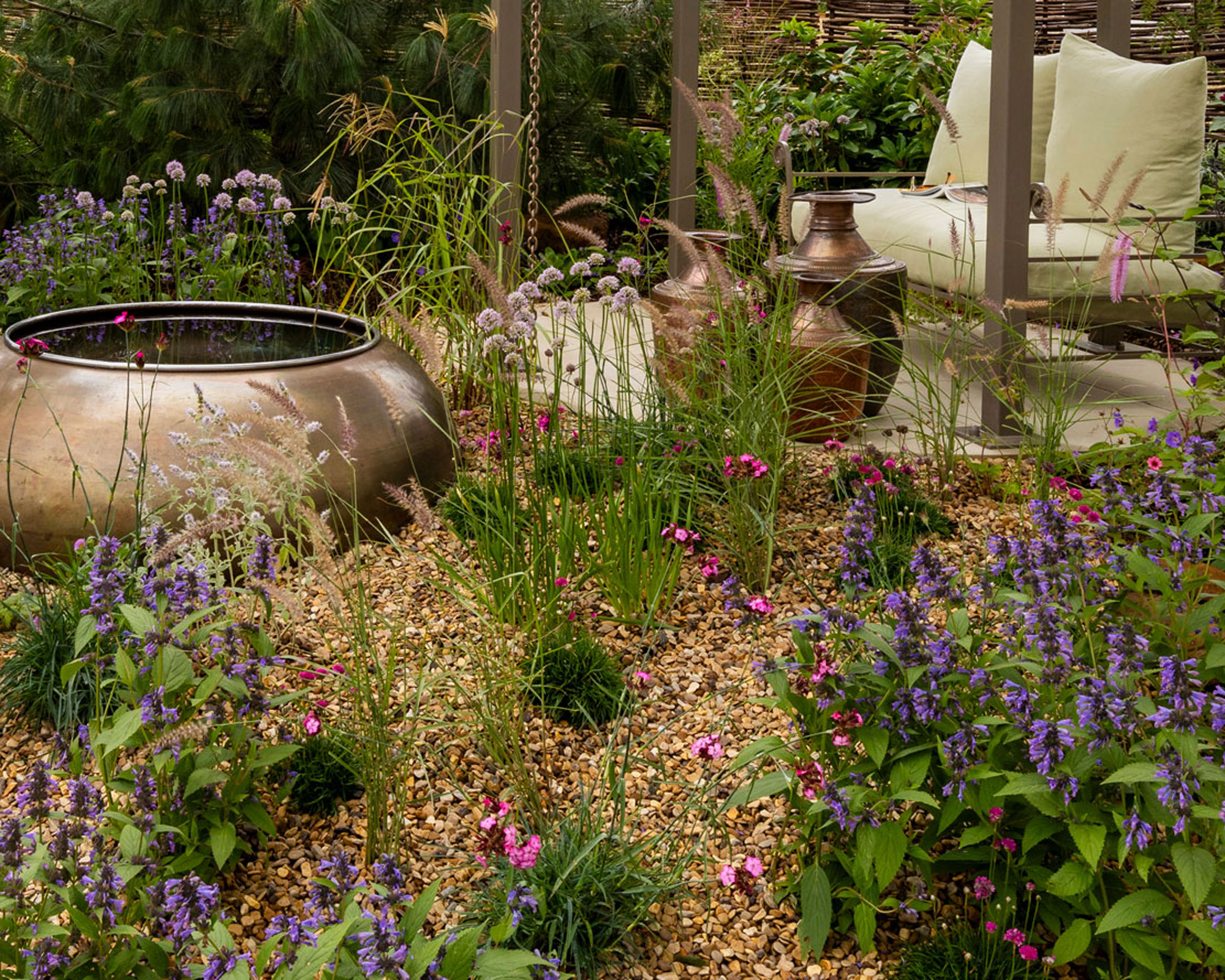
One of the biggest giveaways a garden is newly designed is the large areas of bare soil left between perennials and shrubs that require room to mature. The quickest way to address this problem is the popular landscape designer trick of adding a layer of gravel to cover the soil surface.
As well as making the area look finished, and those gaps intentional, this brings the added benefit of giving plants a boost by helping to retain moisture in the soil and suppressing weed growth. Use smaller, slightly rounded pea gravel such as this pretty warm-hued Rainforest Pink Washed Gravel from Lowe's for a natural effect.
Another solution is to banish bare soil with ground cover plants that spread beautifully but gracefully give way to taller perennials and shrubs as they mature and grow. Use a combination of both gravel and groundcover and that immature border will instantly look like it's been there for years.
8. Blur Hard Landscaping Lines
(Image credit: Neil Hepworth/RHS)
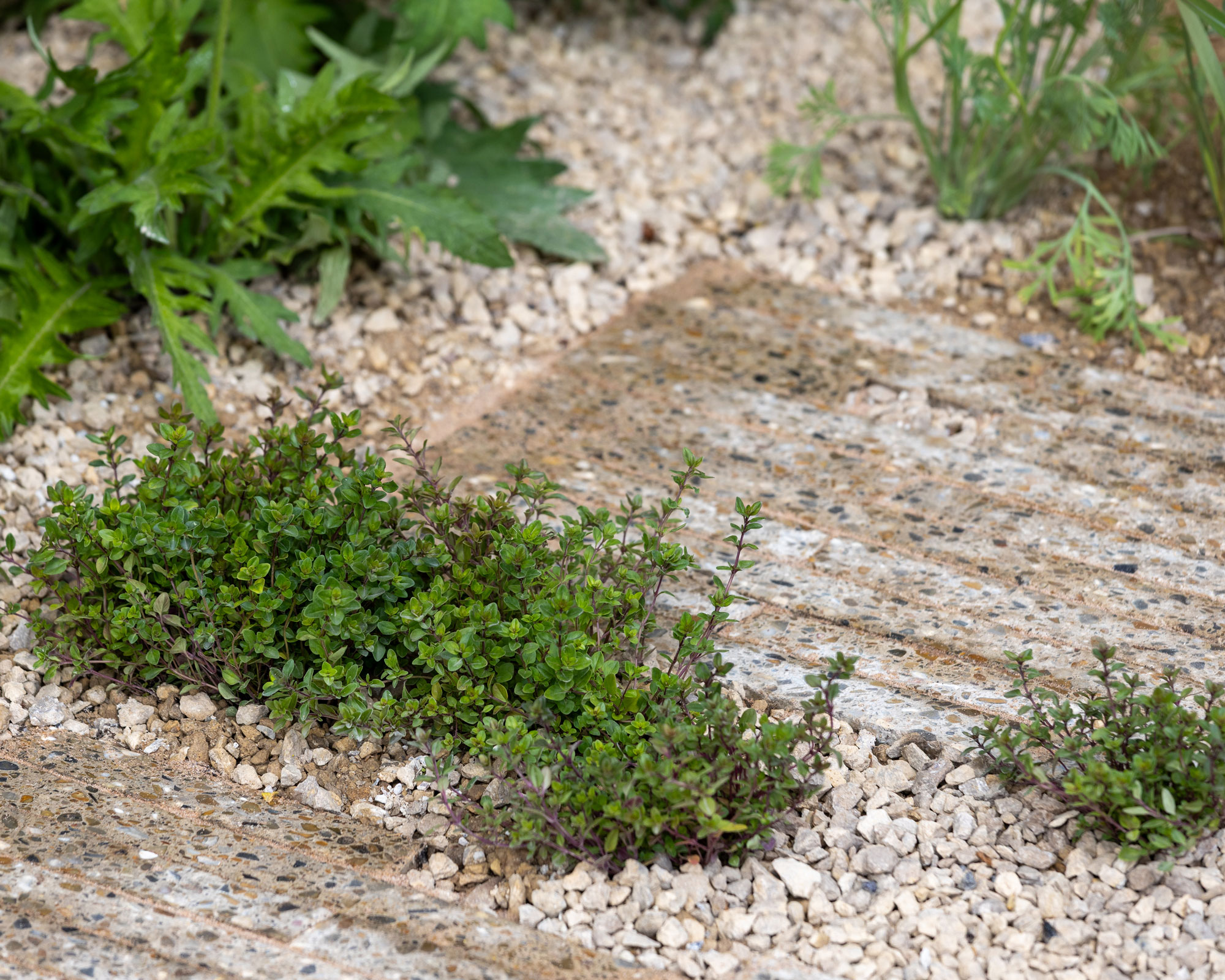
Perfectly straight edges between recently paved patios, freshly laid lawns and new paths are a clear sign of a just-completed landscaping project. To make the space look more settled, blending the different landscaping elements for a more aged aesthetic is a trick designers often use. Let ornamental grasses and low-growing perennials flop over a path, and use pea gravel to transition between different areas to banish hard lines.
The trick is to use low-maintenance plants that landscape designers favour to soften hard landscaping as they look good without much care from you. A common trick is planting in the cracks between flagstones, bricks and pavers so stems spill over the edges to soften hard outlines and make the hardscaping look aged and characterful. Using creeping thyme to scent paving and pathways is particularly successful and, once stones or pavers are partially covered with its fragrant foliage, they look like they've been there for ever.
9. Sow Self-Seeders for a Random Detail
(Image credit: Getty Images)
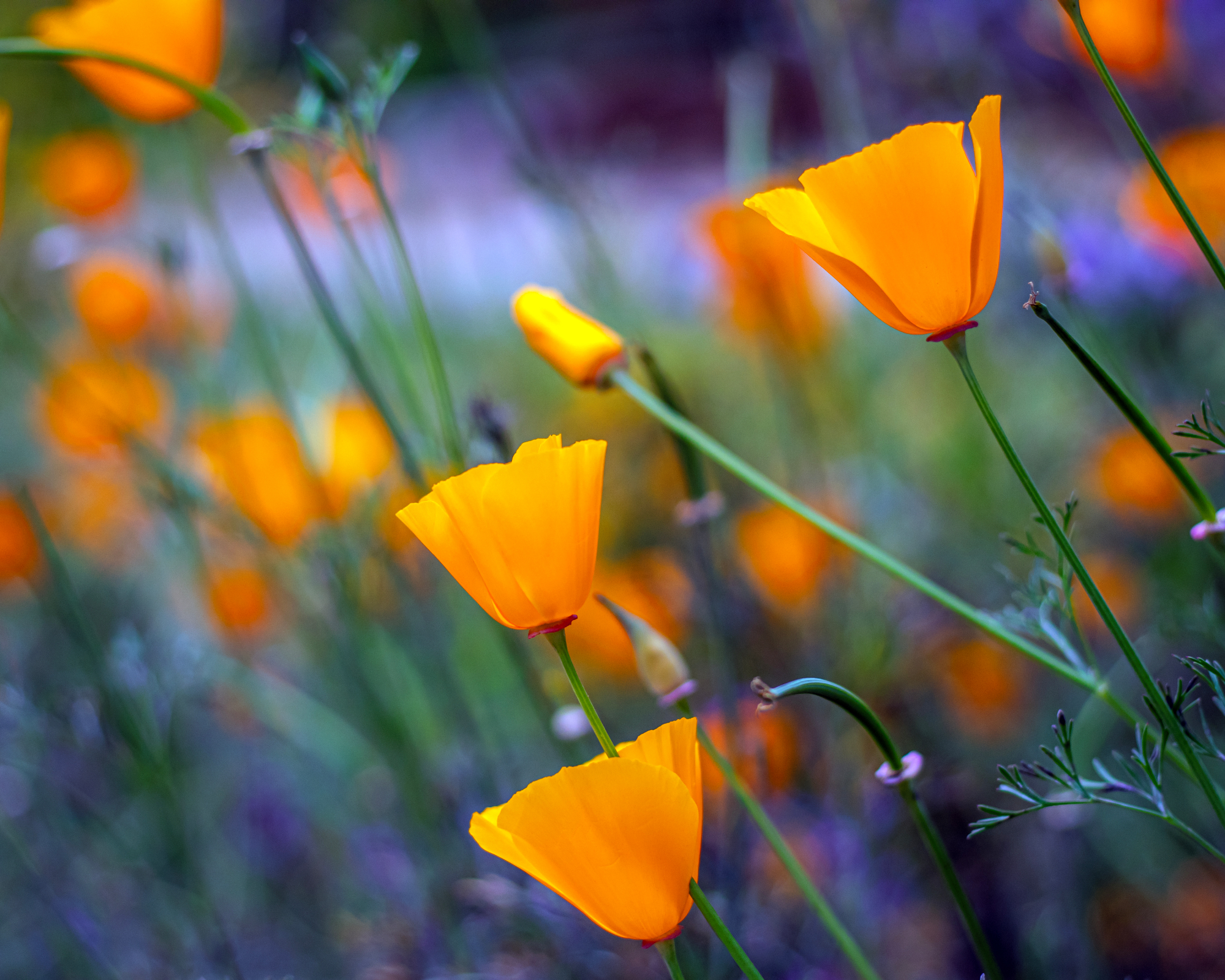
One of the biggest joys of a mature garden is the little pockets of colorful petals that pop up in unexpected spots as a result of self-seeding short-lived plants. It's simple to replicate this in a new garden with fling-and-forget seeds that practically grow themselves, and many can be sown in fall to flower early the following year. Don't be too careful about where you sow them but aim to recreate a natural, random positioning.
A smart choice is California poppies as they gently self-seed without taking over the garden, only grow just over a foot tall, and will flourish in poor soil and even gravel. While a cheery orange is the usual color of Eschescholzia californica, and California poppy seeds are available from Eden Brothers, there are all sorts of pretty tones to choose from such as Thai Silk Appleblossom Chiffon California poppies, with seed also available from Eden Brothers. Poppy seeds require a cold period for good germination, so sowing in fall is beneficial.
Making a new garden look more mature is simple with these landscape designer techniques. With these basics in place, you can employ all sorts of little tricks to age any parts of your yard that still look far too new. Painting yogurt or buttermilk on unglazed terracotta pots encourages the development of a natural patina, or try applying a thin coat of diluted paint to fences or walls for a more aged aesthetic.

















 English (US) ·
  French (CA) ·