

September is a crucial time in the hummingbird calendar, as the great fall migration is officially underway. Across North America, millions of hummingbirds (from Eastern Ruby-throated to Western Rufous) are initiating or continuing their perilous journeys south toward wintering grounds in Mexico and Central America. Unlike the lazy days of early summer, when these tiny birds established fixed territories in your yard, September travelers are moving constantly. Your yard has the potential to be a vital refueling oasis along a high-stakes highway.
During this epic journey, hummingbirds require plenty of fuel, clean water and secure shelter just to survive their daily flights. Because their metabolic rates are among the highest in the animal kingdom, even a brief shortage of nectar or a sudden cold snap can prove disastrous. So making a few tiny yet thoughtful adjustments to your yard this month can help support and sustain these tiny travelers as they navigate changing weather patterns, declining flowers, and unfamiliar landscapes.
While the exact timing of migration will vary, depending on your geographic region and local weather conditions, it’s a good idea to maintain all supportive feeding stations and shelter features for at least 2 weeks after your last hummingbird sighting of the season. Keeping your backyard sanctuary fully operational ensures that late-arriving stragglers and younger birds have the emergency calories required to complete their journey safely. Here’s how to easily set up the ultimate fall pitstop.
Help Hummingbirds in September
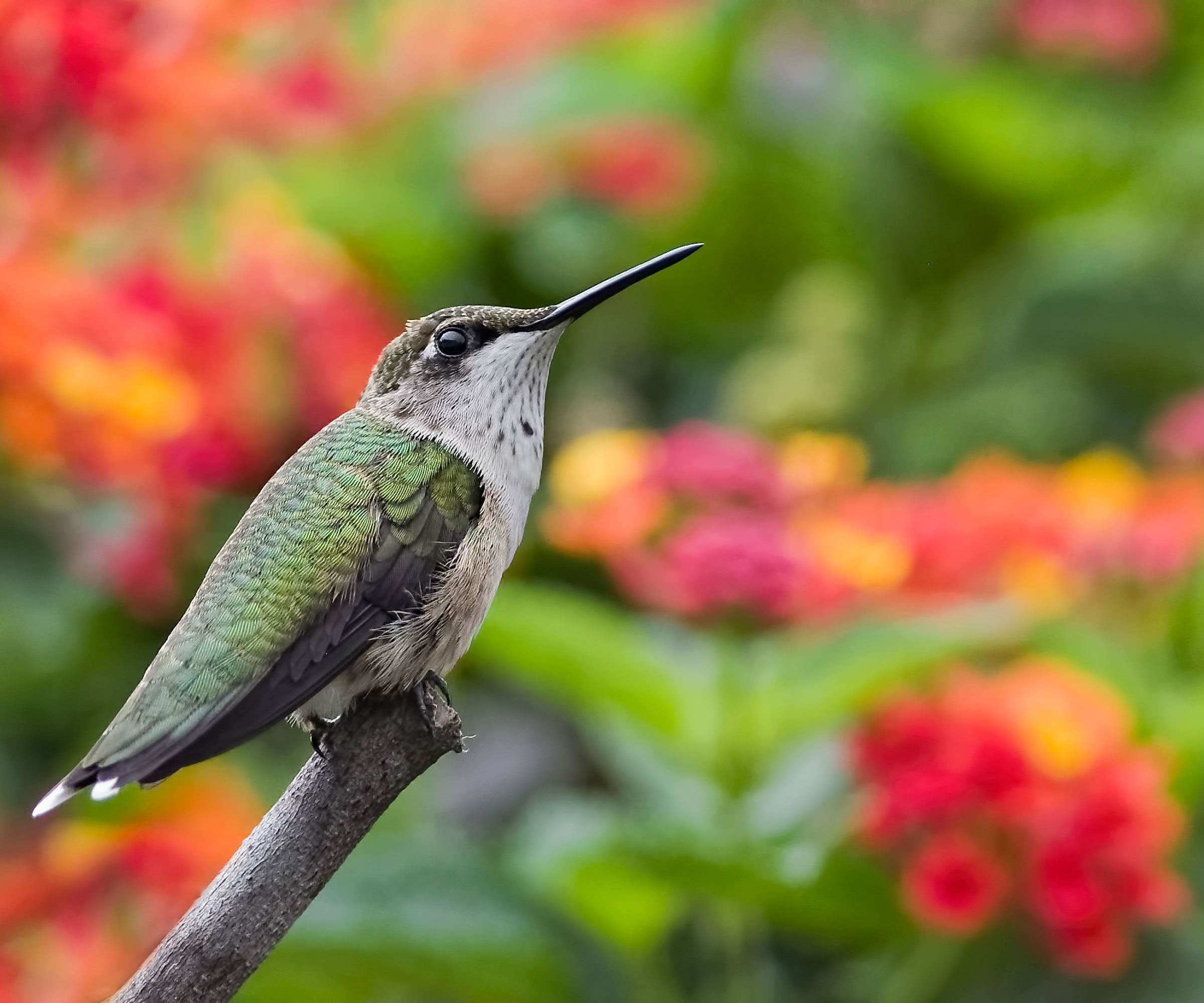
A few simple measures to improve safety in your yard will benefit all migrating birds at this time of year, but especially hummers. In northern states, Canada, and high-altitude regions, northern hummers are heading south, making your yard a critical place to refuel and rest before continuing on their fluttery way. Meanwhile, central and southern states are experiencing a surge, as wave after wave of weary travelers bottleneck head toward the Gulf Coast. Migrating birds are tired and vulnerable right now, and more are moving through your area than you might think.
Depending on where you live, the species visiting your feeders will shift dramatically. Eastern gardeners will primarily see Ruby-throated hummingbirds, including young birds embarking on their first migration journey. Western backyards will host a mix of feisty Rufous, Broad-tailed, Calliope, and Black-chinned hummers, while West Coast and Southwestern gardeners may support Anna’s Hummingbirds year round, as well as migrating flocks. Taking extra steps to secure your yard can protect and feed every tiny visitor passing through your area.
(Image credit: Daniel Ripplinger / DansPhotoArt / 500px / Getty Images)
As well as the following key steps, one of the easiest ways to protect hummers from fatal window strikes is by adding some UV-reflecting decals on your window. These help birds visualize glass as a solid barrier. For strong adhesive clout at a bargain price, try Mesinurs Anti-Collision Bird Stickers from Amazon. it’s also important to ensure that passing travelers have thick cover to shelter from predators, such as dense shrubs, trees, or tucked-away brush piles. If you have domestic cats that go outdoors, keep them inside until peak migration passes.
September is a critical transition period, and your choices in the garden can make it more successful for these little birds. This month is your time to shine, so keep an eye out for stragglers, and make sure your yard is ready with the following easy hummer wins during fall migration…
1. Provide Plentiful and Clean Nectar
(Image credit: Bob Warner / 500px / Getty Images)
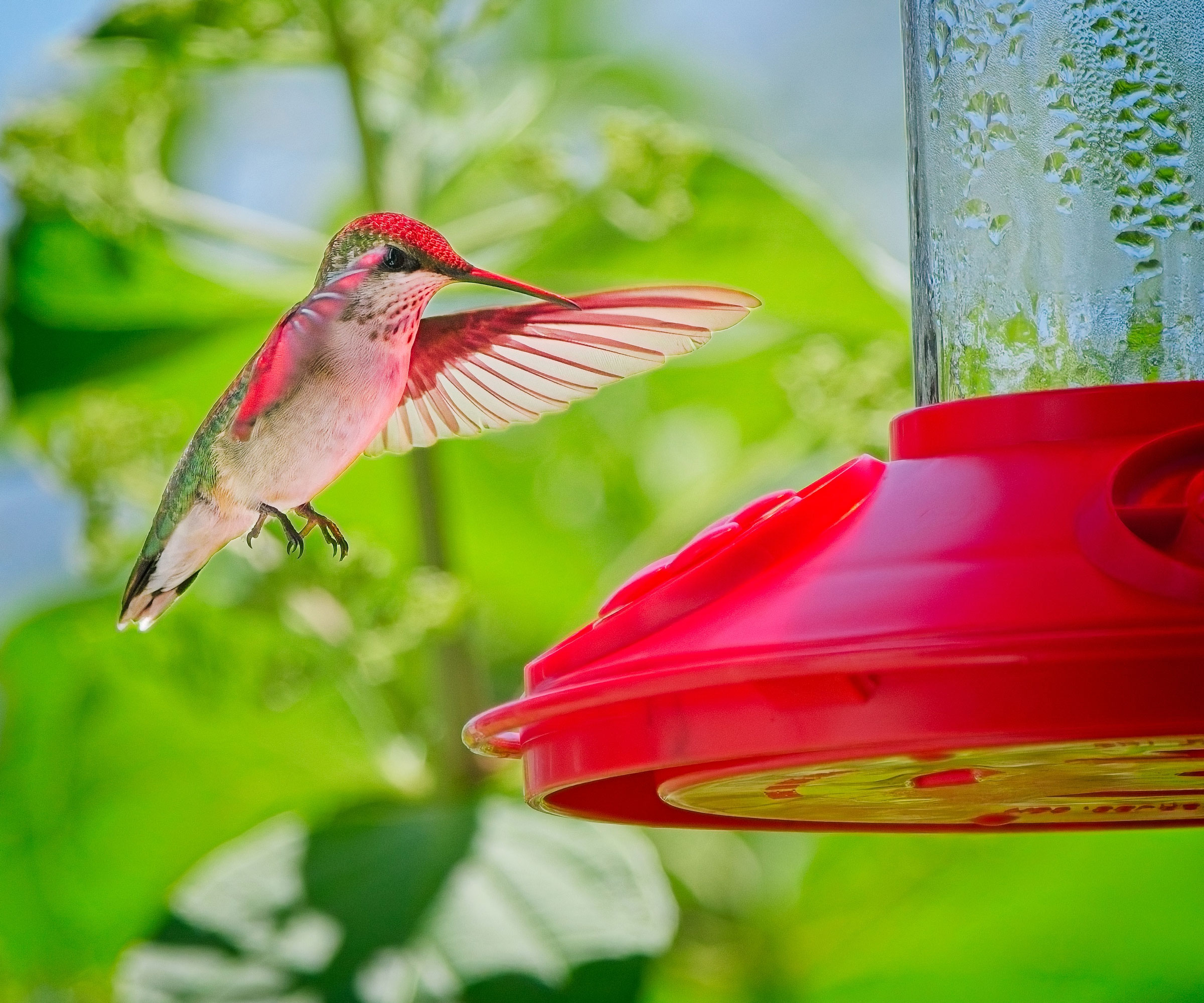
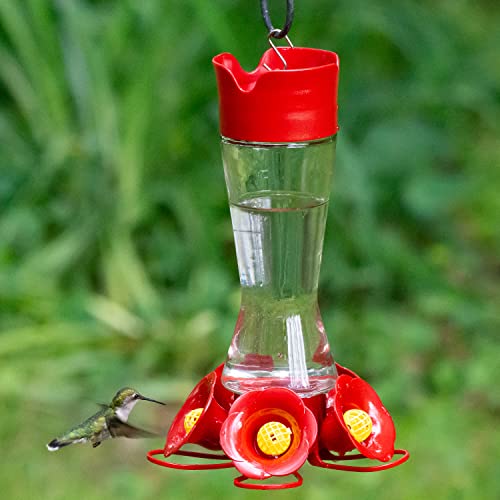
If you are a hummingbird lover, you probably already have a nectar feeder hanging in the yard. That is a fantastic start, but visiting birds could benefit from even more this month. In September, hummingbirds are either bulking up for migration or actively traveling hundreds of miles. This is an energy-intensive period, and they need as much food as possible. If in doubt, you can’t go wrong with a classic red Perky-Pet Pinch-Waist Hummingbird Feeder from Amazon with its multiple perches and ant moat.
Keep providing fresh nectar throughout September, and if possible, hang additional feeders. Position new feeders in different locations out of the direct line of sight of existing stations. Hummingbirds like Rufous are fiercely territorial over food sources and can chase off hungry travelers when there is only a single feeder to share. Make sure you choose dedicated nectar, such as BirdBros Hummingbird Nectar, available from Amazon, which is dye-free and dilutes really well in warm water.
Plentiful nectar helps birds with energy reserves, but make sure you clean and refill feeders every 2-3 days to prevent harmful mold and bacteria growth. There is a myth that keeping feeders up late in the season prevents hummingbirds from migrating. This simply isn't true: shortening day length triggers migration instincts, and extra nectar can only help to ensure they survive the trek.
2. Plant Late Season Flowers
(Image credit: Tongho58 / Getty Images)
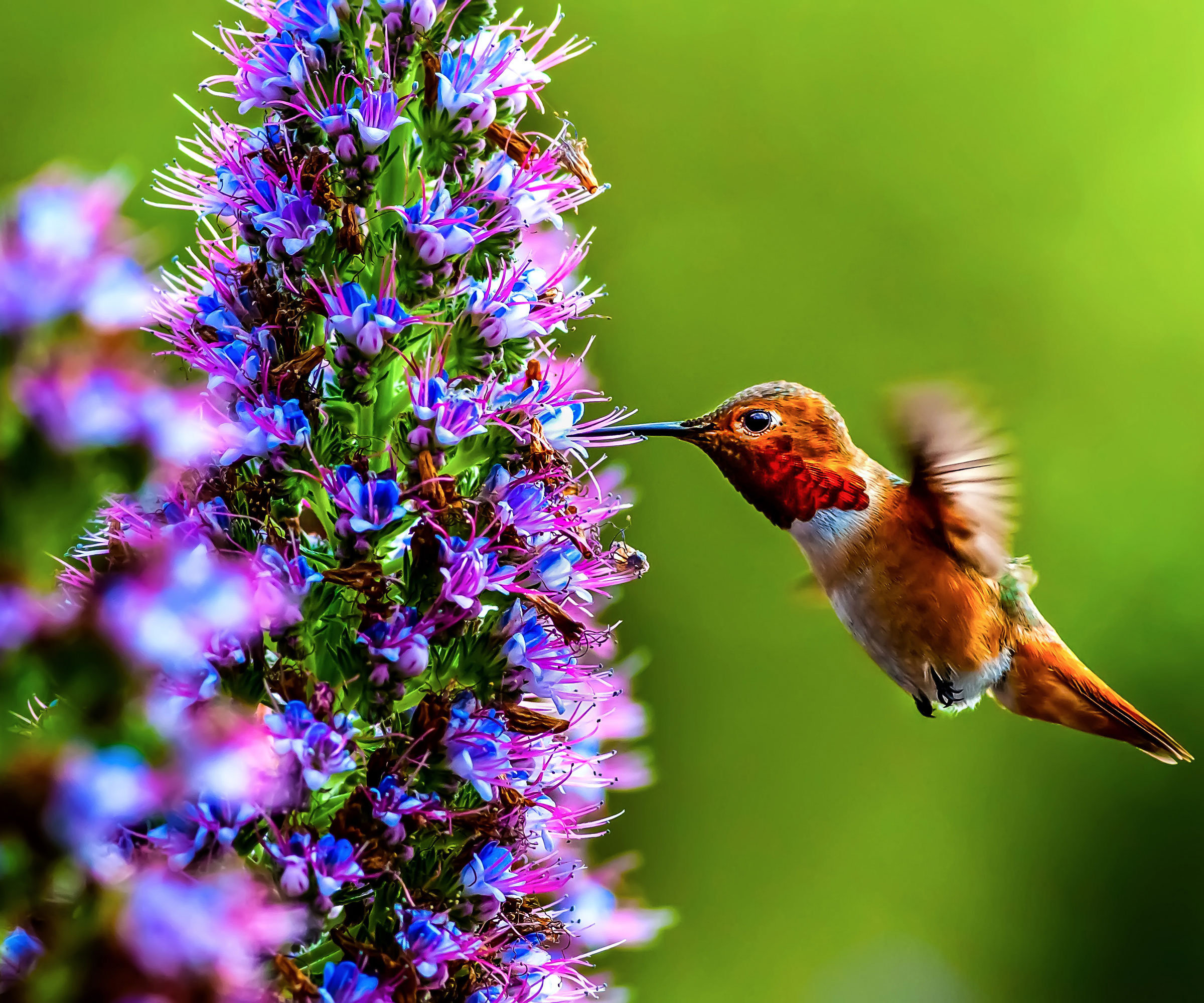
In addition to feeders, keeping your yard blooming well into September provides vital natural foraging for local and migrating hummingbirds. While summer offers an endless buffet of wild blooms, natural sources will begin to decline rapidly in fall. Migrating hummers will appreciate any late-blooming, nectar-rich flowers you can add to your garden beds now to supplement your feeders.
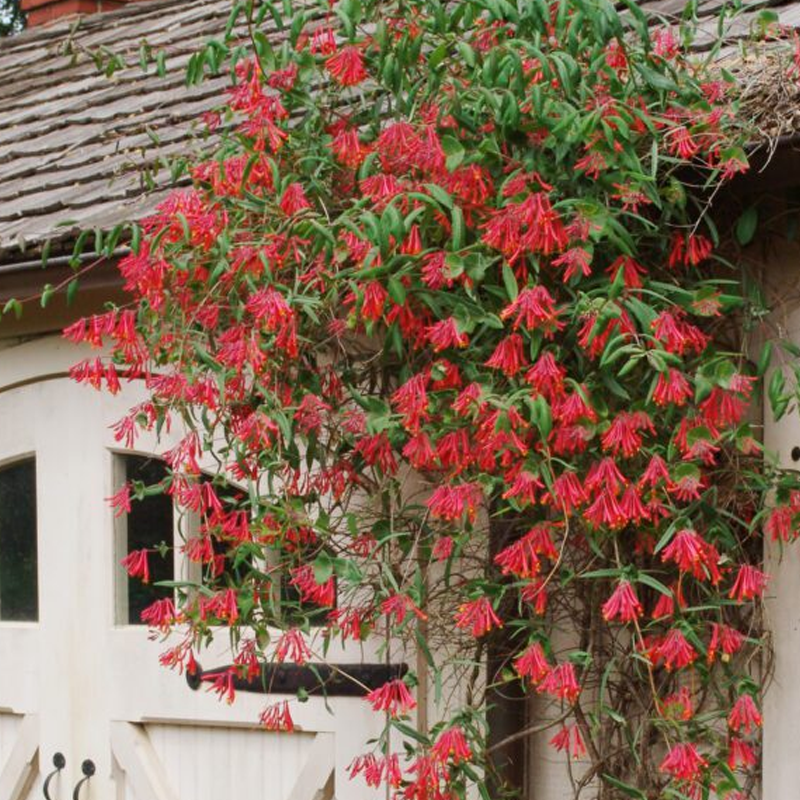
Choose hardy perennials appropriate for your climate that flourish in late summer and early fall. Outstanding fall choices include cardinal flower (Lobelia cardinalis), anise hyssop (agastache), bee balm (monarda), fall asters, trumpet honeysuckle, autumn sage, and goldenrod. One gorgeous late season hummer magnet is cherry red American Beauties Major Wheeler Trumpet Honeysuckle, available from Plant Addicts, which keep flowering through fall.
September is an ideal time to plant containerized perennials and hardy flowering shrubs in most regions. The soil remains warm enough to encourage rapid root establishment, while cooler air prevents transplant stress. Alternatively, add some annuals that continue blooming up until the first frosts. Try late-blooming salvias such as electric blue Sacred Roots Nursery Black and Blue Salvia, available from Walmart, as well as flowering tobacco, lantana, zinnias, or Mexican sunflower to supplement your permanent garden borders and draw traveling birdies from afar.
3. Go Easy on Fall Cleanup
(Image credit: Jared Lloyd / Getty Images)
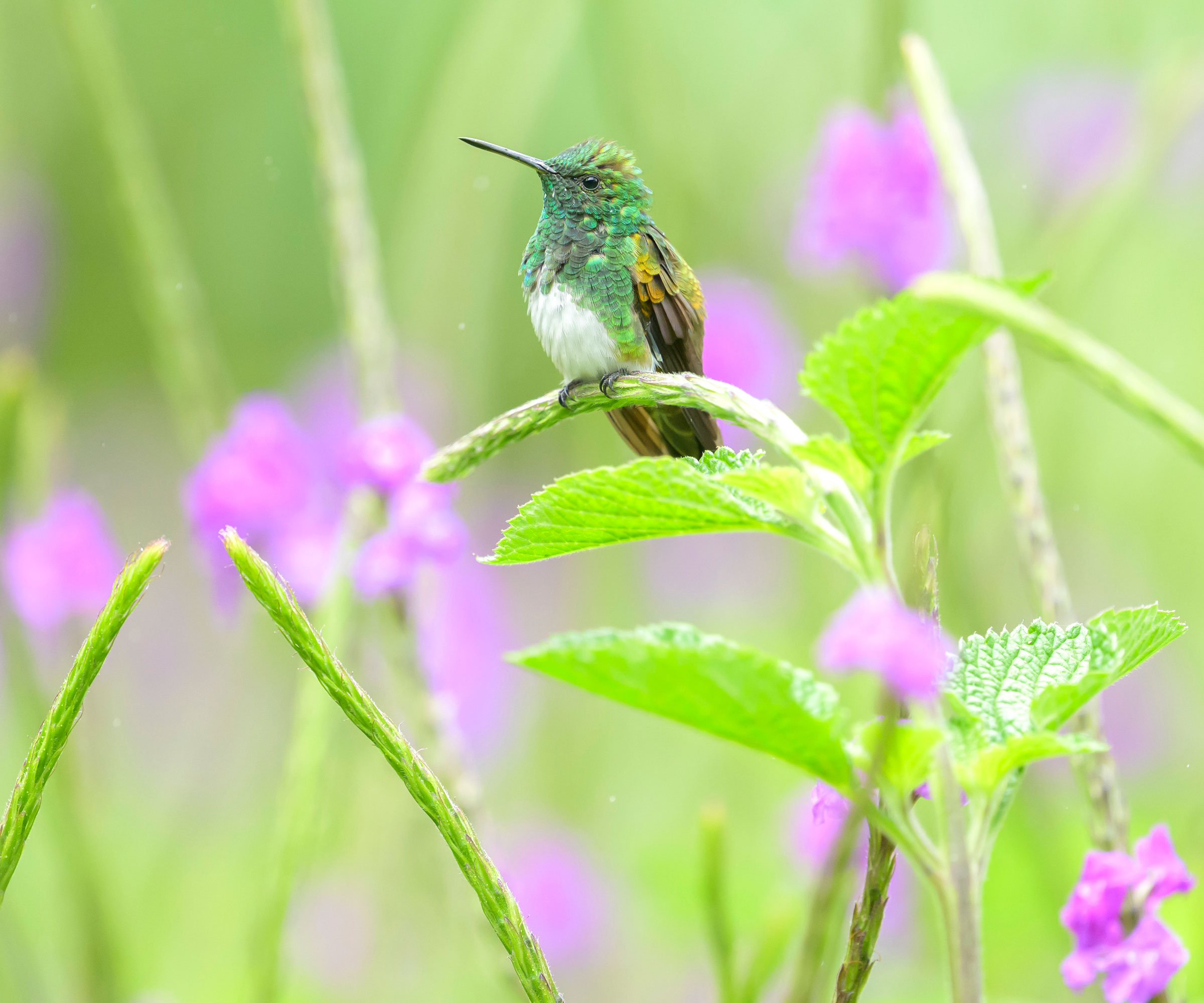
It’s tempting to do a thorough garden cleanup as summer winds down, but try to resist that urge. Leaving key areas of the garden natural, overgrown, and fading through September creates a sanctuary for migrating hummers. Fading perennial stems, tall seed heads, and dense shrub branches provide cover where birds can rest, preen, and hide from predators. Leaving natural detritus also protects beneficial insects, creating a healthier, more biodiverse ecosystem for all backyard wildlife.
While light maintenance is fine, leave beds near feeders and late-blooming plants untouched until the migration window closes. Layered canopy structures are best, combining overhead tree branches, mid-story shrubs, and low perennial cover. Juvenile hummers can spend up to 80% of their day perching to conserve body heat and digest sugar water, so leaving natural branch perches will give them safe, energy-saving resting spots.
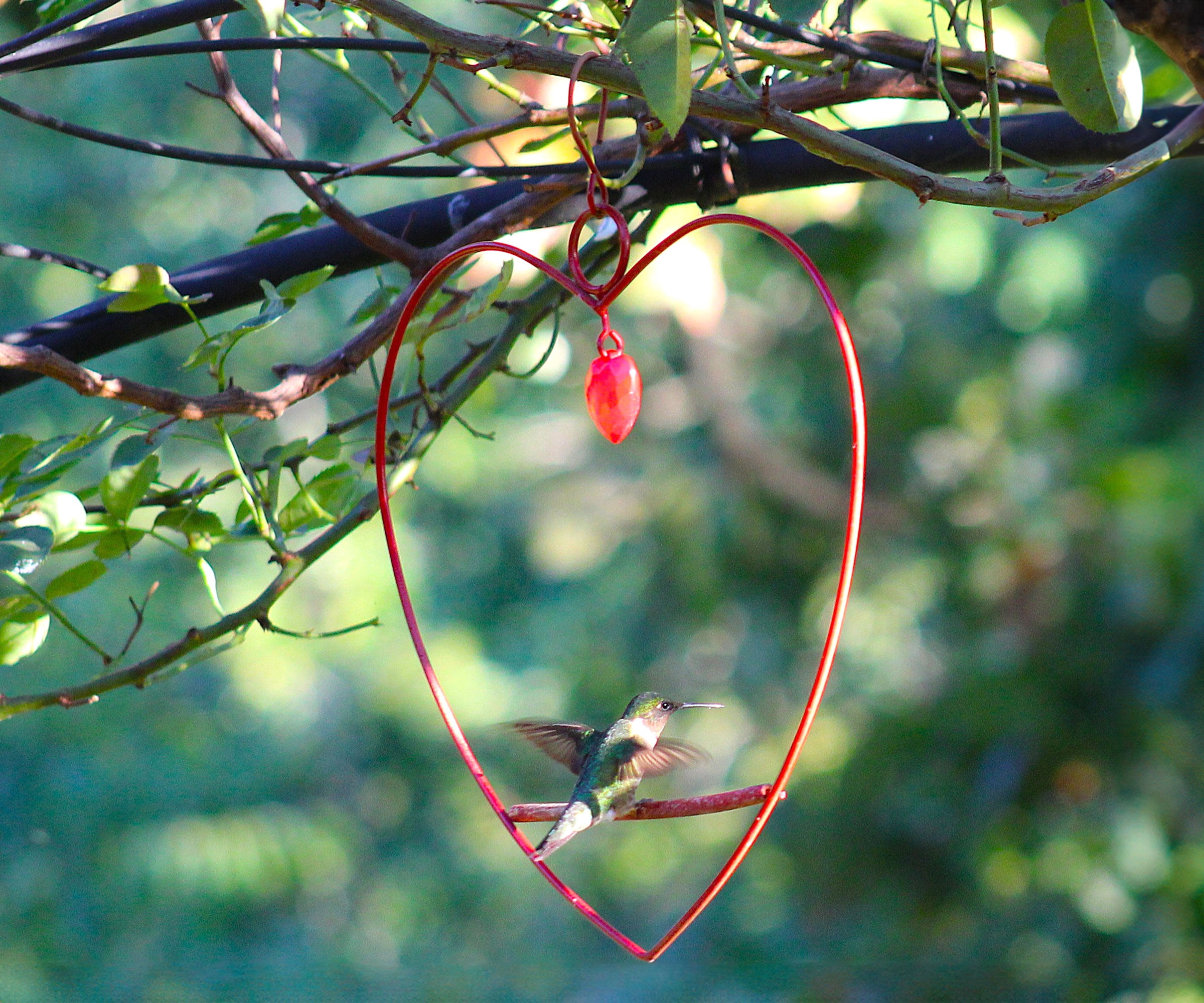
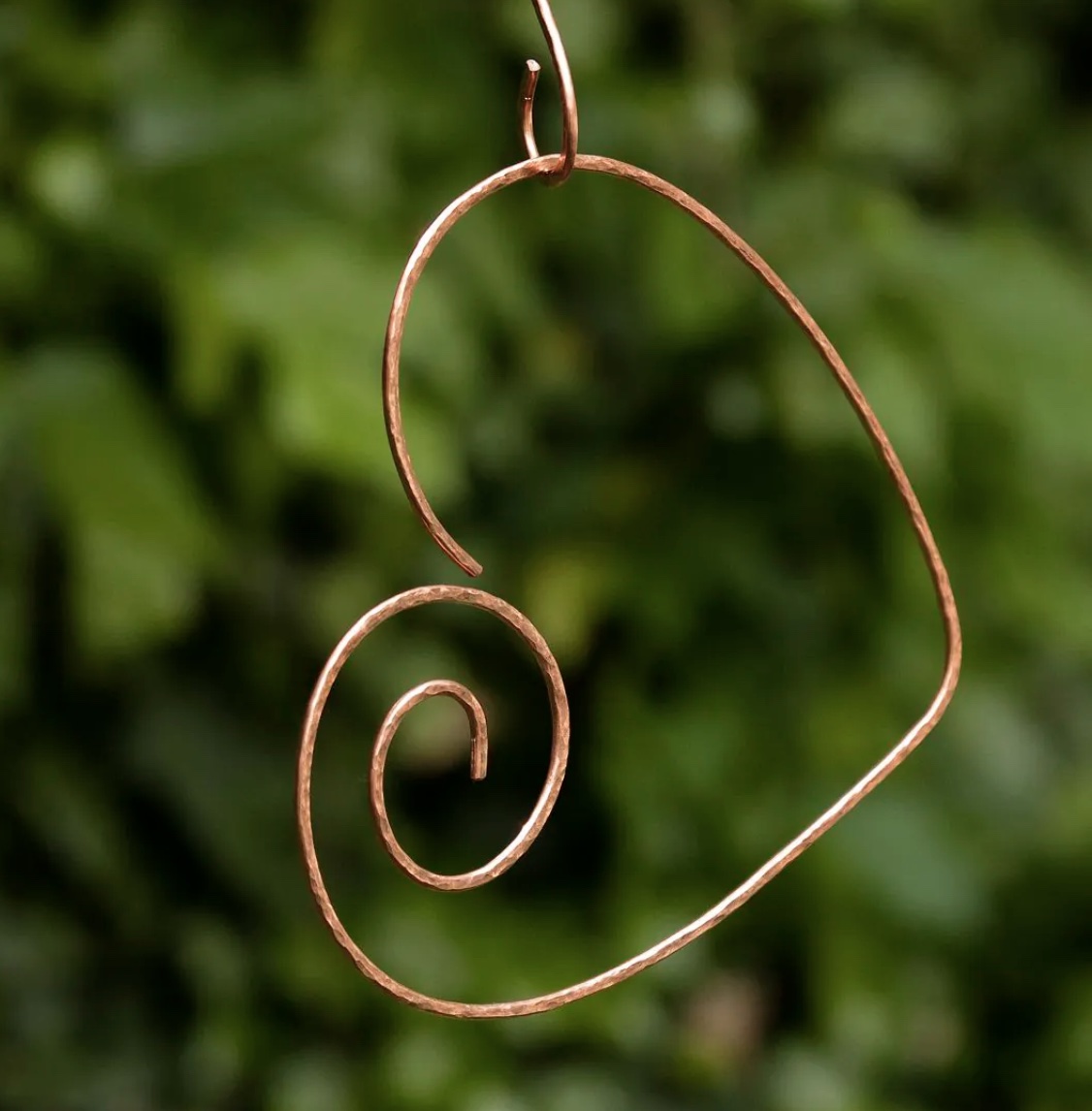
If you lack natural resting or perching branches near your feeding stations, add some simple artificial options. Bamboo stakes, tomato cages, or trimmed hardwood branches pushed into the ground can give tired hummers observation posts to digest their sugar-heavy meals. The gorgeous Copper Heart Hummingbird Perch from Uncommon Goods is a charming weather-resistant swing option that birds will trust and you can admire (from a safe distance).
4. Add a Moving Water Source
(Image credit: Andy Dean Photography / Shutterstock)
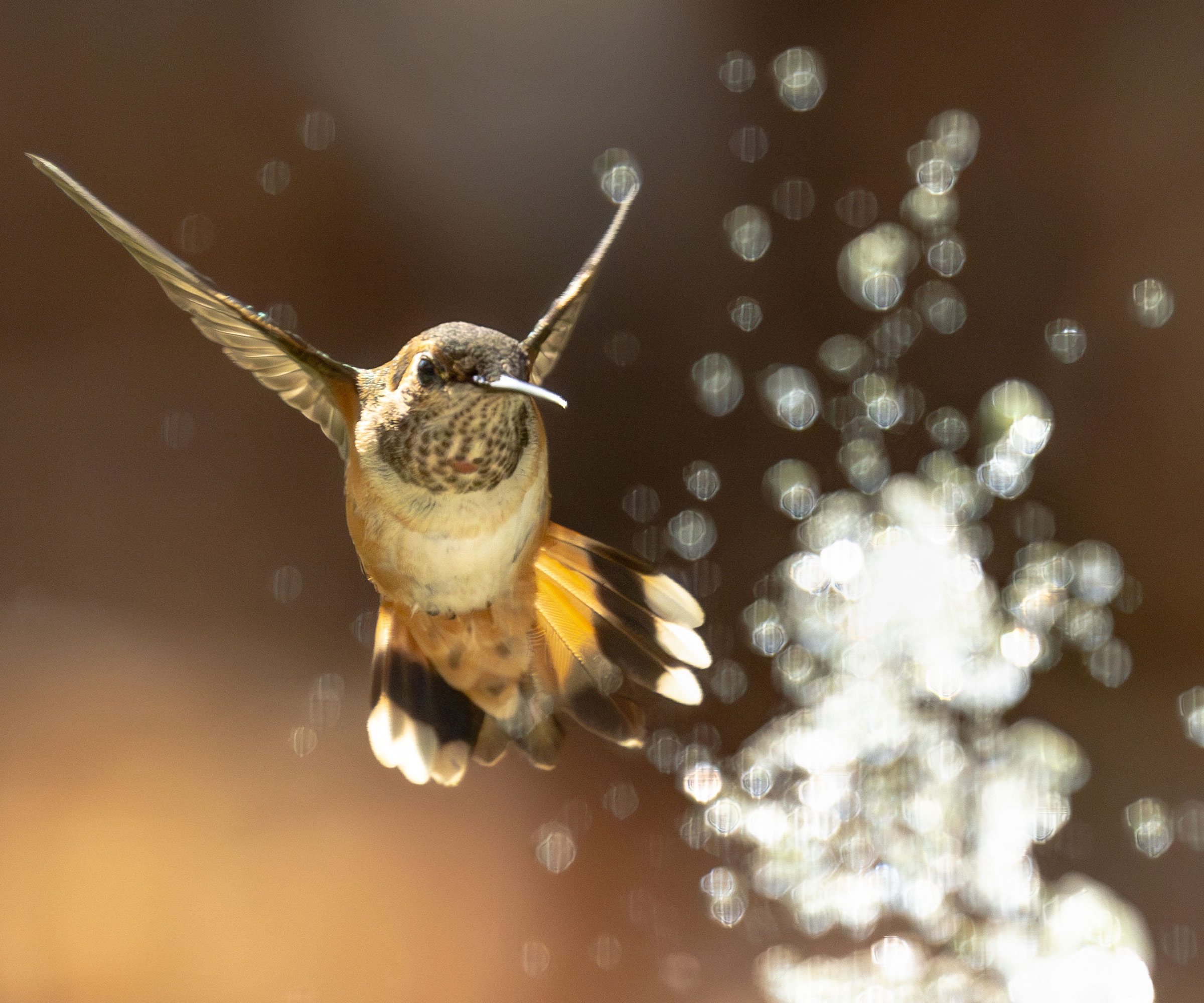
While extra nectar keeps hummingbirds fueled, clean water is equally vital for their survival during migration. Unlike larger songbirds that splash around in deep bird baths, tiny hummingbirds prefer gentle mists or fine water droplets for drinking, bathing, and keeping feathers clean. They gleefully flit through fine water sprays on the wing, using the moisture to cool down after long flights. Ruby-throated & Allen’s hummers are especially fond of fine misters, often performing aerial acrobatics.
The catch-light sparkle of dripping water catches the keen eyes of high-altitude migrants flying overhead, signaling a safe, refreshing oasis below. Consider installing a dripping or misting attachment over your garden beds, or hanging one near feeder stations. As well as being invaluable during hot spells, they are perfect for when traveling birds get overheated from continuous flight. You can get Tanbaby Standing Misters from Walmart on clearance for multi-directional misting at adjustable heights.
If you maintain a standard bird bath or puddle bath as well, keep the water level shallow (under one inch or 2.5cm) and add smooth river stones so smaller birds can wade safely without risk of drowning. Clean water basins every few days to prevent mosquito larvae and bacterial buildup.
5. Protect Your Garden’s Insects
(Image credit: Hal Beral / Getty Images)
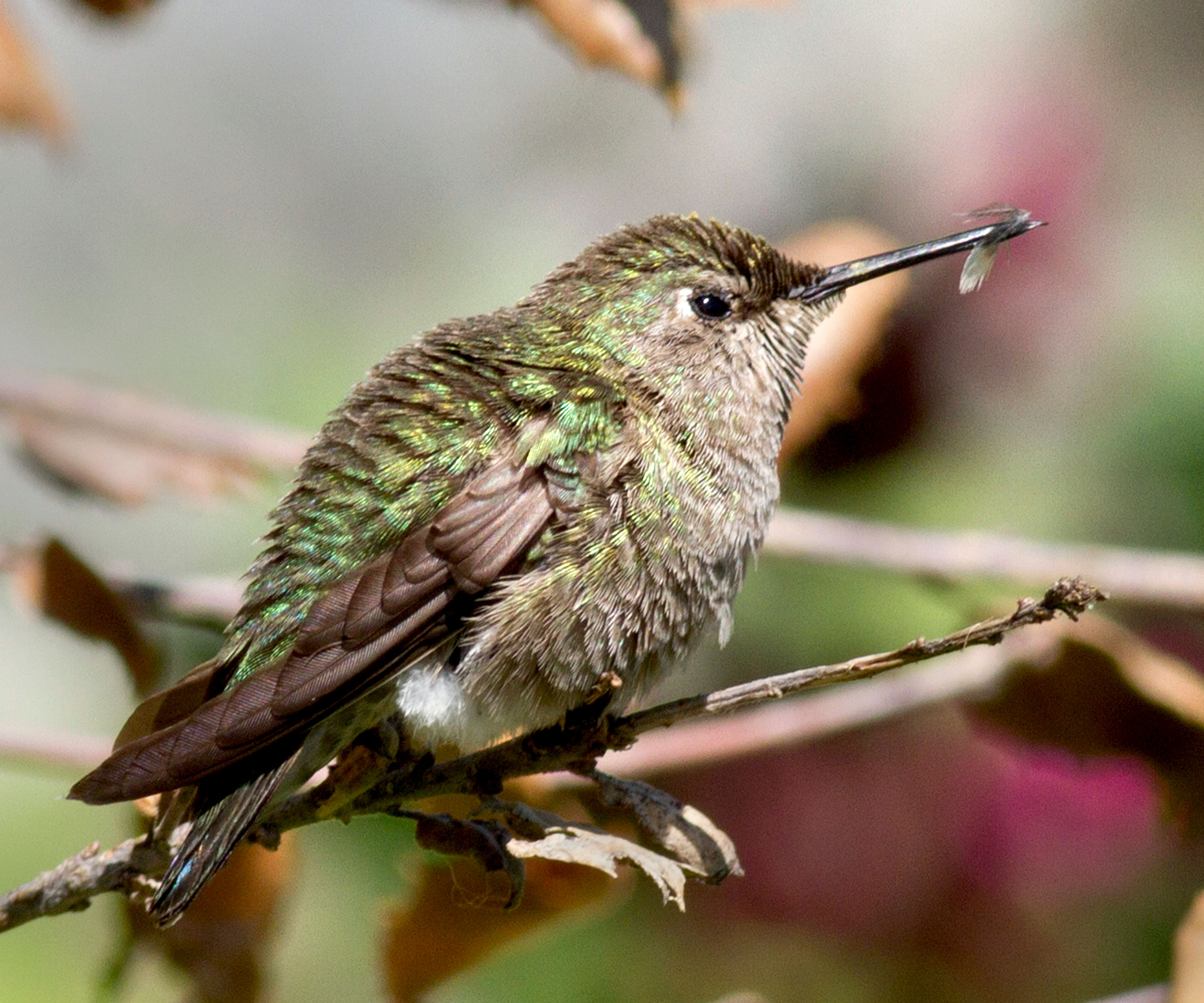
Hummingbirds are sometimes mistakenly thought of as solely feeding on nectar, but insects make up a massive portion of their daily diet. Hummingbirds rely on small spiders, gnats, aphids, and fruit flies for vital protein, amino acids, and fats. A natural garden filled with native flora and delayed fall cleanup supports the insects these birds desperately need at this time of year.
Protein consumption becomes critical during fall migration, powering the rapid wing muscle required to fly across vast distances. Keep your garden as pesticide-free and natural as possible through autumn. Avoid broad-spectrum chemical sprays that wipe out non-target insects. Leave hollow plant stems standing for beneficial bugs, and allow fallen leaf litter to remain under shrub borders.
Creating insect-friendly habitats ensures your yard offers a complete buffet for visiting birdies. By protecting small invertebrates, you give traveling hummingbirds the balanced nutrition required to complete their journeys in peak condition. Don’t forget your pocket binoculars, or even a monocular like the Nocs Provisions Zoom Tube Monocular Telescope from Amazon, so you can watch all the joys of migration and don’t miss a hungry beak or jewel-flashed wing!
Shop Hummingbird Essentials
(Image credit: Amy OBryan / Getty Images)
Make absolutely sure your backyard is the place for hummers to refuel and relax this fall! These essentials make it easy and enjoyable to support traveling hummingbirds. Then you can just focus on keeping your hummer station clean, safe, and fully stocked for migration season.
Best Fall Trio
 Everyday Feeder
Perky-Pet
Perky-Pet Favored Pinch-Waist Glass Feeder, 16 Oz
This classic features a pinch-waist glass bottle, ant moat, and 4 comfortable perching pins to give weary travelers a cozy landing pad. The red base pops against foliage, while the wide-mouth bottle unscrews easily for refilling.
 Late-Season Magnet
American Beauties Native Plants
Major Wheeler Trumpet Honeysuckle
Support your fall feeding station with this vibrant, nectar-soaked vine. Major Wheeler produces heavy clusters of cherry-red trumpets that flower through fall, creating a stunning visual that migrating hummers can spot from afar.
 Resting Perch
uncommongoods
Copper Heart Swing for Hummingbirds
Hummingbirds spend considerable time perching to conserve energy and digest nectar. Hanging this weather-resistant copper wire heart near your feeder gives traveling hummers a stylish observation station to survey their territory in peace.
Need more ideas for timely gardening jobs and seasonal expert advice delivered straight to your inbox? Sign up for the free Gardening Know How Newsletter!



















 English (US) ·
  French (CA) ·