

 3 hours ago
11
PROTECT YOUR DNA WITH QUANTUM TECHNOLOGY
Orgo-Life the new way to the future Advertising by AdpathwayA randomized controlled trial investigating the neurological effects of acupuncture found that stimulation at the Zuqiaoyin (GB44) acupoint modulated regional brain activity while reducing headache severity in patients with migraine without aura. Although acupuncture at this specific point has been recognized as clinically effective for migraine relief, its underlying central mechanisms have remained unclear. To explore how the treatment affects brain function, researchers designed a trial comparing targeted acupuncture with nonacupoint stimulation using advanced neuroimaging methods.
The trial enrolled 20 patients diagnosed with migraine without aura, who were assigned into two distinct intervention cohorts. Twelve participants were allocated to the primary acupuncture group to receive stimulation directly at GB44, while eight participants were assigned to a sham control group receiving acupuncture at nonacupoints. Both patient cohorts underwent a structured course consisting of ten acupuncture sessions delivered over a one-month intervention period. Clinical outcomes across the study were formally assessed using visual analogue scale scores to track changes in pain intensity.
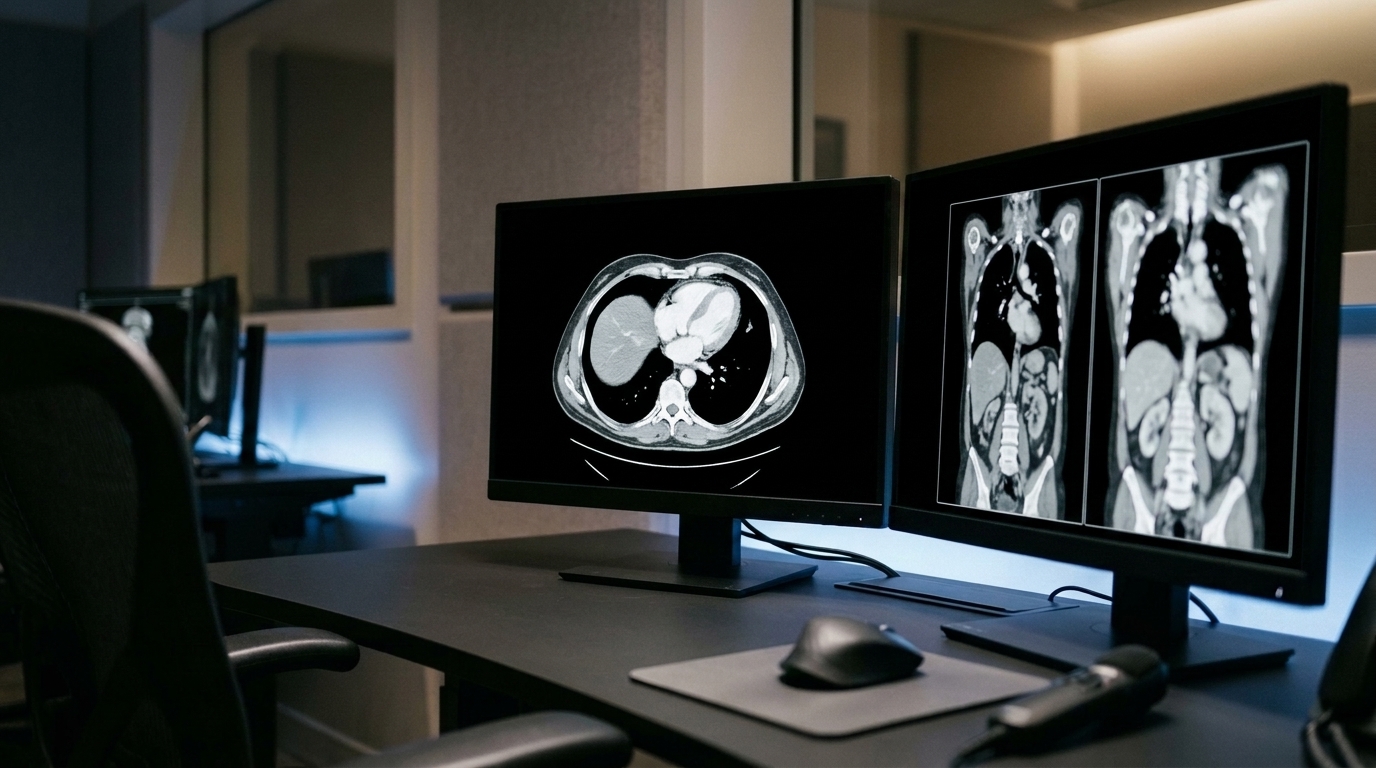
To observe functional shifts within the brain, investigators employed resting-state functional magnetic resonance imaging alongside fractional amplitude of low frequency fluctuation analysis. After four weeks of intervention, patients in both the real and sham acupuncture groups experienced reductions in headache severity alongside improvements in migraine-related quality of life. However, patients receiving genuine acupuncture at GB44 demonstrated greater clinical improvement compared to those in the sham acupuncture cohort, highlighting distinct therapeutic benefits linked to specific point stimulation.
Neuroimaging revealed distinct patterns of resting-state brain functional activity between the two study cohorts following treatment. In the GB44 acupuncture group, researchers detected decreased fractional amplitude of low frequency fluctuation in the right superior frontal gyrus, right insula, and right precuneus, alongside increased activity in the left postcentral gyrus and left precuneus. Conversely, the sham group showed decreased activity within the left superior frontal gyrus and left precuneus. Directly comparing the groups demonstrated that acupuncture at GB44 induced significantly higher activity in both the right precentral gyrus and right precuneus.
The authors concluded that acupuncture at GB44 effectively relieves clinical symptoms and improves overall quality of life by inducing functional alterations across key brain regions affected by migraine without aura. Registered under the Chinese Clinical Trial Registry as ChiCTR2000033995, the trial provides preliminary imaging evidence of central modulation, though the findings remain constrained by the small sample of twenty participants.
Subject of Research: Central neural mechanisms of acupuncture at Zuqiaoyin in migraine without aura
Article Title: Acupuncture at Zuqiaoyin (GB44) Modulates Regional Brain Activity in Migraine Without Aura: A Resting‐State Functional Magnetic Resonance Imaging Study
Article References: Yu, R.-J., Lin, Q., Zhong, C., & Chen, Y.-C. (2026). Acupuncture at Zuqiaoyin (GB44) Modulates Regional Brain Activity in Migraine Without Aura: A Resting‐State Functional Magnetic Resonance Imaging Study. Pain Research and Management, 2026(1), Article 2433241. https://doi.org/10.1155/prm/2433241
Image Credits: AI Generated
DOI: 10.1155/prm/2433241
Keywords: migraine without aura, acupuncture, Zuqiaoyin, GB44, resting-state fMRI, fractional amplitude of low frequency fluctuation, fALFF, visual analogue scale, sham acupuncture, right precuneus, left precuneus, right insula, right superior frontal gyrus, left postcentral gyrus, right precentral gyrus, randomized controlled trial


















 English (US) ·
 French (CA) ·