

 3 hours ago
10
PROTECT YOUR DNA WITH QUANTUM TECHNOLOGY
Orgo-Life the new way to the future Advertising by AdpathwayA conceptual public health framework published in the Israel Journal of Health Policy Research calls on healthcare systems to fundamentally reorganize mental healthcare for traumatically bereaved parents by replacing passive, patient-initiated help-seeking with systematic, proactive clinical screening and explicitly assigned institutional responsibility. Authored by public health researcher Bella Savitsky, the perspective paper synthesizes existing epidemiological literature with an autoethnographic analysis of her own experience following the death of her 21-year-old son, Sergeant Major Jonathan Savitsky, an Egoz commando soldier killed during the October 7, 2023 Hamas attack at the Kissufim military outpost in southern Israel. The analysis argues that while societies frequently provide meaningful psychosocial bereavement support, existing healthcare pathways routinely fail to systematically identify and treat co-occurring psychiatric disorders. Because depression and severe psychological trauma inherently impair insight, cognitive motivation, and the capacity to navigate complex medical bureaucracies, the assumption that grieving parents will independently recognize psychiatric deterioration and secure timely clinical intervention creates a substantial structural barrier to care.
The clinical rationale for formalizing proactive care pathways is grounded in extensive scientific evidence documenting the severe psychological and physiological toll of losing a child, an event that violates the normative life course where parents expect to outlive their offspring. Traumatic, violent, or sudden child death is consistently associated with heightened parental psychological distress, severe post-traumatic stress symptoms, prolonged grief, and significant functional impairment compared to loss following prolonged terminal illness. Beyond psychological morbidity, sustained activation of the physiological stress response following sudden loss manifests in persistently elevated cortisol levels that can endure for months or years. This chronic physiological dysregulation has been linked in population-based cohort studies to impaired immune function, severe sleep disturbances, elevated risks of cardiovascular disease and cancer, and heightened rates of all-cause mortality, particularly among bereaved mothers. Despite this established disease burden, health systems have rarely established structured operational pathways specifically tailored to monitor and mitigate psychiatric morbidity among traumatically bereaved parents.
The paper reviews established psychiatric diagnostic trajectories to clarify the boundary between expected emotional suffering and treatable mental disorders. While profound sorrow after child loss represents an expected human reaction rather than a psychiatric illness, major depressive disorder frequently emerges alongside acute grief. In the Diagnostic and Statistical Manual of Mental Disorders Fourth Edition, bereavement during the initial two months following a loss served as an explicit exclusion criterion for diagnosing major depressive disorder. However, this exclusion was removed in DSM-5 after accumulating clinical data confirmed that bereavement-related depression shares the clinical features, longitudinal course, and responsiveness to evidence-based interventions observed in depression triggered by other severe life events. Epidemiological studies demonstrate that approximately 42 percent of bereaved individuals meet diagnostic criteria for major depressive disorder at one month post-loss, decreasing to 24 percent at two months, 16 percent at one year, and 7 percent at two years. Furthermore, population data show bereaved parents face a 2.3-fold increase in suicide risk during the first year post-loss compared to non-bereaved peers, with parents aged 40 to 49 experiencing a sixfold elevation in suicide risk.
The immediate operational setting for the analysis arises from wartime Israel, where the October 7 attacks and subsequent conflict created an unprecedented cohort of bereaved families. Administrative data cited in the analysis indicate that by October 2025, 3,147 parents had been bereaved as a consequence of the war, comprising 1,973 parents of fallen security force personnel and 1,174 parents of deceased civilians. In Israel, governmental care pathways divide institutional responsibility between two bodies: the Ministry of Defense Families and Commemoration Department, which oversees families of fallen military service members, and the National Insurance Institute, which assists families of civilian terror victims under the Victims of Hostilities Law. Both systems provide assigned social workers or family coordinators who deliver vital emotional support, practical guidance, and commemorative services, while universal healthcare maintenance organizations provide primary medical and psychiatric services. However, the author observes that neither pathway currently incorporates national clinical guidelines or formal protocols requiring routine, proactive psychiatric screening for depression or suicide risk.
Through six structured autoethnographic reflections, the paper details how current systemic arrangements inadvertently delay clinical intervention. The first reflection examines how the cultural and clinical normalization of grief can inadvertently mask treatable psychiatric illness. Following her son’s death, the author received repeated reassurances from dedicated professionals that overwhelming suffering was normal and required enduring pain over time. Consequently, when severe symptoms developed within ten days of death notification—including absolute inability to perform basic daily activities, persistent functional paralysis, profound hopelessness, and explicit suicide planning—they were interpreted through the lens of grief rather than recognized as clinical depression meeting DSM-5 criteria. Despite weekly visits from a compassionate Ministry of Defense social worker, structured risk assessments were never administered, and suicidal thoughts remained undisclosed until an emotional interaction with her surviving daughter prompted the author to recognize the critical necessity of immediate psychiatric medical care.
A second reflection highlights how navigation friction and systemic barriers impede timely access to psychiatric care, even after an individual actively seeks help. Despite possessing more than two decades of professional public health research experience and comprehensive health literacy regarding health services organization, the author encountered severe difficulties obtaining a timely psychiatric consultation through standard medical channels. Treatment was ultimately initiated only through informal professional networks, involving advice from an overseas psychiatrist colleague and subsequent prescription of an antidepressant and sleep medication by a cooperative family physician. The analysis emphasizes that because acute psychological trauma severely diminishes executive functioning and self-advocacy, equitable healthcare delivery cannot rely on a patient’s personal persistence, socioeconomic privilege, or personal professional networks to secure necessary treatment.
The third and fourth reflections analyze the structural diffusion of clinical accountability and the critical distinction between supportive psychosocial counseling and psychiatric medical treatment. In current care models, multiple professionals may interact with a bereaved family—including bereavement social workers, primary care family physicians, and community counselors—yet none possesses an explicit clinical mandate to monitor psychiatric deterioration or systematically evaluate suicide risk. When responsibility is implicitly diffused across everyone, it effectively belongs to no one. Furthermore, while social workers and support groups provide indispensable human connection and practical assistance, they do not possess the diagnostic remit to conduct comprehensive psychiatric evaluations. The paper notes that in the absence of systematic psychiatric oversight, bereaved parents frequently turn to peer networks to manage severe distress, often sharing unmonitored recommendations for benzodiazepines such as clonazepam. Although benzodiazepines may offer temporary relief for acute anxiety or severe insomnia, their long-term use carries recognized risks of tolerance, cognitive impairment, and dependence, and unmonitored use risks delaying formal diagnosis of underlying depression, post-traumatic stress disorder, or prolonged grief disorder.
The fifth reflection broadens the clinical focus from the individual parent to the wider family system, noting that parental bereavement frequently triggers compounding health crises across generations. In Israeli society, grandparents maintain close intergenerational bonds and often participate extensively in daily childcare. When a grandchild dies, grandparents face heightened risks of major depression, post-traumatic stress disorder, physical decline, and functional disability, yet governmental military support structures generally exclude grandparents from dedicated casework. In the author’s family, the sudden loss of her son coincided with the rapid cognitive and physical decline of her 84-year-old Holocaust survivor father, who developed severe dementia within months of his grandson’s death and required continuous home nursing until his death two years later. Middle-aged bereaved parents, frequently in their forties and fifties, are thus often forced to manage severe personal psychological trauma while simultaneously shouldering intensive multigenerational caregiving responsibilities for aging parents and surviving children, compounding overall caregiver burden during periods of active armed conflict.
The sixth reflection evaluates disparities in the clinical quality of psychiatric consultations, distinguishing baseline medical competencies from specialized bereavement expertise. Over the year following her bereavement, the author consulted four psychiatrists across public health maintenance organizations and private practice, observing wide variation in diagnostic depth and therapeutic engagement. Several encounters were restricted to perfunctory medication renewals without evaluation of suicidal thoughts, psychiatric history, or functional capacity. Conversely, high-quality care combined comprehensive suicide risk evaluation, transparent diagnostic explanation, and empathetic communication. Because traumatic bereavement involves overlapping diagnostic presentations of acute grief, major depressive disorder, post-traumatic stress disorder, and prolonged grief disorder, clinicians require specialized training to differentiate normative grief reactions from treatable pathology without pathologizing healthy mourning or ignoring emergent psychiatric disorders, echoing published literature highlighting the general absence of comprehensive bereavement curricula in medical residency programs.
To resolve these operational deficits, the perspective outlines an integrated clinical framework comprising six interconnected structural components. First, traumatically bereaved parents should be officially designated as a high-risk clinical population at the time of death notification, activating an institutional coordination mechanism across bereavement agencies, primary care clinics, and specialized mental health services. Second, healthcare systems should provide voluntary, standardized mental health screening at regular intervals, tentatively proposed at two to four weeks post-loss and repeated at three, six, and twelve months. These assessments should utilize validated instruments to measure depression, suicidal ideation, post-traumatic stress, prolonged grief, functional impairment, sleep disruption, and substance misuse. Crucially, screening is conceptualized strictly as a triaging tool to identify individuals requiring formal clinical evaluation, rather than as a diagnostic mechanism or a method to medicalize natural grief.
The third and fourth framework components establish clear gatekeeper responsibility and mandate proactive, closed-loop access to psychiatric services. The author recommends that healthcare authorities explicitly assign responsibility for monitoring mental health trajectories to a designated professional or multidisciplinary team, such as a primary care doctor, specially trained bereavement social worker, psychiatric nurse, or care coordinator. This gatekeeper monitors clinical warning signs, coordinates screening schedules, and ensures systematic follow-up. When clinical thresholds are crossed—such as positive screening scores, sudden functional collapse, or emerging suicidal ideation—the pathway triggers proactive psychiatric referral rather than waiting for patient self-referral, backed by an expedited escalation protocol for acute suicide risk. The referral process must function as a closed-loop system, ensuring verified confirmation of assessment, therapeutic plan formulation, and designated longitudinal follow-up, while operating with full patient consent and appropriate privacy protections.
The final components of the framework emphasize coordinated multidisciplinary pathways, enhanced clinical competencies, and precedents from existing healthcare models. The author points out that proactive mental health screening in vulnerable groups is already an established standard of care in other medical fields. In perinatal healthcare, international guidelines mandate standardized depression and anxiety screening during pregnancy and postpartum, exemplified in Israel by routine Edinburgh Postnatal Depression Scale screenings conducted through maternal and child health clinics. Similarly, oncology and palliative care guidelines recommend routine distress screening for caregivers, though palliative models typically benefit from advance notice before anticipated deaths. The author stresses that the proposed framework is designed as a conceptual model requiring rigorous prospective evaluation to determine screening acceptability, diagnostic yield, time to treatment initiation, cost-effectiveness, and equity across diverse causes of traumatic child loss, including homicides, occupational incidents, motor vehicle collisions, and suicides.
Subject of Research: Public health framework for proactive mental health screening and clinical pathways following traumatic parental bereavement
Article Title: Expert by profession, patient by experience: reflections on navigating mental healthcare during bereavement
Article References: Savitsky, B. (2026). Expert by profession, patient by experience: reflections on navigating mental healthcare during bereavement. Israel Journal of Health Policy Research, 15(1), Article 51. https://doi.org/10.1186/s13584-026-00796-7
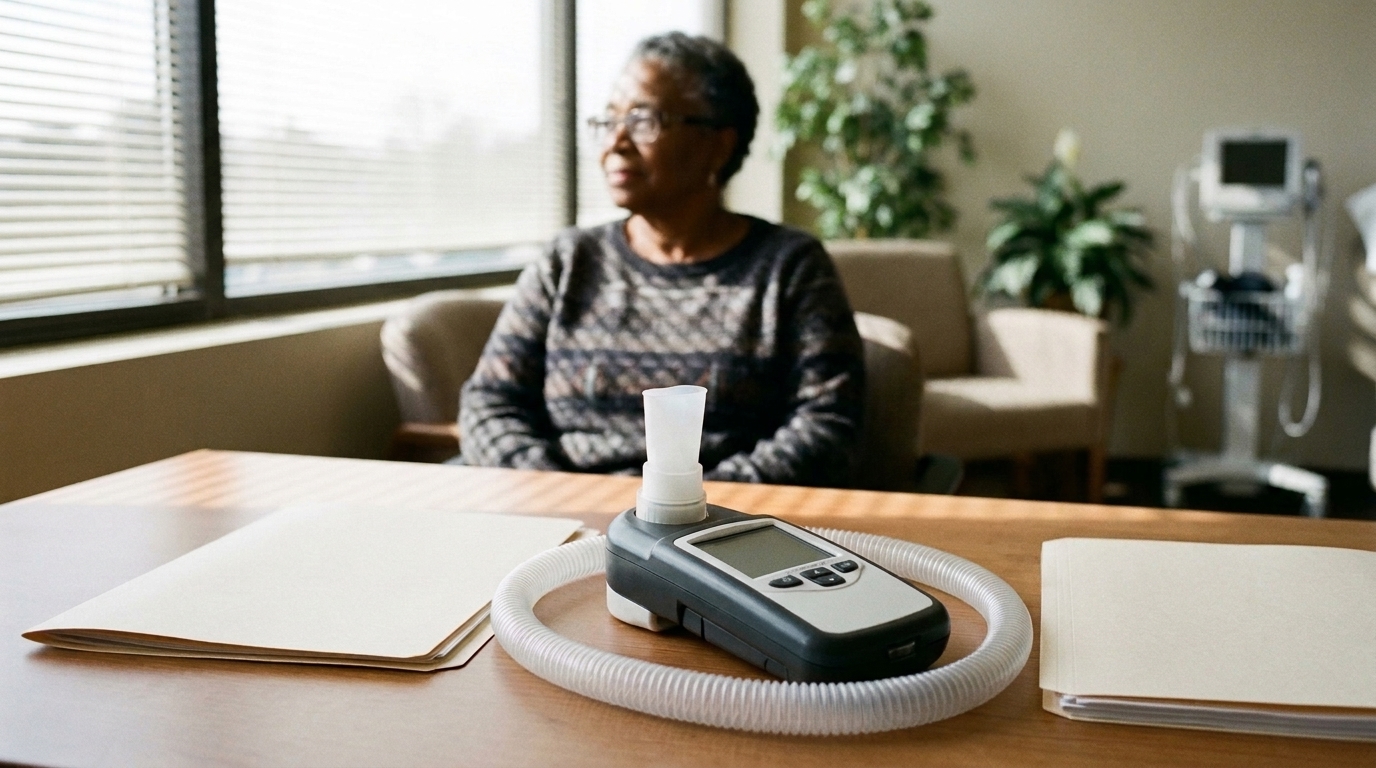
Image Credits: AI Generated
DOI: 10.1186/s13584-026-00796-7
Keywords: parental bereavement, traumatic grief, proactive screening, major depressive disorder, prolonged grief disorder, post-traumatic stress disorder, suicide prevention, public health framework, mental health systems, health services research, psychiatric assessment, psychosocial support, intergenerational caregiving, military bereavement, clinical pathways, Edinburgh Postnatal Depression Scale, closed-loop referral




















 English (US) ·
 French (CA) ·