

 10 hours ago
5
10 hours ago
5
PROTECT YOUR DNA WITH QUANTUM TECHNOLOGY
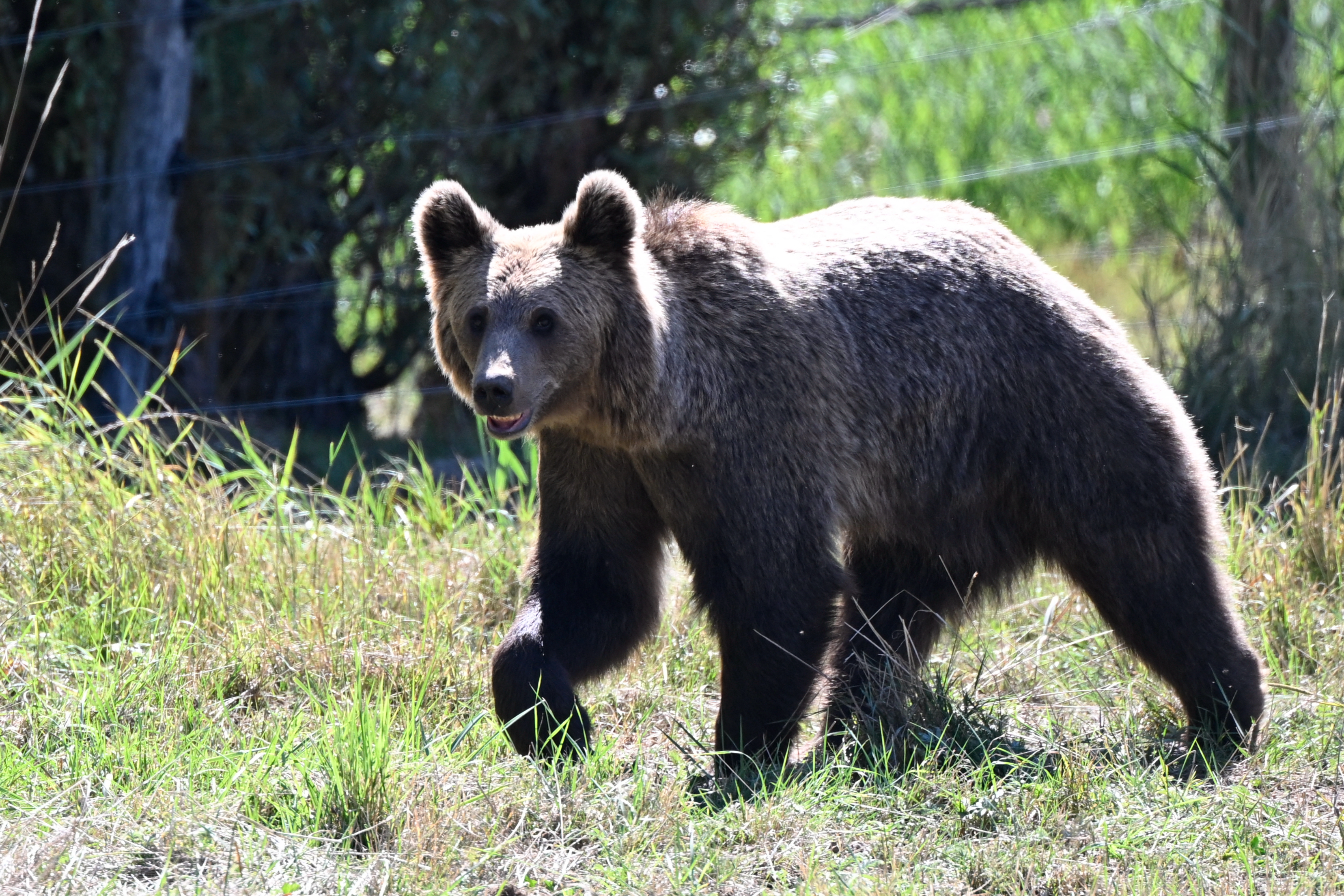
Orgo-Life the new way to the future Advertising by AdpathwayBanff National Park's best-known grizzly, Bear 122, nicknamed The Boss, is getting old, and internal Parks Canada correspondence shows staff have discussed managing him "more aggressively." But the agency says killing the bear would be considered only after every other management tool has been exhausted, and a public petition opposing any lethal removal has drawn more than 2,000 signatures.
The Boss has roamed the Bow Valley for more than two decades and is believed to be in his mid-to-late 20s, beyond the typical 20-to-25-year lifespan of a wild grizzly, CJWE reported. Staff who handled him this spring found his teeth badly damaged.
For the millions of people who visit Banff each year, the story is less about one famous bear than about how crowds, roadside stops and human food shape what happens to bears like him.
An Aging Bear in a Crowded Valley
Parks Canada captured and collared The Boss this spring as part of a program to track grizzlies and better understand how they use the landscape. He removed the collar within about a week, which spokesperson Justin Brisbane said is "not unusual for a large male grizzly to do," according to the Rocky Mountain Outlook.
Internal records obtained through Canada's Access to Information law, reported in July by the Rocky Mountain Outlook, described him as being in good body condition but with teeth that were "damaged and in poor shape." Staff cited his advanced age, declining condition, a recent history of getting unnatural food rewards, a high level of habituation, and his tendency to spend time in busy areas as reasons to manage him more consistently across his range. A wildlife specialist wrote in an April email that it would be worthwhile to develop a coexistence strategy for the bear.
The Boss ranges across roughly 2,000 square kilometers (about 770 square miles) of Banff, Yoho and Kootenay national parks, according to Parks Canada. He has followed his nose into the town of Banff in past years to eat crab apples.
Parks Canada's Position on Lethal Removal
An email obtained by CTV News, written by a Parks Canada wildlife ecologist and veterinarian in April 2025, said the bear should be managed "more aggressively" and that staff had begun preparing for a possible scenario in which he might need to be lethally removed because of public safety concerns.
Parks Canada wildlife ecologist David Laskin, who did not send or receive that email, told CTV News that lethal removal is an extraordinarily rare tool and that many other options would have to be exhausted first, especially for Bear 122. "He's no different than any other grizzly bear in the park," Laskin said, adding that the agency uses proactive management so the bear can live out his remaining years without incident.
Parks Canada has not publicly detailed what a closer management plan would include. In national parks, closer management typically involves steps such as monitoring, hazing bears away from developed areas, removing attractants and restricting access near bears. None of the reports reviewed by Nature World News indicate that The Boss has injured anyone.
The petition was started by Donna Buchanan after the Rocky Mountain Outlook first reported the possibility in July. Grizzlies are listed as threatened in Alberta and as a species of special concern under Canada's federal Species at Risk Act. Banff is home to an estimated 65 grizzlies, though many do not spend their entire lives inside the park.
Canada has faced this kind of debate before. In 2017, Banff grizzly Bear 148 was relocated out of the Bow Valley after repeated close encounters with people, and she was later shot by a hunter in British Columbia.
Tourist Pressure Along the Roads
Much of the risk to Bow Valley bears comes from people. In 2024, Parks Canada put a 320-meter no-stopping zone on the Bow Valley Parkway between Baker Creek and Protection Mountain Campground after The Boss and another grizzly drew crowds while eating spilled grain along the railway, the Rocky Mountain Outlook reported. Officials said bears fleeing oncoming trains could move suddenly toward the road, which was especially dangerous for people who had left their vehicles.
For 2026, Parks Canada has authorized temporary no-stopping zones for wildlife on roads west of Castle Junction as needed, with violators facing penalties of up to $25,000 under the Canada National Parks Act.
Fall raises the stakes. Bears are feeding intensively before denning, and unsecured fruit trees and garbage offer easy calories, exactly the kind of food reward wildlife staff want to keep away from habituated bears.
Visitors' Role in a Bear's Future
Visitors to Banff and other Rocky Mountain parks can directly affect whether bears like The Boss stay on the landscape. Parks Canada asks people to keep at least 100 meters (about 330 feet) from bears, to secure food and attractants, and to obey no-stopping zones. Pulling over for photos, following a bear on foot, or leaving food accessible can push a bear toward the behaviors that trigger management action.
Hikers should travel in groups, carry bear spray and know how to use it, and report bear sightings or encounters to park staff. Anyone who sees a bear in town should keep a safe distance and report it rather than approaching or trying to photograph it.
The next steps are Parks Canada's decisions on how to manage Bear 122 as he approaches denning season. Nature World News will watch for any formal management plan or change in his status.
The bottom line: The Boss is an aging grizzly with deteriorating teeth in one of North America's busiest national parks, and staff have discussed closer management. Parks Canada says lethal removal would come only after every other option is exhausted. His future may depend as much on visitor behavior as on the bear himself.
What Readers Want to Know
Who is The Boss?
Bear 122, known as The Boss, is a large male grizzly that has roamed Banff National Park's Bow Valley for more than two decades. He is believed to be in his mid-to-late 20s.
Is Parks Canada planning to euthanize The Boss?
Parks Canada says lethal removal is extraordinarily rare and would be considered only after all other management tools have been exhausted. An April 2025 staff email did discuss preparing for that possibility.
Why do staff want closer management?
Records cite his age, badly damaged teeth, habituation to people, time spent in busy areas and a recent history of accessing unnatural food.
What happened with his tracking collar?
He was collared this spring but removed the collar within about a week, which Parks Canada said is not unusual for a large male grizzly.
How can visitors help?
Obey no-stopping zones, stay at least 100 meters from bears, secure food and garbage, and report sightings to park staff.
Has The Boss hurt anyone?
There are no public reports that he has injured anyone. Local observers say the main current concern is people trying to find and follow him.
© 2026 NatureWorldNews.com All rights reserved. Do not reproduce without permission.


















 English (US) ·
  French (CA) ·