

 9 hours ago
6
9 hours ago
6
PROTECT YOUR DNA WITH QUANTUM TECHNOLOGY
Orgo-Life the new way to the future Advertising by AdpathwayCanada, the European Union, and 29 other countries and territories have joined a new international alliance to stabilize support for the network that monitors the world's oceans, and Canada pledged C$82 million over five years to expand its own ocean observation. Canadian Prime Minister Mark Carney and European Commission President Ursula von der Leyen launched the OceanEye International Alliance on Wednesday, Sept. 23, at a pledging event in New York during the United Nations General Assembly's high-level week.
The event secured more than C$339 million (€211 million) in pledges from partner countries through a mix of financial contributions, in-kind support and assets such as research vessels, sensors, drones and data-processing facilities, according to the Prime Minister of Canada's office. The European Union pledged €92 million.
The funding matters beyond the ocean. The observations it supports feed weather forecasts, climate predictions, maritime safety and coastal protection, including forecasts relied on in the United States.
An Alliance to Keep Ocean Data Flowing
OceanEye is built to support the Global Ocean Observing System, or GOOS, which is co-sponsored by UNESCO's Intergovernmental Oceanographic Commission and the World Meteorological Organization. GOOS delivers about 120,000 observations a day from about 8,000 platforms operated by 64 countries and 17 global observation networks, according to the Canadian release.
Those platforms include floats, buoys, ships and gliders that measure ocean temperature, salinity, currents and other conditions. The alliance builds on the EU's OceanEye initiative, which the European Commission adopted in June 2026 to guarantee reliable, open and free access to ocean data for the EU and its partners. The pledges will help maintain existing platforms, close critical data gaps and strengthen the GOOS secretariat, its coordination hubs and the OceanOPS data-reporting center.
The release is blunt about the risk. It says GOOS remains vulnerable to financial shortfalls and geopolitical disruptions and still relies heavily on a limited number of major contributors, warning that gaps in ocean data could re-emerge and jeopardize weather forecasts, climate projections and marine conservation.
"Every observation shared multiplies impact," Carney said in the release.
"We must listen to the ocean, and we must protect it much more," von der Leyen said at the event, The Canadian Press reported.
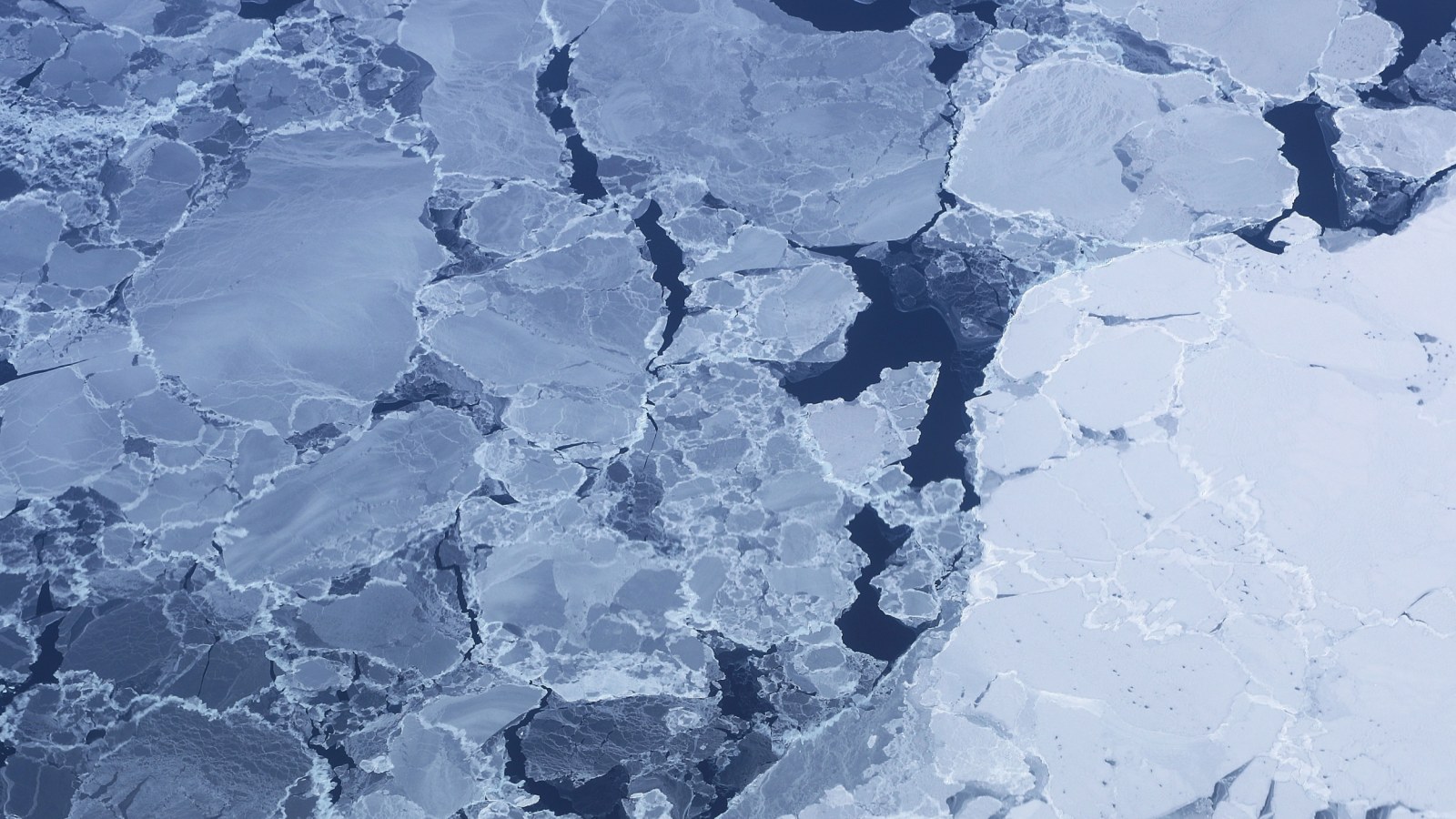
Gliders Built for Ice-Covered Waters
Carney said Canada's pledge will allow year-round ocean monitoring and support the deployment of autonomous underwater gliders that can travel under ice, according to The Canadian Press. Gliders are uncrewed instruments that slowly dive and climb through the water column over long periods, collecting data as they go.
Year-round coverage is a real gap in polar and subpolar seas, where ice limits ships and surface instruments for much of the year. Canada has the world's longest coastline, much of it in the Arctic. The government has not released a detailed breakdown of how its C$82 million will be divided among gliders, other platforms and data systems.
Members, Money and a Notable Absence
The 31 members are Canada, the EU and 29 other countries and territories: Angola, Belgium, Brazil, Chile, Colombia, Cabo Verde, Costa Rica, Croatia, Cyprus, France, Germany, Greece, Iceland, Ireland, Italy, Madagascar, Malta, Mauritius, Mexico, Norway, Namibia, Palau, Portugal, Slovenia, South Korea, Spain, the Netherlands, the Faroe Islands and the United Kingdom.
The United States does not appear on the membership list, and the Canadian release does not address U.S. participation. That does not mean the United States has stopped contributing to global ocean observing through its existing programs; it means only that it is not listed as a member of this new pledging alliance.
Because the pledges mix cash with in-kind contributions and equipment, the C$339 million total is not the same as new money in hand. The release does not break down how much is new funding versus existing commitments, or over what period each pledge will be delivered.
From Ocean Floats to Your Local Forecast
The link between ocean data and daily life is concrete. Ocean heat helps forecasters judge how strongly hurricanes may intensify, and sea surface temperatures across the tropical Pacific are how scientists track El Niño, which shapes winter weather across much of the United States. Gaps in ocean observations can reduce the accuracy of those forecasts.
The same data support fisheries management, search and rescue, shipping and coastal flood warnings. For households, that pathway runs through the accuracy of storm forecasts and seasonal outlooks, and through decisions about when to evacuate, when to fish and how to prepare for winter.
The launch marks the start of a 2026 to 2028 mobilization effort. Further pledging opportunities are planned at the COP31 climate summit and the 12th Our Ocean Conference in Halifax, Nova Scotia. More details are available on the European Commission's OceanEye alliance page. Nature World News will watch whether more countries join and how Canada allocates its funding.
The bottom line: OceanEye puts new pledges and 31 members behind a global monitoring system that underpins weather and climate forecasting. It is an early step, with open questions about how much of the pledged support is new money and whether major ocean-observing nations such as the United States will join.
What Readers Want to Know
What is the OceanEye International Alliance?
A new alliance launched by Canada and the European Union to secure long-term support for the Global Ocean Observing System, which collects about 120,000 ocean observations a day.
How much money was pledged?
More than C$339 million (€211 million) in cash, in-kind support and equipment. The EU pledged €92 million and Canada C$82 million over five years.
Which countries joined?
Thirty-one members, including Canada, the EU and 29 other countries and territories such as France, Germany, Brazil, Mexico, South Korea and the United Kingdom.
Is the United States a member?
The United States does not appear on the published membership list, and the Canadian release does not address U.S. participation.
What are under-ice gliders?
Uncrewed underwater instruments that dive and climb through the ocean for long periods, collecting data. Models that travel under ice allow year-round monitoring in polar waters.
How does ocean monitoring affect people on land?
Ocean data feed hurricane forecasts, El Niño tracking, seasonal outlooks, fisheries management and coastal flood warnings.
© 2026 NatureWorldNews.com All rights reserved. Do not reproduce without permission.
















 English (US) ·
  French (CA) ·