

 1 day ago
1
PROTECT YOUR DNA WITH QUANTUM TECHNOLOGY
Orgo-Life the new way to the future Advertising by AdpathwayThe first H5 detection on the UNESCO World Heritage island comes with no researchers left on site to watch what happens next, after Australia withdrew its station crew over the risk of a mass mortality event.
Highly pathogenic H5N1 bird flu has been confirmed on Macquarie Island, a sub-Antarctic UNESCO World Heritage site about 930 miles (1,500 kilometers) southeast of Hobart, Tasmania. Samples from one southern elephant seal and one kelp gull tested positive, Australia's Chief Veterinary Officer Beth Cookson said, calling it "the first H5 event on this island," according to Reuters via The Express Tribune.
The timing is the concern — southern elephant seals are gathered on the island's beaches for their breeding season, and Tasmania's wildlife agency estimates the local population at about 76,000 animals, a number it says is already declining by about 2.5 percent a year, according to the Tasmanian Department of Natural Resources and Environment.
The detection also arrives with almost no one there to see it. Australia withdrew its research station crew this spring because of the psychological toll of a possible mass die-off, so the positive samples were brought home with departing personnel and tested on the mainland.
A Detection Without Witnesses
Tasmania announced the result on Thursday, Oct. 15, because Macquarie Island is administered as part of the state. Environment Minister Guy Barnett described it as the first recorded detection in a marine mammal in Tasmania, ABC News Australia reported.
Federal Agriculture Minister Julie Collins told parliament the samples will undergo further testing at a CSIRO laboratory. Skuas, giant petrels and penguins sampled on the island tested negative, and no mass mortality event had been observed as of the announcement.
That last point comes with a major limitation. The federal environment department said in August it would pull staff from the station, warning that expert assessments pointed to "a high likelihood of a significant mortality event" during the coming breeding season, as AAP reported via The Canberra Times. Expeditioners were carried out aboard the icebreaker RSV Nuyina.
Without people on the beaches, early signs of an outbreak could go unrecorded for weeks. Public statements so far have not detailed how officials will monitor the colonies remotely or when crews might return, which leaves the scale of any die-off unknown for now.
Elephant Seals Are Built for Outbreaks
Southern elephant seals spend most of the year alone at sea, then crowd onto beaches in dense groups to give birth and mate. That packing brings mothers, newborn pups and breeding males into constant contact during the exact weeks the island now has confirmed virus.
Mary-Anne Lea, an independent Southern Ocean marine mammal expert, told ABC News Australia the species is "very vulnerable to this disease," and said a large outbreak is possible because the animals are gathered to breed.
The track record elsewhere is sobering. On Australia's Heard Island, another sub-Antarctic territory, more than 13,000 elephant seal pups are believed to have died after the virus arrived in late 2025, with federal officials estimating pup mortality there at about 90 percent.
In Argentina, the virus tore through the Península Valdés colony in 2023, killing an estimated 70 percent of that season's pups, with mortality of at least 96 percent in surveyed areas by early November, according to UC Davis. Veterinarian Marcela Uhart of the university's wildlife health center called it "the greatest calamity to affect wildlife" in recent South American history, particularly for marine mammals.
Australia's Wildlife Outbreak Keeps Widening
Macquarie Island is the latest point on a fast-moving map. Australia recorded its first H5N1 detection in June, and 706 bird flu events had been confirmed nationwide as of Wednesday, Oct. 14, according to AAP. South Australia led with 330, including a mass mortality event of about 900 crested terns. National protocols count events, not individual animals.
Victoria has logged 234 confirmed wildlife events. On Oct. 16, Agriculture Victoria lifted a roughly 10-week order requiring flocks of 50 or more birds in metropolitan Melbourne and southern Victoria to be kept indoors, ABC News Australia reported. Officials said H5N1 still has not been detected in Australian poultry or livestock, and the order can return if conditions change.
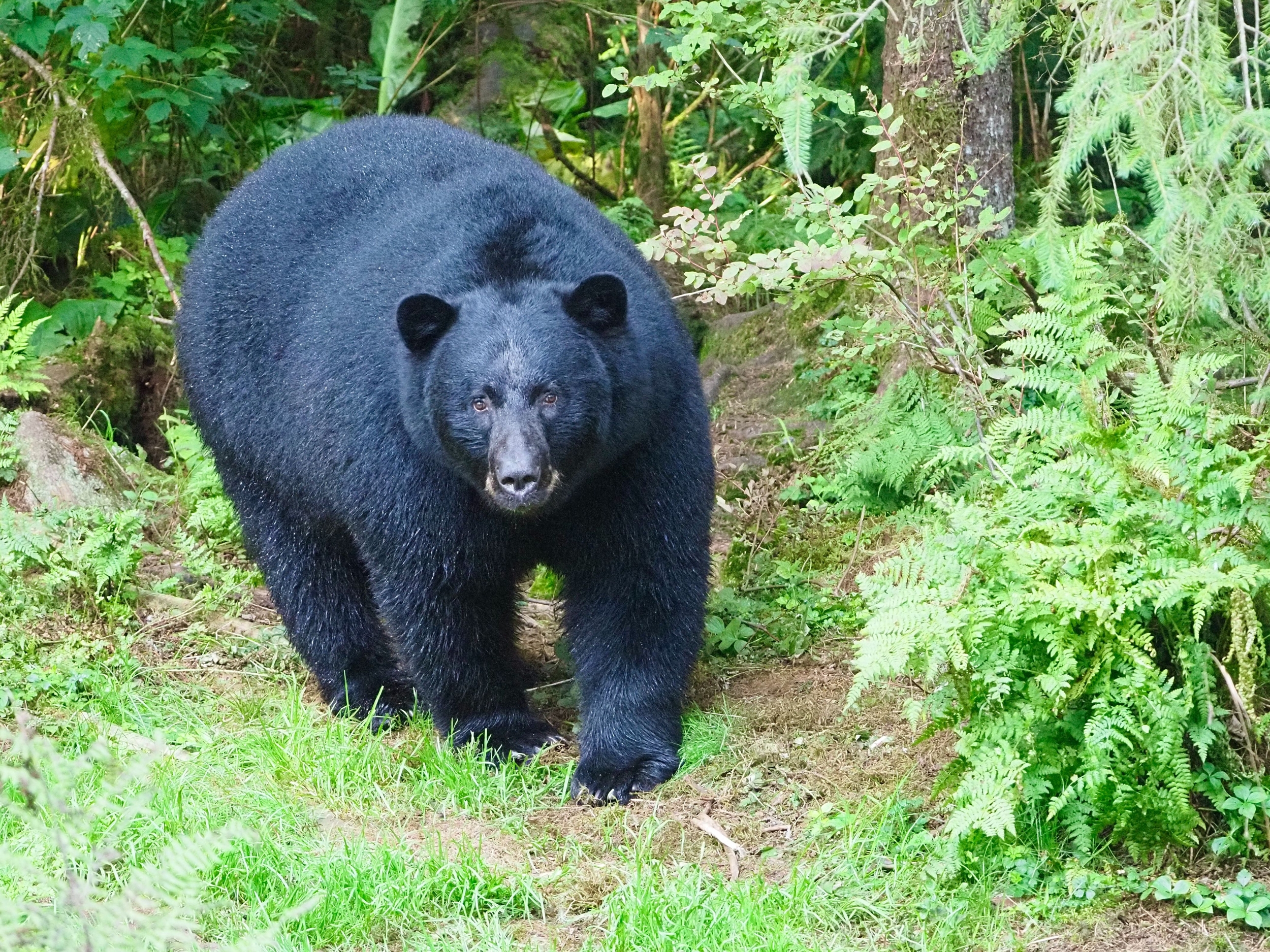
For U.S. readers, the pattern is familiar — H5N1 has killed seals and sea lions along South America's coast and has turned up in North American wildlife, including Alaska polar bears. Each new sub-Antarctic detection adds to evidence that the virus can reach remote marine ecosystems once thought too isolated to be at risk.
Macquarie Island Outbreak Timeline
Oct. 16, 2026: Australia's chief veterinary officer confirms highly pathogenic H5N1 in samples from the island.
Oct. 15, 2026: Tasmania announces H5 detection in a southern elephant seal and a kelp gull.
Early October 2026: Station personnel are withdrawn aboard RSV Nuyina, carrying the samples home.
August 2026: Federal officials announce plans to remove staff, citing a likely mortality event.
Late 2025: H5N1 reaches Heard Island, where more than 13,000 elephant seal pups are believed to have died.
Watching From the Mainland
The most important open questions are how far the virus has spread on the island, whether other species such as gentoo penguins will be affected, and how officials plan to track the colonies without a crew. Confirmatory CSIRO results and any remote survey data are the next updates to watch.
Australian officials say the risk to people remains low, and there is no evidence of mammal-to-mammal transmission in Australia. Members of the public in Tasmania and Victoria are asked not to touch sick or dead wildlife and to report them to the Emergency Animal Disease Hotline at 1800 675 888.
In the United States, the same advice applies through state wildlife agencies. Beachgoers should keep pets away from dead seals or seabirds and report unusual die-offs rather than handling animals themselves.
The bottom line: H5N1 has reached one of the Southern Ocean's major elephant seal strongholds just as the animals are most crowded. Whether it becomes a Heard Island-scale loss is still unknown, and with no one on site, the answer may take time to arrive. Nature World News will follow updates from Tasmanian and federal officials.
What Readers Want to Know
What was found on Macquarie Island?
Highly pathogenic H5N1 bird flu was confirmed in samples from one southern elephant seal and one kelp gull, the first H5 detection on the island.
Why are elephant seals at such high risk?
They crowd onto beaches to breed, which helps the virus spread quickly. Outbreaks elsewhere killed roughly 70 to 90 percent of pups in affected colonies.
How many elephant seals live on the island?
Tasmania's wildlife agency estimates about 76,000, a population already declining by about 2.5 percent a year.
Are people still working on the island?
No. Station personnel were withdrawn because of the expected psychological toll of a mass die-off, and the samples returned with them.
Is bird flu in Australian poultry?
Officials say H5N1 has not been detected in Australian poultry or livestock. Victoria lifted its poultry housing order on Oct. 16.
Is this a risk to people?
Australian officials describe the human risk as low. Avoid touching sick or dead wildlife and report it to local authorities.
© 2026 NatureWorldNews.com All rights reserved. Do not reproduce without permission.















 English (US) ·
 French (CA) ·