

Each time I scroll through my social media feeds during peak growing season, I brace myself for seeing someone singing the praises of boiling water as the ultimate zero-cost weed killer. It sounds like a dream, I know: just boil the kettle, head over to your resident weeds, and scald those invaders into another dimension without a second thought or a single drop of chemicals. But honestly, I’ve always been too nervous to try it in my garden. The internet loves a quick-fix hack, but nature rarely plays by viral rules, and something about pouring boiling water blindly around my prized plants has always felt a bit reckless.
Driven by a mix of healthy skepticism and a desire to make my own weeding routine a little less of a daily chore, I decided to do some deep digging. And what I’ve discovered is fascinating. Boiling water on weeds isn’t quite as devastating as I initially feared – but it isn’t some almighty garden savior, either. Knowledge truly is power here, and I want to help you to feel really empowered the next time you’re staring down that dreaded tuft of chickweed or dandelion. The thing is, boiling water can be a brilliant weed control if used carefully, but it is not a mindless, catch-all solution.
You see, it turns out that a lot of well-meaning gardeners are using this method in the wrong way, inadvertently creating more problems at the soil level. So if you want to safeguard your garden while also avoiding the frustrating, repetitive cycle of never-ending weeding, think twice before reaching for the kettle. Here’s exactly what I found out about the science of scalding, and the high-risk backyard hot spots to avoid at all costs, plus the one place boiling water is genuinely brilliant.
Why Boiling Water is Risky
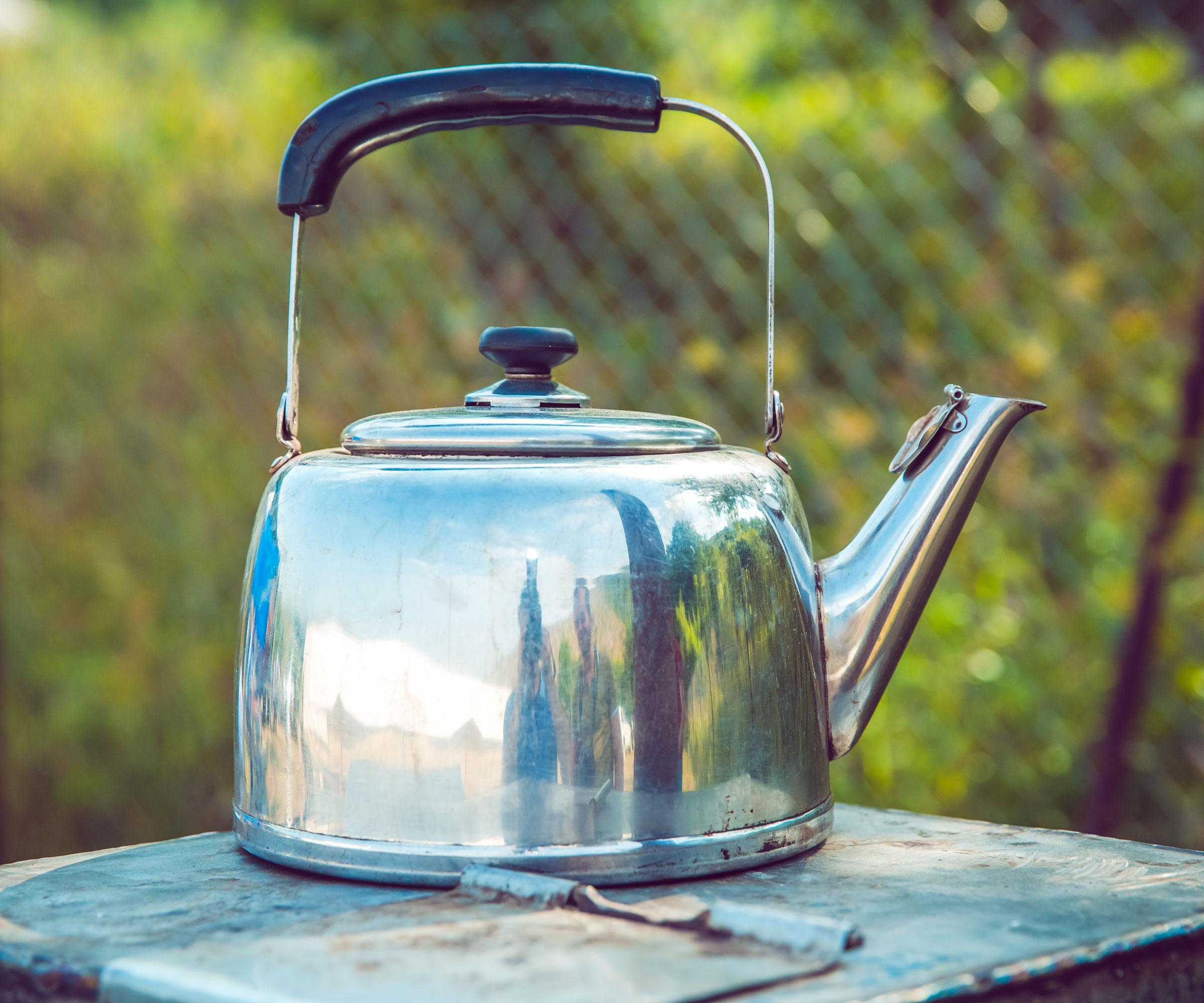
So why does boiling water kill weeds? To understand why this hack has caught on, let’s think about the sheer, brutal reality of what happens when scalding water hits a plant full force. At its core, boiling water acts as a non-selective contact herbicide. When you pour water heated to 212°F (100°C) onto a common weed, you aren't just giving it a bad day: you are melting the protective waxy cuticle on leaves and rupturing its cell walls.
Within hours, the weed loses its structural integrity and begins to wither. And yes, knowing you can kill weeds with boiling water does seem a satisfying end for these pernicious intruders, shocking soft-leaved annuals like chickweed, hairy bittercress, or young crabgrass before they ever get a chance to seed. However, this thermal shock can be a curse as much as a blessing. Water doesn’t discriminate between a dandelion and the delicate roots of your favorite perennials, or beneficial soil bacteria and mycorrhizal fungi. So if you dump a massive volume of boiling water on a patch of earth, you risk creating a dead zone.
(Image credit: Adil Chelebiyev / Getty Images)
One way around this is to be moderate, and to strike a balance between volume versus frequency. Drenching the same patch of earth with gallons of boiling water week after week is a recipe for sterile, ruined soil. Whereas a highly targeted, low-frequency strike is a safer way of tackling pockets of weeds. That said, for established perennials with deep, chunky taproots (like docks or bindweed), a single splash of boiled water on weeds will only kill the top growth, and before you catch your breath, the root fragments will sprout again. So why not just blitz those fiends with more hot water, you may wonder? Well, I’m glad you asked…
When Not to Use Boiling Water
(Image credit: SHOSEI Aflo / Getty Images)
While the immediate satisfaction of watching a weed wither under a stream of scalding water is undeniable, there is a right and a wrong time and place for the contents of your kettle. Because boiling water is completely non-selective, any usage requires a degree of situational awareness. Applying this DIY weed killer with gusto far and wide risks serious, irreversible collateral damage to the very plants and plant nutrients you are trying to protect and nurture. Extreme caution is advised, as well as a sensible approach, in order to avoid making a terrible weeding mistake. It’s all about knowing where and when you can use it – and perhaps more importantly, where you absolutely shouldn’t use it. Here are the 3 highly vulnerable backyard areas where you should never unleash the kettle…
1. Near Shallow Rooted Shrubs
(Image credit: Nkrivko / Getty Images)
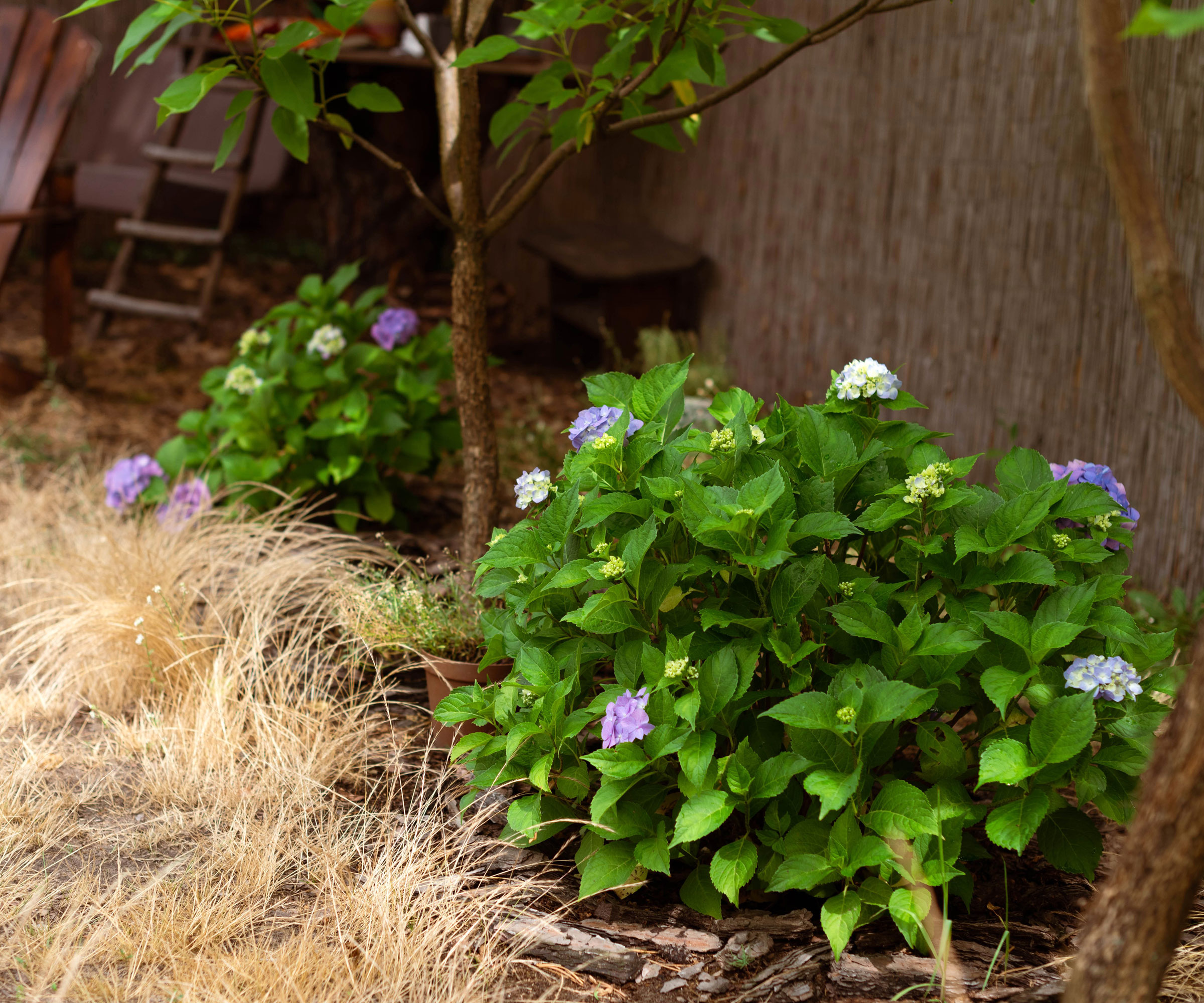
When contemplating the dangers of thermal weeding, this discovery alone could make your hand freeze on the kettle handle. It boils down (sorry) to the fact that a plant's root system is its life support. For shallow-rooted ornamental shrubs like hydrangeas, azaleas, and rhododendrons, that life support is just a few inches beneath the soil surface. Pour a deluge of boiling water within 2 feet (60cm) of these shrubs, and you aren't just wrecking weeds. That boiling water percolates rapidly through the top layer of soil, cooking the delicate feeder roots of precious shrubs, leading to stunted growth, withered leaves,and even plant failure.
Tackling weeds around these sensitive shrubs requires more than one control method. For annual weeds like chickweed, which spread like a dense carpet, the key is timely, targeted surface intervention before they drop thousands of seeds into flowerbeds. For tough perennials like dandelions or plantains, which love to anchor right at the base of shrubs, you need safe tools that allow for clean extraction. For reliable precision that is simple to use, the CobraHead Original Weeder and Garden Hand Tool from Amazon is great for tricky spaces, lifting bittercress rosettes neatly with its fingernail claw without disturbing sensitive shrubs.
Weeding around prized ornamentals doesn't have to be a drag if you head out for a quick, mindful dusk session, when the soil is damp and yielding. For dandelions that loiter too close to these shrubs, I’d heartily recommend a bit of “weed therapy” with my favorite weeding tool: the screwdriver. If you haven’t got one to hand, the Performance Tool 10-inch Slotted Screwdriver from Walmart is very satisfying on tough taproots. Just pick one that is 10 inches (25cm) deep for the cleanest, most effective leverage.
2. On Landscape Fabric
(Image credit: Vladimir Soldatov / Getty Images)
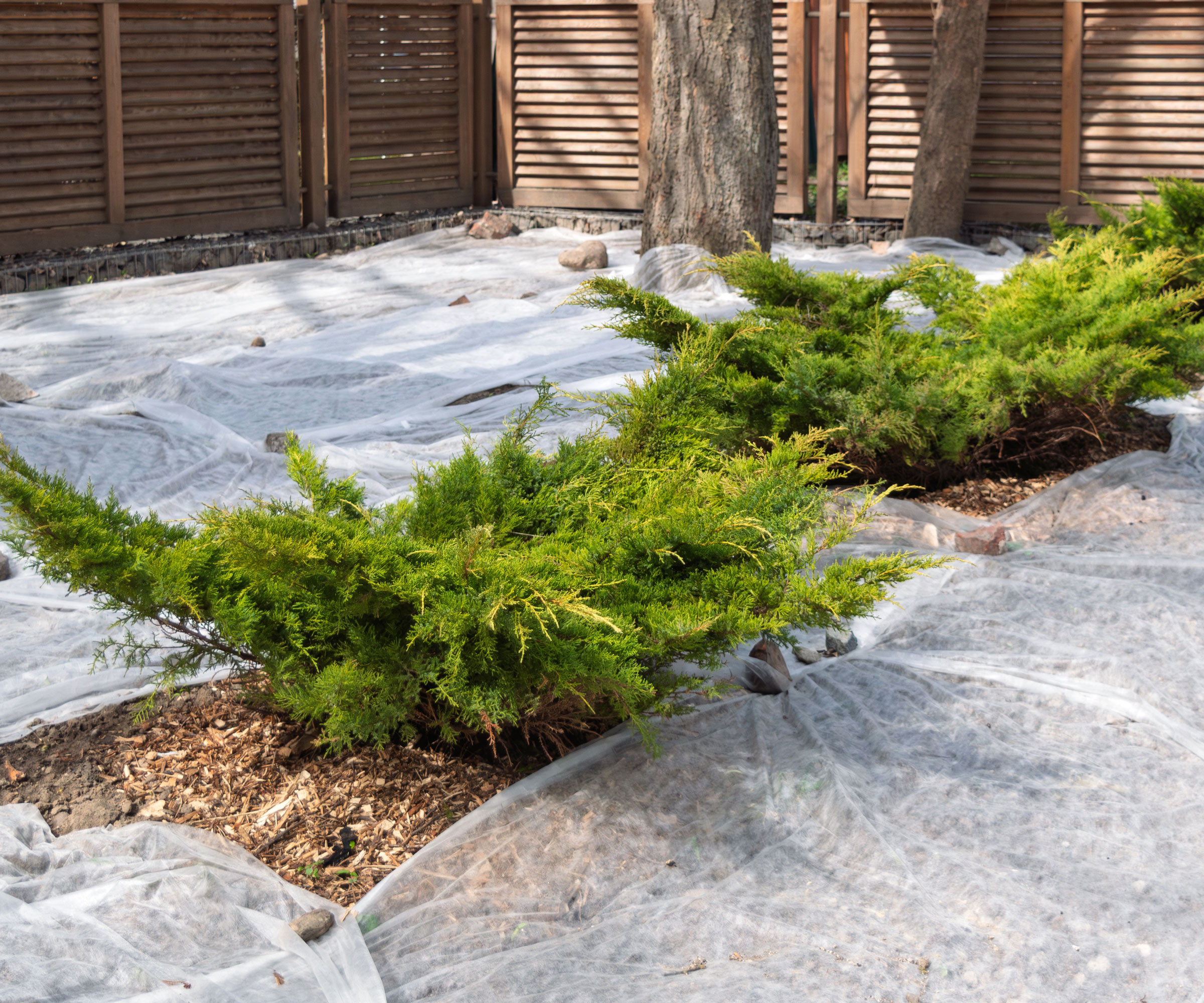
Landscape fabric isn’t a given, but it is a feature of more yards these days. So if you have it installed under gravel pathways or mulch beds, adding boiling water is a critical mistake. Most standard landscape fabrics are woven or non-woven geotextiles crafted from synthetic polymers. Some budget options are sheets of perforated plastic. Exposing these synthetic materials to extreme heat causes them to break down rapidly. When you pour boiling water onto this fabric to target sneaky annual weeds like crabgrass or goosegrass, you risk warping, shrinking, or even melting it.
The long-term danger is a silent one. Melting these fabrics creates gaping holes that invite a fresh invasion of opportunistic perennial weeds like dandelion or thistle seeds to take root. But worse than that, it releases microplastics and chemical stabilizers directly into the upper layers of your soil, contaminating the earth. Even heavy-duty woven fabrics designed for longevity won’t hold up to repeated scalding without losing their structural integrity. Instead of a quick fix, you end up with brittle, compromised fabric and an environmental headache.
In these cases, just be observant about the location of the weeds. Sneaky annuals often germinate in the organic detritus on top of the fabric. Rather than trying to scald weeds, use surface-slicing tools that cleanly sever the weed at the soil line without tearing or heating the fabric. One speedy slicer that is perfect for mass-clearing mats of weeds in these areas is the True Temper Action Hoe with Hardwood Handle from Amazon, with its double-edged scuffle head, which slices at the fabric line without wrecking the barrier. In areas where you suspect seeds have popped up through tight seams in fabric, use a fast-acting contact spray like the Spruce Weed & Grass Killer Manual Spray Starter Kit from Walmart.
3. Along Raised Bed Edges
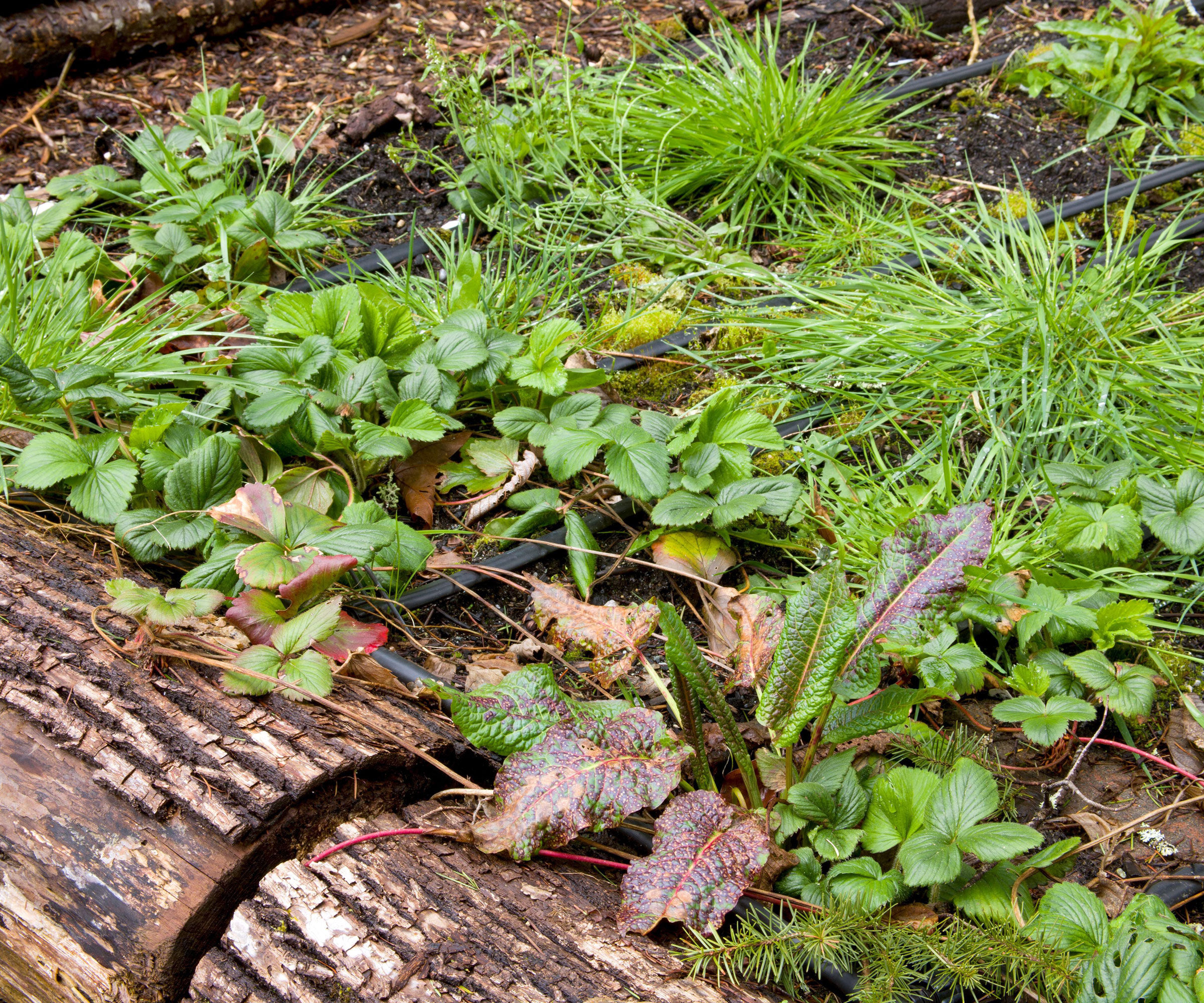
(Image credit: Janet Horton / Alamy)
Raised beds offer perfectly drained soil and a haven for homegrown treats. But because they are watered frequently and retain moisture so well, their interior edges and damp corners are ripe spots for weedy rogues. If you spot a cluster of hairy bittercress, chickweed, or dandelions hugging the inner perimeter of your beds, your first instinct might be to reach for the kettle. Don't do it! The damp, sheltered microclimate along a raised bed's edge is home to some of our soil’s most beneficial friends: earthworms.
Earthworms are the unsung heroes of many a yard, constantly aerating the soil, improving drainage, and depositing nutrient-rich castings right where crops and flowers need them most. Flush the inside edges of a raised bed with piping hot water, and the extreme heat floods down into those damp perimeter channels, sady cooking worms and microorganisms clustered below the surface. Those few seconds of weed mania could set soil health back months, potentially wiping out a year of growing. Furthermore, if you use treated wood or specific liners, repeated exposure to boiling water can accelerate degradation of materials.
Tackling edge-dwelling weeds relies on precision methods and getting the timing right. To keep weeding simple and satisfying, target perimeter weeds at dusk when the soil is damp. By swapping the kettle for mechanical tools, you can easily lever out stubborn perennial taproots from tight corners while keeping worms safe. One of my favorite tools for surgical precision in awkward corners is the Hokuru Hori Hori Japanese Weeding Knife from Amazon, but you can also save your back with the vice-like grip of old faithful, Grampa’s Weeder Stand-Up Weed Puller Tool from Walmart. Extraction satisfaction guaranteed!
When You Can Use Boiling Water
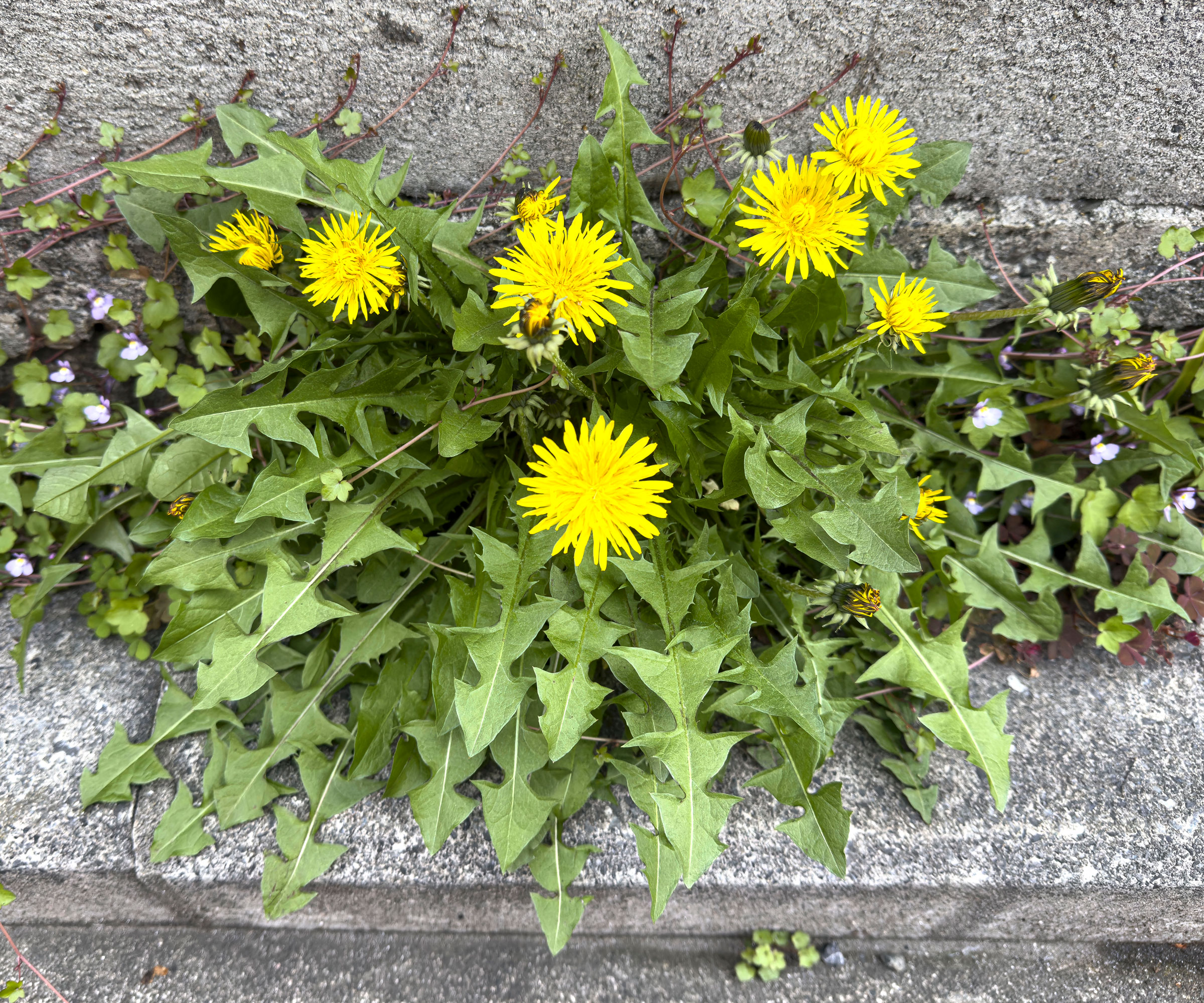
(Image credit: DigiPub / Getty Images)
At this point, your kettle is probably looking a little sorry for itself. But take heart, there is one place where boiling water is a brilliant weed killer. If you have weeds popping up through the cracks in concrete driveways, stone patios, or brick garden paths, feel free to unleash the bubbling beast: the risks of collateral damage are practically zero. There are no shallow shrub roots to cook and no landscape fabrics to melt, and the compacted area beneath paving stones isn’t a primary haven for friendly earthworms.
Pavement weeds are often young annuals or shallow-rooted grasses, so a targeted pour easily collapses their cells. For established, perennial weeds with thicker taproots, this may only smother the top layer of growth. But don’t forget your trusty screwdriver, which can help to lever out these taproots. To save on repeat kettle trips, use boiling water in tandem with another personal favorite. Once scalded weeds are swept away, some polymeric sand can shut down the pathway weed factory for good. Rhino Power Bond Plus Polymeric Super Sand from Walmart can easily be worked into joints and crevices to seal out weed seeds for up to 5 years.
Best Weeding Warriors
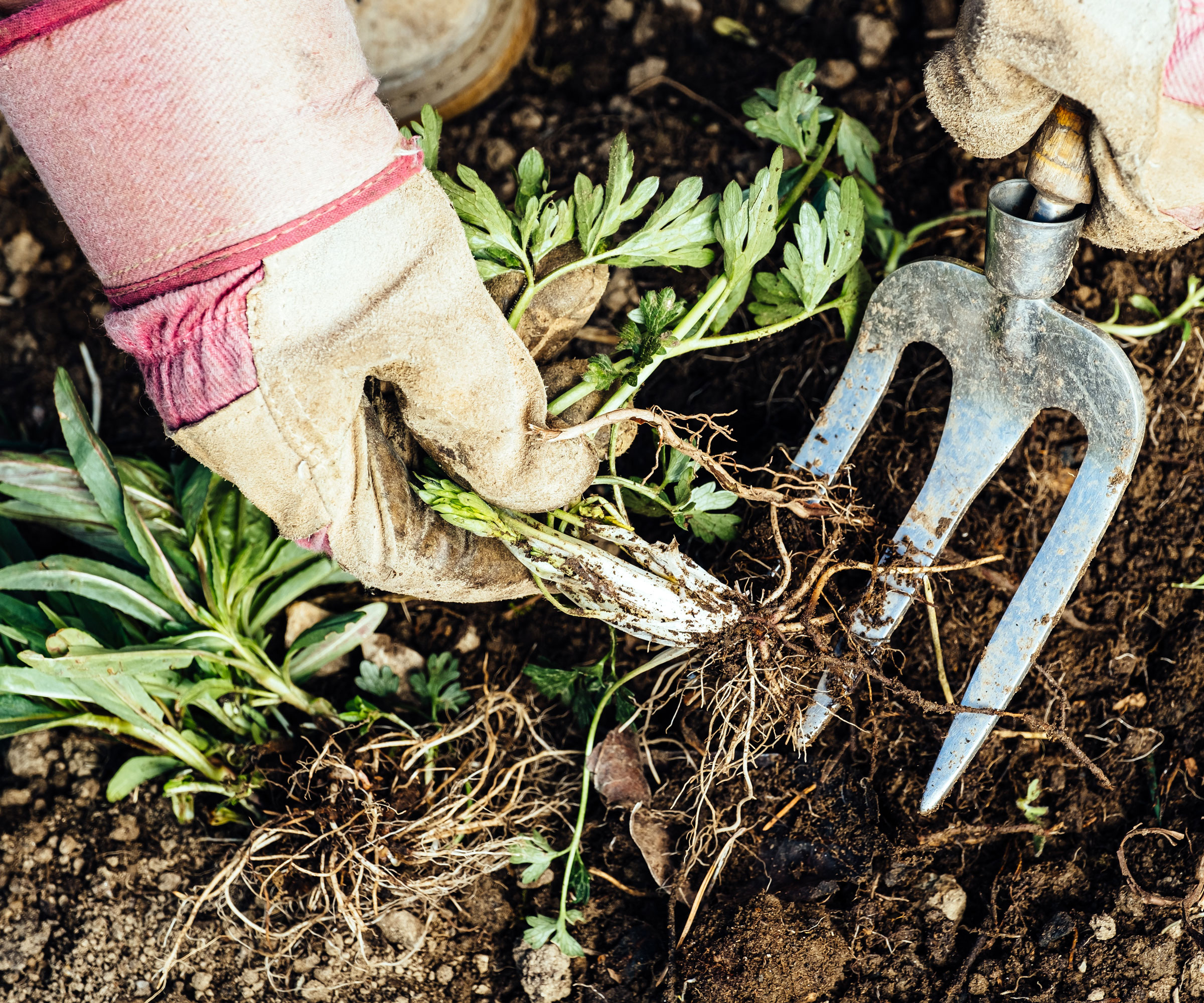
(Image credit: Lucentius / Getty Images)
Winning the war against the weed factory means a multi-pronged approach for different parts of the yard, and different weeds. Established perennials like docks and dandelions need surgical interventions like that flathead screwdriver to prise out taproots cleanly. Annuals like hairy bittercress, crabgrass, and chickweed require a different strategy, aimed at seed prevention. If you find weeds wedged tightly against delicate ornamentals, there’s another method I love called exhaustion shearing. Use a pair of garden scissors to snip the weed at the soil line every 4-5 days. This starves the root, quietly killing it without impacting nearby beauties.
Another aspect of effective long-term weed control is preventing stubborn weed seeds from ever seeing the light of day. Planting dense, ground-covering ornamentals like hostas, lady’s mantle, or heuchera chokes out weed seedlings before they sprout. To double your defenses after a weeding session, immediately cover beds with 3 inches (8cm) of mulch, such as Back to the Roots Organic Premium Mulch from Amazon, ensuring any dormant weed seeds stay trapped in the dark. By combining these interventions with some sensible hoeing and hand-pulling, as well as a few targeted kettle trips, you can stay ahead of those pesky weeds. So keep these curated essentials on standby as summer gets underway.
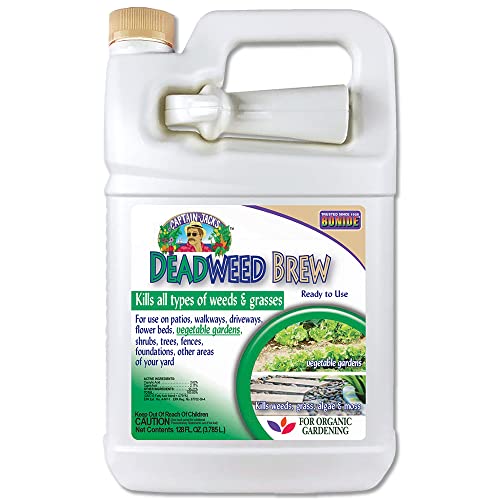 Organic Weed Buster
Bonide
Bonide Captain Jack's Deadweed Brew (128 Oz)
If you have a massive breakout of weeds along a gravel driveway or patio pavers, this glyphosate-free organic herbicide is a fast-acting savior. It breaks down naturally but works quickly on contact to shrivel up foliage and halt the weed factory in its tracks.
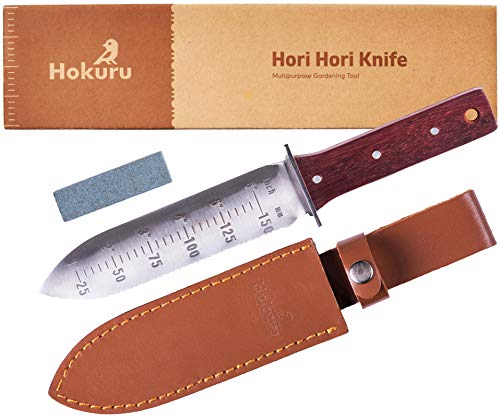 Slice and Scoop
A traditional Japanese hori hori knife is possibly the most devastating weed weapon you can invest in for the long term. Its heavy, dual-edged steel blade is designed to slice smoothly through soil, saw through tough fibrous stems, and plunge deep into tight spaces to lever out stubborn taproots without disturbing neighboring plants.
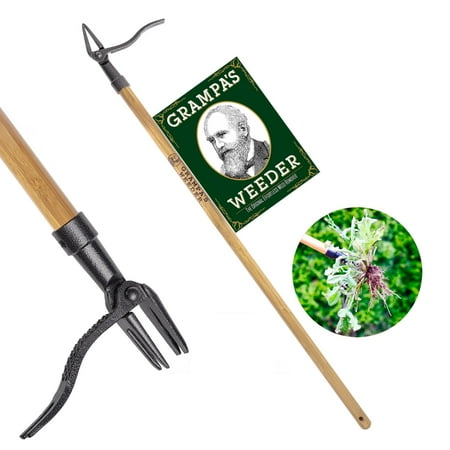 Easy Extraction Tool
Grampa's Weeder
Grampa's Weeder Original Stand Up Weed Puller Tool
This legendary stand-up tool uses a simple lever action and a heavy-duty four-claw steel head to plunge straight down into damp soil and hoist out massive weed clumps and deep root systems without bending, kneeling, or straining your joints.
(Image credit: Ekaterina Savyolova / Getty Images)
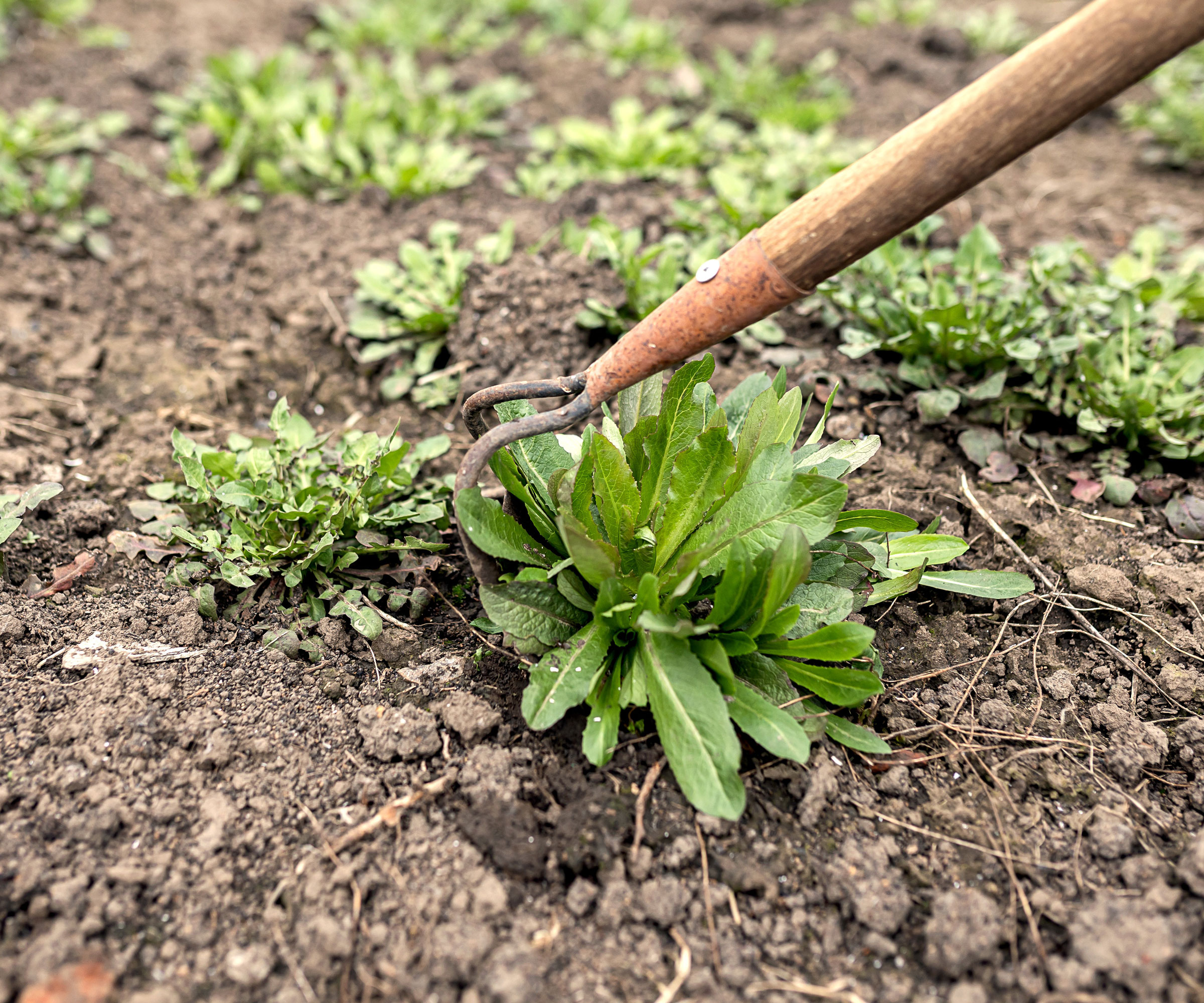
Outsmarting weeds isn't about finding one magical quick-fix, but combining smart weed controls. While annuals require rapid surface prevention, tough perennials demand surgical root removal. So don’t ditch the kettle, but use it as part of a series of hand tools, thoughtful groundcovers, and protective mulches. That way, you can protect your plants, keep your joints and your earthworms happy, and permanently weaken the weed explosion. Just don’t forget to reward yourself with a hot drink once you’re done!
Need more ideas for timely gardening jobs and seasonal expert advice delivered straight to your inbox? Sign up for the free Gardening Know How Newsletter!



















 English (US) ·
  French (CA) ·