

 9 hours ago
5
9 hours ago
5
PROTECT YOUR DNA WITH QUANTUM TECHNOLOGY
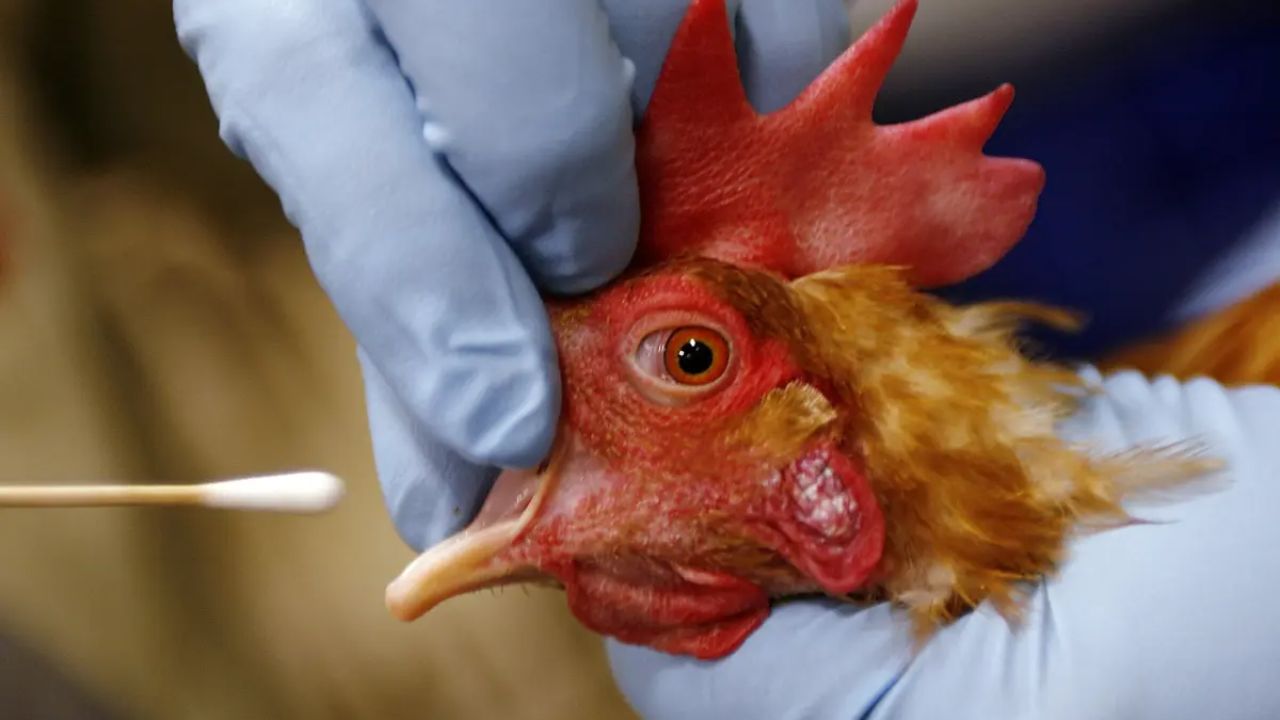
Orgo-Life the new way to the future Advertising by AdpathwayA Granby, Connecticut, homeowner who called state authorities to report shooting a black bear in his yard has been charged with illegally taking the animal, according to the Connecticut Department of Energy and Environmental Protection (DEEP). Michael Gero, 39, told Environmental Conservation Police he saw the bear eating a chicken in his yard before he fired, Patch reported, citing DEEP spokesperson Will Healey.
The case has drawn attention because it sits on a line many rural and suburban residents do not realize exists. Connecticut law allows a person to kill a bear to protect people or a pet in certain situations, but chickens, goats, and other livestock fall under a separate permit process that must be completed before a bear is killed.
For households that keep backyard flocks or small herds, the question is practical rather than abstract. As bears become more common across the state, more owners may face the same decision Gero describes, and the law currently gives livestock less immediate protection than it gives a family dog.
Inside the Granby Case
Gero called DEEP's emergency dispatch on the night of Friday, September 25, to report that he had shot a bear attacking his livestock, according to the agency. He also told officers he believed a bear had killed his goats the month before. DEEP charged him with illegally taking a black bear. The charge is an allegation that has not been tested in court.
He has encountered bears before. In a 2024 interview with WFSB, Gero described chasing off a bear that attacked one of his goats by striking it with a branch. There is no indication the earlier bear was the one killed on September 25, Patch noted.
Reports differ on the court date. WFSB reported that Gero is scheduled to face the charge on October 8, while Patch reported an October 9 appearance in Superior Court in Torrington. His family told WFSB they planned to meet with an attorney this week, and the station said DEEP had not yet provided a full response to its questions.
What the 2023 Bear Law Allows
The governing law is Public Act 23-77, which took effect October 1, 2023. According to DEEP's bear law guidance, a person may kill a bear only if they reasonably believe the bear is inflicting or about to inflict great bodily harm on a person, is injuring or killing a pet that is otherwise controlled under state law, or is entering a building occupied by people.
Livestock are handled differently. Under the same law, owners can request a permit to take a bear that is damaging crops, livestock, or beehives, but DEEP says landowners must first prove they have attempted all reasonable nonlethal methods. The agricultural damage program issues permits for a specific number of bears and only for the location where the damage is occurring, and DEEP directs disposal of all carcasses.
WFSB summarized the sequence this way: nonlethal methods first, then a meeting with a DEEP biologist, then permit approval before a bear can be taken. The station also reported that the law does not extend its pet protections to animals such as goats or chickens, even though some owners treat them as pets.
Community Reaction and the Case for Review
Granby Town Manager Mike Walsh told WFSB he sympathizes with both the bear and Gero, saying "it's a difficult situation he's in." He added that there may have been a different way to approach the encounter, but that it is hard not to be sympathetic given the circumstances. Walsh also said the law should be reviewed and that DEEP should do more to train communities that may find themselves in the same position.
The public response has been heavy. WFSB reported that a Facebook post about the case drew more than 2,200 comments, most from people calling the charge unfair. DEEP's own guidance makes the counterpoint: the agency says any killing in self-defense or defense of others is subject to law enforcement review, and a killing found unjustified under the statute may be a prosecutable offense.
The case comes as bear conflicts draw attention nationwide. Nature World News recently reported on a California dog killed after confronting a black bear, a reminder that such encounters, while uncommon, can escalate within seconds.
Protecting Flocks Before a Bear Arrives
Backyard poultry keepers, small farms and homesteads on the edge of wooded land face the greatest risk of repeat visits, especially in fall, when bears feed heavily before winter. Households that have already lost animals are more likely to see a bear return.
DEEP recommends prevention first. Its Living with Black Bears guidance covers best practices for reducing conflicts, and the agency strongly recommends that residents in areas with bear activity limit bird feeding to times of year when bears are not active. For poultry and goats, owners typically rely on sturdy, fully enclosed coops, electric fencing and secure storage of feed and garbage. Documenting each attempt matters, because proof of nonlethal efforts is a condition of any agricultural damage permit.
Warning signs include torn fencing, scattered feed, missing birds, and tracks or scat near enclosures. If a bear is actively attacking livestock, owners should call DEEP's emergency dispatch rather than acting on assumptions about the law, and anyone who believes a person is in danger should call 911. The legal outcome in Granby is not yet known, and readers should not treat this article as legal advice.
What happens next depends on the court. Gero's first appearance is set for early October, and any change to the law would require action by the Connecticut General Assembly. Nature World News will update this story if DEEP or the court releases new information.
Connecticut lets residents use deadly force against a bear to protect people or controlled pets, but livestock owners must use nonlethal methods and obtain a DEEP permit first. The Granby charge is unresolved, and the most useful step for flock owners now is to secure animals and document every deterrent.
What Readers Want to Know
What happened in Granby?
Michael Gero reported to DEEP that he shot a black bear he said was eating his chickens on September 25. DEEP charged him with illegally taking a black bear. The charge is an allegation and has not been decided in court.
Can you shoot a bear attacking your chickens in Connecticut?
Not without a permit under current law. DEEP says livestock owners must attempt reasonable nonlethal methods and obtain an agricultural damage permit before a bear can be taken.
When does Connecticut law allow killing a bear in self-defense?
When a person reasonably believes a bear is inflicting or about to inflict great bodily harm on a human, is injuring or killing a controlled pet, or is entering an occupied building, according to DEEP.
Are chickens and goats considered pets under the law?
WFSB reported that the law's pet protections do not extend to animals like goats or chickens. Owners with questions should contact DEEP directly.
How can I protect backyard chickens from bears?
Use fully enclosed coops and electric fencing, store feed securely, limit bird feeding when bears are active, and keep records of each deterrent you use.
When is the court date?
WFSB reported October 8, and Patch reported October 9 in Superior Court in Torrington.
© 2026 NatureWorldNews.com All rights reserved. Do not reproduce without permission.



















 English (US) ·
  French (CA) ·