

 8 hours ago
5
8 hours ago
5
PROTECT YOUR DNA WITH QUANTUM TECHNOLOGY
Orgo-Life the new way to the future Advertising by AdpathwayContractors were due to begin hauling a 13-metre whale carcass off Perth's City Beach at about 10 a.m. Wednesday local time, after the decomposing animal drew several sharks to within metres of the shoreline and shut beaches across the Town of Cambridge for three days. Mayor Gary Mack described the job as complex and potentially risky, and an exclusion zone was set to expand along South City Beach to protect workers and the public, ABC News reported.
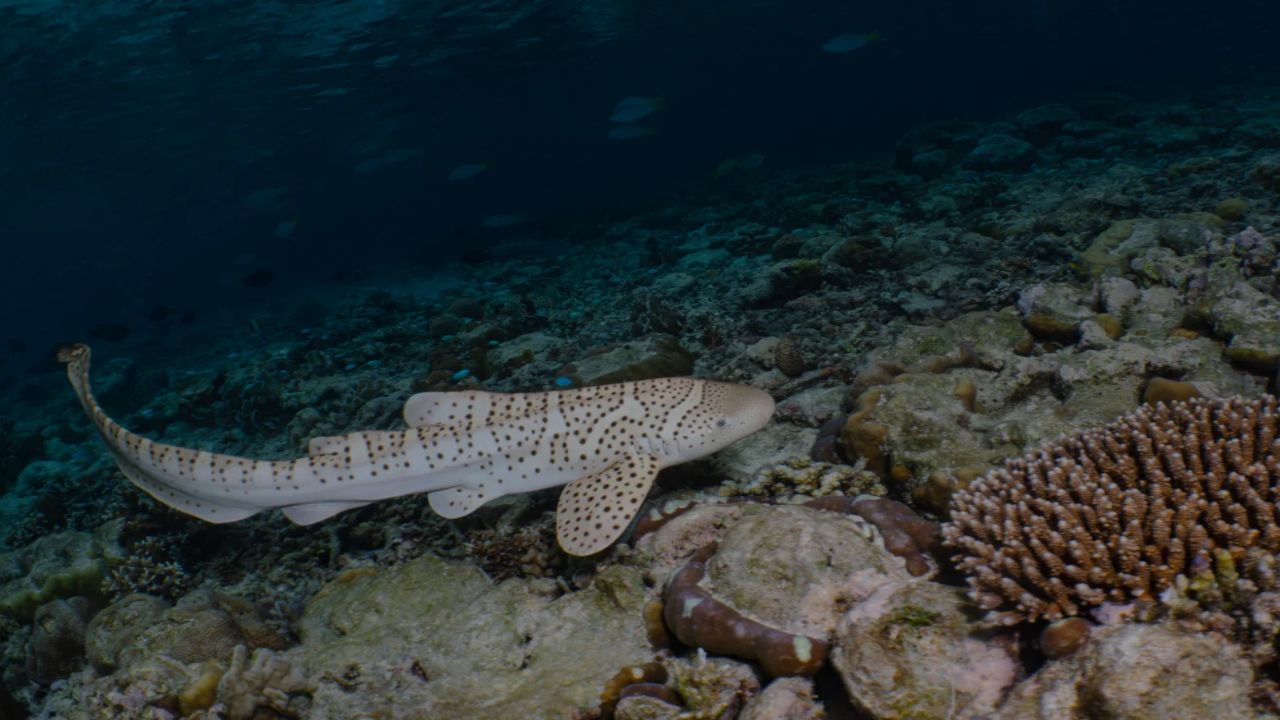
The sharks arrived fast. Two white sharks estimated at 5 metres (16 feet) and 4 metres (13 feet) were seen about 10 metres (roughly 33 feet) offshore about an hour after the carcass was spotted, according to Western Australia's SharkSmart service, as the ABC reported when the animal washed up. A 3.5-metre shark and a 2.5-metre shark, both of unknown species, were also logged nearby.
The sharks were behaving like scavengers responding to a large food source, not hunting people. But the closures mattered for anyone who swims, surfs or walks dogs along Perth's beaches, especially because the carcass arrived 10 days after a fatal shark attack at Sorrento Beach, about 15 kilometres (9 miles) to the north.
A Three-Day Closure and a Costly Removal
Surf lifesavers found the carcass at about 7:30 a.m. Monday, and Surf Life Saving WA closed City Beach. Beaches in the Town of Cambridge, including City Beach and Floreat Beach, remained closed through Tuesday, and the Department of Primary Industries and Regional Development (DPIRD) warned that the carcass could keep drawing sharks close to shore along that stretch of coast.
Authorities had not confirmed the whale's species, and accounts of its size differ. The ABC described a 10-metre (33-foot) specimen, while Perth is OK! reported that the Town of Cambridge was removing a 13-metre, 31-tonne carcass.
Town of Cambridge Deputy Mayor Ben Mayes said removing a whale of that size requires heavy machinery, specialist protective equipment and roughly six to 10 workers, and estimated the cost at 40,000 to 60,000 Australian dollars, potentially rising significantly if the carcass breaks up or deteriorates. Mack said the town would ask the state government to help pay the bill, and that he had been warned the job would be costly. In 2014, removing a whale carcass from Scarborough Beach cost 175,000 Australian dollars, according to the ABC.
Fisheries Minister Jackie Jarvis said she had not been briefed on the cost, which she described as a matter for the Town of Cambridge and the state's Department of Biodiversity, Conservation and Attractions, noting that local governments generally manage such events on beaches.
The Case Against Towing It Out
Towing a dead whale back to sea sounds simpler, but Jarvis explained the risk. She said dragging the carcass farther out in the prevailing weather conditions "increases the chances of the carcass being broken up" and washing back onto shore, which would cause more shark activity.
The state also used the event for research. Drum lines were set in the water to catch and tag sharks drawn to the site, an effort Jarvis described as making use of opportunistic tagging opportunities. A DPIRD spokesperson said a 3.7-metre (12-foot) white shark had been tagged and released off Floreat Groyne, work the agency described as part of its shark tagging program under the state's Shark Hazard Mitigation Strategy. Tagged sharks can trigger alerts when they pass acoustic receivers along the coast.
Whale Falls and Scavenging Sharks
A dead whale is one of the richest food sources in the ocean, loaded with energy-dense blubber. A study of white sharks feeding on whale carcasses in False Bay, South Africa, published in PLOS ONE, documented strategic and selective scavenging over successive days and proposed that whale scavenging may be an underestimated component of the species' foraging ecology, especially as individuals reach maturity.
The researchers counted anywhere from one to 40 different sharks at a carcass on a given day. The largest animals, above 5 metres, dominated the areas with the most blubber, while smaller sharks fed on muscle or on drifting scraps. The team also found that shark predation on nearby seals dropped significantly while a carcass was present.
That research describes feeding on whales, not on people, and there is no evidence the Perth sharks were targeting beachgoers. Officials note, though, that any shark feeding close to shore raises the chance of an accidental encounter. No link has been established between the carcass and the earlier Sorrento attack, and the two events should not be conflated.
Why the Water May Stay Risky After the Sand Is Clear
Removing the carcass does not end the problem. Mack said people should be mindful that oils from the animal would remain in the water even after it was taken away, so shark activity may persist for a period as the scent disperses. Beaches are expected to reopen only once officials judge conditions safe.
People face the most risk if they enter the water near a carcass, where blood, oil and fragments spread along the shoreline. Swimmers, surfers, spearfishers and dog owners should stay out of closed areas entirely. Mack said people should not swim in the area or even take their dogs out while white sharks were present.
Warning signs include a foul smell, an oily sheen on the water, gathering birds, and visible fins or shadows in the surf. Routine precautions include checking SharkSmart and heeding beach flags and closures. If you see a shark close to shore, leave the water calmly and report it through SharkSmart channels or to Water Police. Onlookers should also give removal crews room, since the exclusion zone is designed to protect both workers and the public.
Readers should check the Town of Cambridge and SharkSmart for the current status of City Beach and Floreat Beach. Nature World News will update this story when the town confirms the removal is complete and beaches have reopened.
A whale carcass at City Beach drew several white sharks within metres of shore and closed Perth beaches while officials tagged sharks and arranged a removal costing tens of thousands of dollars. The sharks were scavenging, not hunting people, but staying out of closed water until authorities give the all-clear is the safest choice.
What Readers Want to Know
What happened at City Beach in Perth?
A whale carcass washed ashore early Monday, and several sharks, including two white sharks estimated at 5 and 4 metres, were seen about 10 metres from shore. Town of Cambridge beaches were closed, and a removal operation was set to begin Wednesday morning local time.
Why do whale carcasses attract sharks?
Dead whales provide a large, energy-rich food source. Research in South Africa found that white sharks scavenge a carcass selectively over successive days, sometimes dozens at a time.
Were the sharks trying to attack people?
There is no evidence of that. The sharks were responding to the carcass, though officials say any shark feeding near shore increases the chance of an accidental encounter.
Why not tow the whale back out to sea?
Fisheries Minister Jackie Jarvis said towing in the prevailing conditions could break up the carcass and wash pieces back ashore, drawing more sharks.
How much will removal cost?
The Town of Cambridge estimated 40,000 to 60,000 Australian dollars, possibly more if the carcass breaks apart. A 2014 removal at Scarborough Beach cost 175,000 Australian dollars.
When will the beaches reopen?
Officials said beaches would stay closed until the carcass is gone and conditions are judged safe, and the mayor warned that oils in the water could keep drawing sharks afterward. Check the Town of Cambridge and SharkSmart for updates.
© 2026 NatureWorldNews.com All rights reserved. Do not reproduce without permission.
















 English (US) ·
  French (CA) ·