

The gladiolus plant is a striking summer bulb also known as sword lily or flag flower. Depending on the variety, they can grow quite tall and produce spikes of vibrant, colorful flowers in summer and into fall. Glads thrive in full sun, adding height, color, and drama to beds. In addition to providing you with stunning garden flowers, they’ll attract valuable pollinators.
Here, we’ll guide you through every aspect of growing gladiolus, from planting bulbs, or corms as they are technically called, to summer care, fall lifting, and winter care. Keep in mind that glads are toxic to pets.
Let's dig right in so you can have the vibrant garden of your dreams.
Quick Gladiolus Facts
Swipe to scroll horizontally
Botanical Name | Gladiolus spp. |
Plant Type | Flowering corm |
Height | 2 to 5 feet (0.6 to 1.5 m) |
Spread | 6 to 12 inches (15 to 30 cm) |
Light | Full sun |
Soil | Well-drained, acidic to neutral |
Hardiness | USDA zones 7 to 10 (Not in the US? Convert your zone) |
Flowers | Summer and fall |
Native Range | Africa and Europe |
Planting Gladiolus Flowers

(Image credit: Maryviolet / Getty Images)
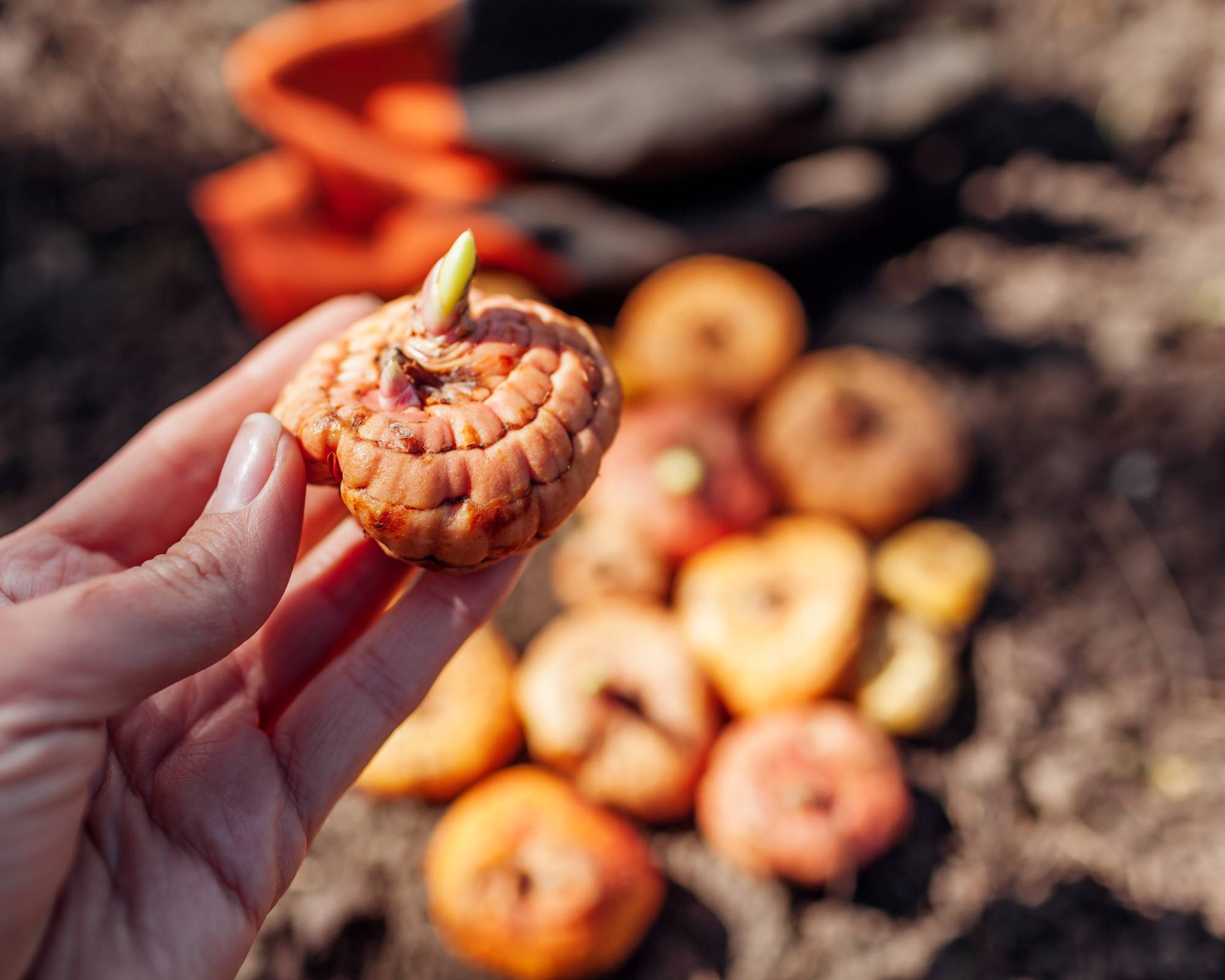
Gladiolus grow from corms, which, while different from bulbs, are often referred to that way. Corms are food storage structures. Gladiolus bulbs are hardy in USDA zones 7 through 10, but you can plant them in colder zones if you’re willing to dig the corms up in fall and store them for winter.
You can plant gladiolus corms in spring once the risk of a frost has passed. Some gardeners stagger the planting to get more continuous flowering and color, as the gladiolus flower spikes bloom from the bottom up.
Soil
Soil for planting gladiolus corms should be rich and fertile, so mix in some compost if your soil is poor. The soil also must drain very well. Make amendments to lighten heavy soil if needed. Soggy areas will rot the corms. If your soil is particularly heavy, raised beds will create better drainage. Glads do best in slightly acidic soil, but neutral soil is fine.
Light
You’ll get the most stunning and abundant gladiolus flowers if you plant them in full sun. This means ensuring they get six to eight hours of direct sunlight. Too much shade affects flower number and size, but also leads to weak stems that flop over as they become top-heavy with flowers. A little afternoon shade is fine in hotter climates.
Step-by-step Planting Guide
(Image credit: Olga Seifutdinova / Getty Images)
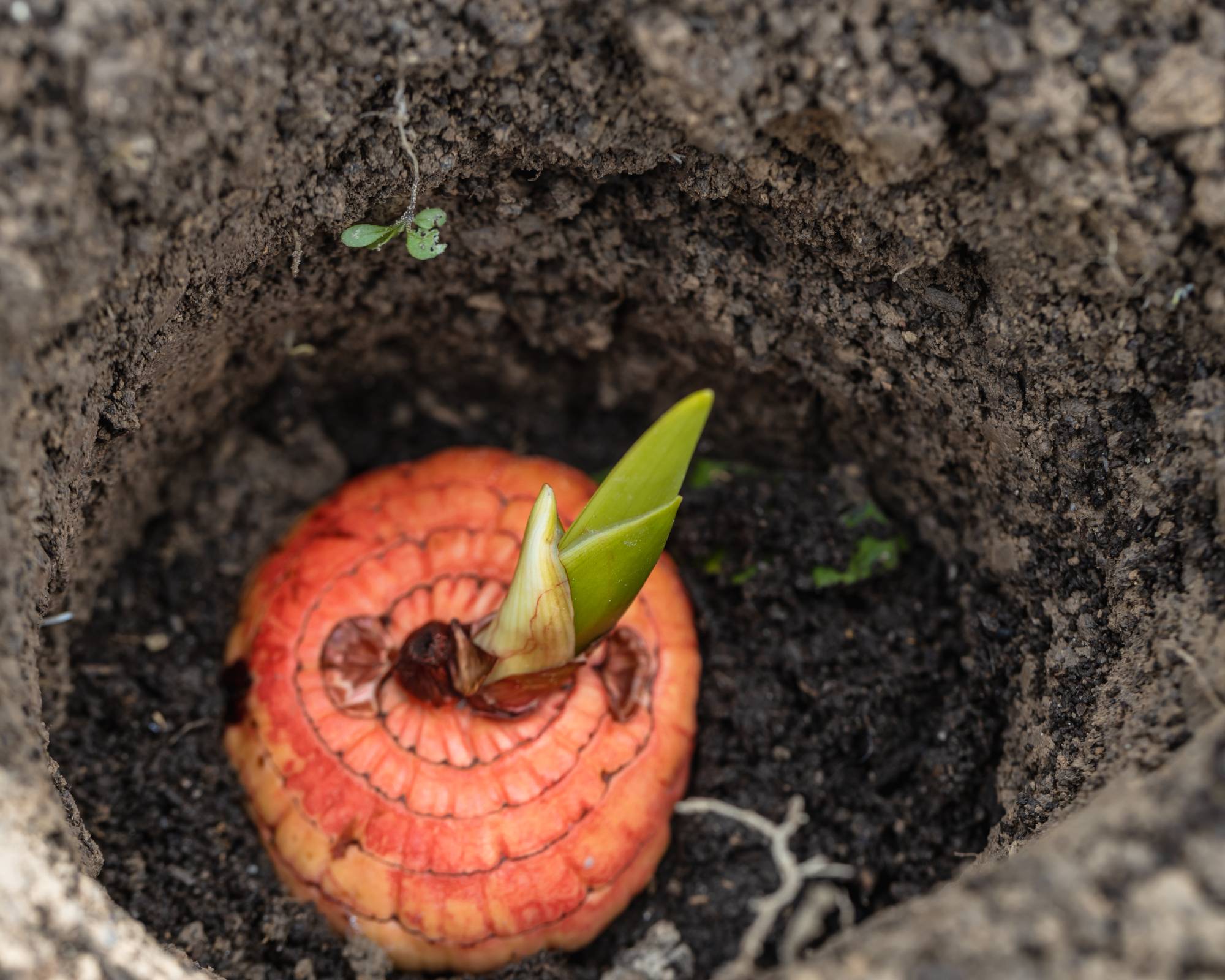
Planting gladiolus corms is easy and straightforward. Follow these steps for the best results:
- Choose healthy, firm, and plump corms to plant. Look for and avoid signs of mold and rot, soft spots, and any damage. Larger corms produce more flowers, so size matters.
- Wait to plant glads until the soil is adequately warm. There should be no risk of frost, and the soil should be consistently 55 degrees Fahrenheit (13 Celsius). A simple soil thermometer like this one from Amazon will take the guesswork out of planting.
- Prepare the planting area by digging into and loosening the soil to a depth of about 12 inches (30 cm). Make any necessary amendments now, such as adding compost.
- Plant the corms in holes four to six inches (10 to 15 cm) deep with the pointy end facing up toward the sky. Space individual corms about six inches apart.
- Water your newly planted corms.
- Consider staggering planting times from spring into early summer. Plant every two weeks to get more continuous blooms. This is an especially useful strategy in regions with long growing seasons.
How to Care for Gladiolus
(Image credit: Maryviolet / Getty Images)
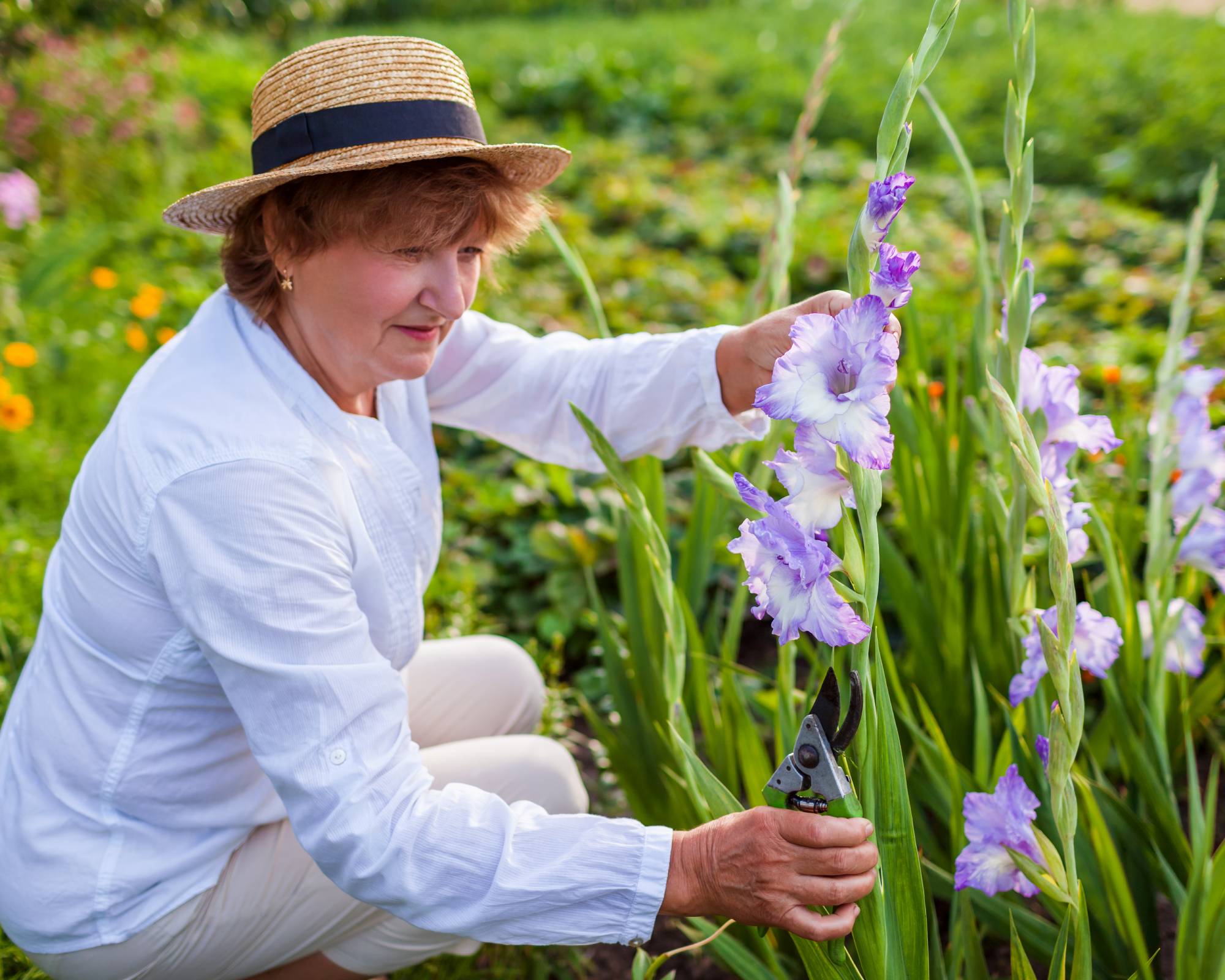
Once planted and growing, gladiolus plants are relatively low-maintenance. They need water, a little fertilizer, and some light pruning.
Watering Gladiolus
While the soil shouldn’t be allowed to get soggy, glads do grow and flower best when it remains consistently moist. Water gladiolus deeply once or twice a week if it isn’t raining and more during hot, dry spells. You can reduce watering once the flowers begin to fade.
Mulch
Two to three inches (5.0 to 7.5 cm) of mulch around your glads will help keep moisture in the soil on hot summer days. Applying mulch also minimizes weed growth. Just keep a little area around the stems bare to prevent rot.
Fertilizer
If you’ve mixed compost into the soil at planting time, you don’t need to fertilize often. Apply a balanced liquid fertilizer just once, when you see new growth emerging from the planted corms. Bonide liquid plant food from Amazon is a good balanced option.
Pruning
Light pruning helps keep glads looking tidy and directs energy into the corm for next year. Once the flowers have faded, trim off the spikes. Leave foliage in place until it starts to yellow. The leaves, while green, are actively gathering energy to store in the corm. Once the leaves yellow or die back, you can remove them.
Gladiolus Varieties
(Image credit: Getty Images)
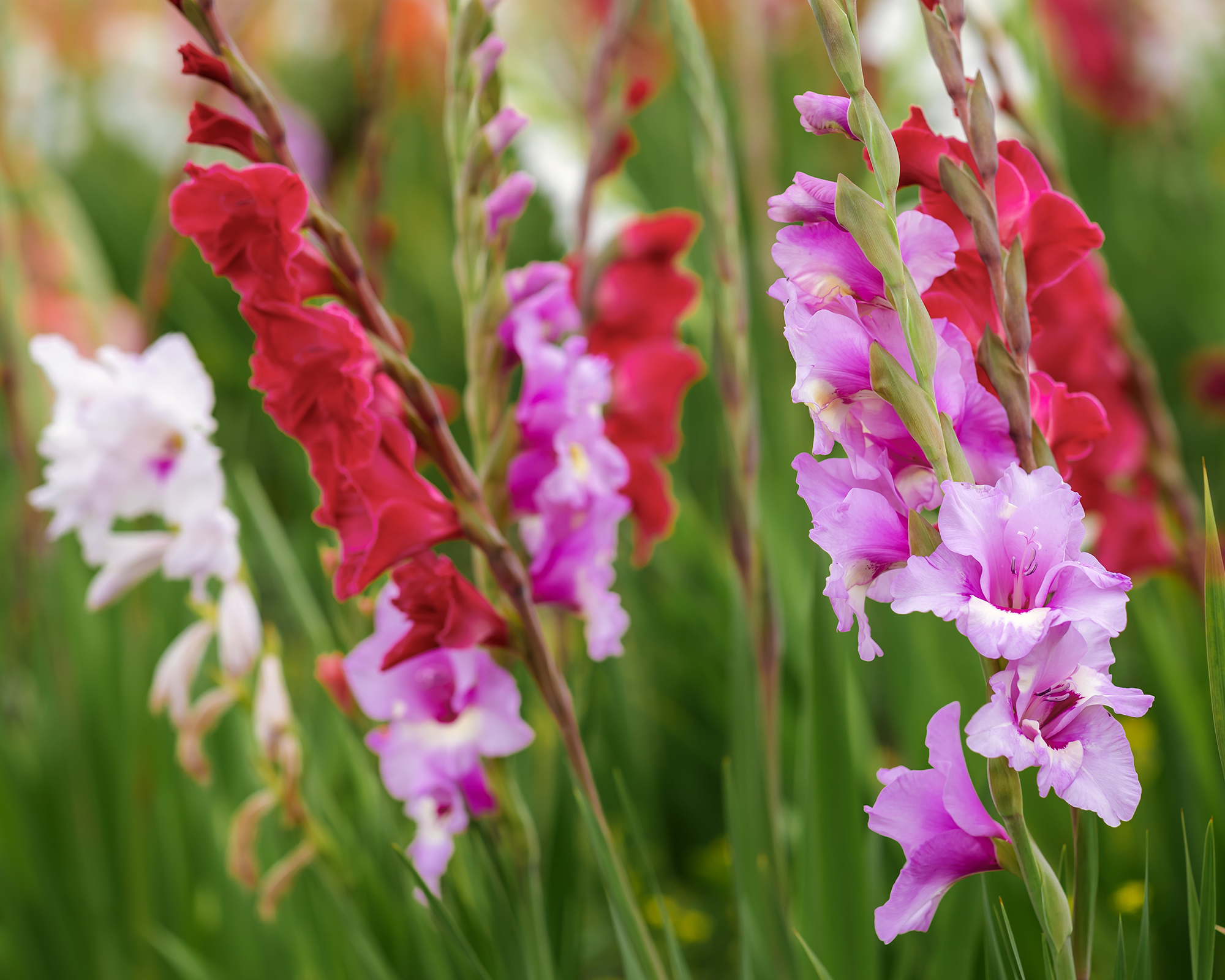
There are several different types and varieties of gladiolus, offering you a choice of colors, sizes, and applications. Some types are best for cutting, and some are good for borders. These are some of the most popular and readily available glad types:
- Grandiflora. Grandiflora is the most common type of gladiolus. They’re tall and produce big flowers on striking spikes, which make excellent cut flowers. You can find grandifloras in pink, red, orange, white, purple, and even multi-colored varieties.
- Dwarf Grandiflora. For a shorter glad, choose a dwarf variety. They stay about two feet tall and shorter. They’re great for containers and windy areas where taller stems would struggle to remain upright.
- Butterfly. Butterfly gladiolus varieties have unique flower shapes. They are ruffled and have contrasting colors in the throat. They have a more delicate appearance than the classic grandiflora flowers. Burpee offers a gorgeous mix of butterfly gladiolus bulbs.
- Hardy. For colder growing zones, hardy varieties are more likely to survive winter outdoors, although there are limits. One example is Gladiolus byzantinus, which can stay outdoors with a thick mulch blanket up to zones 5 and 4. And G. nanus is both hardy and dwarf. They don’t flower as abundantly as grandifloras. You can find Gladiolus nanus hardy dwarf mix from Eden Brothers Nursery.
Propagating Gladiolus
(Image credit: Olga Seifutdinova / Getty Images)
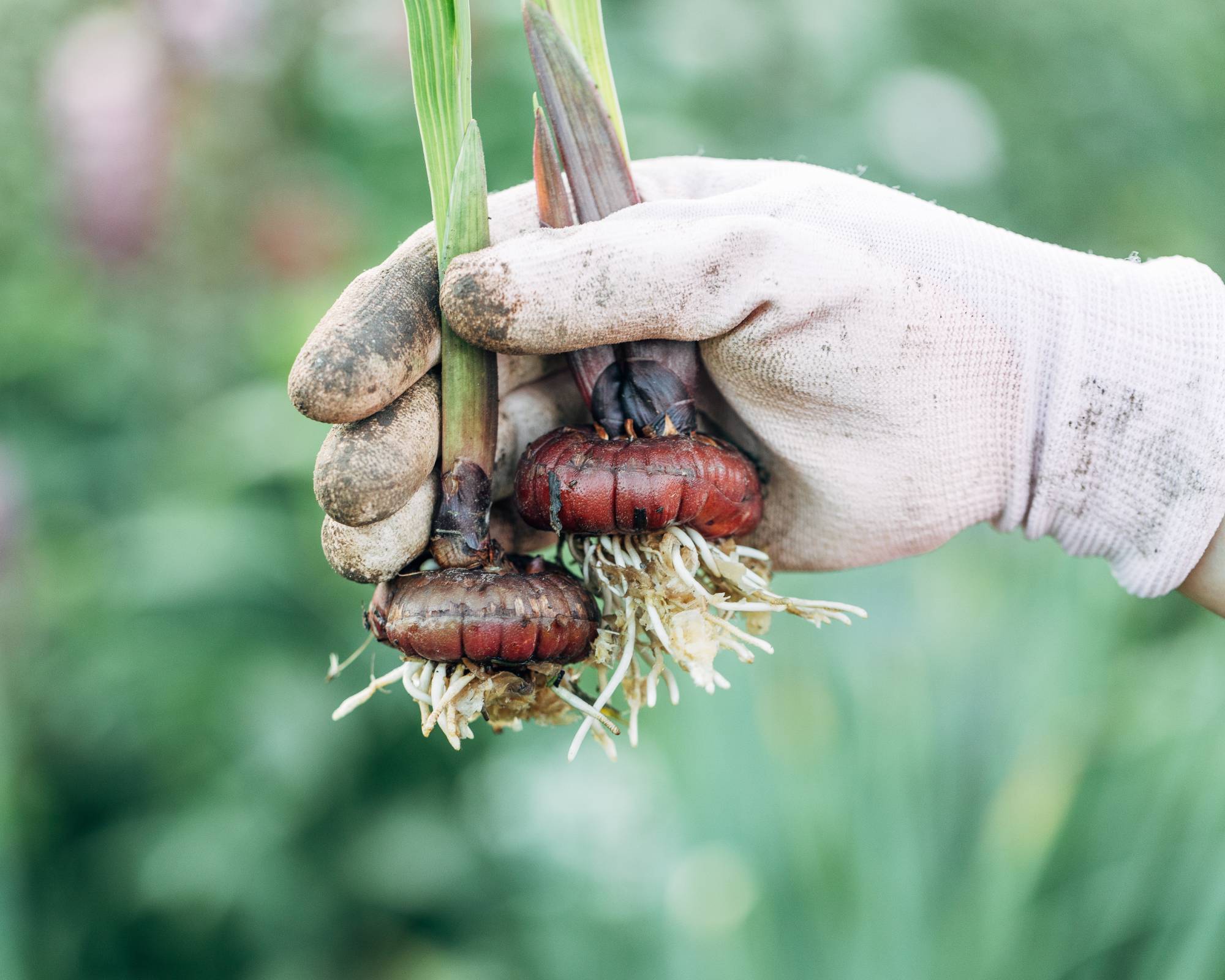
You can propagate gladiolus by removing and replanting corm offsets known as cormlets. Dig up corms in the fall at the end of the growing season and look for cormlets. Separate these from the main corm and store for the winter. Plant the cormlets in spring as you would larger corms. They won’t flower until their second year in the ground.
Winter Care of Gladiolus
(Image credit: Maryviolet / Getty Images)
If you grow gladiolus in the warmer part of this flower’s hardiness range, you can leave the corms in the ground over winter. They should survive and regrow next spring. Apply a thick layer of mulch over the corms in the colder regions (zones 7 and 8) to provide some protection from cold temperatures.
In colder regions outside the hardiness range, you’ll need to lift and store your corms over winter to enjoy them again the following year. Dig up corms after the foliage has yellowed in fall. Dig them carefully to avoid damaging the corms. Wounds make the corms vulnerable to rot over winter.
Brush off excess dirt and remove any remaining plant material. Then, let your lifted corms dry in a cool, dry, and ventilated area for a couple of weeks. Store the dry corms mesh bags or paper bags in a cool, dry location for the winter. Ideal storage temperatures are between 35 and 50 degrees Fahrenheit (2 to 10 Celsius). Check the corms periodically for signs of moisture or rot.
Common Gladiolus Problems
(Image credit: Heather Broccard-Bell / Getty Images)
Glads are pretty dependable plants, but there are a few issues you might face:
- Corm Rot. Corms should be firm, not soft, which can indicate the start of corm rot. Above-ground signs of rotting include yellow foliage and weak growth. Make sure the soil where you plant drains very well and avoid overwatering.
- Floppy Stems. Weak growth, especially in tall varieties, makes gladiolus prone to flopping. Issues that cause this include too much shade, too much fertilizer, and strong winds. Even if they are healthy, tall gladiolus might need stakes to stay upright.
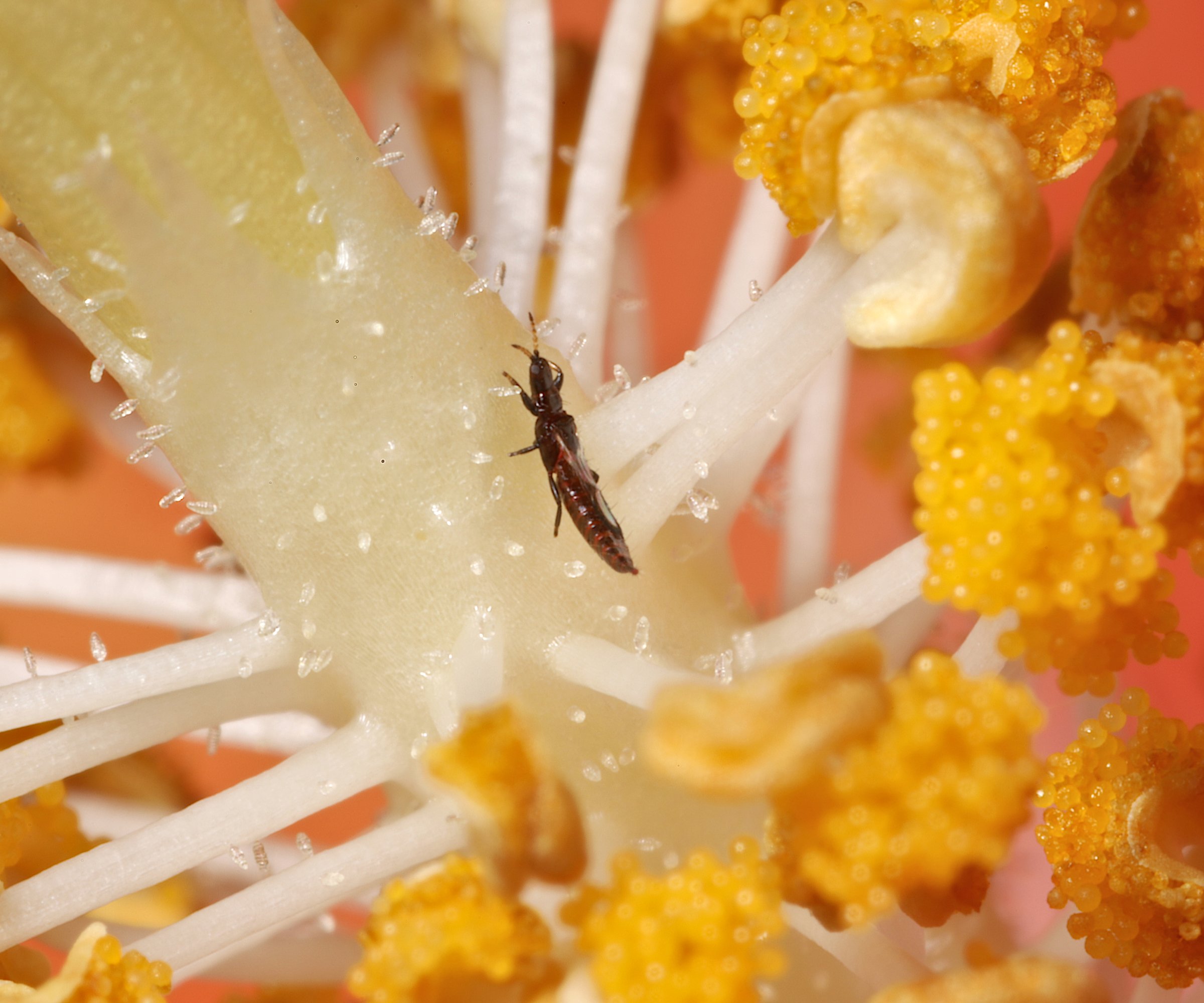
- Thrips. Mostly too small to see, thrips leave evidence of their presence, including brown spots or tips on leaves and streaked or distorted flowers.
Container Care
(Image credit: Alexander Shapovalov / Getty Images)
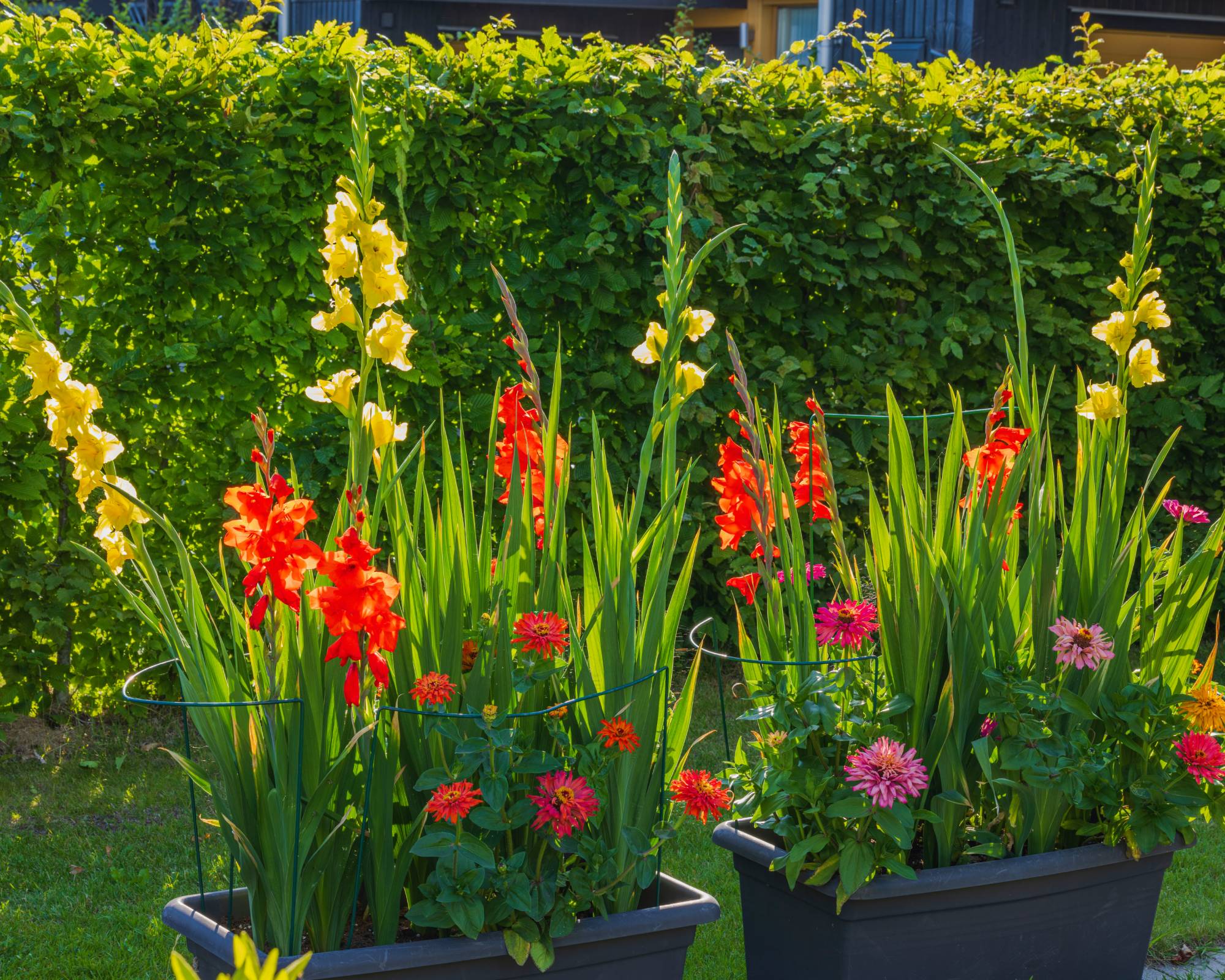
You can grow gladiolus in containers as long as you choose a pot with enough depth and weight to prevent it from tipping over. Dwarf types are the best suited to container growing. Pots should be at least 12 inches (30 cm) deep.
Use a good quality potting mix that drains very well, and water the corms and plants more frequently than you would those planted in beds. The soil in the pot will dry out more quickly, especially in the sun and heat.
Gladiolus Companion Plants
(Image credit: Jacky Parker Photography / Getty Images)
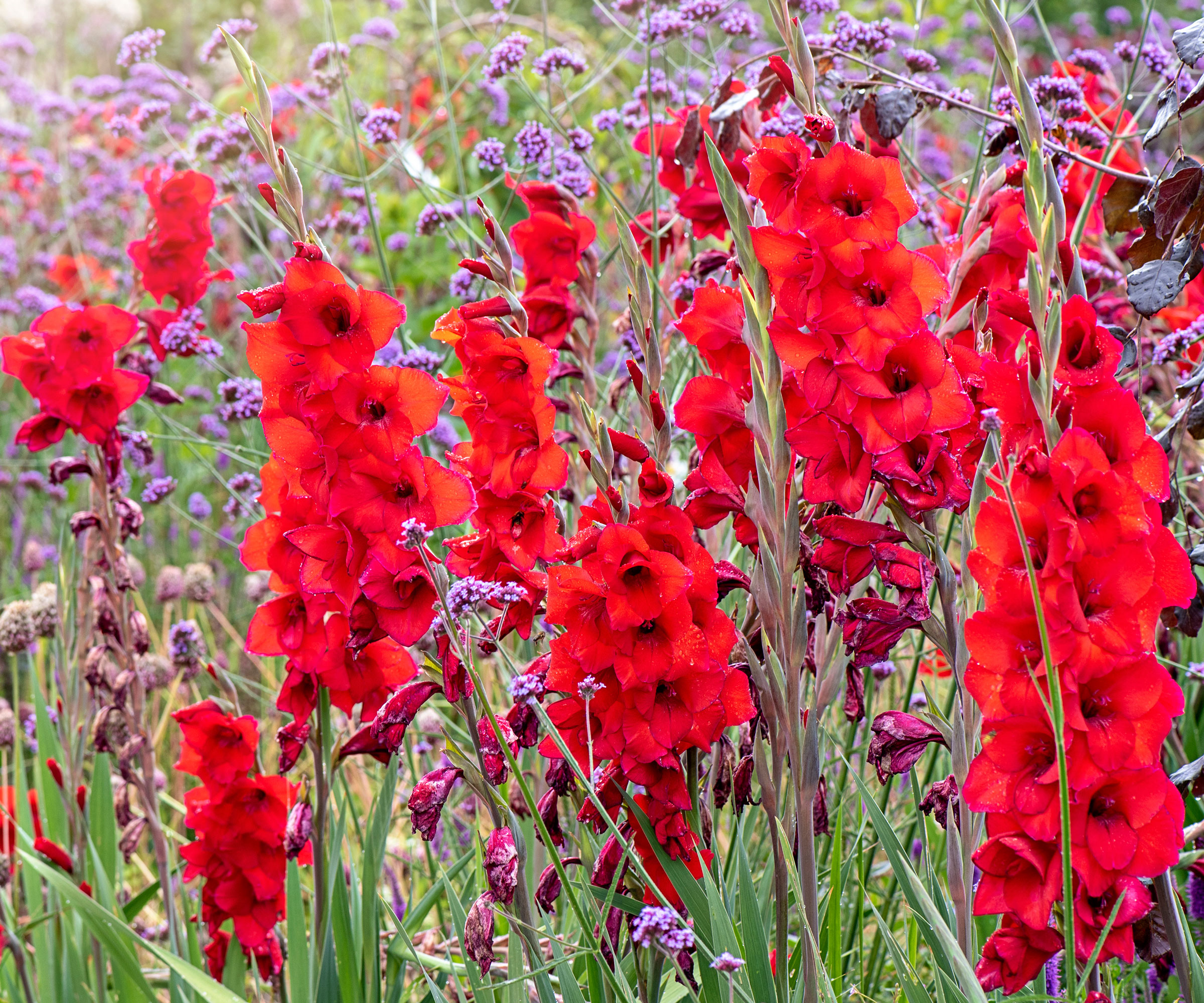
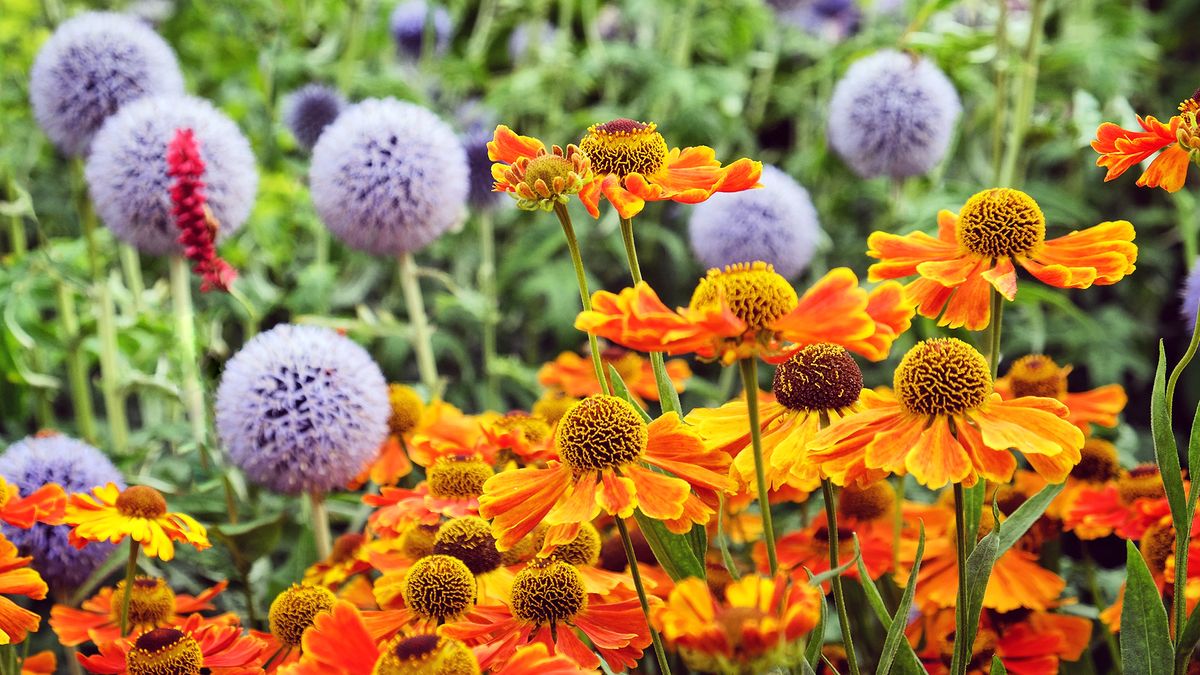
Several flowers, and even a foliage plant, make good companions for gladiolus. They enjoy similar growing conditions, so putting them together makes sense. They’ll provide a varied and stunning display of different colors, heights, and textures:
Gladiolus are classic, gorgeous summer garden flowers and are pretty easy to grow. Even new gardeners get good success with glads. Follow these simple planting and care instructions to get an abundance of beautiful blooms from your gladiolus.
Frequently Asked Questions
How Long Do Gladiolus Take to Bloom?
Most gladiolus types will bloom between 70 and 100 days from planting. There is some variation based on variety and weather conditions.
Do Gladiolus Come Back Every Year?
Yes, within their hardiness range and with a mulch layer for winter protection. In colder zones, corms must be dug up in the fall, stored for winter, and replanted in the spring.
Do Gladiolus Need to Be Staked?
Taller types of gladiolus might need stakes to keep their stems and flowers upright, especially in windy conditions.
Can Gladiolus Grow in Partial Shade?
While gladiolus plants will grow in some shade, they won’t flower as much, and the stems are more likely to grow weak and floppy.

















 English (US) ·
  French (CA) ·