

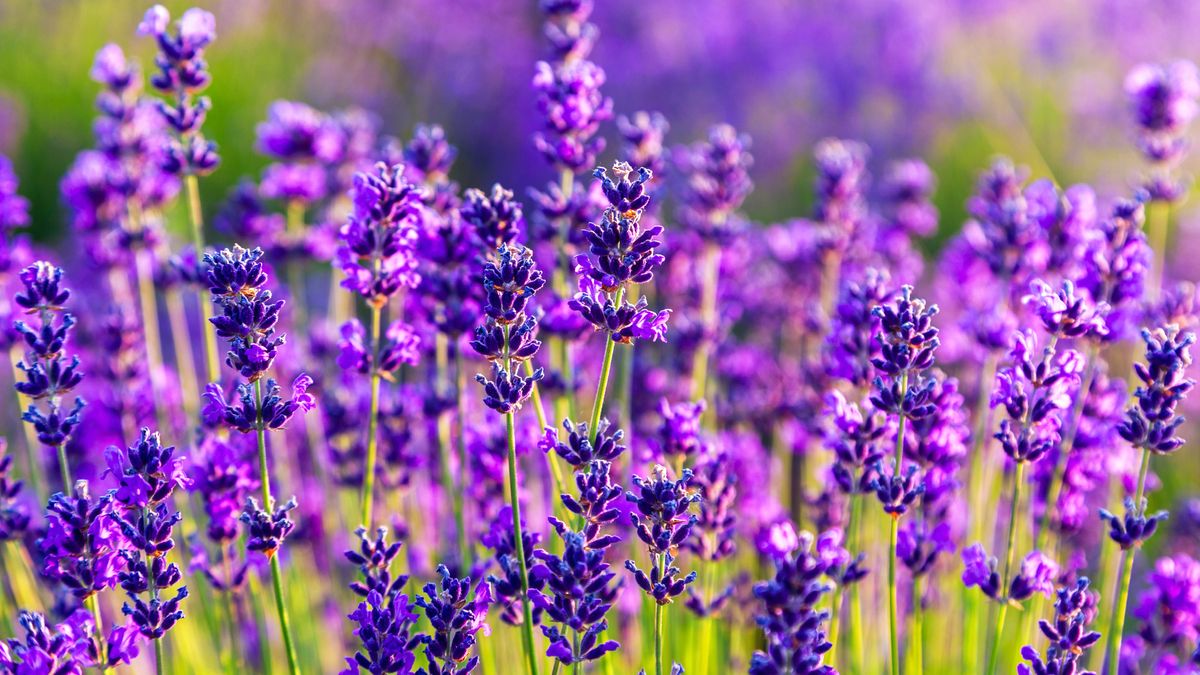
Lavender makes any yard feel sun-drenched, softly scented and altogether dreamier – if you choose the best lavender variety for your climate, that is. Pick a lavender that's less than ideal and that billowy purple haze will be short-lived when a bitter winter, a prolonged soggy spell or relentless tropical heat takes its toll. Whether you want a fragrant border, a bee-friendly pot by the back door or armfuls of stems for drying, choosing the right lavender is the difference between a fleeting flourish and a plant that truly earns its place in your garden year after year.
Matching the best lavender variety to your USDA zone is the smartest place to start when growing this garden must-have. From hardy, yard-worthy choices for chilly northern regions to heat-loving types that can cope with the Deep South and beyond, this guide brings together one perfectly-suited lavender for every zone. Because, while those 'suitable for zone X' tags give you a pretty good indication of whether the plant will survive a particular climate, they paint too broad a brushstroke to tell you which varieties will truly thrive.
(Image credit: Getty Images)
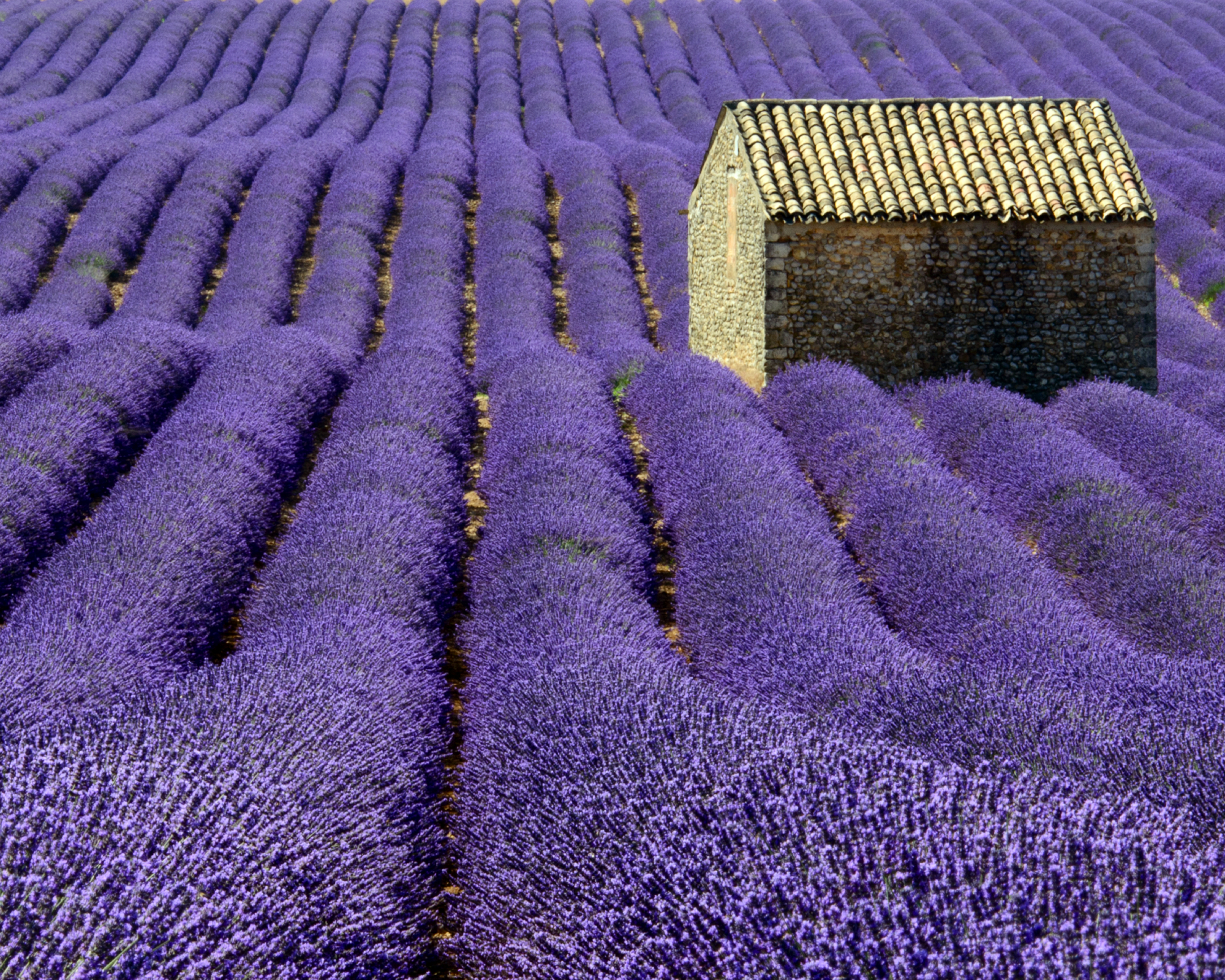
If you've ever visited a lavender farm, then you'll know how intense lavender color, fragrance and flower density can be – and you can be sure that's down to selecting the exact right variety for the conditions as well as good care.
Besides, there's far more to discover than the familiar purple classics, with white, pink and foliage-led lavender varieties all waiting in the wings. A clear lavender recommendation for every zone, practical lavender growing tips and plenty of planting inspiration will help you pick the perfect lavender for your plot. And with the exact right variety for your climate, you can turn a sunny spot into a richly scented, pollinator-friendly haven full of fragrant lavender blooms, wherever you garden.
Best Lavender for Zones 1-3: Munstead
(Image credit: Getty Images)
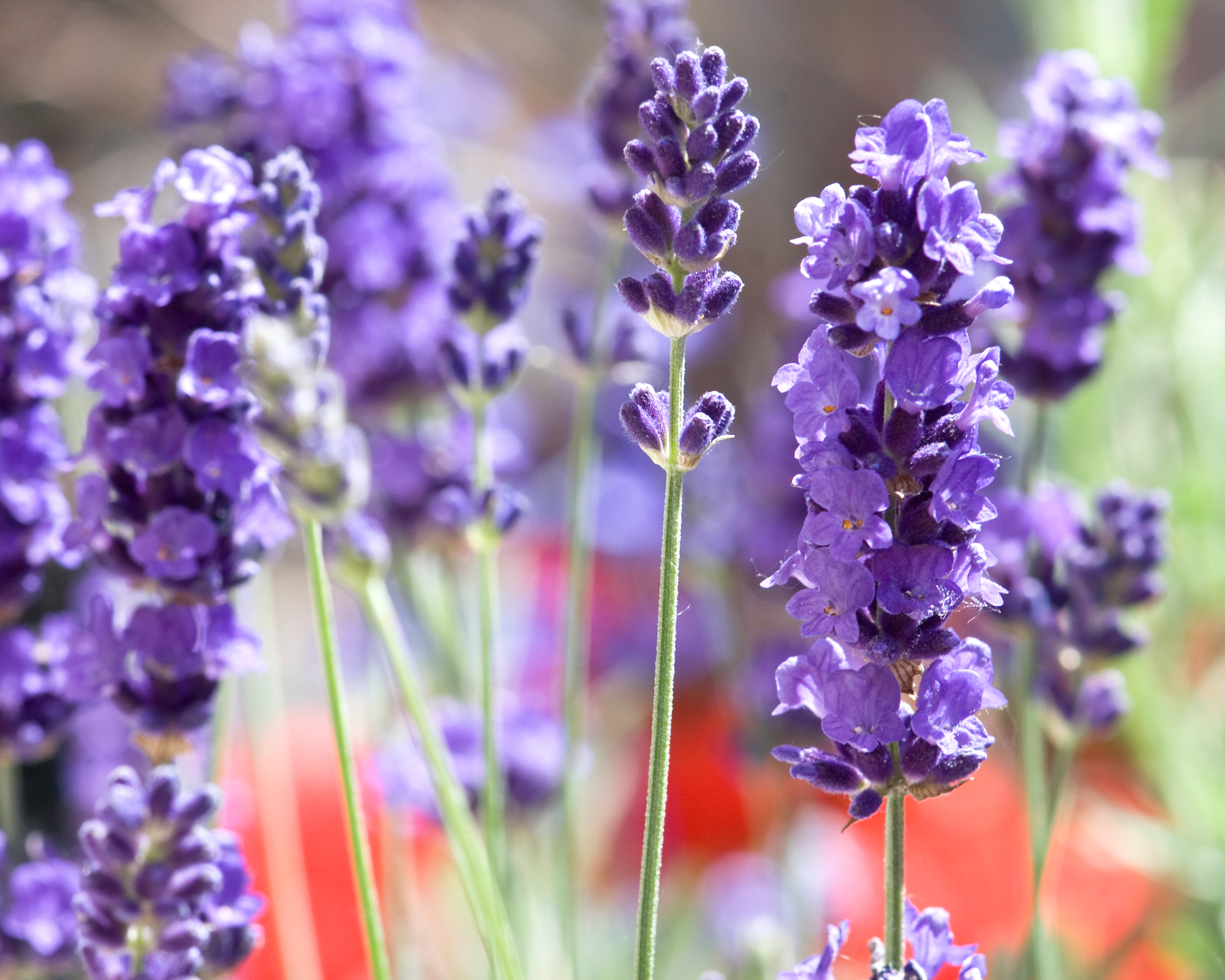
Enjoying the dreamy scent of lavender in zones 1 to 3 is totally possible through the summer months with Lavandula angustifolia 'Munstead' if you grow it in a pot in your sunniest garden spot, and move to a bright, cool but frost-free spot through winter. That's an easy task if you pop a plant dolly with lockable wheels such as this indoor/outdoor caddy from Amazon under the pot.
‘Munstead’ is a classic English lavender with soft blue-purple flowers and a lovely culinary fragrance, and is compact enough to love life in a container. Because it blooms relatively early in summer, its flowers set a strong display even where the growing season is short and cool. This is a super variety to dry, too, and its edible flowers have a sweet, mild flavor so you can bring the scent and taste of summer to those long winter months. Munstead lavender plants are available from Burpee.
- Perennial outside in zones 4-9
- Full sun
- Flowers June-July
- Grows 18" high and wide
Best Lavender for Zone 4: Phenomenal
(Image credit: Shutterstock)
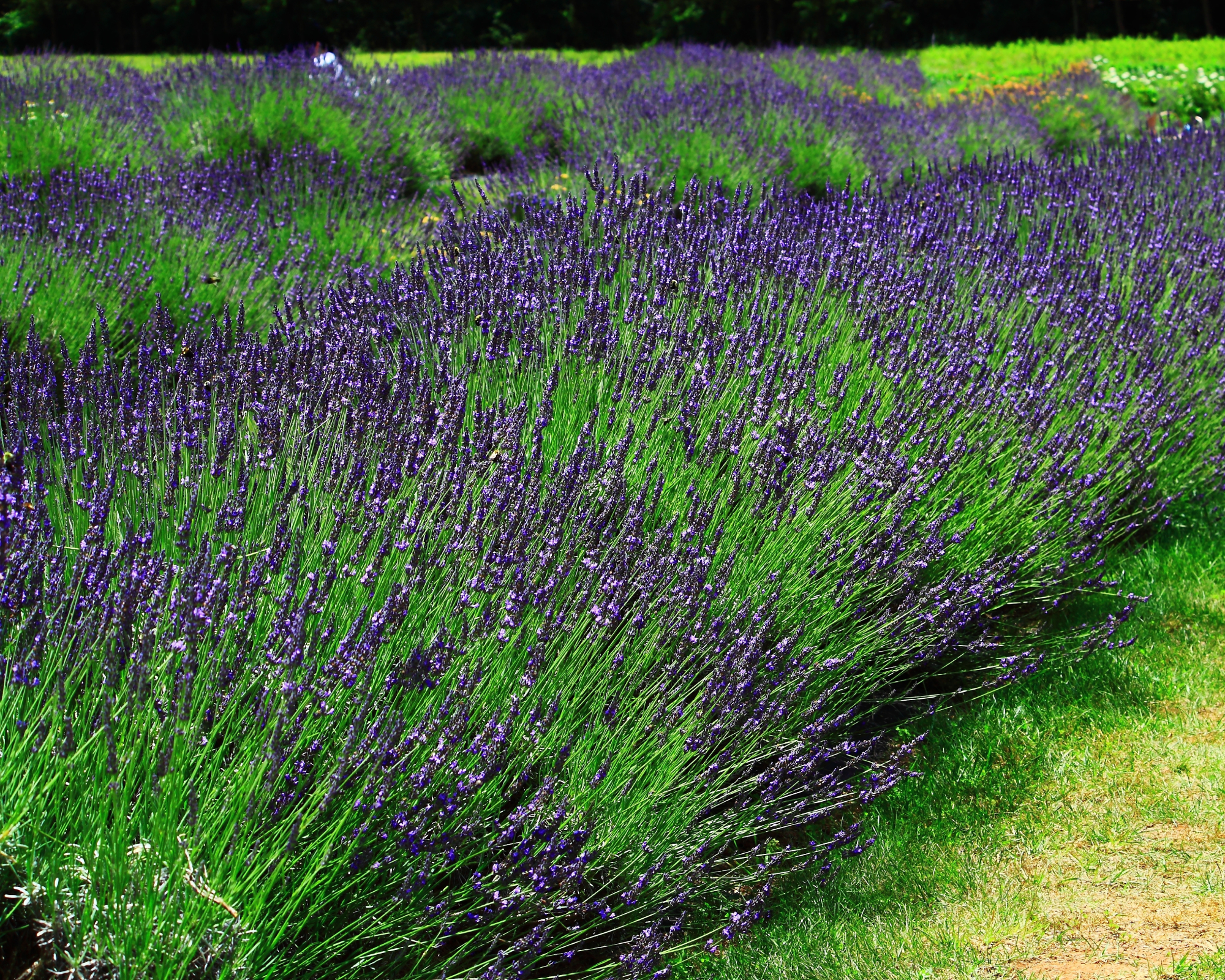
Lavandula x intermedia 'Phenomenal’ is a newer hybrid that’s a hardier, more adaptable lavender, coping better than most with cold winters down to around -20°F, summer heat and a little humidity. In fact, it's often touted as the toughest lavender, ever, so it's easily the best lavender variety for zone 4. While it laughs in the face of heat or cold, it does need good drainage so plant it in the sunniest, driest place you have – think raised beds, a gravel garden or beside a warm south-facing wall.
Its height and resilience makes Phenomenal lavender a fabulous choice for an informal hedge either side of a path, but it's equally good in a big pot near a bench for maximum fragrance appreciation. Its long purple flower stems are also excellent for cutting, drying and stuffing into homemade lavender bags. Phenomenal lavender plants are stocked by Burpee.
- Perennial in zones 4-9
- Full sun
- Flowers June-July
- Grows to 3' high and wide
Best Lavender for Zone 5: Exceptional
(Image credit: Getty Images)
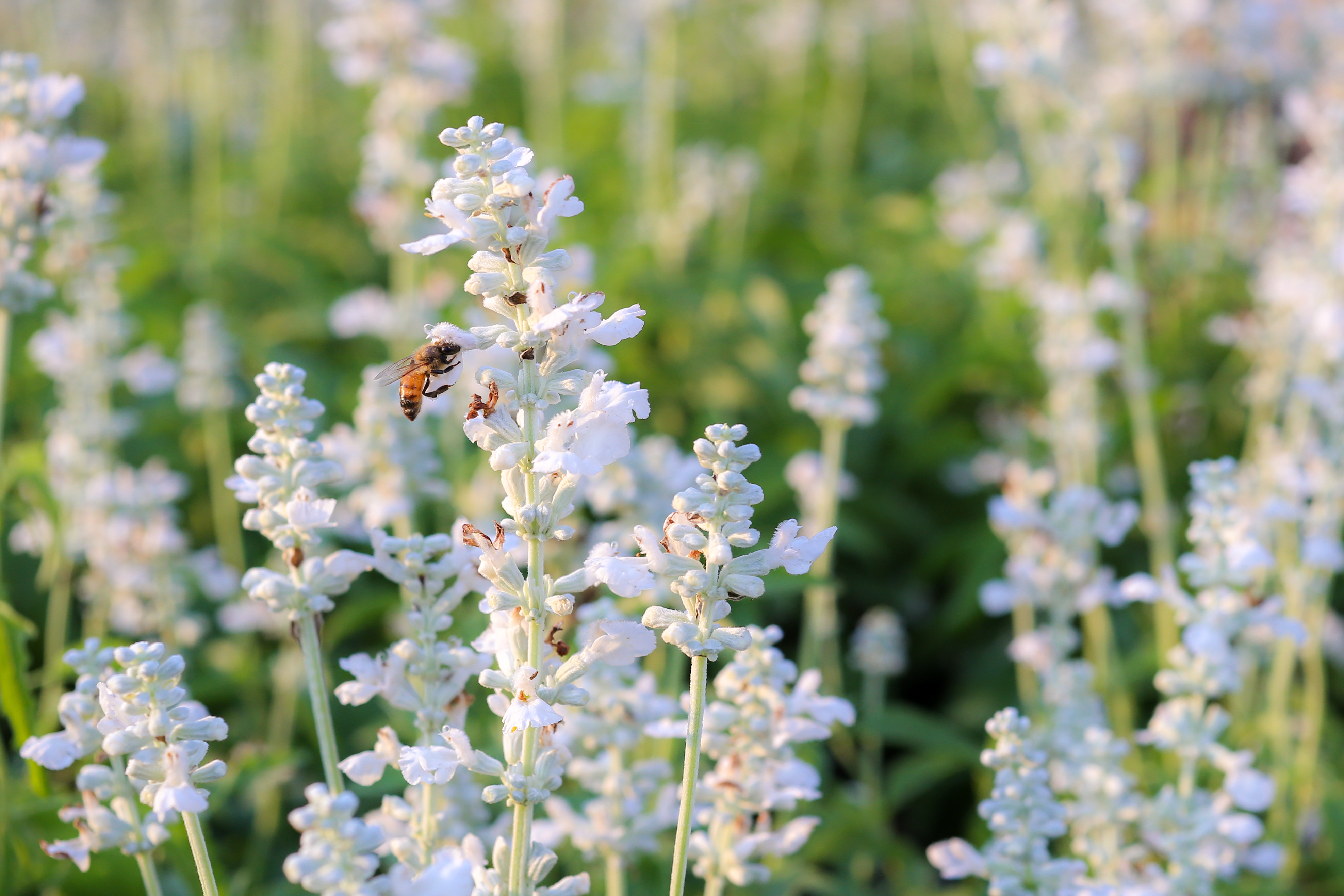
Another hybrid cross between English lavender (Lavandula angustifolia) and spike or Portuguese lavender (Lavandula latifolia), Lavanadula x intermedia Exceptional brings a softer, more unexpected colour palette to zone 5. Its clean white flowers glow against narrow silvery foliage, especially in evening light, and it feels wonderfully fresh mixed with pale pink roses, white cosmos or blue salvia. Use Exceptional to light up the front edge of a sunny border or pop it in a plain terracotta pot for chic simplicity.
Exceptional lavender plants are available from Plant Addicts and this robust, resilient variety will thrive in zone 5, combining excellent cold hardiness to around -20°F with a remarkably long flowering season, provided the soil drains quickly.
- Zones 5-9
- Full sun
- Flowers June-August
- Grows to 28" high and wide
Best Lavender for Zone 6: Big Time Blue
(Image credit: Shutterstock)
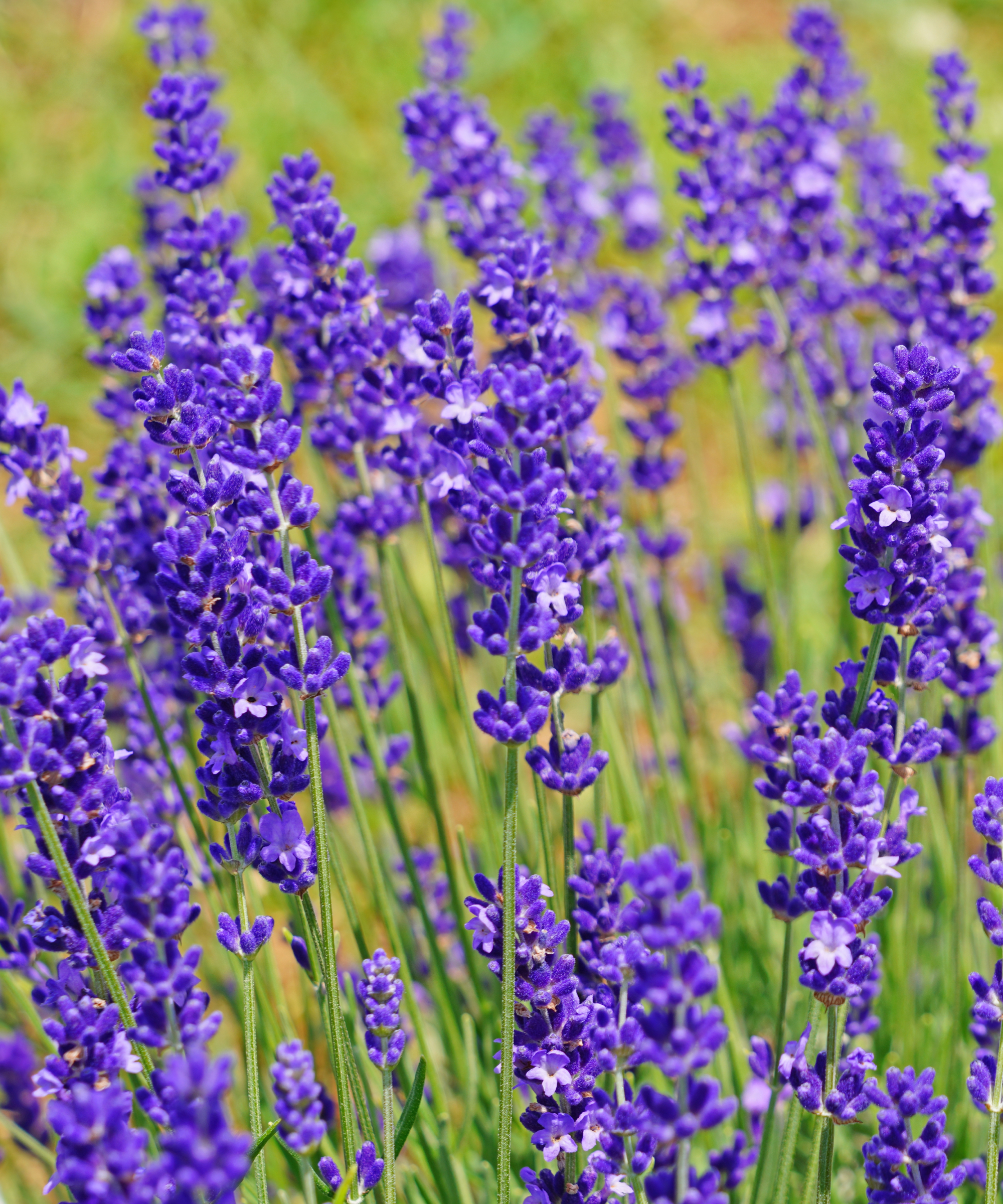
Lavandula angustifolia ‘Big Time Blue’ is a fairly compact lavender with impressively large, deep violet-blue flower spikes. It’s an excellent choice for zone 6 because winters are cold enough to satisfy English lavender’s preference for a winter rest, while summers are warm enough to produce its beautifully plump flower spikes.
Its neat cushions of sweetly scented blooms will fill your yard with color and buzzing bees all summer long, making it especially well-suited for edging a paved courtyard, lining a walkway, or adding structure to a narrow border where larger lavenders would feel too bulky. Big Time Blue lavender plants are available from Plant Addicts.
- Zones 5-9
- Full sun
- Flowers June-August
- Grows 28" high and wide
Best Lavender for Zone 7: Provence
(Image credit: Getty Images)
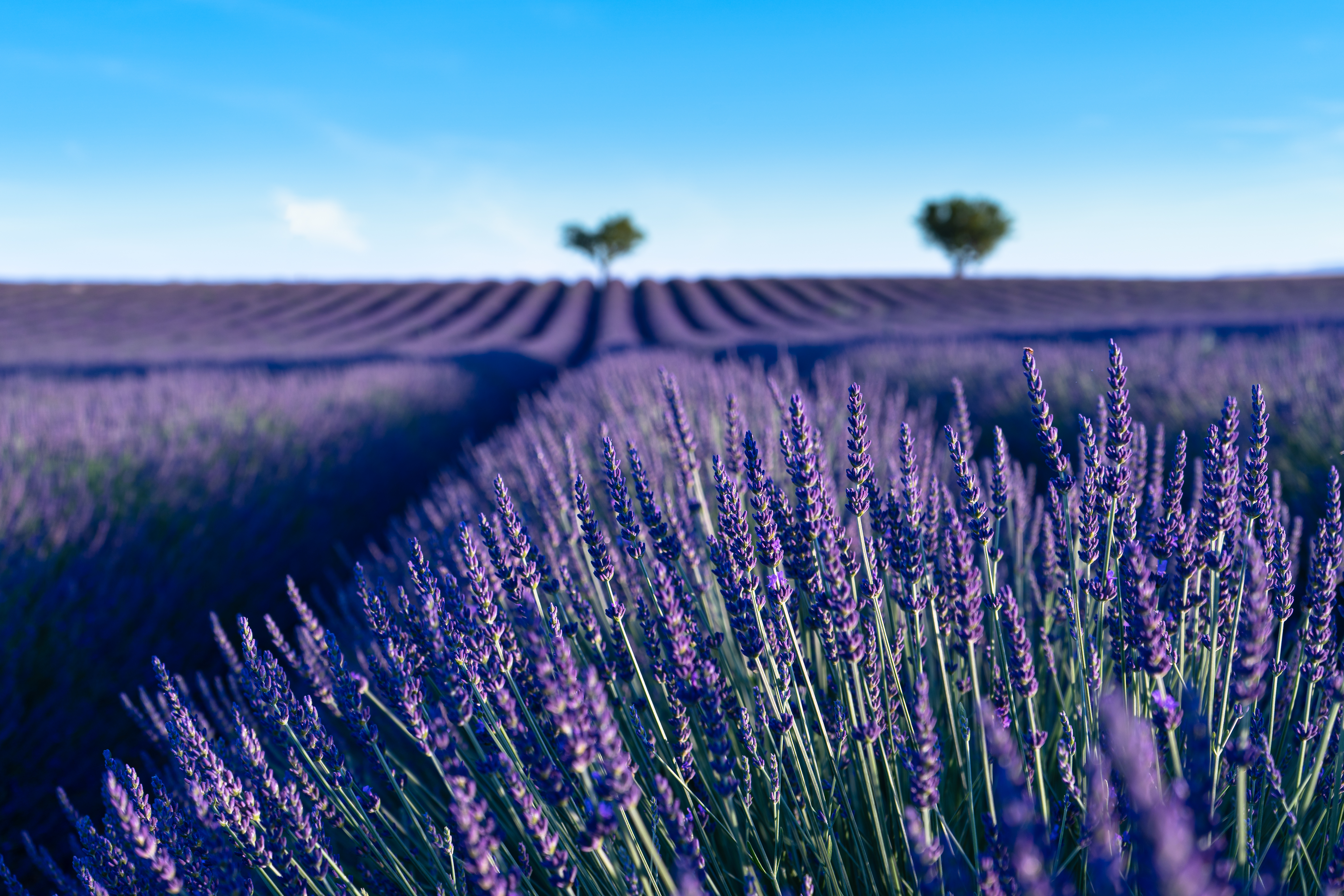
A cross between English lavender and spike or Portuguese lavender, Lavanadula x intermedia 'Provence' is a tall lavender with long flower wands, a strong fragrance and a wonderfully relaxed French-country look. It will produce exceptionally long flower stems and abundant blooms when given extended summer heat, making it the perfect choice for zone 7. Just give it plenty of room to stretch out and show off, rather than squeezing it into a tiny border, as it will flourish!
Provence lavender plants are stocked by Nature Hills and should be planted in a sun-drenched spot and allowed to become a slightly unruly billow of delicious perfume. Take advantage of this plant's slightly wilful nature and use it for softening the edge of a sunny driveway or creating a heavenly drift to meander through. The stems dry brilliantly for everlasting bunches and wreaths, too.
- Zones 5-9
- Full sun
- Flowers June-August
- Grows to 18" high and 24" wide
Best Lavender for Zone 8: Goodwin Creek Grey
(Image credit: Shutterstock)
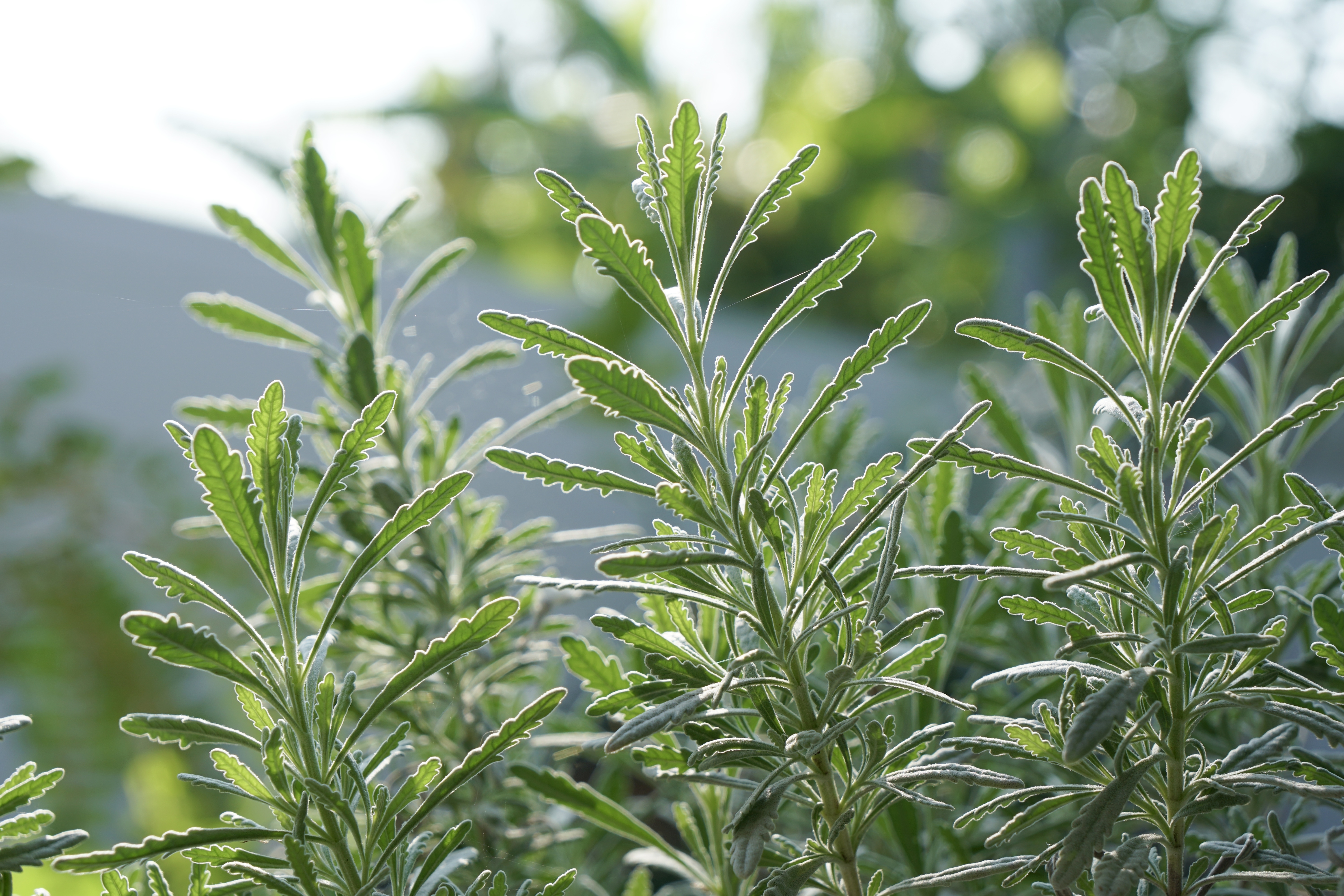
‘Goodwin Creek Grey’ is the foliage-lover’s lavender that's expecially valuable in zone 8 because it tolerates heat, humidity and mild winters better than most English lavenders. Even summer temperatures that regularly reach 90°F won't phase this reliable bloomer! Its large, toothed, silvery-grey evergreen leaves add great texture even when the flowers take a break. And that's not often, as Lavandula x ginginsii 'Goodwin Creek Grey' is a hybrid cross that's sterile – which means it doesn't set seed so flowers for months and months. And the dark violet-blue spikes are just wonderful!
This variety has a slightly wilder, coastal-Mediterranean feel than a formal English lavender and it’s a great feature plant, especially in a large container or as a sculptural accent in a gravelly border, jostling among ornamental grasses, agaves and drought-loving salvias. Goodwin Creek Grey lavender plants are available to buy from the Winter Greenhouse Store via Amazon.
- Zones 9-11
- Full sun
- Flowers May-October
- Grows to 12" high and wide
Best Lavender for Zone 9: Sensational!
(Image credit: Shutterstock)
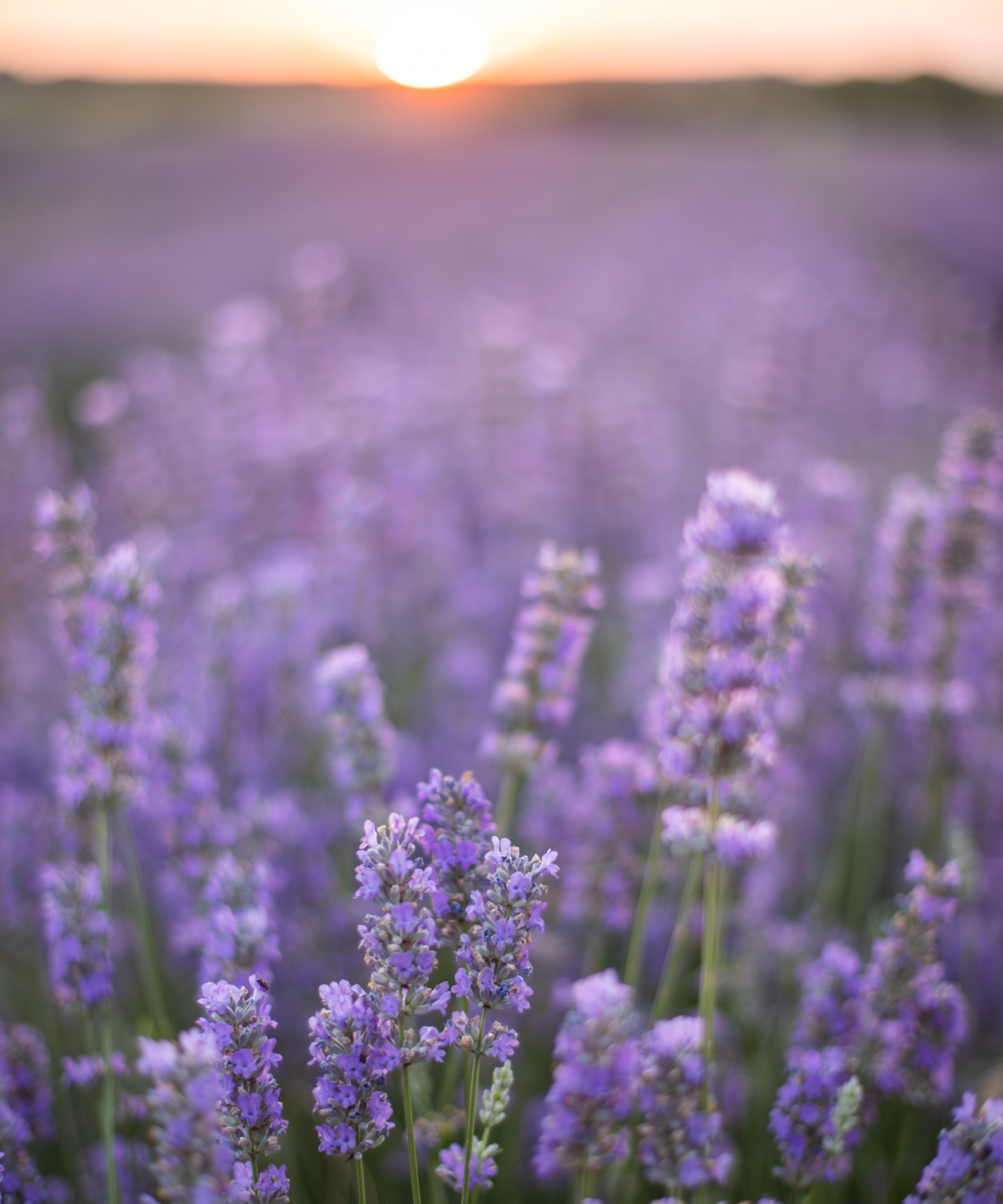
A cross between sweetly fragrant English lavender and Portuguese lavender which has a sharper, fresher scent, Lavandula x intermedia Sensational! has a perfume that's perfect for a hot day. This is a sturdy lavender with large dark-purple flowers that won’t flop at the first sight of rain or wind, and is particularly happy in zone 9 where warm summers encourage generous reblooming from May to September. This hybrid's improved tolerance of heat and humidity gives it an edge over fussier English types, too.
Hardy to about 0°F, the real strength of Sensational! is its sturdy flower spikes that hold up exceptionally well during hot summers, often continuing to bloom through prolonged periods of heat that cause other lavenders to fade. For this reason, it makes a superb backbone in a pollinator border or a striking focal point in a large container. Sensational! lavender plants are available from Plant Addicts.
- Zones 5-9
- Full sun
- Flowers May-September
- Grows to 24" high and 36" wide
Best Lavender for Zone 10: The Princess
(Image credit: Shutterstock)
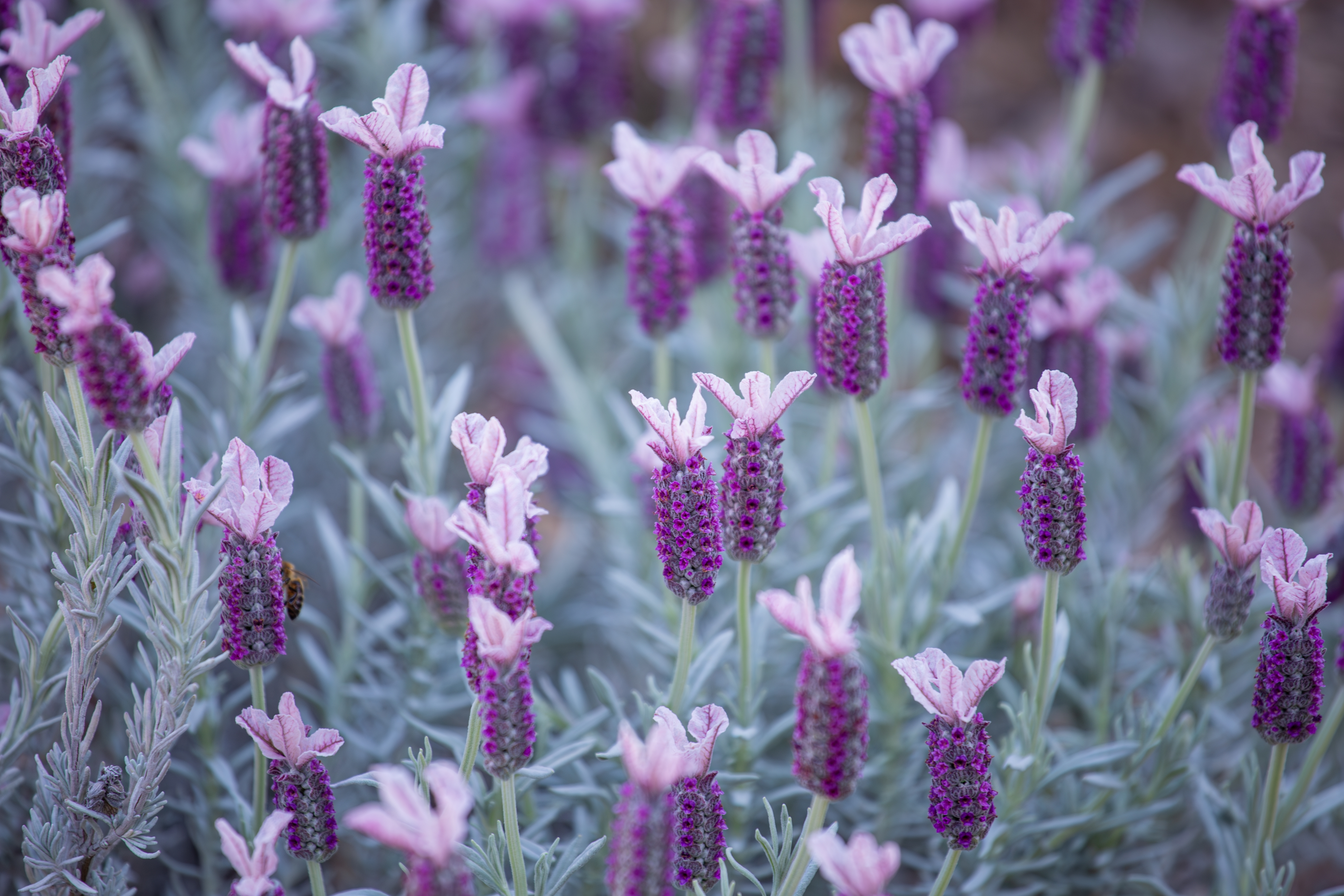
Just as its name promises, Lavandula stoechas The Princess is gloriously theatrical, with bright pink flower heads and showy pink bracts that dance above the foliage. It’s ideal for zone 10 where, in frost-free or nearly frost-free climates, it will flower for months on end, often from spring through to fall.
The Princess lavender plants are available to buy at Lowe's, and this diva deserves a starring role that allows its dramatic Spanish character to shine through a long, warm season. Use it in a statement pot by a pool, at the center of a sunny courtyard, or mixed with white gaura and silver foliage for a gloriously elegant combo.
- Zones 8-11
- Full sun
- Flowers March-November
- Grows to 30" high and wide
Best Lavender for Zone 11-13: French
(Image credit: Shutterstock)
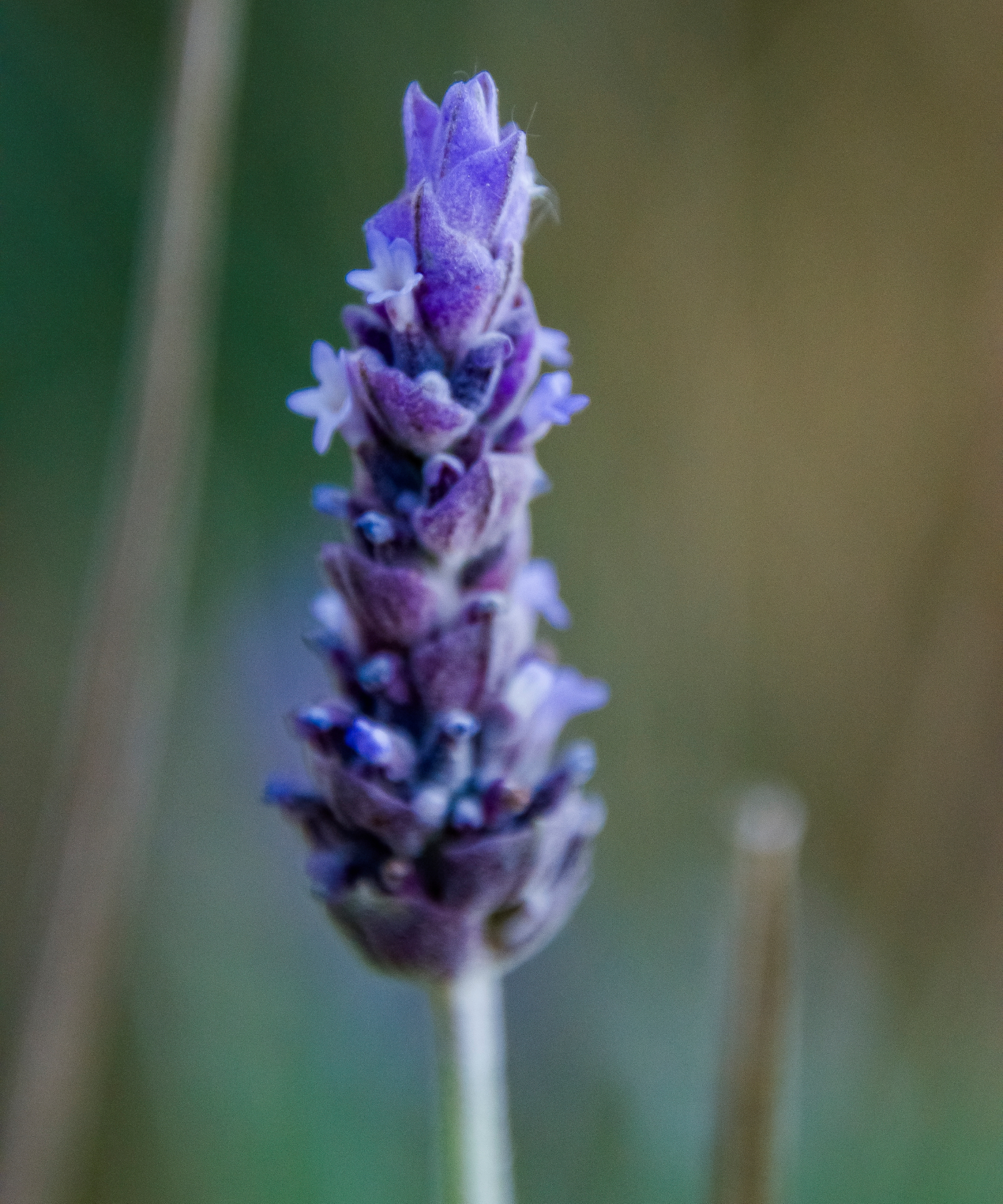
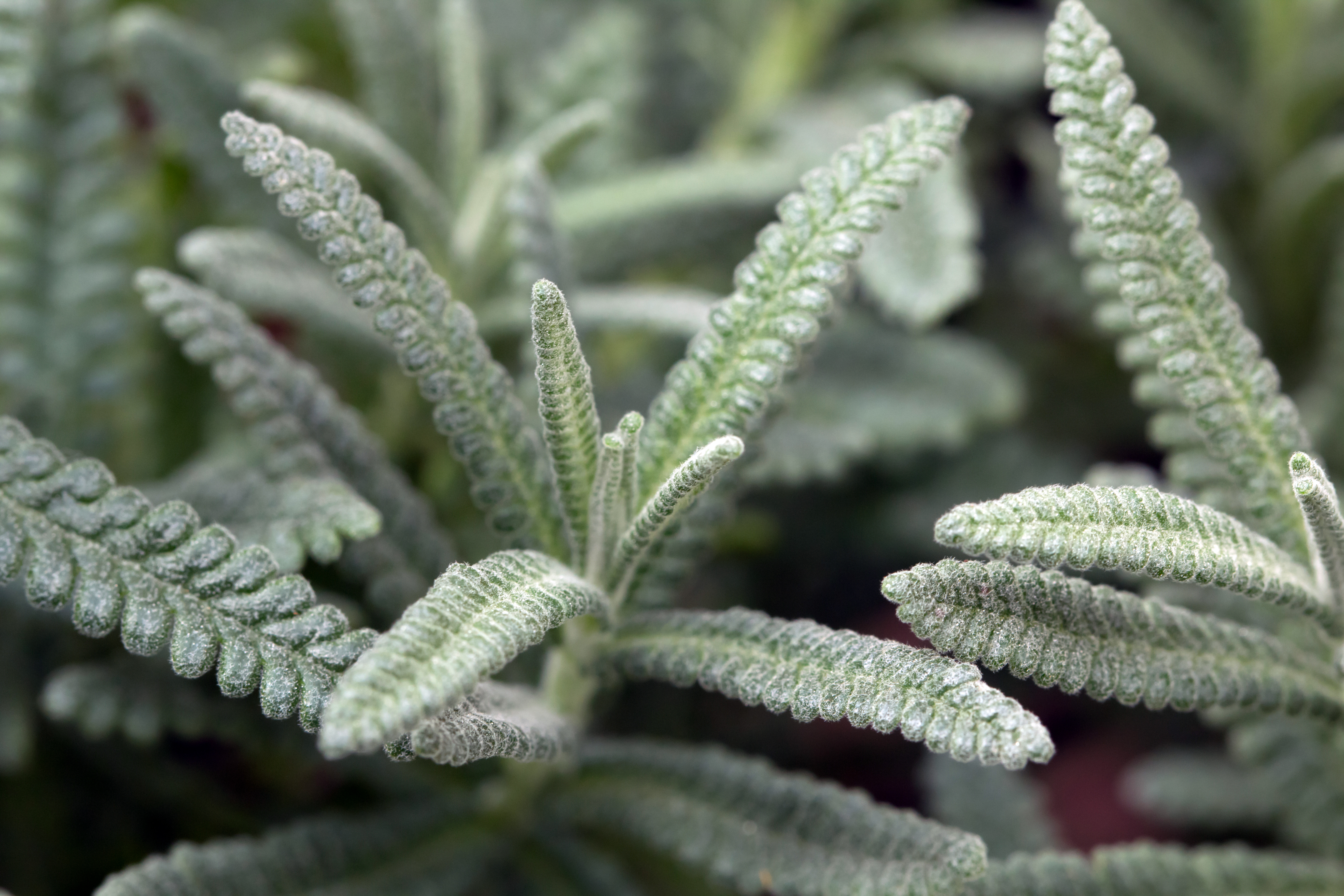
Rain and humidity are challenges for growing lavender in a tropical climate, but it's perfectly possible if you know which type to choose. So, if you're wondering which lavender to plant in zone 11, 12 or 13, look no further than French lavender (Lavandula dentata). For fragrance as well as looks, this warm-climate charmer with finely toothed leaves is a clear winner. Adapted to subtropical and Mediterranean climates with very mild winters, it will bloom almost continuously throughout the year, including during periods of intense heat.
(Image credit: Shutterstock)
French lavender plants are stocked by Plants Express and, while they're recommended for zones 8-11, you can stretch this by giving plants great air circulation to guard against fungal disease, and protection from heavy rain. Though it's a sun-lover, it's a smart idea to position it so it's shaded from intense midday sun, too. It hates to have soggy roots so plant in a tall pot filled with a fast-draining potting soil, placed on risers, then stand the container beside your outdoor sofa because you'll love this lavender's heady scent.
- Zones 8-11
- Full sun
- Flowers March-November
- Grows to 24" high and 54" wide
Lavender Secrets to Success in Any Zone
Lavender is one of the most ravishing purple flowers of all time and is super-easy to grow, providing you stick to these growing tips.
- Choose a location with at least 6 hours of direct sunlight a day.
- Well-draining, gritty soil is a must. Improve heavier soils with coarse grit and plant on a slight mound rather than in a dip and, if your ground tends to stay wet, consider planting in a raised bed, on a slope or in a container.
- In a pot, a suitably fast-draining soil is easily achieved by mixing a few handfuls of a succulent soil mix such as Jacks Gritty Mix from Amazon with any all-purpose potting soil. Raising the pot on risers such as these pot lifters from Amazon, too, is a must.
- Giving lavender plants a gravel mulch helps drainage, airflow and suppresses weeds, in pots as well as the ground.
- Avoid rich compost and heavy feeding as overly fertile soil encourages soft, floppy growth and fewer flowers.
- Water new plants regularly and deeply for their first season but let the soil dry between waterings. Once established, lavender is drought-tolerant, though you'll still need to water occasionally in extended dry spells, and more often in containers.
- Prevent fungal problems, especially in humid climates, by giving plants enough space to allow good airflow.
- Prune lavender immediately after flowering, and trim into shape in early spring, but never cut into old, leafless wood.














 English (US) ·
  French (CA) ·