

Do you ever find yourself daydreaming of a bug-free garden? This sort of thing happens to me when I find half of my favorite rose eaten by worms, or aphids sucking the life juices out of gorgeous hosta leaves. But of course, every bug has a purpose in Mother Nature’s universe.
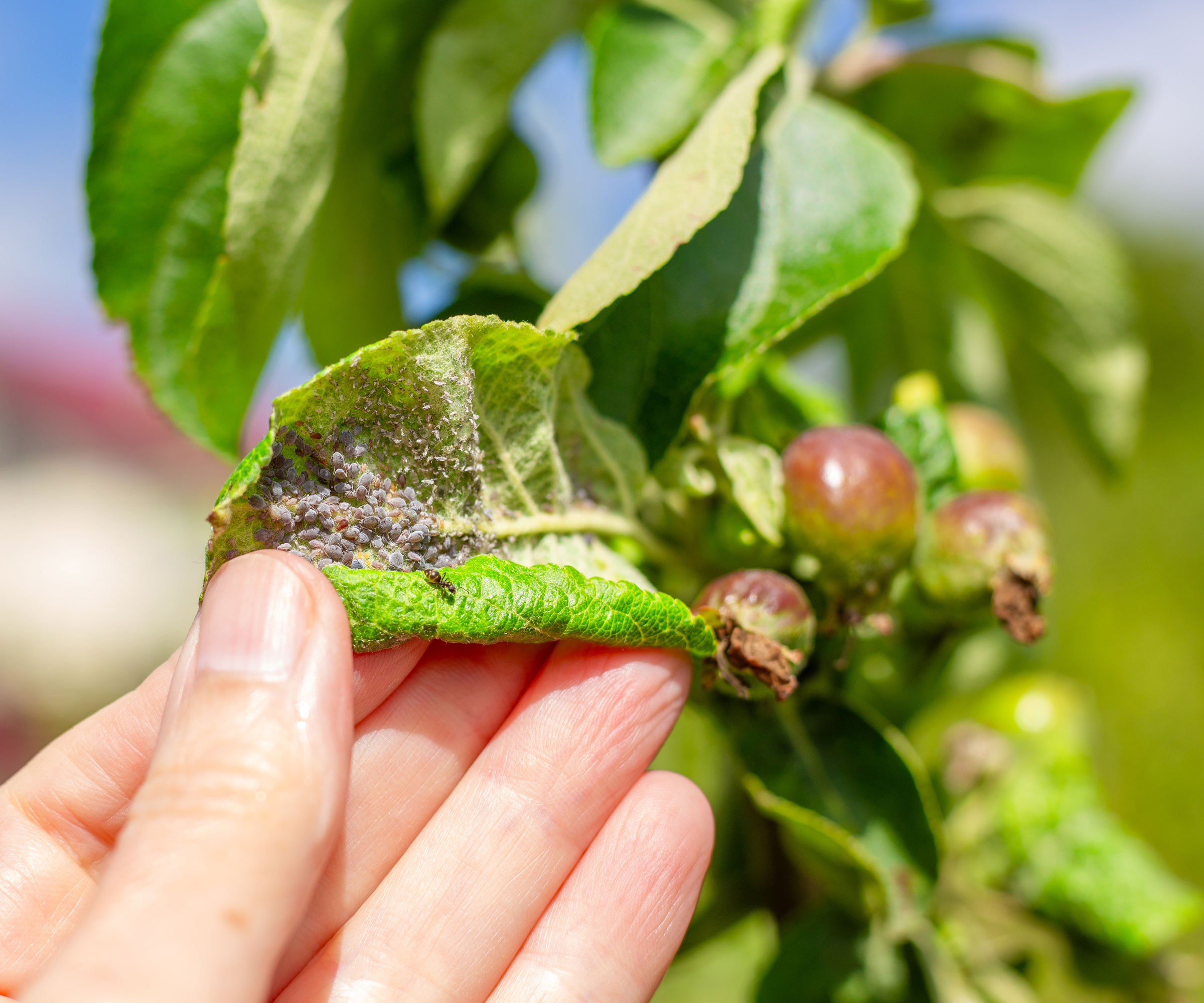
Let’s face it: a natural, healthy ecosystem has bugs, a wide variety of bugs, including aphids. Yes, a whole lot of aphids can overwhelm and destroy a fragile plant, but they also serve an important role in the landscape. (I try to remember this when I find aphids crowding the underside of a leaf.)
Those aphids are necessary to feed other insects, beneficial insects, that will show up in your yard to eat those aphids.
Good Bugs vs. Bad Bugs
(Image credit: Natalia Kokhanova / Shutterstock)
We humans tend to divide the world into good and bad. The things that make our immediate lives easier are the good things. Those things that are immediately annoying or pesky, are bad. But the earth’s greater wisdom is that there is a purpose for everything, including bugs.
While pests in the garden – from mosquitoes to snakes – can alarm us, each one is a part of the natural ecosystem. Bats eat mosquitoes (up to 100 a night) and so do birds, dragonflies, and certain fish. Hawks, eagles, bigger snakes and hedgehogs eat snakes.
Aphids Are Important, Too!
(Image credit: Getty Images)
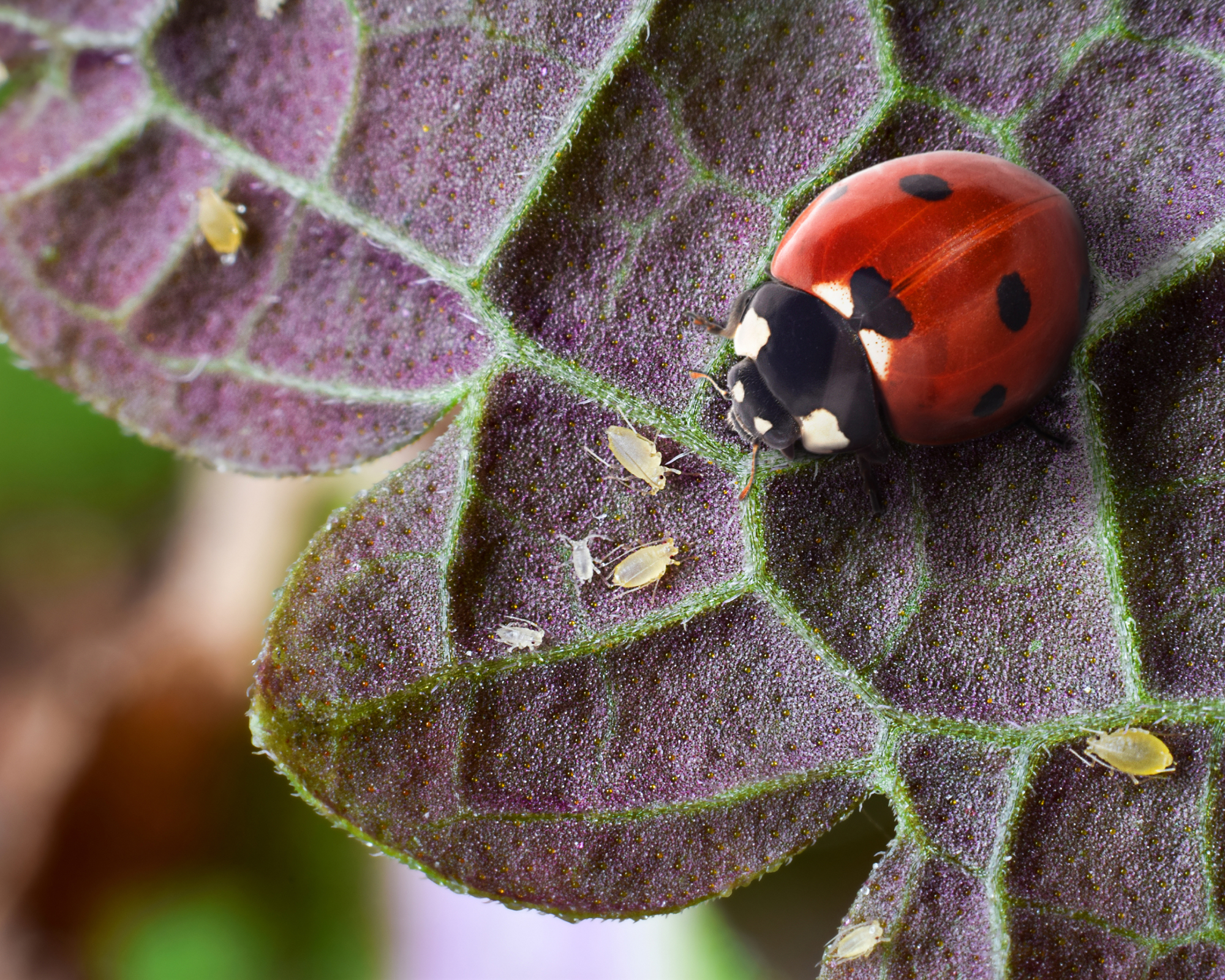
What about aphids? They suck the juices out of your new tender plant growth and new stems, including tomatoes, peppers, citrus fruits and roses. Aphids produce a waste product called honeydew, which attracts ants. Honeydew also promotes fungus growth, and transmits plant viruses. All this is bad news for the garden.
You can always use an organic insecticidal soap, available from Amazon. But lots of very beneficial insects eat aphids. These include ladybugs, hoverflies, and lacewings. The fact that you have aphids in your garden means that those beneficial insects will come into your backyard and enhance the overall health of your garden.
Benefits of Pests in the Garden
(Image credit: MarkMirror/Getty Images)
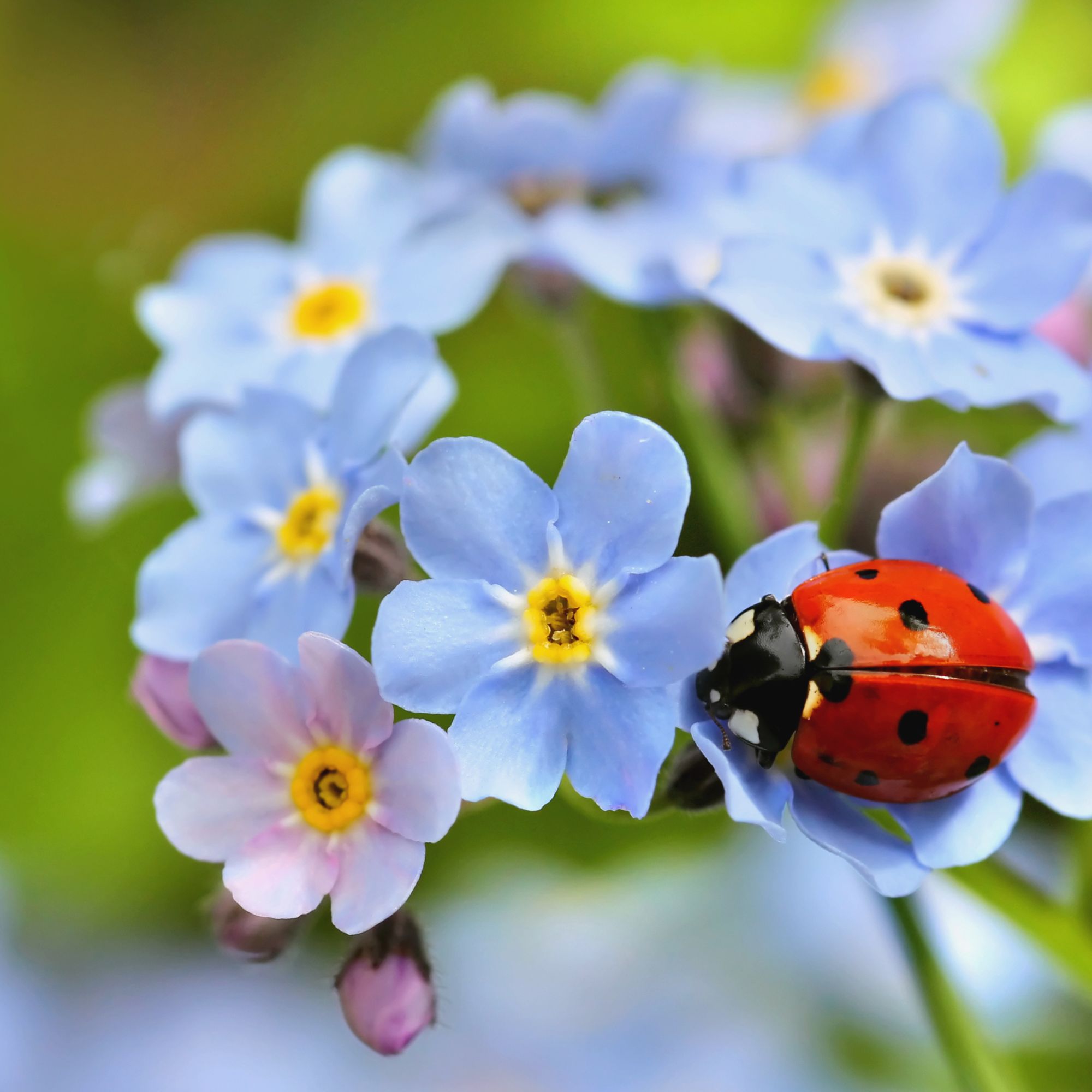
You want to have a natural ecosystem in your landscape, including a wide variety of different bugs, some of whom will qualify as pests. That’s because nature contains its own checks and balances. Pests attract their natural predators, and those predators will not only help contain the population of those pests, but others as well. For example, ladybugs will eat up some of your aphids, but will also kill and consume mealybugs and mites.
When biologists talk about biodiversity, this is what they have in mind. Biodiversity in a garden refers to the variety of life forms that live there. These can include plants, insects, animals, and microorganisms too that all exist together in a garden ecosystem. By allowing “bad” bugs, you are allowing biodiversity. That biodiversity makes your garden healthier by making it resilient and supporting important ecosystem services like pollination and pest control.
Plants Are Tougher Than You Think
(Image credit: Nieriss / Shutterstock)
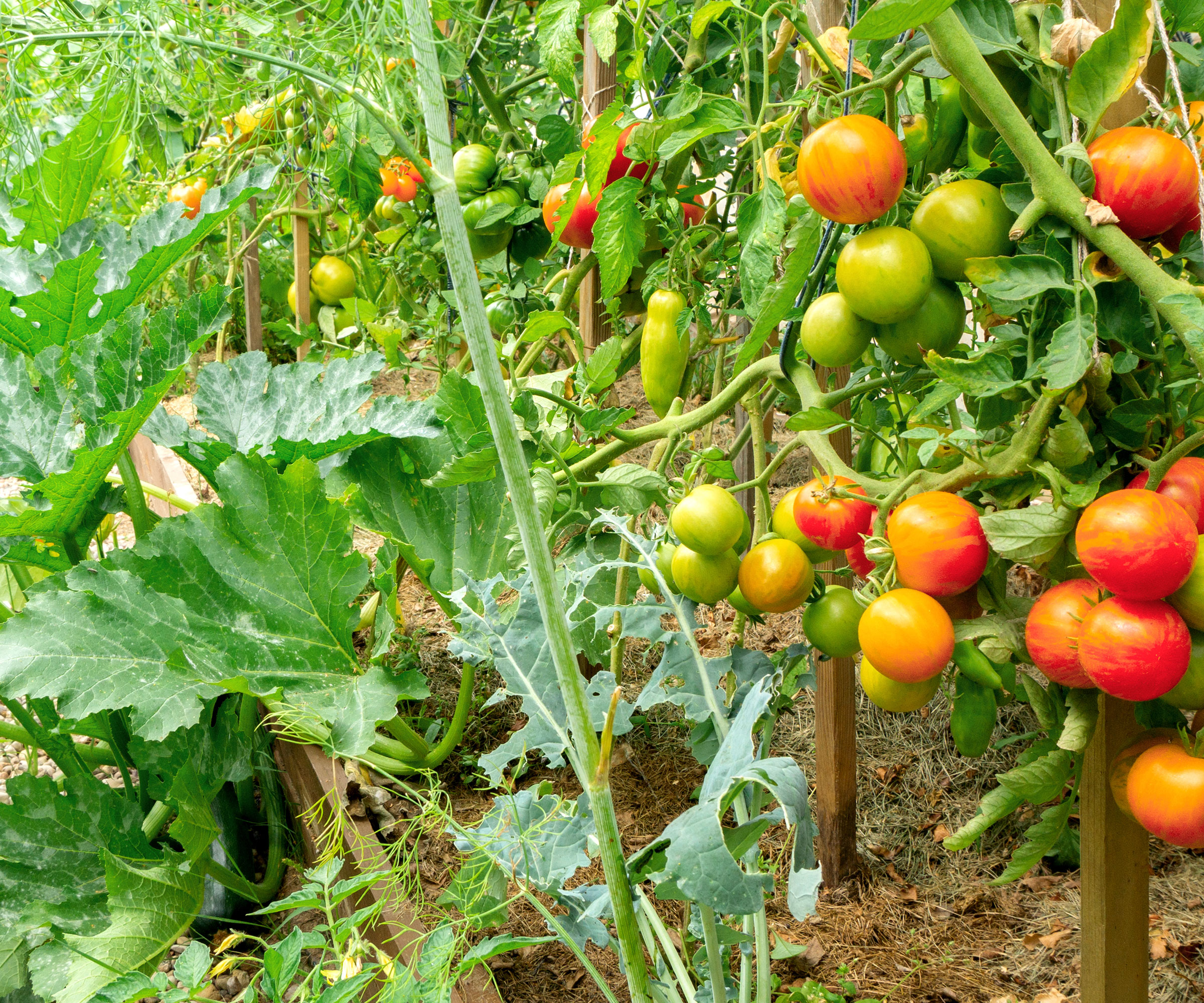
Yes, you say, natural ecosystems and biodiversity is great, but what about the damage those pests are doing to my plants? It’s not a good reason to bring out the pesticide spray. Almost all plants are more tolerant of pests than you think. Most can recover from losing leaves without significantly reducing their productivity. There are a few tomato varieties that can lose up to one third of their leaves without affecting their fruit yield.
I know this to be true. Once I had a ficus tree in the garden that started losing its leaves one summer as a result of pests and sunshine. The majority of the foliage yellowed and fell. But after the first cool weather of autumn, new little leaf buds showed up on the branches. And, over time, the tree filled with leaves.
Long-Term Advantages
Increasing the variety of insects in the garden immediately increases biodiversity. It also encourages predator insects to come into your landscape, providing additional food for birds and small mammals.
But what are the longer term advantages of learning to tolerate insect pests in the garden? One of them is a dramatic reduction in chemical use. The more people in a neighborhood who decide to allow a greater range of insects in their landscape, the less toxins are used in that neighborhood. Decreasing pesticide use benefits both the plants and the people and animals living in the area.














 English (US) ·
  French (CA) ·