

Coleus is invariably one of the big sirens in my summer yard. The last couple of years, thanks to a combination of the right spot and extended sunshine, they have ballooned in size to shrub levels of chartreuse, plum, chocolate and hot pink. Even as other plants start to lose their zing, coleus can dominate early fall with enduring lush folds of kaleidoscopic color. But as seasonal shifts bring on that distinctive evening chill, it’s time to start deciding what to do with your resident foliage queens.
While some of us grow coleus as single-season annuals for summer containers and border displays, you can easily keep those vibrant tones going once the first crisp autumn breeze rolls in. The secret is bringing yours inside and keeping them in the right place. Coleus is a tropical perennial at heart, so it’s more than happy to trade the chilly patio for a cozy, sunlit windowsill. Growing coleus indoors in the right way brings a pop of natural color that is high impact yet surprisingly low fuss.
Giving your coleus the best chance of surviving the chillier months comes down to a combination of smart overwintering and low-level propagation. If you have never overwintered outdoor plants before, don't worry. It’s super easy to transition, care for, and even multiply your coleus collection this fall. Here’s how to keep yours safe, warm, and thriving for non-stop color that lasts straight through to next year.
Why Bring Coleus Indoors
If there is one golden rule of growing coleus, it is that these sun-loving divas despise the cold. Waiting until the first frost is already on the grass is a gamble you’ll almost certainly lose, as chilled coleus stems can turn to mush fast. So long before winter frost turns your lawn crisp, be mindful of dropping nighttime temperatures. When they dip below 50°F (10°C) this needs to serve as your green light to start the indoors migration. In chillier northern zones, that rescue mission really has to start now, while in warmer climates you can enjoy outdoor patio color for a few more weeks.
Acting before the cold sets in ensures your plants make a smooth transition to indoor life without suffering thermal shock. You don't have to pick just one rescue method. To double your plant power, you can bring your standout potted coleus inside and adapt it as a houseplant over winter for instant color, while taking a few cuttings provides a compact, space-saving backup on a bright windowsill. Taking action while your coleus is still bursting with late-summer energy means your cuttings will root in record time, giving you a flourishing burst of bonus color.
(Image credit: Halbergman / Getty Images)
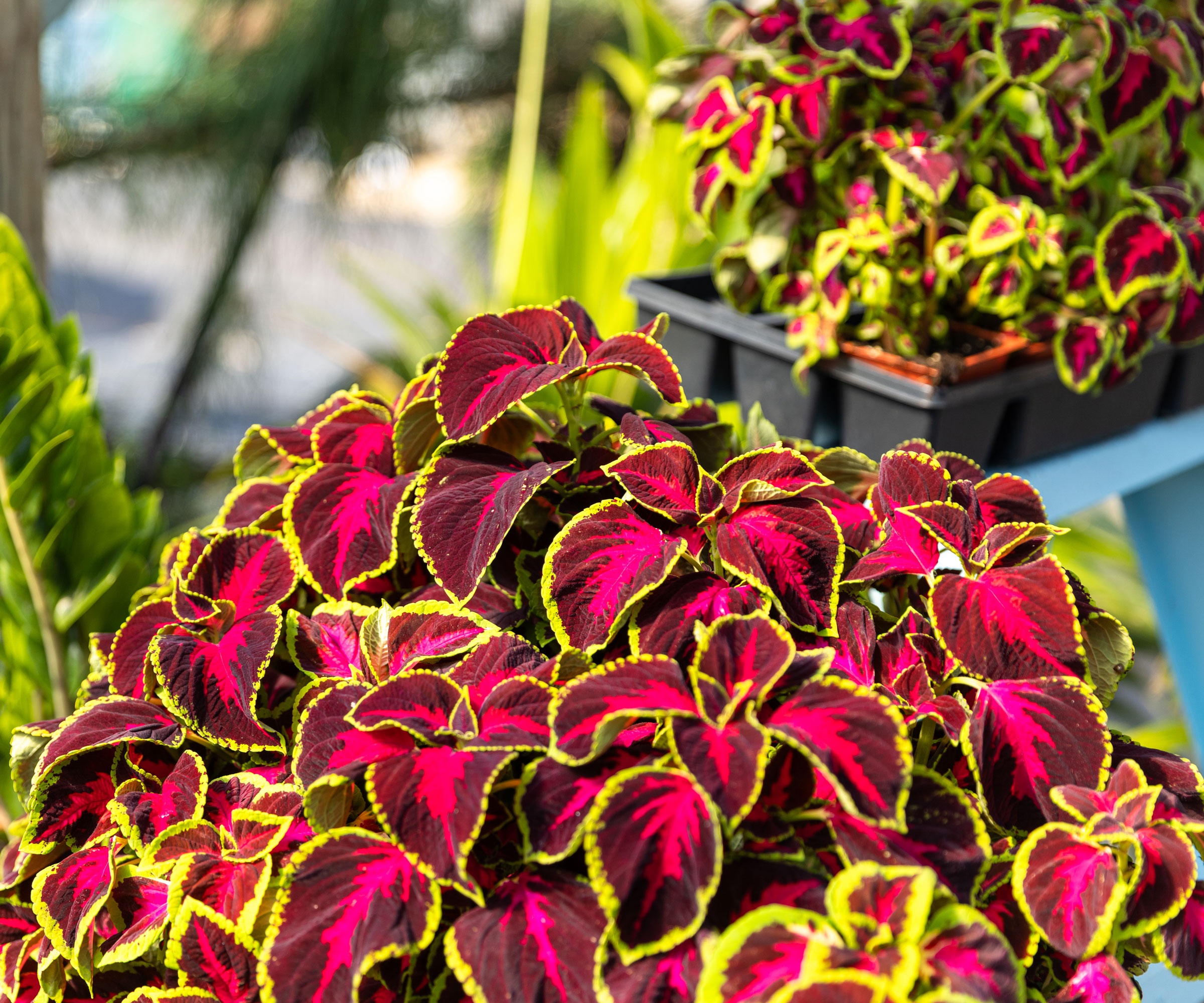
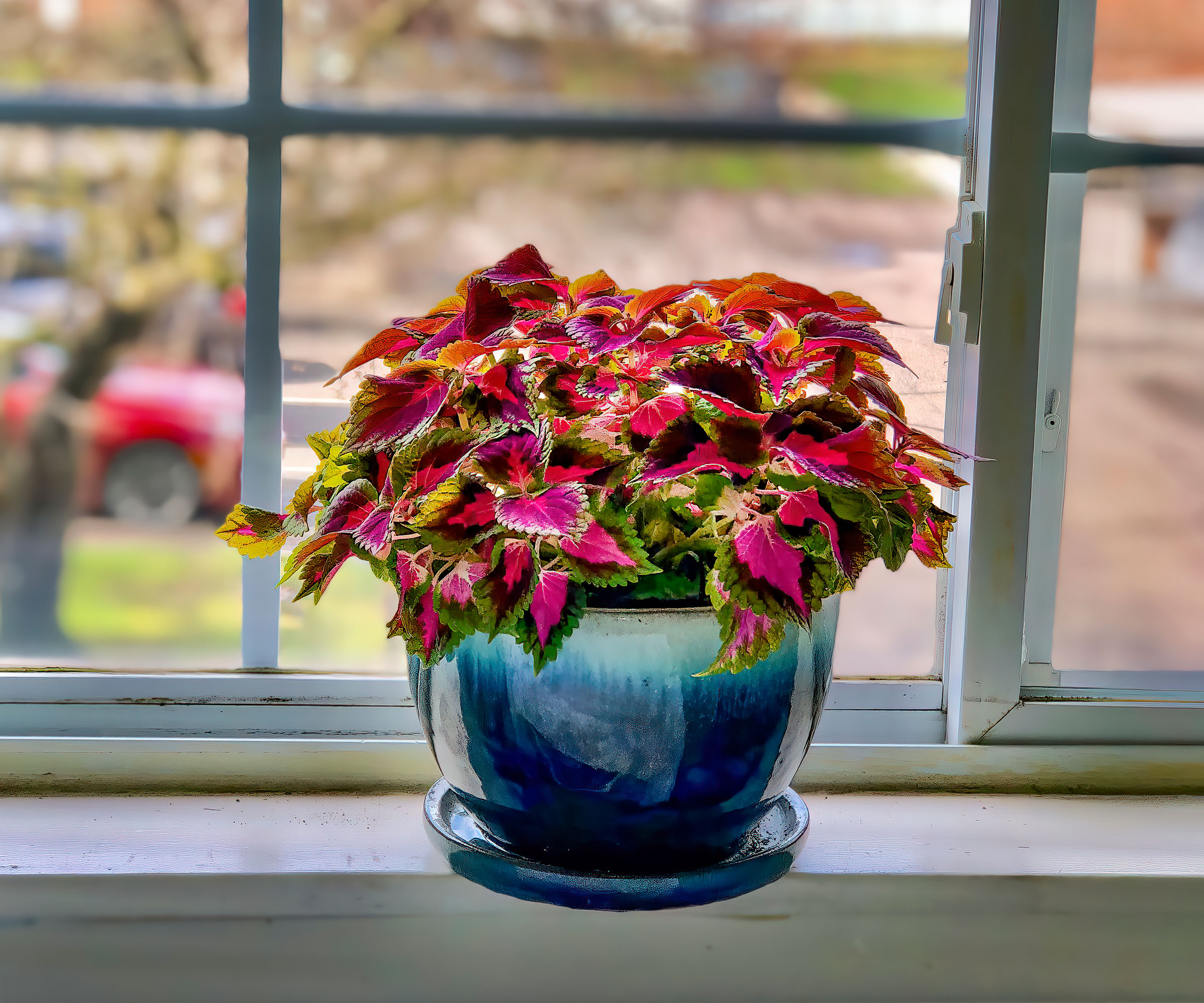
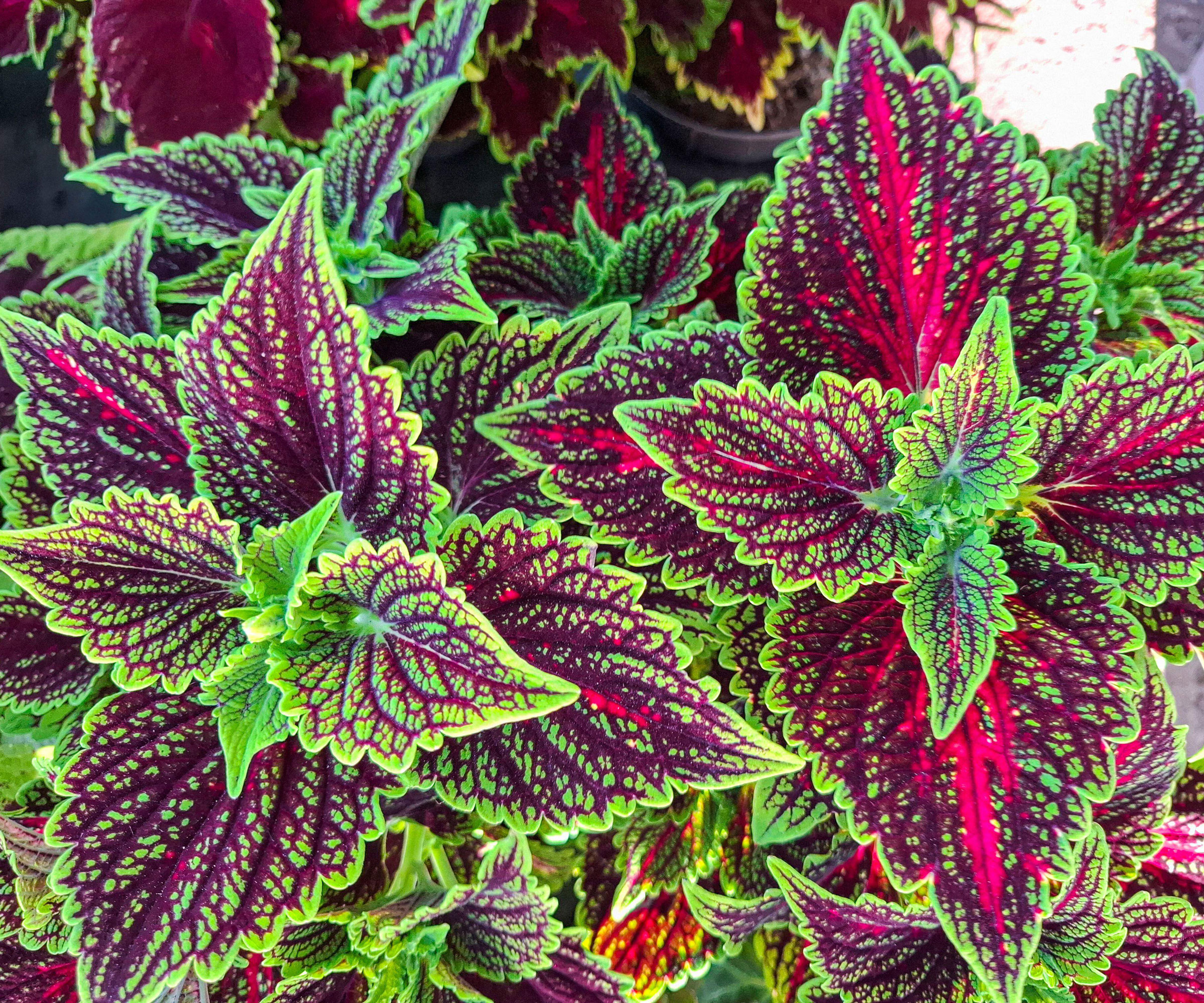
Leaf shape and habit can guide how you style them inside. Big, theatrical varieties like Kong, Wasabi, Henna or Saturn can look incredible positioned in tall decorative ceramic planters, as long as you give them a sunny window. Meanwhile, trailing or finer-textured varieties like Chocolate Covered Cherry or Strawberry Drop take well to hanging baskets, wall mounts, elevated pots or small windowsill arrangements. By making your move in early fall while the plant is still vigorous and actively growing, both the main plant and your new cuttings will adapt far more swiftly to indoor humidity and light levels, setting you up for a worry-free winter of color.
Moving indoors is a great time to replenish potting soil that will have taken a beating over summer. Prep a bag of potting soil, ideally a light, gritty, fast-draining cactus and succulent mix or something amended with perlite, such as Back to the Roots Organic Succulent & Cacti Mix, available from Walmart, to prevent moisture retention. Then you’re ready to give your plant a cozy transition with these tips to coleus care indoors.
Moving Coleus Indoors
(Image credit: Angela Kotsell / Getty Images)
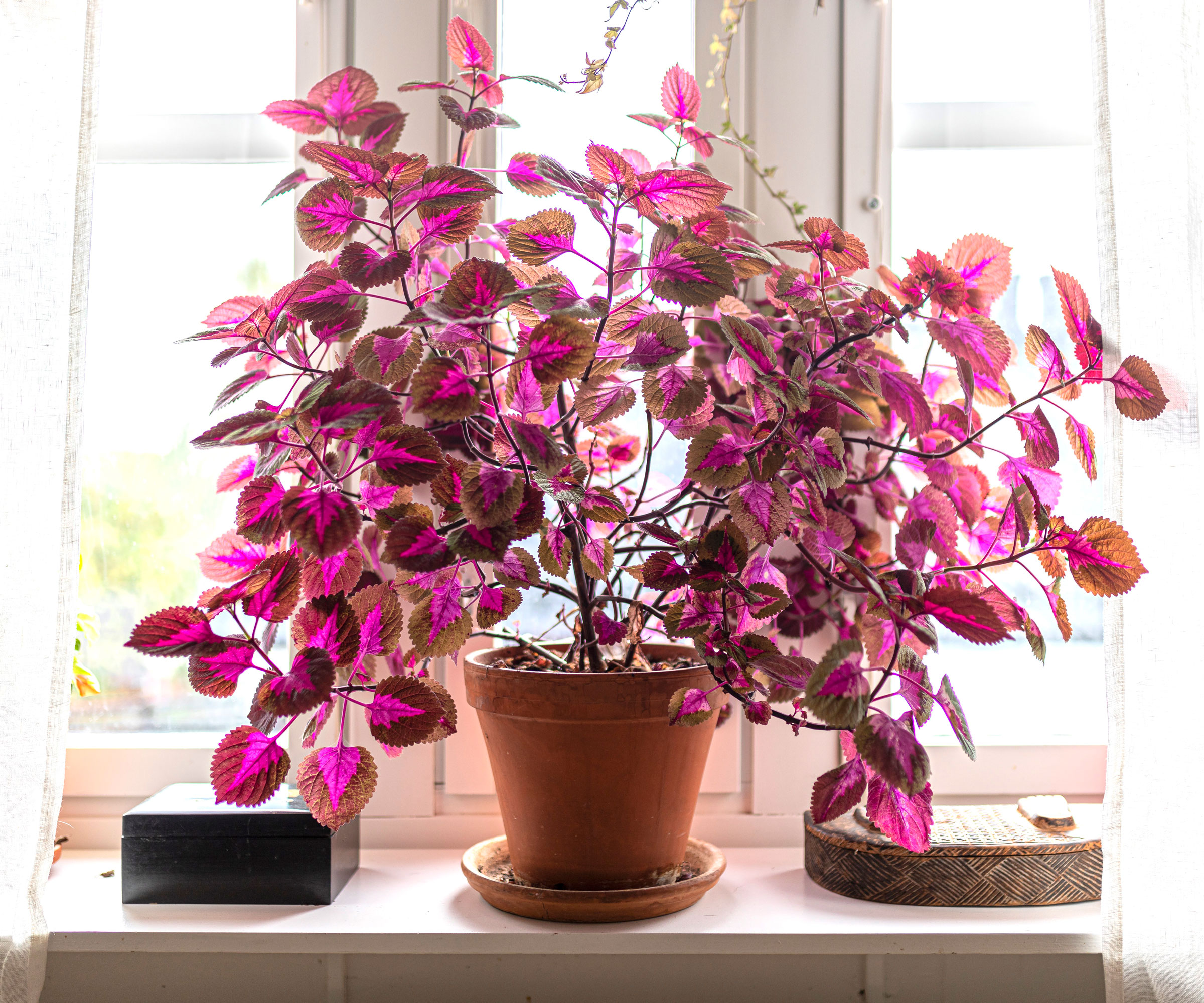
Bringing your plant indoors requires a bit of thoughtful preparation to keep both the coleus and your existing houseplant family healthy. Start by giving your potted coleus a thorough health check a few days before the big move. Inspect the undersides of the leaves, stem junctures, and leaf axils for sneaky freeloaders. Common garden pests like aphids, mealybugs, and spider mites love to hide in crevices.
Spraying foliage with a gentle organic neem solution is the ultimate way to ensure only the prettiest leaves cross your threshold. Give your coleus a gentle spray with a hose, or a wipedown using a soft cloth and mild insecticidal soap. I like to use a neem-based agent like Bonide Captain Jack’s Ready-to-Use Organic Neem Oil Spray from Walmart for a quick spritz to combat mealybugs or spider mites.
Acclimatization is the secret sauce if you want to avoid the dreaded leaf drop. Coleus loves bright light, but moving straight from full patio sun to indoor conditions can give your friend a shock. So transition it smoothly by setting the pot on a bright, sheltered porch for a couple of days before nestling it indoors by your sunniest south or west-facing window. Gently topdress your coleus with some of your fresh indoor potting mix or a handful of organic compost to boost root insulation.
Finally, use some fine-tip pruning snips to trim away damaged foliage and leggy stems. Snips like highly rated Fiskars Micro-Tip Pruning Snips from Amazon give clean, precise cuts to soft coleus stems. As well as a light watering, I like to apply a diluted stress-relieving liquid seaweed tonic to support root recovery as part of care for coleus plants indoors.
Taking Coleus Cuttings in Fall
(Image credit: Stephanie Jackson Gardens and Flowers Collection / Alamy)
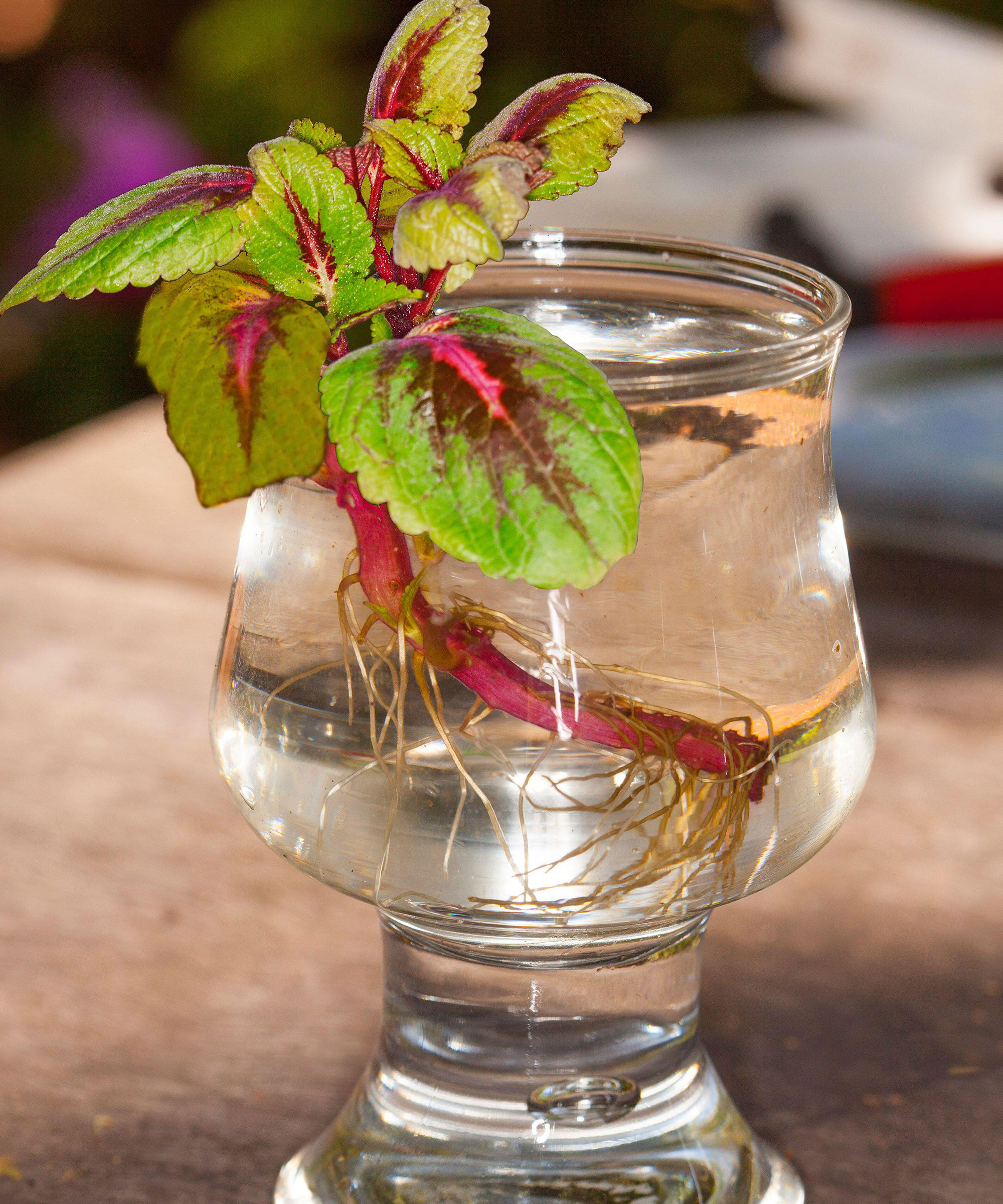
It’s something I do instinctively now as the seasons shift – taking cuttings of key plants at the end of summer is taking advantage of their natural high. They are still loaded with growth hormones and strong enough to take a little transitional stress. Rooting coleus cuttings in water is so easy, it would be rude not to, and it can be a genuine joy to see those first roots curling into the glass. It’s clean, stress-free, and virtually rot-proof as long as you follow a few simple rules.
To start, use sharp, sterile precision pruning snips. To be sure your snips are sterile, give them a quick wipe with some isopropyl alcohol or neem oil. Take 4-6-inch (10-15cm) cuttings from healthy, non-flowering shoot tips. One of the key tricks to dodging calamity is to make sure there are no leaves allowed to dip into the water (which can quickly decay and foul water). Strip away the lower leaves, leaving 3-4 top leaves. Upright varieties shouldn’t need a hormone powder, but if you are propagating trailing varieties, add a little HydroDynamics Clonex Rooting Gel, available from Amazon, for a gentle catalyst.
(Image credit: Stephanie Jackson Gardens and Flowers Collection / Alamy)
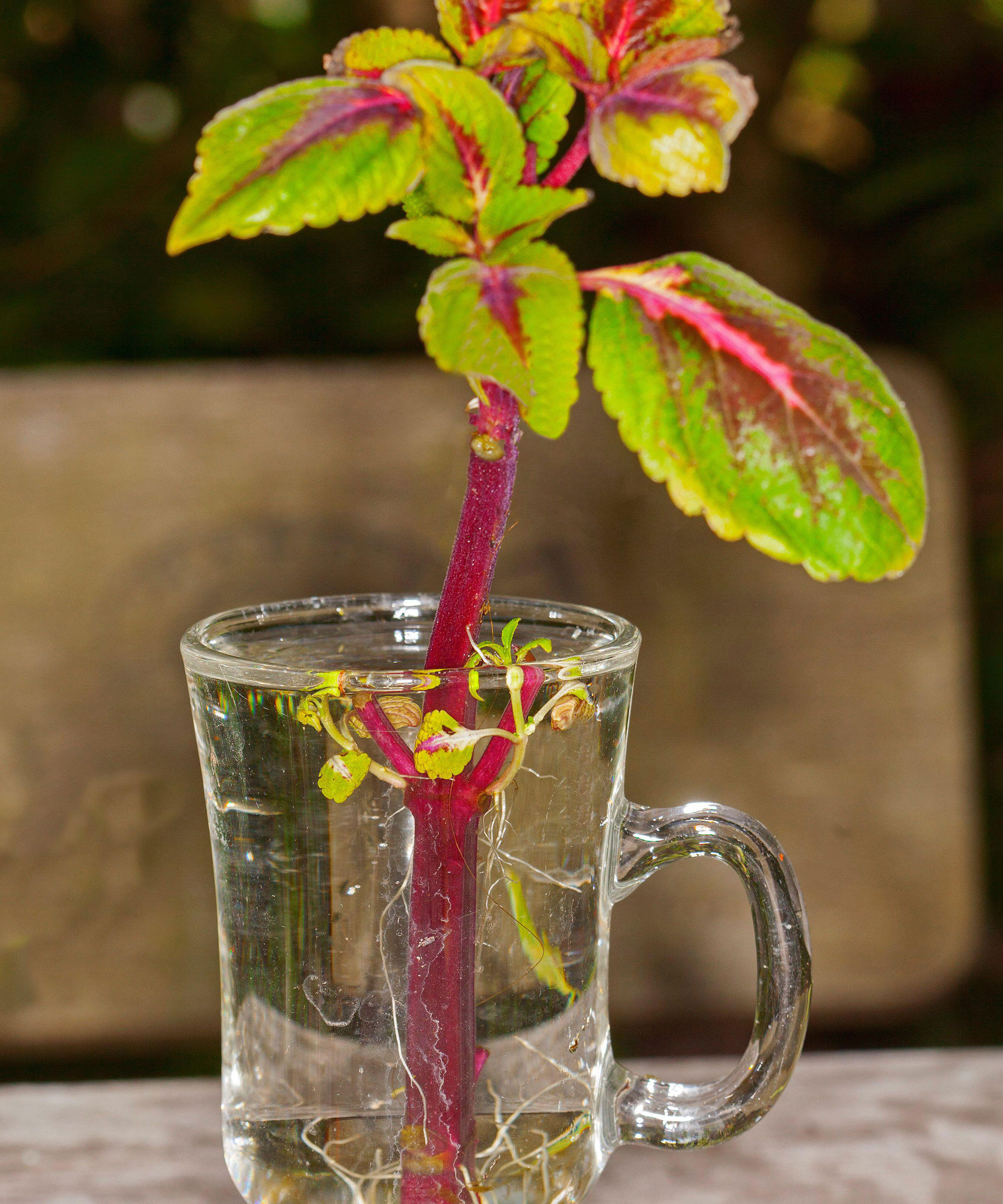
Place your cuttings in jars, glass bud vases or glass propagation stations, filled with room-temperature tap or rainwater. You can use standard jars, but avoid wide rims. Go for something that allows for root growth while reducing the risk of stems sliding into the glass. I like the Yibot Propagation Station with Wooden Frame, available from Amazon, because it has a generous teardrop shape and the narrower top will keep the cutting anchored. Just make sure the bare stem nodes (where the leaves were removed) are fully submerged.
Set the glass on a warm windowsill that receives plenty of bright, indirect sunlight, keeping them away from chilly drafts. And don’t let the leaves touch cold window panes. Warmth is essential for rapid cell division, so keeping room temperatures around 65-75°F (18-24°C) ensures white roots emerge in as little as 7-10 days. To prevent stem rot, change the water every few days to maintain oxygen levels. You should see roots inside 7-10 days. Pot up when roots are an inch (2.5cm) long for gorgeous free plants to gift or hoard all winter long.
Indoor Coleus Care
(Image credit: Ali Majdfar / Getty Images)
Keeping your coleus thriving indoors all winter is surprisingly simple once you master a few natural rhythms. It’s all about balancing light, moisture and some gentle tidying to preserve those rich foliage colors. Position them where they can soak up plenty of bright, indirect sunlight. If you need to top up light levels, add a full-spectrum grow light to keep those neon patterns popping. For something that caters to both taller coleus plants and cuttings on shelves, the Barrina T10 Full Spectrum Standing Grow Light from Amazon is currently on discount and can be adjusted easily.
Watering requires a careful hand during the cooler months: think moist, not soggy. Allow the top inch of soil to dry out between waterings, maintaining good drainage and taking care not to let pots sit in waterlogged saucers. Growth naturally slows in winter, so hold off on heavy fertilizers. Instead, apply a diluted, organic houseplant feed or seaweed tonic such as Bloom City Seaweed Fertilizer from Walmart. Just do this once a month to keep roots strong without forcing leggy top growth.
Finally, help both potted plants and newly potted cuttings with routine pinching. Use your fingers or sharp pruning snips to pinch back the top growing tips and emerging flower spikes every few weeks, forcing the plant to branch out into a lush, bushy specimen in good time for spring.
Frequently Asked Questions
Why does coleus fail or lose its leaves over winter?
Leaf drop in winter is a cry for help, caused by cold drafts, poor sunlight, or soggy soil. Coleus are sensitive to chilly window glass and furnace blasts, so position them away from drafty doorways or radiators. Low light levels also trigger leaf shedding. Your plant is basically shedding foliage it cannot support. Keep soil lightly damp (not waterlogged) and ensure pots sit in bright, indirect light to keep foliage lush and firm.
When can you safely move indoor coleus back outside?
You can safely transition your overwintered coleus and rooted cuttings back outside in spring once the danger of frost has passed. Wait until night temperatures reliably stay above 50°F (10°C). However, before moving them outdoors, spend a week hardening them off by setting pots in a sheltered, shady outdoor spot during the day and bringing them inside at night to prevent sunburn and cold shock.
Can you grow coleus as an indoor houseplant year-round?
Yes, coleus makes a very adaptable perennial houseplant if provided with the right indoor conditions. To keep it thriving year-round, place it in your sunniest window (or under a full-spectrum grow light) so its vibrant colors stay bold and distinct (just watch out for chilly window glass). The key trick for long-term indoor success is routine pinching. Regularly snip off growing tips and emerging flower spikes to prevent the plant becoming tall and woody, forcing continuous bushy growth.
(Image credit: Catocala7 / Alamy)
Need more ideas for getting the most from your plants, indoors and out, and looking for the best seasonal expert advice delivered straight to your inbox? Sign up for the free Gardening Know How Newsletter!



















 English (US) ·
  French (CA) ·