

Fall is when grass directs its energy into growing strong roots, and using a lawn aerator now is the best way to boost growth for a much lusher lawn next year. It's more effective, even, than fertilizing it! You see, after this baking-hot El Nino summer, the soil beneath many of our lawns has compacted into a solid mass that’s very difficult for grass roots to penetrate. Not only that, but this compaction makes it tough for water, air and nutrients to seep into the soil and nourish those all-important roots. But don’t fret – this problem is easily fixed in 10 minutes with a lawn aerator.
Aerate your lawn in October and roots will grow far better, supporting greener, lusher grass. And the easiest way to do it is with a rotary lawn aerator. This handy garden tool is formed of a cylinder covered in sharp spikes, that's pushed around the lawn with a long handle. It punches hundreds of tiny holes into the ground, breaking up the soil structure and allowing vital moisture and airflow into the ground.
Every lawn will benefit from being aerated in October, especially this year to revive and repair grass after summer heat. Take advantage of the perfect root-boosting seasonal window in October and you’ll see impressive results above ground next year, making neighbors green with envy. And you can bet your bottom dollar this fall gardening task is being done on every golf course green around the country! Part of the Weekend Win series, aerating a lawn to encourage strong root growth is one of those quick and easy gardening jobs that brings a big reward, and is an essential part of lawn care.
Why Lawn Aeration is So Important in Fall
(Image credit: Getty Images)
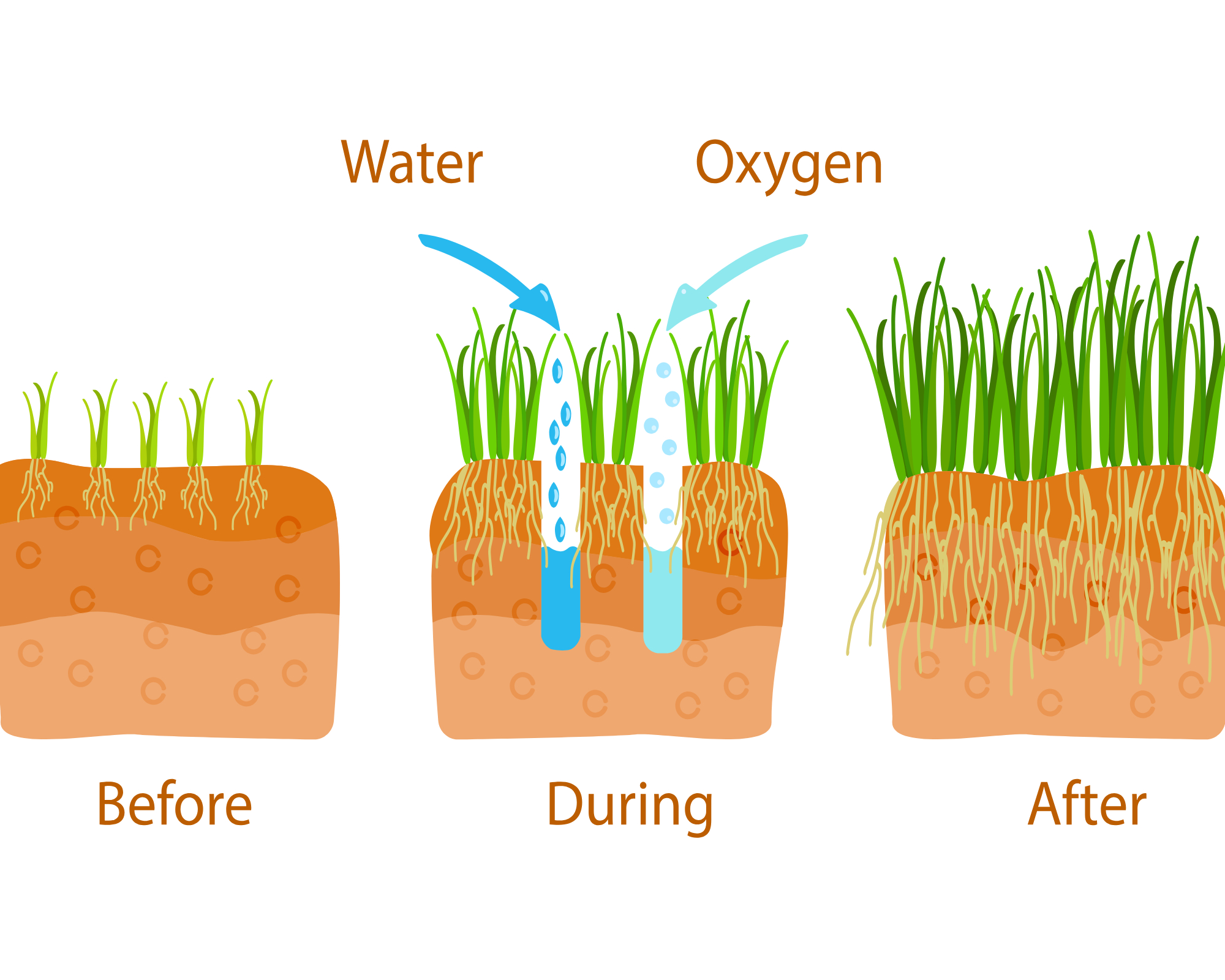
It’s a little known fact that grass roots need air to breathe. While the blades above the soil surface take in carbon dioxide, tiny hairs on the roots absorb oxygen. It’s a process called cellular respiration and it's a vital part of how plants grow. Healthy soil is full of these little air pockets that are continually flushed out by rain, bringing in a fresh air supply. But when soil has been compacted after a summer of being walked on, which crushes these air pockets, the condensed structure can become impenetrable.
Without these air pockets, oxygen-deprived roots are weakened and start dying – which you’ll see with thinning grass above ground.
In October, cooling air has triggered grass to reduce its growing rate above ground but the soil is still warm enough to allow strong root growth, so plants are directing most of their energy underground. Regular rainfall also helps to fuel this below-surface expansion, and keeps the soil soft enough for fragile new roots to easily dive deeper into the ground. So, aerating a lawn in early fall provides it with everything it needs for strong root growth, resulting in a bigger root system that will make grass better able to cope with drought next summer.
(Image credit: Getty Images)
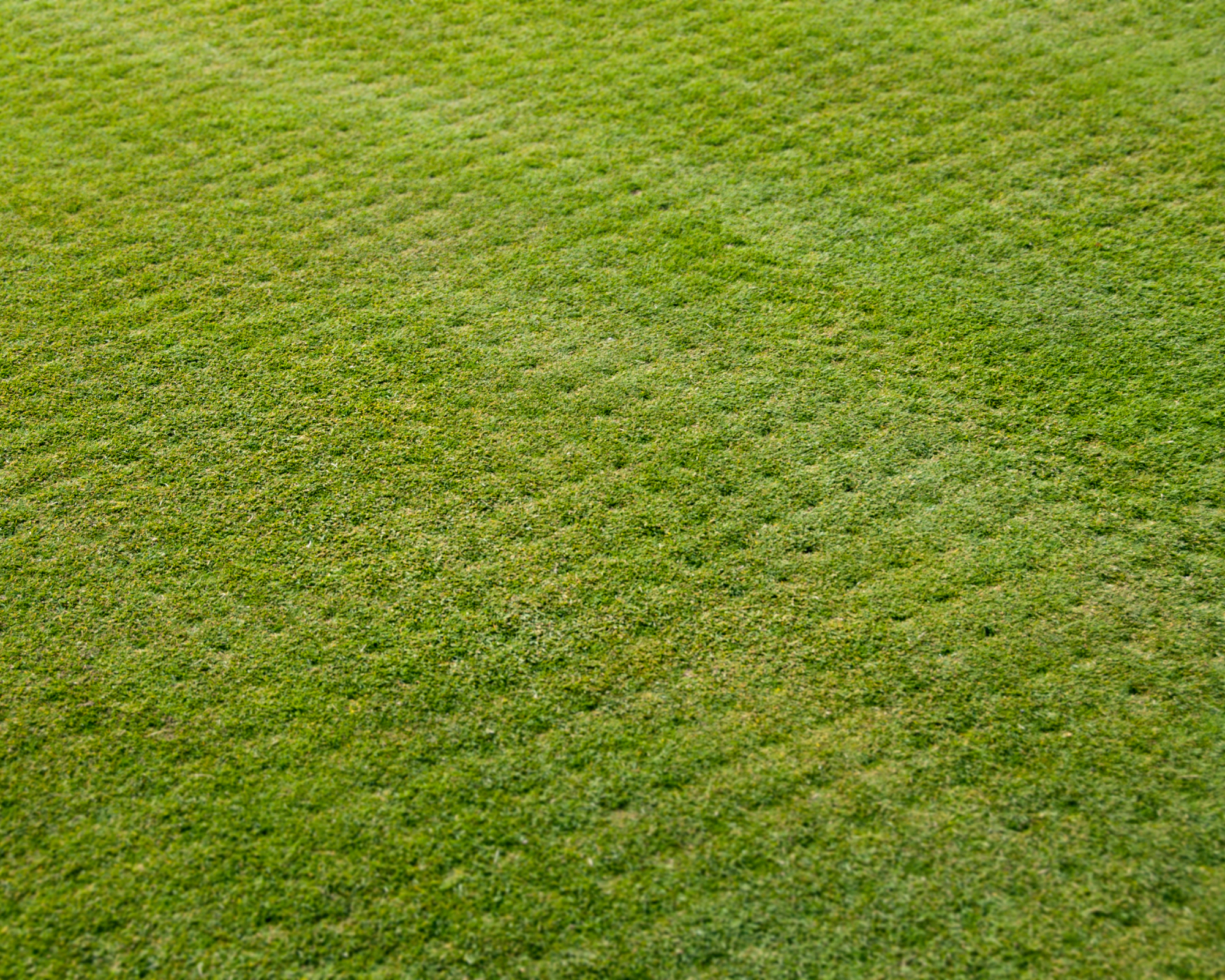
If you’re overseeding or reseeding bare patches – and who isn’t after this summer? – as part of your fall lawn care then aerating first means grass seed drops into all the punched holes for optimal germination and protection from birds.
Because soil structure also affects drainage, a compacted lawn can quickly become waterlogged in fall and winter. Roots that sit in water are unable to breathe and will drown and die, giving us another reason why October is a great month to aerate lawns.
Choose the Right Rotary Aerator For You
While you can aerate a lawn by pushing the tines of a garden fork into the ground, or using a push-pull aerating tool to remove small plugs of soil, by far the quickest, easiest way is to use a rotary lawn aerator.
There are different types of roller lawn aerators, so choose the one that’ll work best for you and your lawn.
Best for Budget: Standard Rotary Push Tine Aerator
AsterOutdoor Heavy Duty Rolling Lawn Aerator
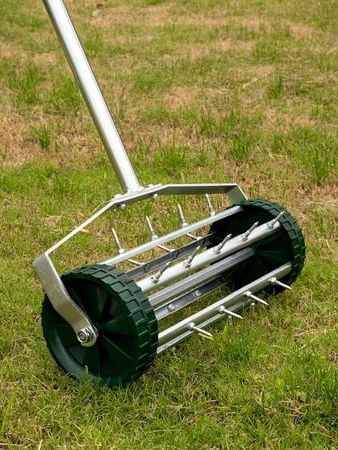
A standard rotary aerator has rows of steel tines on a drum. This simple gardening tool will get the job done quickly without splashing too much cash. If you have an average-sized lawn and enjoy loose, loamy soil, this basic gardening tool is all you need.
Best for Ease: Spiral Rotary Push Tine Aerator
WaLensee Heavy Duty Rolling Lawn Aerator
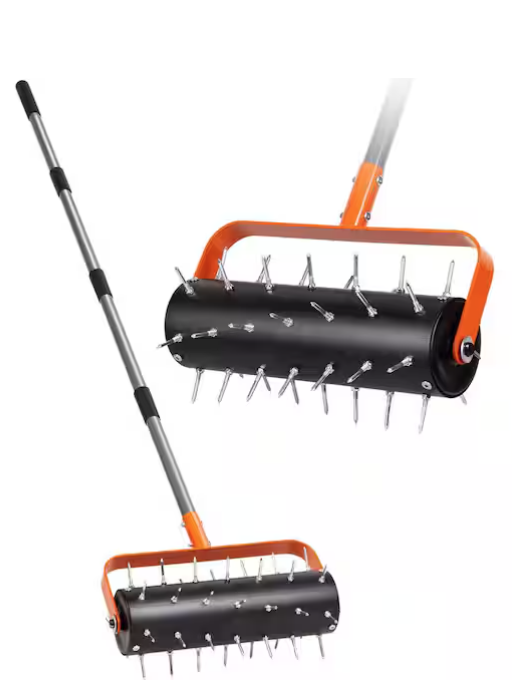
Arranging the tines in a spiral formation means less energy is required to push the cylinder along, making this a smart buy if you’ve got a bigger lawn. If you don’t have much strength in your wrists, or your ground is rocky, then a spiral tine aerator tends to keep rolling if a spike hits a stone, with less jarring.
Some designs such as the WaLensee aerator bring the option of filling the cylinder with pebbles or sand to add weight, making it easier to push tines into heavily compacted soil, too. So, if you can stretch to this budget, it’s a good investment.
Best for Heavy Compaction: Rotary Spike Blade Lawn Aerator
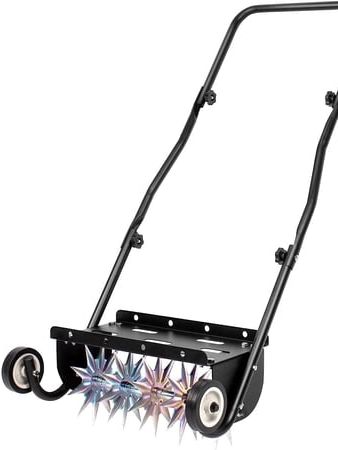
Suchtale 18" Rolling Lawn Aerator With Steel Spike Tines
If you’ve never aerated your lawn before, have clay or silty soil with particles that get packed tightly together, or the ground is heavily compacted – perhaps by being regularly driven over – a spike blade lawn aerator is a better bet. The sharp star-shaped blades slice slits into the ground, creating multiple breathing channels.
If you’re planning on overseeding your lawn, this brings more seed-to-soil contact than a spike aerator does, for better germination. And, if your lawn is full of thatch, and you don’t have time to rake it out right now, these blades will easily slice through it. If you have a new garden, and especially a newbuild plot with fresh turf likely sitting on a layer of heavily compacted soil, aerating with the added power of a spike blade aerator – at least for the first couple of years – would be a wise move, and perhaps you could club together with neighbors to buy a communal lawn tool.
Many designs also have a platform that can be loaded with bricks, to add weight.
How to Aerate Your Lawn
Got the right tool? Let's fix your lawn to get greener grass, pronto! First mow the lawn as usual – there's no need to cut it any shorter than usual. One or two days before you plan to aerate your lawn, push a screwdriver into the ground. If it slides in, the ground is soft enough to be easily aerated. If not, water the lawn or wait for a decent rain shower. Wait at least 24 hours so you don’t damage a still-wet lawn, then push the rotary aerator all around the lawn, going over any well-used areas such as around the washing line where soil will be more heavily compacted, twice.
If you’re planning on detaching your lawn, get that done first. If you’re planning on overseeding or feeding your lawn, do that after you’ve aerated.
You can aerate your lawn every year in fall to reverse summer ground compaction. If you notice any spots where water pools through fall and winter, aerate those areas again in spring. Depending on your USDA zones, there are a few other considerations:
If You Live in a Hot USDA Zone
Hard-baked, arid soils can be nearly impenetrable post-summer in zones 8-11 so water your lawn extra well a day or two before aerating. This allows the tines to penetrate deeply without being damaged.
If You Live in a Cold USDA Zone
In zones 3-6, aeration is a vital part of October lawn care to avoid waterlogging through the colder seasons. Aerate as early as possible in fall so roots have ample time for growth before the first hard frost, and be careful the soil isn't saturated when you're working. Walking repeatedly across soggy soil can cause further compaction, so wait for a break in rainfall and soil is moist but not muddy.
Add this easy task to your list of gardening jobs in October and you will create ideal conditions for grass to grow its roots, just at the point of the year that it focuses its energy on this vital task. If you spot any bare patches, do this timely test for grub worms and eradicate them before winter. And then sit back, relax, and look forward to the joys of having the best lawn in town next year!
More Weekend Wins
This feature is part of the Weekend Wins series, packed with quick and easy 10-minute tasks and gardening tips and tricks that bring a big reward.



















 English (US) ·
  French (CA) ·