

 5 hours ago
3
5 hours ago
3
PROTECT YOUR DNA WITH QUANTUM TECHNOLOGY
Orgo-Life the new way to the future Advertising by AdpathwayThe House voted 371 to 33 on Sept. 14 to write the U.S. Fish and Wildlife Service's invasive species strike team program into federal law, giving the national wildlife refuge system a statutory basis for catching harmful plants and animals before they spread. The same day, lawmakers voted 345 to 60 to give statutory authority to the service's Urban Bird Treaty Program, which helps cities restore bird habitat, including by removing invasive plants.
Both bills passed under a suspension of the rules, which requires a two-thirds majority, according to the House Republican Cloakroom floor summary. On the strike team bill, H.R. 4219, Republicans voted 165 to 33 and Democrats 205 to 0. On the bird habitat bill, H.R. 3276, Republicans voted 138 to 60 and Democrats 206 to 0. All opposing votes came from Republicans, and the summary does not explain individual votes.
The bills matter beyond refuge boundaries. The Fish and Wildlife Service says invasive species can push vulnerable native species toward extinction, clog waterways, damage infrastructure, reduce agricultural productivity, and limit hunting, fishing, and other recreation. A faster response on refuges can also limit spread onto neighboring lands.
Strike Teams Built for Early Detection and Rapid Response
The House-passed text of H.R. 4219, the National Wildlife Refuge System Invasive Species Strike Team Act, directs the Interior Department to run a program that identifies and responds to priority invasive species threats on and next to refuge lands and waters. It requires at least one strike team in each Fish and Wildlife Service region, trained in early detection and rapid response for multiple groups of invasive species and working with federal, state, tribal and local governments, nonprofits and private partners. Work on lands next to refuges may take place only at the landowner's request.
The bill requires reports to Congress and the public two and five years after enactment summarizing each team's work and progress against priority invasive species. It authorizes $10 million a year from fiscal 2027 through 2033. Rep. Ed Case, D-Hawaii, introduced the bill with Del. James Moylan, R-Guam.
"Hawai'i in particular faces unique challenges from invasive species. Our isolation has led to the evolution of many endemic species that are found nowhere else on Earth," Case said in a statement after the vote, published by Maui Now. He said recent storms in Hawaii have accelerated the spread of destructive invasive species in vulnerable places such as national wildlife refuges. "Once an invasive species takes hold on an island, the cost of eradication can be enormous, and the damage may be impossible to reverse," Moylan said.
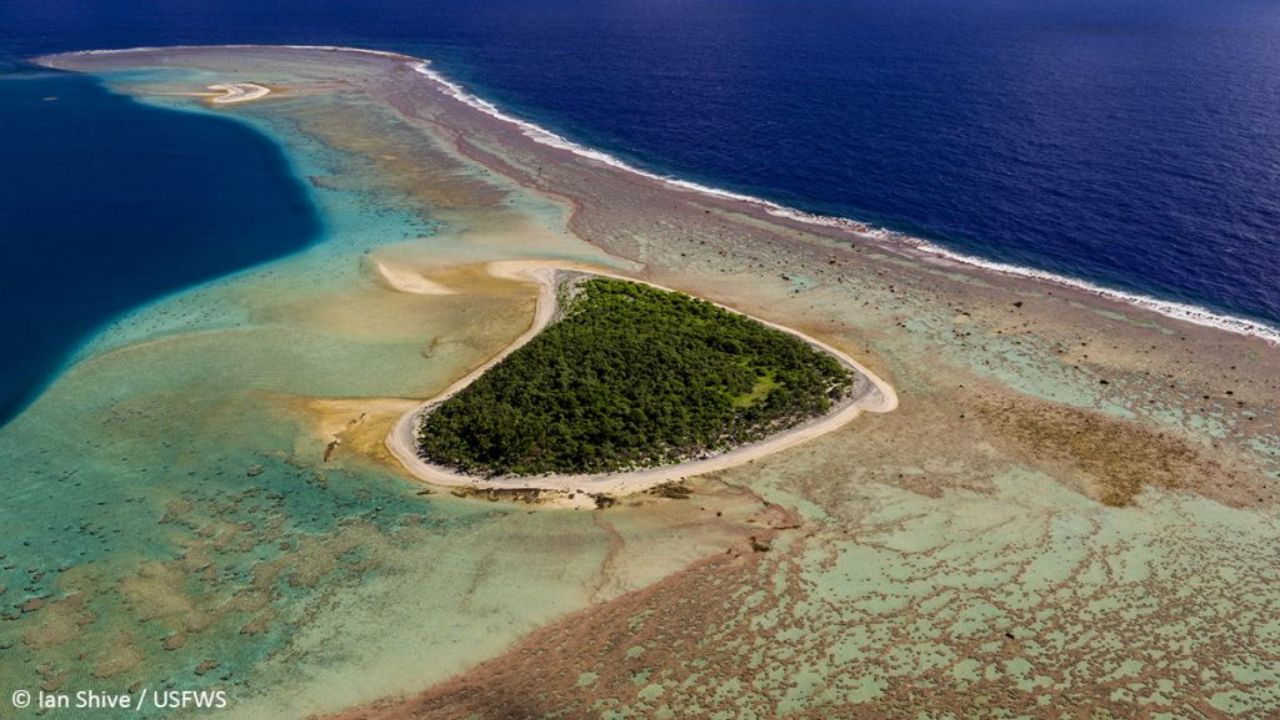
The program already exists without a specific statute. According to the Fish and Wildlife Service's annual strike team summary for fiscal 2024, the first three teams were funded in fiscal 2004, the program had grown to 21 teams by the end of fiscal 2024, and it reported $10.2 million in total funding and 147 rapid response efforts that year. The summary says the single most effective way to reduce long-term damage and costs is to stop invasive species early, before they become established. A Hawaii and Pacific Islands team, established in 2006, supports refuge complexes on Oahu, Maui, Hawaii Island, Kauai and Guam.
On Hawaii Island, the Big Island Invasive Species Committee has worked with a strike team for roughly a decade at Hakalau Forest National Wildlife Refuge. "I think that a strike team model is great because you get folks who are very skilled," program manager Franny Brewer told the Hawaii Tribune-Herald after the bill cleared committee.
Urban Bird Treaty Program Targets City Habitat
H.R. 3276, the Local Communities and Bird Habitat Stewardship Act, was introduced by Rep. Debbie Dingell, D-Mich., with Rep. Ben Cline, R-Va., as an original cosponsor. The Congressional Research Service describes it as providing statutory authority for the existing Urban Bird Treaty Program, which works with communities to conserve birds that live in and migrate through cities.
Under the House-passed text of the bird habitat bill, the program would support projects that protect, restore or enhance urban bird habitat, including through invasive species control and native plant restoration, reduce hazards to birds, and engage residents in bird monitoring. It would create a competitive grant program that the National Fish and Wildlife Foundation may administer, with awards distributed, to the extent practicable, among small, midsize and large cities. The House-passed version authorizes $200,000 a year from fiscal 2027 through 2033.
That figure is far smaller than the $1 million a year in the bill as introduced in 2025. The introduced version also included congressional findings citing the 2025 State of the Birds report and an estimate that nearly 96 million Americans birdwatch each year, but those findings do not appear in the House-passed text.
Evidence Check on Funding and Results
Authorization is not money in hand. Both bills set spending ceilings that Congress must still fill through annual appropriations. Codifying the strike team program is meant to give it a stable legal footing, but it does not by itself guarantee larger teams or faster response times.
The bills also do not measure how much damage invasive species are currently doing on refuges. The available figures come from agency and sponsor documents rather than a new national assessment, and results will depend on staffing, partner capacity and how well teams detect new arrivals.
The greatest stakes fall on refuges with rare or island species, such as those in Hawaii and the Pacific territories, and on neighboring landowners who choose to work with strike teams. For cities, the bird program's small authorized amount means only a limited number of grants could be funded each year.
Next Stops Include the Senate and Appropriators
H.R. 3276 was received in the Senate on Sept. 15 and referred to the Environment and Public Works Committee, according to legislative trackers. H.R. 4219 also heads to the Senate. Both would need Senate passage and the president's signature to become law, and any funding would then depend on appropriations bills.
Residents can help regardless of the bills' fate. Clean boots, gear, boats and trailers before and after visiting refuges and waterways, avoid moving firewood, plant native species, and report unusual plants or animals to state invasive species programs or refuge staff. Avoid trying to remove unfamiliar species that could be toxic or protected; report them instead.
Nature World News will follow Senate action on both bills.
The bottom line: The House has backed two conservation measures by wide margins, one to lock in rapid-response strike teams on wildlife refuges and one to put an urban bird habitat program into law. Neither is law yet, and the Senate and appropriators decide what happens next. Residents can still reduce the spread of invasive species through simple cleaning and reporting habits.
What Readers Want to Know
What did the House pass? On Sept. 14, it passed H.R. 4219, which codifies invasive species strike teams on national wildlife refuges, 371 to 33, and H.R. 3276, which codifies the Urban Bird Treaty Program, 345 to 60.
How did the parties vote? No Democrat voted against either bill. Republicans voted 165 to 33 for H.R. 4219 and 138 to 60 for H.R. 3276.
What would the strike teams do? At least one team in each Fish and Wildlife Service region would focus on prevention, early detection and rapid response to invasive species on and near refuges, and the program would report its progress to Congress and the public after two and five years.
How much money is involved? The House-passed strike team bill authorizes $10 million a year from fiscal 2027 through 2033. The House-passed bird bill authorizes $200,000 a year over the same period. Actual funding depends on appropriations.
What would the bird program do? It would support voluntary projects in cities to restore bird habitat, control invasive plants, reduce hazards to birds, and involve residents in bird monitoring, including through competitive grants.
Are these bills law now? No. Both must pass the Senate and be signed by the president.
How can residents help stop invasive species? Clean outdoor gear and boats, avoid moving firewood, plant natives, and report unusual species to state programs or refuge staff.
© 2026 NatureWorldNews.com All rights reserved. Do not reproduce without permission.

















 English (US) ·
  French (CA) ·