

 4 hours ago
2
4 hours ago
2
PROTECT YOUR DNA WITH QUANTUM TECHNOLOGY
Orgo-Life the new way to the future Advertising by AdpathwayVenus reaches its greatest brilliancy of this evening appearance on Friday, Sept. 18, opening a busy stretch in the night sky that runs through the Harvest Moon on Sept. 26. NASA's September skywatching guide highlights four events in quick succession: peak Venus, International Observe the Moon Night on Saturday, the September equinox on Tuesday, and a Harvest Moon rising near Saturn and Neptune.
None of them requires special equipment or a trip to a dark-sky park, and most of the show happens in the first hour or two after sunset.
The main limiting factor is weather. Clouds will hide some of these events for parts of the country, so checking a local sky cover forecast from the National Weather Service before heading out is the most useful step readers can take.
Finding Venus at Its Brightest
Venus shines at magnitude minus 4.8 at greatest brilliancy, reaching that peak at about 23:00 UTC on Sept. 18, which is 7 p.m. EDT, according to EarthSky. That makes it far brighter than Sirius, the brightest star in the night sky, and easy to spot once the Sun is down. EarthSky notes that Venus will reach greatest brilliancy again in the morning sky on Nov. 29.
"You won't have to search hard to find it," NASA's Raquel Villanueva of the Jet Propulsion Laboratory said in the agency's monthly guide. NASA says Venus will stand out shortly after sunset as a brilliant point of light low above the western horizon, outshining every star around it.
The catch is height. At mid-northern latitudes, this greatest brilliancy happens lower in the dusk sky than at any other time in Venus's eight-year cycle of appearances, according to Space.com's September planet guide. Earlier Space.com guidance put Venus about 10 degrees high at sunset around this date, setting just over an hour after the Sun. A fist held at arm's length covers about 10 degrees of sky.
Timing matters. Start looking west to west-southwest shortly after local sunset, and find a spot with no trees or buildings blocking the horizon. By the end of September, Space.com says, Venus will set only about 30 minutes after the Sun, making it difficult to see. Through a small telescope or steadily held binoculars, Venus now appears as a crescent rather than a round dot.
One safety rule is essential. Because Venus sits close to the Sun in the sky, never point binoculars or a telescope toward the western sky until the Sun has fully set. Looking at the Sun through optics can cause permanent eye damage almost instantly.
A Global Moon-Watching Night on Saturday
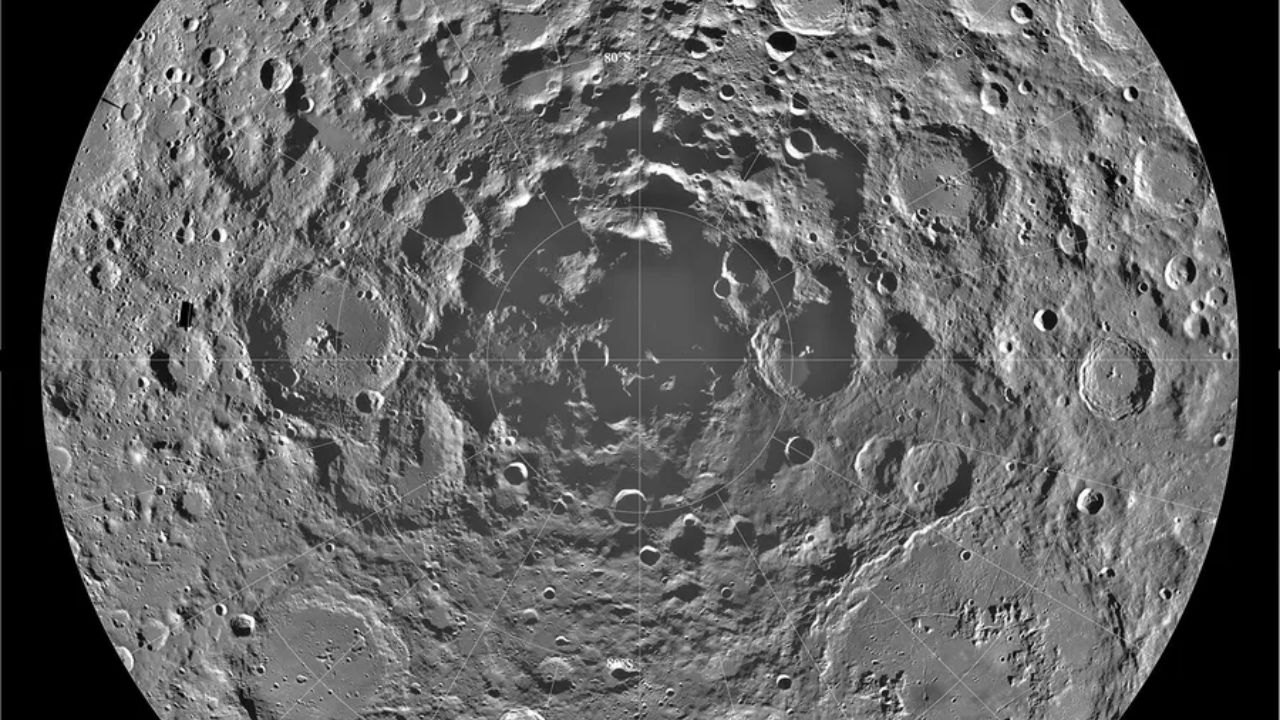
Saturday, Sept. 19, is International Observe the Moon Night, when NASA invites people around the world to look up and learn about lunar science, exploration, and the Moon's place in cultures worldwide. The event is sponsored by NASA's Lunar Reconnaissance Orbiter mission and the Solar System Exploration Division at NASA's Goddard Space Flight Center.
The Moon reaches first quarter on the afternoon of Sept. 18 in U.S. time zones, so on Saturday evening it will be a waxing gibbous Moon with a little more than half its face lit, sitting in the southern sky after sunset. The best detail is along the terminator, the line between the lit and dark portions, where long shadows make craters and mountains stand out even in simple binoculars.
People can join a local event through NASA's event map or simply step outside. NASA also says that from Sept. 14 through 20, the Moon serves as a guide to Antares, the reddish star marking the heart of Scorpius, and to the Teapot pattern in Sagittarius. Under especially dark skies, the hazy glow rising from the Teapot's spout points toward the center of the Milky Way, though the bright Moon will wash out much of that faint light this weekend.
Fall Arrives with the Sept. 22 Equinox
The September equinox arrives on Tuesday, Sept. 22, at 8:05 p.m. EDT, which is 5:05 p.m. PDT and 00:05 UTC on Sept. 23, according to timeanddate.com. Some published tables list 8:04 p.m. because of rounding. At that moment, the Sun sits directly above Earth's equator, marking the start of astronomical fall in the Northern Hemisphere and spring in the Southern Hemisphere.
NASA notes that day and night are close to equal in length around the world at the equinox. They are not exactly equal, because the atmosphere bends sunlight near the horizon and sunrise and sunset are timed by the upper edge of the Sun's disk, so most U.S. locations see slightly more daylight than darkness that day. After the equinox, northern daylight keeps shrinking, bringing earlier sunsets for evening skywatching.
Harvest Moon Rises Near Saturn on Sept. 26
The Harvest Moon becomes full at 12:49 p.m. EDT on Saturday, Sept. 26, according to the Farmers' Almanac. Because that moment falls during daylight in North America, the best view comes when the Moon rises in the east around sunset that evening.
It is called the Harvest Moon because it is the full Moon closest to the equinox. Around this time of year, successive moonrises come only about 25 to 30 minutes later each night instead of the usual 50 or so, giving several bright evenings in a row.
NASA says Saturn will appear near the Moon that night and is easy to see without equipment, while faint Neptune completes a wide triangle. Neptune shines around magnitude 8, too dim for the unaided eye, so binoculars or a telescope and a darker sky are needed. The Farmers' Almanac notes that Neptune reaches opposition around Sept. 25 and 26. Space.com's planet guide also lists Mercury, Mars, and Jupiter among the planets visible this month for those who want to keep exploring.
Weather, Timing and Simple Viewing Tips
Clouds are the biggest variable, and forecasts can change quickly, so check your local National Weather Service sky cover forecast on the day you plan to look.
Readers do not need to buy gear. A clear horizon, a free planetarium app to confirm local sunset and moonrise times, and a pair of ordinary binoculars are enough. Give your eyes 15 to 20 minutes to adjust to the dark, use a red flashlight or dim phone screen, and dress for cooler evenings. In areas with active West Nile virus transmission, use an EPA-registered insect repellent, since the mosquitoes that spread the virus are most active from dusk to dawn.
Drivers should park fully off the road rather than stopping on highway shoulders.
The bottom line: Friday evening marks the peak of Venus's evening brilliance this year, but the planet will be low, so look west soon after sunset and never aim optics at the sky until the Sun is gone. After that, Saturday's Moon night, Tuesday's equinox and the Sept. 26 Harvest Moon with Saturn offer easy, free reasons to step outside, as long as the clouds cooperate.
What Readers Want to Know
When is Venus brightest? Venus reaches greatest brilliancy for this evening appearance on Friday, Sept. 18, at about magnitude minus 4.8. It stays very bright for several evenings but sinks lower each night, and it will reach greatest brilliancy again in the morning sky on Nov. 29.
Where should I look for Venus? Look low in the west to west-southwest shortly after sunset. Around Sept. 18 it sets a little over an hour after the Sun at mid-northern latitudes, so a clear horizon is important.
Is it safe to use binoculars to find Venus? Only after the Sun has completely set. Never point binoculars or a telescope toward the Sun, which can cause permanent eye damage.
What is International Observe the Moon Night? A NASA-sponsored global celebration of the Moon on Saturday, Sept. 19. You can join a local event or simply look up from home.
When is the fall equinox? Tuesday, Sept. 22, at 8:05 p.m. EDT, or 5:05 p.m. PDT, when astronomical fall begins in the Northern Hemisphere.
When is the Harvest Moon? The Moon is full at 12:49 p.m. EDT on Saturday, Sept. 26. The best view is at moonrise in the east around sunset that evening, with Saturn nearby.
Can I see Neptune near the Harvest Moon? Not with the unaided eye. At about magnitude 8, Neptune requires binoculars or a telescope and a reasonably dark sky.
© 2026 NatureWorldNews.com All rights reserved. Do not reproduce without permission.















 English (US) ·
  French (CA) ·