

 6 months ago
143
6 months ago
143
The effectiveness of your home’s heating system is largely influenced by several key factors, such as the size and layout of your rooms. These elements play a crucial role in determining radiator performance. Understanding these factors can help homeowners make informed decisions about their heating solutions, including selecting the appropriate radiator type and size. This is essential for maintaining comfort and energy efficiency in a living space. A great resource for learning more about radiators is Stelrad.
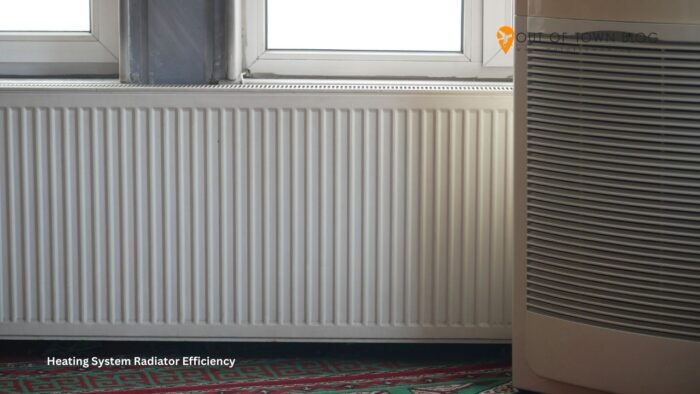
Heating System Radiator Efficiency
The Impact of Room Size on Heating Efficiency
The size of a room directly affects how well a radiator can heat it. Larger rooms require radiators with higher heat output to maintain a comfortable temperature. Conversely, installing a high-output radiator in a small room can be inefficient, as it may shut off prematurely when it reaches the desired temperature.
Certain calculations, such as British Thermal Units (BTU) requirements, can help homeowners choose the right radiator size for their rooms. These guidelines help achieve optimal heating performance without unnecessary energy consumption.
The Influence of Room Layout on Radiator Placement
Just as room size is crucial, so too is the layout when considering radiator performance. The placement of windows and doors, as well as the proximity of radiators to other heat sources and furniture, can significantly affect heating efficiency. Placing radiators under windows, for instance, may help combat drafts and distribute heat more evenly throughout a space.
The room’s spatial layout should ensure that air circulates freely around the radiator. Obstructions such as curtains, furniture, or other objects can impede heat flow, resulting in uneven room temperatures and inefficient operation.
Ceiling Height: An Overlooked Factor
Ceiling height often receives less attention than floor area, but it is a critical dimension that affects radiator performance. Taller ceilings mean more air to heat, which can result in slower temperature increases within a room. In high-ceilinged areas, it may be necessary to install additional radiators or opt for models with higher heat output.
Understanding how ceiling height affects heat distribution may help homeowners optimize radiator placement and selection, ensuring effective heating throughout the space.
The Role of Insulation and Window Efficiency
Insulation levels and window efficiency can significantly affect radiator performance. Well-insulated homes retain heat more effectively, allowing radiators to operate more efficiently and use less energy. By contrast, poorly insulated spaces may require higher radiator settings to achieve the same warmth.
Investing in proper insulation and double-glazed windows can help maintain a consistent temperature and reduce the workload on radiators, resulting in energy cost savings over time.
Choosing the Right Radiator for Your Space
Selecting a radiator isn’t just about meeting immediate heating needs. A comprehensive understanding of how room size, layout, ceiling height, insulation, and window efficiency interact will equip homeowners to make informed choices. Those considering new radiators should assess these factors to ensure their heating systems deliver optimal comfort and efficiency.
Follow and subscribe to OutofTownBlog.com on Facebook , Twitter, Instagram, Pinterest, and YouTube for more Travel-related updates.





















 English (US) ·
  French (CA) ·