

As summer temperatures soar, so does the risk of heat stress in our plants. Our first instinct when we see our beloved hydrangea or hosta start to wilt and turn brown is to drench it with cold water in an attempt to perk it up. But overwatering heat-stressed plants can actually do more harm than good.
When daytime temperatures climb above 85°F, our plants can start to show signs of heat stress. They may begin to wilt, droop, and leaves can even show signs of sunburn. Plants that experience heat stress are more susceptible to pests and diseases, so it’s important to treat this problem fast before it spirals into other issues.
The first step is identifying whether or not your plant has heat stress (or if it just needs a drink). Then it’s time to take action and save your heat-stressed plant without overwatering it and causing a whole different set of problems.
What Is Heat Stress?
Heat stress in plants occurs when temperatures rise above 85°F. The ideal growing conditions for most plants are between 60° and 85°F. So when temperatures reach above that and into the 90° to 100°F and above range, heat stress is a real concern.
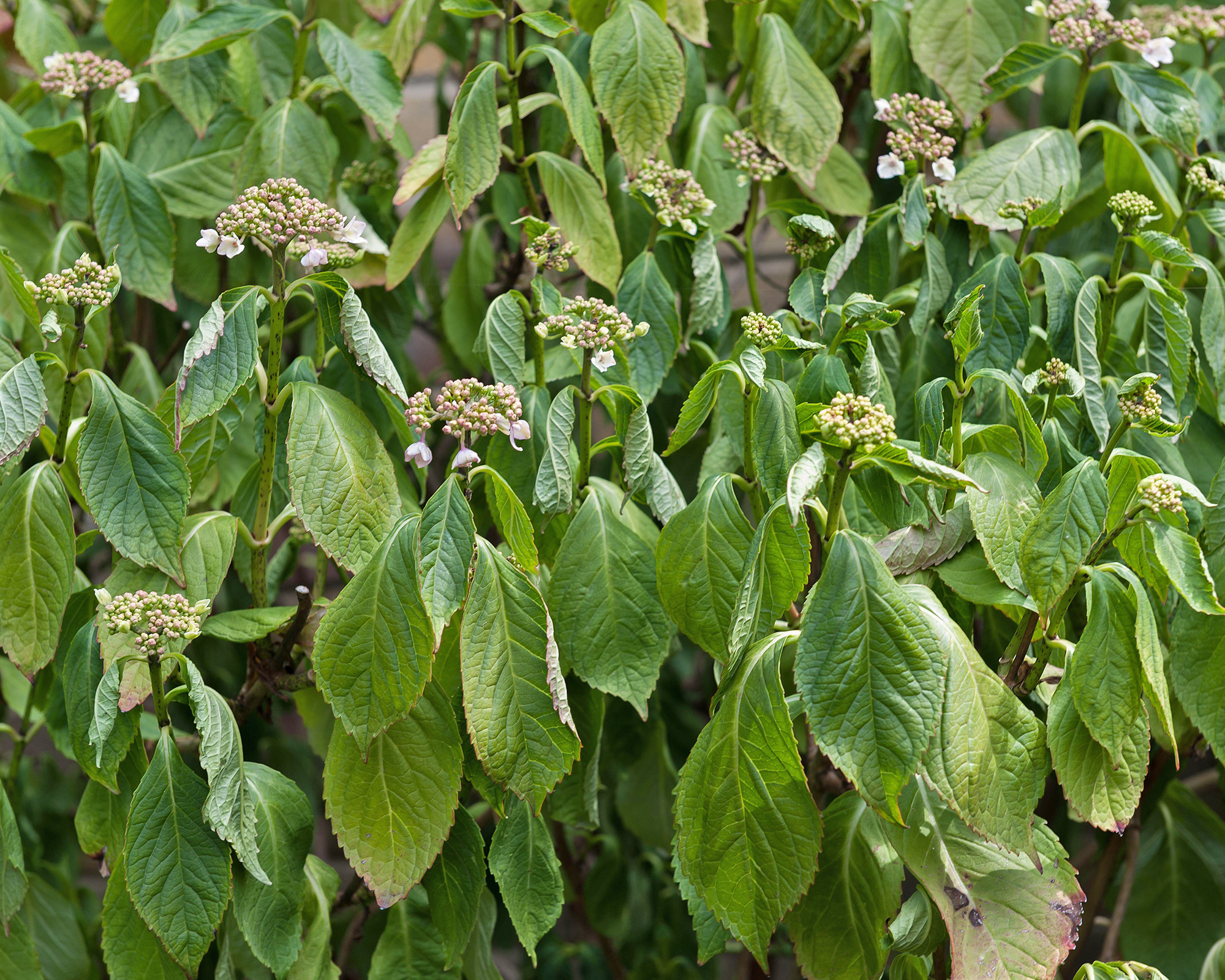
Plants that are suffering from heat stress droop, look wilted, may show signs of sunburn, and can become stunted. Sunburn can occur on leaves or stems of plants. It looks like light-colored or discolored splotches on the foliage of your plant and is caused by excessive exposure to bright sun.
(Image credit: Alamy)
How to Save Heat-Stressed Plants
If you notice signs of heat stress in your plants while gardening during a heatwave, don’t worry. There are a few simple steps you can take to save plants before it’s too late. But don’t rush out there with the hose just yet, because overwatering heat-stressed plants can actually make the problem worse. Here’s what to do instead.
1. Check Your Soil Moisture
(Image credit: sergeyussr / Getty Images)
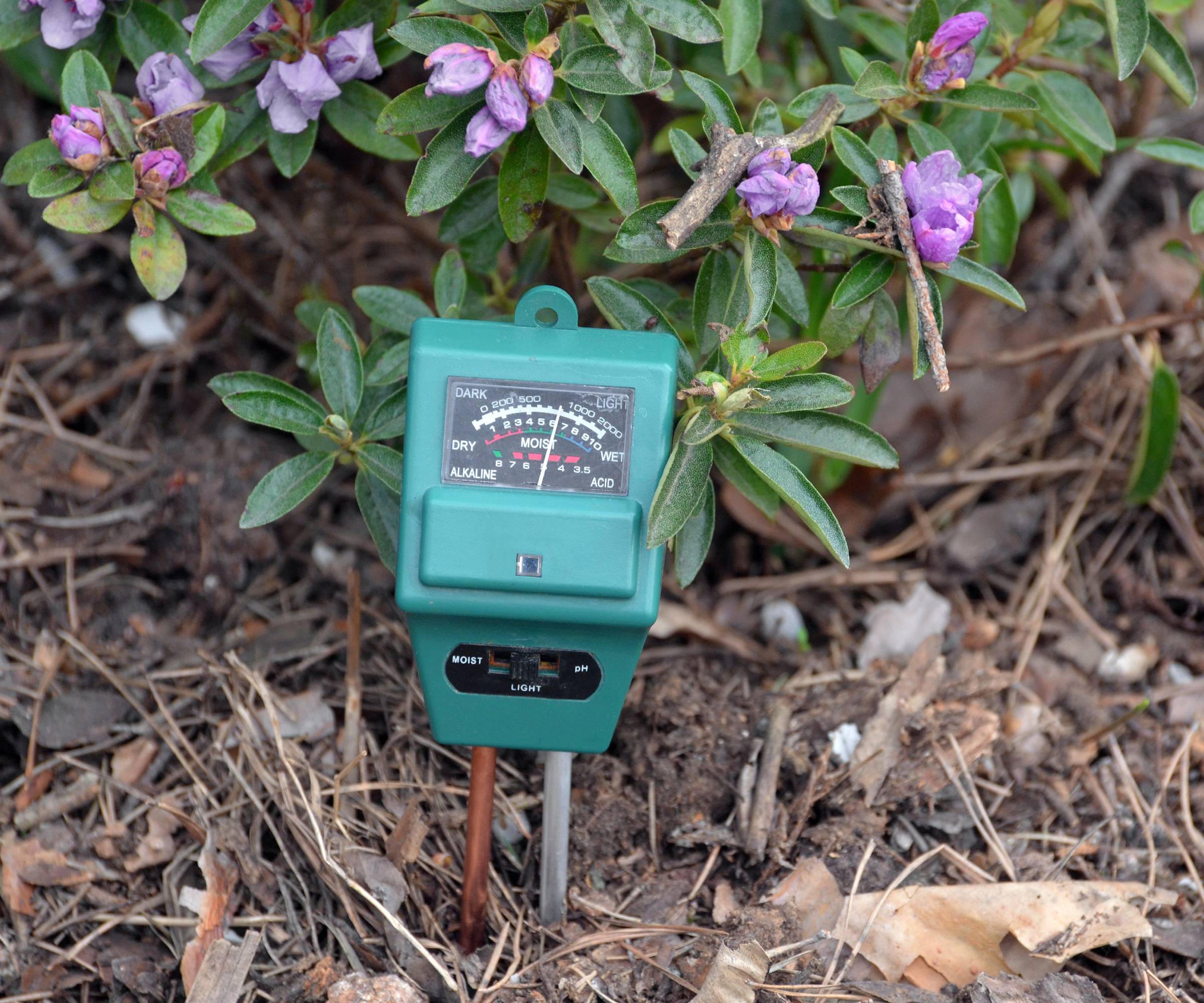
Before drowning your plants with a big drink of water, it’s best to check the moisture level of your soil first. You can use the finger test to do this. Simply stick a finger about 1 inch (2.5 cm) into the soil to see if it feels moist. If it does, then a lack of water is not the problem. If it doesn’t, then it’s probably time to give your garden a drink.
Another foolproof method is to use a soil moisture meter, like this one from Amazon. This type of device tells you exactly how much moisture is in your soil and whether or not your plant really needs more water or not.
The best time to water plants is in the morning, but if your plants are wilting and their soil is dry then you can water them at the base of the plant.
2. Add Mulch
(Image credit: Getty Images)
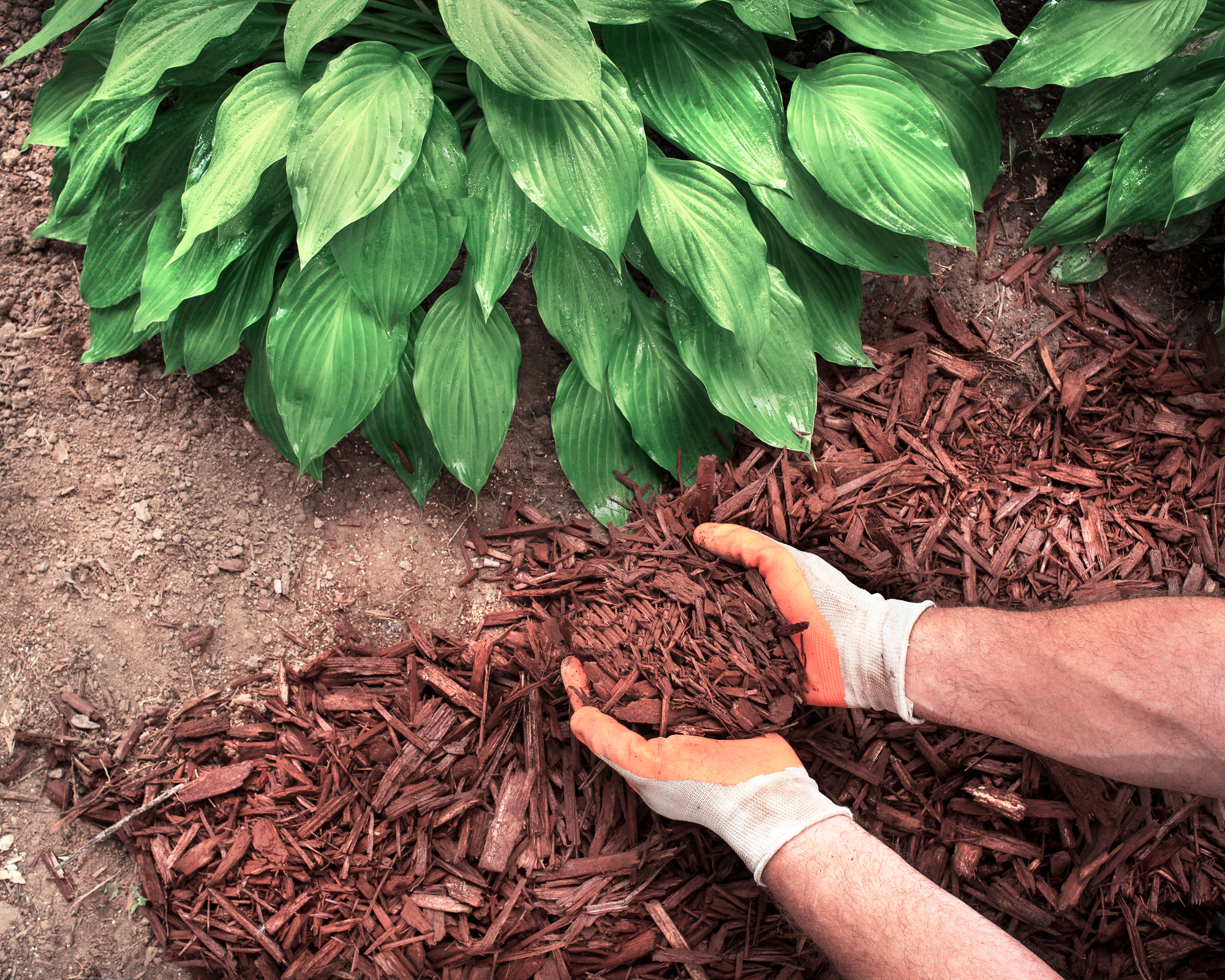
Whether your plant needs more water or not, it’s a good idea to add some mulch around your heat-stressed plants regardless. A layer of an organic mulch, which you can order on Amazon, holds in moisture and keeps plant roots cool.
When temperatures are very high, the soil heats up just like the air and this causes roots to heat up as well. This can cause heat stress in plants, but a layer of mulch helps lower the temperature and adds organic material and nutrients back into the soil as it breaks down over time.
3. Provide Sun Protection

(Image credit: Piranka/Getty Images)
If you notice sunburn or sunscald on your plants, then it’s time to provide some shade. A simple shade cloth, like this one from Amazon, can help protect plants the way sunscreen protects gardeners from the scorching summer rays.
Creating shade for plants will protect foliage from burning and it will also help keep plants cool. Think about how refreshing it feels to step under the shade of a big oak tree on a hot summer day. Give your heat-stressed plants some respite from the blazing sun with a shade cloth.
If you grow plants in containers simply move them to a shadier part of your yard during the hottest part of the day. A covered patio is the perfect spot. You can use a rolling plant caddy, like this one from Amazon, to make moving large planters easier.
4. Stop Fertilizing
(Image credit: Valeriy_G / Getty Images)
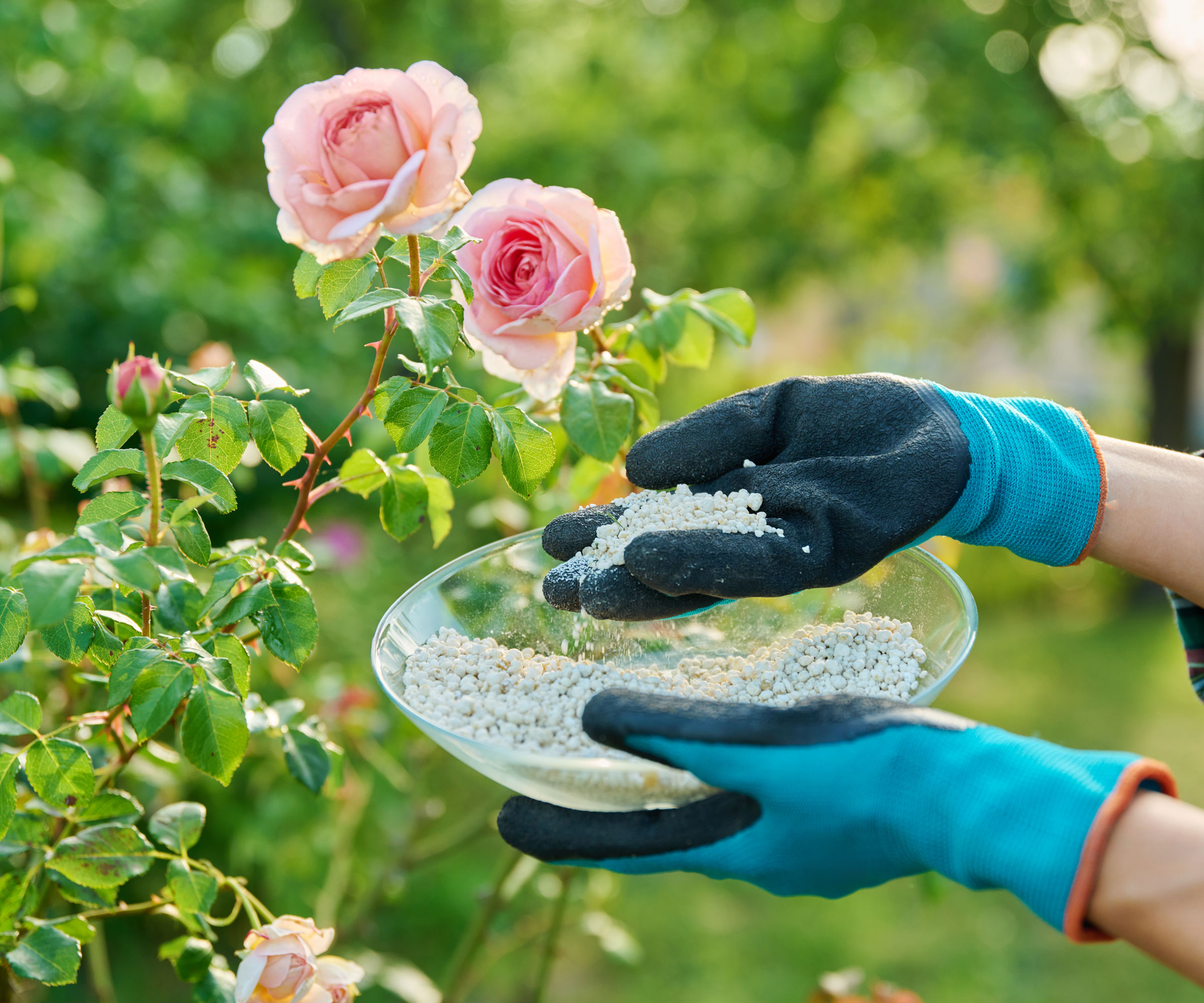
You may think that giving plants a boost of their favorite food will help them come out of heat stress stronger, but just the opposite is true. Fertilizer forces plants to push out new growth, which can stress them further. It can also cause sunburn on plant foliage, so fertilizing in hot weather is a bad idea all around.
Instead, if your plants are showing signs of heat stress, immediately stop feeding them. Let them rest and recover before adding more nutrients to the soil again.
5. Remove Ripening Fruits & Faded Flowers
(Image credit: Peter Cade / Getty Images)
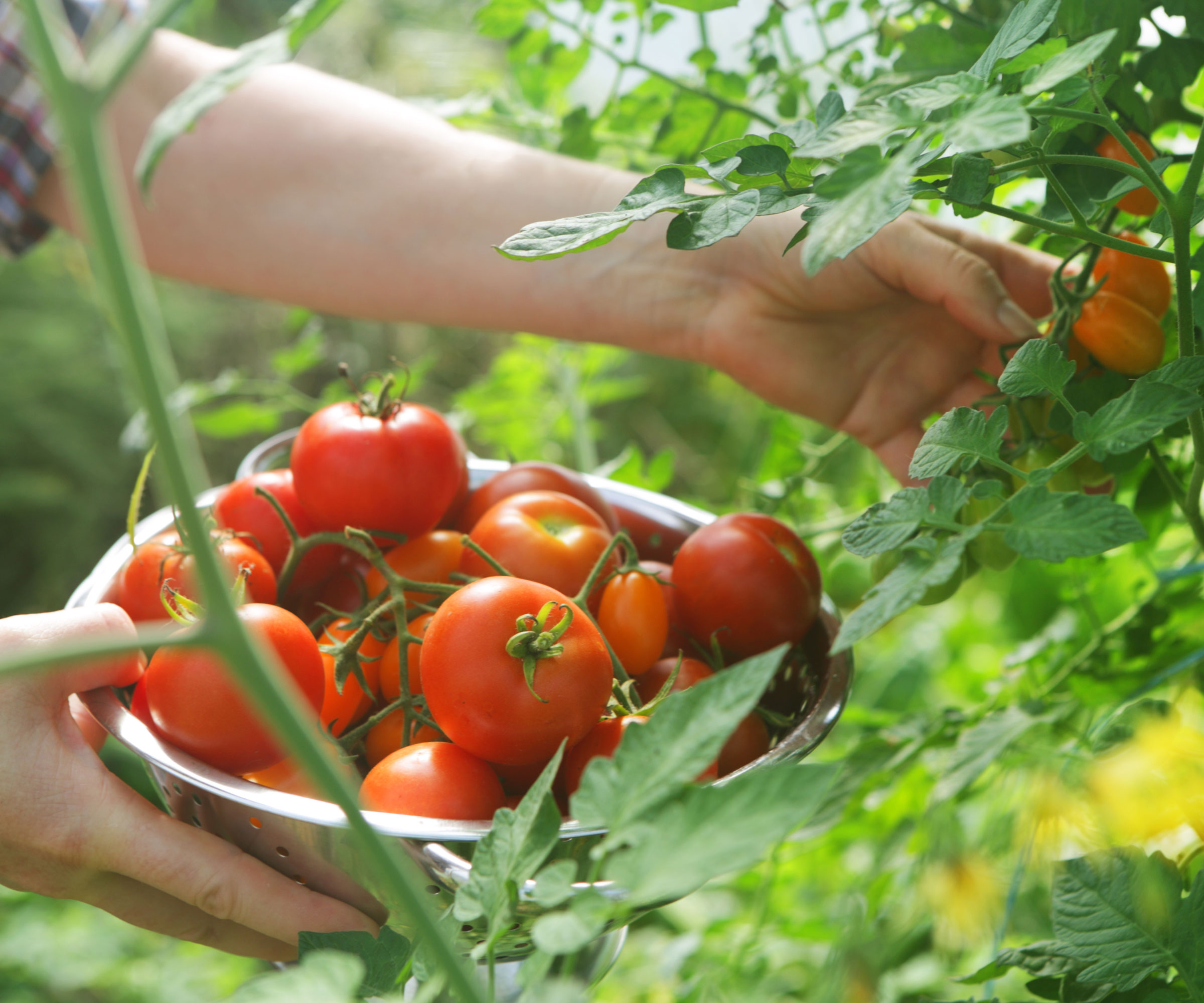
If the plants in your vegetable garden have heat stress, then it may be time for an early harvest. Edible plants work hard to send their energy towards developing fruits and vegetables. But this can be at the expense of their own health and vitality.
If you want your plants to keep producing fruits and veggies for the rest of the summer, you can harvest the produce that’s ripening now to give them a break and let them rest before they send out the next round of fruit.
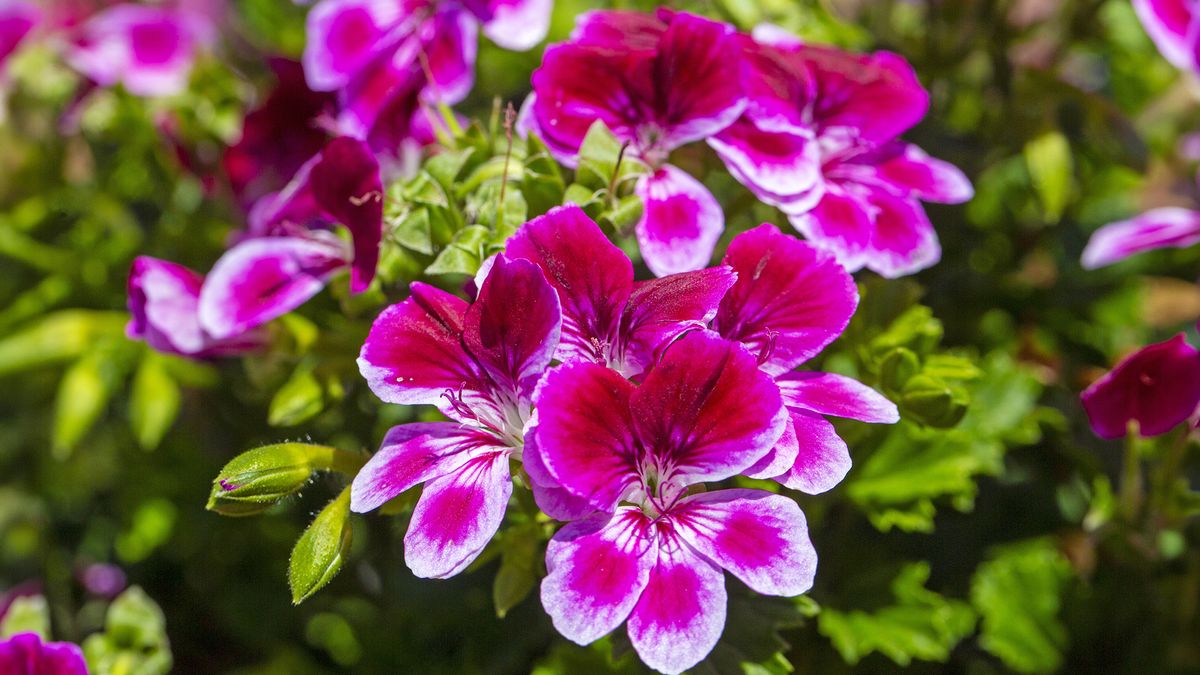
The same principle applies for flowers. If you leave faded flowers on your plants, they will work to send energy towards producing viable seeds in the spent blooms to reproduce. Deadhead flowers that are done blooming to let heat-stressed plants focus on staying alive rather than producing seeds.















 English (US) ·
  French (CA) ·