

There are certain plants gardeners are supposed to dislike on principle. The thugs. The spreaders. The self-seeders that appear in every crack of paving and somehow survive conditions that would kill off supposedly easy plants in days. And yet, despite knowing all of that, I can’t help falling for them.
The latest addition to my personal list of problematic favorites? An invasive perennial that has, over in the UK, quietly become one of the trendiest plants around, spilling from the edges of containers at RHS Chelsea Flower Show and softening the stone walls of National Trust properties.
In the US, however, this little beauty hasn’t quite cemented its cool status yet – perhaps because gardeners are still understandably wary of its invasive tendencies.
The Invasive Perennial I Can't Help But Adore
I can't even deny that the warnings are more than fair; Mexican fleabane (Erigeron karvinskianus) forms dense mats of rhizomatous roots that can smother nearby plants, and it self-seeds with alarming enthusiasm. It has a habit of wedging itself into paving cracks, wall crevices, gravel paths, and disturbed soil before you even notice it has arrived.
My stepfather actively encourages this behavior, stuffing tiny plants into cracks in his old walls and letting them tumble out naturally, creating the kind of romantic cottage garden display people spend years trying to recreate.
Clouds of tiny daisy flowers appear for months on end, shifting from white to blush pink as they age. And, thuggish or not, it’s difficult to stay mad at a plant that pretty, which is why my husband – who is a professional gardener – took things one step further and planted Mexican fleabane in a large container outside our front window, mixing it with lavender and salvia for a soft Mediterranean-style display.
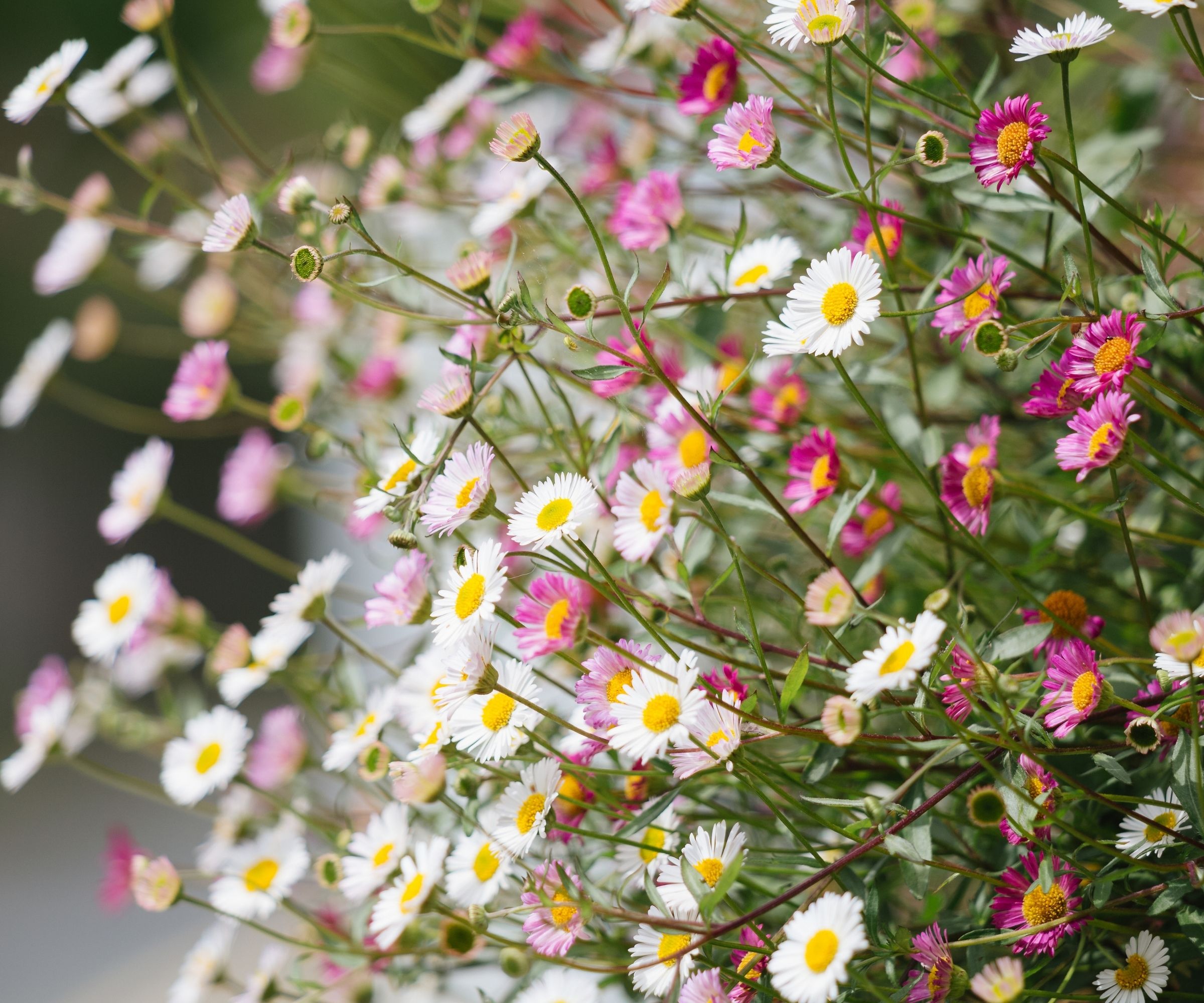
(Image credit: AL Hedderly/Getty Images)
Honestly? It might be the easiest container combination we’ve ever grown. The lavender occasionally needs replacing, especially after a wet winter. The salvia gets cut back every so often. But the Mexican fleabane simply keeps going, tumbling over the edges of the pot in a haze of flowers that the local bees and butterflies can't seem to get enough of.
It’s the sort of planting that almost seems to manage itself, and that, I think, is why this plant works so well in containers. After all, every container garden needs one plant that thrives on neglect, right?
Growing aggressive plants in pots allows you to enjoy their best qualities while keeping their worst habits under control. Instead of letting Mexican fleabane spread freely through borders or naturalized areas, the roots stay contained, and unwanted seedlings are far easier to spot and remove.
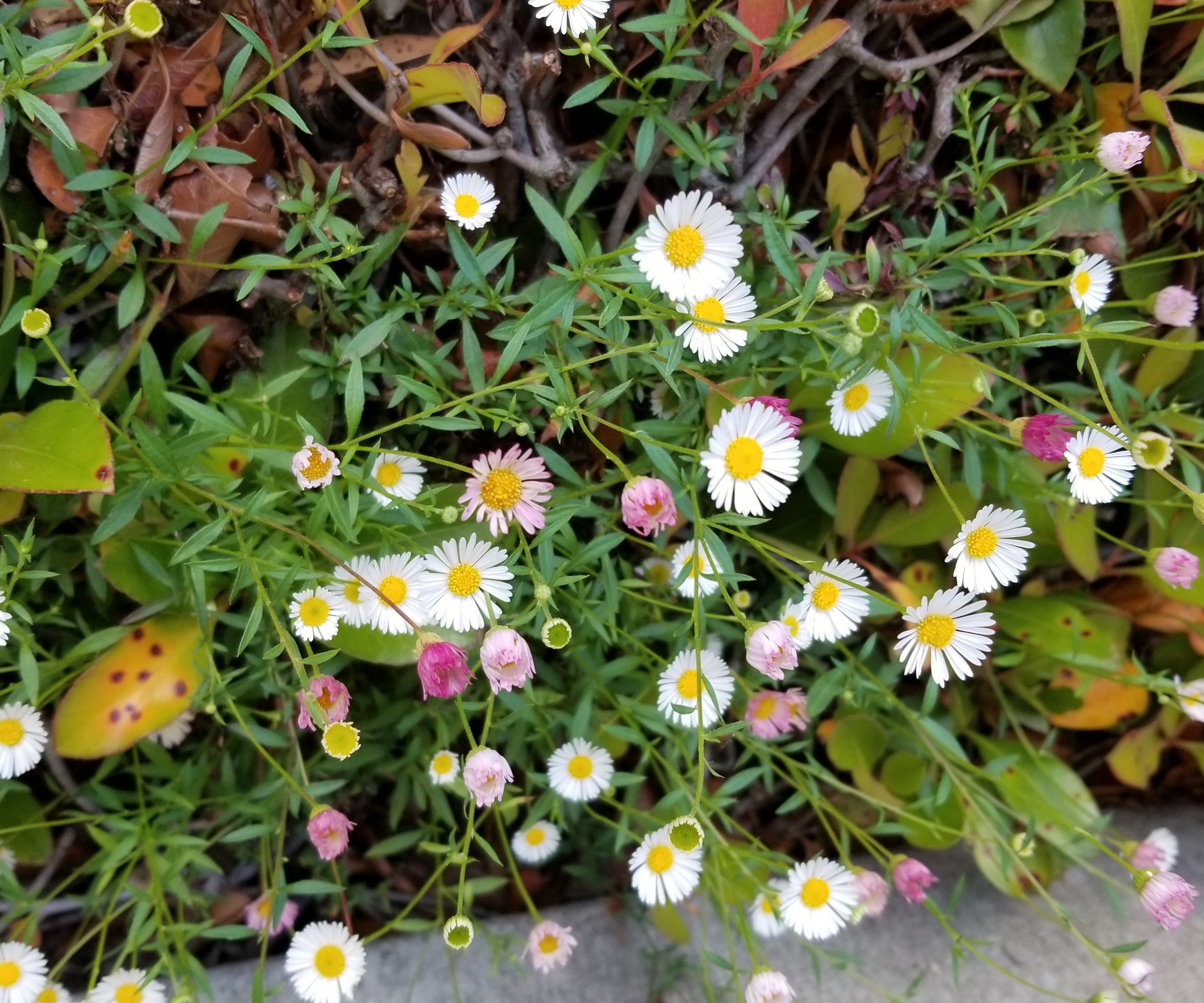
(Image credit: Getty Images)
For US gardeners considering growing it, it’s worth checking local guidance first, as invasive classifications vary by region and climate. Mexican fleabane generally thrives in USDA Zones 6–9 and loves full sun with well-draining soil. In warmer climates, it may spread more aggressively, particularly in gravel gardens, rockeries, and dry cracks where other plants struggle.
Still, as container plants go, it’s hard to beat. The flowers bloom for months, pollinators adore them, and the airy growth softens harder edges beautifully... although, to be fair, I do have a history of falling for slightly thuggish plants.
My neighbor’s passionflower regularly creeps over our fence, and although I know I should probably cut it back harder, I leave much of it in place because the bees love it so much. Earlier this spring, I was completely enchanted by a patch of Spanish bluebells that appeared in our garden seemingly out of nowhere – right up until I learned how aggressively they can outcompete native species and reduce biodiversity. Removing them felt oddly emotional.
Shop Container Garden Essentials:
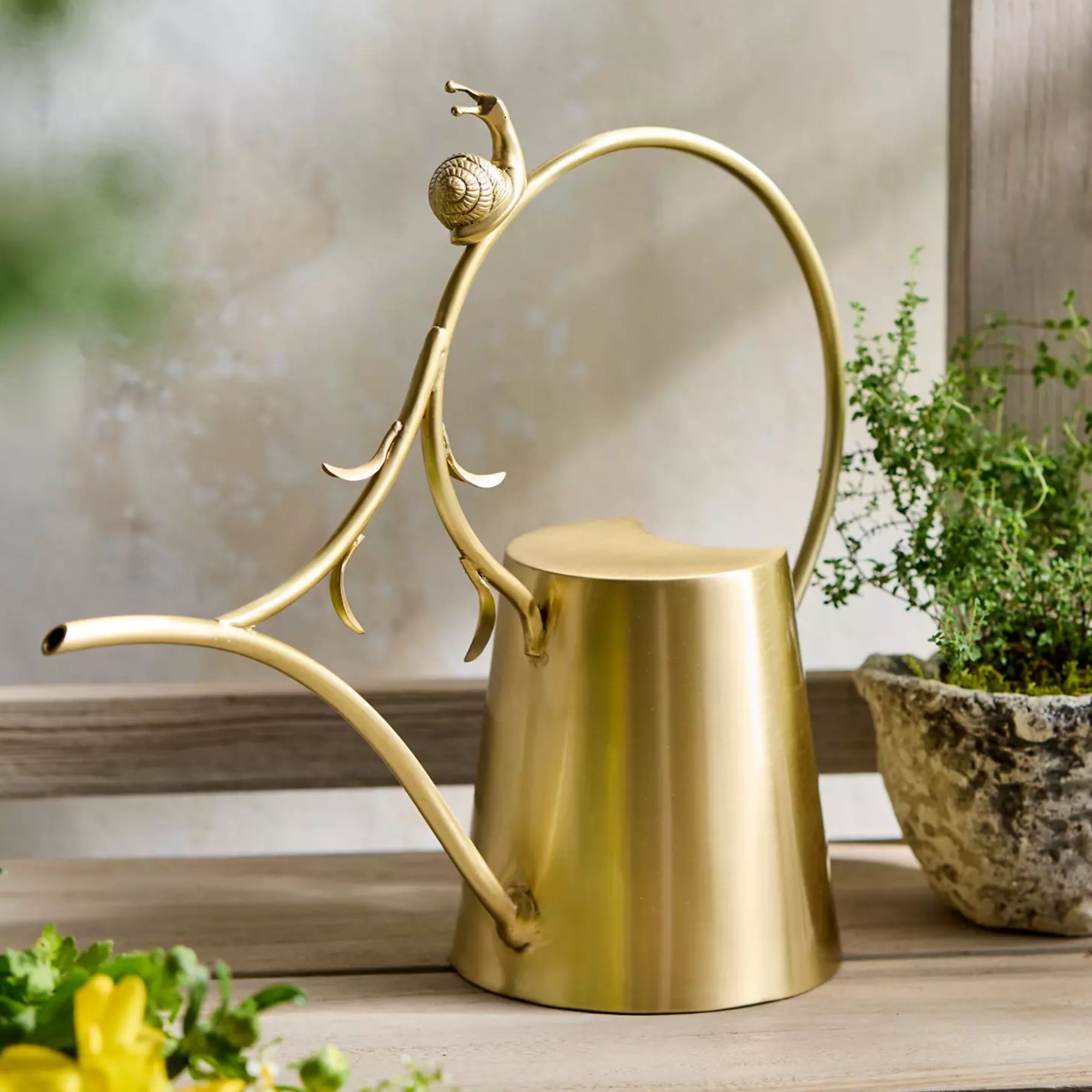
Terrain
Brass Snail Watering Can
Bold as brass, this watering can (and its cheeky snail friend) is a reproduction of a charming vintage find.
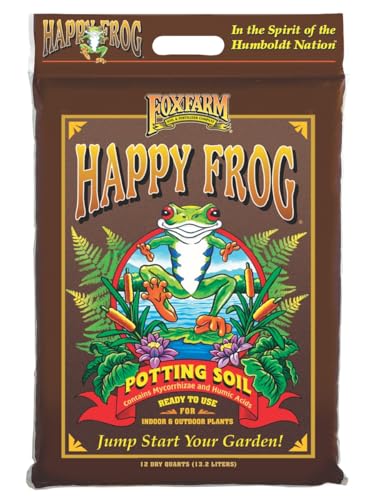
FoxFarm
Happy Frog Potting Soil
A favorite with our very own Tyler Schuster, this has been amended with earthworm castings, bat guano, and aged forest products for nutrient-rich goodness.
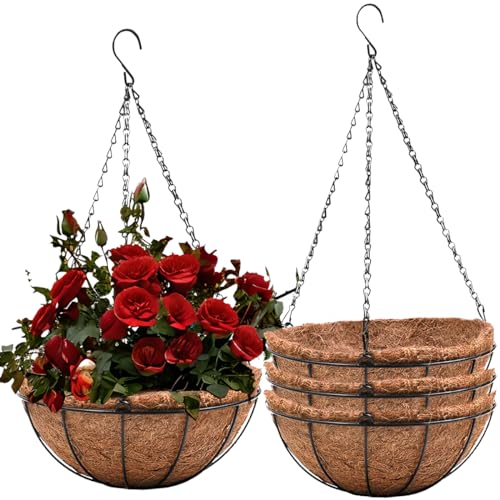
ArtFamy
Hanging Baskets for Plants
These sturdy hanging baskets use a coconut coir design, which makes for good air permeability and drainage.
I guess that’s the difficult thing about gardening: sometimes the prettiest plants are also the ones we need to handle most carefully. Mexican fleabane probably falls into that category too. I certainly wouldn’t recommend letting it loose near sensitive habitats or encouraging it to spread unchecked.
But contained in a pot, where it can spill gently over the edges without taking over the entire yard? I think it earns its place. After all, if life has taught me anything, sometimes a plant (much like a person!) can be both troublesome and completely irresistible. Maybe it's time we all lean into that.
















 English (US) ·
  French (CA) ·