

Trends come and trends go, and we’re not just talking heel heights and skirt lengths. Today, social media can bounce the popularity of a vehicle, a child’s toy, and even a species of dog in hours, and lots of folks will head out in search of one. And yes, this applies to garden plants as well. Garden trends and flower trends appear in a flash, only to get whisked away when something else blows into the limelight. Remember when manicured landscaping was all the rage? How about living walls?
Hyper-trendy ornamentals are often bred for viral shock value rather than real-world hardiness. When a temperamental trend-plant crisps up in a heatwave or succumbs to summer humidity, you’re left with a patchy border and plenty of disappointment. Chasing novelty requires constant intervention, and relentless fussing. So why not catch your breath and make some room for the plants that resonate beyond the trends – those flowers, perennials and shrubs that are always… just right?
We are here to advocate for the elegance and endurance of the forever classics that effortlessly outlive flash-in-the-pan trends. These timeless garden icons have done the heavy lifting in countless yards for years, and refuse to be categorized or treated as fads. While these “oldies but goodies” might appeal to trend-lovers for their vintage luxury, they are both a practical and a lovely choice for growers in any decade. Offering multi-season beauty, natural weather tolerance, and permanent curb appeal, it’s time to meet the anti-trend plants.
Grow Anti-Trend Forever Plants
For growers who have jobs, kids, friends, relationships, places to go and things to do, there’s a lot to be said for the garden classics. Timeless plants have survived generations of fluctuating weather patterns, shifting soil dynamics, and pests. They often offer deep root systems that cope with short droughts, and reliable flower power that attracts native pollinators year after year. So by stepping off the trend treadmill, you swap high-maintenance anxiety for effortless, multi-seasonal beauty.
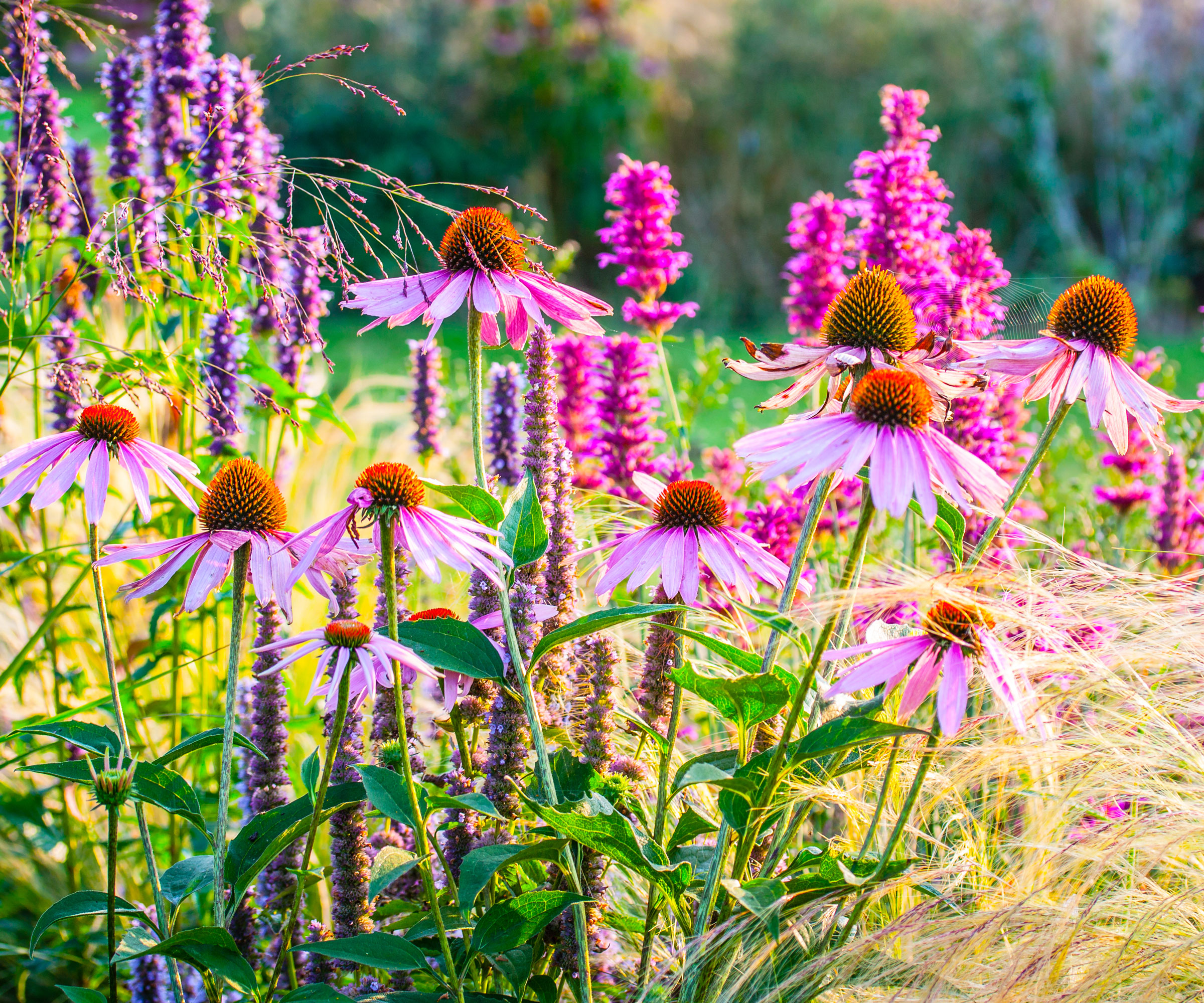
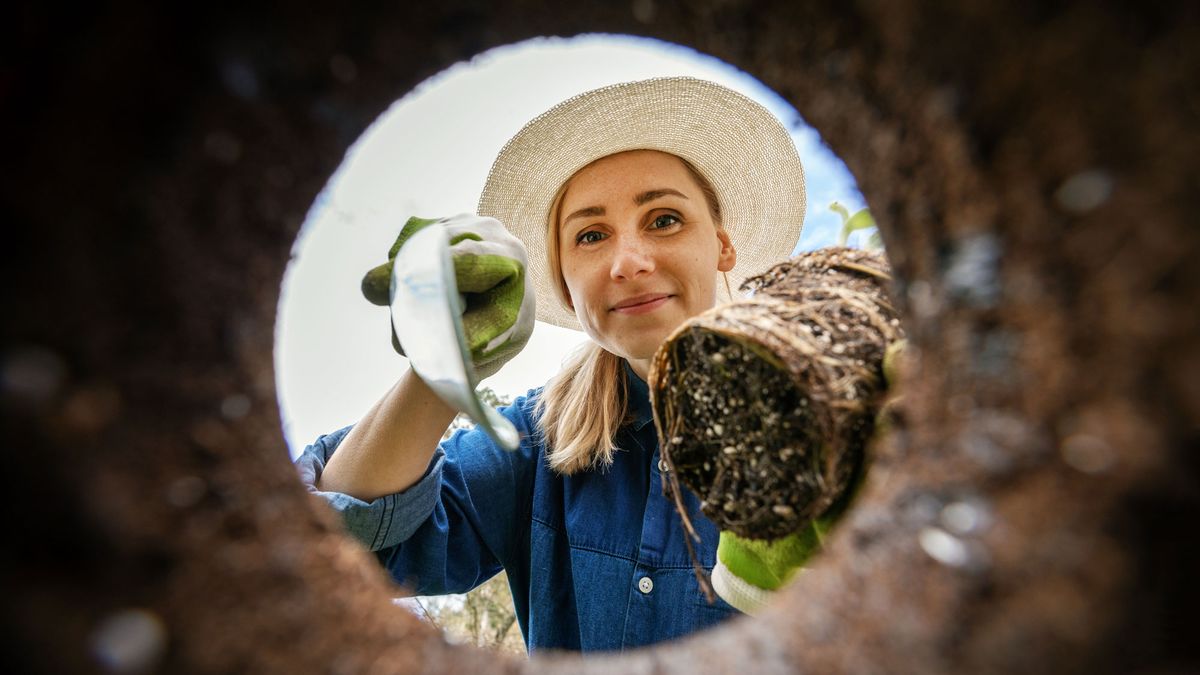
Can you plant these classics during the height of summer in July? You bet, provided you give them time to establish. Depending on your growing zone and local climate, midsummer heat means root systems need a little support ahead of autumn. Before planting, check your site’s moisture retention and drainage with the help of a good soil meter tool, like the XLUX Soil Moisture Meter from Amazon.
(Image credit: © Frédéric Collin / Getty Images)
Heavy clay holds excessive water, while overly sandy soils let nutrients wash straight through. A little perlite or coarse sand can help improve drainage, while sprinkling organic matter (such as aged compost) in the planting hole can cushion young roots against thermal shock. After planting, add a 2-inch (5 cm) layer of organic mulch such as Back to the Roots Organic Premium Mulch from The Home Depot to suppress weeds and regulate temperatures. You’re then ready to meet the lush and lovely plants that have stood the test of time.
1. Old-Fashioned Bleeding Heart
(Image credit: Cyndi Monaghan / Getty Images)
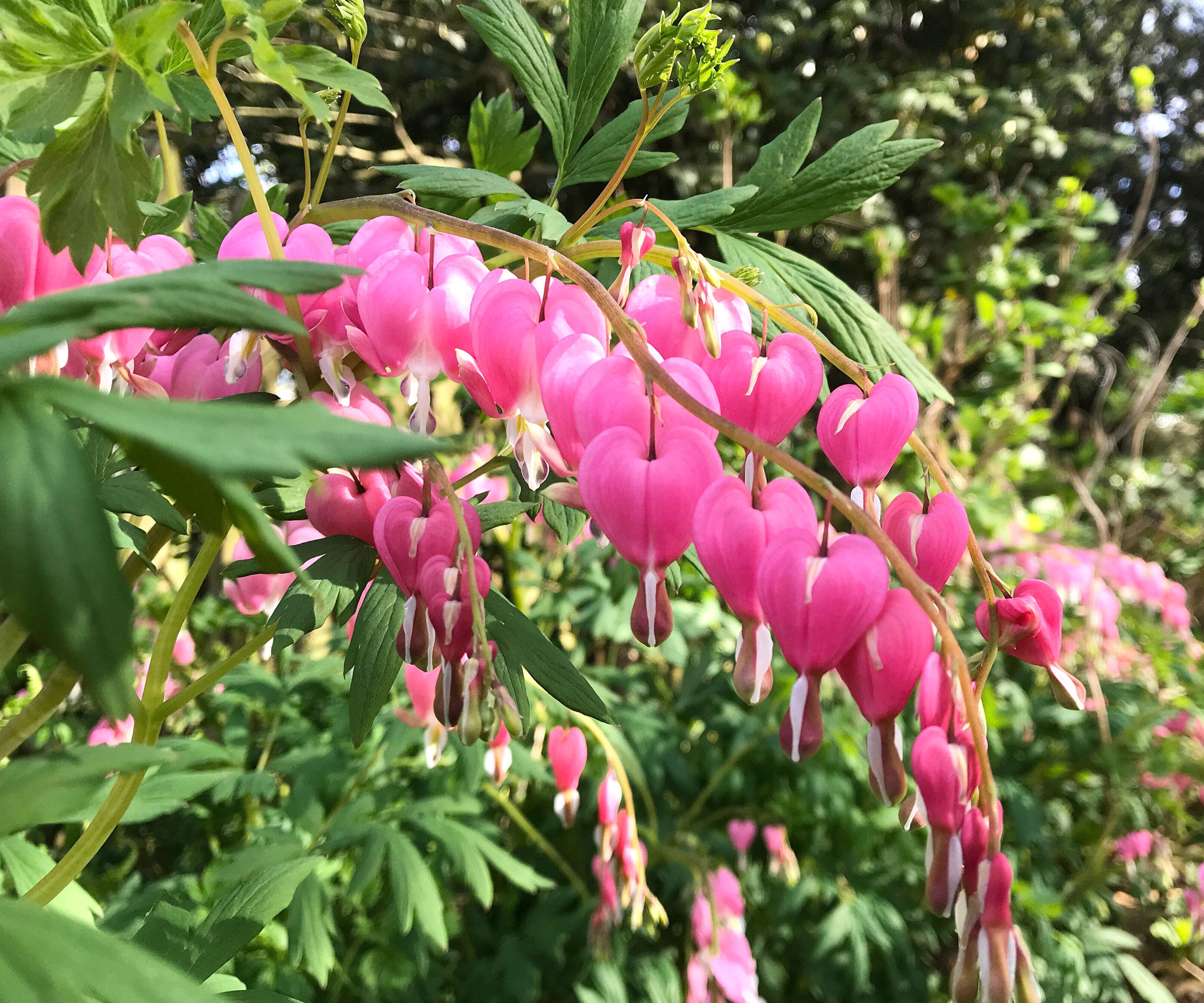
The trending gift for Valentine’s Day is the heart-leaf hoya (H. kerrii), a single, plump green succulent that, over time, develops into a vine of succulent hearts. It’s cute, but it doesn’t have the style or history of an old-fashioned bleeding heart. Ask your grandparents if their childhood garden included these flowers (Lamprocapnos spectabilis, formerly Dicentra spectabilis). This unusual and eye-catching plant was called the finest hardy perennial of the 19th century.
Today, this dainty ornamental is a favorite of the perennial shade garden. It’s easy to grow, blooming profusely in early spring and early summer, with heart-shaped flowers dangling from arching stems. Plant old-fashioned bleeding hearts in a part-shade location in zones 2-9. Pair its soft, weeping silhouette with structured companions like broad-leafed hostas, Japanese painted ferns, or astilbe. You can buy Old Fashioned Bleeding Heart from Nature Hills as live plants.
Plant in partial to full shade, keeping it sheltered from afternoon sun. You can add Down To Earth Organic Crab Meal (4-3-0) from Amazon for a slow-release soil amendment that builds resilience. The flowering season ends when summer warmth rolls in. Cut back the leaves and stems as they wither, and reduce watering as the plant goes dormant, and you will see these enchanting hearts again next year.
2. Oakleaf Hydrangea
(Image credit: Billy_Fam / Getty Images)
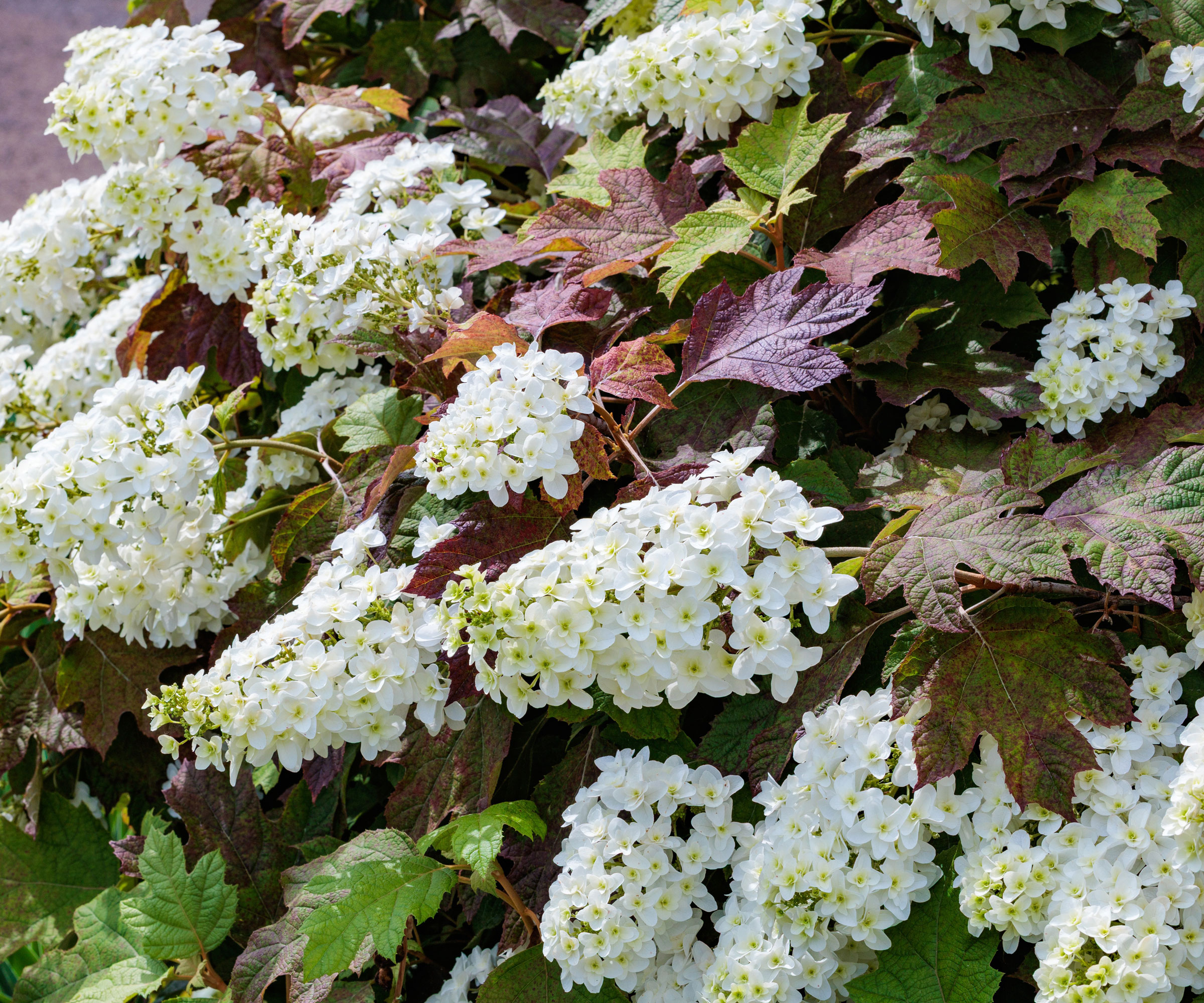
Oakleaf hydrangea (H. quercifolia) is not one of those trending hydrangeas that shoots up in a matter of months or has neon shades, like Let's Dance Rave. Instead, this native deciduous shrub grows slowly, topping out at 4-8 feet (1.2-2.4 m) tall with long-lasting flower clusters. They appear snowy white, fading to antique rose. For extra wow factor, the leaves are shaped like oak leaves. Unlike other hydrangeas which can flop in the heat, the oakleaf is a uniquely tough North American native.
These varieties just need well-draining, acidic, nutrient-rich soil. Water well in June and add a thick layer of mulch to keep the soil moist. An organic feed, such as Espoma Organic Holly-Tone Fertilizer from Walmart, helps to keep foliage lush and healthy. This shrub handles drought and heat far better than trendy mopheads once established in zones 5-9. For the timeless lacey look, try Snowqueen, Snowflake, or Proven Winners Gatsby Glow Ball Oakleaf Hydrangea from Fast Growing Trees.
3. Purple Coneflower
(Image credit: Fasil Tiru / 500px / Getty Images)
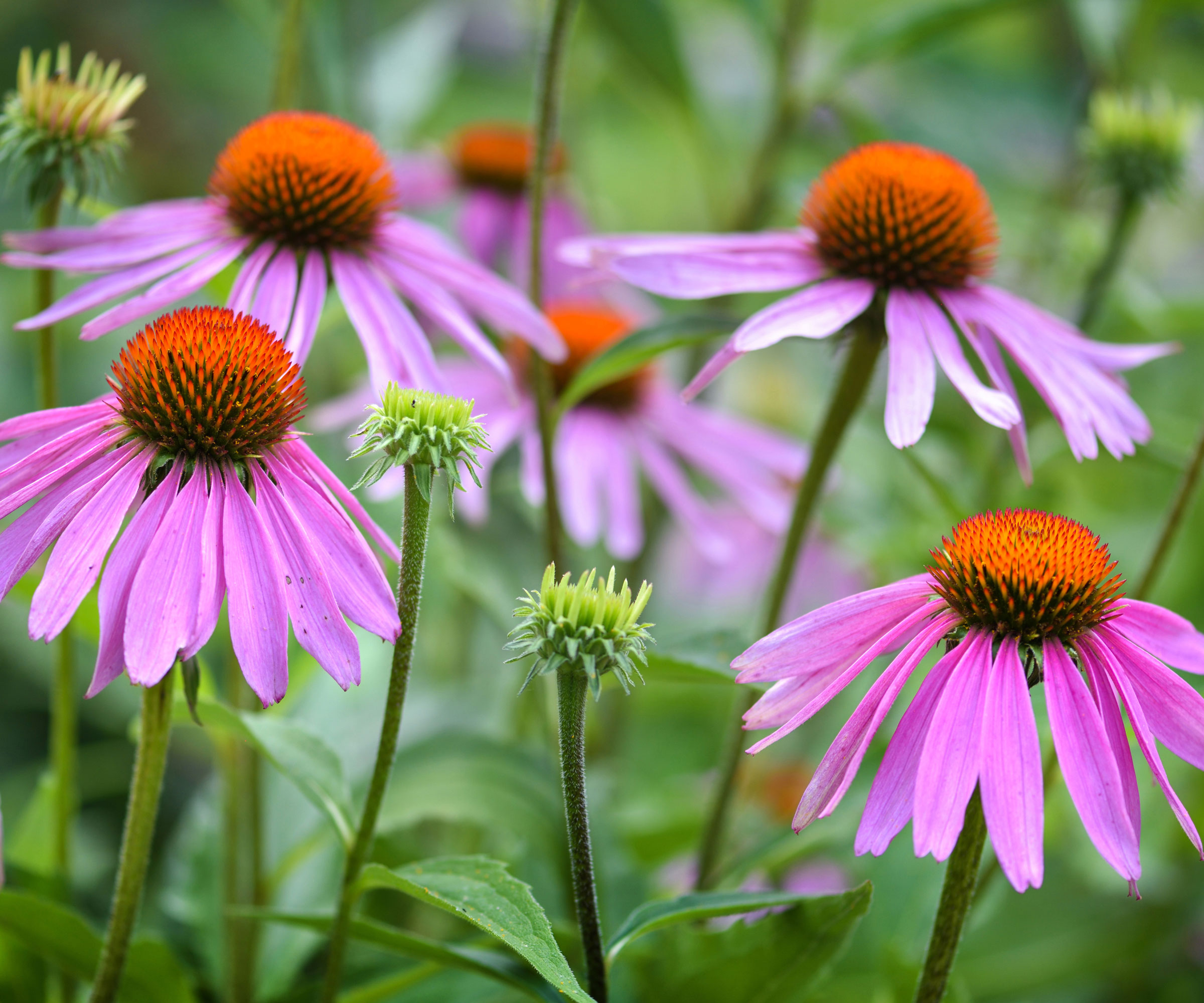
I’ve noticed a trend this year for soft pastels. Faded Petal, a blush-gray hue, was named as Garden Media Group’s 2026 Color of the Year. But I say, go for bright purple! Gardeners of old loved purple coneflowers (Echinacea purpurea) for all the reasons they are considered easy-care perennials today. As species plants, they are hardier than recent hybrids, and give wildlife better access to nectar and seeds. Flowers appear in midsummer and last right through the growing season. They may not be trendy, but they are tough and pretty.
You can buy American Beauties Native Purple Coneflowers from Plant Addicts for large tufty orange cones flanked with bubblegum purple petals. These classic perennials just need a site with direct sun and well-draining soil in zones 3-8. Water well if the weather is dry. A little Down To Earth Organic Fish Bone Meal (3-16-0) from Lowe's can also help forge deep root development for continuous midsummer blooms.If you deadhead early flowers in June, it encourages extra blooms later in summer. Leave some late fall seed heads intact for wintering goldfinches.
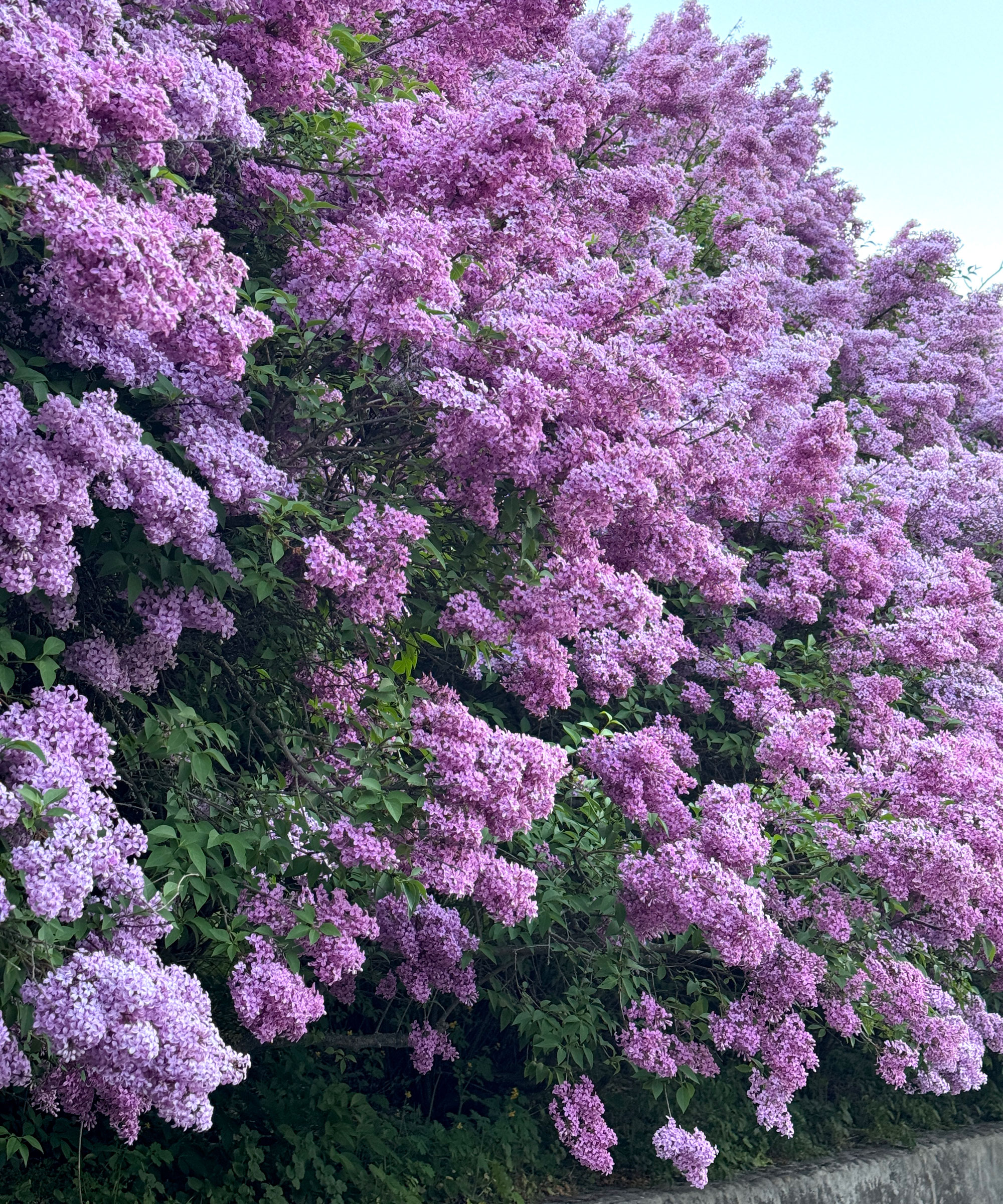
4. Common Lilac
(Image credit: Yuliia Kokosha / Getty Images)
Lilac (Syringa vulgaris) has been part of cottage gardens for centuries, so it makes sense that it isn’t considered trendy. Rather, it’s an old-fashioned and long-lived flowering shrub, beloved for its fragrant blooms. The species plant can grow to 16 feet (5m) tall and 12 feet (4m) wide, with soft purple flowers blooming in May. Hardy across USDA zones 3-7, a well-sited lilac bush routinely outlives the gardener who planted it. You can buy Common Purple Lilac from Fast Growing Trees as live plants for a generous, low-maintenance bloomer that butterflies adore.
These shrubs just need 6-hours a day of direct sunshine and loamy, well-draining soil. If it is hot, give them a deep drink from time to time. If you’d like to improve ground conditions, you can buy Wakefield Premium Biochar Soil Conditioner from Lowe's to improve aeration, balance drainage, and prevent nutrient leaching. Just don’t prune late in the summer or fall, or you’ll accidentally be cutting off next spring’s exquisite floral display. Instead, prune within two weeks after blooming finishes.
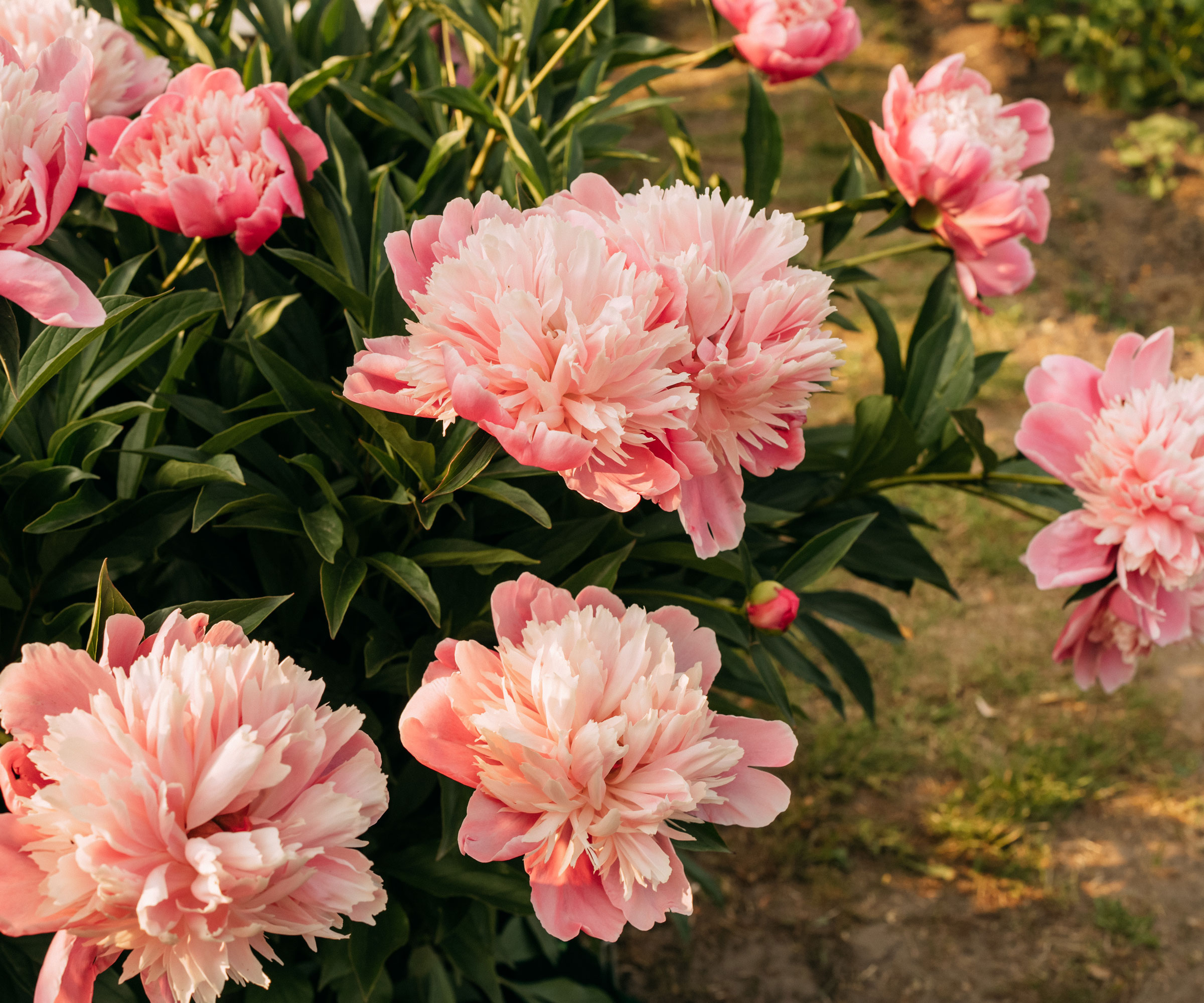
5. Peony
(Image credit: Svetlana Repnitskaya / Getty Images)
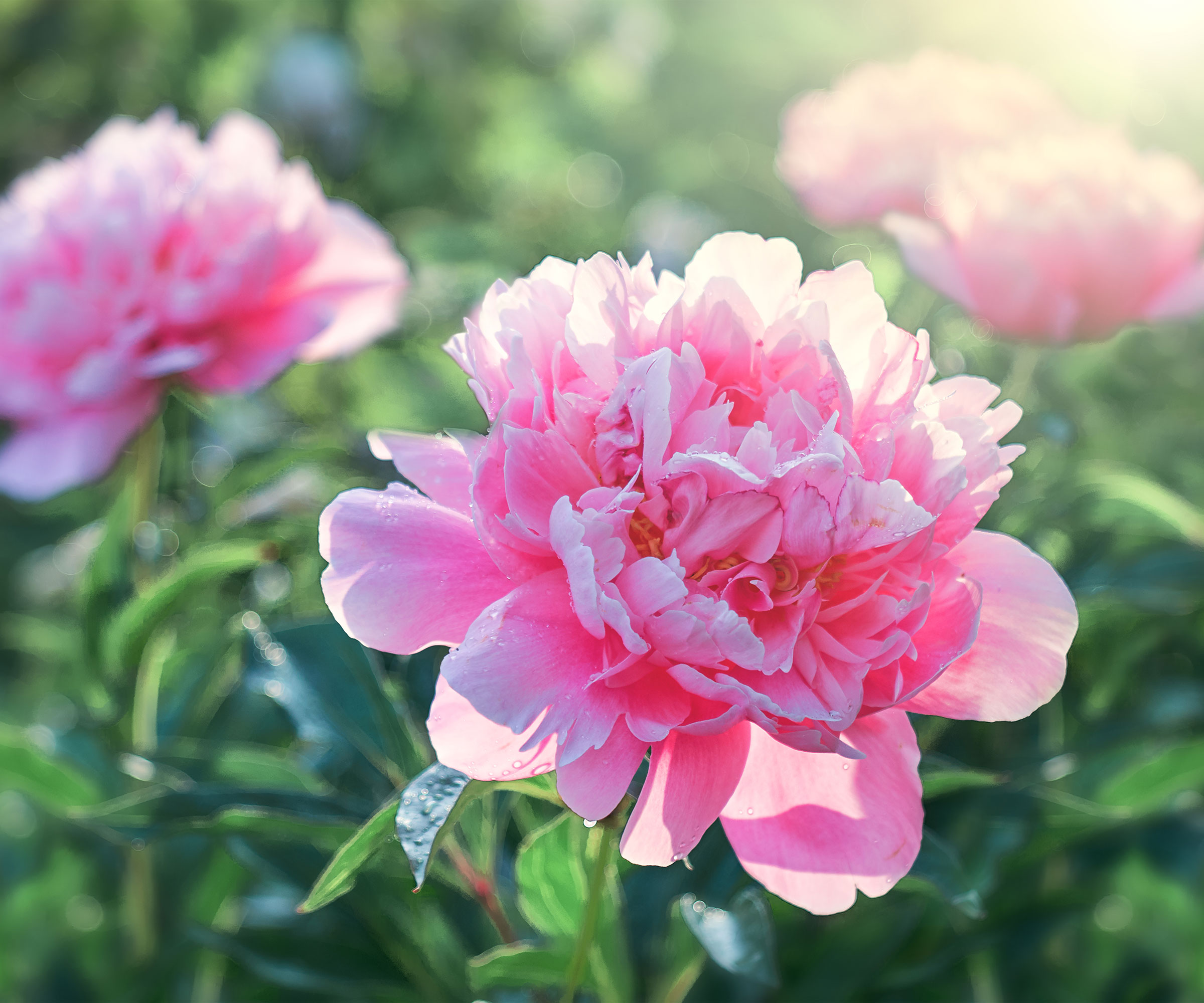
Calling peonies (Paeonia spp.) old-fashioned classics is a bit of an understatement. They are among the oldest species of plants and have been grown in Asian gardens for thousands of years. After the colonists brought the first peonies to America, their popularity grew quickly, and by the early 20th-century, they were adored by many. These days, there’s so much to love about a peony. Producing heavily scented blooms, from silk-like singles to lush, ruffled doubles, they bring unmatched luxury. And the plants belong in your will, since they can live longer than their owners. If you’re stuck for choice, you can’t go wrong with hot pink Paeonia ‘Kansas’ or fluffy mammoth ‘Sarah Bernhardt’, both available from Plant Addicts.
Peony plants require little maintenance, if you plant them in a proper location. They just need at least six hours of sun, shelter from winds, and deep, fertile, moist soil in zones 3-8. Peonies bloom from late spring through early summer. Don’t cut back green foliage right after flowering finishes, but let the leaves stand to gather energy for next year's display. Peony foliage can be susceptible to powdery mildew and botrytis blight. Spray a little bio-fungicide, such as Arber Organic Bio-Fungicide Concentrate from Walmart, to keep leaves in good shape through fall.
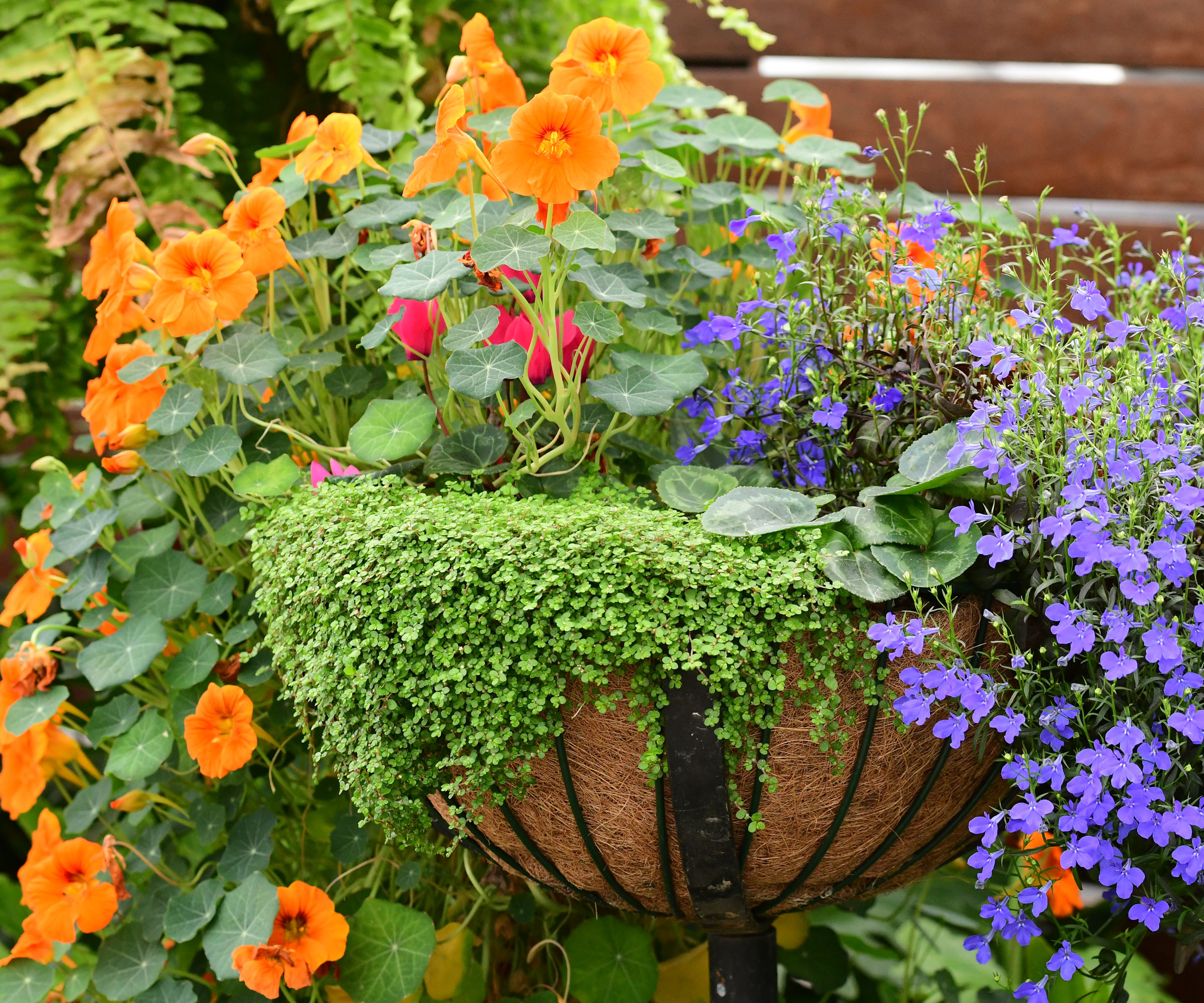
6. Nasturtiums
(Image credit: Outback to Coast / Getty Images)
With succulents trending as easy-care filler plants this year, you aren’t likely to see photos of nasturtium on Instagram. But these old-fashioned classics are as vibrant and long-flowering as they come. My grandmother grew nasturtiums (Tropaeolum majus) in New Jersey, her grandmother grew them in Poland, and now I grow them in San Francisco and France. This cottage garden classic with its bright bugle blooms, can grow almost without any effort. The seeds are big, they germinate within a week, and they flower through fall. Oh, and they reseed readily in zones 9-11.
For an elegant, classy twist on the conventional (very lovely) tones, there are some lovely heirloom options, such as salmon soaked Vesuvias, available from Eden Brothers as seeds. Or, if you can’t decide on one color, opt for Supernova Mixed Nasturtiums, available from Burpee as seeds, for a rainbow of abundant petals. Nasturtiums delight in poor, lean soils where other ornamentals struggle. Where soils are compacted or heavy clay, just add a few scoops of coarse sand, or Hoffman Western Desert Sand from Walmart, into the planting site.
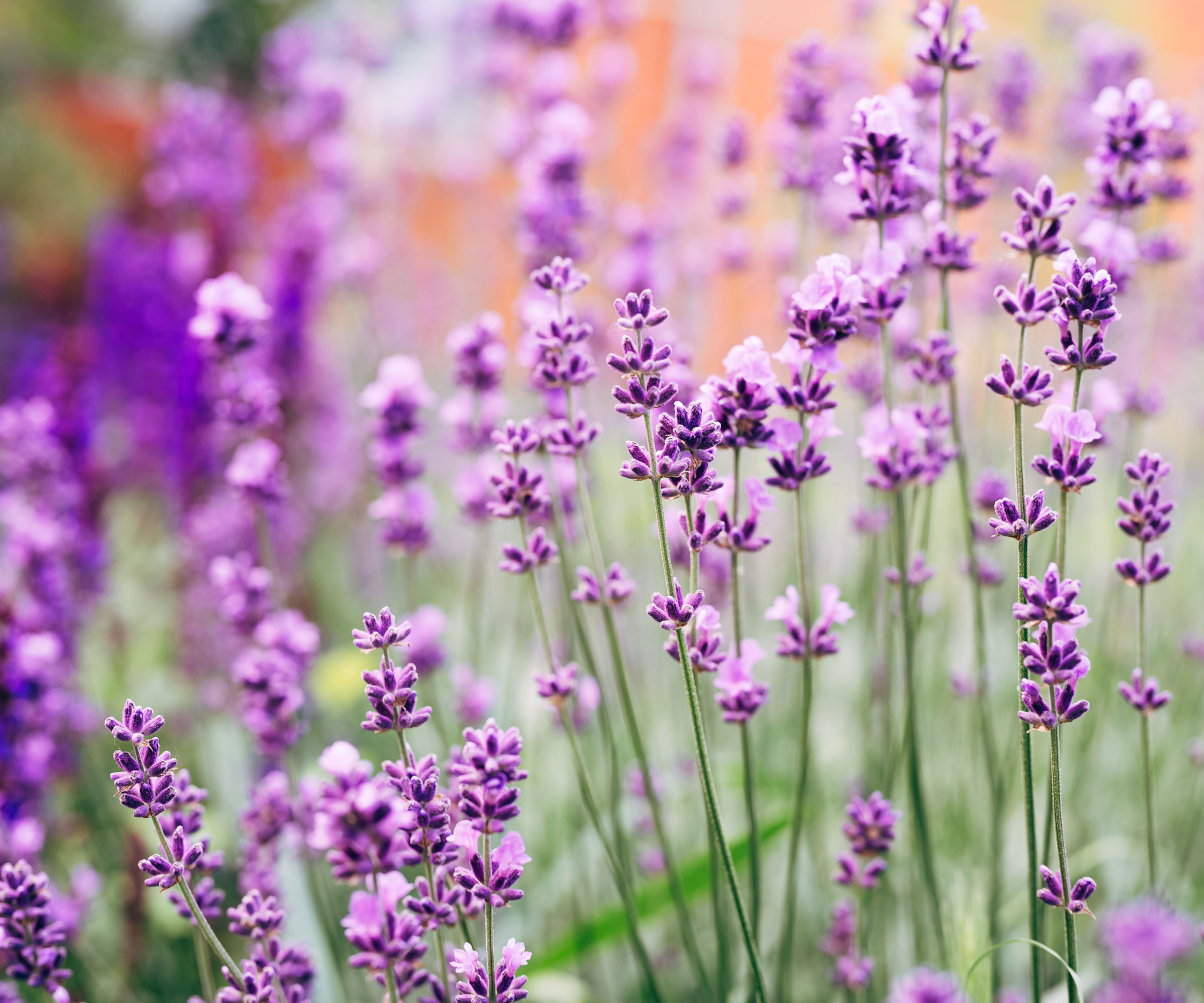
7. Lavender
(Image credit: Viktoriya Skorikova / Getty Images)
Graceful, understated, instantly identifiable, and effortlessly elegant, lavender (Lavandula) is like the Audrey Hepburn of your yard. It doesn't rely on gimmicks, just structured foliage, silvery stems, and fragrant flower spires that delight the local bees and butterflies. For compact borders, pathway edging, and cold winter hardiness, English lavenders (L. angustifolia) like Hidcote and Munstead are perfect. If you have muggy midsummers, grow lavandins (L. x media) like Phenomenal, which is resistant to winter dieback, root rot, and humidity, while producing oil-rich flower wands that fill the air with scent. Buy Southern Living Phenomenal Lavender from Fast Growing Trees.
Thriving across zones 5-10, this Mediterranean native loves lean soil. Plant it in full, unshaded sun and sharply draining soil. If your ground is heavy clay, mix in some coarse sand. Cut back stems by one-third after blooming to maintain a tight, bushy mound, but avoid cutting into old woody stems. To keep your plants thriving year after year, just sprinkle a small handful of a gentle all--purpose feed like Espoma Organic Plant-Tone Plant Food from Amazon around the base. Pair with coneflower or ornamental grasses for a sunny border that never goes out of style.
Shop Anti-Trend Essentials
(Image credit: Serhii Brovko / Shutterstock)
Selecting resilient, time-tested perennials and shrubs midsummer is just the beginning of an epic love affair that can last a lifetime. And now is a great time to start with these plants. By skipping delicate trend-plants in favor of proven, weather-hardy classics, you can cultivate an inviting, high-end layout that matures beautifully with every passing year. So why not establish your yard's forever style today?
Timeless Trio
 Heirloom Luxury
Plant Addicts
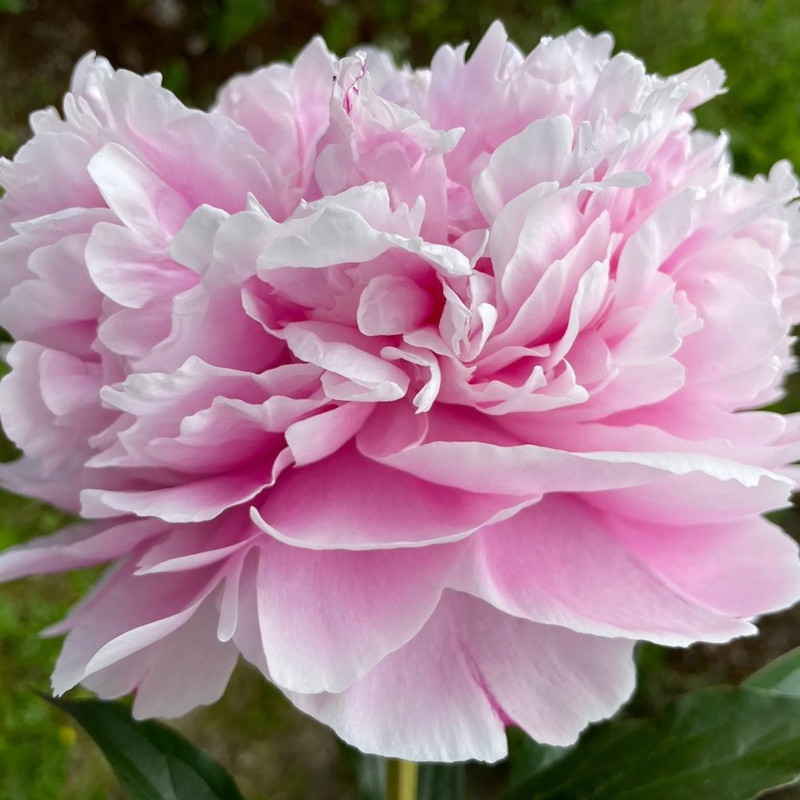
Pink Sarah Bernhardt Peony
Featuring ruffled, pale-pink double blooms with a sweet scent, this historic peony variety brings vintage luxury to sunny borders. Highly durable in zones 3-8, it grows more breathtaking with each passing decade.
 Iconic Structure
Fast-Growing-Trees.com
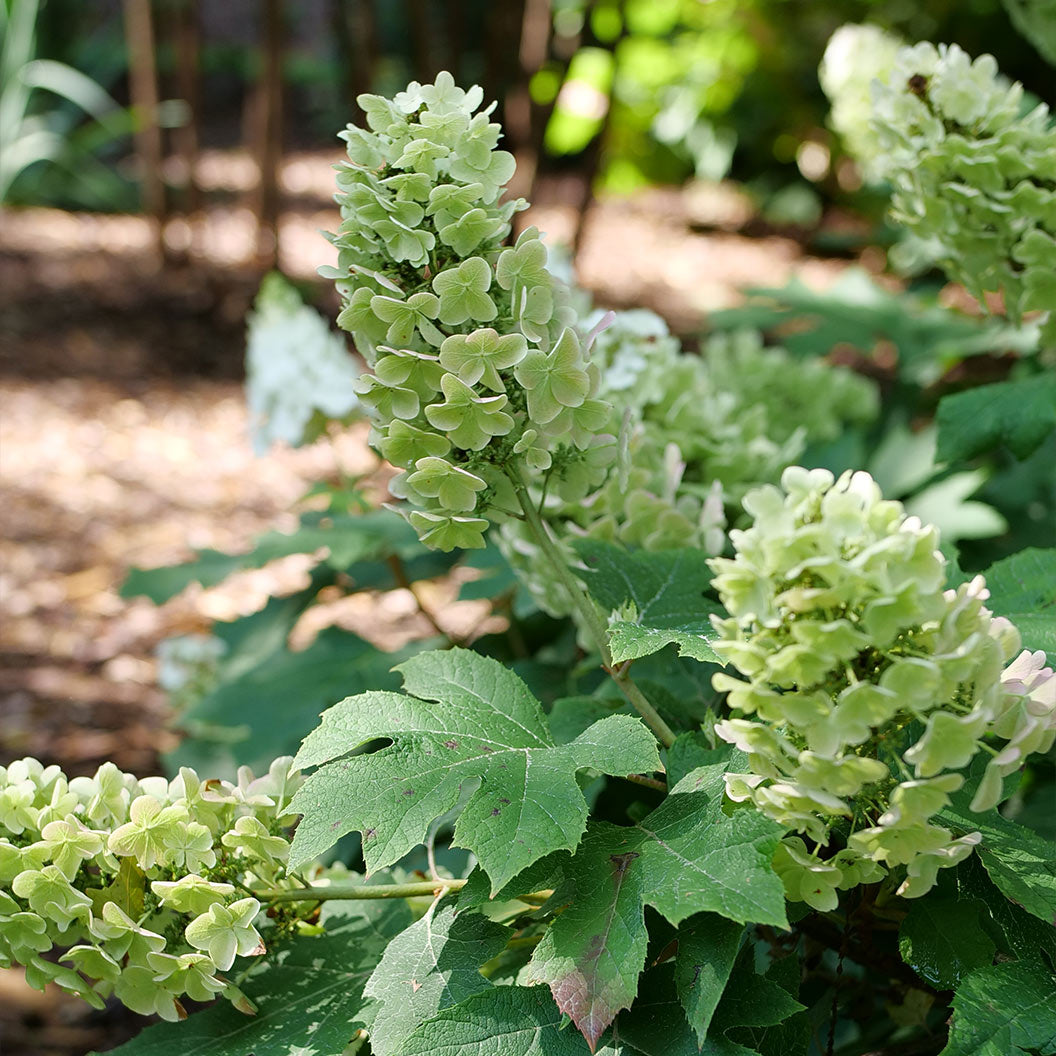
Proven Winners® Gatsby Glow Ball™ Oakleaf Hydrangea
This native shrub features massive green-white flowers that mature to soft pink over oak-like foliage. It delivers exceptional hardiness and multi-season allure in zones 5-9.
 Pastel Forager
Eden Brothers
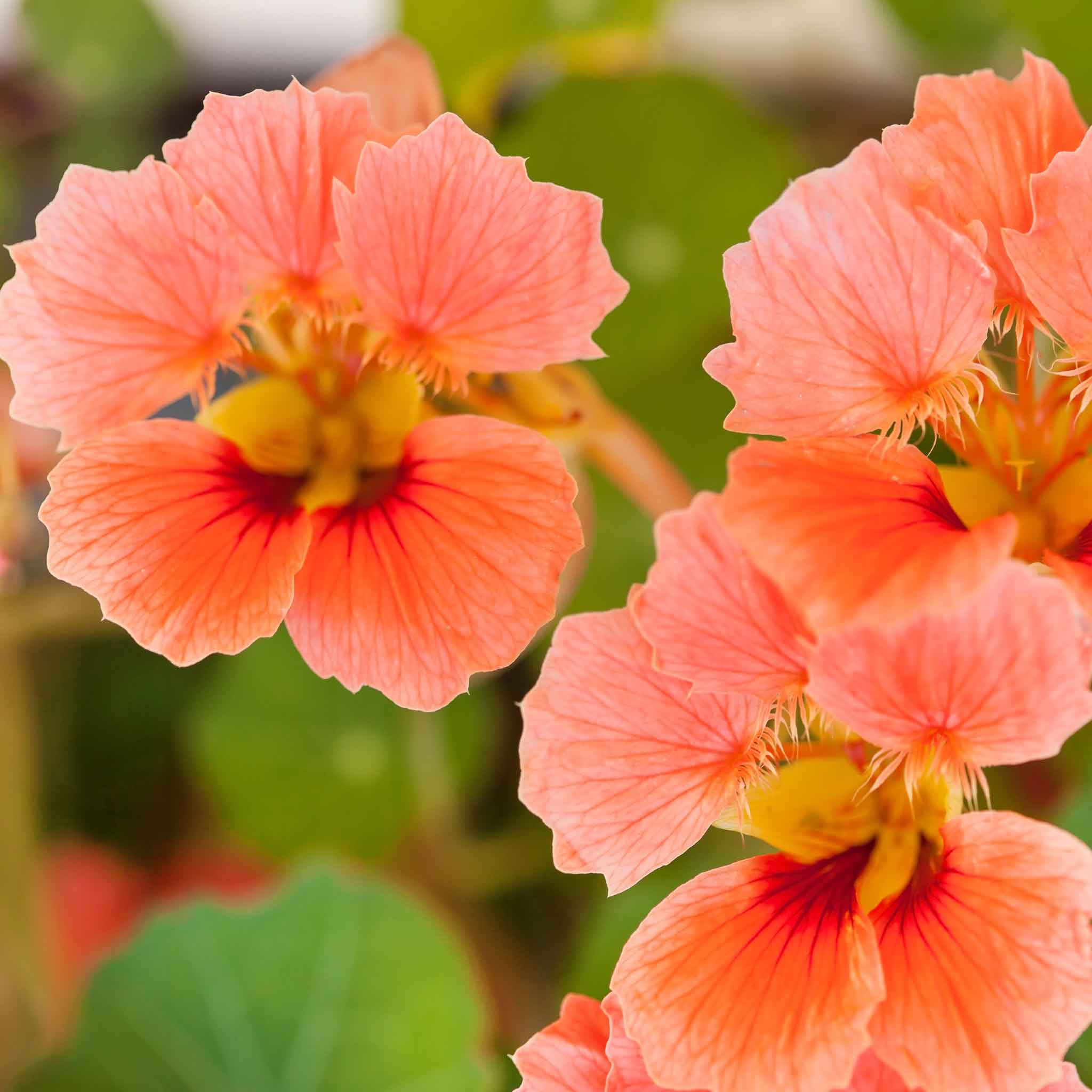
Nasturtium Vesuvius Seeds
An elegant twist on traditional orange nasturtiums, 'Vesuvius' offers watercolor salmon-pink blossoms over lily-pad style foliage. Fast-growing, edible, and drought-tolerant, this beauty thrives on neglect across all growing zones.
Need more ideas for getting the most from your plants, indoors and out, and looking for the best seasonal expert advice delivered straight to your inbox? Sign up for the free Gardening Know How Newsletter!

















 English (US) ·
  French (CA) ·