

One small scoop goes into every fall planting hole I dig – and synthetic fertilizer has nothing to do with it. What is inside that little scoop is alive and can give key garden plants a genuine boost. And to do its miraculous job, it just needs to make direct contact with a plant’s roots while the fall soil is still cozy and warm…
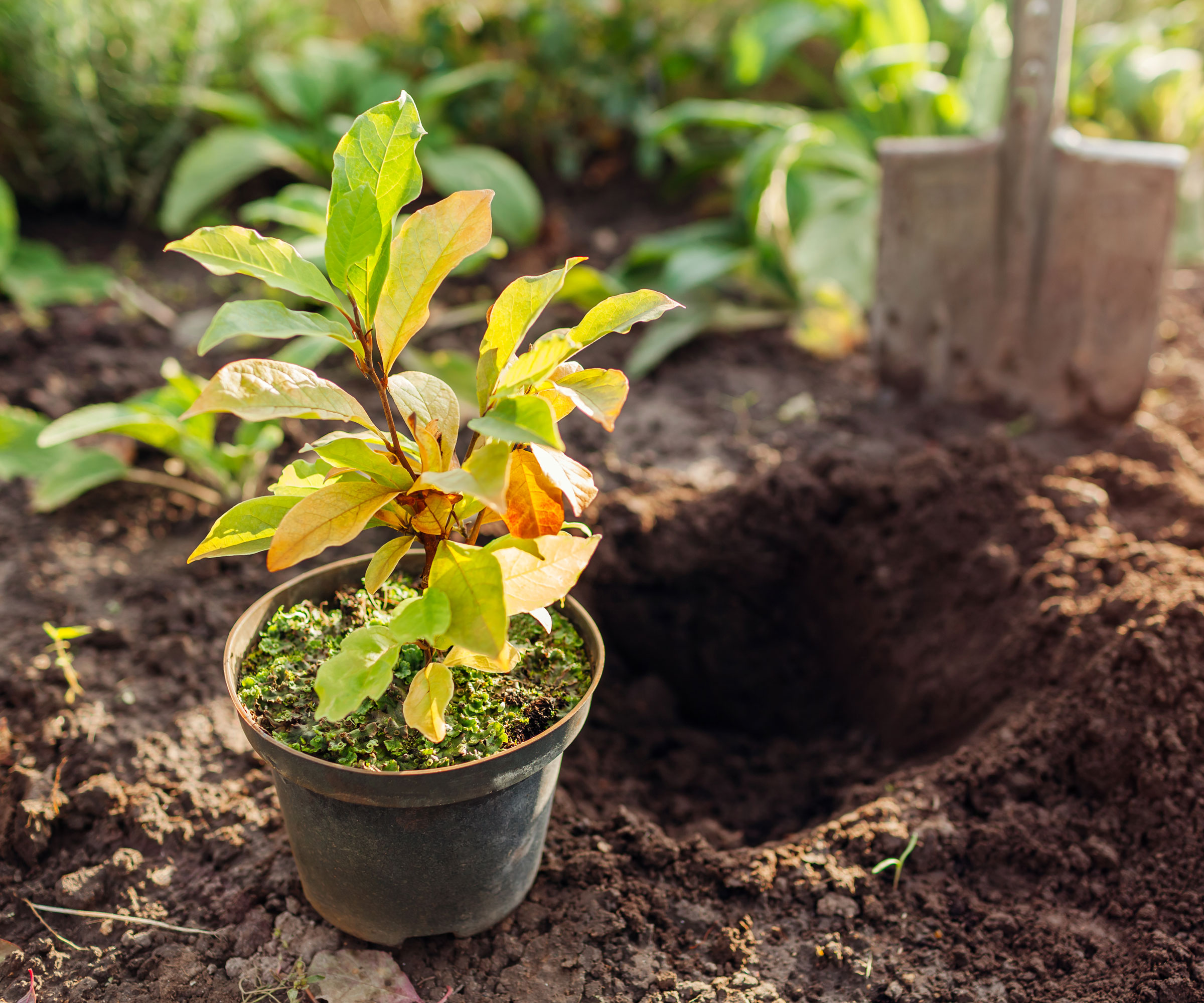
Most traditional fall planting advice will walk you through the basics of digging the hole. Dig it twice as wide as the rootball, keep it no deeper than the original nursery pot, and backfill with native soil. And that’s all fine, but there’s another special element to fall planting that can give a special boost. Before any new shrub or perennial drops into the ground at my place, its roots receive a light dusting of mycorrhizal fungi first. Say what, I hear you ask? Well, I spend a lot of time with mushroom cultures in the lab, so call me biased. But you don’t need a microbiology degree to harness the magic of these special fungi in your backyard.
Beneficial mycorrhizal fungi are not fertilizers. They are living partners that form a lifelong underground network with host plant roots. Fall gives that partnership one of its best starts of the year. However, a couple of details frequently get overlooked by home gardeners: exactly where the fungi must be applied, and how warm the soil needs to be when you introduce it. Getting this right transforms your late-season planting success. Here’s how this simple root dusting can supercharge your fall shrubs and perennials.
Understanding Mycorrhizal Fungi
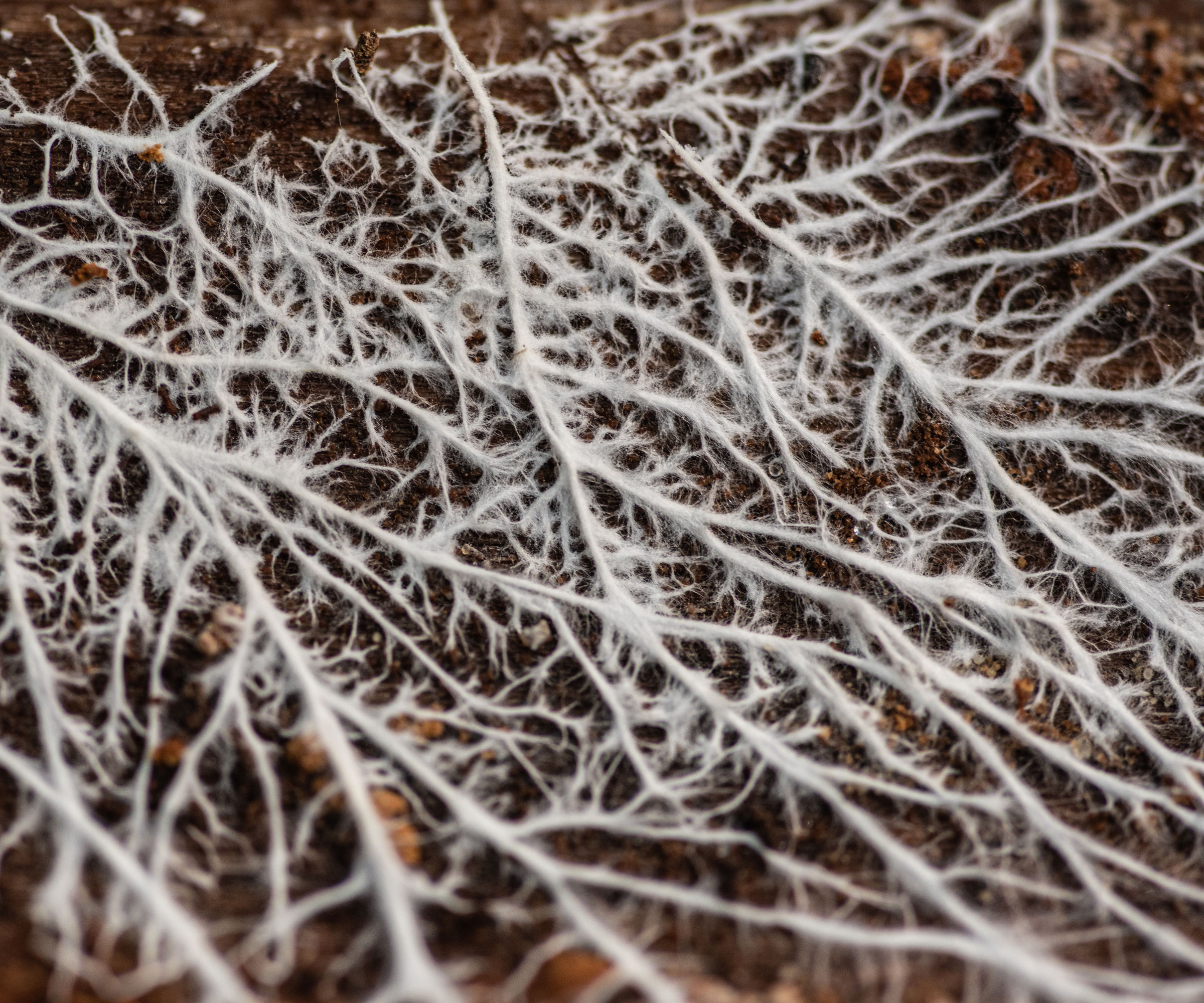
At its core, mycorrhiza is a mutually beneficial partnership between a soil fungus and a living plant root. The fungus sends out millions of microscopic, thread-like filaments called hyphae. These fine threads act as an extension of the plant's own root system, mining the surrounding soil for locked-up moisture and essential minerals. These minerals include phosphorus, which powers root growth and vibrant blooms. In return, the host plant pays the fungus in sugars created through photosynthesis.
(Image credit: Angela van Oeffelen / Getty Images)
Retail inoculants usually contain 2 main types of fungi: endo (which penetrates inside the root cells of soft-stemmed perennials, roses, fruit trees, and vegetables) and ecto (which forms a protective outer sheath around the roots of woody trees like oaks, pines, birches, and beeches). Unlike edible mushrooms, which can grow happily on decaying wood or sterilized grain, these specialized garden fungi cannot survive or multiply without living host roots. That is why buying fresh, high-quality inoculants matters so much when you are setting out your late-season plants.
How to Apply Mycorrhizal Fungi
(Image credit: Art Directors & Trip / Alamy)
On its own, a fungal spore can only germinate and grow a tiny distance through the dirt before it starves. If it fails to find a living root to attach to within a few days, it dies. This is why you shouldn’t stir your fungal inoculant into a wheelbarrow of backfill soil or mix it loosely into a garden bed. Spreading a scoop throughout pounds of surrounding dirt guarantees that most of the spores end up buried inches away from the rootball, where they will rot unused before roots ever reach them. And fall doesn't leave many warm weeks for new roots to grow out and find it.
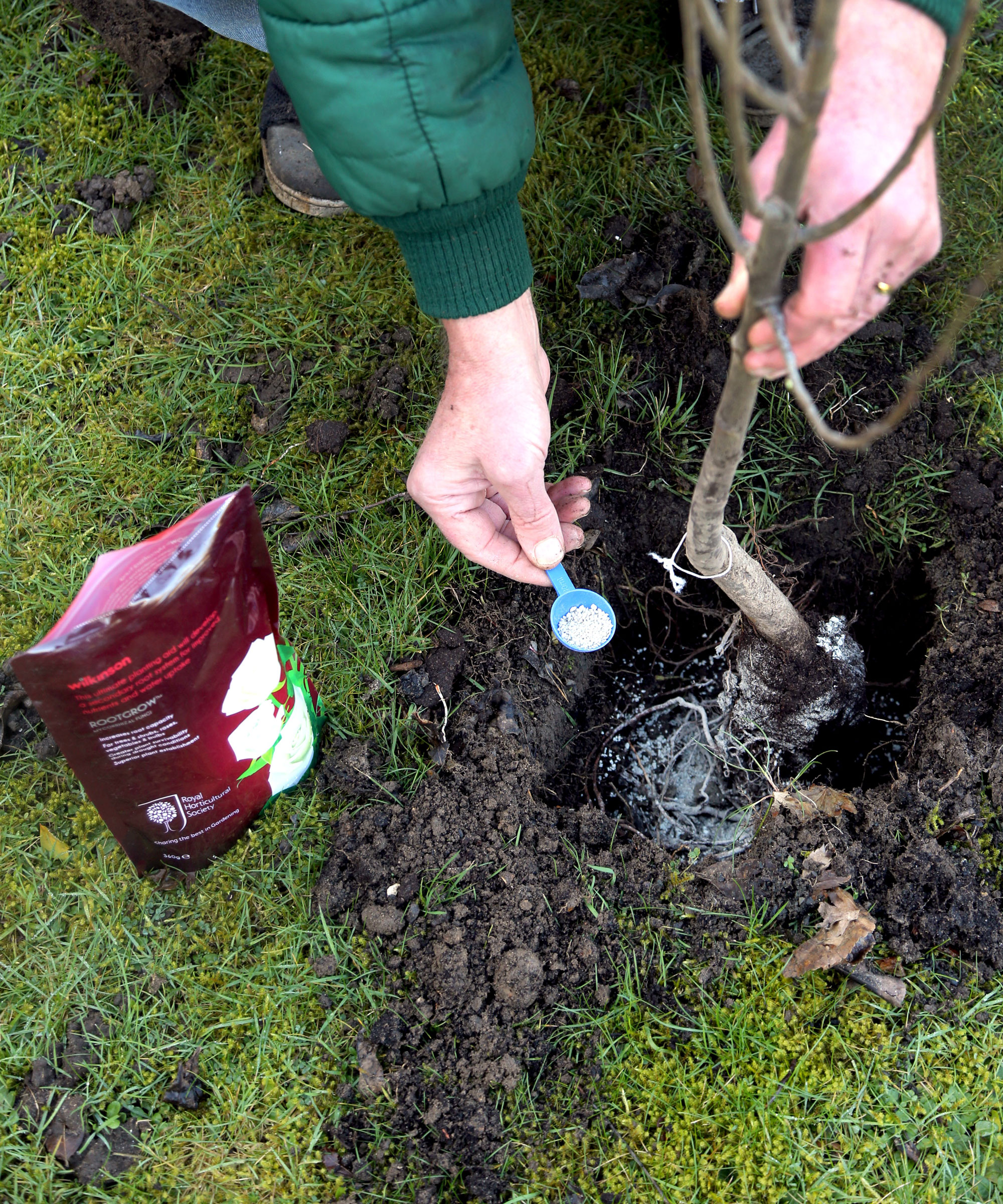
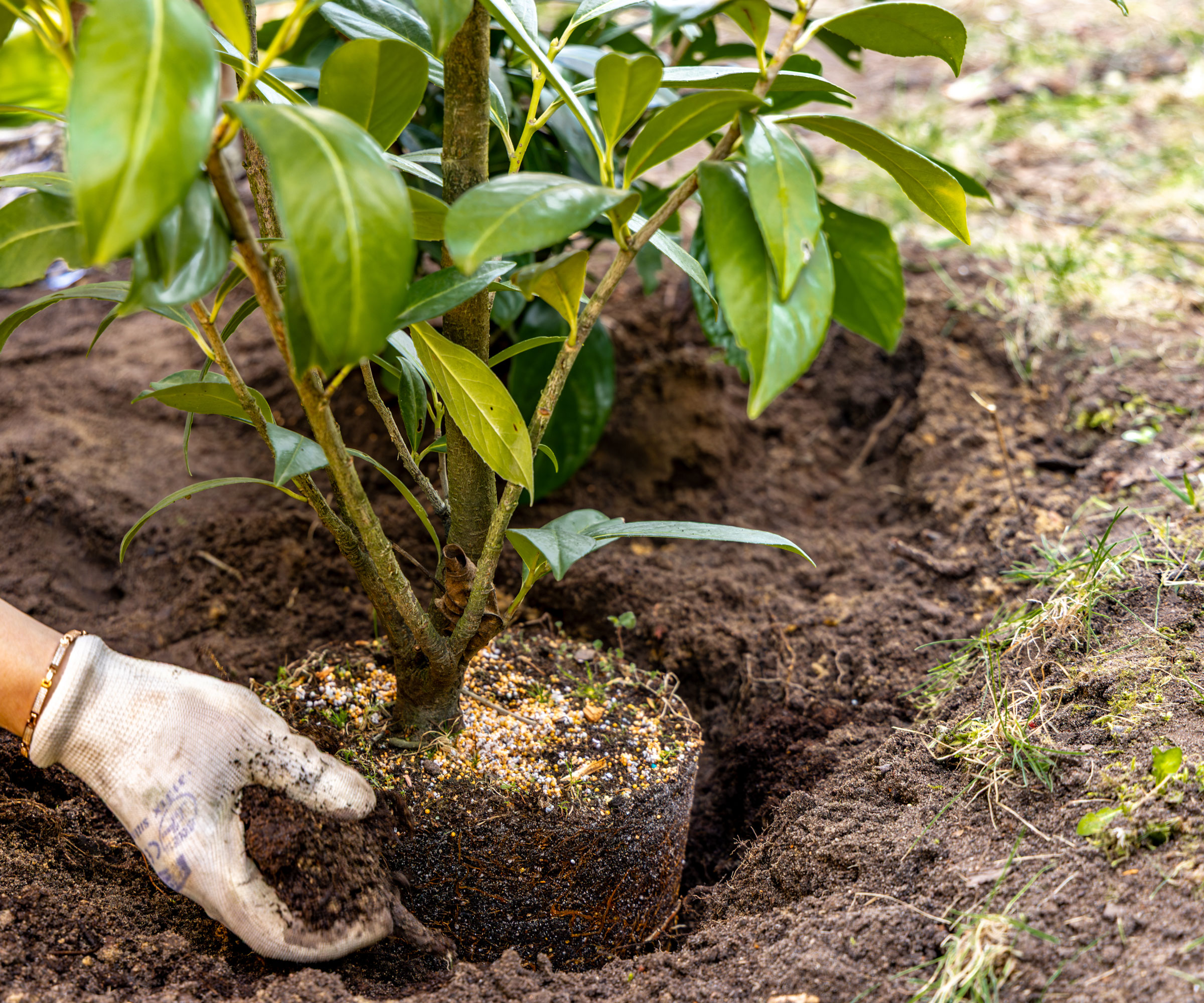
You need to add your mycorrhizal fungi directly against the plant's root surface. Dust the outside of the rootball where white root tips are visible, and drop a concentrated pinch right into the bottom of the planting hole before lowering the plant in. Using a beginner-friendly option like Ultrafine Endo/Ecto Power from Amazon, you’ll find it dusts on almost like flour. However, damp roots hold the powder better. So make sure the roots are damp first. Labels rarely require more than a light, even dusting, and a little goes a long way, so a small bag copes with dozens of fall plantings.
Why Fall Gives Fungi a Headstart
(Image credit: Bohdan Bevz / Getty Images)
While perennials and shrubs wind down their top leafy growth as fall progresses, underground root growth continues vigorously, as long as soil temperatures stay above roughly 40°F (4°C). Soil retains summer heat for weeks after the air cools down, creating ideal subterranean conditions for biological activity. Introducing fungi in fall gives the microscopic network all winter to weave into the root system. Mycorrhizal plants tend to ride out drought a little better. So, when spring arrives, the plant emerges with an expanded root network ready to get to work.
Colonization speed relies on soil warmth. Active fungal colonization slows down once soil temperatures drop below 59°F (15°C). While cold soil encourages slow root elongation, it delays the speed at which the fungal partnership sets up shop. In milder regions, planting can extend into November, but late-season gardeners should check soil warmth first. Use a good diagnostic tool, such as the Stainless Steel 5in Compost Thermometer and Soil Temperature Gauge Tool from The Home Depot. Pushing 5 inches (12cm) into the planting site should give an accurate reading on how warm your soil is. If temperatures are well below 50°F (10°C), the fungus will sit dormant on the roots until spring soil warms up.
Where It Pays Off Most
(Image credit: Dominik Spalek / Getty Images)
Established beds with healthy, undisturbed native soil already carry some natural mycorrhizal networks, so store-bought inoculants provide only incremental boosts. Where these fungal inoculants truly perform miracles is in disturbed soils, such as new housing developments where topsoil was scraped away, and in potted stock. I’m adamant about using mycorrhizal fungi in containers. Plenty of bagged mixes start out with few, if any, of these fungi (unless the label says they were added), so a perennial has nothing to partner with unless someone adds it.
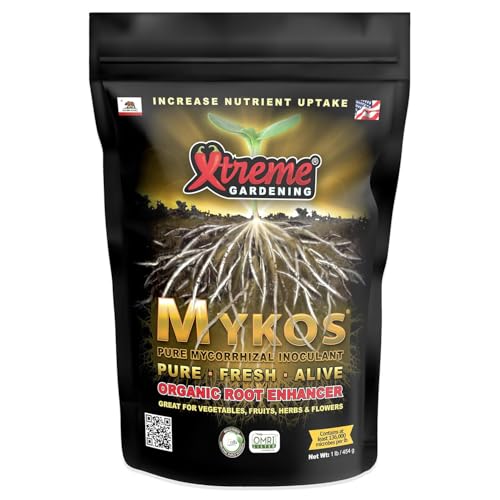
I like to use Xtreme Gardening Mykos Pure Endo-Mycorrhizal Granules, available from Walmart, which is the gold standard for fall containers. At potting time, I add a tablespoon of my mycorrhizal fungi and tuck it right against the roots, to accelerate root development and increase nutrient uptake. Pure endo covers most perennials and ornamental shrubs just fine.
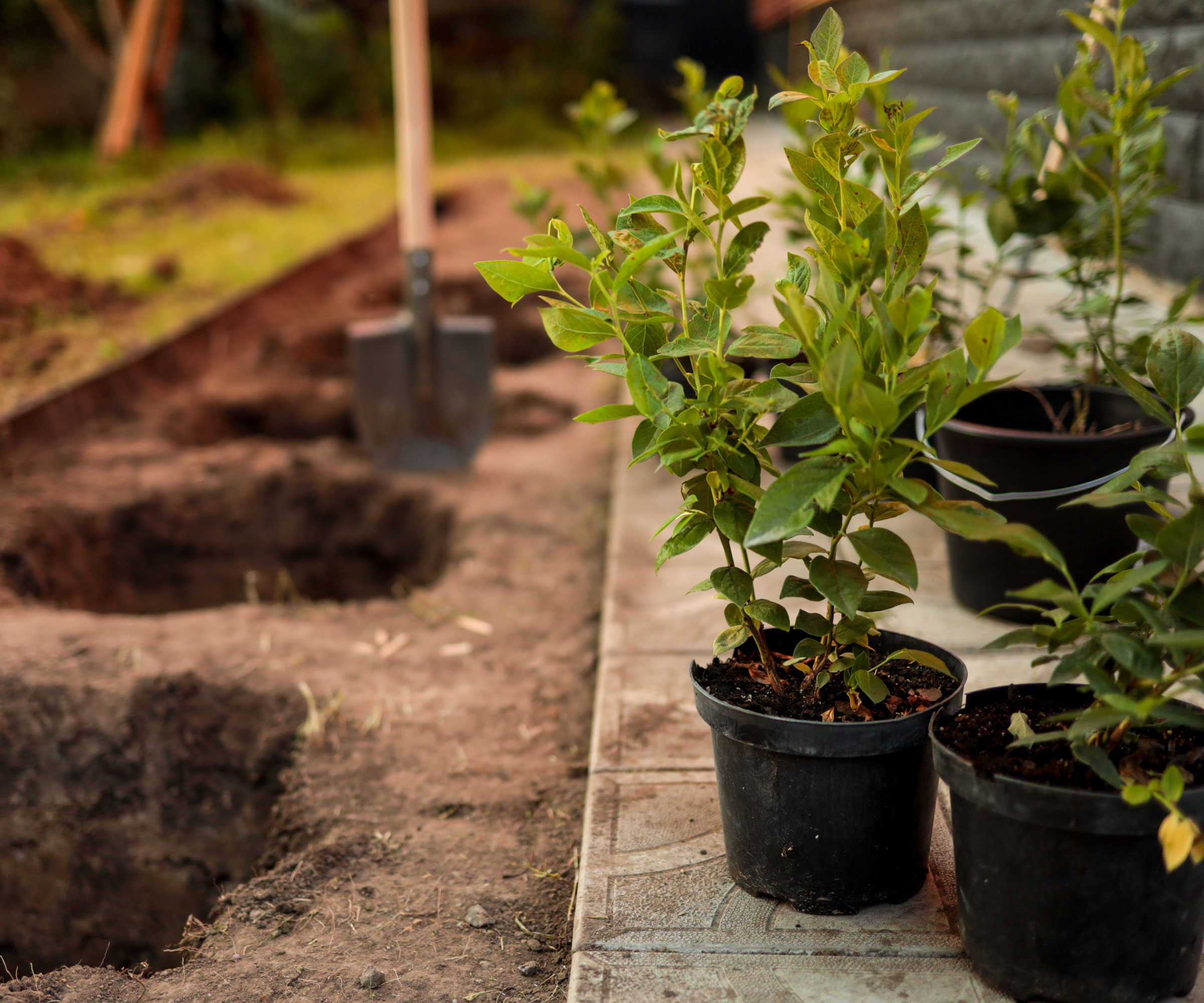
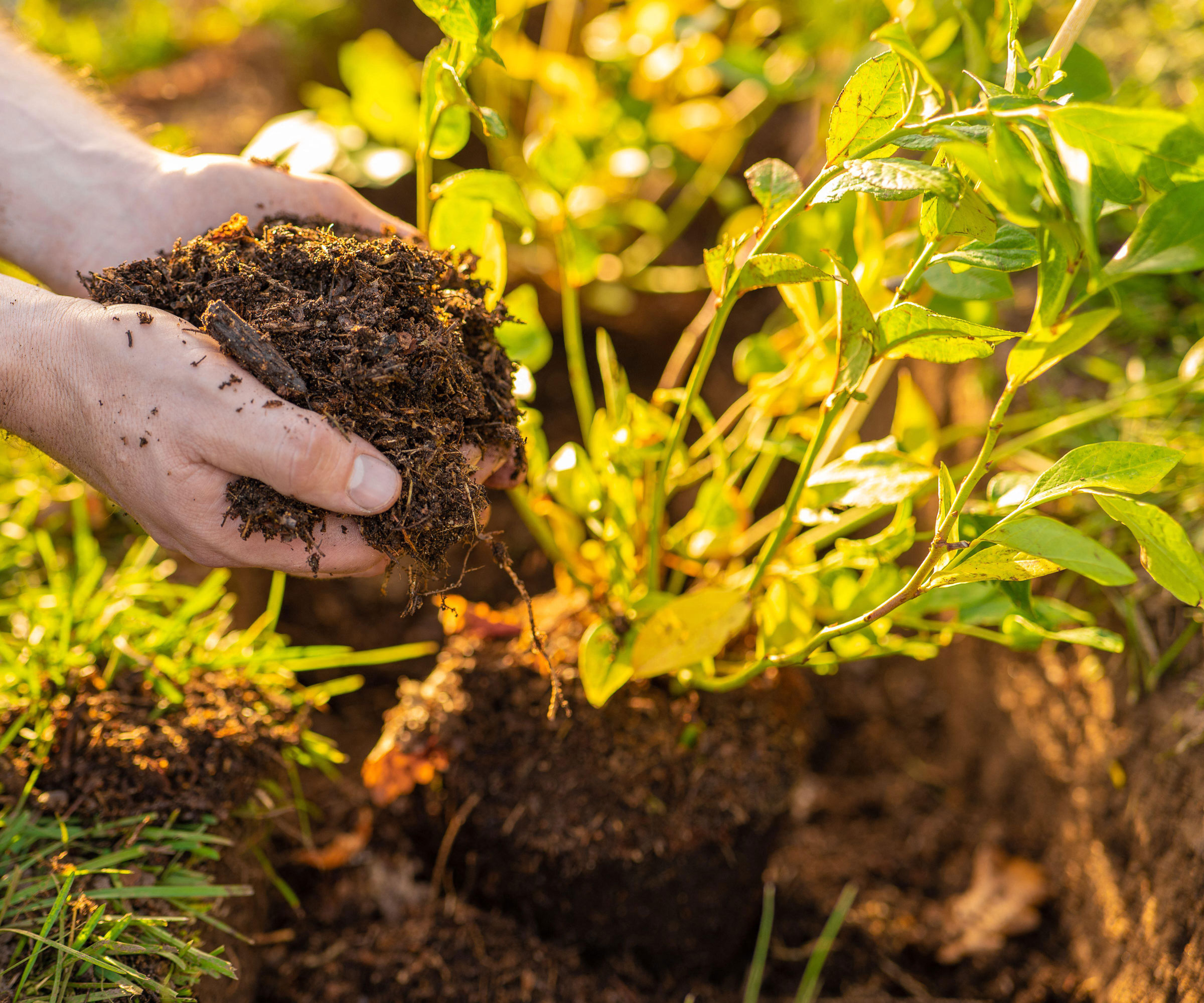
There are a few exceptions. Members of the brassica family (cabbage, kale, broccoli) and amaranth family (beets, chard, spinach) do not form mycorrhizal partnerships. Furthermore, acid-loving blueberries, azaleas, and rhododendrons need specialized ericoid mycorrhizae that standard retail bags do not contain, requiring acid-loving soil amendments instead.
What Fungi Won’t Fix
(Image credit: Bulavka / Alamy)
Fungal inoculants are biological boosters, but they are not magic wands. They help plants efficiently absorb nutrients already present in the ground, but they cannot replace missing soil nutrients or repair heavy, waterlogged clay soils where fungi can drown. A single, correct application at planting time lasts the entire lifetime of the plant. As the roots expand through the soil year after year, the fungal network grows right along with them into the surrounding soil profile.
Dusting more powder over the top of established beds every spring is a waste of money. Surface-applied spores rarely migrate down 6 inches (15cm) to reach active root zones in useful quantities. Getting it into the right place at the right time is the real magic – and that’s why it's so important to add it to the roots in fall.
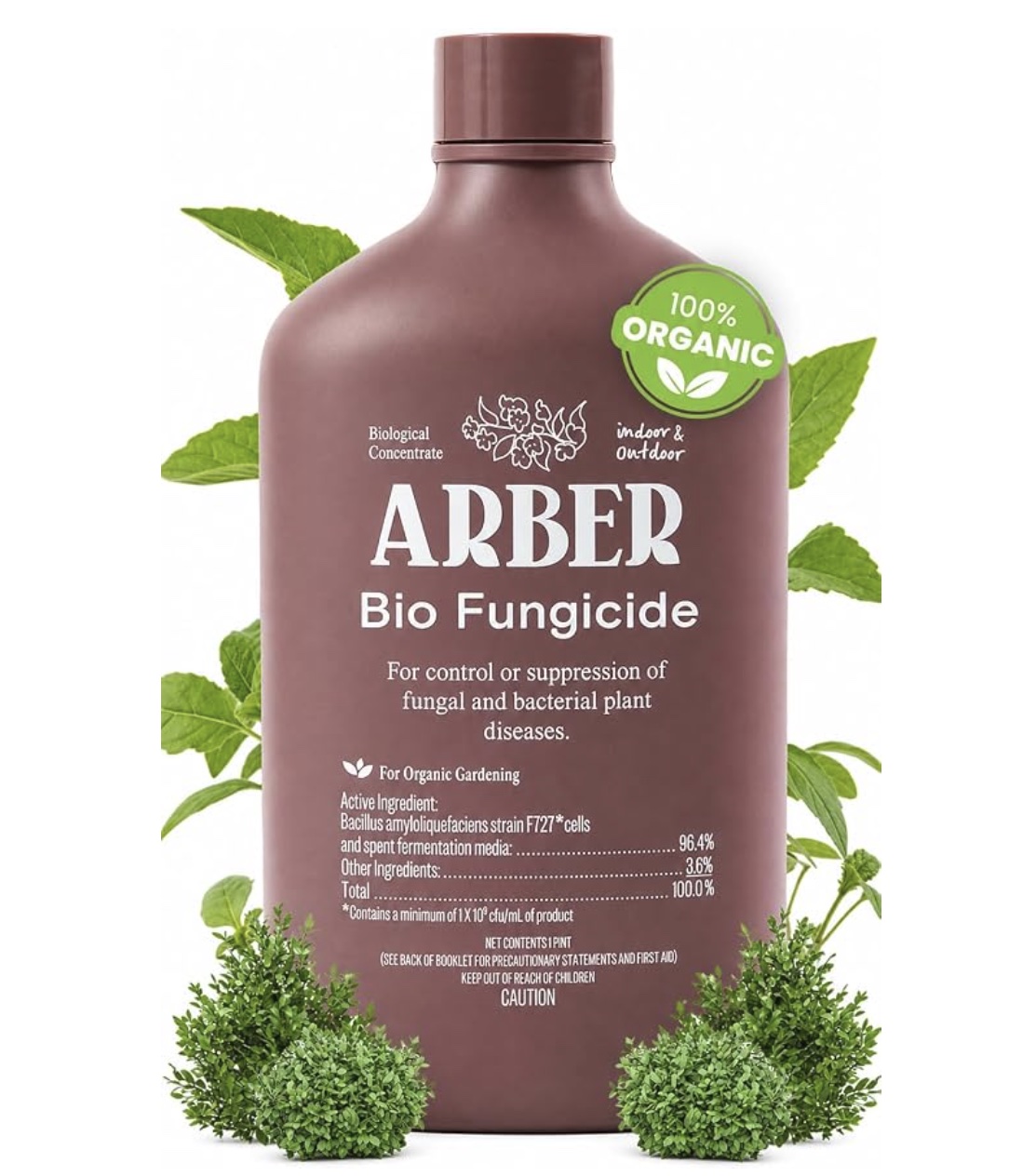
Avoid using high-phosphorus transplant starter fertilizers alongside your inoculant. Heavy concentrations of synthetic phosphorus trick the plant into shutting down its fungal partnership. Similarly, avoid soil drenching with synthetic chemical fungicides right after planting, as this can destroy beneficial fungal networks instantly before they can establish. If you are going to use fungicides as a drench, go for something organic and gentle, such as Arber Bio-Fungicide from Amazon, and use sparingly.
Select the Best and Preserve Storage
(Image credit: Future Publishing Ltd)
When shopping for mycorrhizal fungi, read the product label carefully before buying. Look for named species (such as Glomus intraradices or Glomus mosseae) and a clear propagule count per gram, which proves the product contains viable, living spores.
Most perennials and a good share of shrubs pair up with endo-mycorrhizal fungi, while oaks and pines lean on ecto types. Check for an explicit expiration date on the bag, as living fungal spores gradually degrade in viability over extended time on store shelves. For general beds and mixed plantings, go for a combined endo/ecto blend, which offers broad-spectrum coverage across different plant families.
Finally, proper storage is crucial. Fungal spores are living organisms that can easily be killed by excessive heat or freezing conditions in an uninsulated space. If a bag sat in a metal shed or hot garage all summer, living spores may be compromised. Keep your inoculant in a cool, dark, climate-controlled closet until planting day.
Shop Soil and Planting Essentials
(Image credit: Maryviolet / Getty Images)
Building healthy, living soil is the single best investment you can make when setting out new trees, shrubs, and perennials in fall. Alongside beneficial mycorrhizal inoculants, make some room for high-quality organic amendments so new arrivals can establish deep roots and withstand winter stress effortlessly. These soil boosters prepare your yard for a spectacular spring comeback.
Fall Soil Trio
 Root Booster
Xtreme Gardening
Mykos Pure Endo-Mycorrhizal Fungi (1 Lb)
This single-species endo-mycorrhizal inoculant is designed to be applied directly to the rootball. Ideal for perennials, fruit trees, and flowering shrubs, it gives roots a boost and increases nutrient uptake.
 Pathogen Shield
Arber
Arber Organic Bio Fungicide Concentrate (16 Oz)
Apply this drench (made from beneficial soil bacteria) around newly planted stock. It guards vulnerable roots against soil-borne pathogens like root rot without harming beneficial mycorrhizal fungi.
 Ocean Tonic
Bloom City
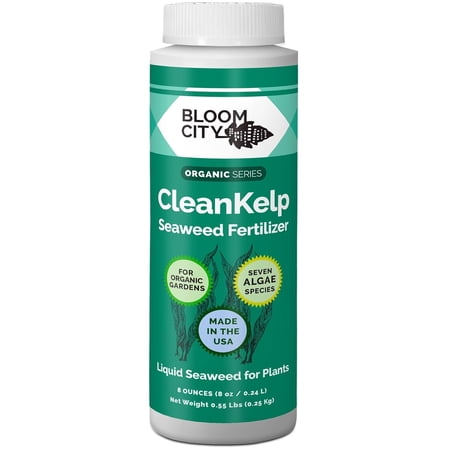
Organic Liquid Seaweed and Kelp Fertilizer (8 Oz)
Give your soil a healthy dip with this cold-processed liquid blend laced with trace minerals, amino acids, and gentle nitrogen. It feeds both the newly planted roots and beneficial soil microbes without scorching tender fall growth.
Next time you bring a shrub or perennial home in a nursery pot, make time for this extra step. It takes just 30 seconds at the planting hole. Simply dust the damp rootball while the ground retains its warmth, and water in deeply, then let nature take its course. Whatever the fungal network does not finish establishing before the freeze, it will pick right back up when the soil warms again in spring, rewarding you with lush, drought-resilient growth next year.
Need more ideas for getting the most from your plants, indoors and out, and looking for the best seasonal expert advice delivered straight to your inbox? Sign up for the free Gardening Know How Newsletter!


















 English (US) ·
  French (CA) ·