

Stanley Tucci recently shared a fascinating lesson in growing tomatoes from the slopes of Mount Vesuvius. While filming his series Tucci in Italy, he visited Ercolano (Herculaneum) in Italy’s Campania region to explore the heirloom tomatoes grown in its volcanic soil. In an Instagram post, the actor praised the “really special tomatoes that grow in the shadow of Vesuvius,” calling them the best he had ever tasted. The crew was also seen enjoying the tomatoes and commenting on their sweetness.
There may be more to their exceptional flavor than the tomato varieties themselves. The volcanic soils around Vesuvius, formed from layers of ash and weathered rock, can be rich in minerals while remaining loose and free-draining – two qualities that support strong, healthy plant growth. And it’s not just tomatoes that benefit. The region is also famed for its citrus fruits, olives, grapes, apricots, grains, and vegetables, including different types of root vegetables.
While you may not be able to recreate the conditions of an Italian volcano in your backyard, there are ways to capture some of the benefits of volcanic soil and improve your own growing conditions. I spoke to soil and crop experts to find out whether horticultural volcanic rock dust or similar amendments can help at home, and how to use them safely. Here is what gardeners should know before adding them to vegetable beds or potted citrus trees.
What Makes Volcanic Soil So Special?
Soils near volcanoes are not exactly the same as the soil in your backyard. Around Mount Vesuvius, two features are particularly important for growing flavorful produce: the minerals supplied by volcanic ash and weathered rock, and the soil’s ability to drain excess water.
Gardeners can replicate part of this mineral-rich environment by adding a horticultural volcanic mineral amendment to their soil, like this Down to Earth All Natural Fertilizers Organic Azomite Minerals Powder, available from Amazon. It comes as a fine powder that you simply mix into soil or potting mix.
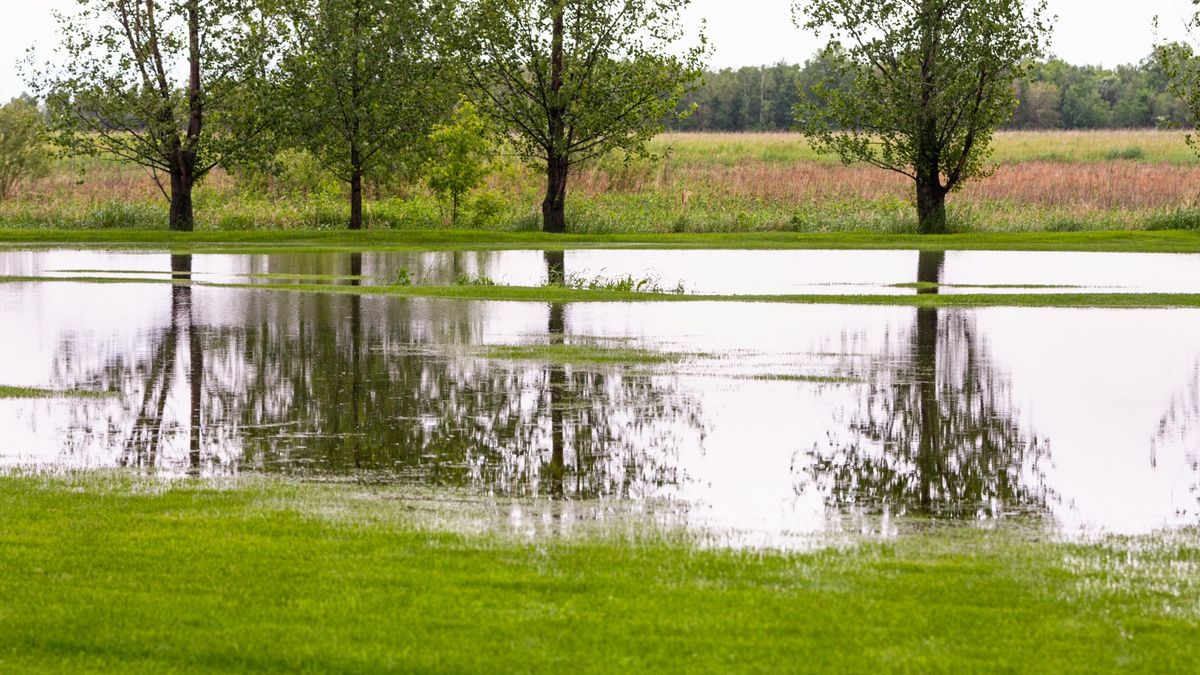
Lindsey Boney, Grocery Manager and Produce Expert at Windmill Farms Market, explains why volcanic soil is prized for its drainage properties. “One aspect of volcanic soil that many people forget is that it does not hold excessive water. As a result, this naturally avoids dilution, which helps with richer flavor. That’s why the tomatoes often grown in this area of Vesuvius have been known for their unique sweetness, acidity, and richness ever since.”
Tomatoes need consistent moisture, but excess water can leave fruit tasting less concentrated. In contrast, well-drained soil can help prevent waterlogging and may support a stronger concentration of sugars and flavor compounds as the fruit ripens.
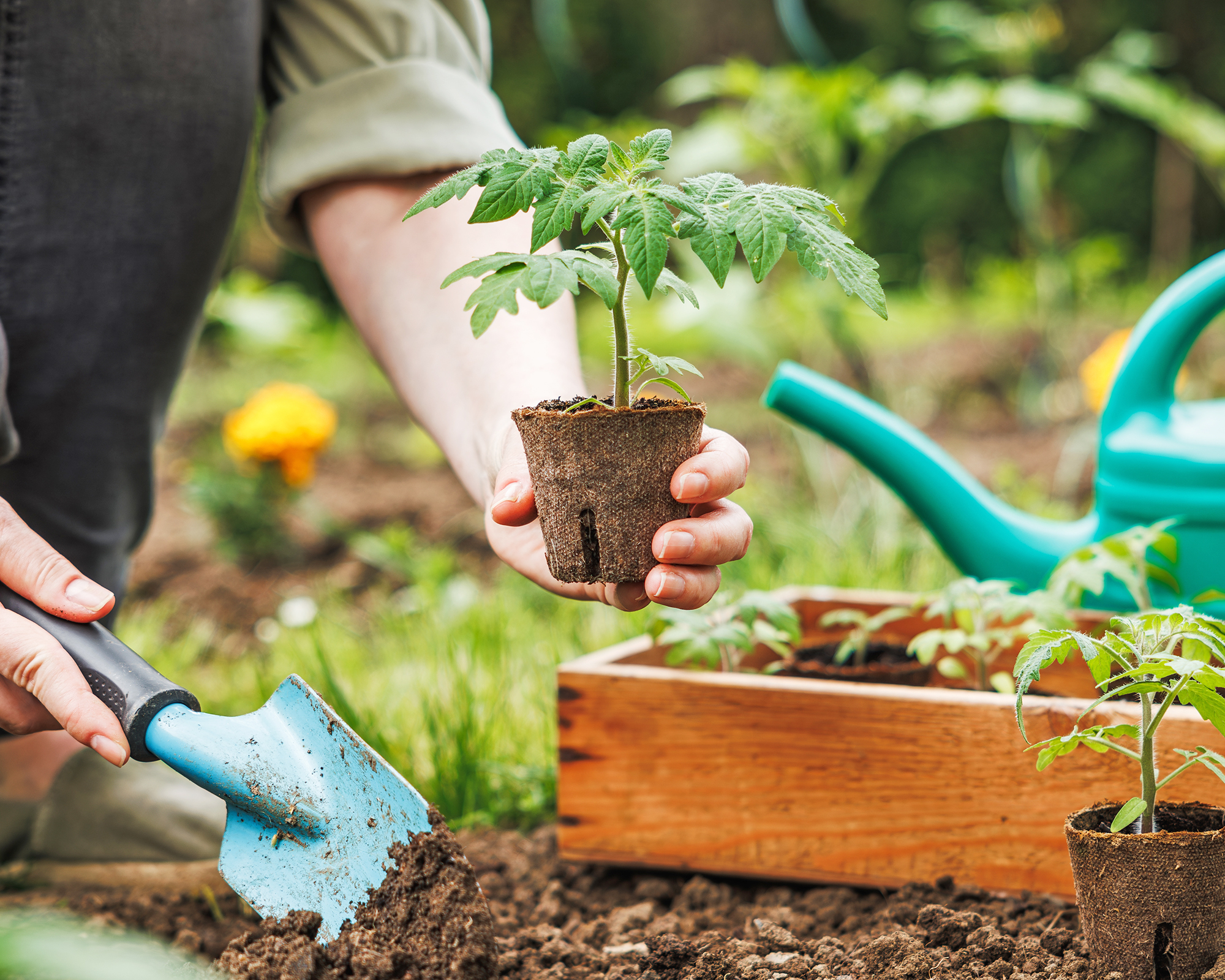
(Image credit: Shutterstock)
Steve Corcoran, gardening expert and co-founder of Lawn Love, points to volcanic soil's nutrient content. “Volcanic soil is packed with nutrients that really help tomatoes to thrive, like potassium and phosphorus.”
Potassium and phosphorus are both commonly found in quality tomato fertilizers, although the nutrients in volcanic soil are not necessarily available to plants in the same amounts. The same combination of mineral content and good drainage may also benefit fall root crops, which need loose soil to develop properly, and citrus trees, which are particularly sensitive to waterlogged roots. A volcanic amendment can support good soil conditions, but it should not replace compost, organic matter, or a balanced feed where those are needed.
What to Add to Your Soil for Vesuvius-Inspired Growing
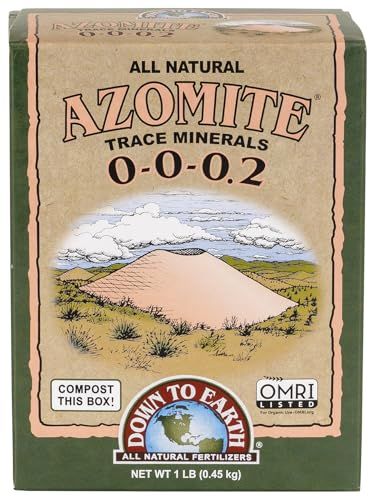
Down to Earth All Natural Fertilizers Organic Azomite Minerals Powder
This volcanic mineral powder contains more than 70 naturally occurring elements in an ultra-fine formula that’s easy to mix into soil, compost, or fertilizer for small gardens and containers.
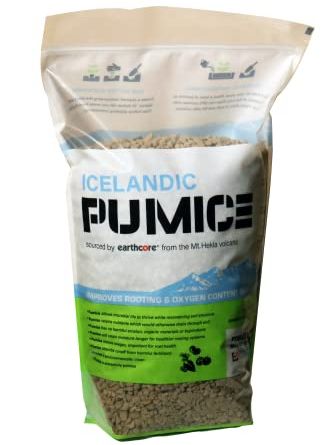
Earthcore Pure Icelandic Potting Pumice
This pure Icelandic pumice helps recreate Vesuvius-like growing conditions by improving drainage and aeration while retaining essential nutrients.
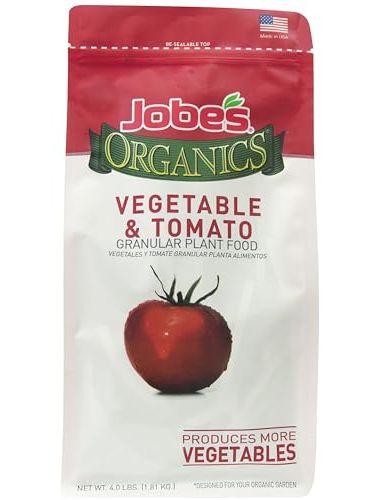
Jobe’s Organics Granular Garden Fertilizer for Vegetable Gardens and Tomato Plants
This quality NPK fertilizer is rich in nitrogen, phosphorus, and potassium. These match the nutrients that are naturally occurring at high levels in the soil near Mount Vesuvius.
How to Recreate Volcanic Growing Conditions at Home
The best way to grow a delicious Vesuvius-inspired crop of tomatoes is to focus on the conditions in which the plants grow. You cannot recreate Mount Vesuvius in your backyard, but you can replicate some of the features associated with its growing environment.
Start with soil testing to check the pH and nutrient levels in your garden. The MySoil test kit, available on Amazon, is a great all-round test kit (and was recently reviewed by Content Editor Kathleen). Tomatoes and many other crops need fertile, well-drained soil, plenty of full sun, and consistent moisture without becoming waterlogged. If your soil is heavy or depleted, improve it with organic matter and a suitable horticultural volcanic rock dust or mineral amendment, following the product’s instructions carefully.
(Image credit: Getty Images)
The Mediterranean climate around Vesuvius also provides abundant sunshine and relatively dry conditions, while the volcanic soil allows excess water to drain away. Together, these conditions can help fruits and vegetables develop a more concentrated flavor. However, this does not mean allowing plants to become severely drought-stressed.
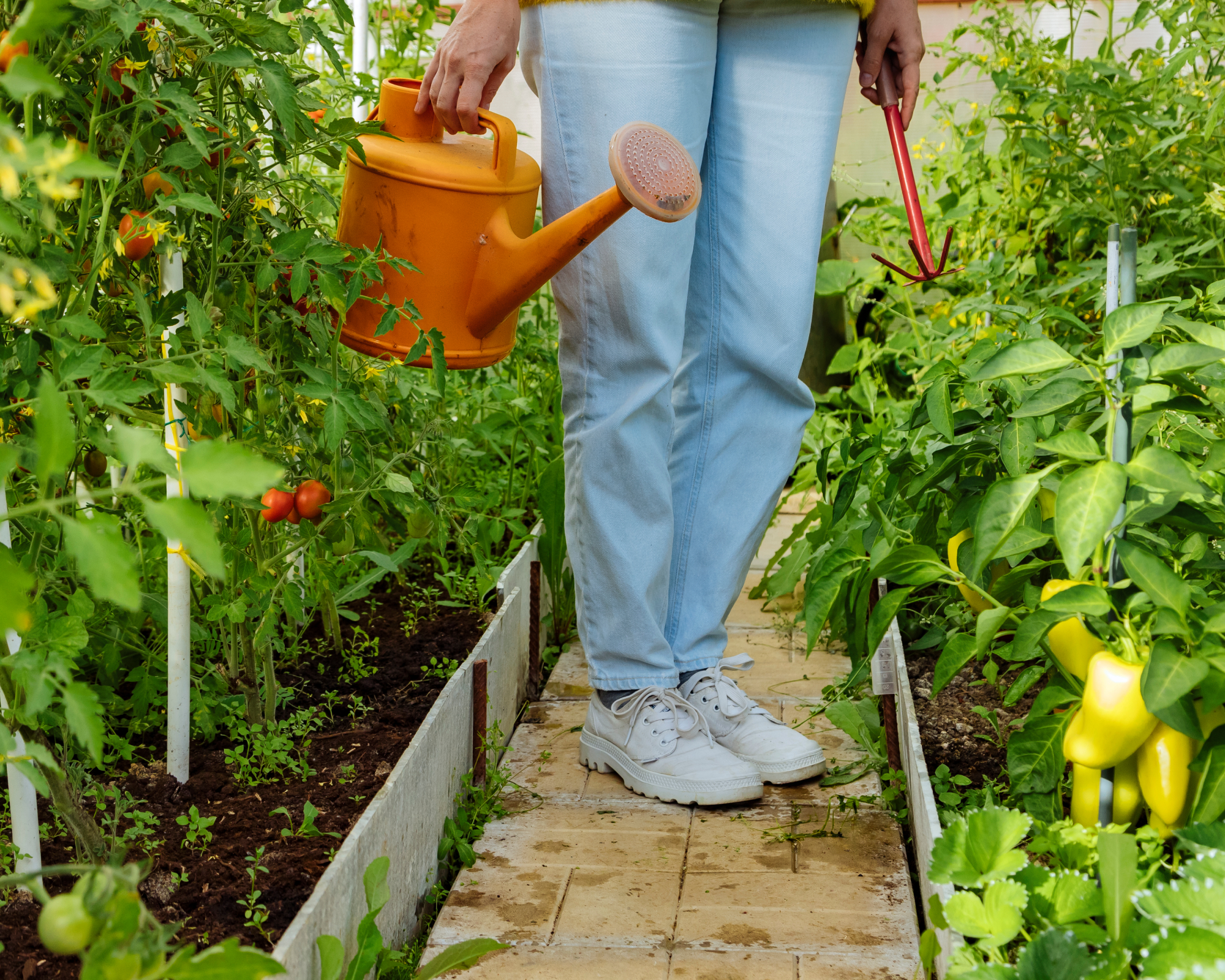
To grow your own tomatoes like the ones Tucci was enjoying, Lindsey recommends tapering off watering. “When fruit begins to ripen, reduce water gradually while avoiding severe plant stress. It produces more sugars and flavor compounds.”
However, fall root crops still need even moisture while they develop, and citrus trees need good drainage without being allowed to dry out completely.
For all of these crops, the most useful lessons from Vesuvius are to provide plenty of light, avoid waterlogged soil, and supply nutrients based on what a soil test shows they actually need.
















 English (US) ·
  French (CA) ·