

The end of summer doesn’t have to mean the end of color, texture, and visual interest in the garden. Fall is a great time to showcase late-blooming flowers, changing foliage, and certain ornamental grasses that add unique shades contrasting textures to beds.
The types of ornamental grasses listed here can add interest all year-round, but they look especially attractive in fall. Many grasses change color this time of year and develop beautiful seedheads. Most ornamental grasses are good additions to fall beds, but these six really shine.
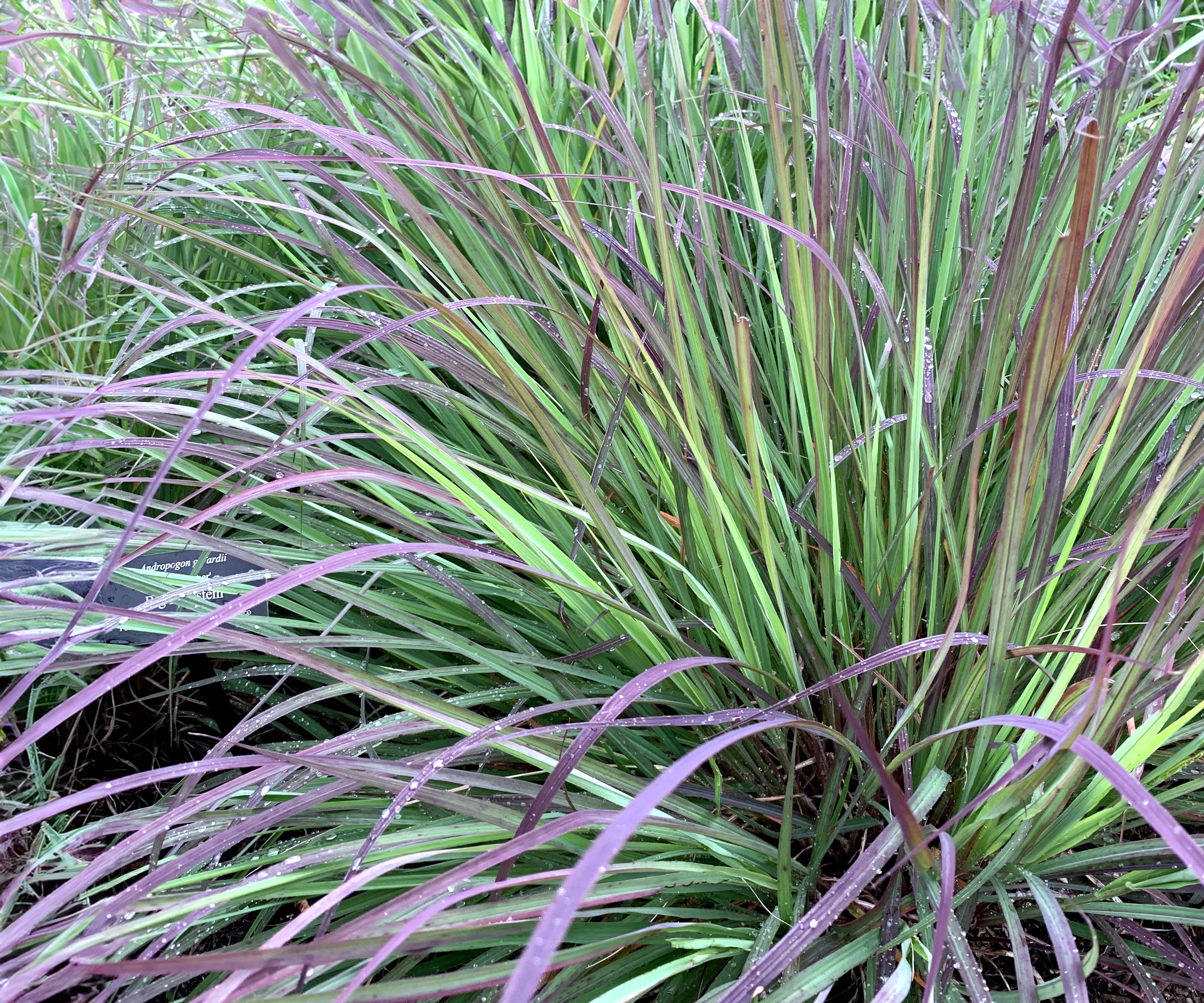
1. Little Bluestem (Schizachyrium scoparium)
(Image credit: Pangeacat / Shutterstock)
Little bluestem is a native grass whose name describes its summer color. Come fall, this grass turns festive shades of red, copper, mauve, and burgundy. The colorful stems are topped by purplish seed heads that sway in the breeze. The striking colors of little bluestem persist into winter in many regions.
You can grow little bluestem in zones 3 through 9 in full sun and soil that drains well. Once established, this grass will reward you with minimal needs and good drought tolerance. Let the leaves stand in winter, cutting them back late in the season or early spring.
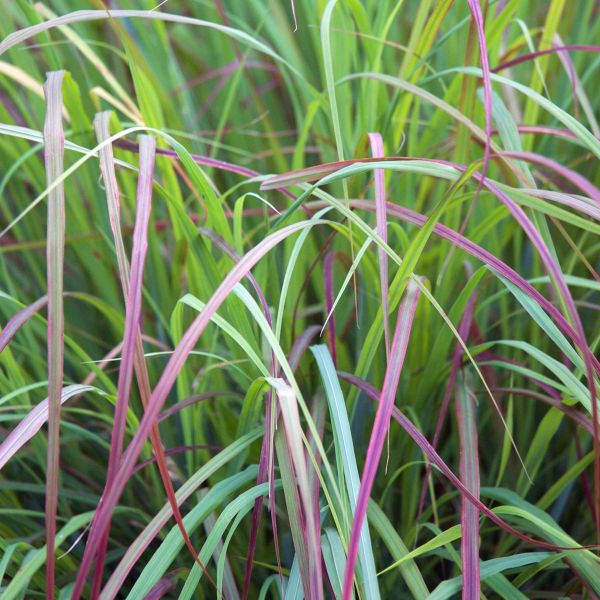
Twilight Zone Little Bluestem Grass
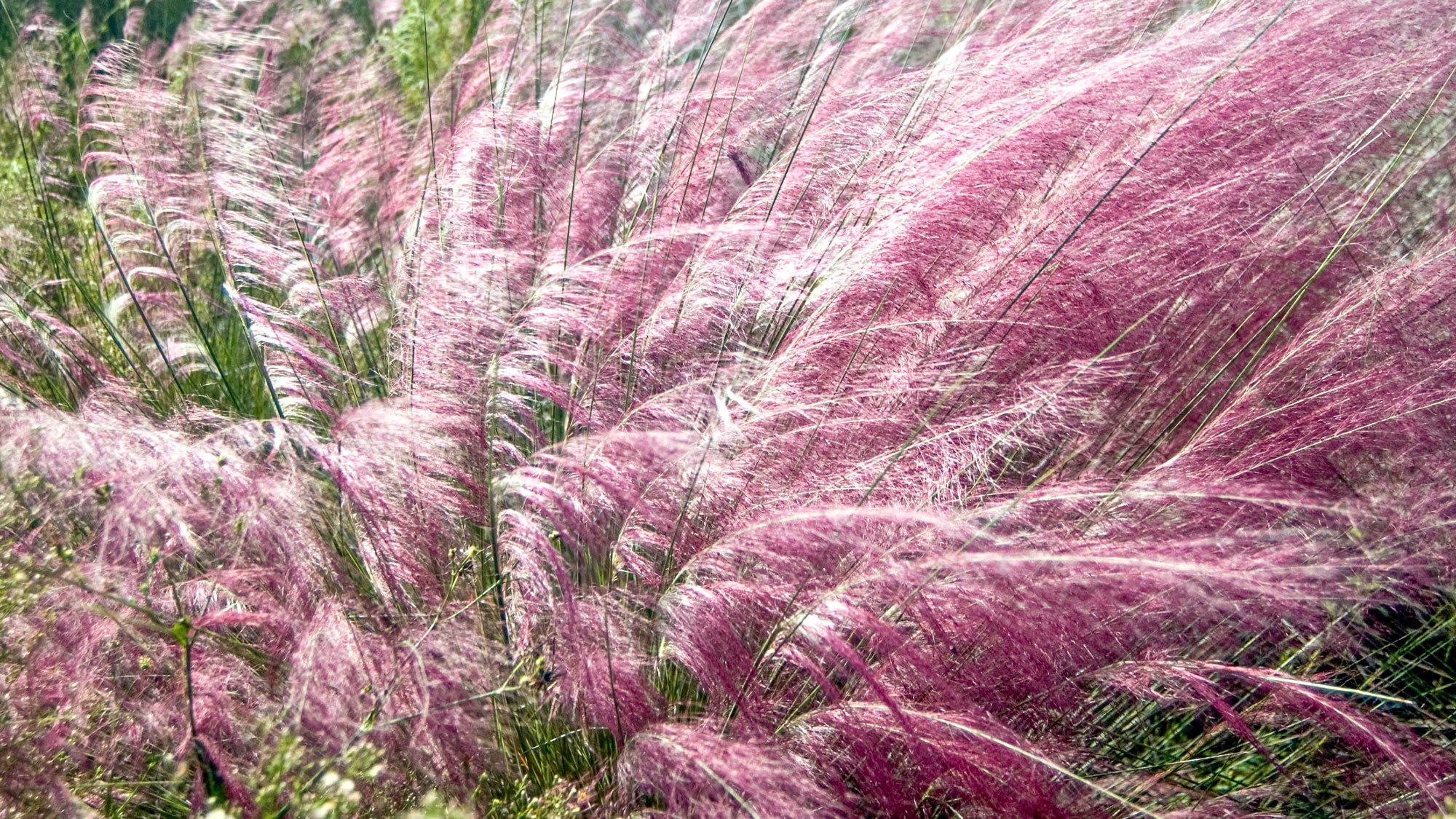
2. Pink Muhly Grass (Muhlenbergia capillaris)
(Image credit: Donna Bollenbach / Shutterstock)
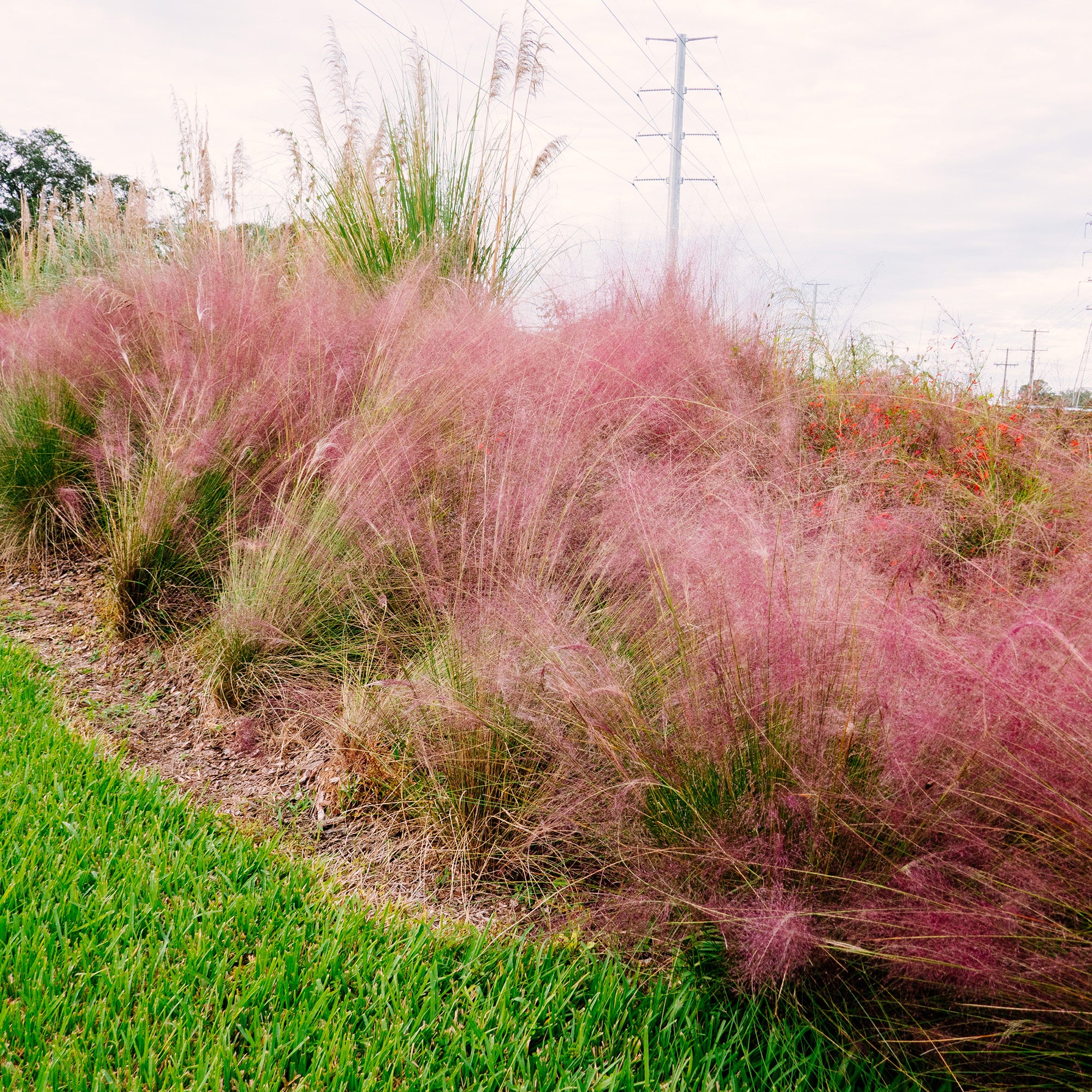
For one of the showiest of all grasses, grow pink muhly grass in groups, along borders, or in native gardens and in between fall-blooming perennials. It grows in clumps two to three feet (0.6 to 0.9 m) tall and wide with soft, feathery flowers that bloom in late summer and fall. Especially when grown together, the effect is like a soft pink cloud or pile of cotton candy.
Pink muhly grass is hardy in zones 6 through 9 and is native to the eastern and southeastern states. Grow it in full sun and well-drained soil. Once established, muhly grass tolerates poor soil, drought, heat, humidity, and even salt. The grass clumps look good in winter, so don’t cut them back until early spring.
3. Switchgrass (Panicum virgatum)
(Image credit: Crystaldream / Shutterstock)
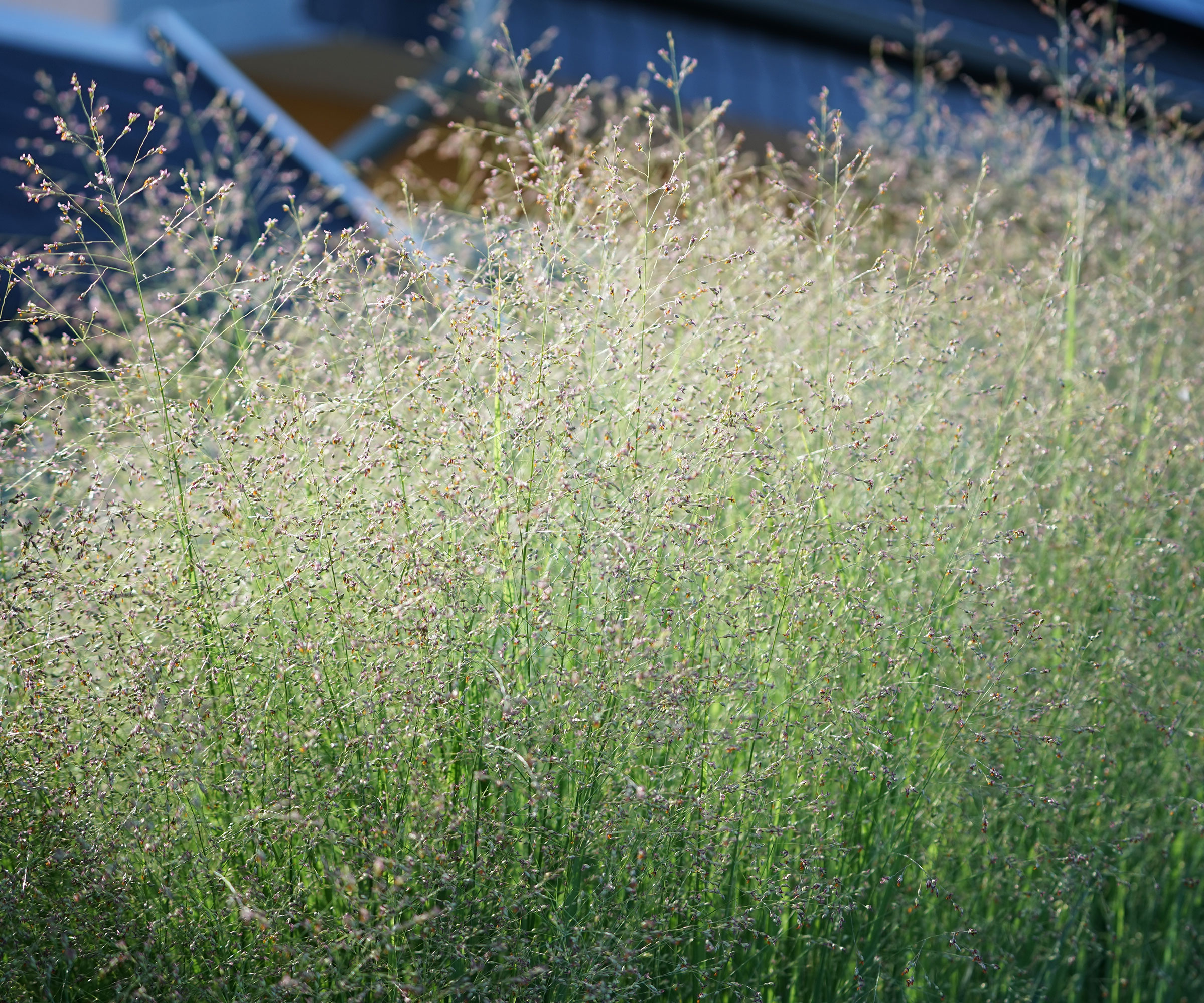
Another native option, switchgrass is striking at any time of year for its height (up to 6 feet or 1.8 m). In fall, you get the height along with changing color in the foliage topped by feathery seedheads. Choose your color by selecting certain varieties. For example, ‘Shenandoah’ turns deep red in fall and develops pinkish flowers, while ‘Northwind’ has yellow stems and seedheads.
Switchgrass grows best in zones 3 through 9 and in full sun. It adapts well to a variety of soils and will be drought tolerant once established. Leave the stems in place over winter, cutting back in early spring. Switchgrass’s height makes it a great option for a tall border or backdrop for other plants.
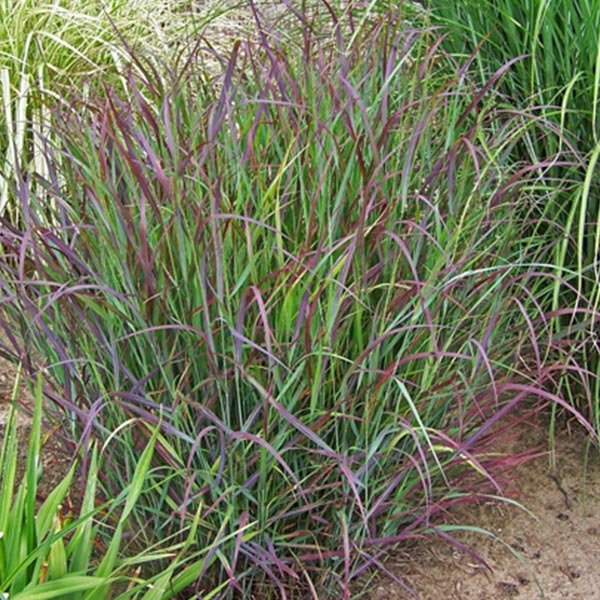
Prairie Winds® Cheyenne Sky Red Switch Grass
4. Prairie Dropseed (Sporobolus heterolepis)
(Image credit: Manfred Ruckszio / Shutterstock)
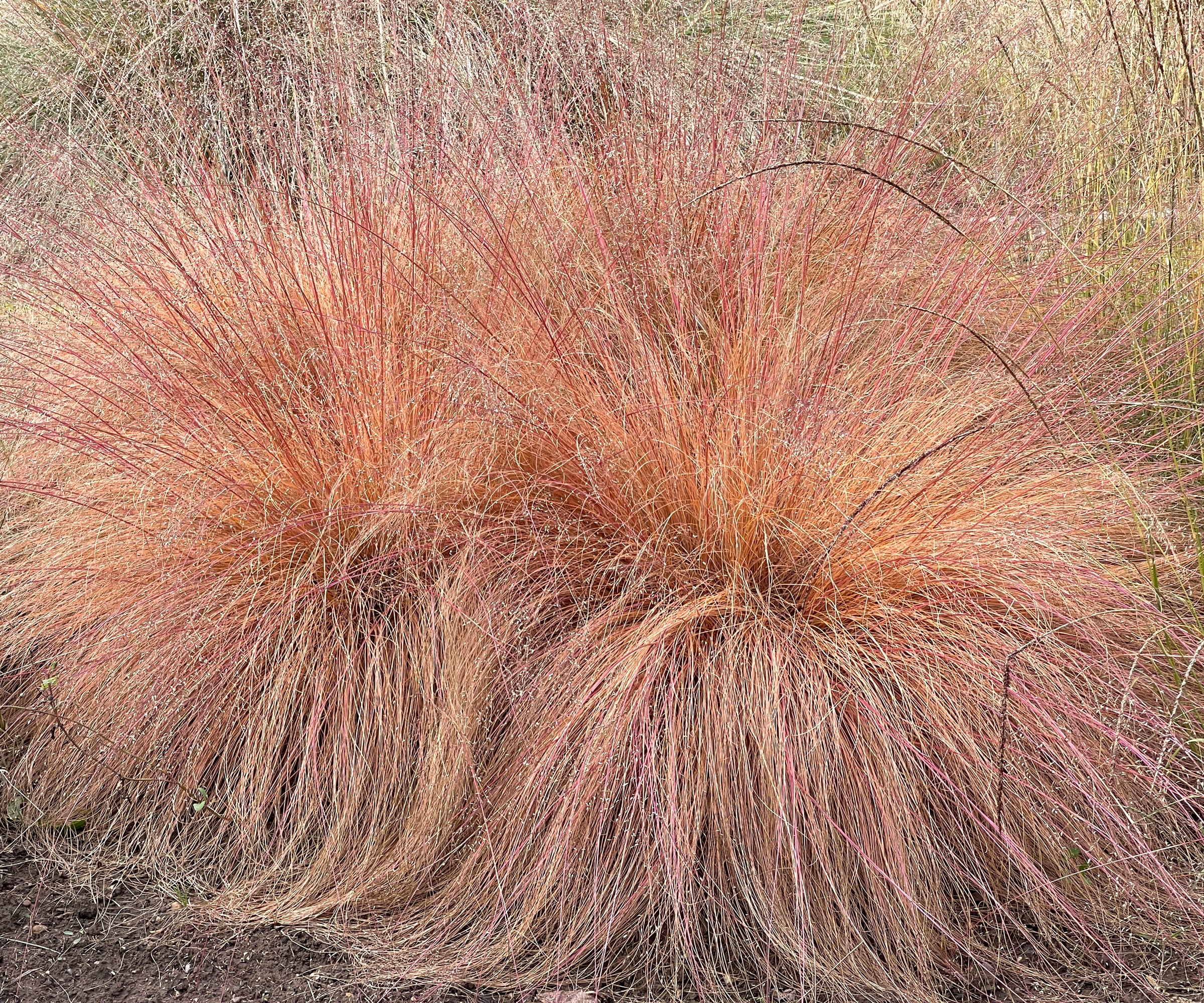
Prairie dropseed is a native grass that grows in zones 3 through 9. It grows in clumps with arching stems that give it a fountain-like appearance. The green foliage shifts to shades of yellow-orange and bronze in fall. The delicate seedheads also form in fall, giving it an airy appearance.
Plant prairie dropseeds near broadleaved perennials to provide contrast with its fine texture. It prefers full sun and well-drained soil. Don’t crowd this grass. Adequate space allows for its full, graceful form to take shape.
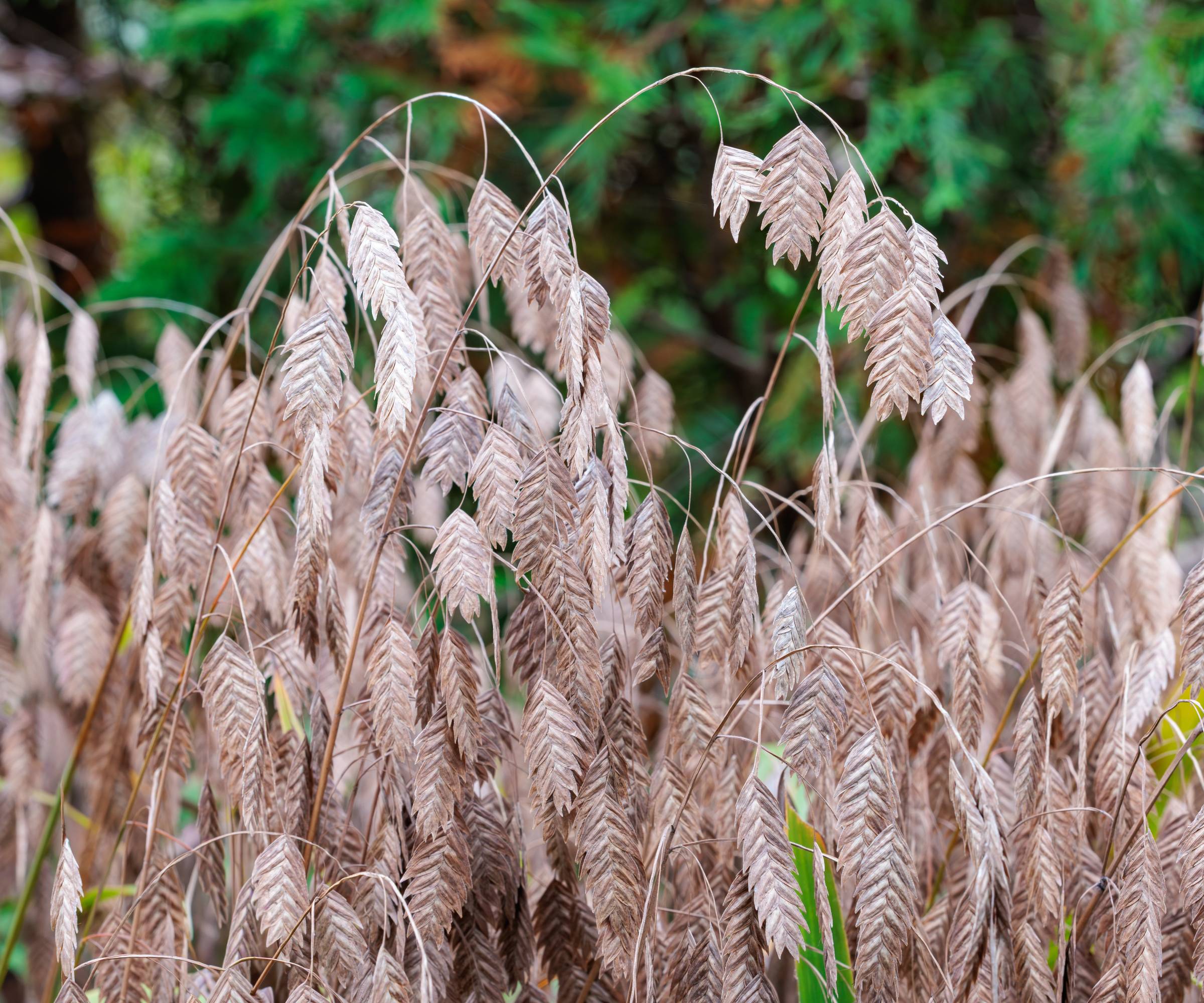
5. Northern Sea Oats (Chasmanthium latifolium)
(Image credit: Billy_Fam / Getty Images)
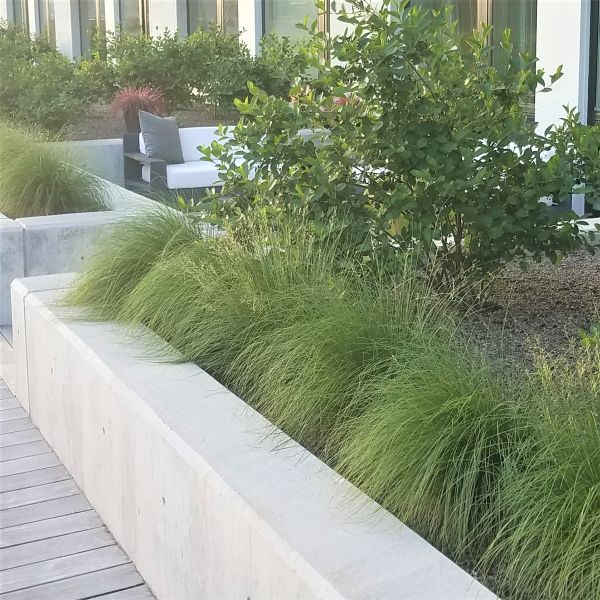
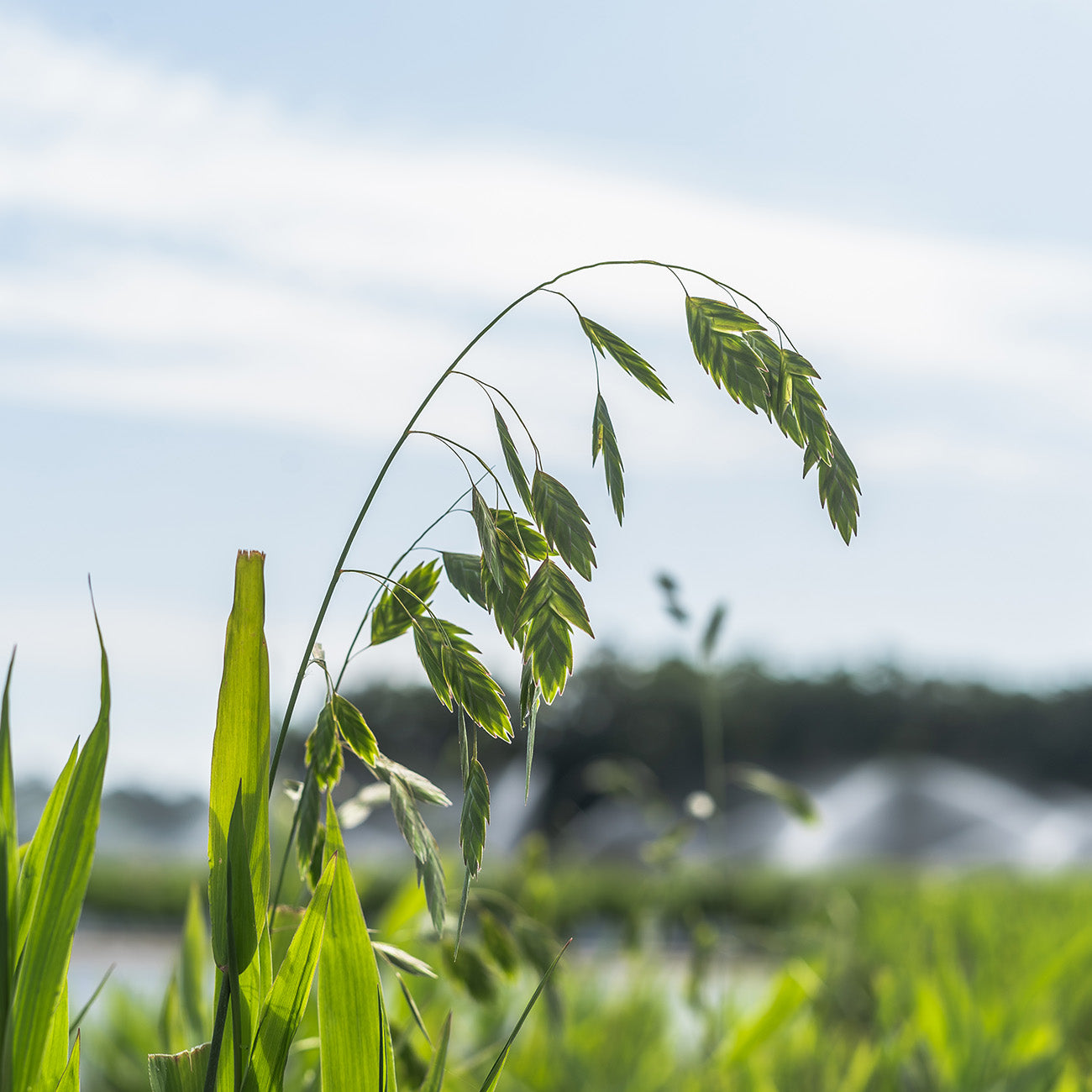
Another native, this grass is prized for its unique seed heads. They form flattened discs (resembling oats) and dangle from the blades of grass. As the flowers of summer fade, the seeds flutter in the breeze, creating unique movement. The stems and seedheads change color in fall, too, giving you shades of bronze, gold, and purple that last into winter.
Grow northern sea oats in zones 5 through 9, or possibly 3 and 4 with some winter protection. Unlike many other native grasses, this one can grow in partial or even deeper shade. It does like water, though, so plant in an area where the soil stays moist. Sea oats are great for rain gardens, natural areas, and woodland gardens.
6. Japanese Forest Grass (Hakonechloa macra)
(Image credit: ImageBroker McPhoto / Getty Images)
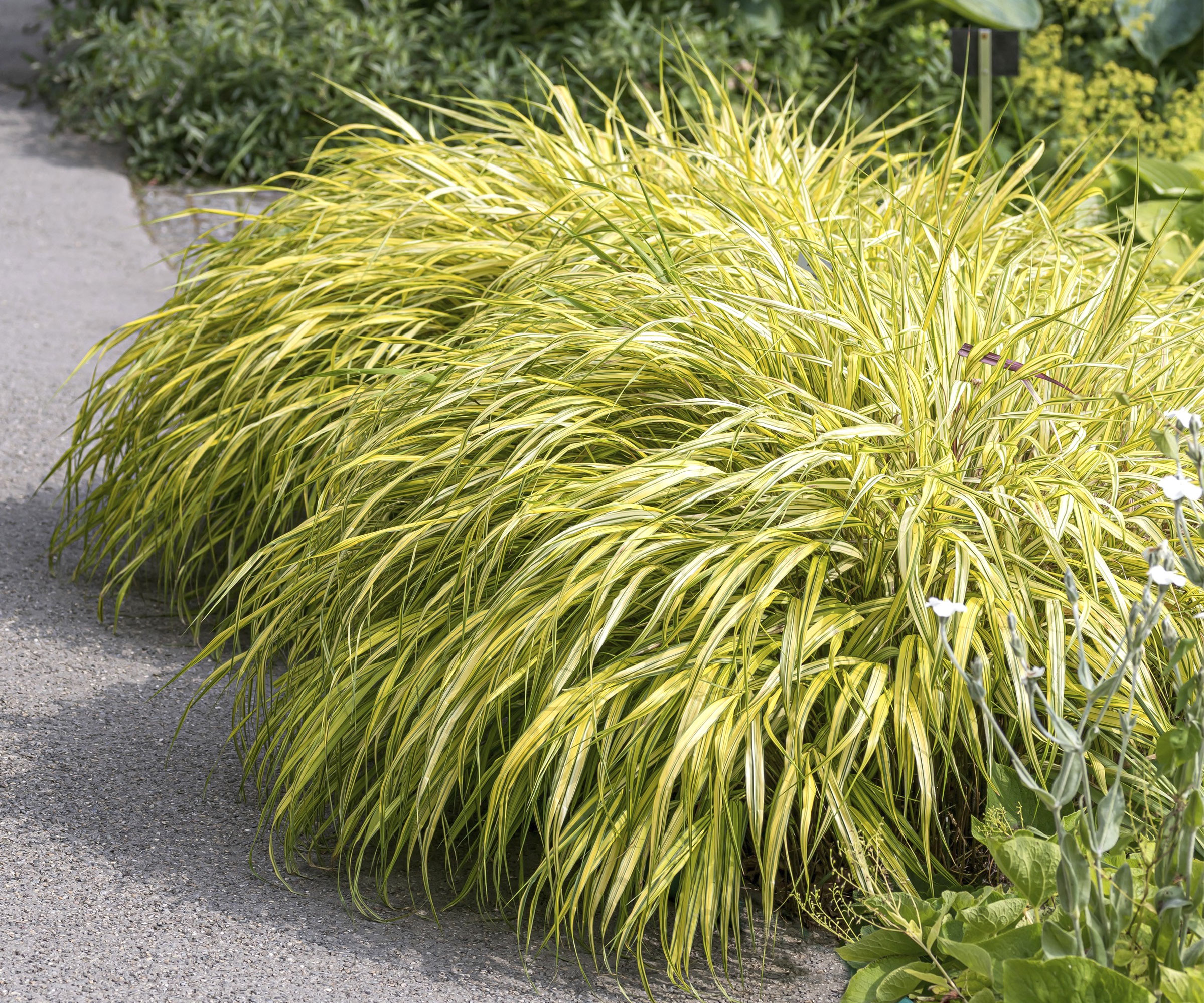
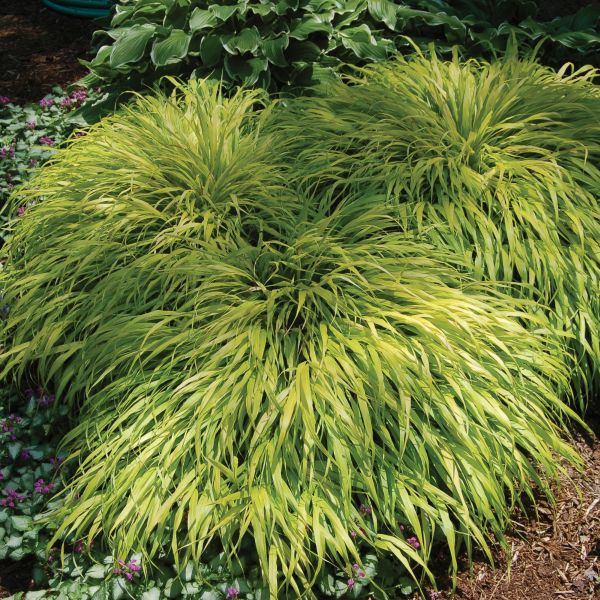
The only other shade-tolerant grass on our list, Japanese forest grass is also the only non-native species. Native to Asia, you can grow it here in zones 4 through 9. It is low growing compared to other grasses and grows in attractive clumps with wide, cascading blades in shades of yellow-green or even variegated.
In fall, most varieties of Japanese forest grass turn shades of copper, gold, or bronze. You can also find varieties, like ‘Naomi,’ that turn purplish-red. Some other varieties turn brighter shades of red. Unlike most of the native grasses, this one dies back in winter, so you can cut it back well before spring.
All Gold Japanese Forest Grass
Ornamental grasses offer unique structures, shapes, and textures in the garden throughout most of the year, but really come into their own in fall. Autumn colors aren’t just for leaves on trees. These grasses offer their own rainbows of color as well as feathery flowers and unique seedheads. If you grow ornamental grasses, resist the urge to cut them back at the end of summer. Instead, leave them in place and enjoy the show.


















 English (US) ·
  French (CA) ·