

 10 hours ago
7
PROTECT YOUR DNA WITH QUANTUM TECHNOLOGY
Orgo-Life the new way to the future Advertising by AdpathwayResearchers at the University of Strathclyde and Durham University say a molecular "handedness" test could serve as an early warning, and stress that the threat remains unlikely.
A form of life that does not yet exist has a proposed detection plan. Chemists at the University of Strathclyde and Durham University have outlined a way to spot "mirror life" using polarized light, according to a release on their study in Royal Society Open Science.
Mirror life would be built from molecules that are reversed versions of the ones every known organism uses. No one has made it, and the researchers say the chance it will emerge is low. Their point is to have a test ready before it is needed, not to respond to an existing hazard.
The concern behind the work is ecological as much as medical. Scientists warned in 2024 that mirror bacteria, if they were ever built, might slip past the immune defenses of people, animals and plants and spread through ecosystems with few natural checks.
A Left Hand in a Right-Handed World
Many of life's building blocks come in two forms that are mirror images of each other, like a left hand and a right hand. Chemists call this property chirality. Living things on Earth use almost exclusively one hand for their amino acids, which build proteins, and the other for the sugars in DNA and RNA.
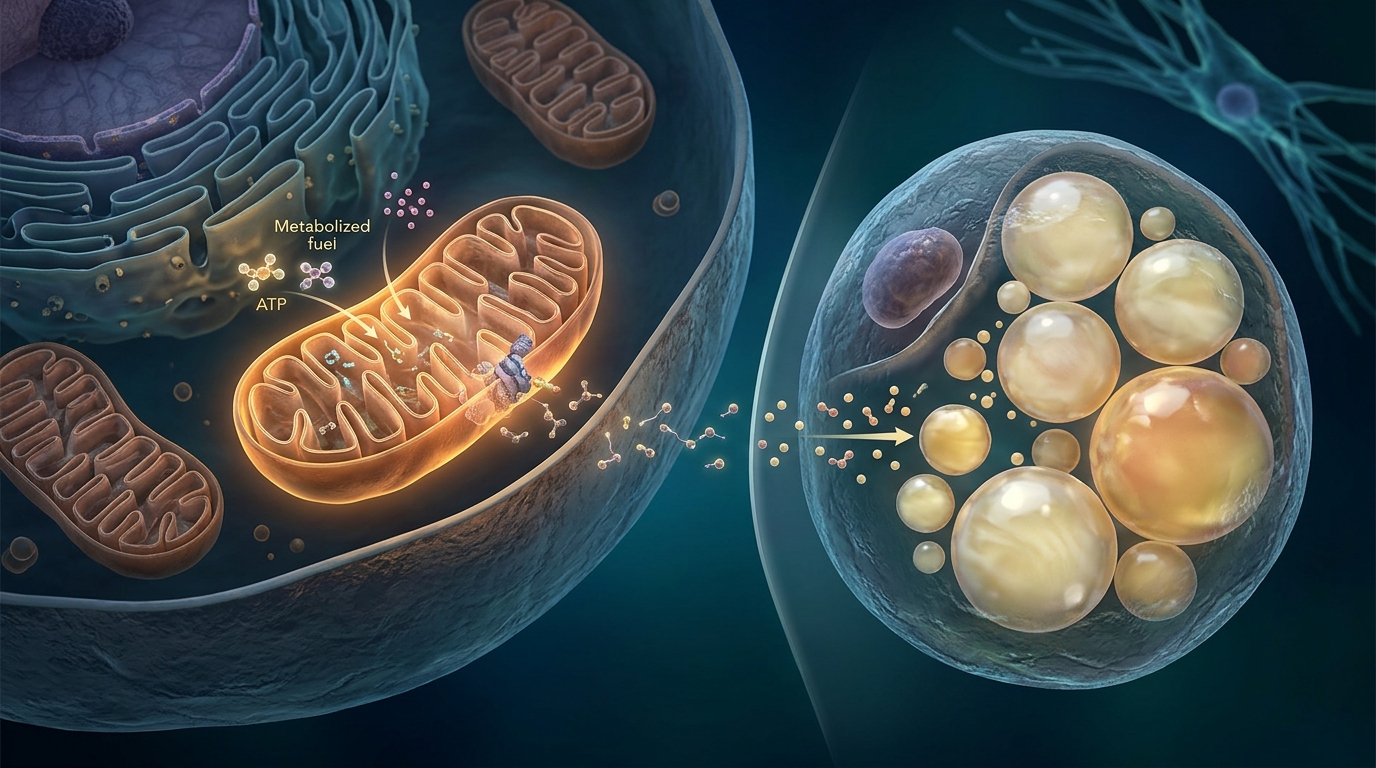
A mirror organism would flip both. Its proteins and genetic material would be made of the opposite-handed versions. Most of its chemistry would work the same way — a left glove is just as functional as a right one, but it would not fit the molecular "hands" that other organisms use to recognize and digest it.
That mismatch is the core of the worry. Immune systems identify invaders by molecular shape, and the enzymes that break down dead cells and microbes in soil and water are tuned to natural handedness. A mirror microbe that escaped a lab could, in theory, face fewer predators, fewer infections of its own, and slower decay. That is why the detection proposal focuses on samples from the wild, such as soil and water, rather than only on hospital patients.
Why Biologists Asked for a Pause
In December 2024, a group of 38 scientists from nine countries published a policy forum in Science with a roughly 300-page technical report, warning that mirror bacteria could pose serious risks. The authors included immunologists, plant pathologists, ecologists and biosecurity specialists. They wrote that they could not rule out a mirror bacterium acting as an invasive species across many ecosystems, CNN reported.
Jonathan Jones, a coauthor and group leader at The Sainsbury Laboratory in Norwich, England, described mirror bacteria as "a genie you don't want to let out of the bottle." The group recommended that research aimed at creating mirror bacteria not go forward without strong evidence it would be safe, and that funders decline to support it.
Not every scientist agreed on the level of concern. Tom Ellis of Imperial College London, who was not involved, called the worries very speculative given how early the research is. The 2024 report estimated that building mirror bacteria was a decade or more away and would require a major coordinated effort. The U.K. Government Office for Science and the U.N. Secretary-General's Scientific Advisory Board have since taken an interest in the issue.
Polarized Light as a Molecular Fingerprint
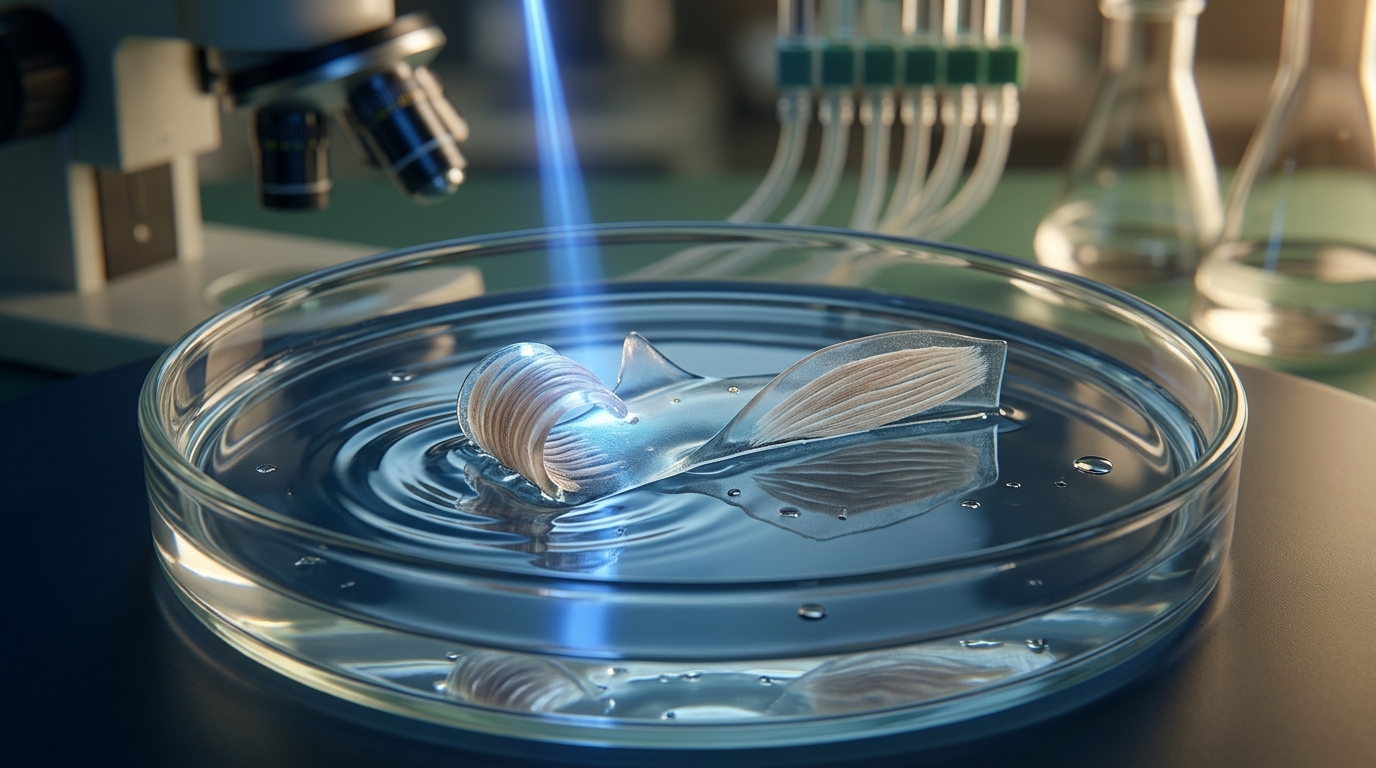
The new proposal uses circularly polarized luminescence, or CPL. When certain glowing molecules bind to chiral structures, the light they emit twists in one direction or the other depending on the handedness of what they are attached to. Durham chemist Robert Pal, a coauthor, compared the principle to the polarized glasses used in 3D movie theaters.
The team led by Lewis MacKenzie of Strathclyde proposes a set of fluorescent probes that attach to different structures inside cells. Each would produce a characteristic light signal, together acting as a fingerprint for natural or mirror-image life. Using several probes would guard against a single misleading reading.
A practical advantage — the method can be developed using ordinary biological samples, so no one has to create a mirror organism to test it. The researchers say the approach could be adapted to existing lab microscopes, cameras and plate readers, and Pal has already shown laboratory-scale CPL detection with such equipment.
An Untested Plan for an Unlikely Threat
The proposal has clear limits. The complete detection assay has not been tested experimentally, and more work is needed to show it can reliably tell molecular handedness apart in real biological samples, such as soil or water. This is a published proposal, not a working field test.
"We don't expect mirror life to appear tomorrow," MacKenzie said in the release, adding that the consequences could be severe if it ever did. That framing is the responsible reading for readers: mirror life is not in the environment, there is nothing to watch for at home, and no public health guidance has changed.
What happens next is mostly in policy and lab work. Researchers will need to validate the probes, and scientific bodies are still debating whether and how to restrict research that could lead to mirror organisms. Nature World News will follow any formal guidance from national science agencies.
What Readers Want to Know
What is mirror life? Hypothetical organisms built from mirror-image versions of the molecules all known life uses, like a left hand compared with a right hand.
Does mirror life exist? No. No one has created it, and researchers consider its emergence unlikely.
Why are scientists worried? It might evade immune systems and natural decomposers, and could spread through ecosystems as an invasive organism.
How would the new test work? Fluorescent probes would emit light that twists differently depending on the handedness of the cell structures they bind to.
Has the test been proven? Not yet. The full assay has not been tested experimentally.
Does this change anything for the public? No. There is no risk to watch for at home, and no health guidance has changed.
© 2026 NatureWorldNews.com All rights reserved. Do not reproduce without permission.

















 English (US) ·
 French (CA) ·