

Ah, the summer sun is sweet. We wait all winter for it, then finally June arrives and out we go to the garden patio. But as you enjoy the garden in summer, so do the mosquitos who hang around the patio and look for opportunities to fly into the house. Many of us no longer use toxic sprays so what’s a gardener to do?
One appealing alternative is to rely on plants that deter pests, or, more specifically, scented vines that repel mosquitos. That’s right, the same fragrant vines you love carry scents that send mosquitos over to the neighbor’s yard. These are not weird plants with names you cannot pronounce, but familiar favorites like jasmine and clematis.
These vines will do double duty, framing your windows and doorways with beautiful flowers and foliage and also keeping those mosquitos at bay.
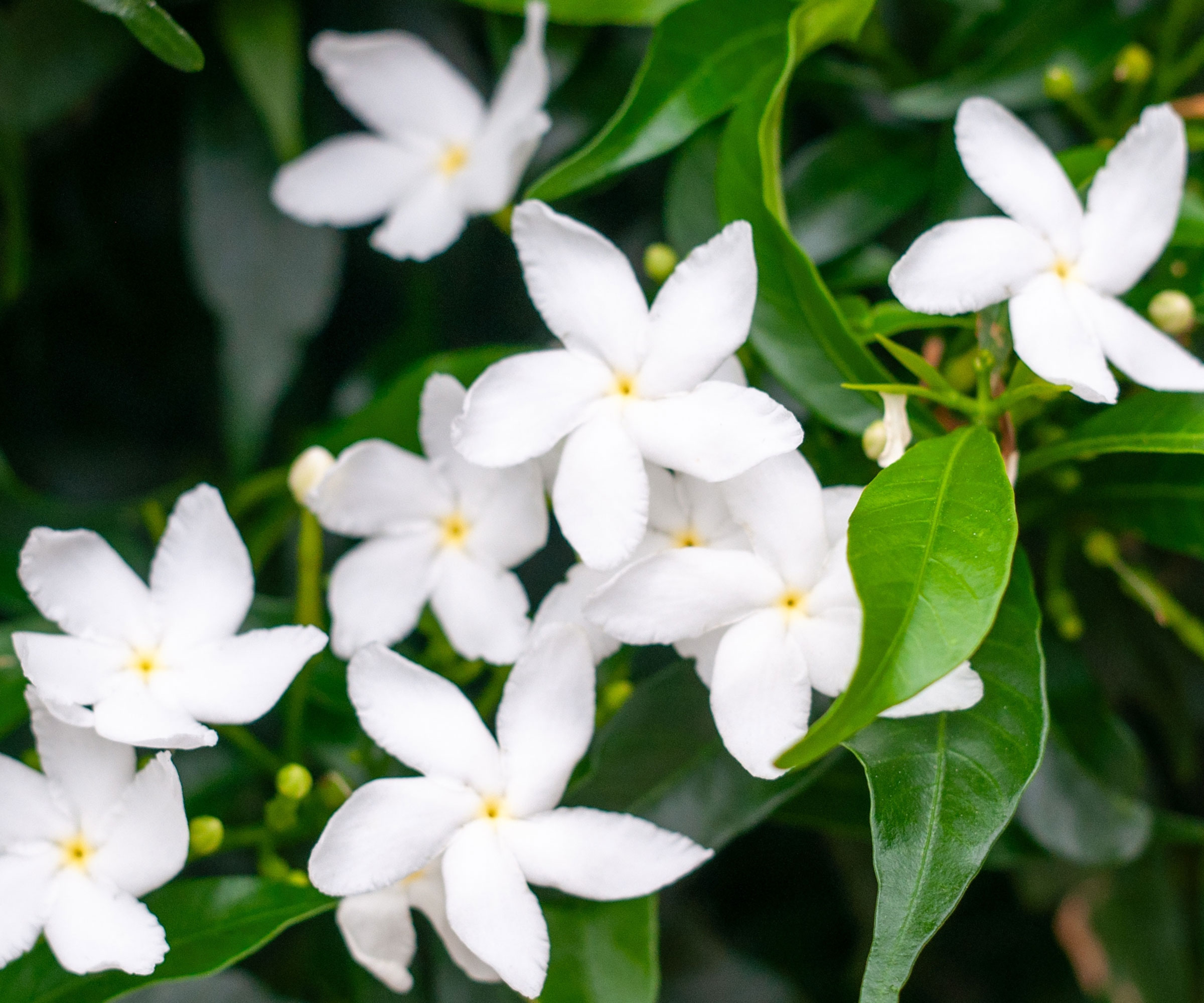
1. Jasmine
(Image credit: Sujinno Khongmaung / Shutterstock)
I have a jasmine vine (Jasminum spp.) running up an oak tree on the edge of my patio in France, and it fills the entire area with an intoxicating scent in spring and early summer. The vines can climb to 20 feet (6 meters), plenty long enough to surround a door or window in your house. They need at least six hours of sun a day and regular water to keep them healthy. My vine is utterly lovely but it was only recently that I learned that it also keeps mosquitoes away. Grow on a trellis like this tall garden trellis from Wayfair to frame your door beautifully.
Yes, jasmine is known for its ability to keep mosquitoes away. This applies both to common jasmine (Jasminum officinale) and Arabian jasmine (Jasminum sambac). Both are extremely effective in repelling mosquitoes. This vine will naturally repel mosquitoes, so it's a great choice to plant in doorways and around windows in USDA zones 7-10.
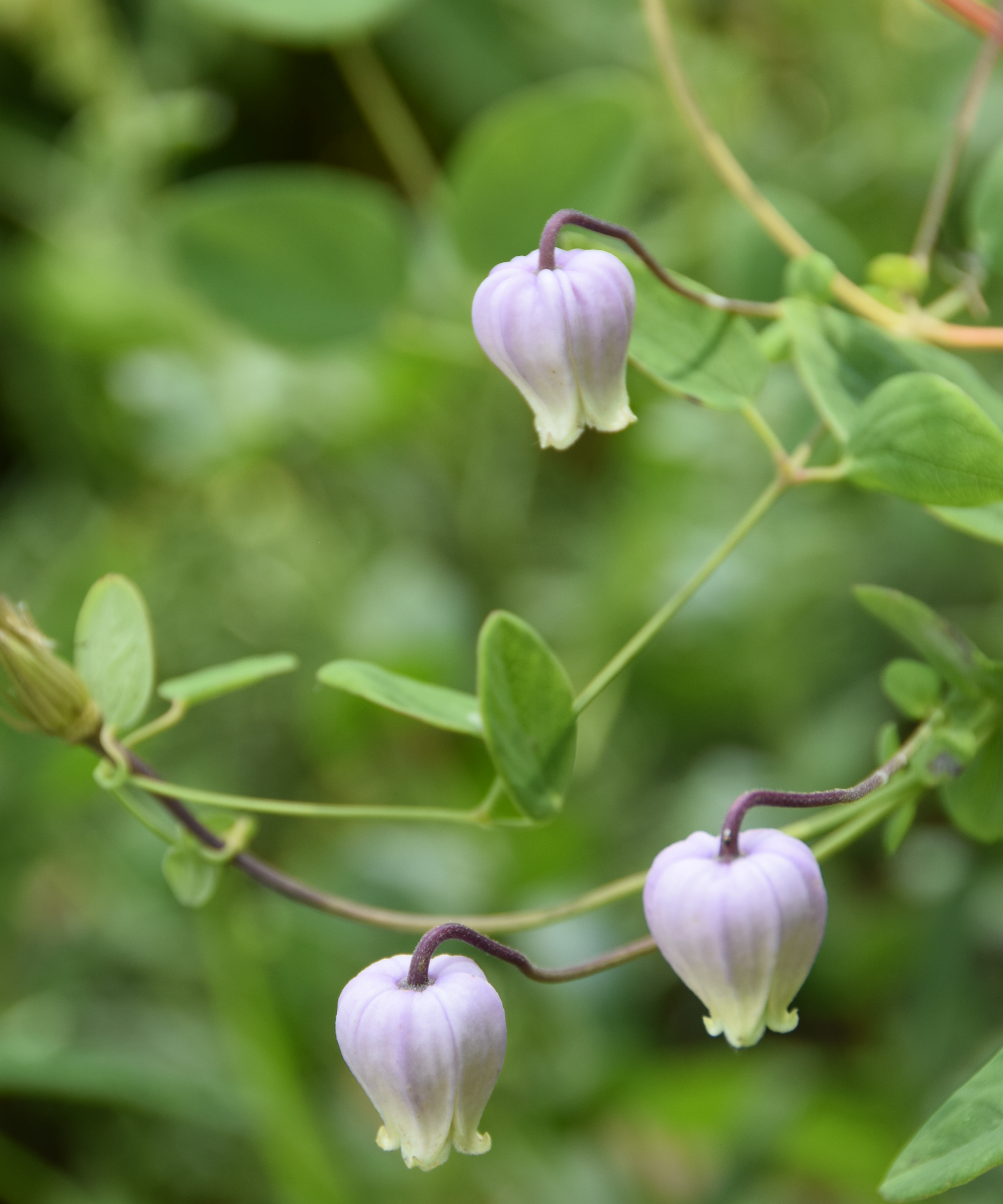
2. Clematis
(Image credit: Susan Albert / Future)
Clematis is a wonderful climbing vine offers spectacular flowers as well as mosquito protection. Clematis flowers are amazing and they come in many forms including saucers, bells, tubes, tulips, open bells, doubles, and semi-doubles. The hues are special too, cool pinks and purples but also blue, white, magenta and yellow.
Give your clematis a full sun location and soil that drains well. Walls and doorways are ideal locations to grow this woody, deciduous vine that can grow to 20 feet (7m) tall. Most bloom in spring or summer and are hardy to USDA hardiness zone 4.
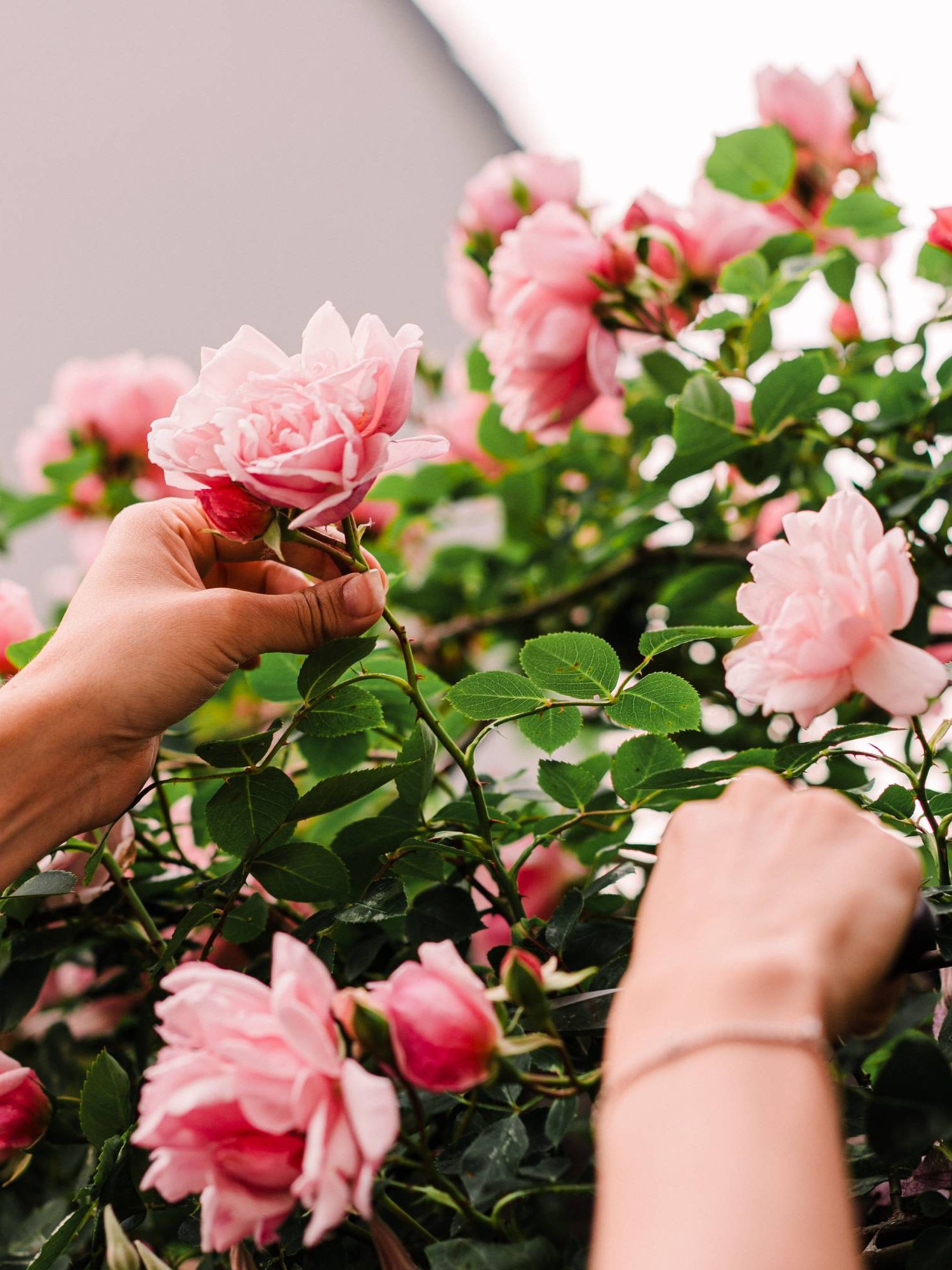
3. Damask Rose
(Image credit: Olena Malik / Getty Images)
The Damask rose (Rosa x damascena) is an ancient hybrid that is famed for its intense fragrance and delicate ballerina-pink blossoms. It is considered by many to be the queen of flowers.
The fragrance of the Damask rose is sweet and honey-like, with spicy and cognac notes. The scent is so robust that it is often used in perfumes and essential oils. It is a climbing rose that can grow to 7 feet (2m) tall and 3 feet (1m) wide in USDA zones 4-9.
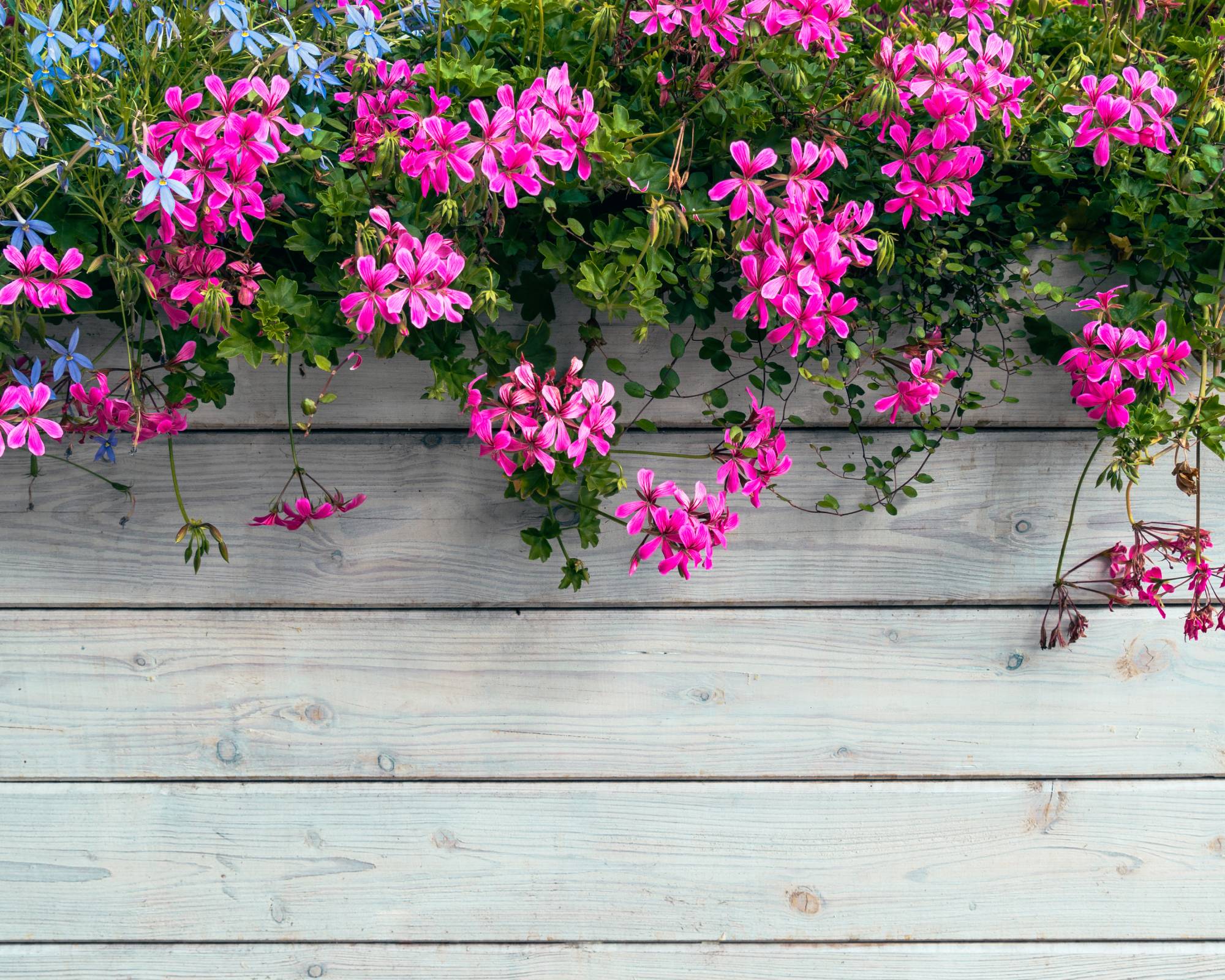
4. Ivy Geraniums
(Image credit: Konoplytska / Getty Images)
Ivy geraniums (Pelargonium peltatum) are easy to grow and produce bright and beautiful blossoms. They do double duty in the garden, contributing both as a beautiful climbing plant and by repelling mosquitoes. But that’s not all. Their strong fragrance also repels other unpleasant bugs like ants, whiteflies, spider mites, aphids, Japanese beetles, thrips, and cockroaches.
Although they are called climbing geraniums, they also can cascade beautifully. Planted in full sun in well-draining soil, these geraniums grow vigorously and flower for long periods, making them a top choice for vertical gardening in USDA zones 9-11.

















 English (US) ·
  French (CA) ·