

PROTECT YOUR DNA WITH QUANTUM TECHNOLOGY
Orgo-Life the new way to the future Advertising by Adpathway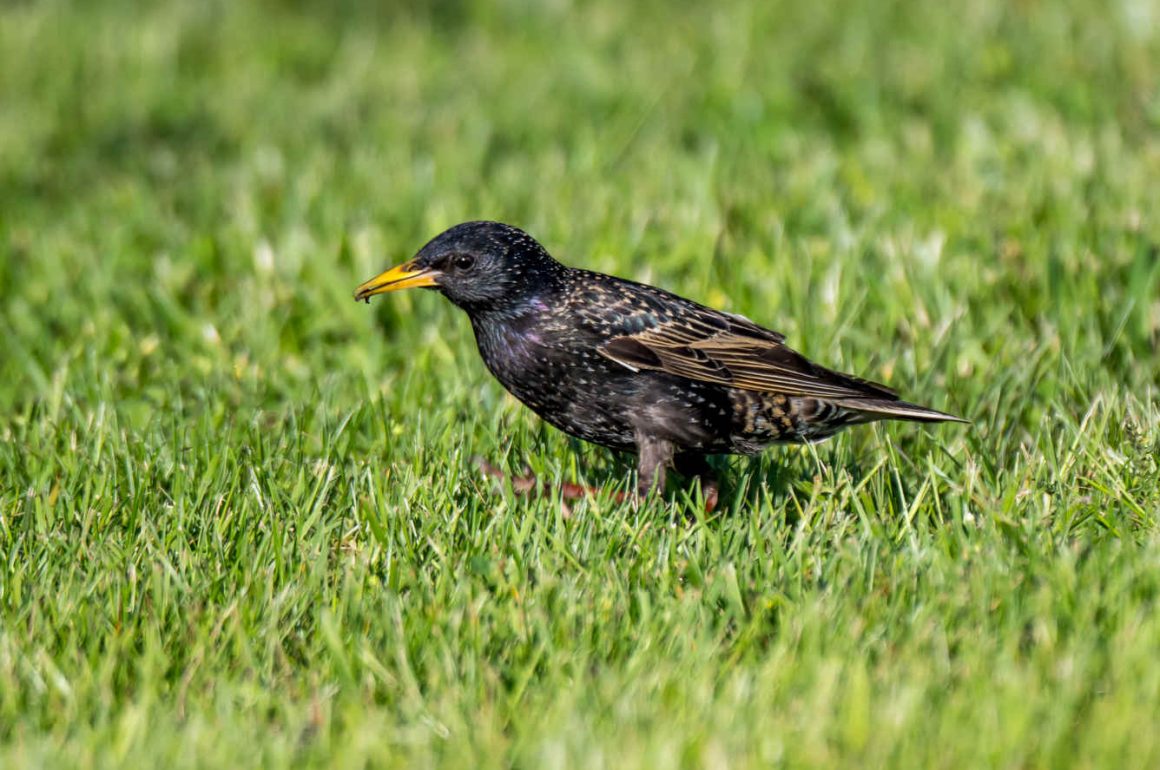
In 2014, two researchers looked at the number of papers on 10,064 bird species in the Zoological Record database from 1978 to 2008. While the results have to be taken with some caution—for example, there were name changes, and species frequently kept in captivity may have been overcounted—they probably still give a good general idea of which birds ornithologists focus on.
And the Top Ten (by number of papers) were
- European Starling — 2,226
- Barn Owl — 2,210
- Mallard — 2,197
- Peregrine Falcon — 2,092
- Great Tit — 2,088
- House Sparrow — 1,966
- Red Junglefowl — 1,936
- European Herring Gull — 1,781
- Great Cormorant — 1,684
- White Stork — 1,526
Obviously, scientists have favorites. This becomes even clearer when comparing species in the same genus:
| Tyto alba — Barn Owl | 2,210 | Tyto aurantia — Golden Masked Owl | 0 |
| Anas platyrhynchos — Mallard | 2,197 | Anas puna — Puna Teal | 0 |
| Parus major — Great Tit | 2,088 | Parus amabilis | 0 |
| Passer domesticus — House Sparrow | 1,966 | Passer cordofanicus — Sudan Golden Sparrow | 0 |
| Phalacrocorax carbo — Great Cormorant | 1,684 | Phalacrocorax chalconotus | 0 |
| Hirundo rustica — Barn Swallow | 1,345 | Hirundo domicola — Hill Swallow | 0 |
| Ficedula hypoleuca — European Pied Flycatcher | 1,161 | Ficedula basilanica — Little Slaty Flycatcher | 0 |
| Turdus merula — Eurasian Blackbird | 1,055 | Turdus bewsheri — Comoro Thrush | 0 |
| Corvus corone — Carrion Crow | 1,044 | Corvus florensis — Flores Crow | 0 |
| Bubo bubo — Eurasian Eagle-Owl | 773 | Bubo shelleyi — Shelley’s Eagle-Owl | 0 |
Indeed, 2,217 species (22%) had a research-effort count of zero.
So, what determines which species ornithologists choose to study? The results of the analysis show that
- Migratory species averaged 98.8 publications, versus only 10.9 for resident species.
- Mainland species averaged 33.3 publications, compared with 6.3 for island species.
- Least Concern species averaged 31.4 publications, more than twice the 14.5 for threatened species.
- European and North American birds were studied far more heavily than birds from other regions.
To me, this seems to indicate that research is much more driven by practical concerns (are the birds easy to find, are they conveniently located) than by actual research need – which I think should be higher for threatened species, not lower.
For a bird hoping to attract the attention of science, being conveniently located apparently helps more than being threatened. I find that somewhat depressing.

Written by Kai Pflug
Kai has lived in Shanghai for 22 years. He only started birding after moving to China, so he is far more familiar with Chinese birds than the ones back in his native Germany. As a birder, he considers himself strictly average and tries to make up for it with photography, which he shares on a separate website. Alas, most of the photos are pretty average as well. He hopes that few clients of his consulting firm—focused on China’s chemical industry—ever find this blog, as it might raise questions about his professional priorities. Much of his time is spent either editing posts for 10,000 Birds or cleaning the litter boxes of his numerous indoor cats. He occasionally considers writing a piece comparing the two activities.




















 English (US) ·
  French (CA) ·