

PROTECT YOUR DNA WITH QUANTUM TECHNOLOGY
Orgo-Life the new way to the future Advertising by Adpathway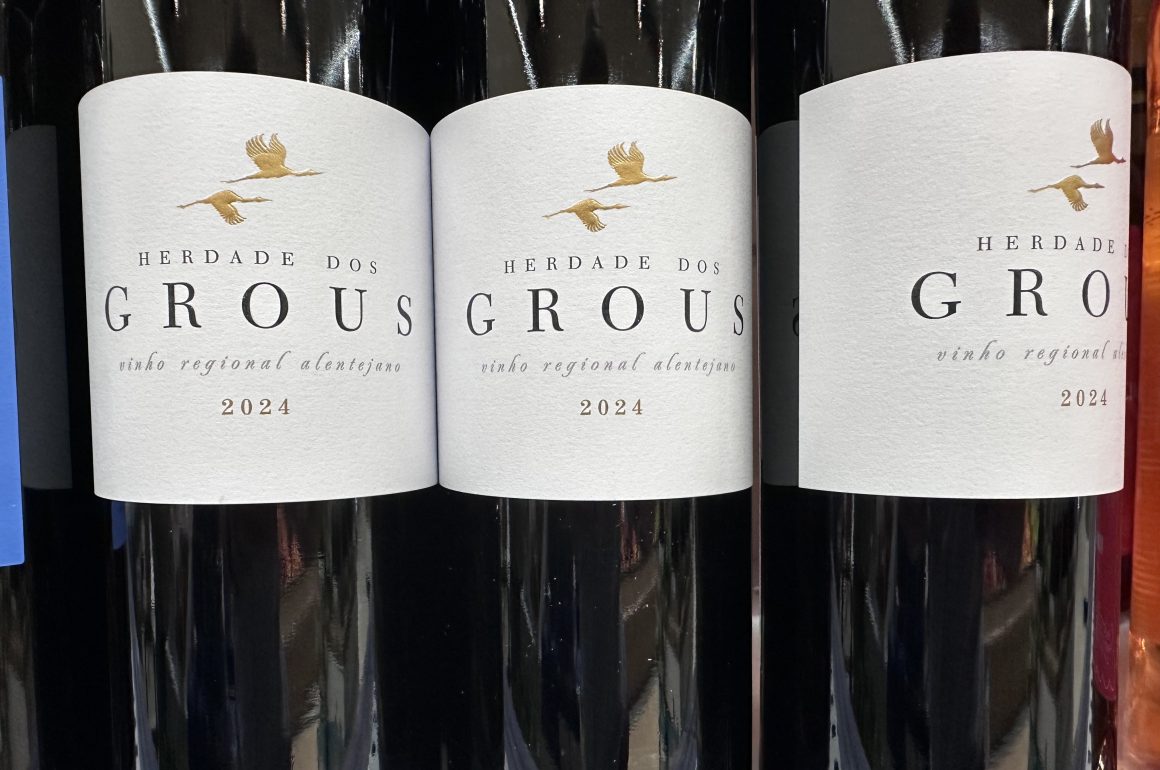
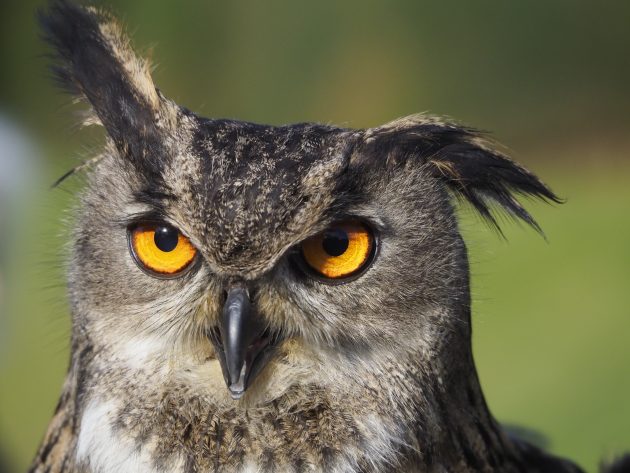
If you enjoy ticking off birds on wine labels, then Portugal has to be the best country to do so. Back in September, in a small supermarket in Sagres, in western Portugal, I ticked of an impressive list of wine-label birds – Common Crane, Grey Partridge, Pheasant, Short-toed Eagle, Eagle Owl, Bee-eater, Stonechat, Firecrest, Golden Oriole, Bluethroat, Blue tit, Sardinian Warbler, Wren, plus a somewhat out of place toucan (though to be fair, this wasn’t on a wine bottle, but a bottle of fizzy mango juice.)
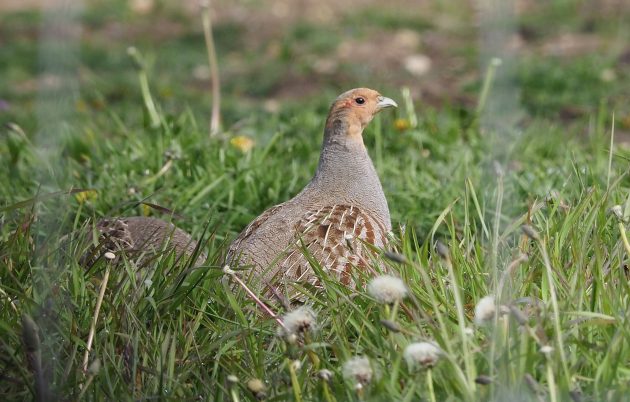 Grey Partridges only occur in Portugal on wine labels (below)
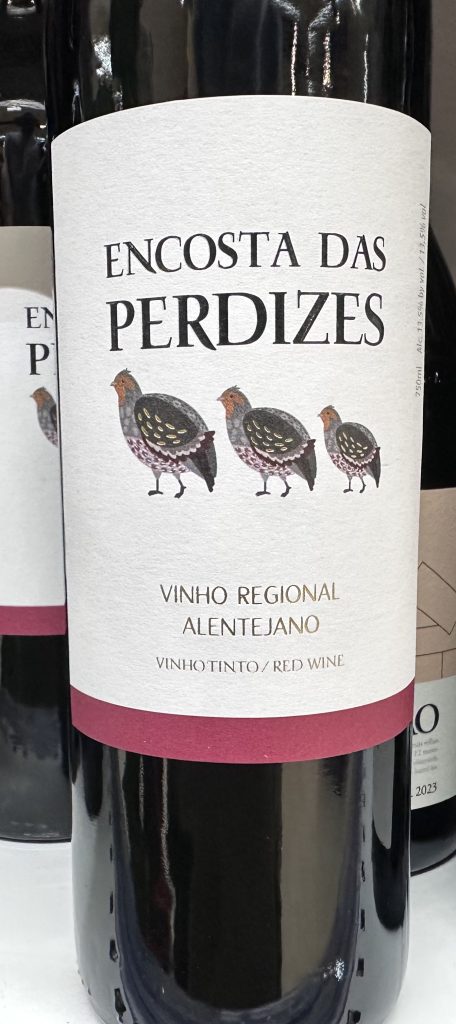
The depiction of Grey Partridges on the label of a Portuguese wine was a little surprising, as this is a bird that doesn’t occur in the country, where its place is taken by the Red-legged Partridge. I’ve noticed Grey Partridges on the same Portuguese wine before, but this is a new and rather attractive design.
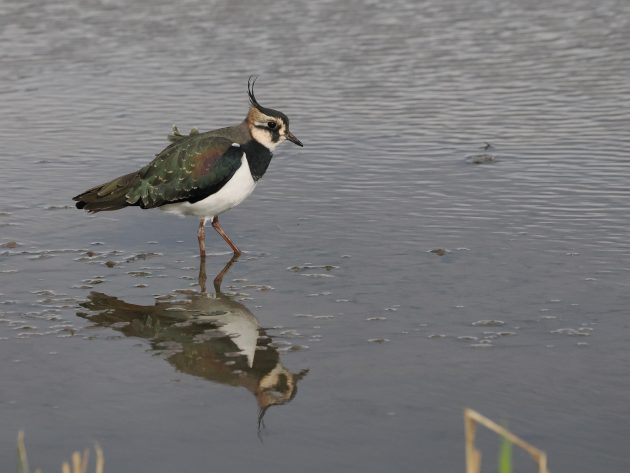
Lapwings may not perch on trees, but they do look good on wine labels (below)
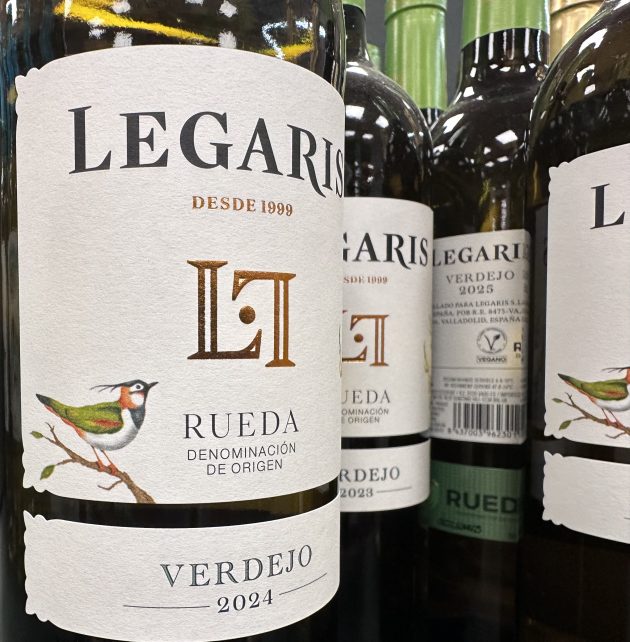
In contrast, walking around the impressive selection of wines in a supermarket in Mahon, on the Balearic island of Menorca, I managed just a single species, a Lapwing. Confusingly, this Lapwing was depicted sitting on a branch, which is something that Lapwings just don’t do, as they are birds that like to have their feet planted firmly on the ground. However, it still makes an attractive label.
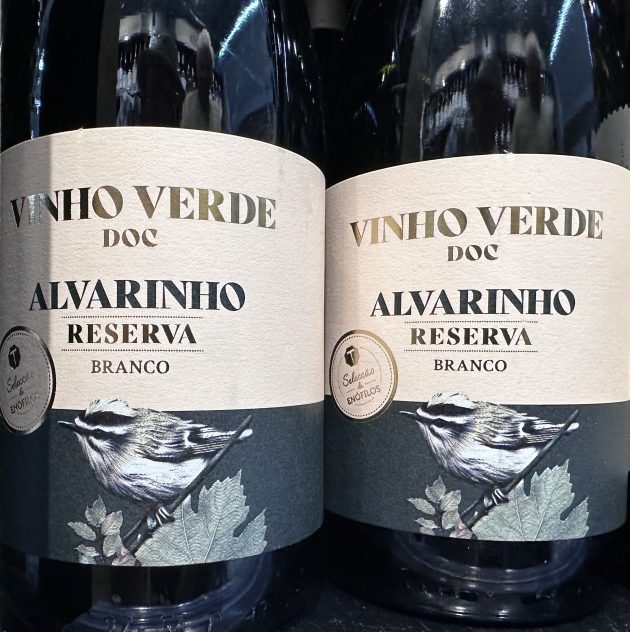
What’s a Firecrest doing on a bottle of Vinho Verde?
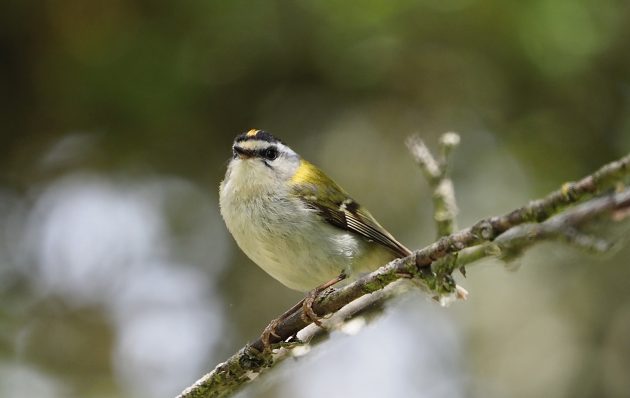
One of the frustrations of my wine-label ticking in Portugal was that I wasn’t in the country long enough to sample the wines behind the label. I did try one, the Firecest (on a bottle of Vinho Verde, the so-called green wine of the Alentejo). It was a perfectly pleasant and eminently drinkable wine, but nothing special.
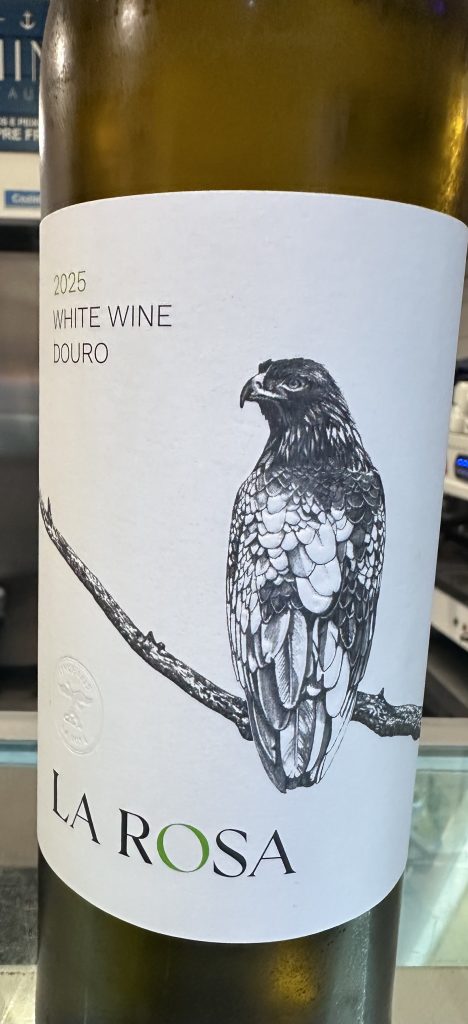
I reckon that La Rosa’s bird is a Short-toed Eagle (below)
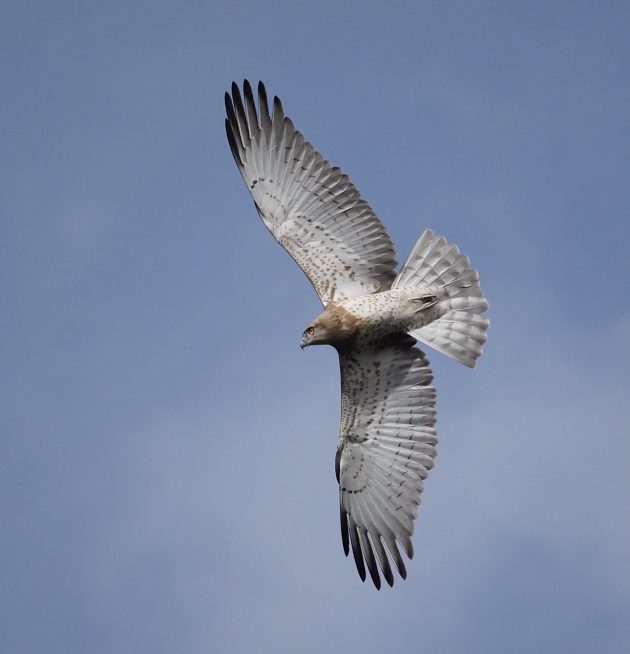
At home, I buy my wines on line from the Wine Society, a wine-buying co-operative that was founded way back in 1874 (I’ve only been a member since 1991). This means I don’t walk round a store looking at the labels, though I will always buy a bottle if I spot a bird on the label. I’ve recently sampled a couple of wines that I bought from the Society, though I was unaware of the birds on the labels when I ordered them. One was a pleasant, unassuming French wine called Cantoiseau, singing bird, and it depicted what looked very much like a Blackbird on its label. It was the sort of wine you could knock back quite happily while listening to a singing Blackbird, though you would be more likely to remember the bird than the wine. (For non-European readers, I should explain that the Blackbird is one of our finest songsters).
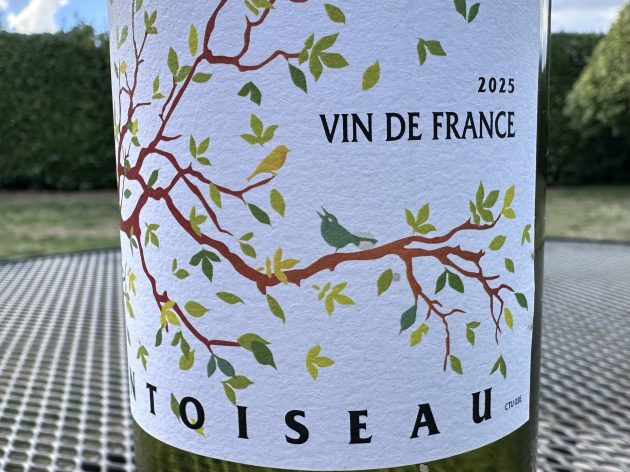
That looks like a singing Blackbird, with a Robin perched above
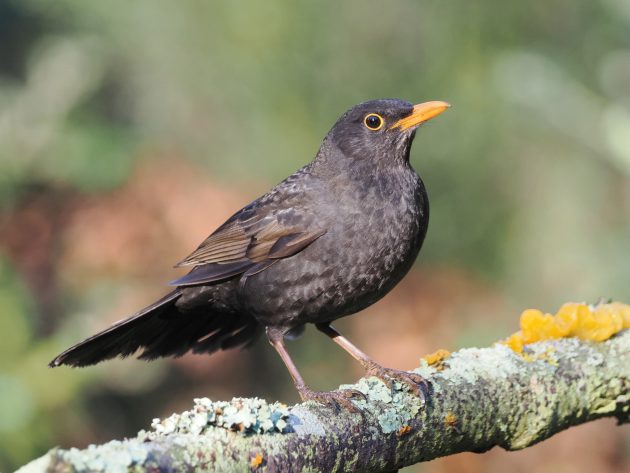
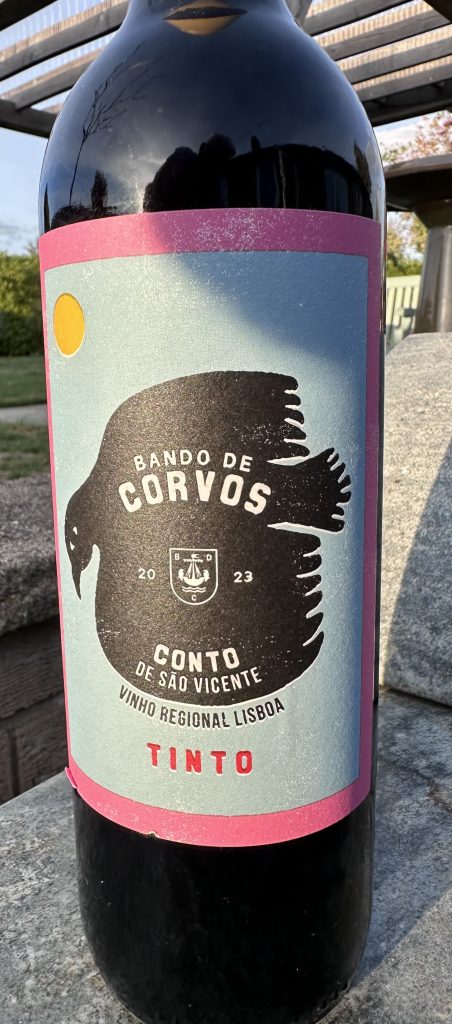
Were the band of crows really Jackdaws (below)?
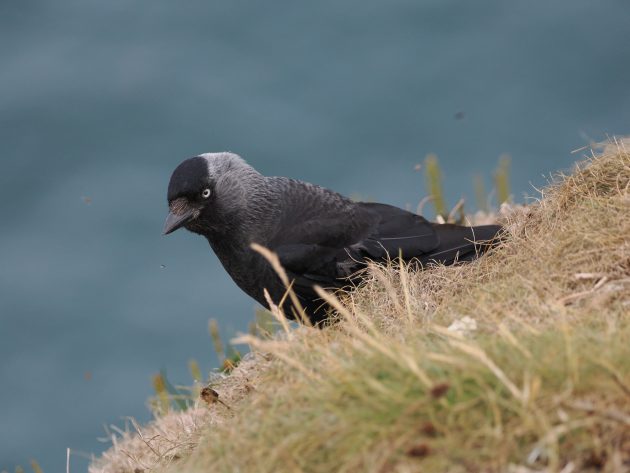
I was more impressed with a Portuguese wine called Banda de Corvus – literally band of crows. The story goes that when the body of St Vincent was transported from what is now called Cape St Vincent to Lisbon it was protected by a band of crows sitting on the ship. According to the label, “today the crows still watch over the cathedral and St Vincent building”. I reckon that there is a mistaken identity here, and that the band of crows were actually a band of Jackdaws (which are in fact small crows). I didn’t disagree with the rest of label, which described the wine, a blend of three grapes, as forming “a well-round wine with red berry and fruit character. Beautifully balanced, fine tannins and a long finish.” It’s a wine I’d happily drink again.
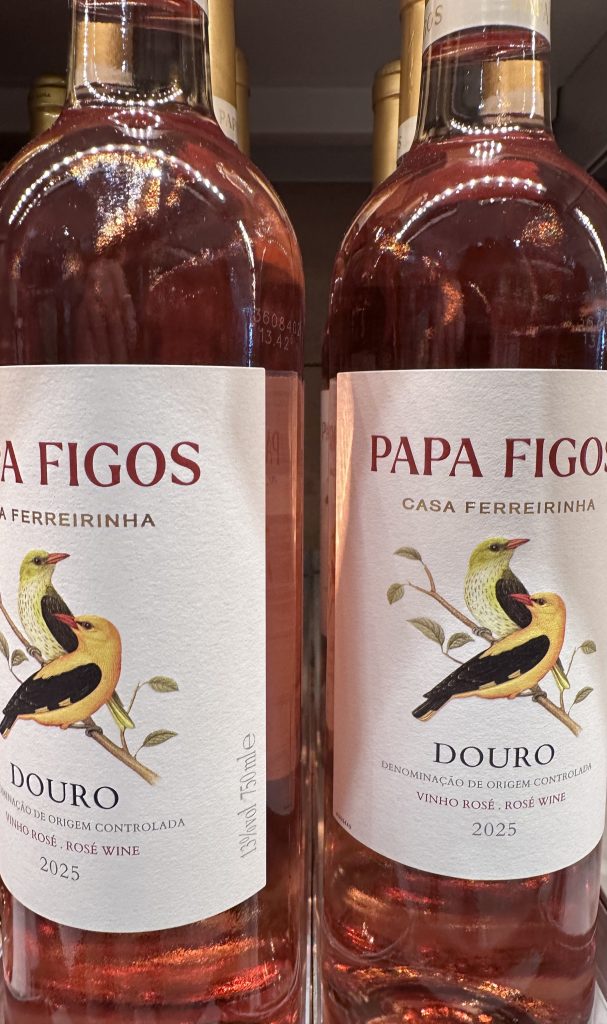
Papa Figos is Portuguese for Golden Oriole
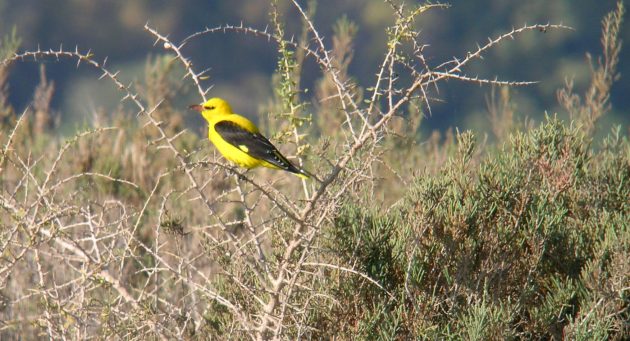
Another Portuguese wine I really like is Papa Figos – it’s the local name for a golden oriole. There’s white, rosé and red bottles of Papa Figos, and I’d recommend all three as they are excellent examples of the great value you get with mid-range wines from Portugal. I’m pleased to note that the makers of Papa Figos have commissioned some new pictures of the Orioles to go on their labels.
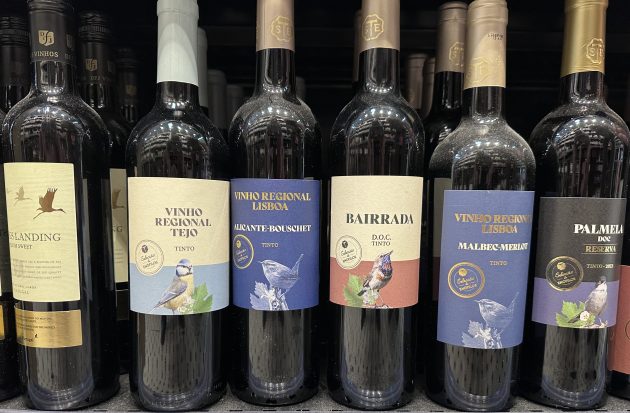
Can anyone beat my tally of 13 species in one wine store or supermarket?
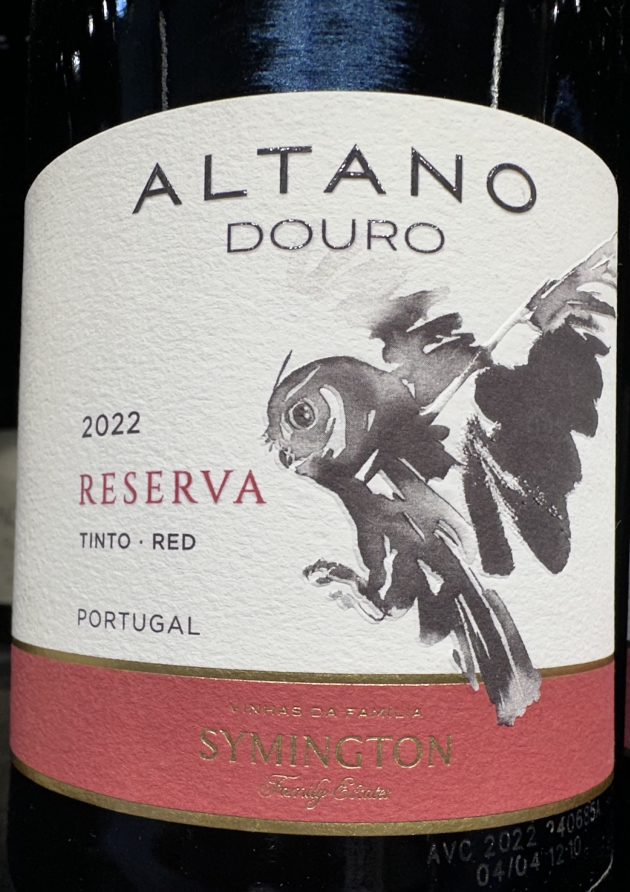
That looks like an Eagle Owl to me

Written by David T
David Tomlinson has been interested in birds for as long as he can remember, and has been writing about them for almost as long. An annual highlight is hearing his first cuckoo of the year at home in Suffolk, England, which he rates as almost as exciting as watching White-necked Rockfowls in Ghana or Steller’s Eiders in North Norway. A former tour leader, he has seen an awful lot of birds around the world, and wishes he could remember more of them. As for the name of David's beat, here is an explanation in his own words: "Brecks (Breckland) does need an explanation - it’s the name for the region on the Suffolk/Norfolk borders, renowned for its free-draining sandy soils. It has the closest to a Continental climate of anywhere in the UK. At its heart is Thetford Forest, which has the biggest population of nightjars of anywhere in the UK. The stone curlew is the other special bird of the region, again with the biggest population in the UK (over 250 pairs)."

















 English (US) ·
 French (CA) ·